
Home kidney health monitoring gives people with chronic kidney disease a way to participate actively in their own care between clinical appointments — tracking the measurements, symptoms, and daily patterns that, taken together, create a meaningful picture of how their condition is trending. CKD is a chronic condition measured over months and years, but the daily and weekly signals that eventually show up on lab results or in a physician’s assessment are generated at home, not in the clinic. Blood pressure readings taken once every three months at a doctor’s office capture a moment; readings taken daily at home capture a pattern — and patterns are what determine management decisions in CKD. This article covers what to track, why each measurement matters, how to track it accurately, and how to use home monitoring data to make clinical appointments more productive. For context on how home monitoring fits into the broader long-term management of CKD, the article on kidney disease and long-term monitoring provides the clinical framework. For the numbers that matter most in kidney health, see the article on kidney health numbers every adult should know. For understanding what the underlying measurements mean, the article on kidney function tests: a simple guide explains eGFR, creatinine, and urinary albumin in accessible terms.
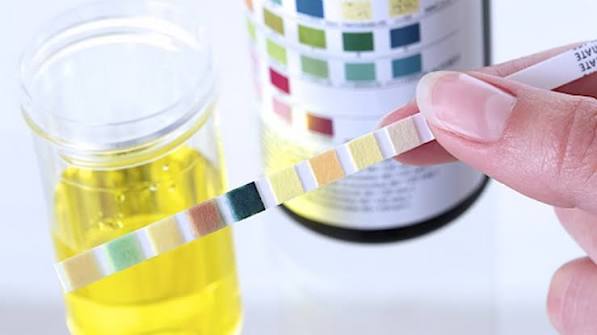
Blood Pressure: The Most Important Daily Measurement in CKD
Blood pressure monitoring is the single most important home measurement for most CKD patients, and it deserves the most structured approach in any home monitoring program. Hypertension both causes kidney disease and is caused by it — the relationship is bidirectional. Elevated blood pressure damages the glomerular filtration barrier over time, accelerating GFR decline. Conversely, as kidney function declines, the kidneys lose their ability to regulate sodium and fluid balance, contributing to persistent hypertension. The implication is that blood pressure control in CKD is simultaneously a treatment for the underlying cause (in hypertensive nephropathy) and a primary mechanism for slowing progression across all CKD causes. What to measure: systolic and diastolic blood pressure, along with pulse. Target range: current guidance from KDIGO recommends a target systolic blood pressure below 120 mmHg for most CKD patients, though individual targets are determined by the nephrologist based on age, proteinuria level, cardiovascular risk, and medication tolerance. Targets for elderly patients or those with significant comorbidities may be less aggressive. When to measure: once in the morning before medications and food, and once in the evening before bed — this two-reading-per-day protocol captures both the morning surge (the period of highest cardiovascular event risk) and the daily trend. For patients whose blood pressure is unstable or being actively adjusted by medication changes, measuring twice at each sitting and recording the average improves reliability. How to measure accurately: sit quietly for five minutes before measuring; feet flat on the floor, not crossed; arm supported at heart level; cuff on bare skin, not over clothing; avoid caffeine, exercise, or smoking for 30 minutes prior. Use a validated upper-arm cuff device — wrist monitors are less reliable for most patients. Take readings at the same time each day for comparability. What to log: date, time, systolic, diastolic, pulse, any notable context (missed medications, unusual salt intake, poor sleep, stressful day). Context transforms a high reading from an isolated number into an interpretable event. When to contact the care team: systolic above 180 mmHg or below 90 mmHg on a single reading; any reading accompanied by chest pain, severe headache, or visual changes; a consistent upward trend of 10+ mmHg over 1–2 weeks without an obvious cause. The relationship between blood pressure control and kidney protection is covered in detail in the article on blood pressure control and kidney protection. The KDIGO blood pressure target evidence for CKD is referenced in the KDIGO CKD evaluation and management guidelines.
Weight and Fluid Balance: Detecting Edema Early
Daily weight monitoring is a sensitive and early indicator of fluid retention in CKD — particularly important for patients with nephrotic syndrome, those receiving diuretic therapy, and dialysis patients managing interdialytic fluid gains. The kidneys regulate fluid and sodium balance; when kidney function declines, this regulation becomes impaired, and excess fluid accumulates in the extravascular space (edema) or intravascular space (volume overload), contributing to hypertension and cardiac strain. Weight gain that represents fluid accumulation — rather than caloric intake — is rapid: a gain of 1–2 kg over 24–48 hours reflects fluid, not tissue. Tracking this with a daily scale makes the distinction detectable. When to weigh: every morning at the same time, after voiding and before eating or drinking, in the same amount of clothing (or none) for consistency. The morning-after-void measurement eliminates the variability of bladder contents and food/fluid intake that makes evening weights less reliable as a fluid trend indicator. What to log: date, weight in kilograms or consistent pounds, and any notable context (visibly swollen ankles, reduced urine output, shortness of breath on exertion). When to contact the care team: a gain of more than 1 kg (approximately 2 lbs) in a single day; a gain of more than 2 kg over three days; visible new or worsening ankle, foot, or hand swelling; shortness of breath on minimal exertion or when lying flat; weight gain accompanied by decreased urine output. These patterns suggest fluid overload and require prompt clinical evaluation — particularly in late-stage CKD and dialysis patients, where fluid overload can escalate to pulmonary edema. For dialysis patients: the “dry weight” concept — the target weight the dialysis team aims to achieve after each session — is the reference point. The interdialytic weight gain between sessions should stay within the target set by the dialysis care team (typically 1–2 kg for most patients). Daily weighing allows patients to track whether they are trending toward or beyond that limit before the next session. The connection between fluid balance, sodium, and kidney disease is covered in the article on fluids and kidney disease: what to know. The broader picture of monitoring frequency and targets for different CKD stages is covered in the article on how often should kidney function be checked.
Symptoms, Urine, and Medication Adherence: Completing the Home Record
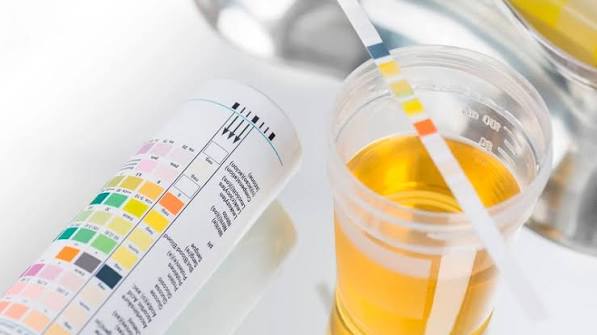
Blood pressure and weight monitoring are the quantitative anchors of the home CKD record, but a complete home monitoring program also tracks symptoms, urine observations, and medication adherence — qualitative and behavioral data that fill in the picture that numbers alone cannot provide. Symptom diary: CKD symptoms are often nonspecific and easy to attribute to other causes — fatigue, poor sleep, reduced appetite, difficulty concentrating, mild nausea, muscle cramps, and swelling are all common CKD-associated symptoms that can go untracked and underreported. A brief daily symptom log — noting which symptoms are present, their severity on a simple 1–10 scale, and any obvious triggers — creates a documented record of symptom burden over time. This record is clinically useful in two ways: it helps identify patterns (symptoms worsening in the week before a scheduled lab draw may correlate with the lab findings), and it ensures that appointment conversations are based on a documented history rather than best recollection. Key symptoms to log include: fatigue level; appetite and nausea; sleep quality; presence of leg, ankle, or foot swelling; shortness of breath; itching; muscle cramps; and headache. Urine observation log: patients do not need to perform clinical urinalysis at home, but observational urine monitoring is a practical and early warning tool. Log daily: approximate urine color (pale yellow, medium yellow, dark yellow, amber, brown, pink/red); approximate frequency (notably higher or lower than usual); and any observations of unusual cloudiness, foaminess, or odor. Foamy urine that persists (not just a brief bubble from stream turbulence) can indicate proteinuria and warrants clinical follow-up. Pink or red-tinged urine warrants prompt evaluation — hematuria has a range of causes from benign (vigorous exercise) to serious (kidney stone, tumor, infection). Decreased urine output — particularly a sudden reduction to very low output — is a potential sign of acute kidney injury and should prompt immediate contact with the care team. The significance of urine color and appearance changes is covered in detail in the articles on urine color: what adults should know and foamy urine: what it may mean. Medication adherence tracking: CKD patients typically take 10–15 medications, including antihypertensives, phosphate binders, vitamin D analogues, bicarbonate supplements, erythropoiesis-stimulating agents, and others. Missed doses of antihypertensives directly affect blood pressure readings — a high blood pressure reading on a day when a dose was missed has a different meaning than a high reading with full adherence. Logging whether all medications were taken as prescribed, and noting any doses missed or changed, adds essential context to all other monitoring data. A simple daily checkbox for medication adherence, alongside the blood pressure and weight log, is sufficient. Bringing the home record to clinical appointments: the goal of home monitoring is to make clinical appointments more productive and the care team’s decisions more informed. Bringing a printed or digital copy of the home monitoring log — at minimum the most recent two to four weeks of daily readings — allows the nephrologist and renal dietitian to review trends that a single office visit cannot capture. Blood pressure trends, weight trends, symptom evolution, and medication adherence patterns visible in the log enable more specific and effective treatment adjustments. Patients who consistently bring home monitoring records to appointments often report that their care team becomes more engaged and specific in their recommendations — because there is evidence to work with. The NIDDK educational resource on managing CKD and monitoring kidney health at home is at the NIDDK CKD management page. The NKF patient resource on CKD self-management is at the NKF CKD patient resource page. For a structured template for organizing doctor visit conversations based on home monitoring data, the companion article on doctor visit checklist for kidney health provides a practical framework for translating home monitoring records into productive clinical appointments.
Sources: NIDDK CKD Management · National Kidney Foundation · KDIGO CKD Guidelines · StatPearls: CKD Monitoring
Diet and Fluid Tracking: The Nutritional Dimension of Home Monitoring
Home monitoring for CKD is not limited to physiological measurements — dietary and fluid intake tracking adds an important nutritional dimension that connects daily food choices to the lab results and clinical trends that the nephrology team reviews. The renal dietitian and nephrologist make dietary recommendations based on lab values (potassium, phosphorus, sodium, protein in urine), but the connection between specific foods and those values is often clearest when the patient maintains a dietary log. A spike in potassium on a monthly lab draw is more actionable when the patient can report that the prior week included several high-potassium foods — it guides the response (dietary adjustment) rather than leaving the elevated result unexplained. What to track in a dietary log: a full food diary is the gold standard but is unsustainable for many patients long-term. A practical middle ground for CKD patients is to track specifically the categories that most directly affect kidney-relevant lab values: potassium-rich foods (bananas, oranges, potatoes, tomatoes, avocado, dairy, beans, nuts); phosphorus-rich foods (dairy, processed foods with phosphate additives, cola beverages, nuts, seeds, whole grains); sodium intake (restaurant meals, processed foods, added salt); protein intake (meat, poultry, fish, eggs, dairy, legumes); and fluid intake (total volume of all beverages including water, coffee, tea, juice, and any fluid-containing foods such as soups or ice cream for patients on fluid restriction). The renal dietitian can specify which categories are most important to track based on the patient’s current lab values and dietary history. How to track: a simple notebook entry after each meal is adequate. Smartphone apps with nutrition databases (Cronometer, MyFitnessPal) can automate nutrient calculations for patients who prefer digital tools. The key is consistency — even imperfect daily records are more useful than sporadic detailed records. Identifying triggers for lab abnormalities: patients who track their diet can often identify dietary triggers for laboratory abnormalities that their care team would otherwise have to guess at. If a patient consistently has high phosphorus results and can identify that they regularly consumed a high-phosphorus food or food additive in the preceding days, the care team can address the specific source rather than providing generic phosphorus restriction guidance. This level of specificity improves dietary counseling and makes dietary changes more targeted and sustainable. The relationship between dietary phosphorus and kidney disease is covered in the article on phosphorus and kidney disease. The role of dietary potassium management in CKD is covered in the article on potassium and kidney disease: what to know. Fluid tracking for patients on restriction: patients with advanced CKD, heart failure, or on dialysis with a prescribed fluid restriction must track fluid intake as carefully as any medication dose. A daily fluid log — recording every beverage and fluid-containing food — with a running total against the daily limit is a necessary component of home monitoring for this population. Exceeding fluid limits consistently leads to fluid overload, elevated blood pressure, cardiac strain, and, in dialysis patients, larger interdialytic weight gains that make each dialysis session more demanding. The fluid management guidance for CKD is covered in the companion article on fluids and kidney disease: what to know. The NKF nutritional guidance for CKD patients is at the NKF CKD patient resource page.
Setting Up a Practical Home Monitoring System That You Will Actually Use
The most sophisticated home monitoring protocol is useless if it is not consistently followed. Setting up a monitoring system that fits into the real rhythms of daily life — one that is simple enough to maintain during busy or unwell periods, not just during periods of high motivation — is as important as knowing what to track. Physical vs. digital tools: a simple paper log has the advantages of no battery, no app update, no password, and no screen. A pocket notebook or printable log sheet divided into columns for date, morning blood pressure, evening blood pressure, morning weight, any notable symptoms, and medication adherence covers the essential measurements in a format that takes two minutes per day to complete. Digital alternatives — smartphone apps (Blood Pressure Diary, CareClinic, MyKidney), spreadsheets, or dedicated patient portal journals offered by some health systems — are more easily shareable with the care team and may allow trend visualization, but require the habit of consistent phone-based entry. Either format works; the critical factor is that the format is used consistently. Co-locating monitoring equipment and the log: blood pressure cuff, scale, and log should be stored together in a visible, convenient location — typically the bathroom, where the morning routine is most consistent. The trigger for measuring is the morning routine itself: wake up, void, weigh, then take blood pressure readings before medications and coffee, log both in 60–90 seconds, then continue the morning routine. Attaching monitoring to an existing habit eliminates the need to remember it as a separate task. When life disrupts the routine: travel, illness, unusually busy periods, and emotional stress all create monitoring gaps. The response to a gap should be to resume as soon as possible without trying to “make up” missed readings or feeling that an incomplete record is a failure. A record with occasional gaps is far more useful than no record. For patients who frequently miss readings, simplifying further — to morning blood pressure and weight only, skipping the symptom diary and dietary log — preserves the most clinically valuable data during lower-adherence periods. Sharing monitoring data with the care team: before each scheduled nephrology or primary care appointment, print or email the home monitoring record for the preceding month (or since the last appointment). Some care teams now offer patient portals where blood pressure and weight readings can be entered directly and reviewed remotely — these platforms allow the team to see concerning trends in real time rather than only at appointments. If the care team does not use a patient portal, bringing the physical log and asking the nephrologist or nurse to review the trend section is equally effective. A care team that has never seen a patient’s home monitoring record should be asked whether they review home BP and weight data — many practices will specifically request it once they know it is being collected. The NIDDK resource on self-management tools for CKD is at the NIDDK CKD management page. For patients ready to extend their home monitoring approach to preparing for clinical appointments, the companion article on doctor visit checklist for kidney health provides a structured appointment preparation framework that builds on home monitoring data.
Home monitoring also plays a direct role in medication safety for CKD patients. Many CKD medications — including antihypertensives, diuretics, potassium-sparing agents, and phosphate binders — require periodic lab review to ensure the dose remains appropriate as kidney function changes. A patient who is tracking blood pressure at home and notices that readings have been consistently low after a recent medication dose increase has clinically important information: the dose may need to be reduced. Similarly, a patient tracking their weight who notices a sudden loss of 2–3 kg over a few days after starting or increasing a diuretic can alert their care team to a potentially excessive diuretic effect before electrolyte abnormalities develop. The home monitoring record creates a real-time feedback loop between the patient’s daily experience and the medication management decisions the care team makes at intervals. This is particularly important in CKD because the therapeutic window for many medications narrows as GFR declines — a dose that was appropriate at GFR 45 may be too aggressive at GFR 30. Patients who document their home readings consistently and report concerning trends promptly give their care team the earliest possible opportunity to adjust treatment before clinical complications develop. For patients who want to organize both their home monitoring data and their broader CKD management information into a structured long-term plan, the article on long-term kidney care plan provides a framework for integrating home monitoring into the overall care structure. The KDIGO guidance on CKD monitoring frequency and clinical targets is at the KDIGO CKD evaluation and management guidelines.
The cumulative value of home monitoring grows over time. A single week of readings gives a snapshot; six months of consistent records give a longitudinal trend that no single clinical appointment can replicate. Patients who have maintained home monitoring records for a year or more have often been able to demonstrate, with documented evidence, that their kidney function has been stable over that period — or conversely, to identify the timing and probable triggers of a decline. That documented history is one of the most useful contributions a patient can bring to their own care. The discipline of keeping consistent records, even when nothing seems to be changing, is itself a form of long-term kidney disease self-management.
The morning BP protocol changed my monitoring completely. I was measuring at random times and wondering why my readings were all over the place. My nephrologist kept asking if I was taking readings consistently and I said yes — but I didn’t realize how much timing mattered. After switching to every morning before medications and every evening before bed for three weeks, the pattern became obvious: my evening readings were consistently 12-15 points higher than morning. My doctor adjusted one of my evening medications based on that data. Would never have found that without a consistent schedule.
Patricia, the morning-vs-evening blood pressure pattern you found is clinically common in CKD and often relates to how antihypertensive medications are timed and how long their effect lasts. A consistently higher evening reading can mean the morning dose is wearing off before bedtime, which is exactly the kind of information that makes a medication timing or formulation change possible. Your care team could not have made that adjustment without the data you collected — consistent monitoring turned an observable pattern into an actionable finding.
The foamy urine observation note is something I wish I’d known earlier. I noticed it for months and assumed it was just from the force of the stream. Mentioned it offhand at an appointment and my doctor ordered a urine albumin test — my protein had climbed significantly since the prior test six months earlier. It’s one of those things that’s easy to dismiss because it doesn’t feel like a symptom. The article on what foamy urine may mean linked here was also useful for understanding why it happens.