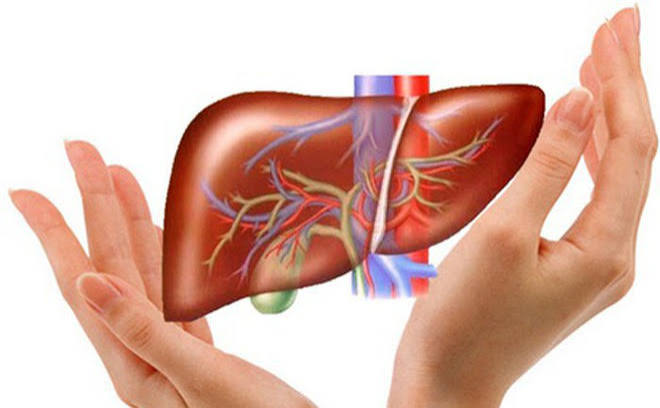
The liver is the largest internal organ in the human body and one of the most metabolically active. It performs over 500 distinct functions simultaneously — filtering toxins from the blood, producing bile for fat digestion, synthesizing proteins, regulating blood sugar, metabolizing medications, and storing vitamins and minerals. Liver health refers to the sustained ability of the liver to carry out these functions at the level the body requires, without chronic inflammation, structural damage, or accumulating fibrosis. Unlike many organs, the liver has remarkable regenerative capacity — but that capacity has limits, and those limits are increasingly being reached in the adult population as rates of fatty liver disease, metabolic syndrome, and chronic hepatitis continue to rise.
This article explains what liver health means in clinical terms, what the liver actually does, what normal and abnormal liver function look like, what conditions threaten liver health, and what the evidence supports for maintaining it over time.
What Liver Health Actually Means
Liver health is not a single measurement — it is the sum of multiple systems functioning correctly. A healthy liver maintains normal enzyme levels (ALT, AST, ALP, GGT), produces adequate albumin and clotting factors, metabolizes bilirubin properly so it does not accumulate in the blood, clears medications and toxins at expected rates, maintains appropriate glycogen storage for blood sugar regulation, and shows no signs of fibrosis or inflammation on imaging or biopsy.
The challenge with liver health is that the liver has no pain receptors in the way that muscles or joints do. Early liver damage is typically silent — producing no pain, no obvious symptoms, and no detectable changes in daily functioning. This is why liver diseases like nonalcoholic fatty liver disease (NAFLD, now called MASLD — metabolic dysfunction-associated steatotic liver disease), chronic hepatitis B, and chronic hepatitis C are often discovered only incidentally, through blood tests ordered for other reasons, or during late-stage disease when symptoms finally appear.
The National Institute of Diabetes and Digestive and Kidney Diseases (NIDDK) estimates that liver disease affects more than 100 million Americans in some form — with the majority of those cases being silent, early-stage fatty liver disease. Understanding what liver health means, and what threatens it, allows adults to make decisions that protect this organ well before symptoms provide a warning.
What the Liver Does: Core Functions
The liver’s role in the body is difficult to fully appreciate without a specific accounting of its functions. The companion article on how the liver works covers the mechanisms in depth, but the major categories of liver function are worth understanding here because they clarify why liver damage has such far-reaching effects across multiple organ systems.
Bile production and fat digestion. The liver produces approximately 600–800 mL of bile per day. Bile is a digestive fluid containing bile acids, cholesterol, lecithin, and bilirubin. Bile acids emulsify dietary fats — breaking large fat globules into smaller droplets that can be acted on by pancreatic lipase. Without adequate bile, fat absorption is severely impaired, leading to fat-soluble vitamin deficiency (vitamins A, D, E, and K) and fatty stools (steatorrhea). The gallbladder concentrates and stores bile between meals, releasing it into the small intestine when fat is detected.
Detoxification and drug metabolism. All blood from the digestive tract passes through the liver via the portal vein before entering general circulation. This gives the liver first-pass access to everything absorbed from the gut — nutrients, toxins, bacteria, and drugs. The liver’s cytochrome P450 enzyme system (particularly CYP3A4) metabolizes the majority of commonly used medications, converting them into forms that can be excreted. This is why liver disease changes how drugs are processed — dosing adjustments are required for many medications in patients with cirrhosis or hepatitis.
Protein synthesis. The liver is the primary factory for plasma proteins. It synthesizes albumin (which maintains blood osmotic pressure and transports hormones and drugs), fibrinogen (a clotting factor), prothrombin, and other coagulation cascade proteins. In chronic liver disease, falling albumin levels cause fluid to leak out of blood vessels into the abdominal cavity (ascites), and impaired clotting factor synthesis leads to easy bruising and prolonged bleeding. These are signs of decompensated liver disease — the transition from preserved to failing liver function.
Glucose regulation. The liver is central to blood sugar control. It stores glucose as glycogen when blood sugar is high (after eating) and releases glucose back into the blood when sugar is low (during fasting or exercise). It also synthesizes new glucose from amino acids and lactate via gluconeogenesis. Liver damage impairs glycogen storage and gluconeogenesis, contributing to both hypoglycemia in advanced liver disease and insulin resistance in fatty liver disease.
Cholesterol and lipid metabolism. The liver synthesizes approximately 80% of the body’s cholesterol and produces lipoprotein particles (VLDL, HDL) that transport lipids through the bloodstream. It also converts excess cholesterol into bile acids for excretion. When the liver is overloaded with fat — as in fatty liver disease — lipid metabolism is disrupted, contributing to elevated triglycerides and altered HDL/LDL balance.
Immune function. The liver contains specialized immune cells called Kupffer cells — the body’s largest population of tissue-resident macrophages. Kupffer cells filter bacteria, bacterial endotoxins, and foreign particles arriving via the portal blood from the gut. They also regulate liver inflammation. In states of gut dysbiosis (bacterial imbalance) or increased gut permeability, excess bacterial products reaching the liver via the portal vein overstimulate Kupffer cells, triggering chronic low-grade liver inflammation that contributes to fatty liver progression.
Conditions That Threaten Liver Health
Liver disease encompasses a wide spectrum of conditions with different causes, progressions, and treatments. The most clinically significant in terms of population burden are the following.
Fatty liver disease (MASLD/NAFLD). Metabolic dysfunction-associated steatotic liver disease — previously known as nonalcoholic fatty liver disease — is now the most common liver condition worldwide, affecting approximately 30% of the US adult population. It develops when excess fat accumulates in liver cells, initially causing simple steatosis (fat accumulation without inflammation). In approximately 20–25% of cases, it progresses to metabolic dysfunction-associated steatohepatitis (MASH, previously NASH) — fat plus liver cell inflammation and damage. From MASH, the disease can progress to fibrosis, cirrhosis, and hepatocellular carcinoma. Fatty liver disease is strongly linked to obesity, type 2 diabetes, metabolic syndrome, and high-fructose diet, and is covered in detail in the article on what is fatty liver disease.
Hepatitis B and C. Chronic viral hepatitis is the leading cause of cirrhosis and liver cancer globally. Hepatitis B is a DNA virus transmitted through blood, sexual contact, and vertical transmission (mother to child); it can be prevented by vaccination and treated with antivirals, but not always cured. Hepatitis C is an RNA virus transmitted primarily through blood contact; it currently has no vaccine but is curable with direct-acting antiviral (DAA) regimens that achieve cure rates above 95% in 8–12 weeks of treatment. The CDC recommends hepatitis C testing for all adults aged 18–79 at least once in their lifetime, as the infection is typically silent for decades while causing progressive liver damage.
Alcoholic liver disease. Alcohol is directly hepatotoxic. Regular consumption above approximately 14–21 drinks per week in men and 7–14 drinks in women can cause alcoholic fatty liver, alcoholic hepatitis, and over decades, alcoholic cirrhosis. Even lower intake can cause liver damage in individuals with other liver conditions — fatty liver disease and hepatitis C both progress faster with any regular alcohol use.
Drug-induced liver injury (DILI). Medications, supplements, and herbal products are an underappreciated cause of liver damage. Acetaminophen (paracetamol) overdose is the most common cause of acute liver failure in the US, occurring both through intentional overdose and inadvertent over-dosing when multiple acetaminophen-containing products are taken simultaneously. Herbal supplements — including products marketed as “liver support” or “detox” — are a growing cause of DILI, with cases linked to green tea extract, kava, black cohosh, and numerous traditional herbal preparations that vary widely in quality and content.
Cirrhosis. Cirrhosis represents the end stage of long-term liver scarring (fibrosis), in which normal liver tissue is replaced by scar tissue that disrupts blood flow, impairs function, and creates portal hypertension. Causes include any long-standing liver injury: fatty liver disease, chronic hepatitis, alcoholic liver disease, autoimmune hepatitis, and genetic conditions like hemochromatosis and Wilson’s disease. Compensated cirrhosis (preserved liver function despite scarring) can be managed; decompensated cirrhosis (marked by ascites, variceal bleeding, hepatic encephalopathy, or jaundice) carries a 5-year mortality above 50% without transplantation.
Signs of Liver Function Problems
Because the liver is silent in early disease, knowing which symptoms suggest liver dysfunction — even subtle ones — is important. Most early-stage liver disease is discovered through blood tests, not symptoms. But as disease progresses, the following may appear:
- Fatigue — one of the earliest and most common symptoms of liver disease; mechanism is incompletely understood but relates to metabolic disruption and immune activation.
- Jaundice — yellowing of skin or whites of eyes; indicates bilirubin accumulation, almost always reflecting impaired liver processing or bile duct obstruction.
- Dark urine — bilirubin excreted by the kidneys when liver cannot process it normally; tea-colored or cola-colored urine is a warning sign.
- Pale or clay-colored stool — indicates reduced bile reaching the intestine; suggests bile duct obstruction or significant liver dysfunction.
- Itching (pruritus) — bile salt accumulation in the skin; a common symptom of cholestatic liver disease.
- Easy bruising and prolonged bleeding — reflects reduced clotting factor synthesis; appears in intermediate to advanced disease.
- Abdominal swelling (ascites) — fluid accumulation in the abdominal cavity due to portal hypertension and low albumin; a sign of decompensated cirrhosis.
- Confusion or altered mental status — hepatic encephalopathy; ammonia not cleared by the damaged liver builds up and affects brain function; a medical emergency.
None of these symptoms should be managed with self-care. Any new jaundice, abdominal swelling, unexplained easy bruising, or altered mental status in a person with known liver disease requires urgent medical evaluation.
Liver Function Tests: What They Show
Blood tests are the primary tool for monitoring liver health. A standard liver function panel typically includes the following markers, which reflect different aspects of liver activity:
ALT (alanine aminotransferase) is the most liver-specific enzyme in routine use. It is released from liver cells when they are damaged or dying. Elevated ALT is typically the first detectable sign of liver disease, appearing even when no symptoms are present. Normal ranges are roughly 7–56 U/L in men and 7–45 U/L in women, though ranges vary slightly between laboratories.
AST (aspartate aminotransferase) is present in the liver but also in muscle, heart, and kidneys. Elevated AST with normal ALT may indicate muscle injury rather than liver disease. An AST:ALT ratio above 2:1 is classically associated with alcoholic liver disease, while a ratio below 1:1 is more typical of NAFLD and viral hepatitis.
ALP (alkaline phosphatase) is produced in the liver, bile ducts, bone, and placenta. Elevated ALP with disproportionately elevated GGT (rather than bone markers) typically indicates bile duct obstruction or cholestatic liver disease.
GGT (gamma-glutamyl transferase) is elevated in alcohol-related liver disease and bile duct disease. It is a sensitive but non-specific marker — also elevated by certain medications and occasionally in people who drink even moderately.
Bilirubin measures the pigment produced by red blood cell breakdown, processed by the liver and excreted in bile. Elevated bilirubin indicates impaired processing or excretion — which can reflect liver disease, bile duct obstruction, or hemolytic conditions.
Albumin is a protein synthesized exclusively by the liver. Low albumin indicates impaired liver synthetic function — a late sign of significant disease. It is also low in malnutrition and chronic inflammation.
The American Liver Foundation provides patient-accessible explanations of these markers and what combinations of abnormalities typically mean. Mild, isolated elevations in ALT — for example, ALT of 50–70 U/L in isolation — warrant follow-up testing but are not necessarily alarming. Persistent elevation, significant elevation (above 3–5x upper limit of normal), or multiple abnormal markers together warrant specialist evaluation.
What Protects and What Harms Liver Health
Liver health is genuinely modifiable through lifestyle, and the evidence base for several protective behaviors is strong.
Maintaining a healthy weight. Obesity — particularly visceral abdominal fat — is the strongest modifiable risk factor for fatty liver disease. Even a 5–10% reduction in body weight produces measurable improvement in liver histology (cellular appearance on biopsy), and 7–10% weight loss is associated with resolution of MASH inflammation in approximately 40–50% of patients in clinical trials. This is more robust evidence than exists for any currently approved pharmacological treatment for fatty liver disease.
Regular physical activity. Exercise reduces liver fat independently of weight loss. Studies show that aerobic exercise (150 minutes/week of moderate-intensity activity) reduces hepatic fat content by approximately 20–30% even when body weight does not change significantly. Resistance training has a similar effect. The mechanism involves increased fatty acid oxidation in liver cells and improved insulin sensitivity — the underlying driver of fat accumulation in metabolic fatty liver disease.
Diet quality. The Mediterranean diet pattern — rich in vegetables, legumes, whole grains, olive oil, and fish; low in red meat and ultra-processed foods — is the dietary approach with the strongest evidence base for liver health. It reduces liver fat, improves insulin sensitivity, and lowers systemic inflammation. High fructose intake (from added sugars and sugar-sweetened beverages) is particularly hepatotoxic in the context of metabolic disease — fructose is metabolized almost exclusively in the liver, and excess fructose drives hepatic de novo lipogenesis (fat production from non-fat sources).
Alcohol limitation. Any regular alcohol intake accelerates liver disease progression in people who already have fatty liver disease, viral hepatitis, or any degree of fibrosis. For adults with normal liver function, alcohol’s relationship to liver health follows a dose-response curve — the less consumed, the less liver burden. Current guidelines from the AASLD recommend complete abstinence for anyone with established liver disease.
Medication and supplement review. Because the liver metabolizes most medications, anything that impairs liver function affects drug safety profiles system-wide. Adults with liver disease should review all supplements — including herbal and “natural” products — with their hepatologist or pharmacist before use. Many products marketed for “liver detox” or “liver support” are either unstudied or directly linked to DILI cases, making the irony of taking them for liver health medically significant.
Hepatitis screening and vaccination. Hepatitis C screening for all adults 18–79 — recommended by both the CDC and AASLD — identifies a curable infection that causes no symptoms for decades while causing progressive liver damage. Hepatitis B vaccination remains one of the most effective interventions in liver disease prevention, reducing chronic infection and hepatocellular carcinoma risk in vaccinated populations. Adults who did not receive the complete hepatitis B vaccine series in childhood or adolescence can complete it at any age.
Liver Health and Digestive Health Together
The liver and the digestive system are functionally inseparable. The liver receives all portal blood from the gut — meaning everything absorbed from the intestines, including bacterial products, dietary components, and toxins, passes through the liver first. This relationship means that gut health directly affects liver health: a disrupted gut microbiome increases portal delivery of bacterial endotoxins to the liver, amplifying liver inflammation. Conversely, liver disease affects digestion — impaired bile production slows fat digestion, fat-soluble vitamin absorption is reduced, and portal hypertension can cause gut motility changes and gastrointestinal bleeding from varices.
Managing both systems together — as explored in the series on what is digestive health and in articles on specific conditions within this category — reflects the clinical reality that the GI tract and the liver should be considered as an integrated system rather than separately. Why this matters more as people age is the focus of the companion article on why liver and digestive health matter after age 40.
Frequently Asked Questions
What is liver health and why does it matter?
Liver health refers to the sustained ability of the liver to perform its 500+ functions — bile production, detoxification, protein synthesis, glucose regulation, lipid metabolism, and immune defense — without significant inflammation, fibrosis, or cellular damage. It matters because the liver affects virtually every metabolic process in the body, and because liver disease is typically silent until it is advanced, making proactive monitoring and risk reduction essential.
Can liver damage be reversed?
Early liver damage — including fatty liver disease (steatosis without inflammation) and mild fibrosis (stage F1) — is often reversible with sustained lifestyle change, particularly weight loss and reduced alcohol consumption. Advanced fibrosis and cirrhosis are less reversible, though recent antifibrotic research has demonstrated partial regression in some cases. Hepatitis C, once treated and cured, halts further HCV-related liver damage and allows partial recovery in many patients. The degree of reversibility depends on the cause, the stage, and how early intervention occurs.
What are the early signs of liver disease?
Early liver disease typically has no symptoms — which is why blood test screening is the primary detection tool. When symptoms begin to emerge, fatigue and mild upper-right abdominal discomfort are often the first. Jaundice, dark urine, pale stool, itching, and abdominal swelling appear at more advanced stages. Any of these symptoms warrants prompt evaluation rather than watchful waiting.
How often should liver function tests be checked?
For adults without known liver disease or risk factors, liver enzymes are often checked as part of routine metabolic panels during annual health visits, though there is no universal guideline mandating specific intervals. Adults with risk factors — obesity, type 2 diabetes, metabolic syndrome, regular alcohol use, a history of hepatitis B or C exposure, or family history of liver disease — benefit from more systematic monitoring, typically annually. Anyone with known liver disease should follow their hepatologist’s monitoring schedule.
Are “liver detox” products or supplements beneficial?
The short answer is no — and some are actively harmful. The liver does not benefit from detox products because it detoxifies the body continuously on its own. Many products marketed for “liver detox” or “liver cleanse” contain herbal extracts that are themselves causes of drug-induced liver injury. Milk thistle (silymarin) is one of the few liver supplements with any clinical evidence, and that evidence is modest and inconsistent. Any supplement intended to support liver health should be discussed with a hepatologist before use.
Does coffee protect the liver?
Multiple large-cohort studies have found an association between regular coffee consumption and reduced risk of fatty liver disease, cirrhosis, and hepatocellular carcinoma. The association is observed with both regular and decaffeinated coffee, suggesting that compounds other than caffeine — including chlorogenic acids and other antioxidant polyphenols — are responsible. Coffee consumption of 2–3 cups per day is not a treatment for liver disease, but it is one of the few dietary habits consistently associated with lower liver disease risk across multiple population studies. This association does not apply to frappuccino-style coffee drinks high in added sugar and fat.
Sources: National Institute of Diabetes and Digestive and Kidney Diseases (NIDDK), Liver Disease; American Association for the Study of Liver Diseases (AASLD), Clinical Practice Guidelines; American Liver Foundation, Understanding Lab Tests; CDC, Hepatitis C Testing and Treatment; Chalasani N et al., Hepatology 2018 (NAFLD/NASH guidelines); Kennedy PJ et al., Nature Reviews Gastroenterology 2012 (gut-brain-liver axis).
I was diagnosed with fatty liver disease during a routine blood test — my ALT came back elevated and my doctor ordered an ultrasound. I had no symptoms whatsoever. That was about eighteen months ago, and since then I’ve lost about 12% of my body weight, cut out alcohol entirely, and completely changed my diet. My ALT is now back in the normal range and my last liver ultrasound showed reduced echogenicity, which my hepatologist described as measurable improvement. The most important thing I learned through this process is exactly what this article describes: liver disease is silent in the early stages, and if I hadn’t happened to get that blood test, I could easily have gone another five years without knowing. For anyone with metabolic risk factors — weight, diabetes, metabolic syndrome — getting liver function tests checked regularly is genuinely valuable.
Linda, that trajectory — silent detection through routine labs followed by measurable reversal through sustained lifestyle change — is exactly the outcome the evidence supports when fatty liver disease is caught before significant fibrosis develops. The 12% weight loss puts you well into the range associated with MASH resolution in clinical trials. The NIH LiverTox database Dr. M. mentions is genuinely useful for supplement safety checking — it is freely accessible and covers hundreds of agents with evidence-based ratings for hepatotoxicity risk.
The point about herbal supplements and DILI is one I make with patients regularly, and it cannot be overstated. Green tea extract in concentrated supplement form is one of the most commonly implicated agents in supplement-related liver injury in the US — the same compound that is completely safe as brewed tea becomes potentially hepatotoxic at the high concentrations in some weight-loss and ‘detox’ supplements. The LiverTox database at NIH is an excellent resource for patients and clinicians who want to check a specific supplement or medication against known DILI cases — it covers both prescription drugs and herbal/dietary supplements with systematic evidence grading.