
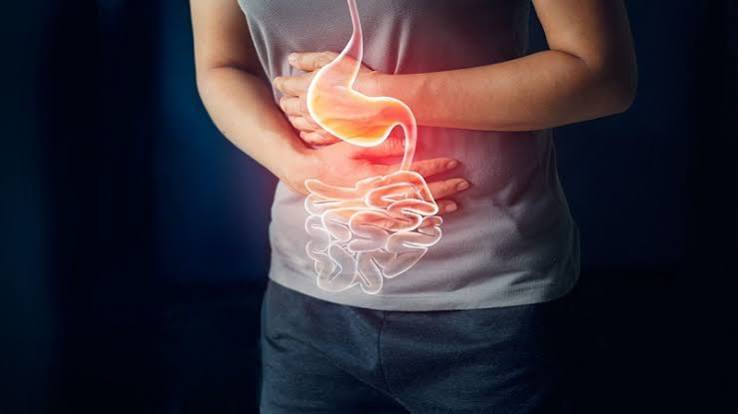
Digestive problems are among the most common reasons adults visit a doctor, miss work, and search for answers online — yet they are also among the most frequently dismissed, misunderstood, or left untreated for years. Taken together, gastrointestinal conditions affect well over half of American adults at some point in their lives, ranging from occasional inconveniences to serious diseases requiring long-term management. Understanding what these conditions are, how they differ from one another, and which symptoms should prompt medical evaluation is practical knowledge that helps adults make better decisions about their own health.
This article covers the ten most common digestive problems in adults — their mechanisms, characteristic symptoms, and what current evidence says about evaluation and management — along with a clear set of warning signs that warrant prompt medical attention. For a foundation on how the digestive system functions normally, the article on how the digestive system works provides relevant background. For an overview of what healthy digestive function looks like, see what is digestive health.
GERD and Chronic Acid Reflux
Gastroesophageal reflux disease (GERD) affects approximately 20 percent of US adults, making it the most commonly diagnosed gastrointestinal condition in outpatient medicine. GERD occurs when the lower esophageal sphincter — the muscular valve between the esophagus and stomach — relaxes inappropriately or weakens, allowing stomach acid to flow backward into the esophagus. Unlike occasional heartburn, which most adults experience at some point, GERD is a chronic condition characterized by frequent reflux that causes symptoms or complications at least twice weekly.
The characteristic symptoms of GERD include heartburn (a burning sensation rising from the stomach toward the chest and throat), acid regurgitation, chronic cough, hoarseness, and a sensation of something stuck in the throat. Some people experience primarily throat and respiratory symptoms — sometimes called “silent reflux” or laryngopharyngeal reflux — without prominent heartburn, which can delay diagnosis for years. Untreated or inadequately controlled GERD can lead to esophagitis (inflammation of the esophageal lining), esophageal stricture, and, in a subset of patients, Barrett’s esophagus — a precancerous change in the esophageal lining that increases the risk of esophageal adenocarcinoma.
First-line management includes lifestyle modifications (elevating the head of the bed, avoiding meals within three hours of lying down, reducing alcohol and carbonated beverages) and proton pump inhibitors (PPIs). Alarm symptoms — difficulty swallowing, unintentional weight loss, vomiting blood, or new onset after age 50 — require upper endoscopy to evaluate for structural complications rather than empirical PPI therapy.
Irritable Bowel Syndrome
Irritable bowel syndrome (IBS) affects 10 to 15 percent of US adults and is the most common functional gastrointestinal disorder — meaning it produces real, often debilitating symptoms without any structural or inflammatory abnormality detectable on standard tests. IBS is defined by the Rome IV criteria as recurrent abdominal pain at least one day per week over three months, associated with changes in stool frequency or consistency, and related to defecation. It is more common in women, typically presents before age 50, and tends to follow a relapsing-remitting course throughout life.
IBS is classified into subtypes based on predominant stool pattern: IBS-C (constipation-predominant), IBS-D (diarrhea-predominant), and IBS-M (mixed). The underlying mechanism involves altered gut motility, visceral hypersensitivity (the gut is more sensitive to normal sensations), and dysfunction of the gut-brain axis — the bidirectional communication pathway between the enteric nervous system and the central nervous system. Psychological stress, anxiety, and depression both worsen IBS and are worsened by it, which can create a cycle that is difficult to interrupt without addressing both components.
Management of IBS typically involves dietary modification (the low-FODMAP diet has the strongest evidence — it reduces fermentable carbohydrates that worsen symptoms in many patients), soluble fiber supplementation, stress management, and targeted medications depending on the subtype. The American Gastroenterological Association (AGA) patient center provides evidence-based guidance specifically for IBS management that can help patients organize their approach.
Chronic Constipation
Chronic constipation affects approximately 16 percent of US adults overall and up to 33 percent of adults over age 60, making it one of the most prevalent digestive complaints in mid-life and older adulthood. The clinical definition of constipation involves fewer than three bowel movements per week, straining on more than 25 percent of defecations, a sensation of incomplete evacuation, or hard, lumpy stools — not simply infrequent bowel movements, since “normal” frequency ranges from three times daily to three times weekly.
Causes of chronic constipation fall into several categories. Dietary causes include inadequate fiber intake (most Americans consume 10 to 15 grams daily versus the recommended 25 to 38 grams) and insufficient fluid intake. Medications are a frequent but often overlooked cause — opioid analgesics, iron supplements, calcium channel blockers, anticholinergics, and antidepressants all reduce colonic motility. Systemic conditions including hypothyroidism, diabetes, and Parkinson’s disease impair gut motility. Pelvic floor dysfunction — a mechanical problem with the muscles coordinating defecation — is an underdiagnosed cause, particularly in women who have had vaginal deliveries.
New-onset constipation after age 50, particularly when accompanied by rectal bleeding, unintentional weight loss, or pencil-thin stools, warrants colonoscopy to exclude colorectal cancer. Constipation that does not respond to dietary fiber and adequate hydration over four to six weeks, or that is associated with significant bloating or abdominal pain, merits evaluation before escalating to laxatives long-term.
Diarrhea — Acute and Chronic
Diarrhea is defined as three or more loose or watery stools per day. The clinical distinction between acute diarrhea (lasting fewer than two weeks), persistent diarrhea (two to four weeks), and chronic diarrhea (more than four weeks) is important because the causes differ substantially across these timeframes and guide different diagnostic approaches.
Acute diarrhea in adults is most commonly caused by viral gastroenteritis (norovirus is the leading pathogen), bacterial foodborne illness (Campylobacter, Salmonella, E. coli, Listeria), or antibiotic-associated diarrhea — including Clostridioides difficile (C. diff), which has become increasingly prevalent in community settings, not just hospitals. Most acute diarrhea resolves without treatment; the priority is preventing dehydration through oral rehydration. Features requiring medical evaluation include fever above 38.5°C, bloody stool, severe abdominal pain, signs of dehydration (dizziness, decreased urine output), or diarrhea lasting beyond seven days without improvement.
Chronic diarrhea requires a systematic evaluation. Common causes include IBS-D (functional, no inflammatory markers), inflammatory bowel disease (elevated fecal calprotectin distinguishes IBD from IBS), celiac disease (positive tTG-IgA serology), microscopic colitis (collagen or lymphocytic colitis, typically presenting in older women taking NSAIDs or PPIs), and medication side effects. Functional diarrhea responds to low-FODMAP diet and fiber; inflammatory causes require disease-specific treatment.
Peptic Ulcer Disease and Gastritis
Peptic ulcer disease (PUD) affects approximately 4.5 million Americans annually. Ulcers are open sores in the lining of the stomach (gastric ulcers) or the first part of the small intestine (duodenal ulcers). Helicobacter pylori infection accounts for approximately 60 percent of peptic ulcers; NSAID use (aspirin, ibuprofen, naproxen) accounts for most of the remainder by disrupting the protective mucus layer of the gastric and duodenal lining. The combination of H. pylori and NSAID use dramatically increases ulcer risk.
Symptoms of peptic ulcers include epigastric burning or gnawing pain (classically worse with an empty stomach for duodenal ulcers, worsened by food for gastric ulcers), nausea, bloating, and early satiety. Complications of untreated ulcers include bleeding (presenting as melena — black, tarry stools — or hematemesis, vomiting blood) and perforation, both of which require emergency treatment. H. pylori can be detected non-invasively through the urea breath test or stool antigen test; endoscopy is reserved for alarm symptoms or failure of initial treatment. Eradication of H. pylori with antibiotic-PPI combination therapy heals most peptic ulcers and dramatically reduces recurrence.

Inflammatory Bowel Disease
Inflammatory bowel disease (IBD) encompasses Crohn’s disease and ulcerative colitis, collectively affecting approximately 3.1 million US adults. Unlike IBS, IBD involves genuine inflammation of the gastrointestinal tract — visible on endoscopy, confirmed by biopsy, and measurable through inflammatory markers such as fecal calprotectin and C-reactive protein. The incidence of IBD is rising globally, and while it was historically thought of as a disease of young adults, diagnosis in those over 50 is increasingly common.
Crohn’s disease can affect any part of the GI tract from mouth to anus, involves all layers of the intestinal wall (transmural inflammation), and characteristically skips sections of bowel (skip lesions). Ulcerative colitis is limited to the colon and rectum, involves only the inner lining (mucosal inflammation), and progresses continuously from the rectum upward without skip areas. Both conditions cause abdominal pain, diarrhea (often bloody in UC), fatigue, and weight loss during flares. Extraintestinal manifestations affecting joints, skin (erythema nodosum, pyoderma gangrenosum), eyes (uveitis), and liver (primary sclerosing cholangitis) occur in 25 to 40 percent of IBD patients and sometimes precede GI symptoms.
Treatment of IBD has been transformed by biologic therapies — particularly anti-TNF agents and newer integrin inhibitors and IL-12/23 inhibitors — which can induce and maintain remission and prevent disease complications including fistulas, strictures, and the increased colorectal cancer risk associated with long-standing colonic IBD. The National Institute of Diabetes and Digestive and Kidney Diseases (NIDDK) maintains comprehensive patient resources on both Crohn’s disease and ulcerative colitis.
Gallbladder Disease and Gallstones
Gallstones affect approximately 25 million Americans and generate roughly one million new diagnoses annually. Gallstones are crystallized deposits — primarily of cholesterol or bilirubin — that form within the gallbladder. Most gallstones are asymptomatic and discovered incidentally; approximately 20 percent of people with gallstones will develop symptoms within 10 years. The classic risk factors follow the “four Fs” mnemonic: female, fat, fertile, and forty — though gallstones increasingly occur in men and in younger adults with metabolic syndrome.
Symptomatic gallstones cause biliary colic — episodic, severe right upper quadrant or epigastric pain that begins 30 to 90 minutes after a fatty meal, lasts 30 minutes to several hours, and then completely resolves between episodes. Acute cholecystitis occurs when a gallstone obstructs the cystic duct, causing persistent pain, fever, and right upper quadrant tenderness (Murphy’s sign — pain on palpation worsening with inspiration). Choledocholithiasis — a stone migrating into the common bile duct — can cause jaundice, dark urine, and pale stools due to blocked bile flow, and requires urgent evaluation to prevent ascending cholangitis, a life-threatening infection. Laparoscopic cholecystectomy is the standard treatment for symptomatic gallstones.
Celiac Disease
Celiac disease affects approximately 1 percent of the global population — roughly 3 million Americans — yet is estimated to be undiagnosed in the majority of those affected. Celiac disease is an autoimmune condition in which ingestion of gluten (the protein in wheat, barley, and rye) triggers an immune response that damages the villi lining the small intestine, causing malabsorption of nutrients across the board.
The presentation of celiac disease is highly variable. Classic GI symptoms — diarrhea, bloating, abdominal pain, weight loss — are present in only a minority of adults with celiac disease. Non-classical presentations are more common and include iron-deficiency anemia unresponsive to oral supplementation, osteoporosis at a young age, unexplained infertility, peripheral neuropathy, dermatitis herpetiformis (a blistering skin rash), and recurrent mouth ulcers. Because celiac disease can present so broadly, clinicians now test more widely — serology (tissue transglutaminase IgA, or tTG-IgA) is the first-line test, followed by duodenal biopsy for confirmation. Treatment is a strict, lifelong gluten-free diet; even small amounts of gluten exposure can trigger villous damage without causing noticeable symptoms, making dietary compliance genuinely important rather than optional.
Hemorrhoids and Diverticular Disease
Hemorrhoids affect up to 75 percent of Americans at some point in their lives — one of the most common anorectal conditions in adults, yet among the least discussed. Hemorrhoids are dilated blood vessels in the anal canal and lower rectum. Internal hemorrhoids form above the dentate line and typically present with painless rectal bleeding (bright red blood on toilet paper or in the toilet bowl); they are not usually painful unless they prolapse and become strangulated. External hemorrhoids form below the dentate line and cause pain, itching, and swelling, particularly if a thrombosis develops. Risk factors include chronic constipation, pregnancy, low-fiber diet, and prolonged sitting. Most hemorrhoids respond to increased dietary fiber, adequate hydration, sitz baths, and topical treatments; grades III–IV internal hemorrhoids or recurrent bleeding may require office procedures or surgery.
Diverticular disease encompasses diverticulosis — the presence of small pouches (diverticula) that bulge through weak spots in the colon wall — and diverticulitis, which occurs when one or more diverticula become inflamed or infected. Diverticulosis affects approximately 50 percent of Americans over age 60 and is asymptomatic in roughly 80 percent of those who have it. Diverticulitis presents with left lower quadrant pain (because most diverticula form in the sigmoid colon), fever, nausea, and elevated white blood cell count. Uncomplicated diverticulitis is typically managed with antibiotics and a liquid diet; complicated diverticulitis involving abscess, perforation, or fistula may require drainage or surgery. Long-term, adequate fiber intake reduces both the formation of new diverticula and the recurrence of diverticulitis episodes. The American College of Gastroenterology (ACG) provides detailed patient resources on diverticular disease management.
Warning Signs That Require Prompt Medical Evaluation
While many digestive symptoms are benign and self-limited, certain features should always prompt medical evaluation rather than watchful waiting or self-treatment. These warning signs apply regardless of whether you have a prior GI diagnosis — new symptoms that fit one of the following patterns in a patient with known IBS or GERD still require evaluation to exclude a new, more serious condition.
Rectal bleeding or melena. Bright red blood per rectum may originate from hemorrhoids or anal fissures (common, generally benign) or from colorectal polyps, colorectal cancer, IBD, or diverticular bleeding (require evaluation). Melena — black, tarry stools with a distinctive odor — indicates bleeding in the upper GI tract (esophagus, stomach, or duodenum) and requires urgent evaluation. Any rectal bleeding in an adult over 45 who has not had a recent colonoscopy should prompt colonoscopy.
Unintentional weight loss. Weight loss of 5 percent or more of body weight over six to twelve months without deliberate dieting is a red flag across GI conditions. It can reflect malabsorption (celiac disease, IBD, exocrine pancreatic insufficiency), reduced intake due to pain or dysphagia, or an underlying malignancy.
Dysphagia. Difficulty swallowing — whether solids, liquids, or both — warrants endoscopy. Causes range from GERD complications (stricture), eosinophilic esophagitis, and esophageal motility disorders to esophageal cancer. Dysphagia is never a symptom to attribute to anxiety or stress without structural evaluation.
New symptoms after age 50. New-onset bowel habit changes, persistent abdominal pain, bloating, or rectal bleeding in an adult over 50 who has not had recent colorectal cancer screening should prompt colonoscopy rather than empirical treatment. The 2018 American Cancer Society guideline now recommends screening starting at age 45 for average-risk adults, reflecting rising colorectal cancer rates in adults under 50.
Nocturnal symptoms. GI symptoms that wake a person from sleep — pain, diarrhea, vomiting — are characteristic of organic (structural or inflammatory) disease rather than functional disorders. IBS and functional dyspepsia, by definition, do not cause nocturnal awakening.
For companion articles covering the liver-side of GI health, see common liver problems in adults and signs of a healthy digestive system.
Frequently Asked Questions
What is the most common digestive problem in adults?
GERD (gastroesophageal reflux disease) is the most commonly diagnosed GI condition in outpatient medicine, affecting approximately 20 percent of US adults. IBS is the most common functional GI disorder, affecting 10 to 15 percent of adults.
How do I know if my digestive symptoms are serious?
Warning signs that require prompt evaluation include rectal bleeding, melena (black tarry stools), unintentional weight loss, difficulty swallowing, symptoms that wake you from sleep, and new symptoms appearing after age 50. These features suggest structural or inflammatory disease rather than functional conditions like IBS.
What is the difference between IBS and IBD?
IBS (irritable bowel syndrome) is a functional disorder — it produces real symptoms but without inflammation or structural changes detectable on standard tests. IBD (inflammatory bowel disease — Crohn’s disease and ulcerative colitis) involves genuine inflammation of the GI tract, visible on endoscopy and measurable through blood and stool inflammatory markers. IBD requires disease-modifying treatment; IBS is managed primarily through diet, lifestyle, and symptom-targeted medications.
Can digestive problems be cured?
It depends on the condition. H. pylori-associated peptic ulcers are typically cured by antibiotic eradication therapy. Celiac disease is controlled (though not cured) by strict gluten avoidance. GERD can be well-controlled but often recurs without ongoing management. IBS is a lifelong condition that can be well-managed but rarely resolves entirely. Acute conditions like viral gastroenteritis resolve on their own. IBD currently has no cure but can be brought into sustained remission with modern biologic therapies.
What foods most commonly trigger digestive problems?
Triggers vary by condition. GERD is worsened by fatty foods, alcohol, caffeine, chocolate, and mint. IBS is worsened by high-FODMAP foods (certain fruits, vegetables, legumes, wheat, dairy). Celiac disease is triggered specifically by gluten. Gallstones cause pain after fatty meals. Diverticulitis flares were historically blamed on seeds and nuts, but current evidence does not support that association — adequate fiber intake overall is more important than avoiding specific foods.
At what age should I start colorectal cancer screening?
The American Cancer Society updated its guideline in 2018 to recommend colonoscopy (or another approved screening method) starting at age 45 for average-risk adults, reduced from the previous recommendation of age 50. Adults with a family history of colorectal cancer or adenomatous polyps should begin screening earlier — typically 10 years before the youngest affected relative’s diagnosis, or at age 40, whichever is earlier.
How does diet affect digestive health over the long term?
Diet is the single most modifiable factor in long-term digestive health. Higher dietary fiber intake reduces the risk of diverticular disease, colorectal cancer, constipation, and cardiovascular disease. Diversity of plant foods — at least 30 different plant species per week — is the most consistently evidenced dietary behavior for sustaining gut microbiome diversity, which in turn supports immune function, colon health, and reduced systemic inflammation. Conversely, ultra-processed foods, high in refined sugars and emulsifiers and low in fiber, are associated with reduced microbiome diversity and increased risk of IBD, colorectal cancer, and metabolic liver disease.
Sources: National Institute of Diabetes and Digestive and Kidney Diseases (NIDDK); American Gastroenterological Association (AGA); American College of Gastroenterology (ACG); American Cancer Society Colorectal Cancer Screening Guidelines (2018); Rome IV Diagnostic Criteria for Functional Gastrointestinal Disorders.
Navigating the range of digestive conditions described in this article is easier when you understand that not every GI symptom requires an urgent specialist visit — but some do, and the distinction matters. Primary care physicians manage the majority of common digestive problems including GERD, IBS, constipation, and uncomplicated peptic ulcer disease. Gastroenterologist referral is appropriate when initial treatment fails, when alarm symptoms are present, when endoscopy or colonoscopy is indicated, or when inflammatory conditions like IBD require disease-modifying therapy. Annual wellness visits that include a review of GI symptoms are a practical opportunity to address digestive health proactively rather than waiting until symptoms become severe enough to disrupt daily life. For additional perspective on the liver-side of GI health and how it intersects with digestive function, the companion articles in this category provide a complete picture of how these systems work together in adults at every stage of life.
I was diagnosed with IBS-D about two years ago and spent the first year on PPIs that my doctor prescribed because my symptoms were misidentified as GERD. It was only after seeing a gastroenterologist and getting a proper Rome IV evaluation that I was diagnosed with IBS. The low-FODMAP diet, which your article covers, was genuinely transformative — within six weeks I had reduced my worst symptom days by probably 80 percent. What I wish I had known earlier is that IBS does not show up on colonoscopy or blood tests, which is why so many patients get told everything looks normal and feel dismissed. The gut-brain axis component is also real — I noticed that work stress had a direct and almost immediate effect on my GI symptoms, and addressing both the dietary triggers and the psychological component at the same time was much more effective than either alone.
Rachel, the misidentification of IBS as GERD is genuinely common — both conditions cause epigastric discomfort, and empirical PPI trials are often started before a systematic functional GI evaluation. Your experience reflects the value of the Rome IV diagnostic framework, which gives clinicians a structured way to identify functional GI disorders based on symptom patterns rather than requiring negative test results. The gut-brain axis contribution to IBS — which the AGA now formally includes in its IBS management guidelines — means that cognitive behavioral therapy and gut-directed hypnotherapy have meaningful evidence behind them as adjuncts to dietary management. Thomas, the reversal of the seeds-and-nuts diverticulitis guideline is a good example of how clinical recommendations can persist long after the evidence has shifted — the 2020 AGA diverticular disease update specifically addressed this and found no association between seed/nut consumption and diverticulitis risk in large prospective cohort data.
I was hospitalized with a perforated diverticulitis at 58 — the kind that required emergency surgery and a temporary colostomy. Looking back, I had been having left lower abdominal cramping and bloating for years that I attributed to IBS or just aging. The distinction your article draws between diverticulosis (the pouches, usually asymptomatic) and diverticulitis (infection and inflammation) is exactly right and exactly what most people do not understand until they end up in the ER. My surgeon told me after the fact that my fiber intake had been consistently low for decades, which he believed contributed. I am now at well above 30 grams of fiber daily, and I have not had a recurrence in four years. The advice about not needing to avoid seeds and nuts is something I learned post-recovery — I had been avoiding them unnecessarily based on old guidance that the evidence never really supported.