
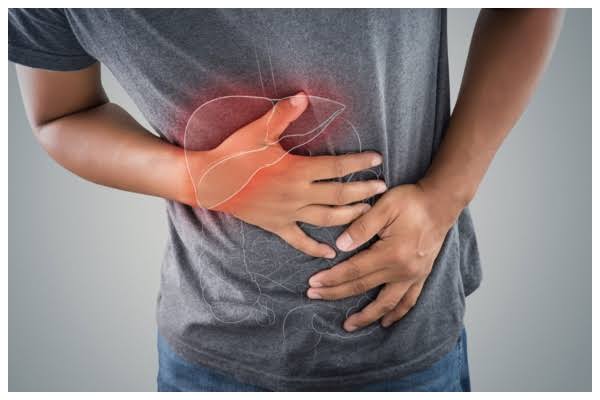
The liver is one of the few organs in the body capable of sustaining significant damage before producing any recognizable symptoms. Most liver diseases — including the most common ones — are clinically silent in their early and middle stages, advancing through years of microscopic injury before causing the jaundice, fatigue, abdominal swelling, or confusion that finally brings a person to a doctor. This characteristic makes liver health a domain where proactive awareness and appropriate testing matter more than waiting for symptoms to appear, because by the time symptoms become obvious, the window for early, reversible intervention is often already closed.
This article covers the most common liver problems in adults — their causes, how they progress, what symptoms do eventually emerge, and what current evidence says about management. For background on how the liver functions normally, the companion article on how the liver works provides the mechanistic foundation. For an overview of what healthy liver function looks like, see what is liver health.
Non-Alcoholic Fatty Liver Disease and NASH
Non-alcoholic fatty liver disease (NAFLD) is the most prevalent liver condition in the world, affecting approximately 25 percent of the global adult population — roughly 100 million Americans. NAFLD occurs when excess fat accumulates in liver cells in the absence of significant alcohol use, typically driven by the same metabolic factors that cause type 2 diabetes and cardiovascular disease: insulin resistance, visceral obesity, elevated triglycerides, and hypertension. The condition exists on a spectrum: simple steatosis (fat accumulation alone, generally benign and reversible), non-alcoholic steatohepatitis (NASH — steatosis with inflammation and hepatocyte injury, which can progress), and fibrosis or cirrhosis (irreversible scarring).
NAFLD is silent in most patients. Elevated liver enzymes on routine blood work (ALT and AST) or an incidental ultrasound finding of a “bright liver” are often how it is first identified. The significance of the diagnosis depends on the stage: simple steatosis carries minimal long-term liver risk, while NASH with fibrosis carries a meaningful risk of progression to cirrhosis and hepatocellular carcinoma. The most important single intervention for reversing NAFLD and NASH is weight loss — studies consistently show that losing 7 to 10 percent of body weight reduces liver fat, inflammation, and fibrosis. Regular physical activity independently reduces liver fat even without weight loss. Alcohol should be limited or eliminated because any hepatotoxic stress accelerates progression in a liver already under metabolic strain.
Alcoholic Liver Disease
Alcoholic liver disease (ALD) follows a pathological spectrum that parallels NAFLD but is driven specifically by alcohol rather than metabolic factors. Alcoholic fatty liver (steatosis) develops in most heavy drinkers and is fully reversible with abstinence. Alcoholic hepatitis — acute inflammation of the liver — can develop in some heavy drinkers and ranges from mild to life-threatening; the severe form carries a 30-day mortality of 30 to 50 percent and is characterized by rapid onset of jaundice, fever, right upper quadrant pain, and elevated bilirubin. The AST:ALT ratio greater than 2:1 is a characteristic feature of alcoholic liver injury, reflecting the specific mechanism of alcohol-induced hepatocellular damage. Alcoholic cirrhosis is the endpoint of sustained, heavy alcohol use — scarring replaces functional liver tissue, and this stage is not reversible, though abstinence can stabilize it and prevent further progression.
The threshold for liver-damaging alcohol intake is not a bright line. The World Health Organization has stated there is no safe level of alcohol consumption from a cancer-risk perspective. From a liver-disease perspective, risk increases substantially above two standard drinks per day for women and three for men, but individual susceptibility varies considerably based on genetics, body composition, and concurrent hepatic stressors. The most important prognostic factor in alcoholic liver disease at any stage is complete abstinence — it is the single intervention that most consistently improves outcomes and halts progression.
Hepatitis C
Hepatitis C (HCV) infects approximately 2.4 million Americans — the majority of whom are unaware of their infection. HCV is blood-borne, transmitted primarily through sharing injection drug equipment, receipt of blood products or organ transplants before 1992 (when HCV screening of the blood supply began), needlestick injuries in healthcare settings, and, at lower rates, sexual transmission. The US Centers for Disease Control and Prevention (CDC) and the US Preventive Services Task Force (USPSTF) both recommend one-time HCV testing for all adults aged 18 to 79, and repeated testing for those with ongoing risk.
Approximately 75 percent of US HCV infections are in adults born between 1945 and 1965 — the “baby boomer” cohort — who were likely infected during the period before HCV was identified and screened. Chronic HCV infection causes progressive liver inflammation and fibrosis over 20 to 30 years, eventually leading to cirrhosis in approximately 20 percent of chronically infected individuals and dramatically increasing the risk of hepatocellular carcinoma. The transformative development in HCV management has been the introduction of direct-acting antiviral (DAA) regimens, which achieve cure rates above 95 percent with oral medications taken for 8 to 12 weeks and minimal side effects — a stark contrast to the interferon-based regimens that defined treatment for two decades. There is no reason for anyone with HCV to remain untreated given these cure rates.
Hepatitis B
Hepatitis B (HBV) affects an estimated 850,000 to 2.2 million Americans, with a higher burden among Asian Americans and Pacific Islanders, immigrants from regions where HBV is endemic, and adults with a history of injection drug use or unprotected sex with infected partners. HBV is transmitted through blood, sexual contact, and perinatally (from mother to infant at birth, which is the dominant transmission route globally). Unlike HCV, hepatitis B is vaccine-preventable — the three-dose HBV vaccine series is safe, highly effective, and recommended universally for adults who have not been previously vaccinated.
Most adults who acquire HBV infection clear it within six months (acute infection). Approximately 5 percent of adults develop chronic HBV infection, which carries long-term risks of cirrhosis and hepatocellular carcinoma — HBV-related HCC can occur even without cirrhosis, which distinguishes it from most other causes of liver cancer. Antiviral therapy (tenofovir or entecavir) suppresses HBV replication, reduces liver inflammation and fibrosis progression, and decreases HCC risk, though it does not eliminate the virus entirely. The American Association for the Study of Liver Diseases (AASLD) provides detailed practice guidelines on HBV management.
Cirrhosis
Cirrhosis is the common endpoint of most chronic liver diseases — the stage at which normal liver tissue has been replaced by fibrous scar tissue to a degree that impairs liver function and distorts the architecture of the organ. Approximately 600,000 Americans have cirrhosis, and it is the 12th leading cause of death in the United States. Cirrhosis is classified as compensated (liver function is impaired but the organ is still coping) or decompensated (complications have emerged that indicate the liver can no longer maintain basic functions). The transition from compensated to decompensated cirrhosis dramatically worsens prognosis and often triggers the workup for liver transplantation.
Complications of decompensated cirrhosis include ascites (fluid accumulation in the abdomen, caused by portal hypertension and reduced albumin synthesis), esophageal and gastric varices (dilated veins that form when portal blood pressure forces blood through alternative routes, and which can rupture and bleed catastrophically), hepatic encephalopathy (confusion, personality change, and impaired cognition caused by ammonia accumulation when the liver cannot adequately detoxify it), jaundice (from impaired bilirubin processing), and spontaneous bacterial peritonitis (infection of ascitic fluid). All cirrhotic patients require surveillance ultrasound every six months for hepatocellular carcinoma, since HCC risk is dramatically elevated regardless of the underlying cause of cirrhosis.
Drug-Induced Liver Injury
Drug-induced liver injury (DILI) is the leading cause of acute liver failure in the United States, accounting for more than half of cases. Acetaminophen (paracetamol) is responsible for the majority of DILI cases — both from intentional overdose and inadvertent therapeutic excess, which occurs when patients take multiple products containing acetaminophen simultaneously or exceed 4 grams per day in the context of regular alcohol use (which depletes the glutathione needed to safely metabolize acetaminophen’s toxic intermediate, NAPQI). Prescription medications implicated in DILI include certain antibiotics (amoxicillin-clavulanate is the most common prescription cause), antifungals, antiepileptics, and, rarely, statins. The practical significance of statin-associated liver enzyme elevation is frequently overstated — statins are safe for the liver at recommended doses in the vast majority of patients including those with NAFLD, and should not be withheld due to mild enzyme elevations.
Herbal and dietary supplements are an increasingly recognized cause of DILI. Products implicated include kava, green tea extract (particularly in high-dose concentrated supplement form), black cohosh, comfrey, and many proprietary “liver detox” or “fat burner” formulations. The challenge with supplement-induced DILI is that patients and physicians often do not consider supplements as hepatotoxic substances, delaying recognition. The LiverTox database (NIH/NIDDK) maintains a comprehensive, regularly updated reference on drug and supplement hepatotoxicity that both clinicians and patients can search to assess specific substances.
Autoimmune Liver Diseases
Autoimmune hepatitis (AIH) occurs when the immune system attacks liver cells, causing chronic hepatitis that can progress to cirrhosis if untreated. It affects predominantly young-to-middle-aged women but can occur at any age and in either sex. Characteristic laboratory findings include elevated serum IgG (immunoglobulins), positive autoantibodies (ANA and anti-smooth muscle antibody in type 1 AIH; anti-liver-kidney microsomal antibody in type 2), and the histological finding of interface hepatitis on liver biopsy. AIH is typically steroid-responsive — most patients achieve remission with prednisone and azathioprine — making early diagnosis important because untreated AIH progresses to cirrhosis in a meaningful proportion of patients.
Primary biliary cholangitis (PBC) is an autoimmune condition that destroys the small bile ducts within the liver, causing progressive cholestasis and, over years, cirrhosis. It occurs predominantly in women over 40 and is characterized by fatigue and pruritus (itching), elevated alkaline phosphatase and GGT, and positive anti-mitochondrial antibody (AMA) in over 90 percent of cases. Ursodeoxycholic acid (UDCA) slows progression significantly and is the standard treatment. Primary sclerosing cholangitis (PSC) — distinct from PBC — affects bile ducts both inside and outside the liver, occurs predominantly in men, and is strongly associated with IBD (especially ulcerative colitis).
Hemochromatosis and Iron Overload
Hereditary hemochromatosis is the most common genetic liver disease in people of Northern European descent, affecting approximately 1 in 200 to 300 individuals. It results from mutations in the HFE gene that cause the intestine to absorb far more iron than the body needs, with the excess depositing in organs — primarily the liver, but also the heart, pancreas, joints, skin, and pituitary gland. Liver involvement progresses through fibrosis to cirrhosis; pancreatic involvement causes diabetes (sometimes called “bronze diabetes” given the associated skin discoloration from iron-laden deposits); cardiac involvement causes arrhythmias and heart failure.
The diagnosis is made by measuring transferrin saturation and serum ferritin, followed by HFE gene testing. Liver biopsy is sometimes needed to assess fibrosis stage. Treatment is straightforward and highly effective when caught early: therapeutic phlebotomy (weekly blood removal) reduces iron stores until ferritin reaches the normal range, then maintenance phlebotomy every two to four months keeps it there. When diagnosed before cirrhosis develops, life expectancy is normal. For this reason, first-degree relatives of diagnosed patients should be tested — the condition is common enough and the test sufficiently inexpensive that cascade screening has a favorable cost-benefit profile. See the American Liver Foundation’s hemochromatosis information for patient-facing details.
Warning Signs of Liver Disease
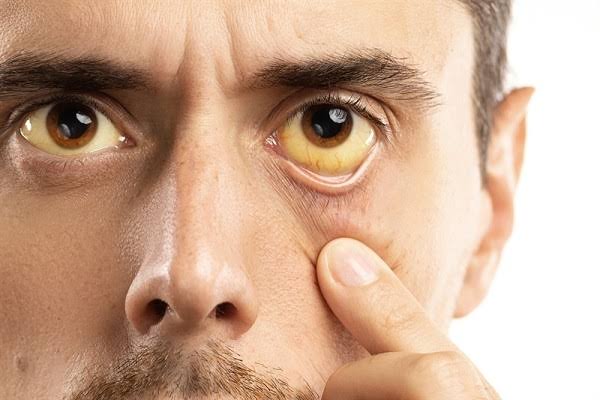
Because most liver diseases are asymptomatic until advanced, screening and routine laboratory monitoring are more reliable than waiting for symptoms. Nevertheless, the following findings should prompt immediate medical evaluation and should not be attributed to fatigue or aging without investigation. Jaundice — yellowing of the skin or whites of the eyes — indicates that bilirubin is accumulating in the bloodstream, which can reflect impaired liver function, bile duct obstruction, or acute liver failure. Dark urine (tea-colored) and pale or clay-colored stools together suggest bile duct obstruction. Right upper quadrant pain or fullness may reflect liver inflammation or enlargement, or gallbladder disease. Abdominal distension from ascites — which can develop rapidly in decompensated cirrhosis — requires urgent evaluation. Easy bruising or bleeding without injury reflects impaired synthesis of clotting factors. Confusion, memory problems, or a distinctive hand tremor (asterixis) suggest hepatic encephalopathy.
For adults over 40, annual metabolic panels that include liver function tests (ALT, AST, ALP, bilirubin, albumin) provide an opportunity to identify liver disease before symptoms emerge, particularly in those with metabolic risk factors, significant alcohol use, or HCV risk history. The article on why liver and digestive health matter after age 40 covers the age-specific screening timeline in detail. For related GI conditions, see common digestive problems in adults.
Frequently Asked Questions
What is the most common liver problem in adults?
Non-alcoholic fatty liver disease (NAFLD) is the most common liver condition worldwide, affecting approximately 25 percent of the global adult population. In the United States, it affects an estimated 100 million people, with peak prevalence in adults aged 40 to 60 with metabolic syndrome risk factors.
Can liver disease be reversed?
It depends on the stage and cause. Simple NAFLD (steatosis without inflammation) and early alcoholic fatty liver are fully reversible with weight loss and abstinence, respectively. NASH with early fibrosis can partially reverse with sustained weight loss. Cirrhosis — the endpoint of most chronic liver diseases — is not reversible, though abstinence from alcohol and treatment of underlying disease can stabilize it and prevent further decompensation.
Does hepatitis C always lead to cirrhosis?
No. Approximately 20 percent of people with chronic HCV infection develop cirrhosis over 20 to 30 years — the majority do not progress to cirrhosis. However, because HCV is now curable with 8 to 12 weeks of direct-acting antiviral therapy at over 95 percent success rates, there is no clinical reason to leave an HCV infection untreated and monitor for progression. All adults aged 18 to 79 should have a one-time HCV test.
Are supplements safe for the liver?
Many are, but some are not. Herbal products including kava, green tea extract in high-dose supplement form, comfrey, black cohosh, and many proprietary “detox” or weight-loss formulations have been implicated in drug-induced liver injury. The NIH LiverTox database is a reliable reference for checking a specific supplement’s hepatotoxic profile. “Natural” does not mean safe for the liver — plant-based compounds have pharmacological activity and can cause hepatocellular injury.
What liver tests should adults have regularly?
Standard metabolic panels include ALT, AST, ALP, bilirubin, and often albumin — these provide a reasonable screen for hepatocellular injury and cholestasis. Adults with metabolic syndrome, significant alcohol use, HCV risk factors, or a family history of liver disease should have these checked annually. A one-time HCV test and a check of HBV immune status (and vaccination if unprotected) are recommended for all adults.
How does fatty liver disease progress to serious liver disease?
The progression from simple NAFLD to NASH involves the addition of inflammation and hepatocyte injury to the initial fat accumulation. From NASH, fibrosis develops as stellate cells in the liver produce collagen in response to sustained injury. Fibrosis advancing through four stages eventually reaches cirrhosis (stage 4), at which point the structural architecture of the liver is irreversibly altered. HCC risk rises with each stage of fibrosis and is highest in cirrhosis. The rate of progression varies substantially by individual — some patients with NASH never progress, while others advance to cirrhosis over a decade.
Can you have liver disease with normal liver enzyme levels?
Yes. Liver enzyme levels (ALT, AST) can be normal in patients with cirrhosis, hemochromatosis, NAFLD, and even some cases of active hepatitis. Liver enzymes reflect the rate of hepatocellular injury, not the degree of scarring — a liver that has already converted much of its tissue to scar has fewer cells to injure, so enzymes may normalize. This is one reason why screening recommendations include liver ultrasound and other assessments rather than relying solely on enzyme levels.
Sources: American Liver Foundation (liverfoundation.org); American Association for the Study of Liver Diseases (AASLD) Practice Guidelines; National Institute of Diabetes and Digestive and Kidney Diseases (NIDDK); LiverTox Database (NIH/NIDDK); Centers for Disease Control and Prevention (CDC) Viral Hepatitis Statistics; US Preventive Services Task Force (USPSTF) HCV Screening Recommendation.
Preventing Liver Disease: Practical Steps for Adults
Prevention is a more actionable framework for liver health than most adults realize. A significant proportion of common liver diseases are either entirely preventable or detectable at a reversible stage through a relatively small number of targeted behaviors and tests. The following steps represent the highest-value actions for adults who want to protect their liver over the long term.
Get vaccinated for hepatitis B if you are not already immune. The hepatitis B vaccine is one of the most effective vaccines ever developed — three doses provide lifelong immunity in more than 95 percent of recipients. Adults who have never been vaccinated, or whose immune status is unknown, should receive the series. A simple blood test (hepatitis B surface antibody) can confirm whether past vaccination produced a durable immune response.
Get tested for hepatitis C. The US Preventive Services Task Force recommends one-time HCV testing for all adults aged 18 to 79, regardless of risk factors. Given that 75 percent of infections are in adults born between 1945 and 1965, and that the infection is often asymptomatic for decades, this is a test that most adults in that age range have not yet had. A positive test triggers referral for curative treatment — eight to twelve weeks of oral antivirals with minimal side effects.
Address metabolic risk factors that drive NAFLD progression. Blood glucose, blood pressure, waist circumference, and triglycerides are all modifiable. Weight loss of 7 to 10 percent body weight produces measurable improvements in liver fat, inflammation, and fibrosis in NAFLD — making it the most evidence-backed single intervention for the most common liver disease globally. Regular aerobic exercise reduces liver fat independently of weight change.
Review medications and supplements periodically. Any new medication added to a regimen — especially antibiotics, antifungals, herbal products, or “natural” weight-loss or bodybuilding supplements — should be checked against the LiverTox database for hepatotoxic potential. Acetaminophen should not exceed 3 grams daily in adults with regular alcohol use; for adults with advanced liver disease, the threshold is even lower. Annual medication reviews with a pharmacist or primary care provider are a practical safeguard for liver safety, particularly as polypharmacy increases with age.
Monitor with annual liver function tests if risk factors are present. Annual metabolic panels including ALT, AST, ALP, bilirubin, and albumin are low-cost, covered by most insurance, and provide a reliable screen for new or worsening liver disease. Adults with NAFLD, significant alcohol use, HCV risk factors, metabolic syndrome, or a family history of liver disease should not rely on absence of symptoms as reassurance — liver disease rarely announces itself early.
I was diagnosed with NAFLD at 52 through a routine metabolic panel — my ALT was elevated at 68, and my doctor ordered an ultrasound that showed a ‘bright liver.’ I had no symptoms at all. My hepatologist confirmed it was NASH based on a FibroScan result, but without fibrosis yet — so stage 1. What struck me was how precisely your article captures the reversal window concept: I was told the same thing, that this is the stage where lifestyle changes can genuinely reverse the condition. I lost 22 pounds over the following 14 months through a Mediterranean-style diet and daily walking. My follow-up ALT is now 28 — normal — and my FibroScan shows improvement. The difficulty I had was finding a doctor who took NAFLD seriously before complications developed. Many primary care physicians still tell patients their liver enzymes are ‘mildly elevated’ and do not investigate further or refer. More patient awareness of what mild enzyme elevation can mean seems important.
Karen, your experience illustrates a genuine gap in primary care management of liver disease — mild enzyme elevation (ALT 40–80) in the presence of metabolic syndrome should trigger liver imaging and consideration of referral, not reassurance that values are ‘only mildly’ elevated. The FibroScan (transient elastography) you mention has made non-invasive staging of liver fibrosis much more accessible; it is now recommended by AASLD as a first-line tool for fibrosis assessment in NAFLD when available. Michael, the joint manifestations of hemochromatosis — particularly metacarpophalangeal arthropathy — are among the least reversible features of the disease because iron-induced articular damage accumulates structurally. The 2022 AASLD hemochromatosis guidance recommends initiating phlebotomy before ferritin exceeds 300 ng/mL in order to prevent end-organ damage, which underscores how valuable your sister’s cascade diagnosis was in getting you treated before more advanced deposition occurred.
Your section on hemochromatosis was the most practically accurate description I have read outside of medical literature. I was diagnosed at 47 after my sister — who was diagnosed at 44 — urged me to get the HFE gene test done. My ferritin was 1,200 when diagnosed, and my transferrin saturation was 72 percent. I had been experiencing joint pain in my hands and mild fatigue for several years that was attributed to stress. Weekly phlebotomy for nine months brought my ferritin down to 40, and the joint pain has improved substantially, though not entirely — I was told early joint damage from iron deposition can be partially irreversible. The critical point your article makes about cascade family screening is genuinely important: without my sister’s diagnosis and her insistence that I get tested, I likely would not have been diagnosed until I presented with diabetes or hepatic fibrosis. The 1 in 200 to 300 prevalence figure you cite means this is not a rare disease — it is simply an underdiagnosed one.