
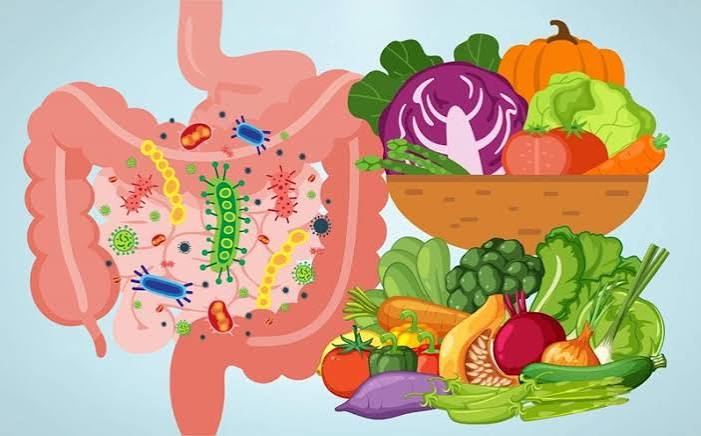
Dietary fibre is involved in virtually every aspect of fiber and digestive health — stool formation and transit, the microbiome’s primary energy supply, colonic cancer protection, and the management of common conditions including constipation, diverticular disease, and irritable bowel syndrome. Yet most adults in Western countries consume barely half the recommended daily intake. The gap between recommended and actual fibre consumption is one of the most consequential and correctable nutritional deficits in modern diets.
This guide explains what dietary fibre is, how each type affects the gut, what conditions it helps prevent or treat, and how to close the intake gap in practical terms.
What Is Dietary Fibre?
Dietary fibre is the broad category of plant-based carbohydrates and lignin that resist digestion by human enzymes in the small intestine, reaching the colon largely intact. This resistance to digestion is the defining functional characteristic: unlike starch, protein, and fat — which are broken down and absorbed upstream — fibre arrives in the colon to be either fermented by bacteria, retained for its physical properties, or both.
The World Health Organization recommends a minimum of 25g of dietary fibre per day for adults. The US Dietary Reference Intake sets the target at 25g for women and 38g for men (approximately 14g per 1000 kilocalories). Studies consistently show that average consumption in the UK is 18g/day and in the US approximately 15g/day — well below either threshold.
Soluble and Insoluble Fibre
Soluble fibre dissolves in water to form a gel-like substance. This gel slows gastric emptying, reduces the rate of glucose absorption, and traps bile acids in the intestine, preventing their reabsorption and forcing the liver to draw LDL cholesterol from the bloodstream to make new bile. When soluble fibre reaches the colon, most of it is fermented by resident bacteria, generating the short-chain fatty acids (SCFAs) butyrate, propionate, and acetate. Sources: oats, barley, apples, citrus fruits, legumes, psyllium husk.
Insoluble fibre does not dissolve in water. It absorbs water as it passes through the gut, adding bulk and weight to stool, and stimulates peristaltic contractions that accelerate colonic transit. Sources: wheat bran, whole grain cereals, vegetable skins, bran from rye and corn.
Most high-fibre whole foods contain a mixture of both types. Oats are predominantly soluble; wheat bran is predominantly insoluble. A varied diet naturally provides both. For an explanation of how the bacteria that ferment soluble fibre function, see our guide to good bacteria and digestive health.
How Fibre Supports Digestive Function
Stool bulk and transit time: insoluble fibre absorbs water and adds physical bulk to stool, stimulating the colonic muscles to contract more regularly and forcefully. This accelerates transit time — reducing the duration of contact between the colonic mucosa and potentially harmful substances including secondary bile acids.
Gel formation and gastric emptying: when soluble fibre dissolves in water in the small intestine, the viscous gel it forms physically slows the movement of intestinal contents. This delays glucose absorption, prolongs satiety through extended stimulation of stretch receptors, and slows nutrient delivery to the intestinal mucosa.
SCFA production: when fermentable fibres reach the colon, bacteria ferment them to generate SCFAs — primarily butyrate, propionate, and acetate. Butyrate is the primary fuel for colonocytes, provides anti-inflammatory signalling, and is a histone deacetylase inhibitor that promotes apoptosis in pre-cancerous cells while protecting healthy colonocytes. Propionate influences liver glucose and cholesterol metabolism and stimulates satiety hormone release. Acetate serves as an energy substrate for peripheral tissues.
Microbiome diversity: dietary fibre is the primary energy source for the gut microbiome. Different fibre types selectively feed different bacterial species — inulin and FOS feed Bifidobacterium; resistant starch feeds butyrate-producers like Faecalibacterium prausnitzii; beta-glucan supports Lactobacillus and Bifidobacterium. A varied fibre intake feeds a diverse microbial community. For a complete explanation of the microbiome’s role in health, see our guide to the gut microbiome.
Water retention and stool softening: fibre retains water within the stool matrix, keeping stools soft and passable. This is the mechanism by which adequate fibre intake prevents hard, dry stools and the straining that causes haemorrhoids and diverticular complications.

Fibre and Colorectal Cancer Risk
The relationship between dietary fibre intake and colorectal cancer risk is one of the most robust findings in cancer epidemiology. The World Cancer Research Fund (WCRF) rates the evidence as “convincing” — their highest classification — that higher dietary fibre intake reduces colorectal cancer risk. The estimated effect size across large prospective cohorts: a 10g per day increase in dietary fibre is associated with approximately 10% reduction in colorectal cancer risk.
Several mechanisms contribute. Butyrate, produced from fibre fermentation in the colon, inhibits histone deacetylases (HDACs), activating gene expression changes that promote apoptosis in pre-cancerous colonocytes while protecting normal colonocytes. It also suppresses NF-κB — the master regulator of inflammatory signalling — reducing the chronic low-grade inflammation that drives malignant progression. Faster transit reduces mucosa contact time with carcinogens and secondary bile acids. Larger, bulkier stools dilute the concentration of bile acids in the colonic lumen, reducing their mutagenic activity.
The evidence is strongest for cereal fibre (wheat bran and wholegrains) in prospective cohort studies, though the totality of evidence supports fibre from all sources as protective.
Fibre and Common Digestive Conditions
Constipation: psyllium husk has the most consistent evidence across controlled trials for increasing stool frequency and softening consistency. Insoluble fibre from wheat bran increases stool bulk and transit speed. One critical caveat: fibre supplementation requires adequate fluid intake. Without sufficient hydration, increased fibre intake can worsen constipation by forming a dry, bulky mass rather than a soft one.
Diverticular disease: high fibre diet is consistently associated with reduced diverticular disease risk in large cohort studies. The mechanism involves chronically elevated intraluminal pressure: when stool is small and hard, the colon must contract more forcefully to move it, generating pressures that can cause weak points in the wall to bulge outward. The historical recommendation to avoid seeds and nuts in diverticular disease has been comprehensively refuted by prospective data showing these foods have no relationship with diverticulitis complications.
Irritable bowel syndrome (IBS): psyllium husk is one of the few dietary interventions with consistent evidence for reducing overall IBS symptom severity. Insoluble wheat bran may worsen symptoms in some IBS patients. Fermentable fibres (inulin, FOS, GOS) are high-FODMAP and restricted in the low-FODMAP diet widely used for IBS management. The practical approach: trial psyllium and oats first; add fermentable fibres cautiously and at low doses. For the relationship between prebiotics and IBS specifically, see our article on prebiotics for adults.
Haemorrhoids: adequate fibre intake producing soft, bulky stools reduces straining, which is the direct cause of haemorrhoidal inflammation and prolapse. Multiple clinical trials confirm that fibre supplementation reduces haemorrhoid symptom severity and recurrence rate.
Fibre Beyond Digestion
Cardiovascular disease: soluble fibre — particularly oat beta-glucan and psyllium — reduces LDL cholesterol through bile acid binding. The FDA has approved qualified health claims for both: ≥3g/day of oat beta-glucan or ≥7g/day of psyllium are associated with 5–10% reduction in LDL in clinical trials. A 2013 BMJ meta-analysis of dietary fibre and cardiovascular risk confirmed the association across fibre types and food sources.
Blood glucose control: the viscosity created by soluble fibre in the small intestine slows glucose absorption, directly blunting post-prandial blood glucose spikes. Multiple meta-analyses confirm that high dietary fibre intake is associated with reduced risk of type 2 diabetes and improved glycaemic control in those who already have it.
Satiety and weight management: fibre contributes to satiety through multiple mechanisms — physical volume, delayed gastric emptying, and hormonal satiety signalling via GLP-1 and PYY. Clinical trials of fibre supplements consistently demonstrate reduced spontaneous caloric intake compared to placebo.
Best Food Sources of Dietary Fibre
The foods highest in total fibre per 100g:
- Wheat bran: 43g per 100g — one tablespoon added to cereal provides ~3g
- Legumes: lentils (~8g cooked), chickpeas (~7g cooked), black beans (~8g cooked), split peas (~8g cooked)
- Oats: 10g per 100g raw; 40g serving provides ~4g total fibre including 1.5–2g beta-glucan
- Raspberries: 6.5g per 100g — among the highest-fibre fruits
- Avocado: 6.7g per 100g
- Brussels sprouts: 3.8g per 100g
- Pears: 3.1g per 100g (with skin)
Practical targets: one cup of cooked lentils (~8g), a 40g serving of oats (~4g), two pieces of fruit (~4–6g), and 150g of vegetables (~3–5g) together provide 19–23g — bringing a person close to the daily target from whole foods alone.
How to Increase Fibre Intake Practically
Gradual increase is essential. Increasing fibre intake rapidly causes gas, bloating, and cramps as the gut microbiome adjusts to ferment additional substrate. Increasing by 3–5g per day each week allows adaptation with minimal discomfort.
Hydration is not optional. Every additional 10g of dietary fibre requires approximately 350ml of additional fluid intake. Without adequate water, increased fibre intake can worsen constipation.
Practical daily swaps:
- Replace white bread with wholegrain (adds ~2g per two slices)
- Replace white rice with brown rice or barley (adds ~2–3g per serving)
- Add one serving of legumes to daily eating (~7–8g)
- Eat fruit with the skin where edible (pears, apples, peaches)
- Add a tablespoon of chia seeds or flaxseed to yoghurt or porridge (~4–5g)
Supplement forms when dietary intake is insufficient: psyllium husk (5–10g/day; best all-round evidence); inulin or FOS powder (3–8g/day; prebiotic focus); beta-glucan (for LDL and glycaemic effects); methylcellulose (non-fermentable; least gas risk). For a detailed comparison of prebiotic fibre types and their specific microbiome effects, see our guide to probiotics and gut health.
The Microbiome Connection: Why Fibre Diversity Matters
The relationship between dietary fibre and the gut microbiome is not simply about quantity — diversity of fibre types is equally important. Different fibre types feed different bacterial species, and a microbiome fed on a narrow range of fibres will gradually become dominated by the species that can ferment those specific substrates, while others decline.
Large epidemiological studies have found that people who eat 30 or more distinct plant species per week have significantly more diverse gut microbiomes than those eating fewer plant varieties — even when total fibre intake is similar. Rotating through different legumes, wholegrains, vegetables, and fruits each week provides a more diverse substrate range that supports a broader microbial community. Eating the same high-fibre foods every day is better than eating none, but variety amplifies the microbiome benefit substantially.
Ultra-processed foods are problematic beyond their low fibre content. They replace not only fibre but the entire complex plant food matrix — polyphenols, resistant starch, and other compounds that support specific microbial populations. A diet high in ultra-processed foods produces measurable reductions in microbiome diversity even when total fibre intake from supplements is maintained. For context on which bacteria benefit most from varied fibre intake, see our guide to good bacteria and digestive health.
Fibre Intake Across the Lifespan
Fibre needs and their effects change across life stages. In childhood and adolescence, establishing high-fibre eating patterns supports microbiome development during the critical window when the microbial community is being established. In adulthood, the primary priorities are consistent intake around 30g/day and variety across soluble and insoluble types — this is when cardiovascular and metabolic benefits are most relevant. In older adults (over 60), gut motility naturally slows and constipation becomes more common; adequate fibre and fluid are particularly important, and the calcium absorption benefit of inulin-type fibres becomes relevant as calcium bioavailability from food declines with age.
During pregnancy, constipation is common due to progesterone-mediated gut motility reduction. Adequate soluble fibre for stool softening is the first-line recommendation before any laxative consideration. The prebiotic benefit of adequate fibre also supports establishment of the infant’s microbiome, partially seeded from the maternal gut during delivery and breastfeeding.
Reading Food Labels for Fibre
A food providing ≥6g of fibre per 100g is considered “high-fibre” in most regulatory frameworks; ≥3g per 100g qualifies as a “source of fibre.” For wholegrains specifically, the ingredient list is more reliable than the fibre figure alone. Wholegrain products list the whole grain (wholemeal wheat, whole oats, whole rye) as the first ingredient. Products listing “wheat flour” without “whole” as the first ingredient are made primarily from refined flour, even if fibre has been added back. Added fibre (inulin, chicory extract, pea fibre, oat bran) in processed foods can raise the label fibre figure while providing a different substrate profile than naturally occurring fibre from whole foods.
The distinction matters because whole food fibre arrives embedded in a plant food matrix — alongside polyphenols, vitamins, minerals, and water — that interacts with the gut differently from purified isolated fibre added to a highly processed product. Both count as fibre grams, but the whole food version provides the full ecological context that supports microbiome diversity and SCFA production most effectively. This is not an argument against supplements — they clearly provide value — but it is an argument for prioritising whole food sources wherever practical, and using supplements to fill the remaining gap.
Fibre and Inflammation
Chronic low-grade inflammation is an underlying feature of most chronic diseases — cardiovascular disease, type 2 diabetes, certain cancers, and neurodegenerative conditions. Dietary fibre influences systemic inflammation through several pathways that are increasingly well understood.
Butyrate, produced from fermentation of dietary fibre in the colon, is a potent inhibitor of NF-κB — the master transcription factor that drives inflammatory gene expression. When butyrate is produced in adequate quantities and absorbed across the colonic epithelium, it reduces circulating levels of pro-inflammatory cytokines including TNF-alpha, IL-6, and IL-1beta. This anti-inflammatory effect is in addition to the local colonic benefit and extends systemically.
The gut barrier effect is equally important. Adequate dietary fibre maintains the mucus layer and tight junction integrity of the colonic epithelium, preventing the low-grade bacterial translocation — the leakage of bacterial components including lipopolysaccharide (LPS) into the bloodstream — that drives systemic inflammation in people with compromised gut barriers. A Western diet pattern low in fibre and high in saturated fat and ultra-processed foods is associated with elevated circulating LPS and elevated inflammatory markers, a state sometimes described as “metabolic endotoxaemia.”
Increasing dietary fibre — particularly from fermentable sources that produce butyrate and support Akkermansia and F. prausnitzii populations — is among the dietary interventions with the strongest mechanistic rationale for reducing systemic inflammation. The evidence is consistent across animal models, mechanistic studies, and observational epidemiology, and increasingly supported by short-term dietary intervention trials in humans.
Frequently Asked Questions
How much fibre do I need per day?
The minimum recommendation for adults is 25g per day (WHO), with the US dietary reference intake setting 25g for women and 38g for men. Most people in Western countries consume 15–18g — well below the threshold for most health benefits. Aiming for 30g per day from a variety of food sources, including a mix of soluble and insoluble fibre, is a practical target achievable from whole foods without supplementation.
What happens if I do not eat enough fibre?
Insufficient fibre reduces stool bulk and slows transit time, increasing constipation risk. The gut microbiome is deprived of its primary fuel, leading to reduced microbial diversity and lower SCFA production — particularly butyrate, which the colonic epithelium depends on for fuel and cancer protection. Long-term low fibre intake is associated with increased risk of colorectal cancer, diverticular disease, cardiovascular disease, and type 2 diabetes in large prospective studies.
Which type of fibre is better — soluble or insoluble?
Neither is universally better — they serve different functions. Soluble fibre provides cardiovascular and glycaemic benefits through viscosity and bile acid binding, and supports the microbiome through fermentation. Insoluble fibre is more effective for increasing stool bulk and transit speed, which is the primary mechanism for constipation prevention and a significant contributor to colorectal cancer protection. Most practical diets provide both from whole foods; where supplementation is needed, the choice depends on the specific health goal.
Can too much fibre cause problems?
At levels achievable through food (up to ~50–60g/day), adverse effects are rare beyond gas and bloating during adaptation. Very high supplemental doses of fermentable fibres can cause significant gas in susceptible individuals. At extremely high intakes, phytic acid in whole grains can reduce absorption of minerals including iron and zinc, though this is rarely a concern at normal dietary levels. In individuals with partial bowel obstruction, high fibre intake can cause significant problems and requires medical guidance.
Does cooking destroy fibre?
Cooking softens fibre and can reduce its physical properties, but does not destroy fibre chemically. Cooked vegetables, legumes, and grains retain the vast majority of their fibre content. The relevant exception: cooking and cooling starch (potatoes, rice, pasta) converts some digestible starch to resistant starch through retrogradation — meaning cooled cooked starches have modestly more fermentable prebiotic fibre than freshly cooked hot versions.
What are the best fibre supplements?
Psyllium husk has the broadest evidence base — clinical trials support it for constipation, IBS symptom management, LDL cholesterol reduction, and blood glucose improvement. Inulin and FOS supplements are most useful for bifidogenic prebiotic effects but carry higher gas and bloating risk initially. Beta-glucan supplements are specifically useful for glycaemic and LDL effects at ≥3g/day. Methylcellulose (non-fermentable) causes the least gas of any fibre supplement and is the best option for people whose guts are particularly sensitive to fermentation.
Does fibre help with weight loss?
Fibre is not a weight loss treatment on its own, but it is consistently associated with healthier body weight in large population studies and clinical trials. It contributes to satiety through increased volume, slower gastric emptying, and hormonal signalling (GLP-1, PYY) that can reduce overall caloric intake. A high-fibre diet is also associated with a more diverse microbiome, linked to healthier metabolic function. For weight management, fibre is a valuable dietary tool — but its effects are modest and additive to other dietary and lifestyle changes.
Disclaimer: This article is for educational purposes only and does not constitute medical advice. People with bowel conditions, inflammatory bowel disease, or those who experience significant pain with fibre intake should consult a clinician or registered dietitian before making significant dietary changes.
References
- Dahl WJ, Stewart ML. Position of the Academy of Nutrition and Dietetics: Health Implications of Dietary Fiber. J Nutr. 2015;145(11):2636S–44S.
- WCRF/AICR. Diet, Nutrition, Physical Activity and Cancer: a Global Perspective. 2018.
- Veronese N et al. Dietary fiber and health outcomes: an umbrella review. Am J Clin Nutr. 2018;107(3):436–44.
- Threapleton DE et al. Dietary fibre intake and risk of cardiovascular disease. BMJ. 2013;347:f6879.
- Yao B et al. Dietary fiber intake and risk of type 2 diabetes. Eur J Epidemiol. 2018;33(2):125–38.
- EFSA Panel on Dietetic Products. Scientific opinion on oat beta-glucan and LDL cholesterol. EFSA Journal. 2010.
- Cummings JH, Engineer A. Denis Burkitt and the origins of the dietary fibre hypothesis. Nutr Res Rev. 2018;31(1):1–15.
- Slavin JL. Dietary fiber and body weight. Nutrition. 2005;21(3):411–18.
I had no idea the recommendation to avoid seeds and nuts in diverticular disease was actually refuted by research. I have been avoiding them for years after my diverticulitis diagnosis and telling my friends the same thing. The explanation of why high fibre diet prevents diverticular disease through lower intraluminal pressure is the first mechanistic explanation I have seen that actually makes sense to me. I will speak to my doctor but this article makes a strong case for increasing fibre rather than restricting foods like seeds and nuts.
Thank you, Sandra. The refutation of the seed and nut restriction is one of the better examples in recent gastroenterology of received clinical wisdom being overturned by prospective data. The original recommendation dated from a time when diverticular pockets were thought to trap small particles — but large cohort studies including the Health Professionals Follow-up Study found that higher nut and seed consumption was actually associated with lower diverticulitis risk, not higher. The shift in guidelines has been gradual because clinicians are understandably cautious, but the evidence no longer supports blanket restriction. Responding to James on the thirty plant species question: yes, herbs and spices do count in the research methodology that produced that figure — even small amounts of garlic, ginger, turmeric, or fresh herbs contribute distinct phytochemical and prebiotic compounds. They count as distinct species even in small amounts. This is partly why a diverse herb and spice palette is consistently part of dietary patterns associated with microbiome diversity, including Mediterranean and traditional Asian dietary patterns.
The section on microbiome diversity and the thirty plant species per week figure was very useful. I had always thought about fibre in terms of total grams and had not considered that variety of plant sources matters as much as quantity. I am going to try rotating through different legumes each week rather than defaulting to chickpeas every time. Does this thirty plant species figure include herbs and spices or is it focused on vegetables, fruits, and grains?