
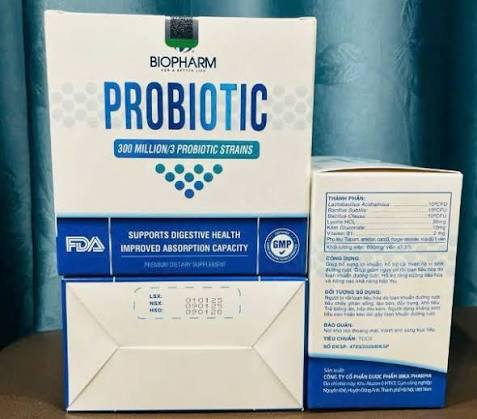
Probiotics are among the most widely purchased supplements globally — and among the most misunderstood. The global market exceeds $60 billion annually, driven by claims spanning probiotics and gut health, immune function, mood improvement, and weight management. Some of these claims have robust clinical support. Many do not. Understanding what probiotics can genuinely do, what they cannot, and how to navigate the difference is among the most practically useful pieces of health literacy for any adult who takes, or is considering taking, probiotic supplements.
This guide explains what probiotics are according to the scientific definition, which strains have reliable clinical evidence, where the science is strong versus marketing-driven, and what to look for when choosing them. The evidence base for probiotics is larger and more rigorous than for most supplements — which makes the gap between what the evidence shows and what product labels claim all the more striking.
What Are Probiotics?
The World Health Organization and Food and Agriculture Organization define probiotics as “live microorganisms that, when administered in adequate amounts, confer a health benefit on the host.” Three elements of this definition matter practically — and understanding them prevents the most common consumer mistakes.
Live microorganisms: probiotics must be viable at the time of consumption. Products that have been heat-treated after production, or stored improperly, may contain dead or inactive organisms. The CFU (colony-forming unit) count on a label is only meaningful if it refers to live organisms at the time of use — ideally at expiry rather than at manufacture.
Adequate amounts: most effective doses in clinical trials range from 108 to 1010 CFUs per day (100 million to 10 billion). This is higher than many supplement products provide. Higher doses are not automatically better — the gut environment’s reception of probiotic strains depends on factors beyond dose — but below a certain threshold, clinical benefit is unlikely.
Confer a health benefit: this is the most important qualifier. A product containing Lactobacillus acidophilus does not automatically have the clinical effects demonstrated for Lactobacillus rhamnosus GG. Probiotic effects are strain-specific, dose-specific, and population-specific. The genus and species name (Lactobacillus rhamnosus) tells you the category of organism. The strain designation (GG, or an alphanumeric code) tells you the specific variant that has been clinically tested. Generically-labelled probiotic products — which list species but not strains — may contain organisms with no specific clinical evidence.
For foundational context on the microbial ecosystem that probiotics interact with, see our guide to the gut microbiome explained.
How Probiotics Work
When probiotic bacteria survive the passage through the stomach and small intestine and reach the colon, they exert effects through several complementary mechanisms.
Competitive exclusion: probiotic bacteria occupy adhesion sites on the intestinal epithelial surface and compete with pathogens for nutrients and space, reducing the capacity of harmful organisms to establish themselves. This is the reason that microbiome disruption from antibiotics dramatically increases vulnerability to C. difficile infection — when the resident community is depleted, the competitive barrier disappears.
Barrier function strengthening: several probiotic strains — including L. rhamnosus GG and Bifidobacterium longum — have been shown to upregulate the expression of tight junction proteins (claudins, occludin) that hold intestinal epithelial cells together, reducing intestinal permeability. This is one mechanism by which they may reduce low-grade systemic inflammation in susceptible populations.
Immune modulation: probiotic bacteria interact with innate immune receptors (Toll-like receptors) on epithelial and immune cells, stimulating regulatory T cell production, secretory IgA secretion, and anti-inflammatory cytokine profiles. This is the mechanism underlying probiotic effects in allergic disease and some inflammatory conditions.
SCFA production: some probiotic strains contribute directly to butyrate, propionate, and acetate production in the colon — though the quantities are generally smaller than those produced by the established resident microbiome. For more on how these metabolites support digestive function, see our article on good bacteria and digestive health.
Bacteriocin production: probiotic bacteria produce small antimicrobial proteins (bacteriocins) that directly inhibit competing pathogens, providing an additional pathogen-resistance layer beyond physical exclusion.
Critically, most probiotic strains only transiently colonise the gut. A landmark 2018 study by Zmora et al. published in Cell found that standard probiotic supplements were cleared from the gut within weeks of stopping supplementation in most participants, and that some individuals showed almost no mucosal colonisation even during supplementation. The practical implication is that continuous supplementation is required to maintain any benefit, and that food-based probiotic sources — delivering live organisms in a fibre-rich food matrix — may offer more sustained interaction with the resident microbial community.
Where Probiotics Have Strong Clinical Evidence
The evidence hierarchy for probiotics places systematic reviews of multiple randomised controlled trials at the top, followed by individual RCTs, observational studies, and case reports. For a substance where strain-specificity is fundamental, evidence for one strain cannot be extrapolated to another.
Antibiotic-associated diarrhoea (AAD) is the condition with the most robust probiotic evidence. Antibiotics disrupt the normal gut microbiome, causing diarrhoea in up to 30% of patients. L. rhamnosus GG and Saccharomyces boulardii CNCM I-745 have both demonstrated significant reductions in AAD incidence in systematic reviews and meta-analyses. The number needed to treat (NNT) — the number of people who need to take the probiotic to prevent one case of AAD — is approximately 7–8 for LGG. This is a clinically meaningful benefit. Taking one of these strains during and for two weeks after an antibiotic course is the most evidence-backed use of probiotic supplementation. A 2017 Cochrane systematic review confirmed these findings across multiple trials and populations.
C. difficile prevention has strong evidence for S. boulardii in particular. This yeast probiotic is uniquely robust — it is not affected by antibacterial antibiotics (being a yeast), is heat-stable, and has demonstrated ability to reduce C. diff recurrence rates in hospitalised patients.
Infantile colic has the strongest evidence for L. reuteri DSM 17938. Multiple randomised trials have shown significant reduction in crying time in breastfed infants with colic, with effect sizes clinically meaningful for parents and clinicians. The mechanism is thought to involve modulation of colonic fermentation and gut motility.
H. pylori eradication adjunct: several probiotic strains, including L. rhamnosus GG and S. boulardii, have shown improved H. pylori eradication rates and reduced antibiotic side effects when added to standard triple or quadruple eradication therapy. This is one of the few instances where combining probiotics with antibiotic regimens has specific clinical evidence.
Necrotising enterocolitis (NEC) prevention in premature infants: mixed-strain probiotics have shown significant reduction in NEC incidence in trials of premature neonates. This is one of the most important probiotic applications in clinical medicine, though implementation requires close clinical supervision in neonatal intensive care settings.
Where Evidence Is Moderate
Irritable bowel syndrome (IBS) has been studied with multiple probiotic strains. L. plantarum 299v has the most consistent evidence for reducing bloating and abdominal discomfort in IBS patients. VSL#3 (a multi-strain formulation) has demonstrated benefit in IBS and in pouchitis — inflammation of the surgically created pouch after colectomy for ulcerative colitis. Overall, IBS is a condition where individual probiotic responses vary widely, partly because IBS itself is a heterogeneous condition with multiple underlying mechanisms. The decision to trial probiotics for IBS is reasonable given the evidence and low risk profile, but response cannot be guaranteed.
Traveller’s diarrhoea has moderate evidence for S. boulardii and LGG in reducing incidence and duration when taken before and during international travel. Effect sizes are modest (NNT approximately 10), and the benefit is more consistent in higher-risk destinations.
Atopic dermatitis in infancy has been studied extensively with Bifidobacterium longum and LGG, with some evidence of reduced severity and delayed onset when probiotics are given in the perinatal period. Clinical guidelines differ on whether to recommend this routinely, but a risk-benefit analysis generally favours trying probiotics given their safety profile in healthy infants.
Where Evidence Is Weak or Absent
A substantial proportion of probiotic marketing claims have little or no clinical trial support in healthy adults.
General immune support in healthy adults is one of the most common probiotic marketing claims. Multiple trials have shown no significant reduction in infection incidence, duration, or severity in healthy adults taking generic probiotic products. The immune effects demonstrated in clinical trials are condition-specific and population-specific — they do not translate to generalisable immune boosting in people who are already healthy.
Weight loss: there is no clinically meaningful evidence that probiotic supplementation causes weight loss in humans. Some studies have shown microbiome composition differences between obese and lean individuals, but transferring lean-associated microbiome characteristics via probiotic supplementation has not produced corresponding weight loss in controlled trials.
Depression and anxiety have attracted intense research interest given the gut-brain axis evidence. The preliminary data from small trials of L. helveticus R0052 plus B. longum R0175 is intriguing — reductions in psychological distress scores have been observed. However, the evidence base remains insufficient to recommend probiotics as a treatment for mood disorders, and no clinical guidelines have incorporated them into depression or anxiety management protocols. For a fuller exploration of the gut-brain connection, see our overview of what gut health really means.
Non-specific digestive health claims — improved digestion, bloating prevention, general gut wellness — are ubiquitous on probiotic labels but have weak clinical trial support in healthy adults without a specific condition. The microbiome effects of probiotic supplementation in people who already have a healthy, diverse microbiome are minimal and transient.
Choosing a Probiotic: What to Look For
If you have a specific condition where probiotic evidence is established, selecting the right product requires attention to several factors.
Strain designation: look for the full strain name, not just genus and species. L. rhamnosus GG, S. boulardii CNCM I-745, and L. plantarum 299v are properly designated strains with clinical evidence. A product listing only “Lactobacillus acidophilus” with no strain designation cannot be assumed to have the properties of any specifically studied strain.
CFU at expiry: the CFU count should be guaranteed at the expiry date, not at manufacture. Probiotic bacteria die over time during storage; a product with 10 billion CFU at manufacture may have far fewer by the time you buy it. Look for products that explicitly guarantee CFU count at expiry.
Refrigeration requirements: most Lactobacillus and Bifidobacterium strains require refrigeration. S. boulardii is shelf-stable as a yeast. Products that arrive unrefrigerated or have been stored at ambient temperatures for extended periods may have reduced viability.
A cautionary finding: a 2018 study by Suez et al. in Cell found that in some individuals, standard probiotic supplementation after antibiotics actually delayed restoration of the normal gut microbiome compared to a “watchful waiting” approach. The implication is that exogenous probiotic strains may occupy niches that would otherwise allow native bacteria to re-establish. This finding is contested and does not apply to all conditions, but it is an important counterpoint to the assumption that probiotics always accelerate microbiome recovery post-antibiotic.
For background on what a well-functioning digestive system looks like — and how enzymatic digestion precedes the microbial work that probiotics support — see our article on digestive enzymes and what they do.
Safety and Who Should Be Cautious
For the majority of healthy adults, probiotic supplementation at standard doses is safe. Reported side effects are mild and transient: bloating, gas, or altered bowel habits in the first few days, which typically resolve as the gut adjusts.
Immunocompromised individuals — including those on chemotherapy, biological therapies, high-dose corticosteroids, or post-organ transplant immunosuppression — should consult a clinician before taking probiotics. Case reports of bacteraemia (bacteria in the bloodstream originating from probiotic strains) have been documented in severely immunocompromised patients.
Premature infants require particularly careful clinical supervision. NEC risk in very premature infants means any gastrointestinal intervention requires controlled administration within a clinical protocol.
Individuals with short bowel syndrome or serious intestinal disease should seek clinical guidance before supplementing.
For most adults with intact immune systems, the practical risk of probiotic supplementation is low, and for established indications such as antibiotic-associated diarrhoea, the benefit clearly outweighs the minimal risk. The safety profile for the well-studied strains (LGG, S. boulardii, L. plantarum 299v) is one of the most thoroughly documented in all of supplements research.
Probiotics vs. Fermented Foods
Fermented foods — yoghurt, kefir, kimchi, sauerkraut, miso, tempeh — contain live bacteria that reach the gut. They differ from probiotic supplements in several important ways. The bacteria in fermented foods are typically not identified to strain level, are present in variable quantities, and are not characterised in clinical trials. However, they arrive in a food matrix alongside fibre, vitamins, organic acids, and fermentation byproducts that may provide broader benefit than isolated probiotic strains.
A 2021 Stanford clinical trial showed that a high-fermented food diet (six servings of fermented foods daily) significantly increased microbiome diversity and reduced inflammatory markers over 17 weeks — effects that were not replicated by a high-fibre diet in the same trial. This suggests fermented foods may have microbiome benefits beyond what the individual live organisms provide, mediated by the full food matrix.
The practical implication: for general gut health maintenance, incorporating a variety of fermented foods regularly may offer more sustained microbiome benefit than any single-strain probiotic supplement. For specific clinical conditions with established probiotic evidence (AAD, IBS, colic), a designated clinical strain at adequate CFU is more appropriate than relying on fermented food alone.
Frequently Asked Questions
What do probiotics actually do in the gut?
Probiotics work through several mechanisms: competing with pathogens for adhesion sites on the gut lining, strengthening the tight junctions between epithelial cells that maintain the intestinal barrier, stimulating immune regulatory responses (regulatory T cells, secretory IgA), producing bacteriocins that inhibit pathogens, and contributing to short-chain fatty acid production. Most effects are transient — requiring continuous supplementation to maintain — and are condition-specific rather than generalisable to overall health improvement in healthy adults.
Do I need to take probiotics every day?
For condition-specific indications with clinical evidence — antibiotic-associated diarrhoea, IBS, infantile colic — daily dosing during the relevant period is supported by the trial protocols showing benefit. For general health maintenance in healthy adults, the evidence for daily probiotic supplementation is weak. Consuming fermented foods daily — yoghurt, kefir, fermented vegetables — provides a sustainable, food-based equivalent without the strain-specificity concerns of supplements. Continuity matters: probiotic effects largely cease within weeks of stopping supplementation for most strains.
What is the best probiotic for gut health?
There is no single best probiotic for gut health — the optimal choice depends on what you are trying to address. For antibiotic-associated diarrhoea: L. rhamnosus GG or S. boulardii CNCM I-745. For IBS bloating: L. plantarum 299v. For traveller’s diarrhoea: S. boulardii. For infantile colic: L. reuteri DSM 17938. For general gut microbiome support in healthy adults: food-based fermented foods likely outperform supplements, as they provide diverse strains alongside dietary fibre and other fermentation products with more sustained interaction with the resident microbiome.
Can probiotics make gut health worse?
In most cases, no — for healthy adults, the risk profile is very low. However, Suez et al. (2018) found that standard probiotic supplementation after antibiotics may delay normal microbiome restoration in some individuals. In immunocompromised patients, there are documented case reports of bacteraemia. For healthy adults, probiotics are safe, but the evidence that they actively improve gut health in people who already have healthy, diverse microbiomes is minimal — and for post-antibiotic situations, watchful waiting may be appropriate rather than automatically reaching for a probiotic.
Should I take probiotics with or without food?
Most probiotic bacteria survive gastric acidity better when the stomach is not empty — taken with a meal or shortly before, gastric pH is buffered by food, allowing more bacteria to survive into the small intestine. Enteric-coated capsules are designed to resist stomach acid regardless of feeding status, providing more flexibility in timing. Saccharomyces boulardii is acid-stable as a yeast and can be taken at any time without significant impact on viability.
What is the difference between probiotics and fermented foods?
Probiotics are characterised, strain-specific, dose-controlled live bacteria with defined clinical evidence for specific conditions. Fermented foods contain live bacteria of variable species and quantities, without clinical characterisation at the strain level. The bacteria in fermented foods arrive in lower doses and are mostly transient — but they come embedded in a food matrix alongside fibre, fermentation byproducts, and diverse strains that may provide broader and more sustained benefit than a single-strain supplement. Both have roles; neither replaces the other. For condition-specific use, choose a clinically studied strain at adequate CFU. For general microbiome maintenance, regular fermented food intake may offer more than daily supplementation.
How long before probiotics work?
For acute indications like antibiotic-associated diarrhoea, benefit appears within the first week of concurrent use. For IBS and chronic conditions, most trials run for 4–12 weeks before meaningful symptom improvement is observed — and some participants see no benefit at all, reflecting individual microbiome variability. For effects on microbiome composition and immune markers, sustained intake over 4–8 weeks is typically required to produce measurable changes. Benefits generally reverse within weeks of stopping supplementation for most strains, underscoring the transient nature of probiotic colonisation.
Disclaimer: This article is for educational purposes only and does not constitute medical advice. Consult a clinician before starting probiotic supplements if you are immunocompromised, pregnant, or have serious gastrointestinal disease. Individual responses to probiotics vary; the evidence cited reflects population-level trial results.
References
- Hill C et al. Expert consensus document on probiotics. Nat Rev Gastroenterol Hepatol. 2014;11(8):506–14.
- Zmora N et al. Personalized gut mucosal colonisation resistance to empiric probiotics. Cell. 2018;174(6):1388–405.
- Suez J et al. Post-antibiotic gut mucosal microbiome reconstitution is impaired by probiotics and improved by autologous FMT. Cell. 2018;174(6):1406–23.
- Goldenberg JZ et al. Probiotics for the prevention of Clostridium difficile-associated diarrhoea. Cochrane Database Syst Rev. 2017.
- Szajewska H, Kolodziej M. Systematic review: LGG in the prevention of AAD in children. Aliment Pharmacol Ther. 2015;42(10):1149–57.
- Sonnenburg JL, Bäckhed F. Diet-microbiota interactions as moderators of human metabolism. Nature. 2016;535(7610):56–64.
- Wastyk HC et al. Gut-microbiota-targeted diets modulate human immune status. Cell. 2021;184(16):4137–53.
- Cryan JF et al. The microbiota-gut-brain axis. Physiol Rev. 2019;99(4):1877–2013.
I have been taking a generic probiotic with Lactobacillus acidophilus listed on the label for about two years thinking it was helping my digestion. After reading this I realised I had no idea that strain designation matters so much. The article makes clear that buying a product listing only genus and species rather than the full strain name like L. rhamnosus GG means you cannot assume any of the clinical evidence applies to what you are actually taking. That distinction between genus, species, and strain is something I had never seen explained clearly before. I am going to switch to a product that specifies the strain.
Thank you, Diane. The strain-specificity issue is genuinely one of the most important and least communicated aspects of probiotic science. To add some practical detail: when looking for products, the strain designation typically appears as a suffix to the species name — L. rhamnosus GG, L. plantarum 299v, S. boulardii CNCM I-745. If you see only the genus and species with no alphanumeric code or letter suffix, that is a sign the manufacturer has not specified the clinically tested variant. Responding to Marcus’s question on Suez 2018: the finding was from a study using a broad-spectrum eleven-strain probiotic supplement after multiple antibiotic types, and was compared to autologous faecal transplant and watchful waiting. The mechanism proposed was that the exogenous probiotic strains colonised the empty niches left by antibiotics, temporarily preventing the native bacteria from re-establishing. This finding does not necessarily apply to single strain targeted probiotics like S. boulardii taken during antibiotics specifically to prevent AAD — the evidence for that use remains strong and positive. The practical takeaway is to use probiotics for specific, evidence-backed indications rather than as an automatic response to all antibiotic courses.
The Suez 2018 finding is really counterintuitive — I would have assumed taking probiotics after antibiotics always helps recovery. The idea that some probiotic strains might actually delay the gut microbiome returning to normal is something I had never encountered before. Is this specific to certain types of antibiotics or certain probiotic strains? I take probiotics whenever I have a course of antibiotics and now I am not sure whether that is helping or making things slower.