
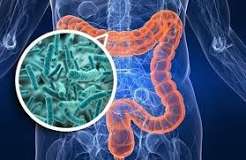
The gut microbiome — the vast community of microorganisms living in the human intestinal tract — has transformed how medicine understands health and disease. Twenty years ago, the gut was understood primarily as a digestive organ. Today, it is recognised as a complex ecosystem whose microbial inhabitants influence immunity, metabolism, mood, neurological function, and the risk of conditions ranging from inflammatory bowel disease to type 2 diabetes to depression.
This guide explains what the gut microbiome is, how it develops from birth, what it does for the body, what disrupts it, and what supports it. The science is moving rapidly; what follows reflects the current evidence while noting where uncertainty remains.
What Is the Gut Microbiome?
The gut microbiome refers to the entire community of microorganisms — bacteria, archaea, fungi, viruses, and protozoa — that inhabit the human gastrointestinal tract, along with their collective genetic material and the environment they create. This is technically distinct from the term microbiota, which refers specifically to the organisms themselves. In most clinical and popular contexts the two terms are used interchangeably.
The scale is remarkable. The gut microbiome contains approximately 38 trillion microbial cells — comparable in number to the total human cells in the body — and encodes roughly 3.3 million unique microbial genes, compared to approximately 20,000 in the human genome. The microbiome contributes vastly more genetic diversity to human biology than the genome itself.
The dominant bacterial phyla in a healthy adult gut are Firmicutes (around 40%), which include butyrate-producing genera like Lachnospiraceae and Ruminococcaceae, and Bacteroidetes (around 50%), which include species involved in fibre fermentation and bile acid metabolism. Akkermansia muciniphila, from the phylum Verrucomicrobia, maintains the intestinal mucus layer and is associated with metabolic health. Bifidobacterium species are particularly important in infancy and are the target of many probiotic formulations.
The most abundant single species in many healthy guts is Faecalibacterium prausnitzii — a potent butyrate producer and anti-inflammatory organism that is consistently depleted in people with Crohn’s disease and ulcerative colitis. Its abundance is one of the more reliable current markers of gut health in research.
How the Gut Microbiome Develops
The gut microbiome is established in the first years of life through a process shaped by birth method, feeding, and early environmental exposures.
Most infants are born with a largely sterile gut. The first major microbial exposure occurs at birth. Vaginal delivery exposes the newborn to maternal vaginal and faecal bacteria — primarily Lactobacillus and Bacteroides — which seed the initial gut community. Caesarean delivery bypasses this exposure; C-section babies are instead initially colonised by skin-associated bacteria (Staphylococcus, Corynebacterium), a different starting profile that large population studies associate with modestly higher rates of allergic disease and asthma. These differences tend to equalise over the first few years of life, but the mechanism underlines how profoundly the birth channel shapes early microbiome development.
Breast milk plays a dedicated role. It contains human milk oligosaccharides (HMOs) — complex carbohydrates that the infant cannot digest but that specifically feed beneficial bacteria, particularly Bifidobacterium. Breastfed infants typically develop more Bifidobacterium-dominated microbiomes and show lower rates of certain immune and allergic conditions than formula-fed infants.
By approximately age three, the microbiome has reached an adult-like composition. The first 1,000 days — from conception to the second birthday — are considered the most critical window for microbiome development and the programming of immune and metabolic function. Antibiotic exposure, early dietary introductions, household pets, siblings, and rural versus urban environments all influence this critical establishment phase.
In adulthood, the microbiome is relatively stable but continuously shaped by diet, lifestyle, illness, and medications. It generally declines in diversity after the seventh decade of life — associated with reduced dietary variety, increased medication burden, and physiological changes in gut motility and immune function.
What the Gut Microbiome Does
The gut microbiome performs functions that no human enzyme or cell can replicate.
Fermentation and SCFA production is the most critical function. Gut bacteria ferment soluble dietary fibre — resistant starch, inulin, pectin, fructo-oligosaccharides — that the human small intestine cannot digest. The end products are short-chain fatty acids (SCFAs): butyrate, propionate, and acetate. Butyrate is the primary energy source for colonocytes and has anti-inflammatory and anti-cancer properties. Propionate travels to the liver, influencing glucose and cholesterol metabolism. Acetate reaches peripheral tissues, influencing appetite and fat metabolism. For a detailed explanation of the enzymatic digestion that precedes SCFA production in the small intestine, see our guide to digestive enzymes and how they work.
Vitamin synthesis: gut bacteria produce vitamin K2, vitamin B12, folate, thiamine (B1), riboflavin (B2), and biotin — supplementing dietary intake in ways that depend on the composition of the resident community.
Immune system training is arguably the most significant long-term function. The gut-associated lymphoid tissue (GALT) is the largest immune organ in the body, and its calibration depends critically on early-life microbial exposure. The diversity of microbial antigens encountered during infancy trains the immune system to distinguish harmless environmental substances from genuine pathogens — a process whose disruption is implicated in the higher rates of allergic and autoimmune conditions in populations with reduced early microbial diversity.
Colonisation resistance describes the established microbiome’s ability to prevent pathogenic organisms from taking hold. When the normal community is disrupted — most dramatically by antibiotics — pathogens like Clostridioides difficile can rapidly colonise the now-open ecological niches. This is why C. difficile colitis almost always follows antibiotic use rather than occurring independently.
Neurotransmitter and signalling molecule production connects the gut to the nervous system. Gut bacteria influence serotonin synthesis (approximately 95% of the body’s serotonin is produced in the gut), produce GABA precursors, and generate short-chain fatty acids that signal directly to the vagus nerve and brain. For the broader context of how the gut and brain communicate, see our overview of gut health and the gut-brain axis.
What Shapes Your Microbiome
Diet is the most powerful modifiable influence. Dietary fibre provides the primary substrate for beneficial bacteria; a high-fibre diet reliably increases SCFA-producing species. Plant diversity — eating 30 or more different plant species per week — produces significantly greater microbiome diversity than diet quantity alone. Ultra-processed, low-fibre foods are consistently associated with dysbiosis.
Antibiotics are the most acute disruptor. Broad-spectrum antibiotics can eliminate 30% or more of gut species within days. Recovery takes weeks to months, and some species may not return to pre-treatment levels. When antibiotics are medically necessary, supporting recovery through dietary fibre and fermented foods is the appropriate follow-on approach.
Exercise — particularly regular aerobic activity — is independently associated with greater microbiome diversity. Elite athletes consistently show higher levels of butyrate-producing species than sedentary controls even after accounting for dietary differences.
Stress modulates the microbiome through cortisol and catecholamine pathways that alter gut motility, barrier integrity, and the secretory environment. Chronic stress consistently degrades microbiome diversity in animal models and is associated with dysbiosis in human studies.
Medications: proton pump inhibitors alter the upper GI microbial environment significantly. NSAIDs damage the gut lining and reduce mucus secretion. Metformin and SSRIs both alter gut bacterial composition in ways that may contribute to some of their therapeutic and side effects.
The Microbiome and Digestion: A Closer Look
To understand why the microbiome matters so much for digestive health, it helps to understand where it sits in the overall digestive process. The small intestine handles most enzymatic digestion — breaking proteins into amino acids, fats into fatty acids and glycerol, and digestible carbohydrates into monosaccharides using enzymes produced by the pancreas, liver, and the small intestinal brush border. By the time food reaches the colon, the bulk of this enzymatic digestion is complete.
What arrives in the colon is what the small intestine could not process: insoluble dietary fibre, resistant starch, and complex polysaccharides. This is where the gut microbiome takes over. Bacterial fermentation of these substrates is not a backup system or secondary process — it is the primary purpose of the colonic microbiome, and the SCFAs it produces are essential for colonic health in ways that cannot be obtained from any other source. No supplement replaces this process; the only way to generate adequate butyrate in the colon is to provide the bacterial substrates — dietary fibre and resistant starch — that resident bacteria ferment to produce it.
This is also why the relationship between the microbiome and diet is not optional. A low-fibre diet does not merely reduce SCFA production — it deprives colonocytes of their primary energy source, reduces the anti-inflammatory signal that butyrate provides to the colonic immune system, and gradually diminishes the populations of fibre-fermenting bacteria through starvation. The effect is cumulative: months or years of a low-fibre diet produce a measurably different microbial landscape than a lifelong high-fibre diet, and recovery after dietary change is real but takes time.
Understanding this connection also helps explain why fibre supplements, while useful, differ from whole-food fibre sources. Whole foods deliver a mixture of different fibre types, each fermented by different bacterial species, contributing to the diversity that matters for microbiome richness. A supplement delivering a single fibre type feeds a narrower slice of the microbial community. Both have a role, but variety in dietary fibre sources produces the broadest benefit.
Building a Microbiome-Supportive Lifestyle
The evidence on gut microbiome support converges on a small number of practical, accessible actions that do not require supplements, testing, or major disruption to daily life.
Prioritise plant diversity over single superfoods. Eating 30 different plant foods a week — including vegetables, fruits, whole grains, legumes, nuts, seeds, herbs, and spices — produces more consistent microbiome benefit than optimising any single food. This approach can be achieved within a normal household food budget by rotating vegetable and grain choices rather than eating the same meals repeatedly.
Include fermented foods regularly. A daily portion of yoghurt, kefir, kimchi, sauerkraut, tempeh, or miso introduces live microbial cultures and has been shown in controlled trials to increase microbiome diversity and reduce immune activation markers. The specific strains in these foods vary, and their colonisation of the gut is generally transient — but their regular consumption maintains a steady input of beneficial organisms and their metabolites. For a detailed discussion of how probiotics from fermented foods compare to supplement forms, see our guide to good bacteria and digestive health.
Protect the microbiome during and after antibiotics. When antibiotics are medically necessary, support recovery with increased dietary fibre, fermented foods, and probiotic-rich foods during and after the course. This does not negate the antibiotic’s action but supports faster recovery of the gut community. Ask your prescriber whether a narrow-spectrum antibiotic targeted to your specific infection could be used in preference to a broad-spectrum agent — narrower coverage causes less collateral damage to commensal bacteria.
Manage stress actively. Because the gut-brain axis is bidirectional, chronic psychological stress is a direct gut health stressor. Physical exercise, social connection, adequate sleep, and structured relaxation practices all reduce the cortisol burden on the gut microbiome. This is not an optional add-on to dietary interventions — it is a core component of microbiome health that dietary measures alone cannot fully compensate for.
The Microbiome and Disease
The volume of research linking gut microbiome composition to disease has grown exponentially. The associations range from well-established to speculative.
Inflammatory bowel disease — Crohn’s disease and ulcerative colitis — is characterised by reduced diversity, depletion of butyrate producers, and increased pro-inflammatory species. F. prausnitzii depletion is a reliable marker. Whether dysbiosis causes IBD or results from intestinal inflammation remains debated, though evidence increasingly supports a contributing causal role.
Type 2 diabetes is associated with specific microbiome signatures, including reduced Akkermansia muciniphila and altered SCFA production. Animal studies show that transferring gut bacteria from diabetic to healthy mice can induce metabolic abnormalities.
Colorectal cancer has a documented association with Fusobacterium nucleatum, enriched in tumour tissue and found in the bloodstream of colorectal cancer patients. The mechanisms under study involve direct bacterial invasion of epithelial cells and immune modulation.
Depression and anxiety have emerging microbiome associations. Multiple studies identify reduced Lactobacillus and Bifidobacterium in people with depression. Germ-free animals display anxiety-like behaviours that normalise on bacterial recolonisation.
C. difficile colitis remains the clearest clinical example of dysbiosis-driven disease. Faecal microbiota transplantation (FMT) achieves cure rates of approximately 90% in recurrent cases — making it one of the most effective microbiome interventions in clinical medicine today.
Most microbiome-disease associations are correlational. Establishing causation in humans is methodologically difficult. Many associations may reflect shared risk factors rather than direct causation. This is an active and rapidly evolving area of research, and headlines frequently outrun the evidence.
How the Microbiome Is Measured
16S rRNA gene sequencing targets a conserved bacterial gene region to identify which species are present. It is cost-effective and reliable for bacterial composition but cannot detect fungi, viruses, or archaea.
Shotgun metagenomics sequences all DNA in a stool sample, providing a comprehensive picture of the entire microbiome — bacteria, viruses, fungi, and archaea — plus functional gene content. It is the research gold standard but remains expensive.
Consumer microbiome testing kits offer 16S-based analysis with personalised dietary recommendations. Their limitations include variable methodological quality, non-standardised reference ranges, and recommendations based on proprietary science that has not been independently validated. There is currently no scientific consensus on what a “healthy” microbiome looks like, because individual variation is enormous and health outcomes depend on more than species composition alone. These tests can be useful for personal curiosity and tracking changes over time, but should not inform medical decisions.
Frequently Asked Questions
The gut microbiome is the community of trillions of microorganisms — mainly bacteria, but also fungi, viruses, and archaea — living in your intestinal tract. These organisms perform essential functions: digesting fibre the human body cannot process, producing vitamins, training the immune system, and communicating with the brain. A diverse, balanced community is broadly associated with better health outcomes across multiple organ systems.
There is no single clinical test for overall microbiome health. Indirect indicators include regular, comfortable digestion, no persistent bloating or irregular bowel habits, good energy levels, and absence of frequent infections. Consumer microbiome tests can reveal diversity and composition but lack the standardisation to diagnose conditions. If digestive symptoms are persistent, see a doctor for validated tests like calprotectin or hydrogen breath testing.
Yes, to a substantial degree. Dietary changes — increasing fibre, adding fermented foods, eating a wider variety of plants — produce measurable microbiome shifts within two to four weeks. Full recovery after antibiotics may take two to three months or longer, and some species may not return without deliberate reintroduction through food or targeted probiotics. Long-term consistent dietary habits have the most durable effect on microbiome composition and resilience. The microbiome is plastic — it responds to the environment it is given, and sustained dietary improvement produces sustained microbial improvement, even after years of a low-fibre diet.
Antibiotics are the most potent disruptor, rapidly eliminating large portions of the gut community within days of starting a course. Ultra-processed, low-fibre diets effectively starve beneficial bacteria over time by removing the fermentable substrates they depend on. Chronic stress, heavy alcohol use, poor sleep, and certain medications (NSAIDs, PPIs) all negatively affect gut microbial composition through different mechanisms. These effects accumulate and interact — a single course of antibiotics followed by a fibre-rich recovery diet is a very different outcome from repeated antibiotic courses combined with chronic dietary neglect and high stress, where the microbiome may not have sufficient time or resources to recover between disruptions.
Greater diversity is generally associated with resilience and better health outcomes, but it is not an absolute measure of gut health. The specific species present and their functional capabilities matter as much as raw species count. Diversity is the best available proxy in current research but is not the whole picture — a microbiome with the right butyrate producers may outperform a more diverse one dominated by pro-inflammatory species.
No — the gut microbiome is one of the most variable biological systems between individuals. Even identical twins share only around 35% of gut microbial species. Geography, diet, birth method, antibiotic history, genetics, and environmental factors all create highly individual profiles. This variability is part of why universal dietary recommendations for gut health are inherently imprecise and why personalised microbiome approaches remain an active research frontier.
Microbiota refers to the community of microorganisms themselves — the bacteria, fungi, viruses, and archaea that populate a given environment. Microbiome technically refers to the organisms plus their collective genes, the metabolites they produce, and the environmental conditions they create and inhabit. In most clinical and popular writing the two terms are used interchangeably, which is acceptable for practical purposes. The precise distinction matters primarily in research contexts, where the difference between which organisms are present (microbiota) and what those organisms are functionally doing (microbiome — their expressed genes and metabolic outputs) has significant implications for how to interpret and compare study findings. When researchers report a microbiome-disease association, they may be describing species composition, functional gene content, or metabolite profiles — and these do not always map neatly onto each other.
- Human Microbiome Project Consortium. Structure, function and diversity of the healthy human microbiome. Nature. 2012;486:207–14.
- Qin J et al. A human gut microbial gene catalogue. Nature. 2010;464:59–65.
- Sender R et al. Revised estimates for human and bacteria cell numbers. Cell. 2016;164:337–40.
- Zmora N et al. Personalized gut mucosal colonisation resistance to empiric probiotics. Cell. 2018;174(6):1388–405.
- Sonnenburg JL, Bäckhed F. Diet-microbiota interactions. Nature. 2016;535:56–64.
- Cryan JF et al. The microbiota-gut-brain axis. Physiol Rev. 2019;99(4):1877–2013.
- Furusawa Y et al. Commensal microbe-derived butyrate induces colonic Treg differentiation. Nature. 2013;504:446–50.
- Turnbaugh PJ et al. The Human Microbiome Project. Nature. 2007;449:804–10.
The section on birth colonisation is something I wish more people knew before having children. I had two children — one vaginal delivery and one emergency C-section — and both are healthy, but the long-term microbiome differences you describe are real. The child born by C-section had more antibiotic courses in the first two years for respiratory infections, which may well reflect exactly the immune programming differences this article describes. I am not saying this to create anxiety for parents who needed a C-section — sometimes it is lifesaving — but understanding the mechanism helps parents make more informed choices about breastfeeding and early dietary diversity during the first 1,000 days.
Thank you for sharing this perspective, Nadia. You have identified exactly the right framing: C-section delivery is sometimes medically necessary and the microbiome differences, while real, are not deterministic — environmental factors in the following years, particularly breastfeeding, dietary diversity, outdoor exposure, and avoiding unnecessary antibiotic courses, can substantially compensate. The clinical guidance now increasingly reflects this. For parents who had a C-section or whose child received early antibiotics, the focus on the subsequent years is more actionable than the delivery circumstances. Introducing diverse solid foods early and widely within the guidelines, ensuring outdoor and nature exposure, and being selective about antibiotic prescriptions for self-limiting infections are the levers that remain in play long after birth.
The point about Faecalibacterium prausnitzii being both the most abundant species in a healthy gut AND being depleted in IBD is something I found very striking. It makes the connection between microbiome health and inflammatory bowel disease feel much more concrete than just saying diversity is lower. Are there any dietary strategies specifically shown to increase F. prausnitzii? I know general fibre advice is the standard recommendation, but is there anything more targeted?