
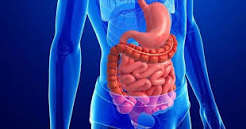
Gut health has become one of the most frequently searched health topics of the past decade. It appears on supplement labels, in clinical research papers, and across wellness media — used to describe everything from daily digestive comfort to a complex microbial ecosystem that science is still mapping. But what does gut health actually mean?
The gut does far more than digest food. It houses approximately 38 trillion microorganisms, produces around 95% of the body’s serotonin, contains the majority of the immune system’s active tissue, and communicates with the brain through a dedicated neural pathway. Understanding gut health in this fuller sense — not just as the absence of stomach complaints, but as the functional integrity of one of the body’s most complex systems — is the starting point for making genuinely useful decisions about how to support it.
What Gut Health Actually Means
In clinical terms, gut health is not a single measurable quantity. It is better understood as the combined performance of four interconnected systems within the gastrointestinal tract.
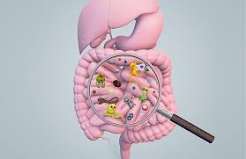
The gut microbiome refers to the community of microorganisms — bacteria, fungi, viruses, and archaea — that colonise the intestines. These organisms are not passive passengers. They metabolise dietary components the human body cannot digest, train the immune system to distinguish pathogens from harmless antigens, produce signalling molecules that influence mood and metabolism, and help maintain the structural integrity of the gut lining.
Intestinal barrier integrity refers to the health of the single-cell-thick epithelial layer lining the intestines. Tight junction proteins regulate what passes from the gut lumen into the bloodstream. When tight junctions are compromised — from infection, inflammation, or certain dietary factors — the barrier becomes more permeable. This state, sometimes called increased intestinal permeability, is associated with systemic inflammation and has been linked to conditions ranging from irritable bowel syndrome to autoimmune disease, though the clinical picture is still being established.
Gut motility is the coordinated muscular activity that moves food and waste through the digestive tract. Normal transit time — from ingestion to excretion — is roughly 24 to 72 hours. Faster transit produces loose or watery stools; slower transit leads to constipation and increased exposure of the gut lining to waste. Motility is regulated by the enteric nervous system, gut hormones, and the autonomic nervous system.
Gut immune function encompasses the gut-associated lymphoid tissue (GALT), including Peyer’s patches in the small intestine and a dense network of immune cells distributed throughout the mucosal lining. The gut produces more immunoglobulin A (IgA) than any other tissue in the body and is the primary site where immune tolerance to food antigens and commensal bacteria is established.
Underlying all four systems is the enteric nervous system — sometimes called the second brain. With approximately 500 million neurons, it operates independently of the central nervous system and regulates digestion, secretion, and blood flow within the gut wall. The enteric and central nervous systems communicate bidirectionally via the vagus nerve, which helps explain the well-documented connection between gut function and mental state.
The Gut Microbiome
The gut microbiome has generated more research interest than any other aspect of gut health over the past two decades. It contains around 38 trillion microbial cells — comparable in number to the total human cells in the body — representing approximately 1,000 species, with bacteria from the phyla Firmicutes and Bacteroidetes predominating.
Microbiome diversity — having a wide variety of different species — is broadly associated with better health outcomes. Populations eating high-fibre, plant-rich diets tend to have more diverse microbiomes than those on Western-style processed food diets. Greater diversity correlates with lower rates of obesity, metabolic disease, inflammatory bowel disease, and certain mood disorders.
One of the most important functions of gut bacteria is the fermentation of dietary fibre. Bacteria in the colon break down soluble fibre that the human body cannot digest, producing short-chain fatty acids (SCFAs) — principally butyrate, propionate, and acetate. Butyrate is the primary energy source for colonocytes (the cells lining the colon) and has anti-inflammatory and anti-cancer properties. Propionate and acetate signal to the liver and brain, influencing appetite, insulin sensitivity, and inflammatory tone. For a detailed explanation of how digestive processes work upstream of the colon, see our guide to digestive enzymes and how they work.
Dysbiosis is an imbalance in the gut microbial community — a shift away from a diverse, stable ecosystem toward one with reduced species richness or an overgrowth of potentially harmful organisms. It can be triggered by antibiotics, dietary changes, infection, chronic stress, or illness, and is associated with increased intestinal permeability and immune activation.
Signs Your Gut Health May Be Compromised
The digestive system provides fairly direct feedback when something is wrong. The most common indicators include:
- Persistent bloating or abdominal distension after meals — suggests fermentable residues building up, or altered motility slowing gas clearance
- Irregular bowel habits — chronic constipation, loose stools, or unpredictable alternation, indicating disrupted motility or microbiome changes
- Acquired food intolerances — foods previously tolerated becoming problematic, possibly reflecting changes in enzyme production or gut permeability
- Unexplained fatigue — reported commonly by people with gut dysbiosis and inflammatory bowel conditions, possibly via immune activation and altered nutrient absorption
- Skin conditions — eczema, rosacea, and acne have observational associations with gut microbiome patterns (the gut-skin axis)
- Frequent infections or slow recovery — may reflect impaired gut immune function
- Mood changes, anxiety, depression — increasingly documented associations with microbiome composition via the gut-brain axis
None of these signs in isolation confirm a gut health problem — they all have multiple potential causes. They are reasons to investigate further, not to self-diagnose.
What Damages Gut Health
Antibiotics are the most potent acute disruptor of the gut microbiome. They eliminate not only pathogenic bacteria but large portions of the commensal community. Recovery can take weeks to months, and some species may not fully return. This does not mean antibiotics should be avoided when medically necessary — but unnecessary or self-prescribed use is a genuine concern.
Ultra-processed foods are associated with lower microbiome diversity and increased markers of gut inflammation. Likely mechanisms include low dietary fibre, artificial emulsifiers that may disrupt the mucus layer protecting the gut lining, and additives that may directly affect bacterial growth.
Chronic stress alters gut function through multiple pathways. Cortisol affects gut motility and secretion, modifies the microbiome composition, and increases intestinal permeability. The relationship is bidirectional: gut dysbiosis also amplifies stress responses, creating a self-reinforcing cycle.
Poor sleep disrupts the gut microbiome through circadian rhythm mechanisms — gut bacteria have rhythmic activity patterns tied to the light-dark cycle. Sleep deprivation and irregular sleep schedules are associated with altered microbiome composition and increased gut permeability.
Alcohol at regular or high intake damages the gut lining, shifts the microbiome toward more inflammatory species, and increases intestinal permeability. It is one of the most consistently documented gut-damaging dietary factors.
Medication overuse is less commonly discussed. NSAIDs (ibuprofen, naproxen) can damage the gastric and intestinal lining and are a leading cause of peptic ulceration. Long-term proton pump inhibitor use alters the upper GI microbial environment. For more on how the pancreas and its enzymes interact with the digestive system, see our overview of pancreas and digestive health.
What Supports Gut Health
Dietary fibre is the single most evidence-supported intervention for gut health. It feeds beneficial bacteria, increases SCFA production, improves motility, and is inversely associated with colorectal cancer risk. The recommended intake is 30g per day for adults; average intake in Western populations is 15–18g. Sources include whole grains, legumes, vegetables, fruits, nuts, and seeds.
Plant diversity matters beyond total fibre intake. The American Gut Project found that people who ate 30 or more different plant foods per week had significantly greater microbiome diversity than those eating fewer than 10 — suggesting that the variety of fermentable substrates, not just the quantity of fibre, matters for microbial richness.
Fermented foods introduce live microorganisms directly into the gut. Yoghurt, kefir, sauerkraut, kimchi, tempeh, miso, and kombucha all contain various bacterial strains. A 2021 Stanford study found that a high-fermented food diet increased microbiome diversity and reduced immune activation markers more effectively than a high-fibre diet alone over 10 weeks.
Exercise is associated with greater microbiome diversity, particularly in people with physically active lifestyles. Mechanisms include reduced gut transit time, improved circulation to gut tissue, and systemic anti-inflammatory effects. A 2014 study comparing elite rugby players to sedentary controls found significantly greater microbiome diversity and higher levels of butyrate-producing bacteria in the athletes — though diet was a confounding variable, the exercise effect appeared independent of dietary intake in the analysis.
Stress management is undervalued as a gut health strategy. Because the gut-brain axis is bidirectional, chronic psychological stress directly degrades the gut environment through cortisol and adrenergic signalling. Mindfulness-based interventions, regular physical activity, and adequate rest all reduce the chronic stress burden on the gut. There is emerging evidence that vagus nerve stimulation through breathing exercises may directly improve gut motility and reduce intestinal permeability, though clinical applications are still experimental.
Sleep (7–9 hours) supports the circadian alignment of gut bacterial activity. Shift workers and those with chronically disrupted sleep consistently show lower microbiome diversity and higher inflammatory markers than people with regular sleep patterns. Hydration (roughly 1.5–2 litres of water daily) supports stool consistency and motility — insufficient water intake is a common and easily addressable cause of constipation, particularly in older adults.
The Gut-Brain Connection
The relationship between the gut and the brain is one of the most rapidly evolving areas in biomedical research. For much of medical history, the direction of communication was assumed to run one way — from the brain downward, regulating digestion and gut function. The evidence now supports a genuinely bidirectional relationship in which the gut sends as many signals to the brain as it receives.
The primary physical pathway is the vagus nerve, the longest cranial nerve in the body, which runs from the brainstem to the abdomen. Approximately 80–90% of the nerve fibres in the vagus nerve carry information from the gut to the brain rather than the reverse — meaning the gut is, in a real physiological sense, constantly reporting its status upward.
Beyond the vagus nerve, gut bacteria influence brain function through several chemical pathways. They produce and regulate neurotransmitters including serotonin, GABA, and dopamine precursors. They generate SCFAs that cross the blood-brain barrier and influence neuroinflammation. They modulate the hypothalamic-pituitary-adrenal (HPA) axis — the body’s central stress response system — in ways that affect cortisol secretion and anxiety responses.
The practical implications of this are significant. People with irritable bowel syndrome have substantially elevated rates of anxiety and depression — not merely as a psychological response to a chronic condition, but through shared biological pathways. The gut microbiome composition in people with major depressive disorder is measurably different from that of healthy controls in multiple studies. Germ-free animal models — raised with no gut bacteria — display exaggerated stress responses and anxiety behaviours that normalise when certain bacterial strains are reintroduced.
This does not mean that mental health conditions are caused solely by gut dysbiosis, or that probiotic supplementation is a treatment for depression. What it does mean is that the gut is an active participant in mood regulation, and that interventions targeting the gut — dietary change, fermented foods, stress management — may have measurable effects on mood and cognitive function over time, in addition to their more direct digestive benefits.
Gut Health Across the Lifespan
The gut microbiome is not static. It changes substantially at different life stages, and understanding these transitions helps explain why certain periods of life carry heightened gut vulnerability.
Infancy and early childhood are the most critical windows for microbiome development. The microbiome of a newborn is seeded by maternal bacteria during vaginal delivery, by skin contact, and by breast milk — which contains oligosaccharides specifically designed to feed beneficial bacteria rather than the infant itself. Caesarean delivery, formula feeding, and early antibiotic exposure during this window are associated with altered microbiome development and higher rates of allergic and immune conditions in later childhood.
Adolescence and early adulthood bring dietary and lifestyle changes that significantly shape the microbiome. Increased processed food consumption, alcohol, irregular sleep, and academic or occupational stress are all factors that tend to reduce microbiome diversity during this period.
Older adults generally show declining microbiome diversity compared to younger populations, associated with reduced dietary variety, decreased physical activity, increased medication burden, and physiological changes in gut motility and secretion. Reduced butyrate-producing bacteria in older adults has been linked to increased intestinal permeability and systemic inflammation — a process sometimes described as “inflammaging.” Supporting gut health in this age group through dietary fibre, fermented foods, and physical activity may have implications for healthy ageing well beyond the digestive system.
How Gut Health Is Assessed
Gut health is not measured by a single test. Clinical assessment depends on the specific question being asked.
Stool calprotectin is a validated biomarker of gut inflammation, distinguishing organic disease (IBD) from functional conditions (IBS) and used to monitor treatment response. Helicobacter pylori testing via breath test or stool antigen is standard for peptic ulcer workup. Hydrogen breath testing diagnoses small intestinal bacterial overgrowth (SIBO) and carbohydrate malabsorption. Colonoscopy or endoscopy assesses structural integrity, mucosal disease, polyps, and early cancer. For those with suspected pancreatic involvement in their digestive symptoms, our article on exocrine pancreatic insufficiency covers how reduced enzyme output is diagnosed and treated.
Consumer microbiome testing kits provide species-level analysis of stool samples and have become widely available. Their limitations are important: they lack clinical standardisation, reference ranges vary between labs, and the science on what constitutes an “optimal” microbiome remains unsettled. Two laboratories analysing the same stool sample can return meaningfully different results due to differing extraction and sequencing methods. They can be a useful tool for personal curiosity and tracking changes over time in response to dietary interventions, but should not be treated as diagnostic or used to make clinical decisions without medical supervision.
Red flags that warrant prompt medical assessment: unintentional weight loss, rectal bleeding, persistent fever, symptoms that wake you from sleep, new symptoms after age 50, or a family history of colorectal cancer. For mild, intermittent symptoms without red flags, conservative lifestyle modifications are a reasonable first step.
Frequently Asked Questions
In clinical terms, gut health refers to the optimal function of the gastrointestinal tract across four domains: the diversity and balance of the gut microbiome, the integrity of the intestinal barrier, the regularity of gut motility, and the competence of gut immune function. No single test measures all four. Clinicians assess specific aspects depending on presenting symptoms.
The most direct indicators are persistent digestive symptoms: bloating, irregular bowel habits, abdominal discomfort, and acquired food intolerances. Systemic signs like unexplained fatigue, frequent infections, skin flares, or mood changes may also reflect gut dysfunction, though these have many potential causes. Persistent symptoms or any red flags — blood in stool, unexplained weight loss, symptoms that wake you from sleep — warrant medical assessment.
Some improvements happen relatively fast — increasing fibre intake raises SCFA production within days, and fermented food consumption can shift microbiome composition within two to three weeks. But meaningful, sustained improvement in microbiome diversity and barrier integrity requires consistent dietary and lifestyle changes over months. Short-term cleanses and detoxes have no clinical evidence base for improving gut health.
The strongest evidence points to ultra-processed foods (high in refined carbohydrates, artificial additives, and low in fibre), regular high alcohol intake, and diets low in plant diversity. Artificial sweeteners, particularly sucralose and saccharin, have shown adverse effects on gut microbiome composition in some studies, though this evidence is still under investigation.
Clinical tests — calprotectin, H. pylori, hydrogen breath test — are valuable when directed by symptoms and ordered by a clinician. Consumer microbiome kits provide interesting data but currently lack the standardisation to reliably guide treatment decisions. The most evidence-backed approaches to improving gut health — fibre, fermented foods, sleep, stress management — do not require a test to implement.
The gut-brain axis is a bidirectional communication network involving the vagus nerve, the immune system, circulating hormones, and bacterial metabolites including SCFAs. The gut produces approximately 95% of the body’s serotonin. Gut microbiome composition has been shown to influence anxiety and depression in animal models, and emerging human research identifies distinct microbiome patterns in people with mood disorders. Psychological stress also alters the gut microbiome and barrier function in the reverse direction.
Dysbiosis is an imbalance in the gut microbial community — a shift away from a diverse, stable ecosystem toward one with reduced species richness or an overgrowth of potentially harmful organisms. It can be triggered by antibiotics, dietary changes, infection, chronic stress, or illness. It is associated with increased intestinal permeability, immune activation, and a range of gastrointestinal and systemic conditions, though establishing causation in human disease remains an active research challenge.
- Sender R et al. Revised estimates for the number of human and bacteria cells. Cell. 2016;164(3):337–40.
- O’Hara AM, Shanahan F. The gut flora as a forgotten organ. EMBO Rep. 2006;7(7):688–93.
- Sonnenburg JL, Bäckhed F. Diet-microbiota interactions as moderators of human metabolism. Nature. 2016;535:56–64.
- Wastyk HC et al. Gut-microbiota-targeted diets modulate human immune status. Cell. 2021;184(16):4137–53.
- McDonald D et al. American Gut: citizen science microbiome research. mSystems. 2018;3(3).
- NICE CKS: Irritable Bowel Syndrome (2023)
- Cryan JF et al. The microbiota-gut-brain axis. Physiol Rev. 2019;99(4):1877–2013.
- NHS: Gut health and digestive wellbeing (2023)
The section on the gut-brain axis was genuinely eye-opening for me. I have had IBS for about seven years and also struggled with anxiety for most of that time. I always assumed the anxiety was making my gut worse, which is true, but I had no idea the gut was also signalling back to the brain through the vagus nerve. The 80-90% statistic — that most vagus nerve signals go from gut to brain rather than brain to gut — puts it in a completely different frame. I am now working with my GP on both the gut and mental health sides simultaneously rather than treating them as separate problems.
Thank you for sharing this, Rachel. The bidirectional nature of the gut-brain axis is one of the most clinically significant findings of the past two decades, and the IBS-anxiety comorbidity is one of the clearest illustrations of it. Treating them as the same physiological system rather than two separate conditions is a shift that is slowly entering mainstream clinical practice, but many people are still receiving care for each in isolation. A few practical points that may help: the evidence for low-FODMAP dietary approaches in IBS is quite strong for short-term symptom relief, and there is also growing evidence that gut-directed hypnotherapy reduces IBS symptom severity in ways that appear to involve direct changes in gut motility and visceral sensitivity — suggesting the gut-brain pathway can be engaged therapeutically from the brain end as well. Good luck with the combined approach.
The 30 plants per week recommendation from the American Gut Project is something I have started following and the difference in how I feel after two months is noticeable. I used to think fibre was just about bowel regularity, but the explanation of short-chain fatty acids — especially butyrate feeding the colon cells — makes clear it is much more fundamental than that. Worth adding: counting herbs and spices as plant foods makes the 30-per-week target much more achievable than it sounds at first.