
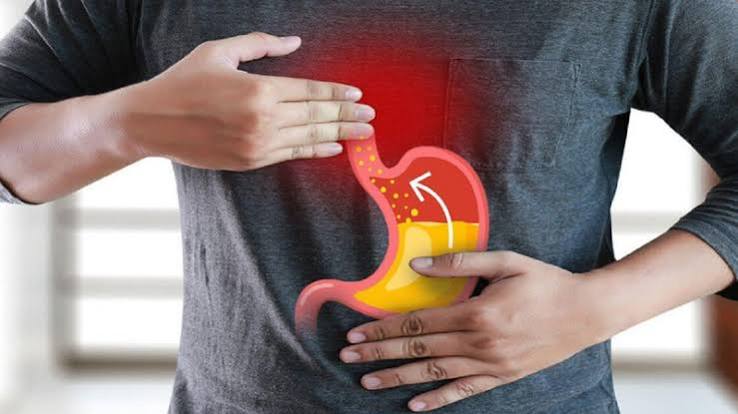
Eating out with acid reflux is one of the most challenging real-world applications of GERD dietary management — restaurant meals combine multiple acid reflux triggers simultaneously: large portion sizes that fill the stomach beyond comfortable capacity, foods fried in quantities of oil, tomato-based sauces, high-fat dairy, alcohol, coffee, and late evening timing, all in an environment where you have limited control and social pressure to eat along with the group. The good news is that eating out with acid reflux does not require avoiding restaurants altogether or ordering the same bland meal every time — it requires understanding which trigger combinations are most problematic, making specific ordering modifications that restaurants almost always accommodate without making it a production, and knowing which cuisine categories offer the most naturally GERD-friendly options.
- Portion size and meal timing are often more important than food choice — a moderate portion of a trigger food causes fewer symptoms than a very large portion of a “safe” food
- The four highest-impact ordering modifications are: (1) grilled not fried, (2) sauce on the side, (3) no carbonated drinks, (4) no dessert or share one — these address the main restaurant-specific triggers
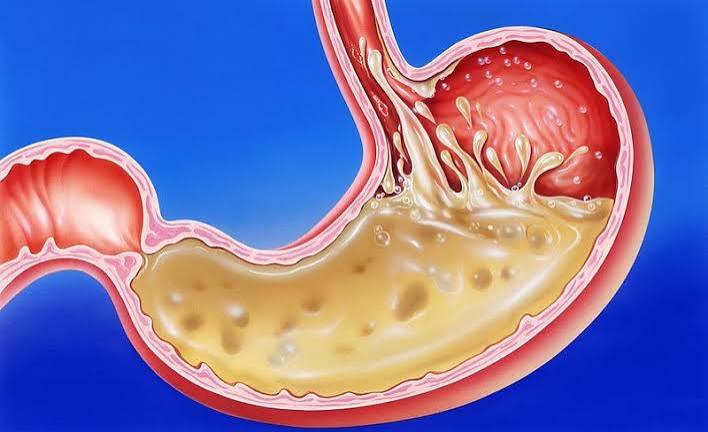
- Alcohol is the most potent single trigger: it simultaneously relaxes the lower oesophageal sphincter (LOS), stimulates acid secretion, and delays gastric emptying — one drink can overwhelm the effect of careful food choices made at the same meal
- Asian cuisines (Japanese, Korean non-spicy, Vietnamese) offer the most naturally GERD-friendly restaurant options; Italian (without tomato sauce), Mediterranean, and simple grilled options at most cuisines also work well
- Eating at normal mealtime hours (lunch and early dinner) substantially reduces reflux risk compared to late evening meals — when evening dining is unavoidable, a smaller portion matters more than food choice
Understanding Why Restaurants Are High-Risk for GERD
Restaurants create a specific combination of GERD risk factors that rarely occur simultaneously at home. Understanding exactly what makes restaurant eating higher risk than home cooking allows you to target your modifications at the highest-impact points rather than trying to control every aspect of the meal.
Portion sizes: Restaurant servings are typically 2–3 times larger than recommended for acid reflux management. Gastric distension — the stretching of the stomach wall — is a direct mechanical trigger for LOS relaxation through vagovagal reflexes. A very large portion of any food, including otherwise GERD-safe foods, can trigger reflux episodes through this mechanism. This means that ordering a half-portion of a mild trigger food is often better than ordering a full portion of a completely safe food.
Cooking methods: Restaurant cooking uses substantially more oil than home cooking — frying, sautéing, and finishing with butter or oil are standard techniques because fat improves flavour and texture. High-fat meals delay gastric emptying, keeping the stomach full and pressurised for longer, which increases the time window for LOS relaxation and reflux. Fried foods specifically combine high fat content with often-crispy coatings that hold additional oil.
Concentrated trigger foods: Restaurant versions of common dishes frequently contain higher concentrations of tomatoes (tomato sauce), onions, garlic, and spices than home cooking — both because they are flavour bases and because restaurants often use reduced sauces that concentrate acidic components. A restaurant marinara sauce may have 3–4 times the tomato concentration of a homemade version.
Timing: Restaurant dining, particularly dinner, often occurs later in the evening than home meals — 7–9pm rather than 5–6pm. The proximity of a large, potentially trigger-heavy meal to bedtime is one of the most consistent predictors of nocturnal reflux. Late-night eating is particularly problematic when combined with alcohol, which further delays gastric emptying.
Social context: Eating with others encourages faster eating (which reduces chewing and increases meal size), more alcohol consumption, and dessert choices. The relaxed, extended restaurant meal, while enjoyable in many ways, creates more GERD triggers through behavioural patterns than through any single food choice. For the full dietary framework for acid reflux management, see our article on acid reflux diet: foods to eat and avoid.
The Four Highest-Impact Ordering Modifications
When eating out with acid reflux, focusing on a short list of high-impact modifications produces better outcomes than trying to apply a long list of rules that are difficult to maintain consistently in a social setting. The four modifications below address the specific restaurant-context triggers described above and can be applied at almost any restaurant without creating logistical difficulty or social awkwardness.
1. Grilled, baked, or steamed rather than fried: This is the single most impactful kitchen instruction you can give when eating out with acid reflux. The difference between a grilled chicken breast (8–12g fat) and a fried chicken breast or schnitzel (20–35g fat) has a significant effect on gastric emptying rate and overall meal fat content. At most restaurants, you can request: “grilled rather than fried,” “baked rather than crispy,” or “sautéed in minimal oil.” These requests are standard and rarely declined.
2. Sauce on the side: This single modification addresses tomato-based sauces, cream sauces, and any highly seasoned accompaniments simultaneously — and because you control the amount you add, it makes many dishes that would otherwise be high-risk much more manageable. A pasta dish with marinara sauce applied normally may have 6–8 tablespoons of tomato sauce; the same dish with sauce on the side allows you to use 1–2 tablespoons, dramatically reducing both tomato acid and onion/garlic exposure. Most restaurants accommodate this without issue. Order “sauce on the side” or “dressing on the side” as a standard modifier for any dish with a sauce component.
3. Still water instead of carbonated drinks: Carbonated beverages are a direct and potent GERD trigger — the CO₂ in carbonated drinks directly distends the stomach and triggers belching, which brings acid up into the oesophagus. This applies to diet sodas, sparkling water, and mixer sodas equally. Ordering still water (or herbal tea at the end of a meal) removes this trigger entirely without any social difficulty.
4. No dessert or share one: Desserts add meal volume after the main course when the stomach is already full, worsen overall meal fat and sugar content, and are often high in chocolate (a potent GERD trigger due to caffeine, theobromine, and fat content) and citrus (acidic). Skipping dessert or sharing one small dessert reduces total meal volume and eliminates a meal-end trigger that often precedes the worst symptoms, particularly when dinner is followed within a few hours by bedtime.
Alcohol: The Override Factor
Alcohol is worth discussing separately because it is the single factor most capable of overriding careful food choices at a restaurant meal. Alcohol affects acid reflux through three independent mechanisms: it relaxes the lower oesophageal sphincter directly (reducing the pressure barrier that prevents acid from reaching the oesophagus); it stimulates gastric acid secretion (increasing the acid load available to reflux); and it delays gastric emptying (keeping the stomach full and pressurised for longer). A meal eaten with two glasses of wine will typically produce worse reflux symptoms than a slightly less careful meal eaten with water, regardless of how well the food choices were managed.
For people with frequent or severe GERD, alcohol elimination or near-elimination is the most impactful single dietary change. For those who choose to drink, the practical strategies that reduce (but do not eliminate) alcohol-related reflux risk include: limiting to one drink per meal, choosing lower-acid options (white wine produces less acid stimulation than red wine for some people; beer and carbonated mixers add the CO₂ distension problem on top of the alcohol itself), drinking slowly alongside food rather than quickly on an empty stomach, and finishing any alcohol at least 2 hours before sleeping.
Cuisine-by-Cuisine Guide
Japanese
Japanese cuisine is among the most naturally GERD-friendly restaurant options available. The cuisine’s foundations — steamed rice, miso soup, grilled fish (teriyaki, yakitori, sashimi), steamed vegetables, tofu, and edamame — align well with acid reflux management. Good choices: plain sushi rolls (avocado, cucumber, salmon, tuna without spicy sauces), sashimi, miso soup (small portion — high sodium but low acid), steamed edamame, chicken teriyaki (ask for sauce on the side), yakitori, tofu dishes. Exercise caution with: spicy rolls and sauces (sriracha, chilli-based condiments), gyoza (usually fried), tempura (deep-fried), and ramen (often high-fat broth with large portions). Japanese cuisine is excellent for eating out with acid reflux provided you avoid the fried and spiced elements.
Mediterranean and Greek
Mediterranean and Greek restaurants offer good options centred on grilled proteins, legumes, and vegetables. Good choices: grilled fish or chicken (souvlaki, kebab), hummus and pita (moderate portion), grilled vegetables, tzatziki (yoghurt-based, low acid), simple salads with olive oil dressing (on the side), grilled lamb chops. Exercise caution with: heavily garlicked dishes (Greek cuisine uses garlic extensively), tomato-based sauces (shakshouka, some stews), deep-fried items (loukoumades, calamari), and large portions of olives (high fat). The olive oil, fish, and vegetable emphasis of Mediterranean cuisine is liver- and gut-friendly; the garlic and tomato components require the “sauce on the side” strategy.
Italian
Italian restaurants require more navigation due to the prominence of tomato sauce, garlic, and high-fat preparations, but remain manageable with targeted modifications. Good choices: plain pasta dishes with olive oil, butter, or cream-based sauces (avoid tomato-based) in moderate portions, grilled fish or chicken, risotto, pizza with white sauce (bianca) rather than tomato base, bruschetta with minimal tomato. Exercise caution with: marinara, arrabiata, or any tomato-based sauce (most Italian pasta uses them); garlic bread; pizza with standard tomato sauce; tiramisu and other rich desserts; alcohol (Italian restaurant settings are particularly associated with wine). The “sauce on the side” strategy is especially valuable at Italian restaurants — most chefs will accommodate it without difficulty. For the evidence on tomato and acid reflux, see our article on acid reflux diet: foods to eat and avoid.
Mexican and Tex-Mex
Mexican cuisine presents genuine challenges for eating out with acid reflux: the cuisine is built around tomatoes, chillies, onions, garlic, and often fried preparations — a concentration of multiple major GERD triggers. That said, it is manageable with careful ordering. Good choices: plain chicken or beef tacos in corn tortillas with guacamole (no salsa), rice and beans (in moderate portions), grilled chicken or fish dishes, quesadillas with cheese only (moderate portion). Exercise caution with: salsa (tomato, onion, chilli simultaneously), chilli-based sauces, fried tortilla chips in large quantities, sour cream (high fat), large portions of guacamole (high fat), margaritas and citrus-based cocktails (acid plus alcohol), and nachos (fat, salt, tomato simultaneously). Mexican cuisine is high-risk for eating out with acid reflux; prioritise it as an occasional choice rather than a regular option and apply “sauce on the side” consistently.
Indian
Indian restaurant cuisine is complex for acid reflux management because the rich spice and onion/garlic base triggers reflux in many people, yet the dishes are enormously variable. Good choices: mild dishes (dal, mild chicken or lamb curries ordered specifically as mild, plain naan or chapati, basmati rice, raita, lentil soups). Exercise caution with: vindaloo, madras, or any dish described as hot or spicy; tomato-based curries; large quantities of onion and garlic (the base of most curries); fried starters (samosas, bhajis, pakoras); high-fat creamy sauces (korma, butter chicken are lower spice but high in cream and fat); and yoghurt-based sauces which are individually acid-reflux-safe but often paired with high-spice dishes. Ordering mild, asking the kitchen to reduce onion and garlic where possible, and choosing dal or rice-based dishes gives the best outcome.
Thai and Vietnamese
Thai restaurants require careful navigation due to chilli use, but Vietnamese cuisine is among the best options for eating out with acid reflux. Vietnamese: pho (broth-based, mild, easily customisable), spring rolls (fresh rice paper, not fried), lemongrass chicken or fish, vermicelli bowls with vegetables and lean protein. Avoid fish sauce in very large quantities (high sodium) and chilli additions. Thai: mild dishes (pad thai with less sauce, jasmine rice, steamed fish), tofu dishes, mild soups — but exercise significant caution with any dish described as spicy, tom yum soup (acidic, spicy), and green or red curries (chilli, often coconut milk in large quantities which delays gastric emptying).
Timing Strategies for Restaurant Dining
When you can control dining timing, lunch reservations are substantially more GERD-friendly than late dinner reservations — the 3-hour minimum between eating and lying down is far easier to achieve after a 12:30pm lunch than after a 9pm dinner. When evening dining is unavoidable, these strategies reduce nocturnal reflux risk:
- Book the earliest available dinner reservation — 6pm is much better than 8pm; if the choice is between a 9pm dinner and skipping, consider eating a moderate meal at home beforehand and ordering only a small dish at the restaurant
- Order smaller portions or share — a half-portion of a potential trigger food at 8pm is better than a full portion; meal size matters more than food choice at late hours
- No alcohol at late dinners — alcohol at 8–9pm combined with bedtime at 11pm–12am is the highest-risk combination for nocturnal reflux; this is the situation where elimination makes the most practical difference
- Walk for 15–20 minutes after the meal rather than sitting or riding home and immediately lying on the sofa — gentle walking promotes gastric emptying and reduces reflux risk in the 1–2 hours post-meal
- Elevate the head of the bed by 15–20cm (bed wedge or extra pillow under the mattress) on evenings when a late, larger meal was unavoidable — this reduces nocturnal reflux through gravity even when the 3-hour gap has not been achieved
For the full evidence on meal timing, portion management, and other lifestyle factors in GERD management, see our article on acid reflux diet: foods to eat and avoid.
Practical Scripts: What to Say When Ordering
One barrier to modifying restaurant orders for GERD management is not knowing what to say without drawing excessive attention or creating complications. These specific ordering scripts work at virtually any sit-down restaurant:
- “Could I have the [dish] grilled rather than fried?” — universally understood; applies to fish, chicken, vegetables
- “Could I have the sauce on the side, please?” — standard request at all restaurants; applies to pasta sauces, dressings, gravies
- “Could I have still water rather than sparkling?” — no explanation needed
- “I’ll skip dessert, thank you” — no explanation needed; or “We’ll share the [lightest dessert option]” if social context calls for it
- “Could I have a smaller portion?” — some restaurants accommodate this with a price adjustment; at a minimum, it signals to yourself the intention to eat less
- “Is it possible to reduce the chilli/spice in that dish?” — works at most Indian, Thai, and Mexican restaurants; frame as a preference, not a medical requirement, to get the most practical response
You do not need to explain acid reflux, GERD, or any medical context when making these requests — all of them are standard ordering modifications that restaurants receive regularly from customers with various preferences, and framing them as personal preference avoids unnecessary conversation while achieving the same practical outcome.
Frequently Asked Questions
Q: Is coffee after a restaurant meal always a problem for acid reflux?
A: Coffee stimulates gastric acid secretion and, at high doses, has mild LOS-relaxing properties — these effects are most relevant when you have an empty stomach or a very acidic meal. After a substantial restaurant meal, the food buffer reduces the impact of coffee on gastric acid concentration. The real issue with post-dinner coffee is timing: if dinner is at 8pm and coffee is at 9:30pm, and you sleep at 11pm, the acid stimulation effect plus a 1.5-hour gap to bedtime is a problematic combination. The practical approach for eating out with acid reflux is to have coffee at lunch meals or early dinners, and to switch to herbal tea (peppermint excluded — it relaxes the LOS) or hot water at late evening meals. Decaf coffee is not reflux-neutral (it still stimulates some acid production) but is substantially less problematic than caffeinated coffee at late meals.
Q: What should I order at a business lunch or client dinner when I have acid reflux?
A: Business meals create additional social constraints that make obvious modifications more awkward. The most socially neutral strategies: order grilled fish or chicken as a main (a conservative but universally acceptable choice that naturally avoids fried and heavy sauce preparations); request “dressing on the side” for salads as a standard practice that many people follow regardless of dietary reasons; choose still over sparkling water without drawing attention; and if wine is being poured at the table, hold the glass and take small sips rather than declining entirely, which is more conspicuous. At business lunches (midday), GERD risk is lower due to timing. At evening client dinners, the most impactful decision is limiting alcohol — a practical approach is to order one drink and nurse it through the meal, then switch to sparkling water or say you have an early morning.
Q: Is sparkling water as problematic as soft drinks for acid reflux?
A: Sparkling water (plain carbonated water with no added sugar or flavouring) is less acidic than cola or citrus sodas — its pH is approximately 4.5–5.5 compared to cola’s pH of 2.5–3.5 — so it causes less direct acid contact in the oesophagus per swallow. However, the carbonation mechanism (CO₂ gas causing gastric distension and triggering belching) applies to sparkling water in the same way as to soft drinks. For reflux patients specifically, the gas-belching mechanism is the primary issue rather than the pH, which means sparkling water causes much of the same reflux mechanism as other carbonated drinks. The practical recommendation for eating out with acid reflux is still water, which removes both the acidity and the carbonation trigger simultaneously.
Q: Can I eat pizza with acid reflux?
A: Standard pizza (tomato sauce, cheese, often processed meat toppings) is a high-trigger food combining tomato, fat, and often garlic in a large portion with cheese. That said, modifications can make it manageable occasionally: pizza bianca (white sauce — olive oil, ricotta, or béchamel base without tomato) removes the main acid trigger; vegetable toppings without garlic-heavy sauce are lower risk than processed meats; a smaller portion (1–2 slices rather than 4–6) substantially reduces the portion size trigger; eating at lunch rather than evening removes the timing component. Some people with mild GERD find that occasional pizza in modest quantities at midday is tolerable; those with more severe GERD typically find even white-sauce pizza triggers symptoms due to the combined fat from cheese and olive oil in a large portion. Assess your individual tolerance with a trial, and see our full trigger food framework in our article on acid reflux diet: foods to eat and avoid.
Q: Are there any restaurant desserts that are safe for acid reflux?
A: The safest dessert options when eating out with acid reflux are: fresh fruit (avoiding citrus and pineapple); plain yoghurt or panna cotta (dairy-based, lower acid, if portion is small); sorbet (fruit-based, but check for citrus content); meringue-based desserts without cream filling. Avoid: chocolate in any form (caffeine, theobromine, fat); anything with citrus glaze, lemon curd, or orange flavouring; cream-heavy desserts (cheesecake, tiramisu, crème brûlée); very sweet confections which stimulate further acid production. The most practical advice is to skip dessert at evening restaurant meals when GERD management is a priority, and enjoy small desserts occasionally at lunch meals when the timing allows adequate digestion before lying down.
Q: Should I take antacids before or after a restaurant meal?
A: Antacid use strategy depends on the type of medication. Over-the-counter antacids (calcium carbonate, magnesium salts) neutralise acid that has already reached the oesophagus and are most effective taken after meals and at bedtime, when acid reflux is most likely. H2 blockers (famotidine, ranitidine) reduce acid production and are most effective taken 30–60 minutes before a meal — taking one before a restaurant meal that is likely to include trigger foods is a common and reasonable strategy. Proton pump inhibitors (PPIs — omeprazole, lansoprazole, etc.) require daily use to achieve their effect and are not effective as single-dose pre-meal prevention; they should not be used reactively for restaurant meals. Always follow your prescriber’s guidance for any medication. For general reflux management context, see our article on acid reflux diet: foods to eat and avoid.
Q: Can eating out with acid reflux be managed long-term without just avoiding restaurants?
A: Yes — the four high-impact modifications (grilled not fried, sauce on the side, still water, no dessert or share one) address the main restaurant-specific triggers without requiring restaurant avoidance or creating significant social friction. Most people find that the main factor in long-term sustainability is the social-context management: being comfortable making standard ordering modifications without over-explaining, making alcohol decisions clearly in advance rather than in the moment, and accepting that some restaurant meals will produce mild symptoms without abandoning the overall approach. For IBS patients who also have GERD, restaurant ordering is more complex because low-FODMAP and acid reflux recommendations partially overlap but differ on some foods (garlic and onion are both IBS and GERD triggers, which simplifies things; but high-fat avoidance for GERD sometimes conflicts with FODMAP advice). See our article on IBS diet: a practical guide for the combined management approach.
Before leaving for the restaurant, quickly run through these five decisions:
- Timing: What time is the reservation, and what time will I likely sleep? If the gap is less than 2 hours, I will eat less than usual.
- Alcohol: Am I drinking tonight? If yes, one drink maximum and finish 2 hours before sleep.
- Main dish: I will order grilled/baked protein with vegetables; sauce on the side if sauced.
- Drinks: Still water throughout. Coffee/tea only if an early dinner with time before sleep.
- Dessert: Skip, or share one small non-chocolate dessert. Decide this before the menu arrives.
Making these five decisions in advance — before you are at the table, looking at the menu, in a social setting — dramatically improves follow-through compared to making them in the moment.
This article is for educational purposes only and does not constitute medical advice. Always consult a qualified healthcare provider for personalised dietary guidance.
- Katz PO, et al. “Guidelines for the Diagnosis and Management of Gastroesophageal Reflux Disease.” American Journal of Gastroenterology. 2022;117(1):27-56.
- Ness-Jensen E, et al. “Lifestyle intervention in gastroesophageal reflux disease.” Clinical Gastroenterology and Hepatology. 2016;14(2):175-182.
- Kaltenbach T, et al. “Are lifestyle measures effective in patients with gastroesophageal reflux disease?” Archives of Internal Medicine. 2006;166(9):965-971.
- Jacobson BC, et al. “Body-mass index and symptoms of gastroesophageal reflux in women.” New England Journal of Medicine. 2006;354(22):2340-2348.
- Emerenziani S, et al. “Influence of meal size and composition on gastroesophageal reflux.” Digestive Diseases and Sciences. 2007;52(12):3293-3297.
- Hampel H, et al. “Meta-analysis: obesity and the risk for gastroesophageal reflux disease and its complications.” Annals of Internal Medicine. 2005;143(3):199-211.
- Kinoshita Y, et al. “Roles of gastrin and cholecystokinin in the pathophysiology of GERD.” Journal of Gastroenterology. 2013;48(9):1023-1033.
- Nilsson M, et al. “Lifestyle related risk factors in the aetiology of gastro-oesophageal reflux.” Gut. 2004;53(12):1730-1735.
- Locke GR, et al. “Risk factors associated with symptoms of gastroesophageal reflux.” American Journal of Medicine. 1999;106(6):642-649.
- Festi D, et al. “Body weight, lifestyle, dietary habits and gastroesophageal reflux disease.” World Journal of Gastroenterology. 2009;15(14):1690-1701.
The section on alcohol being an ‘override factor’ that can undo careful food choices at the same meal is the piece of information I’ve needed for a long time. I’ve been meticulously ordering grilled dishes and avoiding tomato sauce at restaurant meals and still getting reflux episodes, and couldn’t understand why my food choices weren’t working. The explanation that alcohol independently relaxes the LOS, stimulates acid production, AND delays gastric emptying — three separate mechanisms simultaneously — explains why even a single glass of wine was counteracting everything else I was doing. The practical takeaway is also useful: it’s not that I have to choose between having dinner and having a drink, but that the drink matters more than the food choices if I’m having both, and one drink rather than two is the most important single variable.
The three-mechanism explanation for alcohol is important precisely because it explains why it’s qualitatively different from other GERD triggers. Most food triggers have one primary mechanism: tomatoes and citrus lower oesophageal pH; fat delays gastric emptying; carbonation distends the stomach. Alcohol affects all three simultaneously, and crucially, it affects the LOS directly — which is the physiological barrier that the entire reflux mechanism depends on. When the LOS pressure drops, every other aspect of the meal (volume, fat content, acidity) becomes more problematic because the barrier is compromised. This is also why ‘I’ll just have one drink and be careful about the food’ often works less well than ‘I’ll skip the drink and eat whatever I want’ — the LOS relaxation from even one or two drinks creates a vulnerability window that careful food choices can’t fully compensate for. The one-drink ceiling in the article is not arbitrary: there’s reasonable evidence that two standard drinks produces substantially greater LOS relaxation than one, while the incremental pleasure gain is smaller.
The 60-second pre-check before going out is exactly the practical framing I needed. I know all the rules in principle — grilled not fried, no chocolate, avoid carbonation — but in the actual social context of a restaurant I consistently make worse choices because I’m making them in the moment when I’m hungry, looking at a menu with other people, and it’s easier to default to whatever everyone else is ordering. Running through five specific decisions before leaving — especially the alcohol and dessert ones — removes those two from being in-the-moment decisions and makes them advance commitments. The insight that advance decisions are more sustainable than in-the-moment decisions applies to a lot more than eating out with acid reflux.