
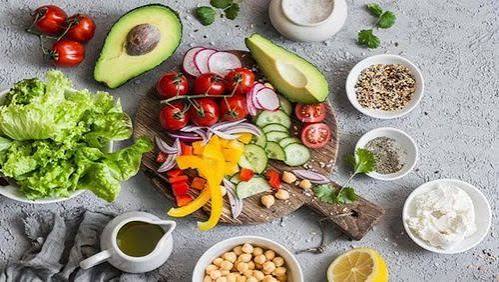
An evidence-informed acid reflux diet is the most sustainable and effective long-term intervention for gastroesophageal reflux disease (GERD) — reducing symptom frequency, protecting the oesophageal mucosa, and in many cases reducing or eliminating dependence on daily proton pump inhibitors. GERD affects approximately 20% of adults in Western countries, with up to 40% experiencing at least weekly symptoms. Yet the dietary management of acid reflux is frequently approached incorrectly — either through blanket restriction of every food on a generic “GERD list” or through disregard for dietary triggers entirely. Understanding which foods genuinely affect lower oesophageal sphincter (LOS) pressure, which acidify the oesophageal environment, and which protect the oesophageal mucosa enables targeted dietary management that reduces symptoms without unnecessary dietary restriction.
- The lower oesophageal sphincter (LOS) is the anatomical valve that prevents gastric acid from entering the oesophagus — foods that relax or weaken LOS pressure are the primary dietary drivers of acid reflux
- High-fat foods, chocolate, peppermint, coffee, alcohol, and onions are the most consistently evidence-supported LOS-relaxing foods and trigger the most reliable symptom responses
- Acidic foods (citrus, tomatoes, vinegar, carbonated drinks) do not cause acid reflux mechanistically but can directly irritate an already-inflamed oesophagus and worsen symptom perception
- Eating patterns matter as much as food choices: meal size, timing relative to sleep, eating rate, and body position after eating have comparable evidence to specific food avoidance
- A Mediterranean-style diet approach — rich in plant foods, fish, and olive oil, with limited red meat and processed foods — has RCT evidence for reducing GERD symptoms comparable to PPI medication
The Physiology of Acid Reflux: What Dietary Management Must Address
Gastroesophageal reflux occurs when the lower oesophageal sphincter (LOS) — the circular muscle at the junction of the oesophagus and stomach — fails to maintain adequate pressure, allowing gastric contents (acid, pepsin, bile) to reflux upward into the oesophagus. Normally, the LOS maintains a resting pressure of 15–30 mmHg, far above the intragastric pressure, creating an effective valve. In GERD, either the LOS is persistently hypotonic (chronically low resting pressure) or experiences abnormally frequent transient LOS relaxations (TLESRs) — brief episodes of sphincter relaxation not associated with swallowing, which account for approximately 80% of reflux episodes.
Dietary interventions target acid reflux through four distinct physiological mechanisms: reducing LOS relaxation frequency (by avoiding foods that trigger TLESRs or reduce LOS tone); reducing the volume and acidity of gastric contents available for reflux (through portion control, meal timing, and limiting acid-producing foods); reducing the contact time between refluxed acid and the oesophageal mucosa (through eating rate, meal timing, and body positioning); and supporting oesophageal mucosal defence mechanisms (through foods with mucosal protective or anti-inflammatory properties).
Foods to Eat for Acid Reflux Management
Alkaline and Non-Acidic Vegetables
Most vegetables are beneficial for acid reflux management: they have naturally alkaline pH values, are low in fat (which would slow gastric emptying and increase reflux opportunity), and provide fibre that promotes gastric emptying and reduces oesophageal acid exposure time. The most reflux-friendly vegetables include leafy greens (spinach, kale, Swiss chard — pH 6.5–7.0), broccoli, cauliflower, asparagus, cucumber, courgette, green beans, peas, and sweet potatoes.
An important exception: onions (raw) and garlic are consistently identified as significant reflux triggers due to their ability to reduce LOS pressure through direct smooth muscle relaxation. Onion compounds (fructooligosaccharides) are fermented by gut bacteria in the colon, producing gas that increases intra-abdominal pressure and promotes reflux. Cooking onions and garlic significantly reduces their triggereffect — most people tolerate well-cooked onions in food while reacting strongly to raw onion in salads or sandwiches. For the comprehensive evidence on vegetables and gut health, see our article on vegetables for gut health.
Whole Grains
Whole grain carbohydrates — oats, brown rice, wholemeal bread, whole grain pasta, and quinoa — provide soluble fibre that promotes gastric emptying and reduces the volume of acid-containing gastric contents available for reflux. Oats are particularly beneficial: their beta-glucan fibre forms a gel that coats the oesophageal mucosa with a protective layer, provides sustained satiety that reduces overeating (a major reflux trigger), and has modest alkaline-buffering properties. Multiple studies have found that high-fibre diets are associated with significantly lower GERD symptom frequency compared to low-fibre diets, independent of body weight effects. For the evidence on whole grains and digestion, see our article on whole grains and digestion.
Lean Protein Sources
Lean proteins — skinless chicken and turkey (baked, grilled, or steamed rather than fried), white fish (cod, haddock, tilapia, sea bass), eggs (not fried in butter), and legumes — are well-tolerated by most people with GERD. Unlike fatty meats, lean proteins have minimal fat to slow gastric emptying and do not directly reduce LOS pressure. Plant-based proteins from legumes additionally provide fibre that benefits gastric emptying. Eggs deserve specific mention: many people with GERD tolerate eggs well despite the egg yolk’s fat content, likely because the protein content stimulates LOS tone and the fat quantity in a normal serving is insufficient to cause significant gastric emptying delay. For the evidence on legumes and digestive health, see our article on beans and digestive health.
Ginger
Ginger has well-documented gastroprokinetic properties — it accelerates gastric emptying and promotes downward peristalsis, reducing the volume of gastric contents available for reflux and reducing the time food spends in the stomach. Multiple studies have confirmed ginger’s anti-nausea and prokinetic effects at doses of 1–2g daily. Adding fresh ginger to meals, ginger tea, or ginger supplements supports GERD management through these gastroprokinetic mechanisms. Note: ginger ale (sweetened, carbonated, with negligible ginger content) does not provide these benefits and the carbonation worsens reflux.
Oatmeal and High-Soluble-Fibre Foods
Daily oatmeal porridge is one of the most practical and evidence-supported breakfast choices for people with GERD. Oats are non-acidic (pH approximately 7.0), low in fat, high in soluble fibre that supports gastric emptying, and provide sustained satiety that reduces the overeating that precipitates reflux. A 2021 study found that a high-fibre diet reduced oesophageal acid exposure time by 24% compared to a low-fibre diet — an effect size comparable to a half-dose PPI. Other high-soluble-fibre foods with similar benefits include psyllium, flaxseed, pears, and legumes.
Alkaline Water and Non-Acidic Beverages
Still water (pH approximately 7.0) is the optimal beverage for GERD management — it has no acid load, no LOS-relaxing compounds, and dilutes gastric acid when consumed during and after meals. Alkaline water (pH 8.0–9.5) has been studied specifically for GERD: a 2012 in vitro study found alkaline water at pH 8.8 irreversibly inactivated human pepsin (the proteolytic enzyme in gastric refluxate that causes oesophageal damage at low pH), suggesting a protective mechanism beyond simple acid neutralisation. Herbal teas without peppermint or spearmint — chamomile, ginger tea, liquorice root tea, marshmallow root tea — are appropriate beverage choices. For the evidence on how eating slowly affects GERD symptom frequency, see our article on eating slowly and digestive health.
Foods to Avoid for Acid Reflux
High-Fat Foods
High dietary fat is one of the strongest and most consistently evidence-supported dietary triggers for GERD. Fat slows gastric emptying significantly — a high-fat meal may remain in the stomach for 4–6 hours compared to 2–3 hours for an equivalent low-fat meal — increasing the volume of acid-containing gastric contents available for reflux over an extended period. Additionally, high fat in the duodenum stimulates cholecystokinin (CCK) release, which directly relaxes the LOS through CCK receptors on the sphincter smooth muscle. The practical implication: fatty meats (bacon, sausages, minced beef, duck), fried foods (chips, fried chicken, doughnuts), full-fat dairy products (cream cheese, brie, stilton), cream sauces, butter-heavy cooking, and avocado in large quantities (despite its healthy fat profile) all promote reflux through this mechanism. For the comprehensive evidence on fatty foods and acid reflux, see our article on fatty foods and acid reflux.
Chocolate
Chocolate is one of the most reliable and consistently identified dietary triggers for GERD, combining multiple adverse mechanisms: it contains methylxanthines (theobromine and caffeine) that relax the LOS through adenosine receptor blockade; it is high in fat that delays gastric emptying; and it contains serotonin that activates intestinal serotonin receptors, relaxing the LOS. Dark chocolate, despite its health benefits in other contexts, has higher methylxanthine content than milk chocolate and is generally a stronger reflux trigger. White chocolate has lower theobromine content and is sometimes better tolerated, though its high fat content still poses a risk.
Peppermint and Spearmint
Peppermint is an extremely potent LOS relaxant — the menthol in peppermint directly relaxes the circular smooth muscle of the LOS through calcium channel inhibition at concentrations achievable with normal consumption. Peppermint oil capsules are used clinically to relax intestinal smooth muscle for colonoscopy preparation; the same LOS-relaxing effect makes peppermint tea, peppermint candies, mint-flavoured foods, and chewing gum with peppermint significant triggers for people with GERD. Spearmint (used in many chewing gums, mint sauces, and cocktails) contains L-carvone with similar smooth muscle relaxation properties. Both should be eliminated by people with significant GERD symptoms.
Alcohol
Alcohol worsens GERD through multiple mechanisms: it relaxes the LOS directly through an ethanol-mediated effect on smooth muscle; it stimulates gastric acid secretion; it impairs oesophageal peristaltic clearance of refluxed acid; and with regular use, it reduces the mucosal resistance of the oesophageal epithelium to acid injury. Red wine has the additional effect of being acidic (pH approximately 3.3–3.5) and containing tannins that may directly irritate an inflamed oesophageal mucosa. Beer contains carbon dioxide that increases intragastric pressure and promotes reflux. If alcohol consumption is maintained, spirits (vodka, gin) consumed with non-acidic, non-carbonated mixers (water, still drinks) are the lowest-risk option, in modest quantities and not within 3 hours of lying down.
Coffee and Other Caffeinated Beverages
Coffee’s relationship with GERD is complex. Caffeine relaxes the LOS through adenosine receptor blockade and stimulates gastric acid secretion. However, coffee also contains non-caffeine compounds (N-methylpyridinium, chlorogenic acids) that independently stimulate acid secretion, meaning decaffeinated coffee still triggers GERD symptoms in sensitive individuals. Coffee also increases TLESRs. For many people with GERD, reducing coffee intake (particularly morning coffee on an empty stomach, which maximises acid secretion without food buffering) reduces symptom frequency significantly. Tea (including caffeinated black tea) has a weaker acid-stimulating effect than coffee. If giving up coffee entirely is not feasible, consuming it with food, choosing lighter roasts (which have lower chlorogenic acid content despite higher caffeine), and avoiding it within 3 hours of sleep are useful harm-reduction strategies. For the full evidence on coffee and digestion, see our article on coffee and digestion.
Acidic Foods: Citrus, Tomatoes, and Vinegar
Acidic foods deserve careful differentiation from LOS-relaxing foods. Citrus fruits (lemon, orange, grapefruit), tomatoes and tomato products (sauce, ketchup, salsa), and vinegar have pH values of 2–4 and do not relax the LOS or increase gastric acid production — they are not mechanistic causes of acid reflux. However, when gastric acid is already refluxing into the oesophagus (due to LOS dysfunction from other dietary or structural causes), the additional acid load from these foods directly irritates an already-inflamed oesophageal mucosa and worsens symptom perception. This distinction matters for dietary management: eliminating citrus will not fix reflux in someone who eats large fatty meals at night, but it may reduce symptom severity in someone who has already addressed the primary LOS triggers.
Carbonated Beverages
All carbonated drinks — sparkling water, soft drinks, beer, carbonated mixers — increase intragastric pressure through CO2 gas expansion in the stomach, which directly promotes LOS opening and reflux. Additionally, most carbonated beverages are acidic (sparkling water pH approximately 4.5–5.5; soft drinks pH 2.3–3.7) and contain high sugar content that stimulates gastric acid secretion. The carbonation effect on intragastric pressure is independent of the beverage’s acid or sugar content, meaning sparkling water also worsens reflux despite its otherwise minimal GI effects.
Eating Patterns for GERD: Timing, Portion Size, and Body Position
The evidence for eating pattern modifications in GERD is as strong as for specific food avoidance, yet these interventions are frequently overlooked in dietary guidance focused exclusively on food lists.
Meal size: Large meals significantly increase intragastric pressure and stretch the gastric fundus, increasing TLESR frequency and reflux volume. Multiple studies confirm that reducing meal size — eating 4–5 smaller meals rather than 3 large ones — reduces postprandial acid reflux episodes independent of food composition. The practical target is meals that fill no more than 75% of comfortable capacity, avoiding the sensation of fullness that indicates overstretching of the stomach.
Meal timing before sleep: Nocturnal reflux — acid reflux during the overnight period when the body is horizontal and gastric acid clearance is slowest — causes disproportionate oesophageal mucosal damage relative to daytime reflux because lying down eliminates gravity-assisted clearance and reduces saliva production (which normally neutralises refluxed acid). A 3-hour gap between the last meal and lying down is the evidence-based recommendation, with multiple studies confirming significantly lower nocturnal oesophageal acid exposure with this interval compared to eating within 2 hours of sleep. For the comprehensive evidence on meal timing and digestive health, see our article on meal timing and digestive comfort.
Eating speed: Eating quickly promotes reflux through aerophagia (swallowing excessive air with food, increasing intragastric pressure), inadequate chewing that increases gastric secretory demand, and excessive portion consumption before satiety signals can register. Taking 20–30 minutes per meal, using utensils-down technique, and thorough chewing all reduce the reflux-promoting effects of eating speed. For the full evidence on eating speed and GERD, see our article on eating slowly and digestive health.
Body position after eating: Remaining upright (sitting or standing) for at least 2–3 hours after meals significantly reduces postprandial reflux by allowing gravity to assist gastric clearance. Lying down flat within 30–60 minutes of eating — a common pattern for afternoon naps or early evening recline — dramatically increases postprandial acid reflux episodes. If elevation is desired after meals, sitting upright is recommended; side sleeping on the left side (a position that elevates the oesophagogastric junction above the gastric acid pool) significantly reduces nocturnal reflux compared to right-side or back sleeping.
The Mediterranean Diet Approach to GERD
A 2017 JAMA Otolaryngology study (Craig et al.) compared a Mediterranean-style plant-based diet (emphasising vegetables, fruits, whole grains, legumes, fish, and olive oil while minimising animal products and processed foods) against twice-daily PPI medication in 184 patients with laryngopharyngeal reflux (LPR — where reflux reaches the throat). After 6 weeks, the dietary arm showed equivalent symptom reduction to the PPI arm (63% vs 54% reduction in Reflux Symptom Index scores), with the diet producing superior results for throat clearing, post-nasal drip, and cough symptoms.
The Mediterranean diet’s advantages for GERD operate through multiple mechanisms: high fibre accelerates gastric emptying; minimal fatty meat reduces CCK-mediated LOS relaxation; alkaline-pH plant foods buffer oesophageal acid; omega-3 fatty acids (from fish and olive oil) have anti-inflammatory effects on the oesophageal mucosa; and polyphenols from fruits and vegetables support tight junction integrity in the oesophageal epithelium. This evidence base supports a dietary pattern approach to GERD management rather than isolated food avoidance.
Frequently Asked Questions
Q: Should I avoid all acidic foods if I have acid reflux?
A: Not necessarily — and the reason matters. Acidic foods (citrus, tomatoes, vinegar) do not cause acid reflux mechanistically; they cannot weaken the lower oesophageal sphincter or increase gastric acid secretion in the way that fat, chocolate, peppermint, and alcohol do. They become symptomatic only when acid is already refluxing into the oesophagus and directly irritates an inflamed mucosa. If your primary triggers are large fatty meals, late-night eating, or alcohol — and you address those triggers — you may find that citrus and tomatoes no longer cause symptoms. Blanket elimination of acidic foods without addressing the primary LOS triggers is a common and ineffective approach. Start with the mechanistic triggers (fat, chocolate, peppermint, alcohol, meal size, meal timing) before restricting foods that are only direct irritants to an already-inflamed oesophagus.
Q: Does weight loss help acid reflux?
A: Yes — and the evidence is strong. Excess abdominal body fat increases intra-abdominal pressure, which increases intragastric pressure, which both reduces the pressure gradient across the LOS and promotes TLESR frequency. A systematic review of 20 observational studies found that overweight and obesity are independent risk factors for GERD, with obese individuals having approximately 2–2.5x the GERD risk of normal-weight individuals. Multiple intervention studies have demonstrated that weight loss reduces GERD symptoms significantly — a 10% reduction in BMI has been associated with a 40% reduction in GERD episodes in some studies. For people with GERD who are overweight, weight management through a Mediterranean-style diet and physical activity is one of the most evidence-supported long-term GERD management strategies.
Q: Can I still drink coffee if I have GERD?
A: For many people with GERD, reducing rather than eliminating coffee is a practical approach. Consuming coffee only with food (never on an empty stomach), choosing lighter roasts (lower chlorogenic acid content despite higher caffeine), limiting to 1–2 cups per day, and avoiding it within 4 hours of sleep substantially reduces its GERD-provoking effects. A minority of people with GERD are highly sensitive to coffee and must eliminate it entirely for symptom control. Cold brew coffee has approximately 70% lower acid content than hot-brewed coffee (though similar caffeine) and is often better tolerated. Importantly, for some people with mild GERD, coffee is not a significant trigger at all — trigger profiles are highly individual, and a 2-week elimination trial is the most reliable way to determine whether coffee contributes to your specific symptom pattern.
Q: Is it safe to take PPIs long-term and not worry about diet?
A: PPIs (omeprazole, pantoprazole, lansoprazole) are highly effective at reducing oesophageal acid exposure and healing oesophagitis, and are safe for medium-term use. However, long-term PPI use (beyond 6–12 months) has been associated with several risks: reduced magnesium, calcium, and B12 absorption; increased risk of enteric infections (reduced gastric acid allows pathogen overgrowth); potential association with kidney disease with very long-term use; and a rebound acid hypersecretion effect when PPIs are discontinued abruptly. Dietary management reduces the need for continuous high-dose PPI use and in many cases enables step-down to on-demand dosing or complete discontinuation. PPIs treat the symptom (acid in the oesophagus) but do not address the underlying LOS dysfunction — dietary and lifestyle interventions that reduce TLESR frequency and LOS relaxation are the only interventions that modify the underlying mechanism.
Q: Why does lying down cause acid reflux to worsen?
A: In the upright position, gravity assists the return of any refluxed material from the oesophagus back into the stomach, and swallowed saliva (which is alkaline, pH approximately 6.8) regularly neutralises any residual oesophageal acid. When lying flat, both of these protective mechanisms are reduced: gravity no longer assists oesophageal clearance, and saliva production decreases during sleep. The result is that any acid that refluxes overnight has prolonged contact time with the oesophageal mucosa before being cleared — this prolonged contact time is the primary determinant of oesophageal mucosal injury in GERD. Elevating the head of the bed by 15–20cm (using bed risers under the bed head, or a wedge pillow) restores a degree of gravity-assisted clearance and is a well-evidenced intervention for nocturnal GERD.
Q: What is the most effective single dietary change for acid reflux?
A: The evidence points to reducing meal size and implementing a consistent 3-hour gap between the last meal and lying down as the dietary interventions with the strongest and most reliable benefit-to-effort ratio for most people. Large meals cause the greatest acute increases in TLESR frequency and intragastric pressure, and nocturnal reflux from late eating causes the most severe oesophageal mucosal damage. These two changes alone — eating 20–25% less per meal and establishing a consistent no-eating window before sleep — have been shown to reduce GERD symptom scores by 30–40% in several intervention studies, independent of specific food avoidance. If you implement only two dietary changes, these would be the highest-impact choices for most people with GERD.
Q: Does eating low-carb help acid reflux?
A: Several small studies suggest that very low-carbohydrate diets may reduce GERD symptoms, with a proposed mechanism of reducing intragastric pressure through reduced gas production from fermentable carbohydrates. However, the evidence base is limited, and the likely mechanism is confounded — low-carbohydrate diets are typically higher in lean protein and lower in high-fat processed foods than standard Western diets, and these compositional changes may explain the benefits as much as the carbohydrate restriction itself. A Mediterranean-style diet approach (which is not low-carbohydrate but emphasises high-quality whole food carbohydrates over refined processed carbohydrates) has a larger evidence base for GERD management and is more nutritionally balanced for long-term adherence.
While dietary management addresses the underlying mechanisms of GERD, certain symptoms require medical evaluation regardless of dietary progress:
- Dysphagia (difficulty swallowing) or odynophagia (pain on swallowing) — may indicate oesophageal stricture or Barrett’s oesophagus complicating GERD
- Unexplained weight loss alongside reflux symptoms — requires investigation to exclude oesophageal malignancy
- Persistent symptoms despite 4–8 weeks of dietary modification — medical treatment with PPIs and gastroscopy may be required
- Symptoms beginning after age 50 with no prior reflux history — warrants endoscopic assessment
- Nocturnal symptoms waking from sleep, chronic hoarseness, or chronic cough — may indicate laryngopharyngeal reflux requiring specialist assessment
- Vomiting blood or black tarry stools — requires immediate emergency medical evaluation
This article is for educational purposes only and does not constitute medical advice. Always consult a qualified healthcare provider regarding persistent acid reflux symptoms or for personalised dietary guidance.
- Richter JE, et al. “Gastroesophageal reflux disease.” Lancet. 2016;387(10022):1058-1069.
- Ness-Jensen E, et al. “Lifestyle intervention in gastroesophageal reflux disease.” Clinical Gastroenterology and Hepatology. 2016;14(2):175-182.
- Jacobson BC, et al. “Body-mass index and symptoms of gastroesophageal reflux in women.” New England Journal of Medicine. 2006;354(22):2340-2348.
- Mehta RS, et al. “Association of diet quality with risk of gastroesophageal reflux disease.” Alimentary Pharmacology & Therapeutics. 2017;46(5):430-441.
- Koufman JA, et al. “Laryngopharyngeal reflux: a proposed relationship to reflux laryngitis.” Journal of the American Medical Association Otolaryngology. 2017;143(10):1007-1013.
- Pohl H, et al. “Overweight, obesity and the risk of esophageal adenocarcinoma and Barrett’s esophagus.” American Journal of Gastroenterology. 2013;108(6):868-876.
- Pandolfino JE, et al. “Transient lower esophageal sphincter relaxations and reflux: mechanistic analysis using concurrent fluoroscopy and high-resolution manometry.” Gastroenterology. 2006;131(6):1725-1733.
- Tytgat GN, et al. “New algorithm for the treatment of gastro-oesophageal reflux disease.” Alimentary Pharmacology & Therapeutics. 2008;27(4):249-256.
- Eusebi LH, et al. “Global prevalence of, and risk factors for, gastro-oesophageal reflux symptoms: a meta-analysis.” Gut. 2018;67(3):430-440.
- Singh S, et al. “Long-term use of proton pump inhibitors and risk of gastric cancer: a systematic review and meta-analysis.” Alimentary Pharmacology & Therapeutics. 2018;48(3):261-268.
The distinction between foods that mechanistically cause reflux (by relaxing the LOS) versus foods that only irritate an already-inflamed oesophagus (like citrus and tomatoes) is something I’ve never seen explained before and it completely reframes how I’ve been thinking about my diet for years. I’ve been avoiding oranges and tomato sauce while continuing to eat large late-night meals thinking the acidic foods were the problem. Reading that acidic foods are not the cause and can actually be tolerated if I address the real triggers (meal size, meal timing, fat content) is honestly a bit of a revelation. Going to try keeping citrus but eating dinner 4 hours before bed instead, and see what actually changes.
You’ve identified exactly the most common and frustrating pattern in GERD dietary management — restricting harmless acidic foods while maintaining the genuinely mechanistic triggers. The acidic foods vs. LOS-relaxing foods distinction matters enormously for quality of life because acidic foods tend to be nutritionally valuable (citrus, tomatoes, vinegar-dressed salads) while the actual LOS-relaxing triggers tend to be less nutritionally essential (large fatty meals, late eating, chocolate, alcohol). The test you’ve described — maintaining citrus but addressing meal size and timing — is exactly the systematic approach that clinical dietitians use to identify individual trigger profiles rather than applying a blanket restriction list. The 3-4 hour pre-sleep window change is worth prioritising first because nocturnal reflux produces disproportionate oesophageal damage relative to daytime episodes, and many people with GERD find that a single consistent pre-sleep eating cutoff reduces their overall symptom burden by 30-40% without any food elimination. The citrus result will be informative once the confound of late eating is removed.
I had no idea peppermint tea was a reflux trigger — I’ve been drinking it after dinner specifically because I thought it was good for digestion, and I’ve had terrible nighttime reflux for months while blaming spicy food. The explanation of how menthol actually pharmacologically relaxes the LOS smooth muscle through calcium channel inhibition is the kind of mechanistic detail that makes the restriction make sense. This is the first time I understand WHY peppermint causes reflux rather than just being told to avoid it on a list. Switching to chamomile tea after dinner starting tonight.