
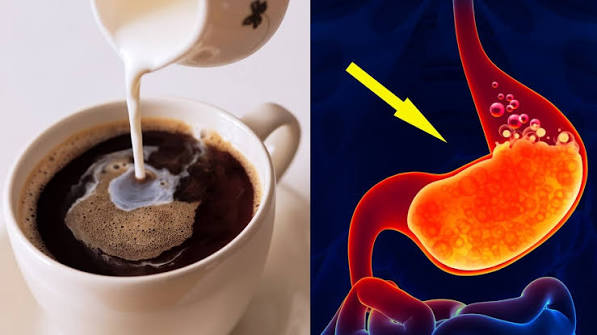
Coffee is one of the most complex bioactive beverages in the human diet, containing over 1,000 identified chemical compounds. Its relationship with the digestive system is equally complex: coffee and digestion involves multiple mechanisms, some beneficial (stimulating gastric motility, providing prebiotic polyphenols, reducing constipation) and some that warrant awareness in certain digestive conditions (stimulating gastric acid in GERD, accelerating transit in IBS-D, relaxing the lower oesophageal sphincter). Understanding these mechanisms allows coffee drinkers with digestive concerns to make informed choices about amount, timing, and preparation method.
This guide covers the evidence for coffee’s effects on each stage of the digestive system — stomach, small intestine, colon, and microbiome — and provides practical guidance for people with GERD, IBS, and constipation.
How Coffee Stimulates Bowel Movements
Approximately 29–60% of regular coffee drinkers report experiencing a bowel movement urge within 30 minutes of drinking their morning coffee. This effect is well-established and operates through multiple independent mechanisms — not just caffeine.
The primary mechanism is gastro-colonic reflex stimulation. Coffee — both caffeinated and decaffeinated — stimulates the release of gastrin and cholecystokinin (CCK), two gastrointestinal hormones that trigger coordinated muscular activity throughout the gut. Gastrin stimulates gastric acid production and promotes gastric emptying; CCK stimulates bile and pancreatic enzyme release and triggers the gastrocolonic reflex — a coordinated propulsive movement in the colon that occurs in response to stomach distension and upper gut stimulation. This is the mechanism that causes the bowel movement urge: the colon responds to the upper gut stimulation from coffee by initiating propulsive contractions.
Critically, decaffeinated coffee produces this effect almost as strongly as caffeinated coffee — demonstrating that caffeine is not the primary mediator. A controlled study found that decaf coffee stimulated gastric motility and the gastrocolonic reflex at approximately 23% less than caffeinated coffee, compared with hot water’s negligible effect. This implicates the non-caffeine bioactive compounds in coffee — particularly chlorogenic acids and N-alkanoyl-5-hydroxytryptamides (C5HTs, coffee-specific surfactant-like compounds that directly stimulate intestinal mucosa).
Coffee and Constipation
For people with chronic constipation, daily coffee consumption (2–3 cups) is associated with a reduced risk of constipation in several epidemiological studies. The transit-accelerating effects are clinically meaningful: a Japanese cross-sectional study of over 80,000 adults found that coffee consumption was independently associated with lower constipation rates, with dose-response characteristics suggesting 2+ cups daily provided the greatest benefit. The mechanisms are the same as those producing the bowel movement urge — gastrin, CCK, gastrocolonic reflex, C5HT mucosa stimulation — but operating chronically rather than acutely.
For people using coffee specifically for constipation relief, practical points: morning coffee on an empty stomach maximises the gastric acid and gastrocolonic reflex effect; adding milk slightly buffers the gastric acid effect but does not eliminate the motility-stimulating effect; decaf coffee is effective for those wishing to avoid caffeine while retaining the digestive transit benefit. For the full range of dietary approaches to constipation alongside coffee, see our guide on high-fiber foods for better digestion.

Coffee and GERD — When Coffee Is a Problem
For people with gastro-oesophageal reflux disease (GERD), coffee is a common and legitimate trigger. Coffee promotes GERD through two mechanisms: (1) it stimulates gastric acid production (via gastrin), increasing the acid content available to reflux; and (2) it relaxes the lower oesophageal sphincter (LES) — the valve between the stomach and oesophagus — reducing the pressure that normally prevents acid from travelling upward.
Both mechanisms are real and evidence-based. Studies using 24-hour oesophageal pH monitoring confirm that coffee consumption increases oesophageal acid exposure time in people with GERD. However, individual sensitivity varies substantially — many people with mild GERD tolerate coffee without symptoms, particularly when taking the following practical precautions:
- Drink coffee after eating, not on an empty stomach: food buffers gastric acid and provides gastric pressure that partially counteracts the LES relaxation effect
- Use milk or cream: the fat and protein in dairy partially buffer gastric acid and slightly reduce the LES relaxation response
- Choose lower-acid preparations: cold brew coffee has 60–70% lower acidity than hot-brewed coffee due to the cold extraction process; paper-filtered coffee has lower cafestol (a diterpene that promotes gastric acid) than unfiltered espresso or French press; darker roasts are lower in chlorogenic acid (which stimulates acid) than lighter roasts
- Limit to 1–2 cups and avoid within 3 hours of bedtime: reducing dose and avoiding recumbent position shortly after consumption reduces reflux risk
Coffee and IBS
Coffee is a common IBS trigger, primarily in IBS-D (diarrhoea-predominant) and IBS-M (mixed) subtypes. The gastrocolonic reflex stimulation that is beneficial for constipation becomes problematic in IBS-D: the accelerated colonic transit and increased propulsive contractions produce urgency and loose stools in people with an already hypersensitive colonic motor response.
For IBS management, the evidence suggests: complete coffee avoidance during flares; trial of decaf coffee between flares (decaf retains some motility-stimulating effects but significantly less than caffeinated); cold brew over hot-brewed espresso (lower acid, less intense gastric stimulation); and keeping portions to one small cup consumed with food rather than on an empty stomach. For IBS-C patients, conversely, morning coffee may provide helpful motility stimulation — individual response varies substantially by IBS subtype.
Coffee Polyphenols and the Gut Microbiome
Coffee is one of the largest sources of dietary polyphenols in Western populations — coffee drinkers consuming 3–4 cups daily obtain more total polyphenols from coffee than from any other dietary source, including fruits and vegetables, simply due to volume. The dominant polyphenol class in coffee is chlorogenic acids (CGA) — a family of hydroxycinnamic acid esters present at 5–12g per 100g of green coffee beans, partially reduced by roasting but still abundant in brewed coffee.
Chlorogenic acids are largely unabsorbed in the small intestine (approximately 30–40% absorbed) with 60–70% reaching the colon intact. Here, they act as prebiotic substrates — selectively stimulating Bifidobacterium and Lactobacillus growth in multiple in vitro and some human feeding studies. The ferulic acid and caffeic acid released during CGA fermentation by colonic bacteria have direct anti-inflammatory effects on colonic tissue. This prebiotic effect is entirely independent of the motility-stimulating effects and present in both caffeinated and decaffeinated coffee.
Observational studies consistently find that coffee drinkers have higher gut microbiome diversity than non-coffee drinkers at comparable total fibre intakes, an effect attributed to the CGA prebiotic contribution. The polyphenol dimension of coffee makes it a meaningful contributor to overall gut health when consumed in moderation (2–3 cups daily), even for people who find its motility-stimulating effects unnecessary. For the broader context of polyphenols and gut health including tea polyphenols, see our article on tea and digestive health. For the complete dietary approach to digestive health, see our digestive health diet: a practical guide.
Coffee and Liver Health — A Protective Relationship
One of the most consistent and replicated findings in nutritional epidemiology is the inverse relationship between coffee consumption and liver disease. Multiple large prospective studies and meta-analyses have found that coffee consumption is independently associated with reduced risk of liver cirrhosis, non-alcoholic fatty liver disease (NAFLD), hepatocellular carcinoma (liver cancer), and elevated liver enzymes — effects that are relevant to digestive health through the gut-liver axis.
The mechanisms include: chlorogenic acids reducing hepatic lipogenesis and inflammation through NF-κB inhibition; caffeine activating adenosine A2A receptors that reduce hepatic stellate cell activation (the cells that drive fibrosis); and the induction of autophagy in hepatocytes (cellular self-cleaning processes that remove damaged mitochondria and lipid droplets). A 2017 meta-analysis of 26 studies found that 2 cups of coffee daily was associated with a 44% reduction in liver cirrhosis risk and a 14% reduction in liver cancer risk compared with no coffee. These effects are present for both caffeinated and decaffeinated coffee, further implicating the polyphenol components over caffeine specifically.
For digestive health, the liver connection matters because liver function directly affects digestive function: bile production (for fat digestion), detoxification of gut-derived endotoxins, and SCFA metabolism from the colon all pass through the liver. Reduced liver inflammation from regular coffee consumption supports the overall gut-liver axis health that underlies optimal digestion. For the specific foods that support liver health alongside coffee, see our article on best foods for liver health.
Coffee Preparation Methods — How They Affect Digestive Impact
Coffee preparation method significantly affects the composition and digestive impact of the final brew. Understanding these differences allows people to choose the method best suited to their digestive needs:
Espresso: highly concentrated, small volume; high cafestol content (unfiltered oils); strongest gastric acid-stimulating effect per cup; highest chlorogenic acid concentration per mL. For people with GERD, the concentrated acid-stimulating compounds in a single espresso shot may exceed what a larger cup of filter coffee provides despite the smaller volume.
Paper filter (drip) coffee: paper filters retain diterpene oils (cafestol, kahweol) that are present in unfiltered brews; produces a cleaner cup with lower gastric acid-stimulating potential; retains the full chlorogenic acid prebiotic content. Preferred preparation for GERD and people with elevated LDL cholesterol (cafestol raises LDL). The motility-stimulating effect is still present but somewhat milder than espresso for a comparable caffeine dose.
Cold brew: extraction in cold water over 12–24 hours produces a concentrate with 60–70% lower total acidity than hot-brewed coffee; significantly less gastric acid stimulation and lower LES relaxation effect. Retains the full chlorogenic acid polyphenol content. The preferred preparation for people with GERD, gastritis, or sensitive stomachs. Caffeine content is comparable to or slightly higher than hot brew despite the lower acidity.
French press / plunger: unfiltered; high cafestol content; stronger gastric acid-stimulating effect than paper filter; similar to espresso in its digestive stimulant profile. For people with GERD or IBS-D, French press is the least suitable preparation method.
Instant coffee: significantly lower chlorogenic acid content than freshly brewed coffee (CGA degrades during spray-drying); lower prebiotic polyphenol benefit. The motility-stimulating effect is partially retained through caffeinated and non-polyphenol mechanisms. A poorer gut health choice than freshly brewed filter or cold brew for the same caffeine dose.
For a complete overview of tea as a gut-friendly polyphenol beverage option alongside coffee, particularly for people who need to reduce coffee intake, see our companion article on tea and digestive health. For the overall dietary context of digestive health including beverages, see our best foods for digestive health overview.
Caffeine’s Specific Role in Digestion
Caffeine contributes to coffee’s digestive effects through mechanisms distinct from the polyphenol and hormonal pathways described above. Understanding caffeine’s specific role allows for more targeted management — and explains why decaf, while retaining most of coffee’s digestive effects, produces a somewhat different overall response.
Caffeine directly stimulates the central nervous system, and through the gut-brain axis, this stimulation increases the firing frequency of the enteric nervous system — the “second brain” in the gut wall that coordinates peristalsis and secretion. Caffeine also directly stimulates gastric acid secretion through mechanisms independent of gastrin, and it is a direct adenosine receptor antagonist: by blocking adenosine A1 receptors in intestinal smooth muscle, caffeine reduces the inhibitory (slowing) effect that adenosine normally exerts on gut motility, resulting in faster propulsive contractions.
In the colon specifically, caffeine at doses found in 2–3 cups of coffee (200–400mg caffeine) has been shown in controlled studies using colonic manometry to increase the number and amplitude of high-amplitude propagating contractions (HAPCs) — the powerful propulsive contractions that move colonic contents rapidly toward the rectum and produce the urge to defecate. This is the direct colonic mechanism underlying coffee’s well-known laxative-type effect. Caffeine sensitivity varies substantially between individuals: regular coffee drinkers develop partial tolerance to caffeine’s central and colonic effects, which is why habitual coffee drinkers experience a less dramatic acute response than occasional coffee drinkers.
Coffee and Small Intestinal Function
Beyond the stomach and colon, coffee has measurable effects on small intestinal function that are relevant to overall digestion. Coffee stimulates pancreatic exocrine secretion — the release of digestive enzymes (lipase, protease, amylase) from the pancreas into the duodenum — through cholecystokinin-mediated signalling. This enzyme secretion stimulation means that coffee consumed with or shortly before a meal may modestly enhance the digestive efficiency of the meal itself, particularly for fat and protein digestion.
Coffee also stimulates bile secretion from the gallbladder, again via CCK signalling. Bile is essential for fat emulsification and absorption in the small intestine; regular coffee consumption is associated in epidemiological studies with reduced gallstone risk — likely because regular bile secretion keeps bile less concentrated and reduces the supersaturation of cholesterol that leads to gallstone formation. This protective effect on the biliary system is an additional digestive health benefit of regular moderate coffee consumption that is rarely discussed alongside the more commonly cited motility and microbiome effects.
For people with functional dyspepsia (upper gastrointestinal discomfort, bloating, early satiety), coffee’s stimulation of gastric acid and gastric emptying may be either helpful (in cases where slow gastric emptying contributes to symptoms) or unhelpful (in cases where acid hypersecretion is the dominant mechanism). Globe artichoke extract, which works through bile and gastric secretion stimulation via a similar but distinct pathway, is an evidence-based dietary complement to coffee for people managing functional dyspepsia; for the vegetable-based approach to digestive motility including artichoke, see our guide to vegetables for gut health. For the comprehensive dietary health picture, see our guide to digestive health diet: a practical guide.
How to Get the Most Digestive Benefit from Coffee
Practical summary for maximising coffee’s gut health benefits while minimising its risks: drink 2–3 cups of freshly brewed paper-filter or cold-brew coffee daily; choose whole bean ground fresh for maximum chlorogenic acid retention; drink the first cup in the morning on an empty or lightly fed stomach for maximum motility-stimulating effect (if constipation is a goal); add milk or plant milk for GERD management; choose decaf cold brew for evening consumption to retain polyphenol benefit without caffeine-related sleep disruption; and avoid French press or unfiltered preparations if managing elevated cholesterol alongside digestive concerns. For people with GERD, limiting to 1 cup daily of cold-brew or paper-filter coffee with milk, consumed after a meal, captures most of the polyphenol prebiotic benefit while minimising acid reflux risk. These small adjustments in preparation and timing allow most people to retain coffee as a regular part of their gut health dietary pattern regardless of their specific digestive situation.
Frequently Asked Questions
References:
- Boekema PJ, et al. “Coffee and gastrointestinal function: facts and fiction.” Scand J Gastroenterol. 1999. Scand J Gastroenterol 1999
- NHS. “Acid reflux and heartburn.” NHS.uk
- British Dietetic Association. “IBS and diet.” BDA Food Fact Sheet
- Klatsky AL, Morton C, Udaltsova N, Friedman GD. “Coffee, cirrhosis, and transaminase enzymes.” Arch Intern Med. 2006. Arch Intern Med 2006
- Jaquet M, et al. “Impact of coffee consumption on the gut microbiota: a human volunteer study.” Int J Food Microbiol. 2009. IJFM 2009
I’ve had GERD for years and gave up coffee completely because it was clearly making things worse. After reading this I tried cold brew and the difference is remarkable — I can now have one cup in the morning with breakfast and I’m not getting the reflux. The explanation of why cold brew has lower acidity is something no doctor had ever explained to me. Thank you for making this actionable.
Really glad the cold brew approach has worked for you, Karen! The acidity difference is substantial and measurable — cold water extracts the aromatic and flavour compounds that make coffee taste good without extracting the chlorogenic acids and other compounds that give hot-brewed coffee its high acidity and stronger LES-relaxing effect. Cold brew also tends to taste smoother and less bitter, which many people find an additional benefit. For GERD management, drinking it after (not before or during) meals is the other key variable — having food in the stomach buffers the effect on the lower oesophageal sphincter. Glad it’s working!
The decaf point was genuinely surprising to me. I always assumed the bowel movement effect was entirely from caffeine and I’d switched to decaf expecting to lose it. But it still happens — and now I understand why. The N-alkanoyl-5-hydroxytryptamides are completely new to me as a concept and the fact that they directly stimulate intestinal mucosa explains a lot. Very well researched article.