
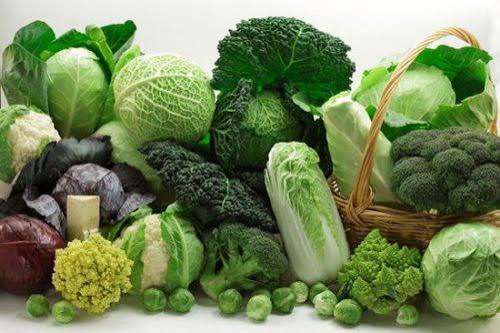
Vegetables are the single most important food category for gut health — not because any individual vegetable has a dramatic therapeutic effect, but because the combined diversity of fibre types, prebiotic compounds, polyphenols, and phytochemicals across different vegetable types creates the conditions in which a thriving gut microbiome can exist. The relationship between vegetables and gut health operates through multiple simultaneous mechanisms, each targeting a different aspect of gut function: transit, microbiome composition, mucosal integrity, and colonic inflammation.
The evidence is population-level as well as mechanistic: epidemiological studies across dozens of populations consistently find that vegetable consumption is the strongest dietary predictor of gut microbiome diversity — more strongly predictive than fibre intake from any single source. This guide covers the vegetables with the most evidence for specific gut health benefits, the mechanisms behind each, and the practical eating patterns that maximise the combined effect.
Why Vegetable Diversity Matters More Than Any Single Vegetable
The gut microbiome comprises hundreds of bacterial species, each with specific nutrient requirements and ecological niches. Different fibre types — inulin, pectin, cellulose, hemicellulose, resistant starch, arabinoxylans — feed different bacterial populations. A diet that provides only one or two types of fibre (even at high total quantity) produces a less diverse microbiome than a diet providing moderate amounts of many different fibre types.
This is why vegetable diversity is more important than vegetable quantity. Eating 200g of a single vegetable provides less gut health benefit than eating 50g each of four different vegetables with distinct fibre profiles. The 30-plants-per-week target — popularised by the American Gut Project’s finding that people eating 30+ plant food types had significantly higher microbiome diversity than those eating fewer — is achievable through vegetable variety: rotating between leafy greens, cruciferous vegetables, alliums, roots, and coloured vegetables across the week easily accounts for 15–20 of those 30 plant types.
Different vegetable colours signal different polyphenol families: dark leafy greens (chlorophyll, lutein), red and purple vegetables (anthocyanins, betalains), orange and yellow (beta-carotene, zeaxanthin), white alliums (quercetin, allicin). Each polyphenol family reaches the colon largely unabsorbed and selectively feeds different bacterial populations — adding a second prebiotic dimension to the fibre prebiotic effect.
Prebiotic Vegetables — The Inulin Group
The most potent prebiotic vegetables are those containing inulin and fructo-oligosaccharides (FOS) — fermentable fibre types that are among the best-evidenced selective stimulators of Bifidobacterium in the gut. The highest-inulin vegetables are:
Jerusalem artichoke: 16–20g inulin per 100g — the highest of any vegetable. A 100g serving provides more prebiotic inulin than many probiotic supplements contain. Jerusalem artichoke has a pronounced gas effect in those unaccustomed to it (inulin ferments rapidly), so gradual introduction is important.
Globe artichoke (cooked hearts): 3–10g inulin per 100g. Also one of the richest sources of cynarin and chlorogenic acid — polyphenols with direct protective effects on liver tissue and the gut-liver axis. Globe artichoke extract has specific clinical evidence for functional dyspepsia improvement.
Garlic: 9–16g inulin per 100g raw. The allicin in garlic (produced when garlic is chopped or crushed and allowed to rest before cooking) also has direct antimicrobial activity against pathogenic gut bacteria, selectively reducing Clostridium and Helicobacter populations without harming Bifidobacterium.
Onion (raw): 4–8g inulin per 100g. Cooking reduces inulin content significantly; raw onion in salads and salsas provides more prebiotic benefit than cooked onion in soups and stews. Onion skin and the outer layers contain the highest quercetin concentrations.
Leek: 3–10g inulin per 100g. Similar prebiotic profile to onion; better tolerated in IBS at small portions than raw onion due to lower initial fermentation rate.
Asparagus: 2–3g inulin per 100g cooked. Also contains saponins with anti-inflammatory properties and is a rich source of folate (important for DNA repair in colonocytes).
Cruciferous Vegetables — Sulforaphane and Gut Protection
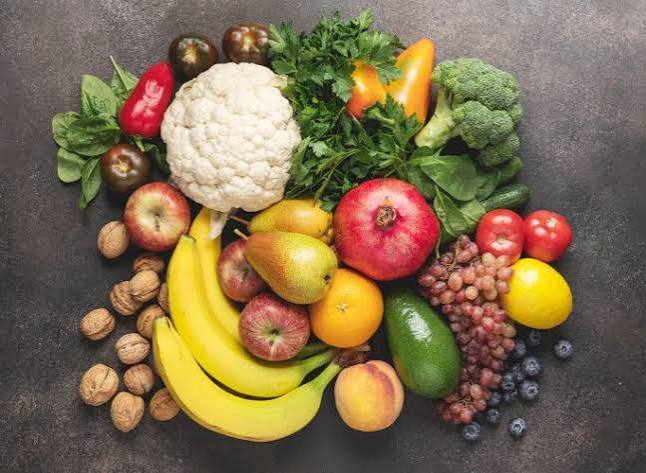
Cruciferous vegetables (broccoli, cauliflower, cabbage, kale, Brussels sprouts, rocket, radish, watercress) contain a unique class of compounds — glucosinolates — that are converted to sulforaphane and related isothiocyanates when the vegetables are chewed or chopped. Sulforaphane has specific and well-documented effects on gut health:
- Upregulates Nrf2 pathway in colonocytes — activating a cytoprotective anti-inflammatory gene expression programme that protects colonic mucosa from oxidative stress and carcinogen damage
- Direct anti-Helicobacter pylori activity — broccoli sprouts (the highest sulforaphane source) have clinical trial evidence for reducing H. pylori colonisation of the gastric mucosa
- Reduces gut inflammation markers — in both IBS and inflammatory bowel disease clinical studies, cruciferous vegetable intake is associated with reduced faecal calprotectin
- High insoluble fibre content — accelerates colonic transit, reduces constipation, and reduces intraluminal pressure (diverticular disease prevention)
The sulforaphane yield is maximised by: (1) chopping or crushing the vegetable and allowing to rest for 5–10 minutes before cooking (allows myrosinase enzyme to produce sulforaphane from glucoraphanin); (2) brief steaming rather than boiling (preserves glucosinolates); (3) adding a small amount of raw mustard, radish, or rocket alongside cooked cruciferous vegetables (these contain active myrosinase enzyme that partially compensates for enzyme loss during cooking). Broccoli sprouts contain 20–50× more glucoraphanin than mature broccoli florets and are the highest practical sulforaphane source available.
Leafy Green Vegetables — Magnesium, Nitrates, and Transit
Dark leafy greens (spinach, kale, Swiss chard, rocket, watercress, bok choy) provide several gut health-relevant compounds beyond fibre:
Magnesium: spinach and Swiss chard are among the highest dietary magnesium sources (approximately 80–100mg per 100g cooked). Magnesium is an osmotic agent in the colon — it draws water into the intestinal lumen, softening stools and accelerating transit. Magnesium deficiency is one of the most common causes of chronic constipation in Western populations; increasing leafy green intake addresses both the deficiency and the transit directly.
Dietary nitrates: rocket (arugula) and spinach are particularly rich in dietary nitrates (300–500mg/100g). Gut bacteria convert dietary nitrates to nitric oxide in the oral cavity and gut — nitric oxide directly stimulates intestinal smooth muscle motility, promoting peristalsis and accelerating gut transit. This is a distinct mechanism from fibre-based transit effects and explains why raw rocket and spinach salads have acute transit-promoting effects.
Sulphoquinovosyl diacylglycerol (SQDG): a unique sugar in green leafy vegetables that specifically feeds a gut bacterium, Bacteroides thetaiotaomicron, associated with healthy mucosal immune function. This is one of the clearest examples of a specific food compound feeding a specific gut bacterium — the relationship was identified in the American Gut Project and subsequently confirmed in feeding studies.
Root Vegetables and Resistant Starch
Root vegetables — particularly those cooked and cooled before eating — are among the most practical sources of resistant starch (RS3) in the diet. When starchy root vegetables (potato, sweet potato, parsnip, carrot) are cooked and then cooled to room temperature or refrigerated before eating, a portion of the gelatinised starch recrystallises into resistant starch that resists digestion and reaches the colon for bacterial fermentation into butyrate.
Practical applications: cold potato salad, roasted vegetables stored overnight and eaten at room temperature, cooked-and-cooled sweet potato in salads. The resistant starch content of cooked-cooled potato is approximately 3.2g per 100g — comparable to some legumes, and significantly higher than the 0.3g in freshly cooked hot potato. Reheating after cooling partially reconverts RS3 back to digestible starch, so eating cool or at room temperature maximises the RS3 benefit.
Beyond resistant starch, root vegetables provide insoluble fibre, polyphenols, and diverse micronutrients. Sweet potato is particularly notable for its beta-carotene content (which in the gut functions as an antioxidant protecting colonocytes) and its pectin content (prebiotic soluble fibre). Beetroot provides betalain pigments with specific anti-inflammatory activity in gut tissue and among the highest dietary nitrate levels of any vegetable.
How to Build a Gut-Healthy Vegetable Plate
Practical principles for maximising gut health benefit from vegetables:
- Aim for 5 colours per day — each colour signals a different polyphenol family and prebiotic substrate
- Include one allium daily — garlic, onion, leek, or chives in any form; raw provides more prebiotic inulin than cooked
- Include cruciferous vegetables 3–4× per week — broccoli, cabbage, cauliflower, kale or Brussels sprouts; chop and rest 5 minutes before cooking
- Include dark leafy greens daily — spinach, rocket, kale, or watercress; raw or lightly steamed
- Rotate root vegetables — sweet potato, carrot, beetroot, parsnip; cook-and-cool when possible for RS3
- Keep vegetable skins where possible — skin contains the highest concentration of insoluble fibre and polyphenols
For the full dietary framework that combines vegetables with legumes, wholegrains, and fermented foods, see our digestive health diet: a practical guide. For the role of legumes as complementary prebiotic foods, see beans and digestive health. For a complete fibre-focused overview including vegetables, see high-fiber foods for better digestion.
Polyphenol-Rich Vegetables — The Overlooked Prebiotic Dimension
The fibre content of vegetables is well-known, but the polyphenol prebiotic effect is less widely understood and equally important. Approximately 90–95% of dietary polyphenols are not absorbed in the small intestine — they reach the colon intact, where they function as selective carbon sources for specific beneficial bacterial populations, independent of and additive to the fibre prebiotic effect. This makes high-polyphenol vegetables essentially dual-function prebiotics: fibre feeds one set of bacteria, polyphenols feed another, and the combined effect on microbiome diversity is greater than either alone.
The highest-polyphenol vegetables by category include: red and purple cabbage (anthocyanins — the same class found in berries, known to stimulate Bifidobacterium); red onion vs white onion (red onion contains significantly more quercetin and anthocyanins); spinach and kale (lutein, quercetin, kaempferol); artichoke hearts (chlorogenic acid, cynarin — among the highest total polyphenol contents of any vegetable); beetroot (betalains — a unique polyphenol class with anti-inflammatory activity in gut tissue and emerging evidence for Lactobacillus stimulation); and tomato (lycopene, which is fat-soluble and more bioavailable from cooked tomato in olive oil than raw).
The practical implication for gut health eating: prioritise colour variety in vegetables, specifically including dark red, purple, and deep green options. A salad of mixed leaves (rocket, spinach, red cabbage, beetroot, cherry tomatoes) provides a broader polyphenol prebiotic spectrum than a green salad of similar total weight. For fermented vegetables that add a probiotic dimension alongside polyphenols, see our guide to fermented foods and gut health — combining high-polyphenol vegetables with fermented foods produces the greatest measurable microbiome diversity improvement in intervention studies.
Vegetables and Gut Motility — Managing Transit Naturally
One of the most immediate and clinically relevant effects of increasing vegetable intake is on gut motility — the speed at which food moves through the digestive tract. Slow transit (constipation) is associated with multiple adverse outcomes beyond discomfort: increased carcinogen contact time with the colonic mucosa, increased intraluminal pressure (driving diverticular disease), and increased fermentation of proteins to putrefactive metabolites that damage colonocyte DNA.
Different vegetables promote motility through different mechanisms, which is why a varied vegetable intake is more effective than relying on any single type:
- Insoluble fibre (cellulose, hemicellulose): present in all vegetables to varying degrees; provides stool bulk and mechanical stimulation of peristalsis. Highest in cruciferous vegetables, root vegetables, and legumes
- Osmotic effect (magnesium): dark leafy greens (spinach, Swiss chard, kale) provide magnesium, which draws water into the colonic lumen, softening stools and accelerating passage
- Nitric oxide stimulation (dietary nitrates): rocket, spinach, beetroot, and celery provide high dietary nitrates converted by oral and gut bacteria to nitric oxide — a direct smooth muscle relaxant that promotes intestinal motility
- Bile acid secretion (bitter vegetables): bitter vegetables (rocket, chicory, dandelion greens, radicchio, artichoke) stimulate bile secretion through cephalic bitter receptors; bile acids directly stimulate colonic motility and have a mild laxative effect at higher concentrations
For people with chronic constipation, the most effective vegetable-based intervention is a combination of: daily dark leafy greens (magnesium + nitrates), cruciferous vegetables 3–4× weekly (insoluble fibre bulk), and prebiotic vegetables (artichoke, garlic, onion) feeding the microbiome to produce SCFAs that also promote motility. For the comprehensive high-fibre approach to constipation, see our guide on high-fiber foods for better digestion and the overview of best foods for digestive health.
Vegetables and the Gut Microbiome — What the Evidence Shows
The most compelling body of evidence for vegetables and gut health comes from large-scale microbiome studies comparing eating patterns with microbiome composition. The American Gut Project, one of the largest citizen science microbiome studies ever conducted, found that the number of distinct plant foods consumed per week was the single strongest predictor of gut microbiome alpha diversity — outperforming total fibre intake, probiotic supplement use, and all other dietary variables measured. People eating 30+ plant food types per week had consistently higher microbiome diversity and more Prevotella-rich, Firmicutes/Bacteroidetes-balanced profiles than those eating fewer than 10 plant types per week.
Intervention studies confirm this relationship is causal rather than merely associative. A 2022 randomised crossover trial by Dahl et al. found that switching from a low-vegetable Western diet to a high-vegetable Mediterranean-style diet for just 8 weeks produced significant increases in microbiome diversity, increased butyrate-producing bacteria (particularly Roseburia intestinalis and Faecalibacterium prausnitzii), and reduced inflammatory markers including faecal calprotectin and plasma CRP. The effect size was larger than that produced by adding probiotic supplements on top of the same baseline Western diet — evidence that food-based microbiome change outperforms supplementation on a comparable intervention timescale.
The mechanistic explanation is that vegetables provide fermentable substrates (fibre, prebiotic inulin, resistant starch, polyphenols) that feed the bacterial populations primarily responsible for gut mucosal integrity and anti-inflammatory short-chain fatty acid production. Increasing vegetable diversity gives these populations a competitive advantage over pro-inflammatory, less fermentative species. This effect is additive with legume intake; for the legume-specific contribution to this microbiome effect, see our guide to beans and digestive health.
Frequently Asked Questions
References:
- NHS. “5 A Day: what counts?” NHS.uk
- British Dietetic Association. “Dietary fibre.” BDA Food Fact Sheet
- Dahl WJ, Zello GA. “Sulforaphane and gut health: a systematic review.” Nutrients. 2021. Nutrients 2021;13(4)
- McDonald D, et al. “American Gut: An Open Platform for Citizen Science Microbiome Research.” Cell Host Microbe. 2018. Cell Host Microbe 2018
- Halmos EP, et al. “A diet low in FODMAPs reduces symptoms of IBS.” Gastroenterology. 2014. Gastroenterology 2014
The sulforaphane section completely changed how I cook broccoli. I had no idea that letting it rest after chopping before cooking made such a difference. I’ve been following the 5-minute rest rule for a week now and I can already tell the difference in how my digestive system feels. The note about adding raw mustard alongside cooked broccoli is genius — something I would never have thought of on my own.
Great to hear, Laura! The myrosinase-rest step is one of those small preparation changes with a meaningful biochemical effect — most people cook broccoli immediately after chopping and lose most of the sulforaphane potential. Five minutes is enough for the myrosinase enzyme to convert a substantial portion of glucoraphanin to sulforaphane before heat inactivates the enzyme. The mustard trick works because mustard seeds contain heat-stable myrosinase — even a quarter teaspoon of mustard seeds or powder added to cooked cruciferous vegetables partially compensates. Thanks for sharing your experience!
The 30-plants-per-week target was eye-opening. I counted what I typically eat and I was getting about 8-10 different vegetables per week. After reading this I’ve started rotating through 4-5 different vegetables each day and the difference in my digestion has been noticeable within two weeks. The colour variety tip is really practical — I just make sure every meal has at least two different vegetable colours.