
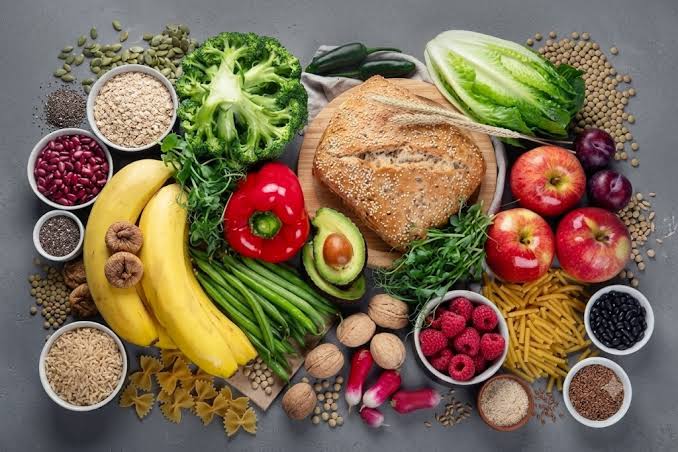
Most adults consume roughly 17–18g of dietary fibre per day — barely half the recommended 30g daily target. The gap between typical intake and recommended intake is the single largest dietary shortfall in Western populations, and it directly underlies the epidemic of constipation, gut microbiome impoverishment, and colorectal disease that characterises modern digestive health. Adding high-fiber foods for better digestion is the most impactful dietary change most people can make for long-term gut health.
Fibre is not a single compound. It encompasses dozens of distinct polysaccharides and oligosaccharides that interact differently with gut bacteria, transit speed, stool consistency, and colonocyte metabolism. Understanding which sources are richest and which mechanisms they operate through allows targeted dietary choices rather than vague “eat more fibre” advice.
How Dietary Fibre Supports Digestion
Dietary fibre is conventionally divided into two categories that work through complementary mechanisms:
Soluble fibre dissolves in water to form a viscous gel in the digestive tract. This gel slows gastric emptying (promoting satiety and moderating blood sugar response), provides a substrate for gut bacterial fermentation, and produces short-chain fatty acids (SCFAs) — primarily acetate, propionate, and butyrate. Butyrate is the primary energy source for colonocytes (the cells lining the colon) and has direct anti-inflammatory and anti-cancer properties in colonic tissue. Soluble fibre acts as a prebiotic — selectively feeding beneficial bacterial populations (Bifidobacterium, Lactobacillus) and supporting microbiome diversity.
Insoluble fibre does not dissolve but absorbs water as it passes through the gut, increasing stool bulk and accelerating colonic transit time. It is the primary dietary treatment for constipation and reduces colonic pressure (lowering diverticular disease risk). Most plant foods contain both types in varying proportions — the richest sources differ between legumes (more soluble), wheat bran (predominantly insoluble), and fruits and vegetables (mixed).
The gut microbiome connection is central: bacteria in the colon ferment soluble fibre to produce SCFAs, of which butyrate is the most clinically significant. As Cummings (2001) established, butyrate provides 60–70% of the energy supply for colonocytes, maintains the integrity of the colonic epithelial barrier, downregulates inflammatory gene expression, and exerts direct chemoprotective effects against colorectal cancer. A high-fibre diet is the most reliable way to maintain colonic butyrate supply.
Oats and Beta-Glucan
Oats are the most well-studied single high-fibre food for digestive health, principally because of their beta-glucan content — a unique viscous soluble fibre that forms an exceptionally thick gel in the small intestine, slows gastric emptying, and provides potent prebiotic fuel for colonic fermentation.
Beta-glucan specifically and preferentially increases Bifidobacterium and Lactobacillus populations — the beneficial species associated with reduced inflammation, improved immune function, and reduced IBS symptoms. Unlike many prebiotic fibre types, the evidence base for oat beta-glucan is supported by multiple randomised controlled trials (and a Cochrane systematic review for its cholesterol-lowering effect), giving it one of the strongest single-food evidence bases in gut health nutrition.
Rolled oats (porridge) and oat bran (highest beta-glucan density per gram) are the most practical sources. Overnight oats have an additional benefit: the cooling process after cooking converts some starch to resistant starch (RS3), which reaches the colon intact as additional prebiotic substrate. A serving of 40g dry rolled oats provides approximately 3.8g total fibre including 1.5–2g beta-glucan — a meaningful daily contribution toward the 30g target. For IBS patients, oats are low-FODMAP at appropriate servings (40g dry oats per serving) and are generally well tolerated even by those with wheat sensitivity.
Legumes — The Highest-Fibre Food Group
Legumes — lentils, chickpeas, black beans, kidney beans, and other pulses — are the most fibre-dense commonly eaten food group at 7–9g per 100g cooked, making them two to three times more fibre-rich per gram than most vegetables and whole grains. Their fibre profile is uniquely dual: both soluble fibre (pectin, galacto-oligosaccharides/GOS) and insoluble fibre (cellulose, hemicellulose) in substantial quantities.
GOS from legumes is a particularly well-evidenced prebiotic, specifically stimulating Bifidobacterium growth. Legume resistant starch (primarily RS2 in raw legumes and RS3 formed on cooking and cooling) reaches the colon to be fermented to butyrate — making legumes among the most potent dietary sources of colonocyte fuel. Population studies consistently show that 3+ servings of legumes per week is associated with a 25–30% reduction in colorectal cancer risk, a benefit attributed to the combined SCFA, fibre, and microbiome effects.
The practical barrier is the gas and bloating that legumes can cause — a result of GOS fermentation producing hydrogen and methane gas in the colon. This is manageable: rinsing canned legumes removes much of the oligosaccharide surface load; cooking dried legumes from scratch and discarding the soaking water achieves the same effect; cooking with carminative spices (fennel, cumin, asafoetida) reduces fermentation-related gas; and gradual introduction over 2–3 weeks allows the microbiome to adapt. People whose gut microbiome has been trained on regular legume consumption typically experience much less bloating than those introducing legumes after a period of low intake.
Wholegrains and Wheat Bran
Wholegrains — wheat, barley, rye, brown rice, oats, quinoa, millet — retain the bran and germ components that are removed in refined grain processing. This structural integrity is where most of the fibre, B vitamins, and phytochemicals reside. Wheat bran is the most fibre-dense single food in the standard diet at approximately 42g fibre per 100g.
The primary fibre in wheat bran is arabinoxylan — an insoluble fibre with additional prebiotic properties. Arabinoxylan specifically stimulates Bifidobacterium growth and has been associated with increased faecal butyrate levels independently of simple insoluble fibre effects. The insoluble component of wheat bran and wholegrains is the most direct dietary treatment for constipation: it increases stool bulk, accelerates colonic transit time, and lowers colonic pressure — reducing both constipation and diverticular disease risk.
IARC evidence confirms that high wholegrain diets are associated with a 25–30% reduction in colorectal cancer risk compared with low-wholegrain diets, with a dose-response relationship. Practical swaps — wholegrain bread for white, brown rice for white rice, barley in soups and stews — are among the simplest high-impact dietary changes available. For those with IBS, however, wheat bran is high in fructans (a type of FODMAP) and may trigger symptoms at servings above 1–2 tablespoons; oats, quinoa, and rice are effective lower-FODMAP wholegrain alternatives.
Vegetables Rich in Fibre
Vegetables vary widely in fibre content and type, but several categories stand out as high-fibre foods for digestion with specific prebiotic properties:
Inulin-rich vegetables: Jerusalem artichokes, chicory root, garlic, onion, leek, and asparagus are the richest dietary sources of inulin — the most extensively studied prebiotic fibre. Inulin specifically and dose-dependently stimulates Bifidobacterium growth more than almost any other dietary compound. The mechanism is selective: inulin is not digested in the small intestine and reaches the colon intact, where Bifidobacterium ferments it preferentially. The evidence base for inulin as a prebiotic is the strongest in gut health nutrition after beta-glucan.
Cruciferous vegetables: Broccoli, Brussels sprouts, cauliflower, and kale provide 2.5–4g fibre per 100g alongside glucosinolates and sulforaphane — compounds with additional liver and gut mucosal health benefits covered in our best foods for digestive health guide.
Root vegetables: Sweet potato, parsnip, carrot, and beetroot provide 2–4g fibre per 100g predominantly as insoluble fibre with some prebiotic pectin. They are well tolerated by most people including those with IBS.
Nuts and Seeds
Nuts and seeds are among the most under-recognised high-fibre foods for digestion, combining substantial fibre content with healthy fats, micronutrients, and in several cases specific prebiotic evidence.
Almonds are the highest-fibre nut at 12.5g per 100g. A randomised controlled trial found that daily almond consumption increased Bifidobacterium and Eubacterium rectale (a major butyrate producer) — making almonds one of the few nuts with direct prebiotic RCT evidence. A 30g serving provides 3.8g fibre — equivalent to a large apple.
Chia seeds are the highest-fibre seed at approximately 34g per 100g — nearly entirely soluble mucilaginous fibre that forms a gel on contact with water. This gel-forming property is similar in mechanism to psyllium husk: it normalises stool consistency, slowing diarrhoea and softening hard stools in constipation. A tablespoon of chia seeds in yoghurt, overnight oats, or a smoothie provides 5–6g fibre.
Flaxseeds (ground) provide soluble mucilage fibre plus insoluble lignans, and are a plant source of ALA omega-3. The soluble component specifically supports stool regularity. Ground flaxseeds are required for nutrient absorption — whole flaxseeds pass through undigested.
Walnuts at 6.7g/100g provide fibre alongside ALA omega-3 and polyphenols — a combination that benefits both the gut microbiome and gut mucosal inflammation independently.
High-Fibre Fruits
Fruits provide a spectrum of fibre types, with several standing out for their digestive benefits:
Berries: Raspberries and blackberries are the most fibre-dense common fruits at 6–8g per 100g — higher than most vegetables. Their fibre is predominantly insoluble, combined with polyphenols that feed Bifidobacterium specifically. A 150g serving of raspberries provides approximately 9–12g fibre — a meaningful daily contribution. Blueberries (2.4g/100g) are lower in fibre but higher in polyphenol diversity.
Pears: The highest-fibre common fruit at 3.1g per 100g, providing both pectin (soluble, prebiotic) and insoluble fibre. Pears also contain sorbitol — a naturally occurring sugar alcohol that acts as a mild osmotic laxative, drawing water into the colon and supporting regularity. This makes pears particularly effective for constipation.
Apples: Provide 2.4g fibre per 100g, primarily as pectin — the same prebiotic soluble fibre found in legumes, with gel-forming and Bifidobacterium-feeding properties. The pectin in apples is concentrated in the skin; eating unpeeled apples maximises fibre benefit.
Kiwi fruit: 3g fibre per 100g combined with actinidin — a unique protease enzyme that accelerates gastric emptying and colonic transit. Clinical trial evidence (including a 2023 comparison with psyllium) shows that 2 kiwis daily specifically improves constipation and IBS-C symptoms, likely through the combined actinidin and fibre effects.
Banana (slightly underripe): Provides 2.6g fibre per 100g when green-to-yellow and firm, with a significant proportion as resistant starch — a prebiotic that feeds colonic bacteria and produces butyrate. Very ripe bananas have converted most resistant starch to freely available sugar, reducing the prebiotic benefit substantially.
Psyllium Husk — Best-Evidenced Fibre Supplement
Psyllium husk (Plantago ovata seed husk) is the most evidence-backed fibre supplement for digestive health. A Cochrane systematic review identified psyllium as the best single supplement for IBS overall — specifically improving both constipation-predominant and diarrhoea-predominant IBS. This bidirectional normalising effect is unusual: psyllium absorbs excess water in diarrhoea to firm stools, and absorbs water to soften and bulk hard stools in constipation.
The mechanism is physical: psyllium husk gel is not fermented to any significant degree in the colon — it passes through largely intact, forming a gel matrix that physically normalises stool consistency without the fermentation gas that insoluble fibre sources can produce. This makes psyllium particularly valuable for IBS patients who respond poorly to wheat bran or legume-based fibre increases.
Practical guidance: 5–10g per day (1–2 teaspoons) taken with at least 250ml water per dose. Psyllium must be taken with adequate water — taken dry or with insufficient liquid, it can cause oesophageal obstruction. It should be separated from medications by 1–2 hours, as its gel can slow drug absorption. It is safe for long-term use. For the full picture of digestive supplement evidence, see our guide on best foods for digestive health.
How to Reach 30g Fibre Per Day
Going from 17–18g to 30g daily requires intentional planning but is achievable without exotic or expensive foods. A practical daily template:
- Breakfast: 40g rolled oats porridge (3.8g) + 150g mixed berries (5–8g) + 1 tbsp ground flaxseed (2.8g) = 11–14g
- Lunch: 150g cooked lentils or chickpeas (8–10g) + salad with broccoli and root vegetables (3–4g) = 11–14g
- Dinner: 2 slices wholegrain bread or 180g brown rice (3–4g) + roasted root vegetables (2–3g) = 5–7g
- Snacks: 1 apple (2.4g) + 30g almonds (3.8g) = 6g
This template achieves approximately 33–41g depending on portion sizes — above the 30g target. The key insight is that breakfast and lunch are the most efficient meals for fibre loading; dinner contributes proportionally less and should not be over-engineered.
Gradual increase is essential: adding 5g fibre per week over 3–4 weeks (rather than jumping immediately to 30g) allows the gut microbiome to adapt. The gas, bloating, and cramping that many people associate with “eating too much fibre” is almost entirely due to rapid large increases overwhelming the existing bacterial fermentation capacity — it resolves with gradual introduction. For a complete dietary framework see our guide to digestive health diet: a practical guide.
Fibre and the Gut Microbiome — The Diversity Connection
The relationship between dietary fibre and the gut microbiome extends beyond simply feeding beneficial bacteria — the diversity of fibre types consumed directly determines the diversity of bacterial species that can be sustained. Different bacterial species specialise in fermenting different fibre structures: Bifidobacterium ferments inulin and FOS preferentially; Ruminococcus and Eubacterium species specialise in resistant starch; Bacteroides thetaiotaomicron breaks down pectin and other complex plant polysaccharides. A diet that provides only one or two fibre types — even at adequate total quantity — supports a narrow spectrum of bacterial species.
The 30 plant foods per week target proposed by Professor Tim Spector and the American Gut Project data reflects this principle: each plant food brings a distinct fibre and polyphenol signature, feeding a different subset of microbial populations. People eating 30+ plant types per week consistently show substantially higher gut microbiome diversity than those eating fewer than 10 plant types, even when total fibre intake is similar between groups.
Practical implications: variety within fibre sources matters as much as quantity. Rotating between different wholegrains (oats one day, barley the next, brown rice the day after) rather than eating the same grain daily; alternating legume types weekly (lentils, chickpeas, black beans, kidney beans each provide different oligosaccharide profiles); including a range of vegetables rather than the same two or three — all contribute to microbiome diversity through fibre type diversity.
The microbiome diversity benefit also explains why whole food fibre sources consistently outperform isolated fibre supplements in gut health research. A whole apple provides pectin, cellulose, hemicellulose, polyphenols, and a matrix of plant cell wall compounds that collectively feed multiple bacterial species. An isolated pectin supplement provides a single compound. Both contribute to fibre intake — but only the whole food builds microbiome diversity.
Resistant Starch — The Fourth Type of Fibre
Resistant starch (RS) is sometimes described as a fourth type of dietary fibre — technically a starch that resists digestion in the small intestine and reaches the colon intact, where it functions as a fermentable prebiotic substrate. It is one of the most potent sources of butyrate production in the human colon, and its intake has declined substantially as modern food processing has moved toward refined, easily digestible starches.
There are four main types of resistant starch with different food sources:
- RS1 (physically protected): starch enclosed within intact plant cell walls — found in whole or coarsely ground grains, seeds, and legumes; eating whole grains rather than flour products preserves RS1
- RS2 (granular): raw starch granules with a specific crystalline structure resistant to amylase — found in raw potatoes, green banana, raw oats, and legumes before cooking
- RS3 (retrograded): forms when cooked starch is cooled — cooked-and-cooled rice, potatoes, pasta, and overnight oats all contain significantly more RS3 than freshly cooked versions; reheating does not fully reverse the resistant starch formation
- RS4 (chemically modified): found in some modified food starches; not relevant to whole food dietary planning
Practical resistant starch increases: allowing cooked rice and potatoes to cool before eating (rice salads, cold potato dishes, overnight oats) significantly increases RS3 content at essentially zero dietary cost. Cooking and cooling rice specifically increases its resistant starch content by 2–4 times compared with freshly cooked hot rice. Adding a green banana to a smoothie or overnight oats provides RS2. These small changes can add 5–10g of resistant starch daily — a meaningful butyrate production boost for the colon.
Frequently Asked Questions
References:
- Cummings JH, Macfarlane GT. “The control and consequences of bacterial fermentation in the human colon.” J Appl Bacteriol. 2001. PMC 2001
- NHS. “How to get more fibre into your diet.” NHS.uk
- British Dietetic Association. “Dietary fibre.” BDA Food Fact Sheet
- Ford AC, et al. “Efficacy of prebiotics, probiotics, and synbiotics in IBS.” Am J Gastroenterol. 2014. AJG 2014
- Halmos EP, et al. “A diet low in FODMAPs reduces symptoms of IBS.” Gastroenterology. 2014. Gastroenterology 2014
The resistant starch section was something completely new to me — I had no idea that letting rice cool before eating it doubled the resistant starch content. I’ve been eating freshly cooked hot rice every night for years. Small change, big difference apparently. Also the 30 plant foods per week goal is so much more motivating than just ‘eat more fibre’.
Great that the resistant starch tip landed well, Anna! The cooked-and-cooled effect is one of those genuinely easy wins — rice salads and overnight oats both benefit from it. The 30 plant foods target really does reframe the whole approach from restriction to variety, which is much more sustainable. Counting types rather than grams feels less like a diet and more like a game!
I’ve been struggling with constipation for years and this is the clearest explanation I’ve found of what actually helps and why. The daily 30g template was really practical — I calculated I was on about 12g a day so no wonder I was having problems. Starting with the gradual approach you suggested rather than jumping straight to 30g.