
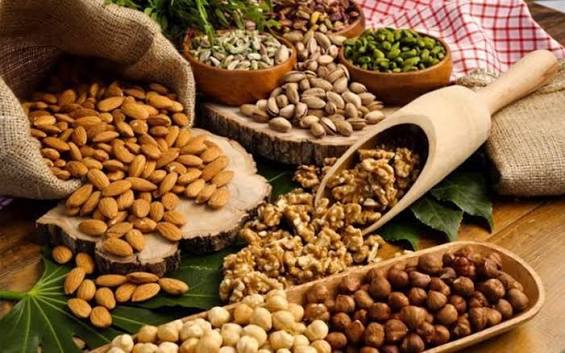
Whole grains are among the most extensively studied foods for digestive health, with a body of evidence spanning epidemiology, intervention trials, and mechanistic research that spans several decades. The relationship between whole grains and digestion operates through fibre types that are distinct from those in vegetables and legumes — particularly arabinoxylans (AX) and beta-glucan — providing a complementary prebiotic and fermentation substrate that diversifies the gut microbiome differently from fruit and vegetable fibre. Replacing refined grains with whole grains is one of the single most impactful dietary changes available for long-term digestive health.
This guide covers the specific fibre types in different whole grains, their individual gut health mechanisms, the evidence for whole grain consumption versus refined grain, and practical guidance for increasing whole grain intake sustainably.
What Makes a Grain “Whole” — and Why It Matters for Digestion
A whole grain retains all three anatomical components of the original grain seed: the bran (outer layer — high in insoluble fibre, B vitamins, minerals), the germ (embryo — high in unsaturated fats, vitamin E, phytochemicals), and the endosperm (starchy interior — primarily digestible carbohydrate and protein). Refined grains remove the bran and germ, retaining only the endosperm — eliminating approximately 75–90% of the fibre, 90% of the prebiotic arabinoxylan, most of the B vitamins, and essentially all of the gut-relevant polyphenols.
The digestive consequences of this difference are substantial. Refined grain reaches the small intestine largely digested and absorbed, providing minimal fermentable substrate to the colon. Whole grain provides a continuous stream of fermentable fibre — arabinoxylans, beta-glucan, resistant starch — to the colon, where it feeds the bacteria responsible for butyrate production, mucosal integrity, and microbiome diversity.
The evidence for this distinction is robust. A systematic review of 25 prospective cohort studies found that each 90g/day increase in whole grain consumption was associated with a 17% reduction in colorectal cancer risk, independent of other dietary factors. Intervention studies consistently find that switching from refined to whole grain diets increases stool weight (by 25–50%), reduces transit time, increases butyrate production, and shifts the microbiome toward higher Bifidobacterium and Lactobacillus abundance within 4–6 weeks.
Oats and Beta-Glucan — The Gut Health Standout
Oats contain the highest concentration of beta-glucan of any common cereal grain — approximately 4g per 100g dry oats (or 2g in a typical 50g serving of porridge). Beta-glucan is a soluble fibre that forms a highly viscous gel in the small intestine, producing several gut health effects:
- The viscous gel slows gastric emptying and small intestinal transit, buffering glucose absorption and producing satiety — with secondary benefits for gut function through more controlled digestive system load
- Beta-glucan selectively stimulates Bifidobacterium growth in the colon — one of the better-evidenced prebiotic effects for any grain-based fibre
- Produces acetate and propionate as fermentation products; propionate specifically has anti-inflammatory effects in colonic tissue and systemic metabolic effects via the gut-liver axis
- Increases stool bulk and water content — reducing constipation and straining
Oats also contain a significant amount of arabinoxylan (AX), adding a second prebiotic fibre dimension. Rolled oats, steel-cut oats, and whole oat groats all provide comparable beta-glucan content per 100g dry weight; instant oats provide less due to partial processing. Overnight oats (soaked cold) contain more resistant starch than freshly cooked hot porridge, adding a butyrate-production substrate on top of the beta-glucan.
Barley — The Highest-Beta-Glucan Grain
Barley contains more beta-glucan than oats — approximately 5–11g per 100g dry weight in hulled barley. It is less widely consumed than oats in Western diets, but has an equivalent evidence base for gut health applications and is particularly effective for transit time reduction and Bifidobacterium stimulation. Pearl barley (most commonly available) has some of the outer bran removed but retains most of its beta-glucan, which is distributed throughout the grain rather than concentrated in the outer layers as in wheat.
Barley is practical in soups, stews, grain salads, and as a rice substitute in risotto-style dishes. Its beta-glucan forms a thicker, more viscous gel than oats, which is why barley soups have a characteristic texture. This viscosity is the property responsible for the slowed gastric emptying and colonic prebiotic effect — the thicker the gel, the more pronounced the benefit. For gut health, whole grain barley in soups eaten regularly 2–3 times per week provides a meaningful additional beta-glucan prebiotic dose on top of daily oat consumption.
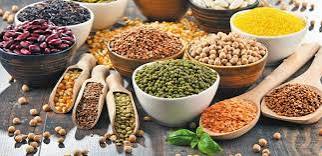
Rye — The Arabinoxylan Champion
Rye provides the highest arabinoxylan content of any common grain — approximately 8–12g per 100g dry rye flour. Arabinoxylans are a class of fermentable non-starch polysaccharides found in the outer bran layers of cereal grains; they are the dominant fibre type in wheat bran and the primary reason wheat bran has a stronger transit effect than other grain fibres. In rye, the AX is distributed more evenly through the grain, making even moderate processing (rye flour vs whole rye kernels) retain substantial AX content.
Rye bread — particularly dense, traditional varieties (German Vollkornbrot, Scandinavian rugbrød) rather than light rye breads with added wheat flour — is the most practical whole grain food for maximising arabinoxylan intake. A clinical trial comparing rye bread with wheat bread found that rye bread significantly reduced colonic transit time, increased stool weight and frequency, and increased Bifidobacterium populations over 8 weeks — with a larger effect than an equivalent fibre intake from wheat bread, attributed to the different AX profile of rye.
Sourdough fermentation of rye bread has an additional benefit: the lactic acid bacteria in sourdough starter partially pre-digest the AX into shorter fructooligosaccharides that may be more rapidly prebiotic. Sourdough rye bread also has a lower glycaemic response than yeasted rye bread due to its acidification by lactic acid.
Brown Rice, Quinoa, and Buckwheat
Brown rice: retains its bran layer (unlike white rice), providing approximately 3.5g fibre per 100g cooked. Cooked-and-cooled brown rice develops RS3 resistant starch (approximately 1.6g per 100g), making a brown rice salad or sushi significantly more prebiotic than freshly steamed hot brown rice. Brown rice also provides gamma-oryzanol (a polyphenol in the rice bran) with anti-inflammatory effects in gut tissue.
Quinoa: technically a pseudocereal (seed, not grain), quinoa provides 2.8g fibre per 100g cooked alongside a complete amino acid profile. Its fibre is primarily insoluble cellulose and hemicellulose, contributing to transit time reduction. Quinoa’s polyphenol content (quercetin, kaempferol in the seed coat) adds a prebiotic polyphenol dimension. It is particularly valuable for people with coeliac disease or non-coeliac gluten sensitivity as a naturally gluten-free wholegrain-equivalent.
Buckwheat: another gluten-free pseudocereal; provides 3.4g fibre per 100g cooked and is one of the richest grain sources of rutin (a flavonoid with specific anti-inflammatory effects in the gut vasculature). Buckwheat also has a relatively high resistant starch content. Buckwheat soba noodles, buckwheat porridge (kasha), and buckwheat pancakes are practical integration routes.
Practical Whole Grain Targets and Substitutions
The evidence threshold for whole grain health benefits is approximately 90g/day dry weight (or 3 servings of whole grain foods daily). Practical ways to reach this:
- Breakfast: 50g porridge oats (approximately 4g beta-glucan) — highest-impact single whole grain choice
- Lunch: 2 slices wholemeal or rye bread (approximately 4–5g fibre depending on density) or a portion of brown rice or barley in a salad
- Dinner: brown rice, whole grain pasta, or barley as the carbohydrate component
Simple substitutions that fully preserve the whole grain benefit: wholemeal bread for white, brown rice for white, rolled oats for quick-cook refined cereal, whole grain pasta for white pasta. These substitutions are nutritionally significant — each one roughly doubles the fibre and prebiotic content of the meal’s grain component. For a complete dietary framework incorporating whole grains alongside vegetables and legumes, see our digestive health diet: a practical guide and our overview of high-fiber foods for better digestion. For the complementary prebiotic role of legumes, see beans and digestive health.
Arabinoxylan — The Most Important Whole Grain Fibre You’ve Never Heard Of
Arabinoxylans (AX) are the dominant fibre type in the bran of wheat, rye, and most other cereal grains, accounting for 60–70% of the total dietary fibre in wheat bran and rye flour. They are fermented more slowly in the colon than beta-glucan or inulin — reaching further into the distal colon where many gut health interventions fail to have an effect — and they selectively stimulate a distinct set of bacterial populations from those stimulated by other prebiotics. Specifically, AX stimulates Bacteroides, Prevotella, and Bifidobacterium populations that are distinct from those stimulated by inulin or beta-glucan, making AX a complementary rather than redundant prebiotic substrate.
The fermentation of arabinoxylan produces propionate as the dominant short-chain fatty acid — compared with acetate (from inulin and GOS) and butyrate (from resistant starch). Propionate has specific metabolic functions: it travels via the portal vein to the liver, where it suppresses hepatic de novo lipogenesis (fat production from sugar), reduces cholesterol synthesis, and may improve insulin sensitivity through hepatic signalling. This is why whole grain wheat and rye diets are consistently associated in epidemiological studies with reduced metabolic syndrome markers — the propionate-liver axis is the likely mechanism linking AX intake to metabolic outcomes beyond the gut itself.
Practical sources of arabinoxylan, ranked by AX content per serving: wheat bran (highest, 20–25g AX per 100g — can be added to porridge, yoghurt, or smoothies); rye bread (dense varieties, 8–12g AX per 100g); wholemeal wheat bread (4–6g AX per 100g); whole wheat pasta (3–5g AX per 100g). For a complete fibre-focused eating pattern that includes AX alongside beta-glucan and resistant starch, see our guide to high-fiber foods for better digestion.
The Whole Grain–Microbiome–Colorectal Cancer Link
The evidence linking whole grain consumption with reduced colorectal cancer (CRC) risk is among the most consistent and large-effect-size associations in nutritional epidemiology. A 2020 meta-analysis of 29 prospective cohort studies including over 10 million person-years of follow-up found that each 90g/day increase in whole grain intake was associated with a 17% reduction in CRC risk, with a linear dose-response relationship — meaning more whole grain consumption produced proportionally greater risk reduction across the range studied.
The mechanisms are well-characterised and multiple. Arabinoxylan and beta-glucan fermentation produces butyrate (and propionate), which has direct anti-tumour effects in colonocytes: butyrate inhibits histone deacetylase enzymes that would otherwise silence tumour suppressor genes, promotes apoptosis (programmed death) of pre-cancerous cells, and reduces colonic epithelial proliferation rate. The insoluble fibre content of whole grains reduces transit time, decreasing the duration of contact between carcinogens and the colonic mucosa. The wheat bran fraction specifically binds bile acids, reducing the secondary bile acid pool that promotes colonocyte hyperproliferation.
Beyond the fibre mechanisms, whole grains contain a range of cancer-relevant phytochemicals: ferulic acid (bound to arabinoxylan in wheat bran; releases during fermentation and has direct anti-carcinogenic activity); phytic acid (reduces iron-catalysed oxidative DNA damage in the colon); lignans (phytoestrogens with anti-proliferative effects in colonic epithelial cells); and tocopherols (vitamin E forms in the germ with antioxidant activity). These compounds are entirely absent from refined grains, which is why the CRC risk reduction is specific to whole grain consumption and not reproducible by adding refined grain plus isolated fibre supplements. For the complementary CRC-protective role of vegetables in this context, see our guide on vegetables for gut health and the best foods for digestive health overview.
Resistant Starch in Whole Grains — Butyrate Production Beyond Fibre
Resistant starch (RS) in whole grains provides a butyrate production substrate that is distinct from and additive to the arabinoxylan and beta-glucan fermentation already described. Different types of resistant starch are found in different whole grain foods and preparations:
RS2 (high-amylose starch in raw or undercooked grains): present in raw oat groats, raw barley, and under-cooked wholegrain rice. RS2 is highly fermentable and produces large amounts of butyrate in the proximal colon. Practical relevance is limited as most people fully cook these grains — but lightly cooked al dente whole grain rice retains more RS2 than fully cooked soft rice.
RS3 (retrograded starch in cooked-cooled grains): the most practically relevant type for grain-based diets. When cooked whole grains are cooled — either to room temperature or refrigerated overnight — the gelatinised starch partially recrystallises into a resistant form. Cooked-cooled brown rice contains approximately 1.6g RS3 per 100g; cooked-cooled oat porridge contains 0.8g RS3 per 100g; cooked-cooled whole grain pasta contains approximately 1.2g RS3 per 100g. Reheating partially reconverts RS3 to digestible starch, so eating cold (grain salads, cold pasta) or warming gently preserves more RS3 than full reheating.
The practical implication for gut health eating is to make cooked-and-cooled grain dishes a regular part of the weekly diet: brown rice grain salads, overnight oats (cold-soaked, never reheated), cold whole grain pasta salads. These preparation styles simultaneously provide the arabinoxylan and beta-glucan prebiotic effects of whole grains plus an RS3 butyrate substrate boost — maximising the total fermentable substrate reaching the colon.
Sourdough Fermentation — Why Process Matters for Gut Health
The way whole grains are processed and fermented before eating affects their gut health properties significantly. Sourdough fermentation — using a starter culture of lactic acid bacteria and yeasts — changes the nutritional profile of bread in several ways relevant to digestion:
- Fructan reduction: lactic acid bacteria in sourdough produce fructanase enzymes that break down the fructan FODMAPs in wheat over the long fermentation time (12–24 hours in traditional sourdough). This is why sourdough wheat bread is substantially better tolerated in IBS than yeasted wheat bread, despite containing the same total wheat
- Phytate reduction: phytic acid in grain bran binds minerals (iron, zinc, magnesium) and reduces their absorption. Sourdough fermentation activates phytase enzymes that break down phytate, improving mineral bioavailability by 40–60% compared with yeasted bread
- Pre-digested oligosaccharides: the AX in rye and wheat is partially broken down into shorter oligosaccharides during long sourdough fermentation — these shorter AX fragments may be more rapidly prebiotic than intact long-chain AX in yeasted bread
- Lower glycaemic response: the acidification of bread by lactic acid slows starch digestion in the small intestine, producing a lower and more sustained glucose response — beneficial for the gut-liver axis and for reducing metabolic stressor effects on the gut
For gut health purposes, wholemeal sourdough bread (ideally rye-based or high-wheat-bran) is the optimal bread form — providing AX, beta-glucan, resistant starch, and all the sourdough-specific benefits simultaneously. For the context of fermented foods more broadly and how sourdough bread fits into a wider fermented food pattern, see our guide to fermented foods and gut health.
Frequently Asked Questions
References:
- Aune D, et al. “Whole grain consumption and risk of colorectal cancer: systematic review and meta-analysis.” BMJ. 2011. BMJ 2011;343
- NHS. “How to get more fibre into your diet.” NHS.uk
- British Dietetic Association. “Dietary fibre.” BDA Food Fact Sheet
- Halmos EP, et al. “A diet low in FODMAPs reduces symptoms of IBS.” Gastroenterology. 2014. Gastroenterology 2014
- Nilsson AC, et al. “Including indigestible carbohydrates in the evening meal of healthy subjects improves glucose tolerance and lowers inflammatory markers at a subsequent standardized breakfast.” J Nutr. 2008. J Nutr 2008
I had no idea that arabinoxylan was a thing until I read this. I knew whole grains were good for digestion but I always assumed it was just because of the extra fibre. The propionate-liver axis connection is fascinating — it explains why people with whole grain-heavy diets seem to have better metabolic health across the board, not just better digestion. I’ve now switched to dense rye bread for my lunches and the difference in how long I feel full is noticeable.
Great to hear, Helen! The arabinoxylan-propionate-liver connection is one of the most under-appreciated mechanisms in nutritional science — most people think whole grains are beneficial simply because of the extra bulk fibre, but the prebiotic AX and the subsequent hepatic propionate signalling are likely just as important. Dense, dark rye bread (look for Vollkornbrot or similar styles with visible whole rye kernels) provides the most AX per serving. The fullness effect you’re noticing is partly the viscous gel slowing gastric emptying and partly the fermentation gases signalling satiety — both working together. Thanks for sharing!
The sourdough section is the most useful thing I’ve read about bread in years. I have IBS and I’ve been avoiding all bread because it triggers my symptoms — but I had always assumed it was the gluten. After reading about fructan reduction in sourdough I tried a proper long-fermented sourdough and I’ve been tolerating it fine. This is a genuinely life-improving piece of information that no one had told me.