
Fiber supplements occupy a unique position in the supplement market: they are among the most evidence-supported digestive supplements available, with robust clinical trial data for constipation, IBS, cardiovascular health, and blood glucose regulation — yet they are also among the most commonly misused, taken at inadequate doses, without sufficient water, or chosen for the wrong type of fiber for the specific health goal. Understanding the different categories of dietary fiber, how they work, and what the evidence actually shows for each type is the foundation for using fiber supplements effectively.
This article covers the main categories of fiber supplements — soluble (viscous) fibers, insoluble bulking fibers, fermentable prebiotic fibers, and combination products — their clinical evidence for specific indications, dosing and administration considerations that affect both efficacy and tolerability, and interactions with medications that fiber is known to affect. For the broader context of digestive supplements including probiotics, enzymes, and herbal products, see the overview article on supplements for digestive health. The interaction between fiber supplements and probiotic use is also explored in the article on probiotic supplements: benefits and safety.
Types of Dietary Fiber: Soluble, Insoluble, and Fermentable
The classification of dietary fiber has become more nuanced over time, but three broad categories remain clinically relevant for supplement use:
Soluble (viscous) fiber dissolves in water and forms a gel-like substance in the gut. This viscosity slows gastric emptying and small intestinal transit, reduces the rate of glucose absorption (relevant for blood glucose management), binds bile acids in the small intestine (mechanistically reducing LDL cholesterol as the liver draws on cholesterol stores to replace them), and normalises stool consistency in both constipation and diarrhoea. Psyllium husk (Metamucil, Konsyl) is the archetype — it is both soluble and forms a significant gel matrix. Beta-glucan (from oats and barley) is the most evidence-supported soluble fiber for LDL reduction. Partially hydrolysed guar gum (PHGG) has specific evidence in IBS. Methylcellulose (Citrucel) is a semi-synthetic soluble fiber.
Insoluble fiber does not dissolve in water and adds physical bulk to stool, speeding colonic transit and increasing stool frequency. It provides less gel formation and less impact on glucose and lipid metabolism than soluble fiber. Wheat bran, cellulose, and the insoluble fiber component of most whole grains are the primary examples. Insoluble fiber is effective for constipation caused by slow colonic transit but is generally less appropriate for IBS-diarrhoea, where adding bulk can worsen urgency and loose stools. Psyllium contains both soluble and insoluble fiber, which is why it normalises stool consistency in both directions — bulking loose stools and softening hard ones.
Fermentable prebiotic fibers are selectively fermented by colonic bacteria, producing short-chain fatty acids (SCFAs: acetate, propionate, butyrate) that nourish colonocytes, maintain the gut mucosal barrier, and modulate gut immune function. Inulin, fructooligosaccharides (FOS), galactooligosaccharides (GOS), and resistant starch are the main examples. These fibers are not primarily laxatives — their function is microbiome support and colonic health rather than stool normalisation. Highly fermentable fibers (inulin, FOS, lactulose) can cause significant gas and bloating in high doses, which limits their use in IBS. Starting at low doses (2–3g/day) and increasing slowly is essential for fermentable fiber supplements.
Psyllium: The Most Evidence-Supported Fiber Supplement
Psyllium husk has the most robust clinical evidence of any fiber supplement across multiple indications. The evidence base includes:
- Constipation: Multiple RCTs and meta-analyses demonstrate that psyllium at 10–20g per day (taken in divided doses with adequate water) significantly increases stool frequency and improves stool consistency in chronic constipation. It is endorsed by the American Gastroenterological Association and the European Medicines Agency as a first-line treatment option for chronic constipation.
- IBS (particularly constipation-predominant): The 2009 Cochrane review by Bijkerk et al. and subsequent meta-analyses consistently show psyllium superior to placebo for global IBS symptom relief. Crucially, psyllium is one of the few IBS interventions that helps both constipation-predominant and diarrhoea-predominant subtypes due to its bidirectional stool-normalising properties.
- LDL cholesterol reduction: FDA has approved a qualified health claim that psyllium (7g/day soluble fiber from psyllium) reduces cardiovascular disease risk. Meta-analyses show mean LDL reductions of 5–7% with consistent psyllium use, comparable to the effect of a modest dietary change to reduce saturated fat. This effect is dose-dependent and additive with dietary changes.
- Blood glucose regulation: Psyllium taken before meals (10–15 minutes before eating) reduces postprandial glucose and insulin spikes by slowing gastric emptying and glucose absorption. Multiple trials in type 2 diabetes patients have shown reductions in HbA1c with regular psyllium use alongside standard diabetes management.
- Haemorrhoids and anal fissure: Psyllium bulks stool and reduces straining, which reduces mechanical trauma to the anal canal. Multiple trials show reduced bleeding, pain, and recurrence with psyllium supplementation in patients with symptomatic haemorrhoids.
Fiber and IBS: Choosing the Right Type Matters
Fiber supplementation in IBS is a context where the type of fiber chosen makes a significant clinical difference. The wrong fiber type can worsen IBS symptoms rather than improving them:
What works in IBS: Soluble, low-fermentability fibers — particularly psyllium and partially hydrolysed guar gum (PHGG) — have the best evidence in IBS across subtypes. They normalise stool consistency and reduce abdominal pain without producing the gas and bloating that fermentable fibers cause. The 2009 Cochrane review specifically identified psyllium as the fiber type with the most positive IBS trial evidence.
What can worsen IBS: Highly fermentable fibers — inulin, FOS, lactulose, and to a lesser extent wheat bran — are well-documented IBS triggers in susceptible individuals. The fermentation of these fibers produces gas rapidly in the colon, and in people with the visceral hypersensitivity characteristic of IBS, this gas production causes significant pain and bloating even at doses that healthy individuals tolerate without issue. Low-FODMAP dietary approaches specifically restrict fermentable fibers for this reason, and adding a fermentable prebiotic fiber supplement while following a low-FODMAP diet directly counteracts the dietary restriction.
Wheat bran in IBS: The evidence for wheat bran in IBS is generally negative — multiple trials have shown it to be no better than placebo and, in some studies, to worsen bloating and abdominal pain compared to no supplement. The longstanding recommendation to increase wheat bran for bowel symptoms without distinguishing between healthy individuals and IBS patients is not supported by the evidence for IBS specifically.
Patients managing IBS should consider fiber choice alongside other digestive management strategies. The role of medications in managing IBS symptoms and the interaction with gut motility is also relevant — how pain medications and anti-inflammatories affect gut motility is covered in the article on pain relievers and stomach safety.
Fiber Supplements and Medication Interactions
Fiber supplements — particularly soluble, viscous fibers — bind to various medications in the GI tract and reduce their absorption. This is clinically relevant for several drug classes and requires spacing of fiber supplements from medications:
- Thyroid medications (levothyroxine): Psyllium significantly reduces levothyroxine absorption. Levothyroxine should be taken on an empty stomach at least 30–60 minutes before any food or supplements, and fiber supplements specifically should be separated by at least 4 hours.
- Diabetes medications: Fiber slows glucose absorption, which can amplify the blood glucose-lowering effect of insulin and oral hypoglycaemic agents. Patients on insulin or sulfonylureas adding fiber supplementation should monitor blood glucose more closely initially, as dose adjustments may be needed.
- Cholesterol medications: While fiber and statins have additive LDL-lowering effects and can be used together, psyllium can reduce statin absorption if taken simultaneously. Statins should generally be taken at a different time from fiber supplements.
- Warfarin and anticoagulants: Fiber can reduce warfarin absorption if taken simultaneously. Patients on warfarin starting fiber supplementation should have their INR monitored more frequently initially and maintain a consistent fiber dose and timing.
- General rule: Take any prescription medication at least 2 hours before or after fiber supplementation. For medications with narrow therapeutic indices (levothyroxine, warfarin, digoxin), a 4-hour separation is safer. This interaction is not well-labelled on most fiber supplement packaging and is underappreciated by many consumers and some prescribers.
The broader question of how gastrointestinal medications — including those that specifically alter absorption and motility — interact with digestive health is explored in the article on anti-diarrheal medications: what to know.
Dosing, Hydration, and Starting Correctly
The two most common reasons fiber supplementation fails — causing either insufficient benefit or intolerable side effects — are inadequate hydration and starting doses that are too high. Both are fully avoidable:
Hydration is non-negotiable: Soluble fiber supplements absorb water and expand in the gut. Without adequate fluid (at minimum 240ml/8oz of water per dose, ideally 360ml), psyllium and similar fibers can form a thick mass that worsens constipation rather than relieving it, and in rare cases has caused oesophageal obstruction when taken with very little water. Every fiber supplement dose should be taken with a full glass of water, followed by additional fluid intake throughout the day. Total fluid intake of at least 2 litres/day alongside fiber supplementation is the standard recommendation.
Start low, increase slowly: Beginning fiber supplementation at the full therapeutic dose immediately — particularly for fermentable fibers but also for psyllium in some individuals — commonly causes significant bloating, gas, and abdominal discomfort in the first 1–2 weeks. This adaptation period occurs as the gut microbiome adjusts to increased fermentable substrate. Starting at 3–5g/day and increasing by 3–5g every 5–7 days until the therapeutic dose is reached dramatically reduces the adaptation symptoms and improves long-term adherence. Most adults tolerate the full therapeutic dose (10–15g/day psyllium, 5–10g/day inulin) within 3–4 weeks of gradual introduction.
Timing for specific effects: For blood glucose management, take fiber supplements 10–15 minutes before the main meal to maximise the blunting of postprandial glucose spikes. For constipation and stool regulation, timing relative to meals is less critical — consistency of timing matters more than the specific time. For medication interactions, always take fiber at least 2 hours separated from any prescription medications.
Fiber Supplements and Diverticular Disease
Diverticular disease — the development of small pouches (diverticula) in the colon wall — is one of the most common colonic conditions in adults over 60, and dietary fiber plays a central role in both its prevention and its management. Low dietary fiber intake increases intraluminal pressure in the colon and is strongly associated with diverticulosis development; population studies consistently show significantly lower diverticulosis prevalence in populations with high habitual fiber intake. The 2017 Diverticular Disease: New Paradigms for Natural History and Management paper in the Clinical Gastroenterology and Hepatology journal reviewed several decades of evidence and confirmed that high fiber intake is the most consistently supported dietary measure for reducing diverticulosis progression and diverticulitis episodes.
For people with established diverticular disease, high-fiber diets (supplemented with psyllium if dietary sources alone are insufficient) remain recommended by gastroenterological societies to reduce the frequency of diverticulitis episodes. The historical advice to avoid nuts, seeds, and popcorn — based on the theoretical concern that they could lodge in diverticula and trigger inflammation — has been contradicted by large prospective cohort data (the HPFS study) which found no increased risk of diverticulitis with nut, seed, or popcorn consumption and actually found an inverse association with nuts. This advice has been formally withdrawn from current clinical guidelines.
Liver health is also relevant in the context of high-fiber diets: soluble fiber supplementation has evidence for modest improvements in non-alcoholic fatty liver disease (NAFLD) markers, likely through its effects on glucose regulation and LDL reduction. For patients with liver conditions and digestive concerns, the interaction between liver function and digestive supplement use is addressed in the article on liver safety and medications.
- Constipation: Psyllium husk 10–15g/day with plenty of water — strongest evidence, first-line option
- IBS (any subtype): Psyllium or PHGG — low fermentability, normalises stool in both directions
- LDL cholesterol: Psyllium 7–10g/day or beta-glucan (oat bran) 3–5g/day — FDA-recognised evidence
- Blood glucose: Psyllium 10g/day before main meals — slows glucose absorption
- Gut microbiome/prebiotic support: Inulin or FOS 3–5g/day — start very low to avoid bloating
- Avoid in IBS: Inulin, FOS, wheat bran — highly fermentable, commonly worsens symptoms
- Always take fiber with at least 240ml water; separate from medications by ≥2 hours
Frequently Asked Questions
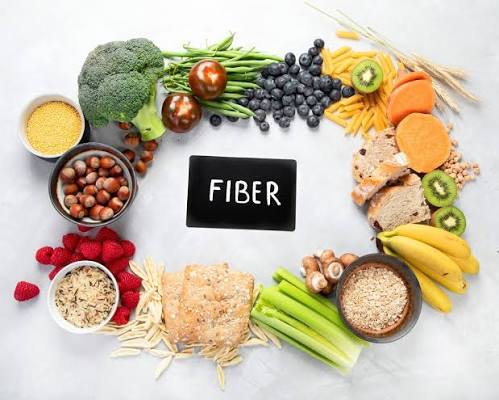
The Institute of Medicine recommends 25g/day for adult women and 38g/day for adult men, with the recommendation dropping slightly after age 50 (21g and 30g respectively). Most adults in Western countries consume approximately 12–15g/day — well below these targets. The gap is best closed through dietary changes first (more vegetables, legumes, whole grains, fruit) since food-based fiber comes with accompanying phytonutrients, vitamins, and water content that supplement powders do not provide. Supplements fill the remainder of the gap efficiently and have good tolerability when introduced gradually.
Yes — daily fiber supplementation is safe long-term and there is no evidence of tolerance or dependence. Unlike stimulant laxatives (bisacodyl, senna), fiber supplements do not cause the colonic desensitisation that can make the bowel reliant on stimulation over time. Psyllium specifically has been studied in long-term use (years) without evidence of adverse effects or reduced efficacy. The main practical concern with long-term use is ensuring consistent adequate hydration and maintaining the medication separation spacing if applicable.
Psyllium has a significantly broader evidence base than methylcellulose and is the first-line choice for most indications. Methylcellulose (Citrucel) is a semi-synthetic fiber that is non-fermentable, making it a lower-gas option that some people with IBS or fiber-induced bloating tolerate better. It is also a suitable alternative for people who are allergic to psyllium (psyllium allergy is rare but documented). For LDL reduction and blood glucose management, psyllium has specific clinical evidence that methylcellulose does not. For constipation and IBS stool normalisation, both have evidence but psyllium’s is more robust.
Yes — if taken without adequate water, fiber supplements can compact in the gut and worsen constipation. This is the most common reason fiber supplementation fails. Every dose should be taken with a full glass of water (minimum 240ml), and total fluid intake throughout the day should be at least 2 litres. If a person is significantly dehydrated or has a very slow-transit colon (where material spends much more time in the colon and water is continuously absorbed), adding bulk without addressing the transit issue may worsen symptoms. In slow-transit constipation, osmotic agents (polyethylene glycol, lactulose) or motility agents may be more appropriate first-line options than bulk-forming supplements.
Soluble fiber supplementation has modest evidence for weight and appetite management. By slowing gastric emptying and increasing the viscosity of gut contents, soluble fiber increases satiety signals and reduces the rate of hunger return after meals. Clinical trials with psyllium and beta-glucan show small but consistent reductions in caloric intake at subsequent meals when fiber is taken before eating. The weight loss effect is modest — studies typically show 1–2kg additional weight loss over 3–6 months compared to control — and is best understood as a supportive adjunct to dietary changes rather than a standalone weight management approach.
For blood glucose management, taking psyllium 10–15 minutes before a meal provides the greatest reduction in postprandial glucose spikes by ensuring the gel matrix is present in the small intestine as food arrives. For constipation and IBS, timing relative to meals is less critical — consistency of daily dosing matters more than specific meal timing. Many people find it easiest to take a fiber supplement at the same time each day (e.g., morning with breakfast water) to maintain the habit. For LDL reduction, the cholesterol-lowering effect is mediated by bile acid binding in the small intestine and does not depend on taking the fiber at a specific time relative to meals.
People with known difficulty swallowing (dysphagia) should not use powdered fiber supplements unless specifically instructed by a clinician, due to the risk of oesophageal obstruction when the gel forms before reaching the stomach. Patients with significant bowel narrowing (strictures from Crohn’s disease, post-surgical adhesions, colorectal cancer) should consult their gastroenterologist before using bulk-forming supplements. People with acute gut obstruction should not use fiber supplements. For most healthy adults and people with common gut conditions (IBS, constipation, mild IBD in remission), fiber supplements at appropriate doses with adequate hydration are very well tolerated.
Take any prescription medication at least 2 hours before or after your fiber supplement dose. For levothyroxine, warfarin, digoxin, or other narrow-therapeutic-index medications, use a 4-hour separation. Fiber can significantly reduce medication absorption when taken simultaneously, affecting the efficacy of critical treatments. If you are unsure whether your medication is affected, ask your pharmacist or prescribing clinician before starting fiber supplementation.
- Bijkerk CJ, de Wit NJ, Muris JW, et al. (2009). Soluble or insoluble fibre in irritable bowel syndrome in primary care? Randomised placebo controlled trial. BMJ, 339, b3154.
- Institute of Medicine. (2005). Dietary Reference Intakes for Energy, Carbohydrate, Fiber, Fat, Fatty Acids, Cholesterol, Protein, and Amino Acids. National Academies Press.
- Anderson JW, Baird P, Davis RH Jr, et al. (2009). Health benefits of dietary fiber. Nutrition Reviews, 67(4), 188–205.
- Brown L, Rosner B, Willett WW, Sacks FM. (1999). Cholesterol-lowering effects of dietary fiber. American Journal of Clinical Nutrition, 69(1), 30–42.
- NHS. (2023). How to get more fibre into your diet. National Health Service. Available at: nhs.uk
- FDA. (2019). Soluble dietary fiber from certain foods and coronary heart disease. U.S. Food and Drug Administration. Available at: fda.gov
- McRorie JW Jr, McKeown NM. (2017). Understanding the physics of functional fibers in the gastrointestinal tract. Journal of the Academy of Nutrition and Dietetics, 117(2), 251–264.
The medication interaction information was something I have genuinely never seen written clearly anywhere before. I have been on levothyroxine for 12 years for Hashimoto’s thyroiditis, and I started taking a psyllium fiber supplement about three months ago for constipation. My TSH has been creeping up at my last two checks and my endocrinologist has been adjusting my dose upward slightly. Neither of us connected this to the fiber supplement until I read this article, which specifically states that psyllium significantly reduces levothyroxine absorption and should be separated by at least four hours. I have been taking both at the same time each morning. I will discuss this at my next appointment — it seems highly plausible that my apparent increase in levothyroxine requirement is the fiber supplement reducing the absorbed dose rather than an actual change in my thyroid function.
The levothyroxine and psyllium interaction is genuinely underappreciated and poorly labelled on most fiber supplement packaging. A 2014 study by Sachmechi et al. in the Endocrine Practice journal specifically documented elevated TSH in hypothyroid patients taking psyllium simultaneously with levothyroxine, with TSH normalising after the doses were separated by four hours. The mechanism is physical binding of the fiber gel to levothyroxine in the GI tract, reducing the fraction available for absorption. The clinical significance of this interaction is equivalent to several of the commonly counselled interactions (calcium, iron, and antacids are typically listed on levothyroxine prescription information) but fiber is not consistently included in prescriber or patient education materials. When you discuss with your endocrinologist, it is also worth checking whether any other supplements or medications you take close to your levothyroxine dose might be contributing — calcium supplements, iron-containing multivitamins, and magnesium-containing antacids all reduce levothyroxine absorption through similar mechanisms. A four-hour separation from all of these, consistently applied, often resolves unexplained TSH elevation without a dose increase.
The IBS fiber section clarified something that has confused me for years. My GP told me to increase fiber for IBS-D (diarrhoea-predominant), so I added a wheat bran supplement and my symptoms got noticeably worse over the following weeks. I switched to a different approach and things improved slightly but I never understood the mechanism. Your article explains exactly why — wheat bran is highly fermentable and produces rapid gas production that worsens visceral pain in IBS, and the evidence for wheat bran in IBS is actually negative in most trials. Psyllium being bidirectional — helping both IBS-C and IBS-D — is a genuine insight that I hadn’t encountered before. I’ll try a psyllium product at 3-5g per day with a gradual build as you suggest and see if I get a different outcome than the wheat bran approach.
Hello to every single one, it’s actually a pleasant for me to go to see this website, it includes important Information.