
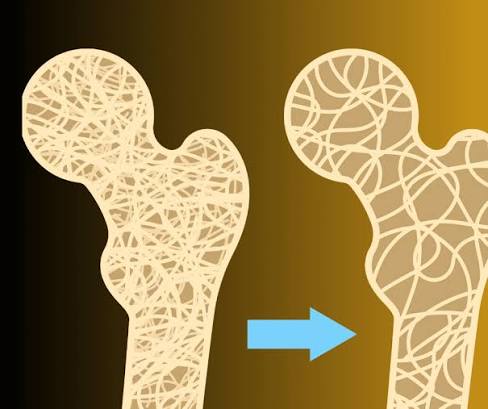
Bone Health Numbers Every Adult Should Know
Bone health numbers every adult should know include bone mineral density T-scores, daily calcium intake targets, vitamin D serum levels, and fracture risk scores — yet most adults have never had these measured or explained to them. This guide translates the clinical numbers into clear, actionable information so you can understand what your results mean and what to do about them.
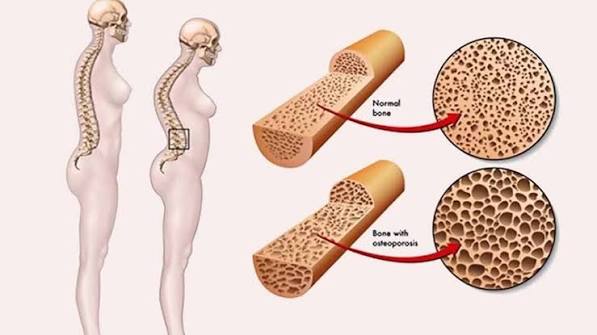
Bone disease is often called a silent condition because bone loss produces no pain, no visible symptoms, and no warning until a fracture occurs. Yet the numbers that reflect bone health — bone density scores, nutrient levels, fracture risk assessments — are well-established, measurable, and, when understood, deeply actionable. The challenge is that most adults reach their 40s and 50s without ever having received a clear explanation of what these numbers mean or when they should be measured.
According to the National Osteoporosis Foundation, approximately 54 million Americans have osteoporosis or low bone mass, yet a majority are undiagnosed at the time of their first fracture. Understanding the key numbers that reflect bone health — and knowing what they mean — is the foundation of effective prevention.
What Is a T-Score and What Does It Mean?
The T-score is the central number in bone density testing. When you have a DEXA (dual-energy X-ray absorptiometry) scan — the standard test for measuring bone density — the result is reported as a T-score, which compares your bone density to the peak bone density of a healthy young adult of the same sex.
The T-score is expressed as a standard deviation from that reference value. A T-score of 0 means your bone density matches the young adult average exactly. Negative scores indicate progressively lower bone density.
• -1.0 and above: Normal bone density
• -1.0 to -2.5: Osteopenia (low bone density, not yet osteoporosis)
• -2.5 and below: Osteoporosis
• -2.5 and below with fragility fracture: Severe osteoporosis
The T-score is site-specific. A scan measures bone density at specific skeletal sites — typically the lumbar spine (lower back vertebrae) and the hip (femoral neck and total hip). Results at different sites can vary, and clinicians generally use the lowest T-score to guide diagnosis and treatment decisions.
What Is a Z-Score and How Is It Different?
The Z-score compares your bone density to the average for your age and sex, rather than to a peak young adult value. A Z-score of 0 means your bone density matches the average for someone your age. Z-scores are particularly useful in younger adults, children, and premenopausal women, where comparison to a young adult reference is less meaningful than comparison to age-matched peers.
A Z-score below -2.0 is considered below the expected range for age and warrants investigation for secondary causes of bone loss — conditions such as malabsorption, hyperparathyroidism, or medication side effects that go beyond the expected age-related trajectory.
Bone Health Numbers Every Adult Should Know: Calcium
Calcium is the primary mineral that gives bone its density and structural strength. The body does not produce calcium — all of it must come from dietary intake or supplementation. When dietary calcium is insufficient, the body withdraws calcium from bone to maintain blood calcium levels, gradually weakening skeletal structure over time.
The National Institutes of Health Office of Dietary Supplements provides the following recommended daily allowances for calcium:
• Adults 19–50: 1,000 mg per day
• Men 51–70: 1,000 mg per day
• Women 51–70: 1,200 mg per day
• Adults 71 and older: 1,200 mg per day
• Pregnant/lactating adults: 1,000 mg per day
These targets refer to total calcium from all sources — food and supplements combined. Dietary sources are preferred because they come with co-nutrients (such as protein and magnesium) that support calcium absorption and bone metabolism. Foods particularly high in calcium include dairy products, fortified plant milks, canned fish with bones, tofu made with calcium sulfate, and leafy greens such as bok choy, kale, and broccoli.
The Upper Limit: Why Too Much Calcium Is Also a Concern
The tolerable upper intake level for calcium in adults is 2,500 mg per day for those under 51 and 2,000 mg per day for those 51 and older. Consuming calcium significantly above these thresholds — typically through excessive supplementation rather than food — has been associated with kidney stones and, in some research, with cardiovascular concerns. This is one reason why dietary calcium is preferred over high-dose supplements and why total intake (not just supplemental dose) matters.
Vitamin D: The Number That Determines Whether Calcium Works
Vitamin D controls how much calcium the intestine absorbs from food. Without adequate vitamin D, even a diet high in calcium will not deliver sufficient calcium to bone because absorption efficiency drops substantially. This relationship makes vitamin D one of the most consequential numbers in bone health.
Vitamin D status is measured through a blood test: 25-hydroxyvitamin D (25(OH)D), commonly called serum vitamin D. The reference ranges used by most clinical guidelines are:
• Below 12 ng/mL (30 nmol/L): Deficiency — associated with rickets, osteomalacia, and severe bone loss risk
• 12–20 ng/mL (30–50 nmol/L): Insufficiency — inadequate for optimal bone health
• 20–50 ng/mL (50–125 nmol/L): Sufficient — adequate for bone protection
• Above 50 ng/mL (125 nmol/L): Potentially excessive — toxicity risk at very high levels
The Endocrine Society notes that vitamin D deficiency is more prevalent than commonly recognized, affecting an estimated 1 billion people globally, with particular risk among older adults, people with limited sun exposure, those with darker skin pigmentation, and individuals with fat malabsorption conditions.
Vitamin D is synthesized in skin exposed to UVB radiation from sunlight, but this source is unreliable in northern latitudes, during winter months, and for people who spend most of their time indoors. For most adults with demonstrated insufficiency or deficiency, supplementation of 1,500–2,000 IU daily is generally recommended, with higher doses sometimes used therapeutically under physician supervision.
Vitamin D and Muscle Function
Vitamin D’s role in bone health is well established, but its importance for muscle function is equally significant and often overlooked. Vitamin D receptors are present in muscle tissue, and low levels are associated with muscle weakness, reduced balance, and increased fall risk — all of which contribute to fracture risk independently of bone density itself. Fall prevention and bone density preservation are complementary strategies, and vitamin D supports both simultaneously.
FRAX: The Fracture Risk Assessment Number
The FRAX tool (Fracture Risk Assessment Tool), developed by the University of Sheffield under WHO auspices, calculates an individual’s 10-year probability of major osteoporotic fracture (hip, spine, forearm, or shoulder) and hip fracture specifically. It integrates multiple risk factors beyond bone density alone, including age, sex, body mass index, prior fractures, parental history of hip fracture, smoking, alcohol use, glucocorticoid use, and secondary causes of osteoporosis.
The FRAX tool produces two numbers:
- 10-year probability of major osteoporotic fracture (expressed as a percentage)
- 10-year probability of hip fracture (expressed as a percentage)
Treatment thresholds vary by country and guideline organization. In the United States, the National Osteoporosis Foundation recommends considering treatment when the 10-year hip fracture probability reaches 3% or higher, or when the 10-year major osteoporotic fracture probability reaches 20% or higher — even in individuals whose T-score falls in the osteopenia range rather than full osteoporosis.
Bone Turnover Markers: Numbers That Show How Fast Bone Is Changing
Beyond density and risk scores, blood and urine tests can measure bone turnover markers — biochemical indicators of how rapidly bone is being formed and resorbed. These are not standard screening tests for most adults, but they can be useful in specific contexts: monitoring treatment response, investigating unexpectedly rapid bone loss, or assessing secondary causes of bone disease.
The two most commonly measured markers are:
- CTX (C-terminal telopeptide): A marker of bone resorption (breakdown). Elevated CTX indicates that more bone is being broken down than expected and may suggest active bone loss. CTX is measured in blood (serum CTX).
- P1NP (procollagen type 1 N-terminal propeptide): A marker of bone formation. P1NP reflects osteoblast activity — the cells responsible for building new bone. It is used to assess whether bone-building activity is keeping pace with resorption.
The relationship between these two markers helps clinicians understand whether a patient’s bone is in net balance, net loss, or (during treatment) net gain. For example, bisphosphonate therapy — the most commonly prescribed class of osteoporosis medication — works primarily by suppressing bone resorption, which should produce a reduction in CTX within weeks of starting treatment.
Bone Health Numbers Every Adult Should Know: Parathyroid Hormone
Parathyroid hormone (PTH) regulates calcium homeostasis. When blood calcium drops, PTH is released, which signals bone to release calcium into the bloodstream and signals the kidneys to conserve calcium and activate vitamin D. Chronically elevated PTH — often due to insufficient calcium or vitamin D intake — results in sustained bone resorption as the body continuously draws calcium from the skeleton.
A PTH level above the normal range (typically 15–65 pg/mL in most laboratories) warrants investigation. Primary hyperparathyroidism — caused by a benign tumor of one or more parathyroid glands — is a fairly common and underdiagnosed condition that can cause progressive bone loss if untreated. Secondary hyperparathyroidism due to vitamin D deficiency or chronic kidney disease is more common and equally damaging to bone over time.
Including PTH in a bone health workup, alongside calcium and vitamin D, provides a more complete picture of the hormonal milieu that governs bone metabolism.
Height Loss as a Number to Track
Height measurement is a low-technology but clinically significant bone health number. Vertebral compression fractures — the most common osteoporotic fracture — often produce no acute pain and may go undetected for years. The cumulative effect of multiple compression fractures is measurable height loss.
Clinical guidelines generally identify the following thresholds as warranting further evaluation:
- Height loss of 4 cm or more from peak adult height (self-reported)
- Height loss of 2 cm or more over the most recent one to three years (measured in clinic)
Routine height measurement at annual medical appointments — a simple, costless intervention — can identify this pattern early and trigger appropriate radiographic evaluation before additional fractures occur. Adults who have not had their height formally measured in several years may benefit from doing so at their next physician visit and comparing to their remembered peak adult height.
When to Get a DEXA Scan: Screening Guidelines
Understanding the numbers is only useful if they are measured. Current clinical guidelines recommend bone density screening in the following groups:
- All women age 65 and older — recommended by the U.S. Preventive Services Task Force regardless of risk factor status
- Postmenopausal women under 65 with elevated risk — based on FRAX or clinical risk factor screening
- Men age 70 and older — recommended by the American College of Physicians and the NOF
- Men 50–69 with elevated risk — at clinician judgment
- Adults of any age with fragility fractures, secondary causes of bone loss, or conditions associated with bone disease
The U.S. Preventive Services Task Force notes that screening is most beneficial when the result will inform treatment decisions — which is why it is paired with FRAX risk assessment rather than used as a standalone measurement.
How Physical Activity Affects Bone Density Numbers
Exercise is one of the few non-pharmacologic interventions with strong evidence for maintaining and modestly improving bone density, and its effects can be seen in measurable changes to T-scores over time. The key mechanism is mechanical loading: when bone is subjected to stress through weight-bearing activity and resistance exercise, osteoblasts respond by building new bone tissue.
The types of exercise most beneficial for bone density are:
- Weight-bearing aerobic activity: Walking, jogging, hiking, dancing, stair climbing — activities where the body bears its own weight against gravity. Swimming and cycling, while excellent for cardiovascular health, do not provide the same mechanical load on bone.
- Progressive resistance training: Lifting weights or using resistance bands, particularly exercises that load the hip and spine. Studies show that resistance training can produce measurable increases in hip and lumbar spine bone density in postmenopausal women with osteopenia.
- High-impact activity (where appropriate): Jumping, racket sports, and other activities with high ground reaction forces produce the strongest osteogenic stimulus, but are contraindicated in individuals with established osteoporosis due to fracture risk.
For individuals already diagnosed with osteoporosis, the goal of exercise shifts from building density to maintaining density, improving balance, and reducing fall risk — activities such as tai chi, yoga, and balance training become particularly important alongside continued resistance exercise under supervision.
Medications That Affect Bone Health Numbers
Several commonly prescribed medications can accelerate bone loss and are important to consider when interpreting bone health numbers or assessing fracture risk:
- Glucocorticoids (corticosteroids): Long-term use (typically more than 3 months at doses equivalent to 5 mg or more of prednisone daily) is one of the most potent causes of secondary osteoporosis. Any adult starting long-term glucocorticoid therapy should have baseline bone density measured and receive bone-protective treatment.
- Proton pump inhibitors (PPIs): Long-term PPI use has been associated with modest reductions in calcium absorption and increased fracture risk in some studies. The clinical significance is debated, but it is worth raising with a prescribing physician for adults on chronic PPI therapy.
- Aromatase inhibitors: Used in postmenopausal women with hormone receptor-positive breast cancer, aromatase inhibitors substantially reduce estrogen levels, often causing measurable bone loss. Bone density monitoring and bone-protective therapy are standard in this population.
- Anticonvulsants: Certain antiepileptic drugs, particularly enzyme-inducing agents, can accelerate vitamin D metabolism and impair calcium absorption.
- Heparin (long-term): Associated with bone loss in some patients on extended therapy.
If you take any of these medications regularly, discussing bone health monitoring with your prescribing physician is a reasonable and important step. Internal resources from our overview of bone, joint, and muscle health and our guide to common bone and muscle problems in adults provide related context.
Bringing Your Bone Health Numbers Together: A Practical Framework
Understanding individual numbers is useful, but their real value comes from combining them into a coherent picture of bone health status. A practical framework for any adult concerned about bone health includes:
- Assess your screening eligibility: Based on age, sex, and risk factors, determine whether current guidelines recommend DEXA scanning for you and when.
- Measure your baseline: If you qualify for screening and have not yet been scanned, request a DEXA at your next appointment. If you have been scanned, review the report with your physician to confirm you understand the T-scores and Z-scores.
- Check your nutrition numbers: Estimate your daily calcium intake and discuss vitamin D testing with your physician. Serum 25(OH)D testing is widely available and inexpensive.
- Calculate your FRAX: If your T-score is in the osteopenia range, ask your physician to run a FRAX calculation incorporating your clinical risk factors.
- Review your medication list: Identify any medications in the categories above and discuss bone health monitoring as appropriate.
- Track your height: Have your height formally measured and compare it to your peak adult height if you are over 50.
- Establish a monitoring schedule: Based on your baseline numbers and risk profile, determine with your clinician how frequently follow-up DEXA scanning is appropriate — typically every one to two years for those receiving treatment, and every two years for those monitoring without treatment.
This framework is consistent with guidance from the NIH Osteoporosis and Related Bone Diseases National Resource Center and reflects the preventive approach endorsed by major endocrine and orthopedic societies. Our related article on signs of healthy bones and joints provides complementary information on recognizing positive bone health indicators, and our guide to why musculoskeletal health matters after age 40 explains why this decade is a particularly important time to establish these baselines.
Frequently Asked Questions About Bone Health Numbers
What T-score indicates that I need medication?
There is no single universal T-score threshold that automatically triggers medication. In the United States, pharmacological treatment is generally recommended for postmenopausal women and men over 50 with: (a) T-score of -2.5 or lower (osteoporosis), (b) T-score between -1.0 and -2.5 (osteopenia) combined with a 10-year hip fracture probability of 3% or higher or major osteoporotic fracture probability of 20% or higher on FRAX, or (c) a history of hip or vertebral fracture regardless of T-score. A clinician’s assessment integrating bone density, FRAX score, and individual clinical factors guides the treatment decision.
Can my bone density improve, or does it only get worse with age?
Bone density can improve with appropriate treatment. FDA-approved medications for osteoporosis work through different mechanisms: antiresorptive agents (bisphosphonates, denosumab, SERMs) slow bone resorption and can stabilize or modestly increase density; anabolic agents (teriparatide, abaloparatide) stimulate bone formation and can produce more substantial density gains, particularly in the spine. In premenopausal and early postmenopausal women, resistance exercise has also been shown to produce modest but measurable density improvements, particularly at the hip and spine. Whether density improvement is a realistic goal depends on age, severity of bone loss, and the treatment approach used.
How often should I have a DEXA scan?
Monitoring frequency depends on baseline bone density and risk profile. For adults with normal bone density (T-score above -1.0), repeat scanning every 10 to 15 years is generally sufficient. For those with osteopenia, repeat scanning every 1 to 3 years is typical, depending on rate of change and risk factors. For those receiving pharmacological treatment for osteoporosis, the standard monitoring interval is every 1 to 2 years to assess treatment response. More frequent scanning may be warranted in specific circumstances such as glucocorticoid use or rapid bone loss.
What is the best dietary source of calcium?
Dairy products remain among the most calcium-dense dietary sources: one cup of milk or yogurt provides approximately 300 mg of calcium, while one ounce of hard cheese provides 200 mg or more. For those who do not consume dairy, fortified plant-based milks (soy, almond, oat) typically contain comparable calcium per serving when fortified to dairy levels. Other notable sources include canned sardines and salmon with bones (250–325 mg per serving), firm tofu made with calcium sulfate (approximately 200 mg per half cup), and certain leafy greens — particularly bok choy, kale, and broccoli, which contain well-absorbed calcium despite lower absolute amounts than dairy.
Does calcium supplementation cause heart problems?
The relationship between calcium supplementation and cardiovascular risk has been studied extensively, with conflicting results. A 2010 meta-analysis raised concern about increased cardiovascular events with calcium supplementation, but subsequent large studies including the Women’s Health Initiative did not confirm this association. The current consensus among major bone health organizations is that dietary calcium is preferable to supplementation when sufficient intake can be achieved through food, but that supplementation to meet recommended targets does not carry established cardiovascular risk when kept within reasonable limits (typically not exceeding 500 mg per dose). Adults with cardiovascular disease or risk factors should discuss calcium supplementation with their cardiologist.
Can a blood test tell me if I have osteoporosis?
No blood test directly measures bone density or diagnoses osteoporosis — that requires a DEXA scan. However, blood tests play an important supporting role in bone health evaluation. Tests for serum calcium, PTH, vitamin D (25-OH), creatinine, and bone turnover markers (CTX, P1NP) help identify secondary causes of bone loss, assess nutritional status, and monitor treatment response. A complete bone health evaluation for someone with low T-scores or rapid bone loss typically includes both imaging (DEXA) and laboratory evaluation to rule out treatable contributing conditions.
What does it mean if my vitamin D is low but my calcium is normal?
These two findings together suggest that calcium levels are being maintained through compensatory mechanisms — specifically, the body may be releasing calcium from bone via PTH signaling to maintain blood calcium. If a PTH measurement shows elevation alongside low vitamin D and normal serum calcium, this pattern (secondary hyperparathyroidism due to vitamin D deficiency) confirms that bone is being used as a calcium reserve, which accelerates bone loss over time. This is a common and important pattern that responds well to vitamin D supplementation, restoring PTH to normal and reducing the ongoing stimulus for bone resorption.
Sources: National Osteoporosis Foundation; NIH Office of Dietary Supplements; Endocrine Society Clinical Practice Guidelines; U.S. Preventive Services Task Force; WHO FRAX Tool; NIH Osteoporosis and Related Bone Diseases National Resource Center
I had a DEXA scan last year at 63 and was told my T-score was -1.8 at the hip and -2.1 at the lumbar spine, which put me in the osteopenia category. My doctor told me to take calcium and vitamin D and we would recheck in two years, but I left the appointment feeling like I had no clear understanding of what those numbers actually meant or how concerned I should be. This article is the explanation I never received. The part about FRAX scoring being relevant specifically for people in the osteopenia range was new information for me entirely — I asked my doctor last week about it and they agreed it was worth calculating. My FRAX score turned out to be above the 20% threshold for major osteoporotic fracture, which has now led to a more active conversation about pharmacological treatment. I am genuinely grateful for articles that translate medical numbers into something a patient can actually use.
As a 67-year-old man I appreciate that you explicitly included men in your screening discussion. When I raised bone density screening with my GP two years ago he seemed surprised and suggested it was mainly a concern for women. I pushed back based on what I had read, eventually got a scan, and my T-score came back at -2.7 — firmly in the osteoporosis range, not borderline. I had no symptoms and would never have suspected it. I’m now on alendronate and vitamin D supplementation and my follow-up scan after two years showed measurable improvement at both sites. The assumption that osteoporosis is primarily a women’s issue is something that needs to change, and I wish more sources were as clear as this article about including men in the guidance.
Thank you for sharing this experience, and for advocating for your own bone health despite initial resistance. What you describe reflects a well-documented gap in osteoporosis care: men account for approximately 30 percent of osteoporotic fractures overall, and hip fractures in men carry higher post-fracture mortality than in women, yet screening rates in men remain substantially lower. Part of the reason is historical: early epidemiological research focused predominantly on postmenopausal women, leading to guidelines that were slower to incorporate men, and clinical habits that reflected those earlier frameworks. The situation has been improving — the American College of Physicians now recommends bone density screening in men aged 70 and older, and in younger men with risk factors — but the translation from guidelines to routine clinical practice remains incomplete, as your experience illustrates. Your specific case also highlights something important about the relationship between symptoms and bone density: osteoporosis is consistently asymptomatic until a fracture occurs. A T-score of -2.7 with no symptoms is the rule, not the exception, which is precisely why screening rather than symptom-prompted testing is the appropriate strategy. The fact that your follow-up scan showed measurable improvement after two years of treatment is also worth noting: bisphosphonate therapy in men is effective, though historically less studied than in women, and the evidence base supporting its use continues to grow. Your willingness to continue the conversation at your appointment made a concrete difference to your outcome.
Pingback: Bone Pain: What Adults Should Know - Horizon Health Guide