
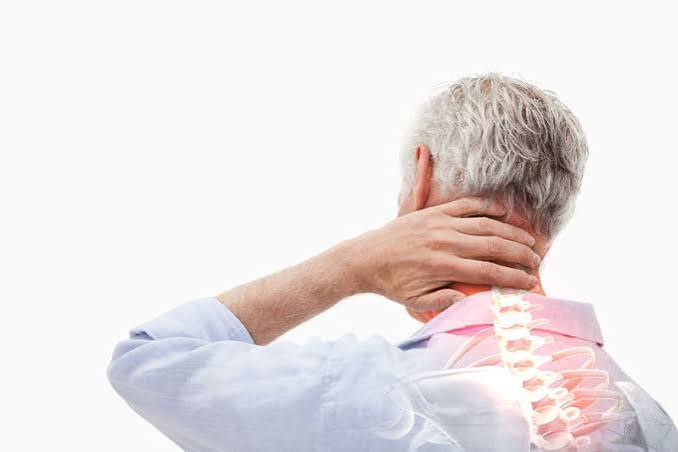
Musculoskeletal problems — conditions affecting the bones, joints, muscles, tendons, and ligaments — are among the most prevalent health concerns in adults worldwide. They account for a substantial portion of primary care visits, lost workdays, disability claims, and reduced quality of life across all age groups, with prevalence increasing significantly after 40. Many of the common bone, joint, and muscle problems in adults are either preventable, manageable with appropriate intervention, or both. Understanding what these conditions are, how they typically present, and what distinguishes one from another helps adults recognize problems early, seek appropriate care, and engage more effectively with their own musculoskeletal health management.
Osteoarthritis: The Most Common Joint Condition
Osteoarthritis (OA) is the most prevalent joint disease in adults worldwide, affecting an estimated 32.5 million Americans and representing the leading cause of disability in older adults. It develops when articular cartilage — the smooth tissue covering bone ends within joints — degrades over time, leading to joint pain, stiffness, reduced range of motion, and eventual bony changes including the formation of bone spurs (osteophytes) at joint margins.
OA most commonly affects the knees, hips, hands (particularly the finger joints and base of the thumb), and spine, though it can involve any joint. Symptoms typically develop gradually: early OA may cause only morning stiffness that resolves within 30 minutes of activity, or aching after prolonged use. As the condition progresses, pain may occur with less activity and eventually at rest. Joint swelling, crepitus (a crunching or grinding sensation with movement), and reduced range of motion are characteristic findings.
Risk factors for OA include age, sex (women are more commonly affected, particularly in the hands and knees), prior joint injury, excess body weight (especially for knee OA), repetitive joint use from occupational or athletic activities, and family history. Importantly, OA is no longer viewed purely as mechanical wear and tear — research has established a significant inflammatory component that both drives symptoms and influences progression, explaining why metabolic conditions associated with systemic inflammation (obesity, type 2 diabetes) are independent risk factors beyond their mechanical effects.
Management of OA centers on exercise (the most consistently evidence-supported intervention), weight management, physical therapy, pain relief as needed, and — for advanced cases — joint replacement surgery. Understanding OA as a condition where the trajectory is substantially modifiable, rather than simply an inevitable consequence of aging, is central to effective management. Adults building a comprehensive understanding of what musculoskeletal health involves are better positioned to address OA proactively.
Osteoporosis and Osteopenia: The Silent Bone Conditions
Osteoporosis is defined by low bone mineral density and deterioration of bone microarchitecture, resulting in increased bone fragility and fracture risk. It is diagnosed when bone density falls more than 2.5 standard deviations below the mean for young healthy adults (a T-score of −2.5 or lower on DEXA scanning). Osteopenia describes bone density in the range between normal and osteoporotic (T-score between −1.0 and −2.5).
Osteoporosis is often called the silent disease because it causes no pain, no functional limitation, and no detectable symptoms until a fracture occurs. The National Osteoporosis Foundation estimates that approximately 10 million Americans have osteoporosis and an additional 44 million have low bone density, placing them at increased fracture risk. Hip fractures — the most clinically serious consequence of osteoporosis — carry significant morbidity, with studies showing that 20–30% of adults who sustain a hip fracture die within one year, and many of those who survive lose the ability to live independently.
Vertebral compression fractures are another major consequence of osteoporosis. These can occur with minimal trauma — sometimes from coughing, reaching, or stepping down from a curb — and may cause acute back pain or develop silently and be discovered only on imaging. Repeated vertebral fractures cause progressive loss of height and the development of hyperkyphosis (a stooped forward posture), which in turn restricts breathing capacity and further impairs mobility and quality of life.
Prevention centers on adequate calcium and vitamin D intake throughout adulthood, weight-bearing and resistance exercise, avoidance of smoking and excessive alcohol, and — for those at high risk or with diagnosed osteoporosis — pharmacological treatment with agents that reduce bone loss or stimulate bone formation. The case for applying preventive attention to musculoskeletal health after 40 is particularly compelling for osteoporosis, where the window for prevention substantially exceeds the window for treatment after fracture has occurred.
Inflammatory Arthritis: Rheumatoid, Psoriatic, and Gout
Not all arthritis is osteoarthritis. Inflammatory arthritides are conditions in which the immune system drives joint inflammation, causing a different clinical picture from the mechanically-driven degeneration of OA — and requiring different management approaches.
Rheumatoid arthritis (RA) is an autoimmune disease in which the immune system attacks the synovial lining of joints, causing inflammation, pain, swelling, and — if untreated — progressive joint destruction. RA characteristically affects small joints symmetrically (both wrists and hands, both feet), causes morning stiffness lasting more than one hour, and is accompanied by systemic features including fatigue and, in some cases, inflammation of other organs. RA affects approximately 1.5 million Americans, with women affected two to three times more often than men. Diagnosis is confirmed through blood tests (rheumatoid factor, anti-CCP antibodies), inflammatory markers, and imaging. Effective treatments including disease-modifying antirheumatic drugs (DMARDs) and biological therapies can control disease activity and prevent structural damage when begun early.
Psoriatic arthritis develops in approximately 30% of people with psoriasis and can affect any joint. It presents variably — sometimes resembling RA with symmetrical small-joint involvement, sometimes affecting large joints asymmetrically, and sometimes causing the characteristic “sausage digit” swelling of an entire finger or toe (dactylitis). It may develop before, with, or after psoriasis skin lesions.
Gout is caused by the deposition of monosodium urate crystals in joints, typically due to elevated blood uric acid levels. Acute gout attacks cause sudden, severe joint pain — classically in the big toe, though the ankle, knee, and other joints can be affected — with extreme tenderness, swelling, warmth, and redness that typically peaks within 24 hours and resolves over days to weeks. Recurrent attacks, if untreated, can lead to chronic joint damage and the formation of tophi (urate crystal deposits in soft tissues). Gout is triggered by dietary factors (high-purine foods, alcohol, fructose), diuretic use, kidney disease, and genetic predisposition to elevated uric acid.
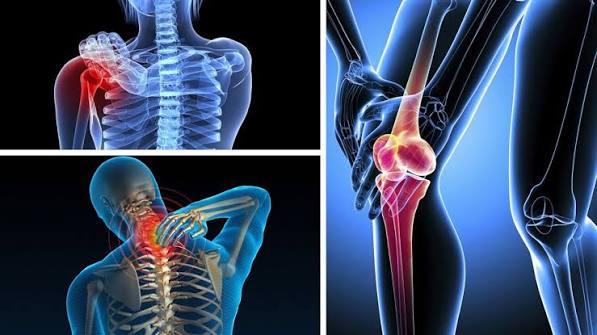
Back Pain: The Leading Cause of Disability Worldwide
Low back pain is the single leading cause of disability globally, affecting approximately 80% of adults at some point in their lives and accounting for more lost workdays than any other musculoskeletal condition. It encompasses a heterogeneous group of conditions rather than a single diagnosis.
Muscle and ligament strain — the most common cause of acute back pain — results from overloading or stretching of the muscles and ligaments supporting the spine. It typically resolves within days to weeks with conservative management, and the vast majority of acute back pain episodes do not indicate serious underlying pathology.
Disc herniation occurs when the soft inner material of an intervertebral disc protrudes through the outer fibrous ring, potentially compressing adjacent nerve roots. This can cause back pain combined with radiculopathy — pain, numbness, or weakness that radiates along the distribution of the compressed nerve (into the leg in lumbar disc herniation, into the arm in cervical disc herniation). The term sciatica specifically describes radicular symptoms from lumbar nerve root compression, typically felt as pain radiating from the lower back through the buttock and down the leg.
Degenerative disc disease refers to age-related changes in intervertebral discs — loss of disc height, reduced disc hydration, and reduced shock-absorbing capacity — that can contribute to back pain. It is extremely common on imaging in adults over 40 but correlates imperfectly with symptoms: many people with significant disc degeneration on MRI have no back pain, while others with relatively minor imaging changes have significant disability.
Spinal stenosis describes narrowing of the spinal canal or the foramina (openings through which nerve roots exit the spine), causing compression of the spinal cord or nerve roots. It typically causes neurogenic claudication — leg pain, heaviness, or weakness brought on by walking or standing and relieved by sitting or leaning forward — and is most common in adults over 50 due to age-related disc degeneration and osteophyte formation. Understanding back pain comprehensively — as part of an overall approach to how bones, joints, and muscles work together — helps adults contextualize their symptoms and engage more productively with their healthcare provider.
Tendon and Overuse Conditions
Tendons — the fibrous structures that connect muscles to bone — are subject to both acute injury and chronic overuse-related deterioration. Tendon problems are among the most common musculoskeletal complaints in adults, particularly those engaged in physically demanding work or recreational sport.
Tendinopathy (previously called tendinitis, though most chronic tendon pain does not involve acute inflammation) describes degenerative changes in tendon tissue — disorganization of collagen fibers, increased tendon volume, and altered cell activity — that cause pain and reduced load tolerance. Common sites include the Achilles tendon (posterior heel pain), the patellar tendon (anterior knee pain in athletes), the rotator cuff tendons in the shoulder, and the medial or lateral epicondyle tendons in the elbow (golfer’s and tennis elbow, respectively).
Bursitis is inflammation of a bursa — a small fluid-filled sac that cushions the interface between tendons, muscles, and bony prominences. Common sites include the subacromial bursa in the shoulder, the trochanteric bursa on the outer hip, and the prepatellar bursa at the front of the knee. Bursitis typically presents as localized pain and tenderness at the affected bursa, aggravated by movements that compress or stretch the inflamed tissue.
Rotator cuff tears — partial or complete tears of the tendons forming the rotator cuff in the shoulder — are extremely common in adults over 40, present in approximately 25% of adults over 60 and 50% of those over 80 on imaging. They cause shoulder pain and weakness, particularly with overhead activities, and range from asymptomatic (a substantial proportion of rotator cuff tears detected on imaging cause no symptoms) to severely limiting. Management depends on tear characteristics, symptom severity, and individual factors, with physical therapy and surgery both playing roles in appropriate cases.
Muscle Conditions: Strain, Sarcopenia, and Fibromyalgia
Muscle strain — injury to muscle fibers from overstretching or overloading — is one of the most common acute musculoskeletal injuries. It ranges from mild (grade 1, involving microscopic fiber disruption with minimal strength loss and quick recovery) to severe (grade 3, involving complete muscle rupture requiring extended recovery and sometimes surgical repair). Strains most commonly affect the hamstrings, quadriceps, calf, lower back, and shoulder muscles.
Sarcopenia — progressive, generalized skeletal muscle loss and weakness associated with aging — affects an estimated 10–20% of adults over 65 and is a major contributor to falls, fractures, functional decline, and loss of independence. It is now recognized as a disease entity rather than an inevitable aging process, with established diagnostic criteria and effective treatments centered on resistance training and protein nutrition optimization. Sarcopenia’s functional consequences are explored in depth in resources on why musculoskeletal health matters after 40.
Fibromyalgia is a chronic condition characterized by widespread musculoskeletal pain, fatigue, sleep disturbance, and often cognitive difficulties (frequently described as “brain fog”). It is not a structural or inflammatory condition — imaging and blood tests are normal — but rather a central sensitization disorder in which the nervous system amplifies pain signals. It affects approximately 4 million Americans (predominantly women) and is often misdiagnosed or delayed in diagnosis. Management centers on exercise, cognitive-behavioral approaches, sleep optimization, and in some cases pharmacological support.
Carpal Tunnel Syndrome and Repetitive Strain Injuries
Repetitive strain injuries — conditions resulting from repeated mechanical stress on specific tissues without adequate recovery time — are among the most common occupational and recreational musculoskeletal problems in working-age adults.
Carpal tunnel syndrome (CTS) results from compression of the median nerve as it passes through the carpal tunnel at the wrist, causing numbness, tingling, and pain in the thumb, index, middle, and part of the ring finger. Nighttime symptoms — waking with hand tingling or pain — are characteristic. CTS is associated with repetitive wrist movements, prolonged gripping, vibrating tool use, fluid retention (explaining its higher prevalence in pregnancy), and conditions including hypothyroidism and diabetes. Conservative management includes wrist splinting, activity modification, and steroid injection; surgical release is highly effective for cases that do not respond to conservative care.
Plantar fasciitis — the most common cause of heel pain in adults — involves degeneration and inflammation of the plantar fascia, the thick band of tissue running along the sole of the foot from the heel bone to the toes. It causes sharp heel pain, characteristically worst with the first steps in the morning or after prolonged sitting, that improves with continued walking. Risk factors include sudden increases in activity, prolonged standing, high-arched or flat feet, tight calf muscles, and excess body weight.
Most Common Bone, Joint, and Muscle Problems in Adults (Overview)
The most prevalent musculoskeletal conditions in adults include: osteoarthritis (cartilage degeneration, particularly in the knees, hips, and hands); osteoporosis/osteopenia (reduced bone density and fracture risk, often silent until fracture); low back pain (the leading cause of disability globally, with multiple structural and non-structural causes); inflammatory arthritis (including rheumatoid arthritis, psoriatic arthritis, and gout); tendinopathy and bursitis (overuse and degenerative tendon and bursa conditions); sarcopenia (age-related muscle loss); and repetitive strain conditions such as carpal tunnel syndrome and plantar fasciitis. Most of these conditions are substantially modifiable through lifestyle, exercise, and early medical intervention.
When Symptoms Should Not Be Dismissed
Most musculoskeletal symptoms in adults are from benign, self-limiting causes. However, certain features warrant prompt evaluation rather than watchful waiting.
Frequently Asked Questions
How do I know if my joint pain is osteoarthritis or inflammatory arthritis?
Several features help distinguish these conditions clinically, though professional evaluation with blood tests and sometimes imaging is required for definitive diagnosis. Osteoarthritis pain tends to worsen with activity and improve with rest; morning stiffness typically resolves within 30 minutes. Inflammatory arthritis (rheumatoid arthritis, psoriatic arthritis) typically causes more prolonged morning stiffness — often an hour or more — that improves with movement rather than rest. Inflammatory arthritis is more likely to cause systemic features such as fatigue and may involve joints symmetrically. Blood tests including rheumatoid factor, anti-CCP antibodies, and inflammatory markers (CRP, ESR) help distinguish these patterns, though not all cases are straightforward. A physician or rheumatologist evaluation is the appropriate next step when the diagnosis is uncertain.
Is back pain more likely to be a muscle problem or a disc problem?
The most common cause of acute back pain is muscle and ligament strain — far more common than disc herniation or other structural problems. Features suggesting disc herniation with nerve root compression include pain that radiates down one or both legs (below the knee), is associated with numbness or weakness in the leg, and is aggravated by activities that increase disc pressure (sitting, bending forward, coughing, sneezing). Pure back pain without radiating leg symptoms is more commonly from muscle, ligament, or facet joint sources. Imaging (MRI) is generally not recommended for acute back pain without neurological symptoms or red flag features, as it commonly reveals degenerative changes that are not actually causing the current symptoms.
Can gout be cured, or is it a lifelong condition?
Gout is a manageable condition that can be effectively controlled, and in some cases the underlying uric acid level can be normalized to the point where attacks stop occurring entirely. The key is identifying and addressing the cause of elevated uric acid — dietary modification (reducing high-purine foods, alcohol, and fructose), reviewing any medications that raise uric acid (particularly diuretics), managing kidney function, and for many patients, using urate-lowering medications (allopurinol or febuxostat) to keep serum uric acid below the crystal-formation threshold of approximately 6 mg/dL. Patients who achieve sustained urate lowering below this level typically have no further attacks and may see existing tophi gradually dissolve. Gout that goes untreated or undertreated can cause progressive joint damage and tophi formation that are much more difficult to manage.
What is the difference between a sprain and a strain?
A sprain is an injury to a ligament (which connects bone to bone), while a strain is an injury to a muscle or tendon (which connects muscle to bone). Both involve stretching or tearing of the affected tissue and are graded by severity: grade 1 is mild stretching without significant tear, grade 2 is a partial tear, and grade 3 is a complete rupture. Both are treated with initial RICE protocol (rest, ice, compression, elevation) and progressive rehabilitation, with grade 3 injuries sometimes requiring surgical repair. The distinction matters clinically because ligaments and tendons have different healing timelines and different rehabilitation approaches.
Are musculoskeletal problems more common in certain occupations?
Yes, significantly. Occupations involving prolonged static postures, repetitive movements, heavy lifting, vibration exposure, or awkward positions have substantially higher rates of musculoskeletal injury and chronic pain. Healthcare workers, construction workers, office workers with ergonomically poor setups, manufacturing workers, and anyone with prolonged computer use face particular risks. Work-related musculoskeletal disorders (WRMDs) are among the most common occupational health conditions, accounting for approximately one-third of work-related injuries. Ergonomic assessment of the work environment, movement variety, regular breaks, and appropriate strengthening exercises targeting the specific demands of the occupation are the evidence-based preventive approaches.
Does weather really affect joint pain?
Many people with arthritis and other joint conditions report that their symptoms worsen with certain weather patterns, particularly cold, wet, or low-pressure conditions. The scientific evidence for this relationship is mixed — studies have produced inconsistent results, with some finding small but statistically significant associations and others finding no relationship. A plausible mechanism involves changes in barometric pressure affecting the pressure within joint spaces and the behavior of inflamed tissues, but the effect size in studies that do show an association is typically modest. What is well-established is that cold temperatures increase muscle stiffness and reduce tissue elasticity, which may increase pain perception and injury risk in cooler conditions independent of any direct joint effect.
At what age should adults start monitoring for osteoporosis?
For women, bone density testing (DEXA scan) is recommended starting at age 65, or earlier for women under 65 who have significant risk factors — including early menopause, prolonged corticosteroid use, a family history of hip fracture, low body weight, smoking, or history of fracture from low-impact trauma. For men, routine screening is less well-defined by guidelines, but testing is generally recommended for men with significant risk factors or clinical conditions associated with bone loss. The FRAX tool (Fracture Risk Assessment Tool) is a validated calculator that estimates 10-year fracture probability using risk factors, and can inform decisions about testing and treatment for both sexes. Discussing your individual risk profile with your healthcare provider is the appropriate starting point for determining monitoring frequency.
References and Further Reading
- CDC — Arthritis Data and Statistics: Comprehensive population-level data on osteoarthritis and other arthritis conditions.
- NIH NIAMS — Osteoporosis: Evidence-based overview of bone density loss, risk, and prevention.
- Mayo Clinic — Back Pain: Symptoms and Causes: Clinically reviewed guide to back pain types, red flags, and management.
- American College of Rheumatology — Rheumatoid Arthritis: Authoritative patient information on RA diagnosis and treatment.
- Arthritis Foundation — Gout: Practical guide to gout symptoms, triggers, and management.
- National Osteoporosis Foundation — Bone Health Resources: Patient tools for fracture risk assessment and bone health management.
- NIH MedlinePlus — Carpal Tunnel Syndrome: Authoritative overview of CTS symptoms, diagnosis, and treatment.
- American Academy of Family Physicians — Plantar Fasciitis: Evidence-based review of diagnosis and management.
I have rheumatoid arthritis diagnosed three years ago, and the comparison between RA and osteoarthritis in your article is the clearest explanation I’ve found of why the two conditions are treated so differently. Before my diagnosis I spent two years being told my hand pain was ‘early arthritis’ and to take ibuprofen, which helped temporarily but didn’t address the underlying process. When I finally saw a rheumatologist and the anti-CCP test came back strongly positive, I was started on methotrexate within weeks. The difference in my joint function and fatigue over the six months since starting disease-modifying treatment compared to the two years of symptomatic management has been transformative. The earlier detection piece your article emphasizes is real — if inflammatory arthritis is caught before significant joint damage occurs, the long-term outcomes are much better. Anyone with persistent joint pain and morning stiffness lasting more than 30 minutes should ask their doctor specifically about testing for inflammatory arthritis.
The section on vertebral compression fractures was something I had no awareness of before reading this article. My 79-year-old mother lost about two and a half inches of height over a five-year period, which her GP attributed to ‘normal aging posture changes.’ After reading your article I asked about vertebral fractures specifically, and a spine X-ray confirmed she had multiple old compression fractures that had never been diagnosed. She was then evaluated and found to have severe osteoporosis that had also never been formally diagnosed despite multiple GP appointments. She has been started on bisphosphonate therapy and calcium supplementation. The point about these fractures occurring silently and even the lost height being dismissed rather than investigated seems to be a real gap in routine care for older adults, at least in our experience.
Your mother’s experience reflects a well-documented clinical gap. Vertebral compression fractures are the most common osteoporotic fractures, occurring in approximately 1.5 million Americans per year, yet fewer than one-third are diagnosed at the time of occurrence. Many occur with minimal or no pain and are discovered only when imaging is performed for another reason. Height loss of two centimetres or more since age 25, or acute back pain in an older adult after minor activity, are recognized clinical triggers for vertebral fracture evaluation, but these triggers are inconsistently applied in busy primary care settings. The clinical significance of missed vertebral fractures extends beyond the fractures themselves: a vertebral fracture is the strongest independent predictor of a future fracture — including hip fracture — with risk increased 5-fold. This is sometimes called the ‘cascade of fractures’ in osteoporosis literature. A person with a confirmed vertebral fracture who is not on treatment represents an extremely high-risk individual who would benefit substantially from pharmacological bone-strengthening therapy. The medications available — bisphosphonates, denosumab, and anabolic agents like romosozumab or teriparatide — are effective and can substantially reduce subsequent fracture risk. I hope your mother’s treatment provides meaningful benefit going forward.
Pingback: Bone Health Numbers Every Adult Should Know
Pingback: Muscle Health Basics for Adults: A Complete Guide