
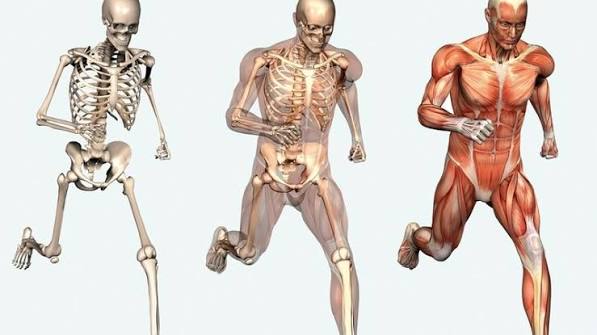
Bone, joint, and muscle health forms the structural and functional foundation of nearly everything the body does — from standing upright and walking to lifting, reaching, and maintaining balance. Together, these three systems make up the musculoskeletal system, and their condition directly determines how independently and comfortably a person moves through daily life. Despite this central importance, bone, joint, and muscle health often receives less systematic attention than cardiovascular or metabolic health until pain, stiffness, or reduced function forces the issue. Understanding what musculoskeletal health actually means — what healthy function looks like, what threatens it, and what consistently supports it — gives adults a practical framework for protecting one of the body’s most essential systems throughout life.
What Is the Musculoskeletal System?
The musculoskeletal system is the collective term for the body’s bones, joints, cartilage, muscles, tendons, and ligaments working as an integrated mechanical and biological unit. In adults, this system includes approximately 206 bones, over 300 joints, more than 600 skeletal muscles, and thousands of tendons and ligaments that connect these structures and coordinate their movement.
Bones provide rigid structural support, protect internal organs, anchor muscles through tendons, and serve as the body’s primary reservoir for calcium and phosphorus. Bone is not static tissue — it continuously remodels itself through a process in which specialized cells called osteoclasts break down aging bone tissue and osteoblasts deposit new bone. This remodeling cycle maintains bone strength, repairs microscopic damage from daily mechanical stress, and adjusts bone architecture in response to the forces placed upon it. The balance between breakdown and formation determines bone density, and disruption of this balance — whether through aging, hormonal changes, or nutritional deficiency — is the underlying mechanism of osteoporosis.
Joints are the connections between bones that allow movement. Different joint designs permit different ranges of motion: ball-and-socket joints at the hip and shoulder allow rotation in multiple planes, hinge joints at the knee and elbow permit flexion and extension, and gliding joints in the wrist allow limited sliding movement. Most joints contain articular cartilage — a firm but flexible tissue that cushions the bone ends and reduces friction during movement — as well as synovial fluid that lubricates the joint space and delivers nutrients to cartilage, which has no direct blood supply of its own.
Muscles generate the forces that move the skeleton. Skeletal muscle tissue is composed of fibers that contract when stimulated by motor nerve signals, producing tension that pulls on the tendons and bones they attach to. Muscles also maintain posture against gravity, generate body heat, protect joints by absorbing shock and stabilizing joint structures during movement, and contribute directly to metabolic health through their role in glucose uptake and insulin sensitivity.
Tendons and ligaments complete the mechanical system. Tendons connect muscles to bones, transmitting muscular force to the skeleton. Ligaments connect bones to other bones, stabilizing joints and limiting movement to safe ranges. Both are composed primarily of collagen fibers and have limited blood supply, which is why tendon and ligament injuries heal more slowly than muscle injuries.
How Bones, Joints, and Muscles Work Together
The three components of the musculoskeletal system do not operate independently — they function as a tightly integrated mechanical unit where the health of each element directly affects the others.
When muscle strength declines, the joints those muscles cross experience greater impact forces and reduced dynamic stabilization, accelerating cartilage wear and increasing injury risk. A person with weak quadriceps muscles, for example, places substantially more compressive force on the knee joint during walking and stair climbing. Conversely, joint damage that causes pain reduces willingness to use the affected limb, leading to muscle atrophy from disuse that further destabilizes the joint — a self-reinforcing cycle that healthcare providers frequently see in osteoarthritis management.
Bone density and joint integrity are equally interrelated. Bones that have lost density through osteoporosis become less able to absorb and distribute the compressive and shear forces that healthy bone and cartilage manage together. When cartilage degrades, the underlying bone experiences abnormal mechanical loading that drives the development of bone spurs and progressive joint structural change. Addressing either problem in isolation produces less durable results than addressing both simultaneously.
This interconnection explains why integrated approaches to musculoskeletal care consistently outperform single-component strategies. Resistance training improves both bone density and joint stability at the same time. Weight management reduces compressive forces on joints while also reducing systemic inflammation that impairs muscle protein synthesis. Adequate calcium and vitamin D intake supports not only bone mineralization but also muscle contractile function, since calcium plays a critical biochemical role in the triggering of muscle contraction. Each intervention that supports one component tends to benefit the others, and each deficit tends to compound across the system.
Why Bone, Joint, and Muscle Health Matters After Age 40
The musculoskeletal system undergoes predictable biological changes with aging that, if unaddressed, accumulate into significantly reduced function and quality of life. Understanding these changes is what makes the case for treating musculoskeletal health as a proactive priority rather than a reactive concern.
Bone density peaks in the late 20s to early 30s and then declines gradually through adulthood. In women, the rate of bone loss accelerates substantially after menopause due to falling estrogen levels, which normally suppress bone-resorbing osteoclast activity. The practical consequence is increased fracture risk from forces that healthy younger bone would easily absorb — particularly hip, vertebral compression, and wrist fractures that can severely limit mobility and independence. Hip fractures in particular carry a serious prognosis in older adults, with research showing that a significant proportion of those who experience one never fully recover their prior level of function.
Muscle mass begins declining from the mid-30s through a process called sarcopenia, at an estimated rate of 3–8% per decade, accelerating substantially after age 60. This decline is not inevitable — it is significantly slowed by consistent resistance training and adequate protein intake — but it proceeds rapidly without these inputs. Reduced muscle mass impairs strength, balance, metabolic rate, and the ability to perform routine daily activities, and is one of the strongest independent predictors of fall risk and functional decline in older adults.
Joint cartilage thins and degrades with cumulative mechanical use and age-related changes in the activity of cartilage cells (chondrocytes). The water content of cartilage decreases with age, reducing its shock-absorbing capacity. Inflammatory signaling within joint tissues increases, contributing to both pain and accelerated cartilage loss. These changes underlie the high prevalence of osteoarthritis among older adults — a condition that affects not only physical function but consistently ranks among the leading causes of activity limitation and reduced quality of life in this population. Adults tracking their health comprehensively — as outlined in resources like an annual health checklist approach — benefit from applying the same discipline to musculoskeletal monitoring as to metabolic and organ health.
The significance of these age-related changes extends beyond physical discomfort. Functional limitation from musculoskeletal problems is among the leading drivers of reduced independence, social isolation, and depression among older adults. Protecting the structural and functional capacity of this system is central to maintaining quality of life through the later decades of life.
Key Risk Factors for Musculoskeletal Problems
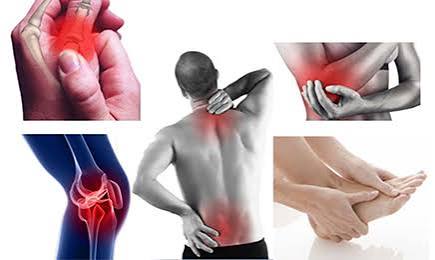
Several modifiable and non-modifiable factors shape the trajectory of musculoskeletal health over time. Identifying which risk factors apply allows adults to direct preventive effort where it will have the greatest impact.
Non-modifiable risk factors include age (the strongest single predictor of musculoskeletal decline), sex (women face substantially higher osteoporosis risk after menopause), family history (genetic factors account for 50–80% of peak bone density variance), and prior injury (past joint or bone injury increases long-term risk at that site).
Modifiable lifestyle factors with the greatest documented impact include:
- Physical inactivity. Sedentary behavior accelerates both bone density loss and muscle atrophy. Weight-bearing exercise stimulates bone formation; resistance exercise preserves and builds muscle mass. Adults who are consistently inactive lose both of these protective stimuli simultaneously.
- Nutritional deficiencies. Inadequate calcium and vitamin D intake impairs bone mineralization. Protein insufficiency limits muscle protein synthesis. Magnesium deficiency affects both bone mineral density and muscle contractile function. These deficiencies are common among adults who do not systematically monitor dietary adequacy.
- Excess body weight. Obesity substantially increases compressive forces on weight-bearing joints — research suggests that each pound of body weight translates to approximately four pounds of force across the knee joint during walking. This mechanical overloading accelerates cartilage wear and is among the strongest modifiable risk factors for knee and hip osteoarthritis.
- Smoking. Tobacco use reduces bone density through multiple mechanisms, impairs fracture healing, and is associated with elevated risk of inflammatory back pain and degenerative joint disease.
- Excessive alcohol consumption. Heavy alcohol use interferes with calcium absorption and impairs the function of bone-forming osteoblasts, reducing bone density progressively over time.
- Chronic systemic inflammation. Conditions that generate persistent inflammatory signaling — including poorly controlled type 2 diabetes, rheumatoid arthritis, inflammatory bowel disease, and obesity — accelerate both bone loss and cartilage degradation through elevated inflammatory cytokines that directly impair musculoskeletal tissue health.
Adults managing other chronic health conditions should discuss musculoskeletal implications with their healthcare provider. Just as a long-term health plan for any body system requires regular review, musculoskeletal health benefits from the same systematic and forward-looking approach to risk management.
Signs of Good Bone, Joint, and Muscle Health
Unlike elevated blood pressure or blood glucose, healthy musculoskeletal function does not have a single number that signals adequacy. Instead, it is characterized by a cluster of functional capacities that reflect the underlying integrity of the system’s components.
Practical indicators that musculoskeletal function is well-maintained include:
- Moving through daily activities — walking, climbing stairs, rising from a chair, carrying moderate loads — without significant pain or compensatory limitation
- Maintaining good upright posture and stable balance without conscious effort during routine activities
- Being able to stand on one leg for 10 seconds or longer without significant difficulty (a validated, simple screen for fall risk in clinical settings)
- Grip strength within normal ranges for age and sex — a measure that research has shown is predictive of functional capacity and even all-cause mortality in older adults
- Recovering from routine physical exertion without disproportionate or prolonged muscle soreness
- Being able to reach, bend, and rotate through the ranges of motion needed for daily tasks without sharp pain
It is important to recognize that bone health, specifically, often cannot be assessed through physical symptoms alone. Significant bone density loss — to the level of osteoporosis — is frequently completely asymptomatic until a fracture occurs. This is why bone density testing (DEXA scanning) at guideline-recommended intervals is the only reliable way to assess bone health status, regardless of how functional and pain-free a person feels. Regular health monitoring, applied systematically as part of overall health maintenance, closes this important gap. Adults working with a physician to build a structured approach to medical appointments often find that musculoskeletal assessment becomes a consistent part of their annual health review.
How to Support Bone, Joint, and Muscle Health
Supporting musculoskeletal health effectively requires coordinated attention to physical activity, nutrition, daily habits, and appropriate professional monitoring.
Physical activity is the most powerful modifiable influence on the musculoskeletal system. Weight-bearing aerobic exercise — walking, hiking, dancing, stair climbing — applies mechanical stimulus to bone that drives remodeling and density maintenance. Resistance training builds and preserves muscle mass, supports joint stability, and also independently contributes to bone density. Balance and flexibility training reduce fall risk and maintain the functional range of motion needed for daily activities. Current guidelines recommend at least 150 minutes of moderate aerobic activity weekly alongside two or more sessions of muscle-strengthening exercise.
Nutritional priorities for musculoskeletal health center on calcium (1,000–1,200 mg daily for adults, with higher needs for women over 50 and all adults over 70), vitamin D (600–800 IU daily at minimum, with many adults requiring supplementation to reach adequate blood levels), protein (at least 0.8g per kilogram of body weight daily, with higher intakes supporting muscle maintenance in older adults), and anti-inflammatory dietary patterns that reduce the chronic inflammatory burden on joints and bone metabolism.
Lifestyle habits with documented musculoskeletal impact include avoiding smoking, limiting alcohol to moderate levels, maintaining a healthy body weight, using proper mechanics during lifting and carrying, taking movement breaks during prolonged sitting (which has been shown to independently impair joint health beyond just reducing total exercise), and prioritizing adequate sleep — during which growth hormone secretion supports muscle repair and bone remodeling cycles.
Regular professional monitoring appropriate to individual age and risk profile includes bone density testing at guideline-recommended intervals, annual clinical assessment of joint function and muscle strength, and prompt evaluation of new symptoms. Building consistent habits around health self-monitoring and medical engagement — applying the organizational approach many adults use for cardiovascular or metabolic health to musculoskeletal health as well — supports earlier identification of problems when intervention is most effective. Adults who have learned to manage one chronic health condition well, through strategies like those in a practical living-well roadmap, often find that the same principles of regular monitoring and proactive self-management transfer directly to musculoskeletal health.
What Is Bone, Joint, and Muscle Health? (Quick Summary)
Bone, joint, and muscle health — collectively called musculoskeletal health — refers to the structural integrity and functional capacity of the body’s bones, joints, cartilage, muscles, tendons, and ligaments. Together, these tissues form the system that enables movement, posture, and physical independence. Bone health means maintaining adequate density and strength to resist fracture. Joint health means preserving cartilage integrity and the smooth function of joint structures. Muscle health means maintaining sufficient mass, strength, and endurance for daily physical demands. All three are interdependent and collectively shaped by physical activity levels, nutritional adequacy, body weight, and aging — making proactive attention to this system one of the most important investments adults can make in long-term functional independence.
When to See a Doctor About Bone, Joint, or Muscle Concerns
Many musculoskeletal symptoms are transient and resolve with rest and conservative self-care. However, certain presentations warrant prompt professional evaluation rather than watchful waiting.
Seek medical evaluation promptly if you experience:
- Joint pain accompanied by significant swelling, warmth, or redness that does not begin to resolve within a few days
- Back or neck pain associated with numbness, tingling, or weakness in the arms or legs — symptoms that may indicate nerve involvement
- Any fracture resulting from a fall from standing height or lower, which is a potential indicator of underlying bone fragility
- Sudden, unexplained muscle weakness, particularly if it is asymmetric or progressive
- Pain that consistently wakes you from sleep, or that is worse at rest than with gentle activity — patterns that can indicate inflammatory arthritis or, in rare cases, more serious underlying causes
- Persistent joint pain or morning stiffness lasting more than six weeks, which meets the clinical threshold that triggers evaluation for inflammatory arthritis
For ongoing preventive monitoring, discuss with your primary care provider:
- Your personal risk factors for osteoporosis and whether bone density testing is appropriate for your age and history
- Whether your level of physical function — including strength, balance, and endurance — aligns with healthy norms for your age
- Any medications you take that may affect bone density, including long-term corticosteroids, certain antiepileptic drugs, or proton pump inhibitors used chronically
Early professional engagement with musculoskeletal concerns consistently produces better outcomes than delaying evaluation until symptoms significantly limit function. The same principle that applies to overall health — that proactive attention and systematic monitoring is more effective than reactive response — applies specifically and powerfully to musculoskeletal health. Adults who have built effective health monitoring habits, such as those who follow a structured approach to health maintenance after 60, find that extending this approach to musculoskeletal health requires only modest additional attention during regular preventive care visits.
Frequently Asked Questions About Bone, Joint, and Muscle Health
What is the difference between bone health, joint health, and muscle health?
Bone health refers to the density, structural strength, and remodeling activity of the 206 bones in the body. Joint health refers to the condition of the cartilage, synovial fluid, and supporting connective tissues at the connections between bones. Muscle health refers to the mass, strength, and functional capacity of the body’s more than 600 skeletal muscles. While each can be affected by distinct primary conditions — osteoporosis for bones, osteoarthritis for joints, sarcopenia for muscles — they are closely biologically interconnected. Decline in muscle strength destabilizes joints. Joint pain inhibits movement and causes muscle atrophy. Bone density loss alters joint mechanics. Addressing all three as an integrated system produces better outcomes than managing each in isolation.
At what age does musculoskeletal health typically begin to decline?
Bone density typically peaks in the late 20s to early 30s and then declines gradually. Muscle mass begins declining from the mid-30s at approximately 3–8% per decade, with the rate accelerating substantially after age 60. Joint cartilage accumulates wear over time, with clinically significant osteoarthritis becoming increasingly prevalent after age 45. These changes are predictable features of aging, but they are substantially modifiable. Regular exercise and adequate nutrition can significantly slow the rate of decline at every age — including in adults who begin these interventions late in life.
Can musculoskeletal decline be reversed, or can it only be slowed?
Some aspects can be meaningfully reversed; others are primarily slowed or managed. Bone density can increase in response to resistance training and correction of nutritional deficiencies — with the extent of recovery depending on baseline status and age. Muscle mass and strength can be substantially restored at virtually any age through consistent resistance training — studies have demonstrated clinically meaningful gains even in adults in their 80s and 90s. Articular cartilage damage in osteoarthritis cannot currently be reversed through non-surgical interventions, but disease progression can be substantially slowed and symptoms often managed effectively. Earlier intervention, before significant structural change has accumulated, consistently produces better outcomes.
How much calcium and vitamin D do adults actually need?
For adults aged 19–50, the recommended daily calcium intake is 1,000 mg. This increases to 1,200 mg daily for women over 50 and all adults over 70. For vitamin D, the recommendation is 600 IU daily for adults up to age 70 and 800 IU for those over 70, though many researchers and clinicians argue these recommendations are conservative for adults with limited sun exposure. The most reliable way to assess individual vitamin D adequacy is through blood testing of 25-hydroxyvitamin D levels. Adults with deficiency typically require supplementation to reach optimal ranges, as diet alone rarely provides sufficient amounts.
Does exercise help joint pain, or does it worsen it?
For the most common forms of joint pain — particularly osteoarthritis — regular, appropriately chosen exercise consistently reduces pain and improves function. The key is selecting movement that loads joints within comfortable ranges: walking, swimming, cycling, and targeted joint-stabilizing strength exercises are generally well-tolerated and beneficial. High-impact activities or movements that consistently provoke sharp pain should be modified. The widespread belief that joint pain requires rest is largely counterproductive — inactivity weakens the muscles that stabilize joints, ultimately worsening both symptoms and long-term structural outcomes. Exercise is one of the most consistently evidence-supported treatments for osteoarthritis.
What blood tests are relevant for assessing musculoskeletal health?
No single blood test provides a comprehensive musculoskeletal assessment, but several tests provide relevant information for different concerns. 25-hydroxyvitamin D measures vitamin D status relevant to bone health. Calcium and phosphorus levels reflect mineral metabolism. Parathyroid hormone (PTH) may be elevated in response to deficiency. Inflammatory markers — C-reactive protein (CRP) and erythrocyte sedimentation rate (ESR) — indicate systemic inflammation relevant to joint health. Rheumatoid factor and anti-CCP antibodies help evaluate for rheumatoid arthritis. Uric acid is relevant in suspected gout. Your doctor will select tests based on your specific symptoms and risk factors rather than ordering all of these simultaneously.
Is musculoskeletal pain an inevitable part of getting older?
Some degree of musculoskeletal change is a normal feature of aging, but significant pain that consistently limits daily function is not an inevitable or untreatable consequence of growing older. Many adults who have accepted ongoing musculoskeletal pain as normal aging have identifiable and treatable contributing factors — progressive muscle weakness, correctable nutritional deficiencies, treatable inflammatory conditions, or addressable biomechanical problems. A systematic medical evaluation of persistent or functional-limiting musculoskeletal pain frequently reveals actionable findings. Approaching musculoskeletal health with the same proactive mindset used for other chronic conditions — as outlined in guides to living well with ongoing health challenges — significantly improves both symptom management and long-term functional outcomes.
References and Further Reading
- CDC — Arthritis Data and Statistics: Prevalence and impact data for osteoarthritis and other musculoskeletal conditions in the US population.
- NIH National Institute of Arthritis and Musculoskeletal and Skin Diseases — Osteoporosis: Evidence-based overview of bone health, risk factors, and prevention strategies.
- National Osteoporosis Foundation — Bone Health Basics: Patient-oriented resources on bone density, testing, and fracture prevention.
- Mayo Clinic — Osteoarthritis: Symptoms and Causes: Clinically reviewed information on the most common joint condition affecting adults.
- CDC — Physical Activity for Arthritis: Evidence summary on exercise interventions for joint health.
- NIH MedlinePlus — Bones, Muscles, and Joints: Comprehensive patient resource library on musculoskeletal health.
- Journal of Bone and Mineral Research — Sarcopenia in Aging Adults: Peer-reviewed research on age-related muscle loss, mechanisms, and interventions.
- Arthritis Foundation — Joint Health Tips: Practical guidance on protecting joints throughout adulthood.
The point about grip strength being a predictor of functional capacity and even mortality was something I had not come across before. I’m 67 and had my grip strength measured at a fitness assessment last year — the physiotherapist mentioned it was on the lower end for my age but I didn’t think much about it at the time. After reading your article I looked up the research on grip strength and aging and found quite a body of literature connecting it to overall health outcomes. I’ve since started doing specific hand and forearm strengthening exercises three times a week and have noticed an improvement in how easily I can open jars and carry groceries. I think many adults don’t realize that grip strength isn’t just an athletic measure — it’s a genuine health indicator. Worth asking your physiotherapist or GP to measure and track it.
I appreciated the honest explanation of what can and cannot be reversed when it comes to musculoskeletal decline. I’m 58 and have mild osteoarthritis in my right knee. My orthopaedic surgeon told me at diagnosis three years ago that the cartilage damage was permanent — and I found that discouraging, to the point where I reduced my activity substantially. Your article clarified that while the cartilage damage itself is not reversible, the muscle weakness and functional decline that follow reduced activity very much are. I’ve recently started working with a physiotherapist specifically on quadriceps strengthening and the improvement in knee pain over twelve weeks has been significant. I wish the framing at diagnosis had been more forward-looking — ‘here is what you can still change’ rather than ‘here is the permanent damage.’ That distinction matters enormously for patient motivation.
You’ve identified a genuinely important issue in how osteoarthritis is communicated to patients. The framing of ‘irreversible cartilage damage’ at diagnosis, while technically accurate about that specific tissue, often leads patients to conclude that nothing can be done — which is incorrect and counterproductive. The evidence on physiotherapy-led quadriceps strengthening for knee osteoarthritis is among the strongest in the entire musculoskeletal rehabilitation literature. A 2019 meta-analysis published in the British Journal of Sports Medicine found that land-based exercise reduced knee pain and improved function with effect sizes comparable to NSAIDs, without the gastrointestinal and cardiovascular side effects. The mechanism you’ve experienced directly — stronger quadriceps distributing compressive force more evenly across the joint, reducing loading on damaged cartilage areas — is well-established. The NICE guidelines in the UK now list exercise as a first-line treatment for osteoarthritis, before pharmacological options. Your experience of meaningful improvement at 12 weeks is consistent with trial data. The message that cartilage cannot be regenerated should always be paired with the message that the function and symptoms of osteoarthritis are meaningfully modifiable through targeted exercise.
Pingback: Bone Health Numbers Every Adult Should Know - Horizon Health Guide
Pingback: Joint Health Basics: A Simple Guide for Adults