

Muscle Health Basics for Adults
Muscle health basics for adults cover the fundamental biology of how muscle works, why muscle mass declines with age, what that decline means for overall health and longevity, and the evidence-based strategies that slow or reverse it. Understanding these basics gives adults the foundation to make informed decisions about exercise, nutrition, and medical care before problems become irreversible.
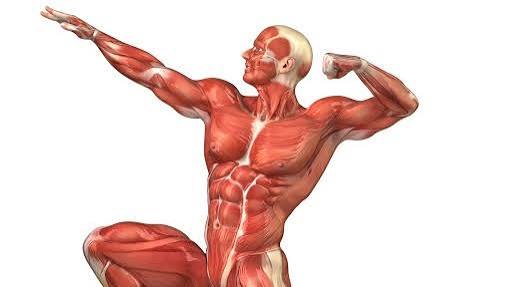
Muscle is the most metabolically active tissue in the human body. It is the primary site of glucose uptake, the engine of movement, a reservoir of amino acids drawn on during illness or injury, and a significant contributor to basal metabolic rate. Despite its importance, muscle health rarely receives the attention given to cardiovascular or bone health — yet the trajectory of muscle health across adulthood has consequences for nearly every aspect of physical functioning, metabolic health, fall risk, and recovery from illness.
The World Health Organization recommends muscle-strengthening activities on two or more days per week for all adults, yet surveys consistently show that this is one of the least-followed physical activity guidelines across adult populations globally.
Muscle Anatomy: What Adults Need to Know
Skeletal muscle — the type attached to bones that produces voluntary movement — is composed of muscle fibers (individual cells) organized into fascicles, bundled together and wrapped in connective tissue sheaths. Each fiber runs the length of the muscle and contains thousands of myofibrils — the contractile units built from interleaved protein filaments of actin and myosin. When a nerve signal arrives, actin and myosin filaments slide past each other, shortening the myofibril and generating force — this is the sliding filament mechanism of muscle contraction.
There are two main fiber types, each with different characteristics:
- Type I (slow-twitch) fibers: Fatigue-resistant, highly aerobic, contain large numbers of mitochondria, and are suited for sustained, lower-intensity activities like walking, distance running, and postural maintenance. They are the first recruited for low-intensity work.
- Type II (fast-twitch) fibers: Generate force rapidly and powerfully but fatigue more quickly. Type IIa fibers are intermediate — capable of both aerobic and anaerobic work; Type IIx fibers are the most powerful but also the most fatigable. Fast-twitch fibers are preferentially lost with aging, contributing to the decline in power and reaction time that characterizes sarcopenia.
Most muscles contain a mixture of fiber types, with the proportion determined by genetics, training history, and age. Resistance training, particularly explosive or high-velocity resistance exercise, selectively targets and maintains fast-twitch fiber mass and function — a key reason why power training (not just general resistance exercise) is recommended for older adults concerned about fall prevention.
Muscle Health Basics for Adults: Sarcopenia
Sarcopenia is the age-related loss of muscle mass and function that begins in the third decade of life and accelerates significantly after 60. The term, derived from Greek meaning “poverty of flesh,” was formally defined as a clinical condition in 2010 by the European Working Group on Sarcopenia in Older People (EWGSOP), and has since been recognized as an independent risk factor for disability, falls, hospitalization, and mortality.
The mechanisms driving sarcopenia are multiple and interacting:
- Reduced satellite cell activity: Satellite cells are the muscle stem cells responsible for repairing and regenerating muscle fibers. Their number and responsiveness decline with age, impairing the muscle’s ability to repair micro-damage from exercise and maintain fiber integrity.
- Anabolic resistance: Older muscles respond less effectively to protein intake and resistance exercise — the anabolic signals that trigger muscle protein synthesis are blunted. This means older adults need higher protein doses per meal to achieve the same synthetic response as younger adults.
- Hormonal changes: Declining levels of growth hormone, IGF-1, testosterone, and estrogen all contribute to reduced anabolic signaling in muscle tissue. The hormonal environment of aging is fundamentally less permissive to muscle maintenance than that of younger adulthood.
- Chronic low-grade inflammation: Sometimes called “inflammaging,” the baseline elevation in inflammatory cytokines (particularly IL-6, TNF-alpha, and IL-1beta) that characterizes aging promotes muscle protein breakdown and impairs synthesis.
- Motor unit remodeling: Motor neurons that innervate muscle fibers are lost with aging, and the surviving motor neurons expand their territory to reinnervate orphaned fibers. This process is imperfect and results in larger but less precise motor units, contributing to reduced coordination and power output.
- Mitochondrial dysfunction: Mitochondria in aging muscle cells show reduced density, impaired function, and increased production of reactive oxygen species. This reduces the muscle’s capacity for oxidative energy production, contributing to fatigue and reduced endurance.
The diagnosis of sarcopenia involves measurement of both muscle mass (using DEXA or bioimpedance) and function (grip strength, gait speed, or chair stand test). The most practical screening tool in a clinical setting is grip strength measurement: values below 27 kg for men and 16 kg for women (using a hand dynamometer) are the current EWGSOP2 cut-offs for low muscle strength, which triggers further assessment.
Why Muscle Mass Matters Beyond Appearance
The consequences of sarcopenia extend far beyond aesthetics or athletic performance. For adults, declining muscle mass and function have cascading effects on health:
- Falls and fractures: Muscle weakness and reduced power are the primary modifiable risk factors for falls in older adults. Every fall-related hip fracture — a major cause of mortality and permanent disability in those over 65 — begins with a failure of the neuromuscular system to respond quickly enough to a balance perturbation. Maintaining muscle power (the ability to generate force rapidly) is more protective against falls than muscle strength alone.
- Metabolic health: Skeletal muscle accounts for approximately 80% of insulin-stimulated glucose uptake. As muscle mass declines, metabolic capacity decreases, contributing to insulin resistance, impaired glucose tolerance, and increased type 2 diabetes risk. This relationship runs in both directions — diabetes itself accelerates sarcopenia through inflammatory and hormonal mechanisms.
- Resting metabolic rate: Muscle is metabolically expensive to maintain. Each pound of muscle burns approximately 6–10 calories per day at rest. As muscle mass declines, resting metabolic rate falls, making weight management increasingly difficult without dietary adaptation.
- Recovery from illness and surgery: During acute illness, the body catabolizes muscle protein to provide amino acids for immune function and tissue repair. Adults with higher muscle mass reserves tolerate this catabolic stress better and recover more completely. Low muscle mass at hospital admission is independently associated with longer hospital stays and worse surgical outcomes.
- Functional independence: The ability to perform basic activities — rising from a chair, climbing stairs, carrying groceries — depends directly on lower-body muscle strength. Once strength falls below threshold levels for these tasks, independence becomes threatened.
Resistance Training: The Most Important Intervention
Resistance training — exercise that places muscles under load, requiring them to generate force against external resistance — is the most evidence-supported intervention for preserving and building muscle mass and function across adulthood. Its benefits are not diminished by age: studies in adults in their 70s, 80s, and even 90s consistently show meaningful increases in muscle mass, strength, power, functional capacity, and quality of life in response to resistance training programs.
Key principles of effective resistance training for muscle health include:
- Progressive overload: The stimulus for muscle adaptation is mechanical tension. When muscles are challenged with loads greater than they are accustomed to, they adapt by increasing the size (hypertrophy) and strength of muscle fibers. Without progressive overload — gradually increasing weight, repetitions, or difficulty over time — adaptation plateaus.
- Multi-joint exercises: Exercises that involve multiple joints and large muscle groups (squats, deadlifts, rows, presses) produce greater hormonal responses and functional carryover to daily activities than single-joint isolation exercises.
- Frequency: Research supports training each major muscle group at least twice per week for optimal adaptation. Three sessions per week shows marginally greater gains in most studies but the difference with twice-weekly is modest.
- Intensity: Training to or near muscular failure (1–3 repetitions from failure) produces greater hypertrophy than leaving many repetitions in reserve, across a wide range of load magnitudes (30–85% of one-repetition maximum). This means lighter weights used with appropriate intensity can be as effective as heavy weights for muscle growth.
- Power component: For older adults specifically, including some higher-velocity training (moving lighter weights as explosively as possible) preserves fast-twitch fiber function and is particularly protective against falls.
Protein: The Building Block That Makes Exercise Work
Resistance training provides the stimulus for muscle protein synthesis, but the raw material for building new muscle comes from dietary protein. Without adequate protein intake, even a well-designed training program cannot produce optimal muscle adaptation. Conversely, high protein intake without training stimulus produces minimal muscle gains in healthy adults — both components are needed.
Current evidence on protein for muscle health in adults:
- Daily protein target: For adults interested in maintaining or building muscle, research supports protein intakes of 1.2–1.6 g per kilogram of body weight per day, substantially higher than the population-level RDA of 0.8 g/kg/day which reflects a minimum to prevent deficiency rather than an optimal amount for muscle maintenance.
- Per-meal dose: Muscle protein synthesis has a dose-response relationship with leucine (a key branched-chain amino acid) content per meal. Consuming at least 25–40 g of high-quality protein per meal (containing approximately 3 g of leucine) maximizes the synthetic response. Distributing protein intake across three to four meals throughout the day is more effective than eating the same total amount concentrated in fewer meals.
- Timing: Consuming protein within two hours of resistance exercise is beneficial, though the magnitude of this timing effect is modest compared to total daily protein intake. The anabolic window is wider than previously believed — the priority is hitting daily targets, with timing as a secondary optimization.
- Protein quality: Complete proteins containing all essential amino acids, particularly leucine, are most effective for stimulating muscle protein synthesis. Animal sources (meat, poultry, fish, eggs, dairy) typically have higher leucine content per gram of protein than plant sources, but plant-based dieters can achieve adequate leucine intake by increasing total protein intake or strategically combining sources (soy, which has relatively high leucine content, is a particularly useful plant protein for muscle goals).
The Journal of the International Society of Sports Nutrition position stand on protein and exercise provides a comprehensive review of the current evidence on optimal protein intake for adults seeking to maintain or build muscle mass at various ages.
Aerobic Exercise and Muscle Health
While resistance training is the primary driver of muscle mass, aerobic exercise plays complementary roles in muscle health that are often overlooked:
- Mitochondrial biogenesis: Aerobic exercise is the most potent stimulus for generating new mitochondria in muscle cells, improving oxidative capacity and reducing the mitochondrial dysfunction that contributes to sarcopenic muscle fatigue. This effect is independent of muscle mass and is important for endurance and metabolic health.
- Capillary density: Regular aerobic exercise increases the density of capillaries (small blood vessels) in muscle tissue, improving oxygen and nutrient delivery and waste removal — critical for both performance and recovery.
- Insulin sensitivity: A single session of aerobic exercise improves insulin-stimulated glucose uptake in muscle for 24–72 hours. Regular aerobic exercise produces sustained improvements in insulin sensitivity, supporting metabolic health in aging muscle.
The combination of resistance and aerobic exercise in the same training week — concurrent training — produces greater overall health benefits than either modality alone, and the evidence suggests that the interference effect (aerobic training impairing resistance training adaptations) is modest in practice, particularly when sessions are separated by several hours or performed on different days.
Sleep, Stress, and Muscle Recovery
Muscle protein synthesis and repair occur predominantly during sleep, particularly in the slow-wave (deep) sleep stages when growth hormone secretion peaks. Sleep deprivation impairs the hormonal environment for muscle recovery (reducing growth hormone and testosterone, elevating cortisol) and reduces the net muscle protein balance after exercise. Research shows that even a single night of inadequate sleep measurably blunts the anabolic response to resistance exercise the following day.
Chronic stress elevates cortisol, which in sustained excess promotes muscle protein catabolism (breakdown) and impairs anabolic signaling. This is one mechanism by which chronic psychological stress contributes to accelerated sarcopenia, independent of exercise and nutrition. Stress management — not as a peripheral lifestyle consideration but as a direct physiological lever on muscle health — deserves inclusion in any comprehensive approach to maintaining muscle mass with age.
For adults managing both exercise programs and high-stress life circumstances, the practical implication is that training volume needs to be calibrated to recovery capacity. Adding training stress when recovery is already compromised (poor sleep, high life stress) may produce more muscle breakdown than building.
Common Muscle Health Problems in Adults
Beyond the gradual decline of sarcopenia, several other muscle conditions affect adults:
- Muscle strains: Tears within muscle fibers, ranging from minor (grade 1) with intact fiber architecture to complete rupture (grade 3). Most strains involve the muscle-tendon junction and occur with sudden eccentric loading (muscle lengthening under tension). Hamstring and calf strains are among the most common in active adults.
- Delayed onset muscle soreness (DOMS): The muscle pain and stiffness experienced 24–72 hours after unaccustomed exercise, particularly eccentric-dominant exercise. DOMS reflects inflammatory processes associated with exercise-induced micro-damage, is a normal part of adaptation, and is not harmful when it resolves within 72–96 hours. Persistent soreness beyond this window warrants attention.
- Myopathy: Muscle disease can arise from inflammatory (myositis), metabolic (glycogen storage diseases), toxic (statin-associated myopathy), or hereditary causes. Symptoms typically include proximal muscle weakness (difficulty rising from chairs, raising arms overhead), elevated creatine kinase on blood testing, and may require specialist evaluation.
- Statin-associated muscle symptoms: Statins — widely used cholesterol-lowering medications — are associated with muscle symptoms ranging from mild myalgia (muscle ache) in 5–10% of users to, rarely, severe rhabdomyolysis. Most statin myopathy is mild and reversible with dose reduction or medication change. Adults on statins who develop new unexplained muscle pain or weakness should raise this with their prescribing physician.
Monitoring Muscle Health: Practical Tools
Several simple tools allow adults to monitor muscle health over time:
- Grip strength: Measurable with a handheld dynamometer (available inexpensively online) or at a physiotherapy clinic. Provides a reliable proxy for overall muscle strength and predicts functional outcomes.
- Chair stand test (five times sit-to-stand): Time how long it takes to rise from a chair and sit back down five times without using your arms. A time above 12 seconds suggests impaired lower body strength and power in adults under 70; above 15 seconds warrants attention in younger adults.
- Gait speed: Walking speed over a known distance. Gait speed below 0.8 m/s is associated with sarcopenia and increased mortality risk in older adults and can be measured informally over a 10-meter course.
- Body composition measurement: DEXA scanning provides the most accurate measurement of lean mass and fat mass, but bioimpedance analysis (BIA) scales provide a practical at-home alternative for tracking trends over time.
More information on recognizing specific muscle problems and their context within broader musculoskeletal health is available in our articles on signs your muscles may need better support, common bone, joint, and muscle problems in adults, and our overview of bone, joint, and muscle health.
Frequently Asked Questions About Muscle Health Basics
Is it too late to build muscle if I’m over 60?
No — the capacity to build muscle in response to resistance training is preserved throughout life, including into the 80s and 90s. The rate of adaptation is slower than in younger adults, and the anabolic threshold is higher (requiring more protein per meal to maximally stimulate synthesis), but meaningful gains in muscle mass, strength, and function are achievable at any age with consistent training. Multiple studies in previously sedentary adults over 65, 70, and 80 have demonstrated 20–30% increases in muscle strength and measurable increases in lean mass after 8–16 weeks of progressive resistance training. Starting is always better than not starting, and earlier is better than later.
How much protein do I actually need each day?
The official recommended dietary allowance (RDA) for protein is 0.8 g per kilogram of body weight per day, which represents the minimum to prevent deficiency in a sedentary population. For adults who exercise regularly, are over 65, or are actively trying to maintain or build muscle, current sports nutrition and gerontology evidence supports intakes of 1.2–1.6 g/kg/day. For a 70 kg (154 lb) adult, this translates to 84–112 g of protein per day. The most practical way to hit this target is to ensure each of three main meals contains 25–40 g of protein from high-quality sources (eggs, meat, fish, dairy, legumes with complementary grains, or soy products).
What is the difference between muscle mass and muscle strength?
Muscle mass refers to the total amount of muscle tissue, measured in kilograms or as a percentage of body weight. Muscle strength refers to the maximum force a muscle can produce — typically measured as the maximum weight that can be lifted once (one-repetition maximum). The two are related but not identical: strength is influenced by neural factors (how efficiently the nervous system recruits and coordinates motor units), tendon stiffness, and muscle architecture, in addition to fiber cross-sectional area. In practical terms, this means that someone can have relatively modest muscle mass but high strength (due to neuromuscular efficiency from training), or relatively high mass but reduced strength (as seen in some aspects of sarcopenia). For health outcomes, muscle function — particularly power and the ability to generate force rapidly — predicts outcomes more accurately than mass alone.
Can supplements help build muscle?
A few supplements have robust evidence for supporting muscle health in the context of resistance training. Creatine monohydrate is the most studied and has the strongest evidence: it increases phosphocreatine availability in muscle, enhancing the ability to perform high-intensity work and recover between sets, leading to greater training adaptations over time. Effects are more pronounced in older adults than younger ones. Protein supplements (whey, casein, soy, pea, etc.) can help reach adequate daily protein targets when dietary intake alone is insufficient — the source matters less than hitting the leucine threshold per meal. Beta-hydroxy-beta-methylbutyrate (HMB) has modest evidence for preserving muscle mass during periods of reduced activity or caloric restriction in older adults. Most other marketed muscle supplements lack meaningful evidence.
Why do my muscles feel weaker in cold weather?
Muscle function is temperature-dependent. Enzymatic reaction rates, including those involved in energy production and muscle fiber contraction, slow at lower temperatures. Muscle viscosity increases in the cold, requiring more force to achieve the same movement. Additionally, peripheral blood flow is reduced in cold conditions to preserve core temperature, reducing oxygen and substrate delivery to working muscles. These effects explain why warm-up is particularly important in cold environments and why performance is typically reduced without adequate preparation. Prolonged exposure to severe cold can also affect neuromuscular junction function through effects on nerve conduction velocity, contributing to reduced coordination and reaction time beyond the direct effects on muscle tissue.
What role does vitamin D play in muscle health?
Vitamin D receptors are present in skeletal muscle cells, and vitamin D plays a direct role in muscle protein synthesis, calcium handling within muscle fibers, and mitochondrial function. Deficiency is associated with proximal muscle weakness, reduced grip strength, impaired balance, and increased fall risk — all of which respond (though partially) to supplementation. The 2011 Institute of Medicine report noted that vitamin D plays a clear role in musculoskeletal health beyond bone alone, and subsequent meta-analyses have found that vitamin D supplementation reduces fall risk in deficient older adults. Ensuring adequate serum 25(OH)D levels (above 20 ng/mL, with many clinicians preferring above 30 ng/mL for muscle-specific benefits) is therefore relevant to muscle health as well as bone health.
Sources: World Health Organization; European Working Group on Sarcopenia in Older People (EWGSOP2); Journal of the International Society of Sports Nutrition; American College of Sports Medicine; Journal of Cachexia, Sarcopenia and Muscle; National Institute on Aging
The section on anabolic resistance in older adults finally explained something I had been puzzled about for two years. I started resistance training at 58 after reading about sarcopenia and was consistent for eight months, but was disappointed that my muscle gains seemed much smaller than what I was reading about in studies on younger adults. My trainer kept telling me I was doing everything right. Understanding that older muscles genuinely need a higher protein dose per meal to achieve the same synthetic response — and that 25 to 40 grams of protein per meal is the threshold, not 15 to 20 — led me to restructure my eating patterns. Four months after changing my protein distribution, with the same training program, my progress has been noticeably better. I wish I had read this explanation two years ago.
Your explanation of why power training specifically matters for fall prevention — beyond general strength training — was new information to me. I’m 71 and have been doing strength training consistently for three years, which my orthopedic surgeon encouraged after I had a knee replacement. But the distinction you draw between strength (maximum force) and power (force generated rapidly) and the fact that it’s power that determines whether you can catch yourself in a stumble is genuinely important. I spoke to my physiotherapist about this after reading the article and she agreed that I should add some explosive elements to my program — medicine ball throws, faster-tempo bodyweight squats, and step-up variations with more speed. We started this six weeks ago and while I cannot yet objectively measure the difference, I feel noticeably more confident on uneven ground and stairs.
Thank you for sharing this. The distinction between strength and power is one of the most clinically meaningful nuances in fall prevention research, and the fact that it is often absent from general exercise guidance represents a genuine gap. To add some context: the neuromuscular mechanisms that protect against falls during a stumble operate on a time scale of 100–200 milliseconds — the window between initial perturbation and the moment when a fall becomes unavoidable if a corrective response is not already underway. During this window, the muscle’s capacity for rapid force development (rate of force development, or RFD) is what matters. Maximum strength — the total force a muscle can produce — is reached much more slowly, typically over 300–500 milliseconds, and is not relevant within the fall-prevention window. This is why studies that measure only maximal strength find weaker associations with fall risk than studies that measure power or RFD. It is also why the explosive components your physiotherapist added — faster-tempo movements, medicine ball work — are specifically targeting the right adaptation. The confidence you describe on uneven ground and stairs likely reflects real improvements in proprioceptive responses and anticipatory postural adjustments, not just placebo effect. Continuing this approach is worthwhile, and progressive loading (increasing the challenge of those explosive components over time) will help sustain the adaptation.
Pingback: Mobility and Healthy Aging: What Adults Should Know - Horizon Health Guide
Pingback: Muscle Pain: Common Causes and Warning Signs