
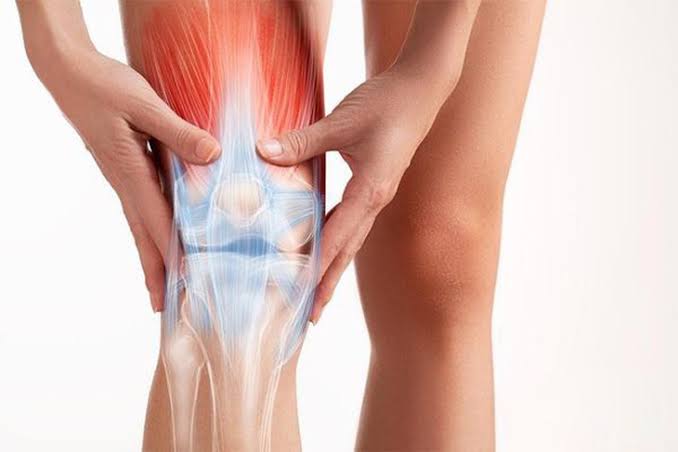
Joint Pain: Common Causes and When to Seek Care
Joint pain is one of the most common reasons adults seek medical care, affecting people of all ages from athletes recovering from acute injuries to older adults managing chronic conditions. Understanding the common causes of joint pain, what distinguishes serious from self-limiting causes, and when to seek care is essential knowledge for any adult navigating musculoskeletal health.
Joint pain ranges from mild stiffness after a long day of sitting to acute severe pain that prevents weight-bearing or normal movement. The causes span a wide spectrum — from self-limiting soft-tissue injuries to systemic inflammatory conditions requiring specialist management. Knowing where your symptoms sit on this spectrum determines whether rest, self-care, or urgent evaluation is the appropriate response.
The Centers for Disease Control and Prevention estimates that arthritis — the broad term for joint-related conditions — affects 54 million American adults. Yet many people live with joint pain for months or years before seeking evaluation, sometimes allowing treatable or progressive conditions to advance unnecessarily.
Joint Pain Common Causes: Osteoarthritis
Osteoarthritis (OA) is the most prevalent cause of joint pain in adults and the leading form of arthritis globally. It develops through the progressive breakdown of articular cartilage — the smooth, resilient tissue covering the ends of bones — accompanied by changes in the underlying bone, joint capsule, and synovial membrane. The result is a joint that generates pain with use, stiffens after rest, and gradually loses range of motion.
OA most commonly affects the knee, hip, hand joints (particularly the base of the thumb and the distal finger joints), and the spine. The classic pattern is:
- Pain that worsens with activity and typically improves with rest (in early to moderate disease)
- Morning stiffness lasting less than 30 minutes
- Crepitus — crackling, grinding, or clicking sensations during movement
- Bony enlargement at affected joints (Heberden’s and Bouchard’s nodes in finger joints)
- Gradual onset over months to years rather than sudden onset
Risk factors for OA include advancing age, female sex, obesity, prior joint injury, occupational joint loading, and genetic predisposition. Of these, weight and prior injury are the most modifiable. As our guide to joint health basics details, every pound of excess body weight adds approximately three to four pounds of force across the knee during walking, making weight management one of the most effective OA prevention and management strategies available.
Rheumatoid Arthritis: Immune-Driven Joint Pain
Rheumatoid arthritis (RA) is an autoimmune disease in which the immune system attacks the synovial membrane lining the joints, producing chronic inflammation that damages cartilage, bone, and periarticular structures. RA affects approximately 1.3 million Americans and is the most common form of inflammatory arthritis.
Key distinguishing features of RA compared to OA:
- Symmetric joint involvement — both wrists, both MCP joints (knuckles), both knees are typically affected rather than a single joint
- Morning stiffness lasting more than one hour, often substantially longer in active disease
- Systemic symptoms: fatigue, low-grade fever, weight loss, and malaise
- Elevated inflammatory markers: ESR, CRP, rheumatoid factor, and anti-CCP antibodies on blood tests
- Affects people of working age (peak onset 40–60), unlike OA which becomes increasingly common from the 60s onward
Early diagnosis and treatment of RA is critically important. Disease-modifying antirheumatic drugs (DMARDs), particularly methotrexate, can suppress inflammation, prevent joint destruction, and preserve function — but their benefit is substantially greater when started early. Adults experiencing symmetric small-joint pain with prolonged morning stiffness should seek medical evaluation promptly rather than managing with over-the-counter analgesia alone.
Gout: Crystals as a Cause of Acute Joint Pain
Gout is the most common form of inflammatory arthritis in adults and produces some of the most severe acute joint pain encountered in clinical practice. It results from the deposition of monosodium urate crystals in joint tissue following sustained elevation of serum uric acid (hyperuricemia).
The classic presentation is:
- Sudden onset of severe pain, typically developing rapidly over 4–12 hours
- Extreme tenderness — even the weight of a bedsheet may be intolerable
- Intense redness, warmth, and swelling at the affected joint
- Most common site: the first metatarsophalangeal joint (base of the big toe), known as podagra — though the ankle, knee, wrist, and elbow can also be affected
- Episodes typically resolve within 7–14 days without treatment, but recur with increasing frequency if uric acid is not managed
Gout is strongly associated with diet (high intake of red meat, organ meats, shellfish, fructose-sweetened beverages, and alcohol — particularly beer), kidney function, certain medications (particularly thiazide diuretics and low-dose aspirin), and metabolic syndrome. Urate-lowering therapy (allopurinol, febuxostat) can prevent recurrent attacks and the chronic joint damage of tophaceous gout when maintained consistently.
Bursitis and Tendinopathy: Periarticular Pain
Not all pain in the vicinity of a joint originates within the joint itself. Bursitis and tendinopathy are among the most common periarticular causes of joint-area pain and are frequently misidentified as joint disease.
Bursitis
Bursae are small fluid-filled sacs positioned at points of friction between tendons, bones, and skin around joints. Inflammation of a bursa — bursitis — produces localized pain, often with tenderness on direct palpation and pain on specific movements that compress or load the inflamed bursa. Common sites include:
- Subacromial bursitis (shoulder) — pain with overhead activity and side-sleeping
- Trochanteric bursitis (hip) — lateral hip pain aggravated by lying on the affected side and stair climbing
- Olecranon bursitis (elbow) — visible swelling at the point of the elbow
- Prepatellar or infrapatellar bursitis (knee) — pain at the front of the knee
Tendinopathy
Tendinopathy refers to pathological changes in tendons — typically from repetitive loading exceeding the tendon’s repair capacity. Common presentations include:
- Lateral epicondylitis (tennis elbow) — pain at the lateral elbow worsened by gripping and wrist extension
- Medial epicondylitis (golfer’s elbow) — pain at the medial elbow
- Patellar tendinopathy — pain at the inferior pole of the kneecap, worsened by jumping and stair descent
- Achilles tendinopathy — pain in the posterior ankle, particularly with morning activity
- Rotator cuff tendinopathy — shoulder pain with overhead and behind-back movements
Acute Injuries: Sprains, Strains, and Fractures
Traumatic injuries are a common cause of sudden-onset joint pain, particularly in physically active individuals and those who have experienced a fall or collision.
A sprain is a stretch or tear of a ligament — the fibrous tissue connecting bone to bone across a joint. Ankle and knee ligament sprains are among the most common sports injuries. Grade 1 (stretch without significant tear), grade 2 (partial tear), and grade 3 (complete rupture) sprains differ substantially in recovery time and need for immobilization or surgical intervention.
A strain is a stretch or tear of a muscle or its tendon. Hamstring, calf, and rotator cuff strains frequently produce joint-area pain.
A fracture may involve the bone immediately adjacent to a joint, producing severe pain, swelling, deformity, and inability to bear weight. Fractures are medical emergencies requiring imaging and orthopedic assessment. Any acute joint injury with these features should be evaluated urgently rather than managed with home rest.
Septic Arthritis: A Medical Emergency
Septic arthritis — bacterial infection of a joint — is a medical emergency that can destroy joint cartilage within 24–48 hours if not treated immediately. It typically presents with:
• Severe pain in a single joint with rapid onset
• High fever, chills, and systemic illness
• Intense warmth, redness, and swelling of the affected joint
• Inability to move or bear weight on the joint
• Recent joint injection, surgery, or bacteremia (bloodstream infection)
Septic arthritis requires emergency joint aspiration, culture, and intravenous antibiotics — delay can result in permanent joint destruction.
Risk factors include immunosuppression, diabetes, rheumatoid arthritis, prosthetic joints, recent joint injection, intravenous drug use, and skin infections near a joint. The knee is the most commonly affected joint in adults.
Other Common Causes of Joint Pain
Pseudogout (Calcium Pyrophosphate Deposition Disease)
Pseudogout resembles gout clinically but results from calcium pyrophosphate crystal deposition rather than urate crystals. It most commonly affects the knee and wrist in older adults and is diagnosed by joint aspiration and crystal analysis. Management includes anti-inflammatory treatment for acute attacks and addressing any underlying metabolic triggers.
Psoriatic Arthritis
Psoriatic arthritis occurs in 10–30% of people with psoriasis (a chronic skin condition) and can cause an asymmetric inflammatory arthritis affecting both large and small joints. Distinguishing features include sausage-like swelling of entire digits (dactylitis), nail changes, and the accompanying or preceding skin lesions of psoriasis.
Reactive Arthritis
Reactive arthritis develops following certain gastrointestinal or genitourinary infections, typically Chlamydia, Salmonella, Shigella, or Campylobacter. The joint inflammation is thought to be immune-mediated rather than directly infectious. It most commonly affects large joints of the lower limb and typically resolves over weeks to months.
Lupus Arthritis
Systemic lupus erythematosus (SLE) frequently involves the joints, producing a migratory, often symmetric joint pain without the joint destruction characteristic of RA. Lupus is distinguished by multi-system involvement (skin, kidneys, nervous system) and characteristic serological findings including antinuclear antibody (ANA) positivity.
Fibromyalgia
Fibromyalgia produces widespread musculoskeletal pain — often described as joint-like — along with fatigue, sleep disturbance, and cognitive difficulties. It is not a true joint disease but a disorder of pain processing in the central nervous system. Joints show no structural abnormality on imaging, and inflammatory markers are normal, which is diagnostically important in differentiating it from inflammatory arthritis.
Joint Pain and Age: What Changes Over the Decades
The causes of joint pain shift substantially across different life stages:
- 20s–30s: Acute injuries, tendinopathy from sport and overuse, reactive arthritis, and early inflammatory conditions (RA, spondyloarthropathy) predominate. Gout is increasing in this age group, particularly in men with dietary risk factors.
- 40s–50s: Overuse-related conditions (bursitis, tendinopathy), early OA of previously injured joints, and perimenopause-related joint symptoms in women become more common. This decade is a critical time to establish protective habits — as our article on musculoskeletal health after age 40 explains.
- 60s and beyond: OA of the weight-bearing joints, spinal OA and stenosis, and crystal arthropathies (gout, pseudogout) become increasingly prevalent. Falls and fall-related fractures add traumatic joint pain to the picture. Medication-related joint effects (particularly from statins and certain cardiovascular medications) deserve consideration.
When to Seek Care for Joint Pain: A Decision Framework
Not every joint pain episode requires a medical appointment, but certain features warrant timely or urgent evaluation.
• Fever above 38°C (100.4°F) combined with severe joint pain, warmth, and swelling — possible septic arthritis
• Acute severe pain following trauma — possible fracture or complete ligament rupture
• Hot, red, exquisitely tender joint with rapid onset in 4–12 hours — possible gout or septic arthritis
• New inability to bear weight on a lower-limb joint
• Signs of joint infection following recent injection, surgery, or skin break near a joint
• Symmetric small-joint pain with morning stiffness lasting more than 60 minutes — possible RA or other inflammatory arthritis
• Joint swelling that does not resolve after 1–2 weeks of self-care
• Recurrent painful episodes at the same joint — pattern suggests crystal disease, instability, or progressive OA
• Joint pain limiting daily activities including work, walking, or self-care
• Any joint pain in a person with known RA, lupus, psoriasis, or inflammatory bowel disease (these warrant specialist co-management)
• Joint pain with skin rash, eye redness (iritis), or bowel symptoms — may indicate a systemic inflammatory condition
Self-Care for Common Joint Pain: What Helps
For joint pain that is clearly self-limiting — mild soreness after unusual activity, minor sprains, or OA-related flares — several well-supported self-care approaches can reduce symptoms and speed recovery:
- RICE for acute injuries: Rest, Ice (20 minutes on, 20 minutes off), Compression, and Elevation reduce swelling and pain in the first 48–72 hours after an acute joint injury. More recent evidence suggests that active recovery (gentle movement within a pain-free range) after the acute inflammatory phase produces better outcomes than prolonged immobilization.
- Oral NSAIDs: Non-steroidal anti-inflammatory drugs (ibuprofen, naproxen) reduce both pain and inflammation and are effective first-line options for OA flares, gout attacks, and soft-tissue injury. They should be used at the lowest effective dose for the shortest time needed, and are contraindicated in those with peptic ulcer disease, kidney disease, or cardiovascular risk factors.
- Topical NSAIDs: Topical diclofenac gel provides effective pain relief for superficial joints (knee, hands) with substantially lower systemic absorption and side effects than oral NSAIDs — a preferred option for older adults.
- Heat: Applied heat (warm baths, heat packs) reduces chronic joint stiffness and muscle tension around arthritic joints and is generally preferred over ice for chronic rather than acute conditions.
- Exercise: Counterintuitive to many, gentle, low-impact exercise — walking, cycling, swimming — reduces chronic joint pain by improving synovial fluid circulation, building the supportive muscle around joints, and reducing systemic inflammation. Our guide to common bone, joint, and muscle problems provides further context on exercise as therapy for joint conditions.
- Weight management: For knee and hip OA specifically, weight loss of 10% or more of body weight produces clinically meaningful reductions in pain and functional improvement.
Diagnosis: What to Expect at a Medical Appointment
When joint pain prompts a medical visit, the evaluation typically includes:
- History: Onset, location, character of pain, timing (morning stiffness vs. activity-related), associated symptoms, prior injuries, family history, medications, and occupational/recreational exposures
- Physical examination: Assessment of joint swelling, warmth, tenderness, range of motion, alignment, stability, and surrounding soft tissues
- Imaging: Plain X-rays are the first-line imaging tool for most joint pain, showing joint space narrowing, osteophytes, and bone changes. MRI provides superior soft tissue detail for ligament, cartilage, and meniscal pathology. Ultrasound is useful for dynamic soft-tissue assessment and guided aspiration.
- Blood tests: Useful when inflammatory or systemic causes are suspected — full blood count, ESR, CRP, rheumatoid factor, anti-CCP, ANA, uric acid, and metabolic panel as indicated.
- Joint aspiration: Aspiration of synovial fluid for microscopy, culture, and crystal analysis is the definitive test when septic arthritis, gout, or pseudogout is suspected.
The combination of history, examination, imaging, and laboratory results allows most causes of joint pain to be identified accurately — guiding treatment choices and prognosis. Understanding the range of possible diagnoses helps adults engage productively in these consultations rather than arriving without context.
Frequently Asked Questions About Joint Pain
Can joint pain be caused by weather changes?
Many people with chronic joint conditions — particularly OA — report increased pain with changes in barometric pressure, temperature drops, and humidity. The physiological basis for this is incompletely understood but may involve effects of pressure change on fluid within the joint capsule and changes in tissue viscosity. Studies are conflicting: some controlled trials find no weather-pain relationship; others, particularly those using patient self-reports over extended periods, find modest but real associations. The clinical relevance is limited — weather is not modifiable — but understanding that weather-related symptom variation is real (rather than psychosomatic) can provide reassurance.
Is it safe to exercise with joint pain?
For most forms of chronic joint pain — particularly osteoarthritis — exercise is not only safe but is one of the most effective treatments available. The key is matching exercise type and intensity to the specific joint condition. Low-impact aerobic exercise (swimming, cycling, walking), resistance training to build supportive muscle, and balance exercises are appropriate for most people with OA. For acute injuries or inflammatory flares, modifying intensity while maintaining gentle movement is preferable to complete rest. A physiotherapist can design a program calibrated to individual joint status and symptom level — the 2-point pain rule (activity should not increase pain by more than 2/10 and pain should resolve within 24 hours) is a practical guide to acceptable loading.
What is the difference between arthritis and joint pain?
Joint pain is a symptom — a subjective experience of discomfort at or near a joint. Arthritis is a medical diagnosis describing a group of conditions characterized by joint inflammation or degeneration. There are over 100 forms of arthritis, ranging from osteoarthritis (degenerative) to rheumatoid arthritis (autoimmune) to gout (crystal-induced) to septic arthritis (infectious). Not all joint pain is arthritis — sprains, tendinopathy, bursitis, and periarticular conditions also produce joint-area pain without arthritis being present. The distinction matters because treatment differs substantially depending on the underlying cause.
When should I see a rheumatologist versus a general practitioner for joint pain?
A general practitioner (GP) is the appropriate first contact for most joint pain. GPs can diagnose and manage OA, acute injuries, bursitis, tendinopathy, gout, and many other common causes. Referral to a rheumatologist is indicated when: inflammatory arthritis (RA, psoriatic arthritis, lupus, spondyloarthropathy) is suspected; joint pain is inadequately controlled despite GP-directed management; complex or multi-system disease is present; or monitoring and adjustment of DMARD or biologic therapy is required. For surgical assessment of joint replacement or ligament repair, an orthopedic surgeon is the relevant specialist.
Do supplements like glucosamine or fish oil help joint pain?
The evidence for supplements in joint pain management is mixed. Glucosamine sulfate and chondroitin show inconsistent results in clinical trials — the GAIT trial (the largest and most rigorous study) found no significant benefit over placebo for the primary endpoint, though a subgroup with moderate-to-severe pain showed benefit. Fish oil (omega-3 fatty acids) has modest but consistent evidence for reducing pain and morning stiffness in RA patients and may have anti-inflammatory benefits in OA as well. Turmeric/curcumin has some small trial support for knee OA pain but bioavailability is variable. Vitamin D supplementation is beneficial if deficiency is documented, as deficiency is associated with musculoskeletal pain. None of these supplements replaces the core interventions of exercise, weight management, and appropriate pharmacological therapy when indicated.
How do I know if my joint pain is serious?
The features that most reliably distinguish serious from self-limiting joint pain are: fever with acute severe joint inflammation (possible infection); symmetric small-joint involvement with prolonged morning stiffness (possible inflammatory arthritis); rapid severe onset in a single joint (possible gout, infection, or acute injury); joint pain with systemic symptoms including rash, eye inflammation, or bowel symptoms; and any joint pain severe enough to prevent weight-bearing or normal daily activities. In contrast, joint pain that is mild to moderate, follows a mechanical pattern (worse with activity, better with rest), is consistent with a recent minor injury, and responds partially to over-the-counter analgesia is more likely to be self-limiting. When in doubt — particularly with new, severe, or progressively worsening pain — a medical evaluation is always the appropriate step.
Sources: Centers for Disease Control and Prevention; American College of Rheumatology; Arthritis Foundation; NICE Clinical Guideline CG59 (osteoarthritis); New England Journal of Medicine (gout management review)
The breakdown of morning stiffness duration as a key differentiator was genuinely useful. I’ve had bilateral wrist and knuckle pain for about eight months that I had been attributing to repetitive strain from working long hours at a keyboard. But re-reading your criteria, I realize my morning stiffness consistently takes 45 to 60 minutes to resolve, sometimes longer — which falls into the concerning range rather than the OA range. I finally went to my GP after reading this article, reported specifically that stiffness lasted more than an hour, and she immediately arranged rheumatoid factor and anti-CCP testing. I’m now referred to a rheumatologist and the early signs are pointing toward early RA. I’m glad I went — I had been planning to manage it with ibuprofen indefinitely.
The section on septic arthritis is something I genuinely wish I had read two years ago. I had knee surgery and then developed severe knee pain about three weeks later. Because the pain came on gradually over two or three days rather than suddenly, and because I assumed it was post-operative inflammation, I waited another four days before calling my surgeon. I had septic arthritis — the bacteria likely entered during or after the procedure. I required a joint washout, six weeks of intravenous antibiotics, and a prolonged recovery. My knee function never fully returned to pre-infection levels. If I had understood that fever plus new severe joint pain after any procedure is an emergency, I would have called immediately. Please do not dismiss unexplained fever with joint pain.
Thank you for sharing this experience, and for the clarity with which you describe the sequence of events and the consequence of the delay. Septic arthritis following joint procedures is one of the most time-sensitive diagnoses in orthopedic medicine, and the feature you describe — gradual rather than sudden onset — is an important nuance. While acute gout and septic arthritis can both present with rapid-onset severe joint inflammation, post-procedural septic arthritis sometimes has a more insidious onset over 24–72 hours, which can falsely reassure both patient and clinician. The relevant threshold after any joint procedure is: any unexplained fever, any joint swelling or increased redness beyond what is expected for normal wound healing, or any disproportionate increase in pain in the weeks following a procedure warrants urgent contact with the surgical team — ideally same day. The cost of a call that turns out to be unnecessary wound inflammation is a brief inconvenience. The cost of a delayed diagnosis of septic arthritis, as your experience makes painfully clear, can be permanent functional loss. Sharing this outcome as a warning is a genuinely valuable contribution.