
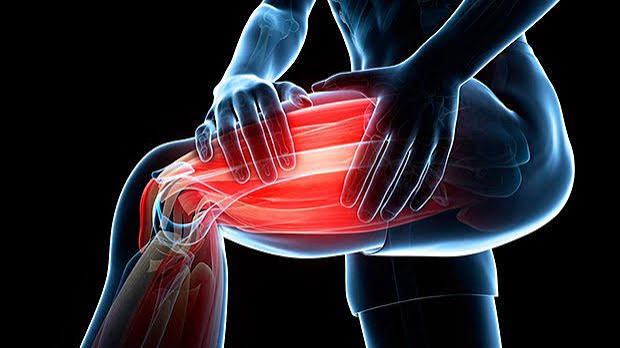
Understanding muscle cramps causes and prevention is something that millions of adults need — particularly those over 50, those who exercise regularly, and anyone on long-term medication. A muscle cramp is an involuntary, sudden, and painful contraction of a muscle or group of muscle fibres. Unlike a voluntary contraction, a cramp cannot be switched off at will, and it may last anywhere from a few seconds to several minutes before the muscle finally releases. The pain can be severe enough to wake a person from deep sleep and leave residual aching for hours. Despite how common cramps are, they remain poorly understood and are frequently attributed to causes that the evidence does not support.
The most common type — nocturnal leg cramps affecting the calf or foot — accounts for a large proportion of GP consultations and significantly disrupts sleep quality in older adults. Approximately 60% of people over the age of 50 report experiencing them at some point, and the frequency tends to increase with age. Other causes range from straightforward issues like medication side effects and electrolyte depletion to more serious conditions including peripheral neuropathy and, in rare cases, motor neurone disease. This guide covers the full clinical picture: what causes muscle cramps, what distinguishes benign from serious presentations, and what the evidence actually supports for prevention and relief.
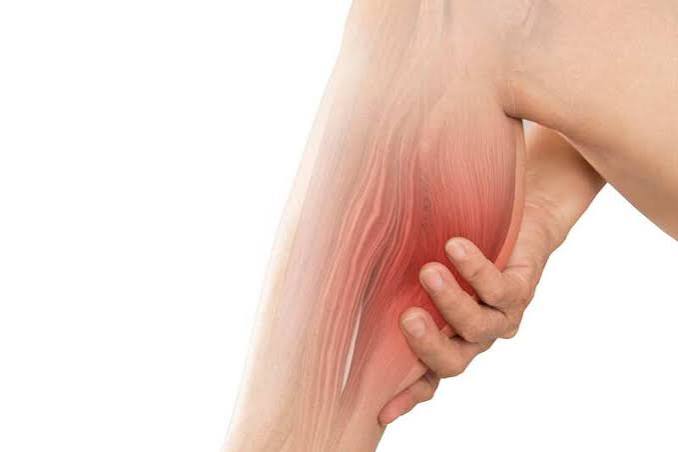
What Is a Muscle Cramp?
A muscle cramp is defined as an involuntary, sustained, and painful contraction of a skeletal muscle that is visible or palpable and self-terminating. The muscle becomes hard to the touch and taut during the episode, and the affected area is exquisitely tender. The contraction is generated by spontaneous motor nerve discharges rather than voluntary neural input, which is why the usual mechanism for relaxing a muscle — simply stopping the contraction signal — does not work. After the cramp resolves, the muscle is often sore for hours, and in severe cases for a day or two.
Two conditions are frequently confused with cramps. Restless legs syndrome (RLS) is an urge to move the legs, usually accompanied by an uncomfortable crawling or creeping sensation. Crucially, RLS does not involve a visible muscle contraction, is worse at rest and in the evening, and is relieved by movement — the opposite of what happens with a cramp, which is made worse by movement during the episode. Dystonia, by contrast, involves sustained abnormal posturing from involuntary co-contraction of agonist and antagonist muscles; it is associated with specific neurological causes and is not typically painful in the same acute way. Most clinicians can distinguish cramps from both of these through history alone.
Nocturnal Leg Cramps: The Most Common Type
Nocturnal leg cramps typically affect the calf muscles or the small muscles of the foot and occur most often in the second half of the night. They are idiopathic in the majority of adults — meaning no underlying disease is identified — but the proposed mechanism involves altered neuromuscular excitability associated with the foot being held in plantarflexion (toes pointing away from the body) for prolonged periods during sleep. This posture shortens the calf musculotendinous unit, which may predispose the muscle to spontaneous discharge. This is also why keeping bed sheets loose — so they do not push the feet into plantarflexion — is a useful preventive measure that costs nothing to try.
A widely held but incorrect belief is that nocturnal leg cramps in otherwise healthy adults are primarily caused by low electrolytes. Large population studies have not found a consistent association between serum electrolyte levels and nocturnal cramp frequency in the general population. Electrolyte deficiency can certainly cause cramps in specific clinical situations (discussed below), but attributing routine nocturnal leg cramps in an otherwise well adult to this cause alone — and treating with sports drinks — is not supported by current evidence. The most important risk factors for nocturnal leg cramps are older age, prolonged weight-bearing activity during the day, and pregnancy.
The fastest way to stop a calf cramp is passive dorsiflexion: pull the foot firmly upward toward the shin, either by grabbing the toes or by standing up and pushing through the heel. This stretches the cramping calf muscle and interrupts the reflex contraction arc. Walking on your heels achieves the same effect. For foot cramps, curling the toes upward achieves passive stretch of the intrinsic foot muscles.
Exercise-Induced Muscle Cramps
Exercise-associated muscle cramps (EAMC) occur during or immediately after physical activity and are particularly common in endurance sports — marathon running, triathlon, cycling, and tennis. For many years, the dominant explanation was dehydration and electrolyte loss through sweat. However, a growing body of evidence supports the neural fatigue hypothesis: the idea that EAMC arise from altered activity in the neuromuscular control mechanisms of the spinal cord, leading to sustained motor neurone firing. Specifically, muscle fatigue may increase the excitatory drive from muscle spindles (Ia afferents) while simultaneously reducing the inhibitory drive from Golgi tendon organs, creating conditions for a sustained involuntary contraction.
This does not mean that hydration and electrolyte management are irrelevant — severe hyponatraemia from drinking excessive plain water during an endurance event is a medical emergency that includes muscle cramps among its early features. But for the majority of exercise-associated cramps in adequately hydrated athletes, the neural mechanism is more explanatory. Prophylaxis therefore emphasises avoiding sudden increases in training load, ensuring adequate conditioning of the specific muscles used, and not attempting intensity beyond current fitness level. Passive stretch during an episode terminates EAMC effectively regardless of the underlying mechanism.
Electrolyte Abnormalities and Muscle Cramps
While electrolyte problems do not explain most nocturnal cramps in healthy adults, specific electrolyte deficiencies are a clinically important cause of cramps in defined patient groups. A thorough clinical assessment should always include checking for these, particularly in patients on medications known to deplete electrolytes.
Magnesium Deficiency
Hypomagnesaemia is probably the most clinically significant electrolyte cause of muscle cramps. Magnesium is an essential co-factor for the sodium-potassium ATPase pump and for normal neuromuscular junction function. Deficiency increases motor neurone excitability, lowering the threshold for spontaneous discharge. Common causes of magnesium depletion include diuretics (both thiazide and loop types), excessive alcohol intake, proton pump inhibitors (PPIs — a frequently overlooked cause, as PPIs reduce magnesium absorption from the gut with chronic use), malabsorption syndromes, and type 2 diabetes. An important caveat is that serum magnesium may appear normal even when intracellular magnesium is depleted, because serum levels are maintained by release from bone stores. A therapeutic trial of oral magnesium is reasonable in patients with frequent nocturnal cramps, particularly those on diuretics or PPIs.
Potassium Deficiency
Severe hypokalaemia causes both muscle weakness and cramps. Common causes include thiazide and loop diuretics, diarrhoea or laxative misuse, primary hyperaldosteronism, and excessive liquorice consumption (which has mineralocorticoid activity). Mild hypokalaemia from dietary causes is rarely sufficient to produce cramps on its own; significant potassium depletion — typically below 3.0 mmol/L — is usually required. Serum potassium should be checked routinely in patients presenting with cramps who are on diuretics.
Hypocalcaemia and Tetany
Severe hypocalcaemia produces a characteristic sustained tonic contraction known as tetany, which differs from a typical cramp in that it involves carpopedal spasm — the hand adopts an involuntary flexed posture at the wrist and knuckles, with the thumb adducted (the “obstetrician’s hand”). Two bedside signs confirm hypocalcaemia: Chvostek’s sign (tapping the facial nerve just anterior to the ear produces ipsilateral facial muscle twitching) and Trousseau’s sign (inflating a blood pressure cuff above systolic pressure for three minutes provokes carpopedal spasm). Causes include hypoparathyroidism, vitamin D deficiency, post-thyroid or parathyroid surgery, and acute pancreatitis. Severe symptomatic hypocalcaemia is a medical emergency requiring intravenous calcium.
Medications That Cause Muscle Cramps
A review of the patient’s medication list is one of the most productive steps in evaluating recurrent cramps and should be completed before embarking on extensive investigations. Several widely prescribed drug classes are associated with cramps:
- Diuretics (thiazides, loop diuretics) — potassium and magnesium depletion
- Statins — myalgia and cramp spectrum; rarely rhabdomyolysis
- Donepezil and other acetylcholinesterase inhibitors — cholinergic mechanism
- Nifedipine (dihydropyridine calcium channel blocker) — leg cramps reported
- Raloxifene (SERM for osteoporosis) — leg cramps noted in clinical trials
- Beta-agonists at tocolytic doses — can cause hypokalaemia and cramps
Statin-associated cramps deserve particular attention because statins are among the most widely prescribed drugs in adults over 50 — the same group with the highest baseline prevalence of nocturnal leg cramps. The myopathy spectrum from statins ranges from asymptomatic CK elevation through myalgia and cramps to frank rhabdomyolysis. A minority of patients develop immune-mediated necrotising myopathy (IMNM, associated with anti-HMGCR antibodies) which, unlike ordinary statin myalgia, does not resolve on stopping the drug and requires immunosuppression. Cramps that begin or worsen after starting a statin always warrant consideration of a medication-related cause, even when CK is normal.
Donepezil-associated cramps occur by a cholinergic mechanism — acetylcholinesterase inhibitors increase acetylcholine availability at the neuromuscular junction, which can cause excess neuromuscular activity and cramps. This is worth identifying in patients with dementia who develop new leg cramps after starting this medication; dose adjustment or switching to a patch formulation may help without sacrificing the cognitive benefit.
Peripheral Neuropathy and Muscle Cramps
When a peripheral nerve is damaged, the motor nerve fibres supplying the affected muscle can become irritable and discharge spontaneously. This leads to fasciculations (visible brief twitches of the muscle that are painless at rest), and in a subset of patients to full muscle cramps. Peripheral neuropathy from any cause can produce this picture — diabetic neuropathy is the most common cause in clinical practice, affecting up to 50% of people with long-standing diabetes. Others include alcoholic neuropathy, hereditary conditions such as Charcot-Marie-Tooth disease, B12 deficiency neuropathy, and chemotherapy-induced neuropathy.
Cramps from neuropathy are typically accompanied by other sensory features in the affected distribution — numbness, tingling (paraesthesiae), or burning pain — and often by weakness if motor fibres are significantly involved. The critical red-flag combination is cramps plus fasciculations: this pairing — involuntary painful sustained contractions plus involuntary brief visible muscle twitches — should prompt urgent referral for neurological assessment to exclude motor neurone disease. In isolation, either cramps or fasciculations are common and usually benign, but their combination in a progressive pattern requires investigation.
Vascular Causes: When Cramps Signal Poor Circulation
Two distinct vascular conditions can present with leg cramps and must be distinguished from each other and from benign nocturnal leg cramps.
Chronic venous insufficiency causes cramps by allowing deoxygenated blood and metabolic waste products to pool in the lower limb muscles. Cramps tend to be worse after prolonged standing and are associated with visible varicose veins, ankle oedema, skin changes (lipodermatosclerosis, haemosiderin deposition), and venous eczema. Elevation of the legs provides relief. Many patients with venous insufficiency also experience a heavy, aching sensation in the legs by the end of the day that is distinct from cramps but equally bothersome.
Peripheral artery disease (PAD) causes vascular claudication — cramping pain in the calf (or buttock and thigh in more proximal disease) that comes on reliably after walking a predictable distance and is relieved by stopping to stand still within two to five minutes. This should be distinguished from neurogenic claudication from lumbar spinal stenosis, which is relieved by sitting down or bending forward rather than simply stopping, and may also be triggered by prolonged standing. An ankle-brachial pressure index (ABPI) below 0.9 is diagnostic of significant PAD and warrants vascular assessment.
Serious Causes Not to Miss
Most muscle cramps are benign, but a small subset of presentations signal serious underlying pathology that requires prompt attention:
Motor Neurone Disease
Muscle cramps combined with fasciculations — particularly in the hands, arms, or tongue — are a well-recognised early feature of motor neurone disease (MND/ALS). In the early stages, before significant weakness develops, a patient may present primarily with severe and frequent cramps affecting the calves, thighs, and hands, alongside visible muscle twitching. The split hand sign (disproportionate wasting of the thenar eminence and first dorsal interosseous relative to the hypothenar muscles) is a useful early clinical marker. Any patient with cramps plus fasciculations plus progressive weakness, or with fasciculations in multiple body regions, should be referred urgently to neurology. Earlier diagnosis allows access to riluzole (which extends survival by approximately three months), non-invasive ventilation, and specialist multidisciplinary care.
Isaacs’ Syndrome (Neuromyotonia)
Isaacs’ syndrome is a rare but important condition in which antibodies against voltage-gated potassium channels (VGKC) on peripheral motor nerve axons cause continuous nerve fibre activity. The result is persistent muscle fibre contractions producing cramps, myokymia (rippling undulations visible under the skin), stiffness that persists during sleep (unlike most neuromuscular conditions), and hyperhidrosis (excessive sweating). The condition is autoimmune and may be paraneoplastic — associated with an underlying malignancy. Treatment with membrane-stabilising agents reduces symptoms; immunotherapy addresses the antibody-mediated process.
Hepatic Cirrhosis and Dialysis
Muscle cramps are one of the most common and distressing symptoms in patients with hepatic cirrhosis, reported by 50–70% of patients in some series. The mechanisms are multifactorial: altered zinc metabolism, thiamine deficiency, impaired electrolyte handling, reduced plasma volume, and increased nerve excitability from hepatic encephalopathy all contribute. Cramping is associated with reduced quality of life and is a marker of more advanced disease. Zinc supplementation and magnesium repletion have modest evidence in this context. Dialysis patients also experience severe cramps — often during haemodialysis sessions — related to rapid fluid and electrolyte shifts.
Pregnancy and Muscle Cramps
Nocturnal leg cramps affect approximately 30% of pregnant women, with prevalence rising markedly in the third trimester. The underlying mechanisms include compression of pelvic blood vessels by the enlarging uterus (reducing venous return from the legs), altered calcium and magnesium metabolism during pregnancy, increased body weight and changes in lower limb posture, and possibly changes in peripheral nerve excitability driven by pregnancy hormones. Despite the high prevalence, the evidence base for treatment is limited by the difficulties of conducting drug trials in pregnancy.
Passive stretching of the calf before bed is the safest first-line recommendation with no adverse effects. Oral magnesium supplementation (typically 300 mg at bedtime) has been studied in randomised trials with modest positive results and an acceptable safety profile in pregnancy. Vitamin B1 and B6 supplementation has some trial support. Quinine is contraindicated in pregnancy due to teratogenic risk and potential for premature labour. Adequate hydration and avoiding prolonged standing complete the practical advice for pregnant women with frequent cramps.
Prevention Strategies: What the Evidence Actually Supports
Prevention of recurrent muscle cramps — particularly nocturnal leg cramps — is a common therapeutic challenge. The evidence base is more limited than many patients assume, and several widely used interventions lack robust support:
Regular calf-stretching before bed reduces nocturnal cramp frequency. Holds of 30–60 seconds are recommended. This has the best evidence of any single non-pharmacological intervention and no adverse effects.
Heavy or tucked-in sheets hold the foot in plantarflexion, which shortens the calf and predisposes to cramps. Using a footboard or loosening bedding removes this simple positional trigger.
Oral magnesium 300–400 mg (as citrate or glycinate, better absorbed than oxide) at bedtime. RCT evidence is modest but consistently positive in selected populations; safe to try for 4–8 weeks.
Reviewing diuretics, statins, donepezil, and other causative medications with the GP. Dose reduction or switching may resolve cramps entirely without additional treatment.
Regarding quinine: this alkaloid was the established pharmacological treatment for nocturnal leg cramps for decades. However, the MHRA issued a safety alert in 2010 restricting its use for this indication following cases of serious thrombocytopaenia (immune-mediated platelet destruction) and potentially fatal cardiac arrhythmia. MHRA guidance states that quinine should be considered only when other measures have clearly failed, prescribed at the lowest effective dose (200–300 mg at bedtime), reviewed monthly, and stopped if no benefit is seen within four weeks. It remains licensed for this indication in the UK at these doses but should not be the first-line choice for any patient.
The popular belief that eating a banana prevents muscle cramps (because of its potassium content) is not supported by clinical evidence. A banana contains approximately 400 mg of potassium. While dietary potassium adequacy is important for overall neuromuscular health, cramps in the general population are rarely caused by isolated dietary potassium deficiency significant enough to be reversed by a single banana. The banana myth persists partly because potassium replacement is genuinely helpful in diuretic-induced hypokalaemia — but in that context, the deficiency is systemic and pharmacological supplementation is required, not dietary modification alone.
The Role of Exercise in Preventing Cramps
Regular exercise, particularly resistance training and stretching, is one of the most effective long-term strategies for reducing cramp frequency and severity in older adults. Sarcopenia — the age-related loss of muscle mass and strength — increases cramp susceptibility by reducing the buffering capacity of the muscle and altering motor unit firing patterns. Resistance exercise that maintains or builds muscle mass also supports neuromuscular coordination, reducing the risk of spontaneous motor neurone discharge. Maintaining muscle strength across the lifespan has benefits extending well beyond cramp prevention, including reducing fall risk and preserving functional independence.
For athletes with exercise-associated muscle cramps, periodisation — the planned variation of training load, intensity, and volume — is the most evidence-based preventive strategy. Sudden spikes in training volume without adequate recovery are a consistent trigger for EAMC. Adequate warm-up, avoiding overheating, and ensuring appropriate conditioning of specific movement patterns used in competition all reduce risk. Proprioceptive neuromuscular facilitation (PNF) stretching may also reduce EAMC frequency in endurance athletes who cramp repeatedly in competition.
When Should You See a Doctor About Muscle Cramps?
Most isolated nocturnal leg cramps in otherwise well adults do not require urgent medical attention. However, certain features should prompt a GP appointment:
- Cramps accompanied by visible muscle twitching (fasciculations) — particularly in multiple areas of the body
- Very frequent cramps disrupting sleep several nights per week despite stretching and conservative measures
- Cramps accompanied by weakness, numbness, or tingling in the affected limb
- Cramps that occur reliably on walking a set distance and resolve with rest (claudication pattern)
- Cramps accompanied by carpopedal spasm (involuntary hand or foot posturing, signs of tetany)
- You are taking medications known to cause cramps — a simple medication review may resolve the problem entirely
- Cramps began or worsened after a change in medication
- You have liver disease, kidney disease requiring dialysis, or a history of cancer — high-burden cramps in these contexts warrant specific management
At the consultation, the clinician will typically check serum electrolytes (sodium, potassium, magnesium, calcium), renal function, thyroid function, and blood glucose. If peripheral neuropathy is suspected, nerve conduction studies (NCS) may be arranged. If motor neurone disease is a concern, urgent neurology referral is appropriate — progressive muscle weakness alongside cramps should never be attributed to age without investigation.
Key Resources
- NHS: Leg Cramps — Causes, Treatment and Prevention
- NICE Clinical Knowledge Summary: Leg Cramps
- MHRA Drug Safety Update: Quinine for Nocturnal Leg Cramps
Frequently Asked Questions
What deficiency most commonly causes muscle cramps?
Magnesium deficiency is the electrolyte abnormality most consistently associated with muscle cramps. It is commonly caused by diuretics, proton pump inhibitors (PPIs), excessive alcohol intake, and poor dietary intake. Importantly, serum magnesium levels can be normal even when intracellular magnesium is depleted. A therapeutic trial of oral magnesium citrate 300–400 mg at bedtime is reasonable in patients with frequent nocturnal cramps, particularly those on diuretics or PPIs. Potassium deficiency (from diuretics or diarrhoea) and calcium deficiency (causing tetany) are also important causes in specific clinical contexts.
Do bananas stop muscle cramps?
Despite their popularity, bananas are not an evidence-based treatment for muscle cramps. The belief is based on their potassium content, but routine nocturnal leg cramps in healthy adults are not typically caused by dietary potassium deficiency severe enough to be reversed by eating a banana. Potassium supplementation is genuinely helpful when cramps are caused by hypokalaemia from diuretic use or diarrhoea, but that requires pharmacological-level supplementation — not dietary modification alone. The most effective immediate intervention remains passive stretching of the cramping muscle.
Is quinine safe for leg cramps?
Quinine was the standard treatment for nocturnal leg cramps for decades, but its use is now restricted following MHRA safety guidance. Serious adverse effects include immune thrombocytopaenia (a potentially life-threatening drop in platelets) and cardiac arrhythmias. Current guidance recommends quinine only when stretching and other conservative measures have clearly failed, at the lowest effective dose (200–300 mg at bedtime), with monthly reassessment. It should not be used during pregnancy and should be stopped immediately if no benefit is seen within four weeks. Always consult your GP before starting or continuing quinine.
Why do I get leg cramps during pregnancy?
Nocturnal leg cramps affect around 30% of pregnant women, particularly in the third trimester. The causes are multifactorial: the growing uterus compresses pelvic vessels and reduces venous return from the legs; calcium and magnesium metabolism changes during pregnancy; body weight and posture shift; and nerve excitability may be altered by pregnancy hormones. Safe management includes regular calf stretching before bed, loose bedding, adequate hydration, and a trial of magnesium supplementation. Quinine is contraindicated in pregnancy due to risk to the foetus.
Can dehydration cause muscle cramps?
Dehydration can contribute to muscle cramps, particularly during prolonged exercise in hot conditions, but it is not the primary cause of most nocturnal leg cramps in healthy adults. Severe hyponatraemia from overhydration during endurance events — drinking too much plain water — can cause cramps alongside other neurological symptoms and is a medical emergency. For everyday nocturnal leg cramps, adequate daytime fluid intake is sensible, but drinking extra fluids at night is unlikely to resolve the problem and the evidence for electrolyte drinks as cramp prevention is weak.
What is the difference between a cramp and restless legs syndrome?
These two conditions are distinct but frequently confused. A muscle cramp is an involuntary, painful, visible contraction of a muscle — the calf becomes hard and taut, and the pain is severe. Movement worsens the cramp until the muscle releases. Restless legs syndrome (RLS) involves an uncomfortable urge to move the legs (often described as crawling, creeping, or restless sensations) without a visible muscle contraction. RLS is worse at rest and in the evening, and is relieved — not worsened — by movement. Treatment differs: cramps are managed with stretching and magnesium; RLS has specific treatments including dopamine agonists for moderate-to-severe cases.
When are muscle cramps a sign of something serious?
Most cramps are benign, but cramps combined with visible muscle twitching (fasciculations) — particularly in multiple areas — should prompt urgent neurological assessment to exclude motor neurone disease. Carpopedal spasm (involuntary flexed hand posturing) suggests hypocalcaemia requiring prompt investigation. Cramps that come on reliably when walking a fixed distance and resolve with rest suggest peripheral artery disease. Cramps alongside weakness and sensory changes suggest peripheral neuropathy. If you are also experiencing progressive weakness, unexplained weight loss, or cramps that are severely and persistently disrupting your life, see your GP rather than self-managing.
References
- Allen RE, Kirby KA. Nocturnal leg cramps. Am Fam Physician. 2012;86(4):350–355.
- Maisonneuve H, et al. Prevalence of cramps in patients over 60 years old. BMC Fam Pract. 2016;17:111.
- Miller TM, Layzer RB. Muscle cramps. Muscle Nerve. 2005;32(4):431–442.
- Garrison SR, et al. Magnesium for skeletal muscle cramps. Cochrane Database Syst Rev. 2020;9:CD009402.
- MHRA Drug Safety Update. Quinine: not recommended for nocturnal leg cramps. 2010. GOV.UK.
- NICE Clinical Knowledge Summary. Leg cramps. Updated 2023. nice.org.uk.
- Swash M, Omer MA. The pathogenesis of muscle cramp. J Neurol Sci. 2021;421:117278.
- Schwellnus MP, et al. Cause of exercise associated muscle cramps (EAMC): updated role of muscle fatigue. Br J Sports Med. 2011;45(13):1104–1108.
I’ve had terrible nocturnal leg cramps for years and was told by multiple people to eat more bananas. It made absolutely no difference. What actually helped was stretching my calf for 60 seconds before bed every night and loosening my sheets so they weren’t pulling my feet down. Two months in and I’ve had maybe two cramps compared to nearly every night before. I wish a doctor had told me this instead of the banana advice.
Thank you, Margaret — you’ve described exactly the problem with how nocturnal leg cramps are commonly managed. The banana recommendation has persisted for decades despite no solid evidence, while simple positional and stretching interventions — which genuinely do have evidence — are rarely mentioned. Loosening bedsheets is probably the most underused piece of advice in this area. For anyone reading: a footboard, or simply untucking the sheets at the foot of the bed, can make a noticeable difference because it allows the foot to rest in a neutral rather than plantarflexed position during sleep.
As a pharmacist I’d add that donepezil-related leg cramps are very commonly missed. Families often report the cramps separately from the dementia medication review, and the connection isn’t made. The section here on cholinergic cramps from donepezil is something more carers should know about — a switch to the patch form can sometimes help without losing the cognitive benefit.