

Injury pain vs. chronic pain represent two fundamentally different phenomena that share the word “pain” but differ in mechanism, clinical significance, and management. Understanding this distinction matters not only for academic reasons but because it directly determines what treatment approach is appropriate — and because treating chronic pain as if it were injury pain (with rest, immobilisation, and analgesics awaiting healing) is one of the most reliably counterproductive strategies in pain medicine.
Injury pain — acute nociceptive pain — is the body’s alarm system working correctly: tissue damage activates nociceptors that signal the nervous system to withdraw from the source of harm, protect the injured part, and initiate healing behaviours. It is proportionate to the injury, resolves as tissues heal, and is a biologically necessary function. Chronic pain — pain persisting beyond the normal healing time, typically defined as more than three months — is a different entity: in most cases it is not a signal of ongoing tissue damage but rather a state of altered nervous system processing in which the pain system itself has become dysregulated. Managing these two conditions requires fundamentally different approaches.
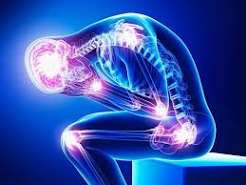
What Is Acute Injury Pain?
Acute nociceptive pain arises from actual or potential tissue damage and is mediated by nociceptors — specialised sensory receptors in the skin, muscle, joints, viscera, and bone that respond to mechanical, thermal, and chemical stimuli that signal injury. The peripheral nociceptive signal travels along A-delta fibres (fast, well-localised, sharp pain — the first pain) and C-fibres (slow, diffuse, burning or aching — the second pain) to the dorsal horn of the spinal cord, where it is modulated and relayed to the brain via the spinothalamic tract. The brain then generates the conscious experience of pain and initiates protective behaviours.
The important biological features of acute pain are:
- It is proportionate to the degree of tissue damage
- It is time-limited — it resolves as healing occurs, typically within days to weeks for soft tissue injuries, weeks to months for fractures
- It is protective — it discourages use of the injured part and promotes rest and healing behaviours
- It is responsive to analgesics (NSAIDs, paracetamol, opioids) and to treatment of the underlying cause
Acute injury pain after a sprained ankle, a muscle tear, or a surgical incision fulfils all of these criteria and requires treatment of the injury plus adequate analgesia while healing proceeds. Acute muscle pain and cramps following exertion or injury are examples of normal nociceptive pain that resolve with rest and time.
What Is Chronic Pain?
The International Association for the Study of Pain (IASP) revised its definition of chronic pain in 2019 to distinguish chronic primary pain — pain as a condition in its own right, where the pain itself is the primary problem — from chronic secondary pain, which is a symptom of a clearly identified underlying disease (OA, neuropathy, cancer). The new classification recognises that for a substantial proportion of people with chronic pain, the pain has become independent of the original injury or disease that initiated it.
The mechanisms by which acute pain becomes chronic are increasingly well understood and involve changes at multiple levels of the nervous system:
- Peripheral sensitisation: Inflammatory mediators (cytokines, prostaglandins, bradykinin) lower the threshold of nociceptors in the injured tissue, making them fire more easily. This is why the area around an injury is hyperalgesic (more sensitive to pain) and allodynic (painful to normally non-painful touch).
- Central sensitisation: Prolonged or intense nociceptive input causes lasting changes in the dorsal horn neurons of the spinal cord — including wind-up (the progressive increase in action potential firing with repeated stimulation) and long-term potentiation. The result is that central neurons become hyperexcitable, amplifying pain signals even from non-injured tissues.
- Descending modulation: The brain normally sends descending inhibitory signals to the spinal cord that dampen pain processing. In chronic pain states, this inhibitory pathway is less effective and descending facilitatory signals may predominate, further amplifying peripheral inputs.
- Brain reorganisation: Chronic pain is associated with structural and functional changes in the brain — including volume reduction in the prefrontal cortex, altered connectivity in the default mode network, and changes in the pattern of cortical sensory representation. These changes are partially reversible with effective pain treatment.
How to Tell Injury Pain From Chronic Pain
In practice, several clinical features help distinguish whether pain reflects ongoing tissue damage (injury pain) or central sensitisation and altered pain processing (chronic pain):
- Duration: Injury pain resolves within the expected healing time. Chronic pain persists beyond it (>3 months).
- Proportionality: Injury pain is proportionate to the severity of the tissue damage. Chronic pain is often disproportionate to any identifiable tissue pathology.
- Response to activity: Injury pain is worse with specific activities that stress the injured tissue and improves with appropriate rest. Chronic pain is often diffuse, unpredictable, and not consistently related to specific movements.
- Associated features: Chronic pain is frequently accompanied by sleep disturbance, fatigue, mood changes, cognitive difficulties, and widespread sensitivity — features that reflect central nervous system involvement rather than local tissue injury.
- Response to treatment: Injury pain responds to analgesics, rest, and treatment of the underlying cause. Chronic pain typically has a poor response to standard analgesics and opioids, and responds better to treatments targeting central sensitisation: exercise, cognitive behavioural therapy, pain education, and anti-neuropathic medications.
The Problem With Treating Chronic Pain Like Injury Pain
One of the most important insights in modern pain medicine is that the instinct to rest, protect, and avoid activity — entirely appropriate for acute injury pain — is counterproductive and often harmful when applied to chronic pain. This is because chronic pain driven by central sensitisation is not a signal of ongoing tissue damage that requires protection. Resting and avoiding activity in chronic pain:
- Leads to physical deconditioning, which increases pain sensitivity and reduces function
- Reinforces avoidance behaviours and fear-avoidance beliefs — the central psychological mechanism that drives disability in chronic back pain, fibromyalgia, and complex regional pain syndrome
- Causes social withdrawal, which increases the psychological burden and contributes to depression
- Delays return to normal activity, which is the primary goal of rehabilitation
Opioid analgesics prescribed long-term for chronic non-cancer pain have repeatedly failed to show sustained efficacy in randomised trials while producing substantial harm through dependence, hyperalgesia (opioid-induced worsening of pain sensitivity), hormonal changes, and cognitive impairment. NICE recommends against opioids for chronic primary pain. The evidence-based treatment approach for chronic primary pain is movement, graded activity, pain rehabilitation programmes, psychological therapies, and where appropriate, low-dose anti-neuropathic medications such as amitriptyline or duloxetine. Persistent muscle pain lasting months after normal healing should be assessed by a pain specialist rather than treated with ongoing analgesics alone.
Neuropathic Pain: A Special Category
Neuropathic pain — pain arising from damage to or disease of the somatosensory nervous system — occupies a distinct position between acute injury pain and central sensitisation. It arises from identifiable nerve damage (diabetic peripheral neuropathy, post-herpetic neuralgia, radiculopathy) but involves peripheral and central sensitisation mechanisms, producing a characteristic pain quality: burning, shooting, electric, or lancinating pain in the distribution of the damaged nerve or dermatome, combined with allodynia (pain from non-painful stimuli such as light touch) and hyperalgesia. It responds poorly to standard analgesics and specifically requires anti-neuropathic agents: tricyclic antidepressants (amitriptyline), SNRIs (duloxetine), gabapentinoids (pregabalin, gabapentin), or topical agents (capsaicin 8% patch, lidocaine plasters). Sciatica and radicular pain are among the most common forms of neuropathic pain and respond better to anti-neuropathic agents than to NSAIDs.
Pain Catastrophising and Fear-Avoidance
Pain catastrophising — the tendency to magnify the threat value of pain, to ruminate about it, and to feel helpless about managing it — is one of the strongest psychological predictors of the development of chronic pain from an acute injury. It is not a character weakness or a sign of malingering; it is a measurable cognitive-emotional response that arises in normal people facing persistent pain and uncertainty. Fear-avoidance — avoiding activities because of the belief that they will cause harm or worsen the injury — drives the deconditioning cycle that sustains chronic pain. Cognitive behavioural therapy (CBT) and acceptance and commitment therapy (ACT) are evidence-based psychological approaches that address catastrophising and fear-avoidance directly. The STarT Back Screening Tool and the Pain Catastrophising Scale are validated questionnaires used clinically to identify patients at risk of developing chronic pain and to direct appropriate psychological support early in the clinical pathway, when it is most effective.
When Chronic Pain Warrants Specialist Assessment
Not all chronic pain is primary central sensitisation — some represents an undiagnosed or undertreated structural, inflammatory, or neuropathic condition. The following features in a person with “chronic pain” warrant reassessment to exclude an ongoing or new treatable cause:
- Progressive worsening over weeks without a clear flare trigger
- New neurological signs (weakness, sensory loss, reflex changes) in previously normal areas
- Constitutional symptoms (fever, weight loss, night sweats, fatigue disproportionate to pain)
- Pain that is consistently and reliably worse at rest and at night — suggesting an inflammatory or malignant cause rather than central sensitisation
- Failure to respond to any treatment over 6–12 months
Multidisciplinary pain management programmes — combining physiotherapy, psychology, occupational therapy, and medical management — produce the best outcomes for people with complex chronic pain and are the most evidence-based intervention for chronic primary pain that has not responded to first-line management. Progressive joint pain alongside systemic symptoms always requires reassessment to exclude a new inflammatory or structural diagnosis even in a patient with established chronic pain.
The Biopsychosocial Model of Pain
The biomedical model — in which pain equals tissue damage, and more damage equals more pain — was the dominant framework in medicine for over a century. It fails to explain a large body of clinical evidence: people with severe disc herniations visible on MRI who have no pain; people with minimal structural changes who have severely disabling pain; and the strong influence of psychological factors, social context, and previous pain experiences on the severity and disability associated with identical injuries. The biopsychosocial model, developed by George Engel and advanced in pain medicine by Gordon Waddell, recognises that pain is simultaneously a biological event (peripheral nociception, central processing), a psychological event (emotional state, cognitive appraisal, coping style), and a social event (work context, cultural attitudes to pain, healthcare relationships, access to support). This is not a denial of the biological reality of pain — it is an expansion of the framework that better explains why identical injuries produce very different outcomes and why treatments targeting only the biological domain often fail. Clinical assessment using the biopsychosocial model asks not only “what is damaged?” but “what is the person’s relationship with this pain?” and “what social and occupational factors are maintaining it?” The answers shape treatment in ways that purely structural assessment cannot.
Acute-on-Chronic Pain: When a New Injury Occurs in Chronic Pain
People living with chronic pain are not protected from acute injuries — and when an acute injury occurs in the context of chronic pain, the clinical picture is complex. The central sensitisation of the chronic pain state lowers the pain threshold, meaning that a new injury produces a more intense pain response than it would in a pain-naïve individual. This can make it genuinely difficult to assess the severity of a new acute injury against the background of pre-existing chronic pain. The key principles for managing acute-on-chronic pain are: treat the new injury appropriately (rest, immobilisation, analgesia for the acute phase as for any injury), reassess after the expected healing time to establish whether pain remains above the pre-injury baseline, and resume the chronic pain rehabilitation approach once the acute injury has healed. Prolonged opioid escalation for an acute injury in a patient with chronic pain carries significant risks — opioid tolerance means higher doses are needed for equivalent effect, and the risk of long-term opioid dose escalation and dependence is substantially higher in this population. Short, defined opioid courses for acute injuries, with clear time limits and a plan for reduction, are preferable to open-ended prescriptions.
Pacing: The Core Activity Management Strategy
Pacing is the central practical strategy of chronic pain rehabilitation and directly addresses the boom-bust cycle that sustains pain and disability. Most people with chronic pain either avoid activity entirely (reinforcing deconditioning and fear-avoidance) or push through on better days and pay for it with days of increased pain — the boom-bust pattern that prevents any stable progress. Pacing involves identifying a baseline activity level that can be sustained consistently without triggering a significant pain flare, and then making small, planned, incremental increases in activity over time — independent of pain level. This approach is counterintuitive because it requires people to stop before they would naturally stop on a good day, but it builds functional capacity steadily and sustainably rather than yo-yoing between overdoing and resting. Activity diaries, heart rate monitoring, and step targets are practical tools used in pacing programmes. For many patients, understanding pacing is transformative — it provides a rational, controllable path toward improved function that does not require the pain to have disappeared first. Pain management programmes based on pacing, graded activity, and pain education consistently produce better outcomes than passive treatment approaches.
Key Resources
- NHS: Understanding and Managing Pain
- NICE: Chronic Primary Pain — Assessment and Management (NG193)
- NHS: Fibromyalgia
Frequently Asked Questions
What is the difference between injury pain and chronic pain?
Injury pain (acute nociceptive pain) is a biologically appropriate alarm signal from damaged tissue — it is proportionate to the injury, protective, and resolves as healing occurs, typically within days to weeks. Chronic pain is pain persisting beyond the normal healing time (more than three months), which in many cases is no longer a signal of ongoing tissue damage but reflects changes in the nervous system itself — central sensitisation, altered descending modulation, and brain reorganisation. The two require fundamentally different management: injury pain is managed by treating the underlying damage and providing adequate analgesia; chronic pain requires rehabilitation, movement, psychological support, and often anti-neuropathic medication rather than standard analgesics.
Why does pain sometimes persist after an injury has healed?
Pain can persist after tissue healing through two main mechanisms. First, the original injury may have caused nerve damage (neuropathic pain) that outlasts the tissue injury — post-surgical neuropathic pain, post-traumatic neuralgia, and complex regional pain syndrome are examples. Second, central sensitisation may have developed during the acute phase — the spinal cord and brain become hyperexcitable during prolonged pain, and this hyperexcitability can persist even after the peripheral tissue has healed. Psychological factors including catastrophising, fear-avoidance, and depression powerfully amplify and sustain this central sensitisation. The combination of neurophysiological and psychological maintenance factors explains why pain that “should” have resolved persists in some individuals.
Is chronic pain a real condition or is it psychological?
Chronic pain is unambiguously a real condition with measurable neurophysiological changes — central sensitisation in the spinal cord, altered descending modulation, and structural brain changes including cortical thinning and altered network connectivity have all been demonstrated in imaging and laboratory studies. It is not imaginary, fabricated, or primarily psychological. However, psychological factors — particularly pain catastrophising, fear-avoidance beliefs, and depression — are important modulators of chronic pain that powerfully influence severity, disability, and treatment response. Effective treatment addresses both the neurophysiological and psychological components. Saying chronic pain has a psychological component is not the same as saying it is not real; it means that psychological interventions (CBT, ACT, pain education) are legitimate and evidence-based components of treatment.
Does resting help chronic pain?
For acute injury pain, appropriate rest protects the injured tissue during healing. For chronic pain, prolonged rest is harmful. It leads to physical deconditioning (muscle weakness, joint stiffness, cardiovascular deconditioning), reinforces fear-avoidance, and perpetuates the central sensitisation cycle. The evidence-based treatment for chronic primary pain (including chronic back pain, fibromyalgia, and other central sensitisation syndromes) is graded activity and exercise — not rest. The aim is a gradual increase in physical activity and function within the limits of pain, guided by a physiotherapist or pain rehabilitation programme, using pacing strategies to avoid boom-bust cycles.
What treatments work for chronic pain?
Effective treatments for chronic primary pain combine physical, psychological, and pharmacological approaches. Physical: graded aerobic exercise is the single best-evidenced treatment for most chronic pain conditions; physiotherapy programmes targeting conditioning, flexibility, and movement confidence. Psychological: CBT and ACT reduce catastrophising and fear-avoidance; pain education (the “explain pain” approach — helping patients understand the neuroscience of chronic pain) significantly improves outcomes. Pharmacological: low-dose tricyclics (amitriptyline), SNRIs (duloxetine), and gabapentinoids (pregabalin, gabapentin) for neuropathic components; standard NSAIDs and opioids have limited evidence for chronic primary pain. Multidisciplinary pain management programmes — combining all three domains — produce the best outcomes for complex chronic pain. Surgery rarely helps chronic primary pain in the absence of a clear structural indication.
How long does it take for chronic pain to develop from an injury?
Chronic pain is generally defined as pain persisting beyond three months — the approximate upper limit of normal tissue healing for most soft tissue and musculoskeletal injuries. In practice, the risk of transitioning from acute to chronic pain is highest in the first 6–12 weeks after an injury, which is the window in which psychological and social risk factors most powerfully influence the trajectory. Risk factors for chronicity include high catastrophising scores at the time of injury, pre-existing depression or anxiety, previous chronic pain, poor sleep, a highly physically demanding job with no modified duties option, and early opioid prescription. Identifying high-risk patients at 4–6 weeks (using validated tools such as STarT Back or the Orebro Musculoskeletal Pain Questionnaire) and providing targeted psychological support within that window substantially reduces the rate of chronic disability. The transition from acute to chronic pain is not inevitable — it is partially predictable and significantly modifiable with appropriate early intervention.
References
- Woolf CJ. Central sensitization: implications for the diagnosis and treatment of pain. Pain. 2011;152(3 Suppl):S2–S15.
- Treede RD, et al. Chronic pain as a symptom or a disease. Pain. 2019;160(1):19–27.
- NICE. Chronic pain in over 16s: assessment and management. NG193. 2021.
- Moseley GL, Butler DS. Fifteen years of explaining pain. J Pain. 2015;16(9):807–813.
- Sullivan MJL, et al. The role of catastrophizing in the development of chronic pain. Pain. 2001;92(1-2):147–154.
- Eccleston C, et al. Psychological therapies for the management of chronic pain. Cochrane Database Syst Rev. 2014.
- Vlaeyen JWS, Linton SJ. Fear-avoidance model of chronic musculoskeletal pain. Pain. 2000;85(3):317–332.
- NHS. Fibromyalgia. nhs.uk. Updated 2022.
The section on central sensitisation is the clearest explanation I have ever read of why my pain persisted after my injury healed. I had a whiplash injury that produced chronic neck and headache pain for three years. Multiple specialists told me the injury had healed and the pain shouldn’t still be there. I found a pain management service that used the biopsychosocial model, including graded exposure and ACT, and my function improved significantly even though the pain itself didn’t fully resolve. The explanation of why pain can exist without ongoing tissue damage is something that took me years to find explained simply.
Rachel, the explanation you encountered — that the injury has healed and the pain shouldn’t be there — reflects an outdated understanding of chronic pain as purely tissue-damage driven. The neuroscience of central sensitisation (also called central pain sensitisation or nociplastic pain) is now well-established: the spinal cord and supraspinal pain processing centres become sensitised following prolonged nociceptive input, lowering the threshold for pain signalling and expanding the area of pain perception. This explains why chronic pain can be widespread, occur with minimal peripheral input, and not correlate with imaging findings. ACT (acceptance and commitment therapy) is one of the better-evidenced psychological approaches for chronic pain — it targets the distress and disability associated with pain rather than attempting to eliminate the pain itself, which significantly changes the goals and approach of treatment. Peter, the boom-bust cycle is one of the most common patterns in chronic pain and is directly counterproductive — the overactivity phase perpetuates central sensitisation by repeated high-pain inputs, and the subsequent rest reinforces avoidance behaviour. Pacing with a stable baseline, expanding at no more than 10% per week, is the foundational strategy and takes at least 6–12 weeks to show clear benefit.
Pacing is the concept I wish someone had explained to me five years ago. I had the classic boom-bust pattern with fibromyalgia — good days I would do too much and then crash for three days. The pain management programme I attended taught me to establish a consistent activity baseline and expand it very gradually. It took about three months before I started to see benefit, but my average function over a week improved substantially. The article’s section on pacing describes this accurately — the baseline should be set well within your comfortable capacity.