
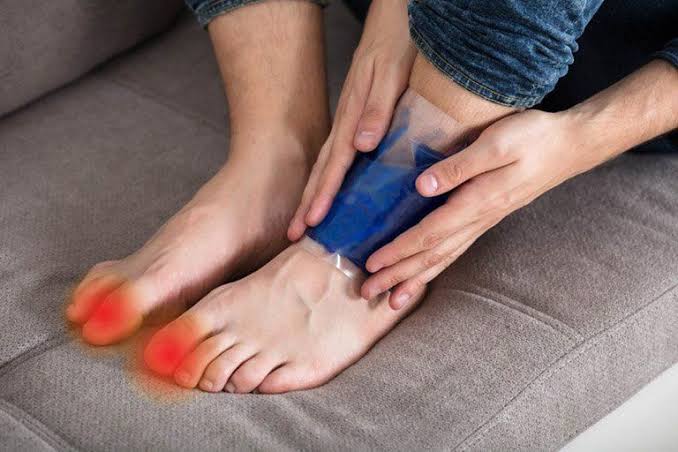

Gout flare-ups are among the most acutely painful events in all of rheumatology. A joint that is entirely normal one evening can be so intensely inflamed by morning that the weight of a bedsheet becomes unbearable. Understanding what triggers gout flare-ups is central to managing the condition effectively — because the majority of triggers are modifiable once they are identified. This guide covers the full spectrum of precipitants: dietary and alcohol-related triggers, dehydration, medications, illness, surgery, and the often-misunderstood paradox of why starting treatment to lower uric acid frequently makes flares worse before it makes them better.
What Happens During a Gout Flare?
Before examining triggers, it helps to understand the mechanism that converts an elevated uric acid level into the acute pain of a gout attack. The process is triggered by the formation and deposition of monosodium urate (MSU) crystals in and around joints.
The Crystal Cascade
When serum urate rises above the crystallisation threshold — approximately 360 µmol/L (6 mg/dL) — urate begins to precipitate out of solution as MSU crystals, particularly in the cooler peripheral joints and tissues. These needle-shaped crystals accumulate silently for years in many people before anything happens. The flare itself is triggered when crystals are shed from established deposits into the joint space, where they are recognised as foreign bodies by the immune system.
Macrophages engulf the crystals and activate the NLRP3 inflammasome — an intracellular protein complex that triggers the production and release of interleukin-1 beta (IL-1β), one of the most potent pro-inflammatory cytokines in the body. IL-1β recruits neutrophils into the joint in massive numbers. The resulting neutrophil-driven inflammatory response produces the characteristic features of a gout attack: intense heat, redness, swelling, and pain that is disproportionate to any other type of joint inflammation.
Why Flares Are So Painful
The pain of a gout flare is not simply due to physical pressure from swelling. The IL-1β-driven neutrophil cascade sensitises nociceptors in the synovium and periarticular tissues to a remarkable degree, which is why even light touch or minimal movement becomes excruciating. Flares typically peak within 12 to 24 hours of onset, most commonly beginning at night or in the early hours of the morning. Without treatment, they resolve spontaneously over 5 to 14 days as the immune system switches into resolution mode, partly via the anti-inflammatory cytokines TGF-β and IL-1Ra. The joint returns to completely normal between attacks in early gout, but with repeated flares and inadequate urate control, chronic tophaceous gout and permanent joint damage can develop. For a comprehensive overview of the condition, see our gout symptoms, causes, and prevention guide.
Dietary Triggers That Provoke Gout Flares
Diet is the trigger patients most commonly identify, and the epidemiological evidence confirms that certain dietary patterns substantially increase attack frequency. However, diet alone is rarely the sole cause of gout — genetic factors governing renal urate excretion are the primary determinant of baseline serum urate, and diet acts as a modulating variable that pushes individuals above or below their personal crystallisation threshold.
Red Meat and Organ Meats
Purines are nitrogen-containing compounds found in all cells as components of DNA and RNA. When digested, purines are broken down to hypoxanthine, then xanthine, then uric acid via the enzyme xanthine oxidase. Humans lack uricase, the enzyme that degrades uric acid to the more soluble allantoin, which means all dietary purines ultimately raise serum urate. Red meat — beef, lamb, pork, venison, and game — contains high concentrations of purines, particularly from muscle tissue. Organ meats (liver, kidney, sweetbreads, brain) carry the highest purine density of any food and can produce the most acute urate rises.
The landmark Health Professionals Follow-up Study (Choi et al., NEJM 2004) followed 47,150 men over 12 years and found that each additional daily serving of meat increased gout risk by 21%, while each additional weekly serving of organ meat increased risk by 15%. These are dose-dependent relationships, meaning occasional moderate consumption carries considerably less risk than regular high intake.
Shellfish and Certain Fish
Shellfish — particularly shrimp, lobster, crab, mussels, clams, and oysters — are high in purines and are among the most reliably reported dietary triggers by patients. Certain fish are also high-risk: anchovies, sardines, mackerel, herring, and sprats contain some of the highest purine concentrations per gram of any food source. The same HPFS study found that each additional weekly serving of seafood increased gout risk by approximately 7%. Notably, not all fish are high-risk — most white fish (cod, haddock, plaice, sole) are moderate in purines and can generally be eaten without significant concern by gout patients.
Fructose and Sugary Drinks
Fructose — the sugar found in table sugar, high-fructose corn syrup, soft drinks, fruit juices, and many processed foods — raises serum urate through a distinct mechanism from dietary purines. Fructose is metabolised in the liver via a pathway that consumes ATP and generates AMP, which is subsequently catabolised to uric acid through the purine degradation pathway. Unlike glucose, fructose causes a dose-dependent and immediate rise in serum urate. Observational studies consistently show that regular consumption of sugar-sweetened beverages is associated with a significantly increased risk of gout and gout flares, independently of other dietary factors.
Foods That Do Not Increase Risk
Several foods that might be expected to trigger gout do not do so in practice. Vegetables high in purines — spinach, mushrooms, asparagus, peas, lentils, and beans — consistently fail to increase gout risk in epidemiological studies, despite their theoretical purine content. This is thought to relate to differences in purine bioavailability and the accompanying nutritional context of plant-based diets. Low-fat dairy products (skimmed milk, low-fat yogurt) are actually protective — epidemiological data suggest they lower serum urate, possibly through the uricosuric effects of orotic acid and specific dairy proteins. Increasing low-fat dairy consumption is therefore one of the few positive dietary changes with an evidence base for gout prevention.
Alcohol and Gout Flares
Alcohol is one of the most potent and consistently documented triggers for gout flares. The relationship operates through multiple biological mechanisms and varies significantly between different types of alcoholic drink.
Why Beer Carries the Highest Risk
Beer combines two independent urate-raising mechanisms: the ethanol content and the significant purine content derived from brewer’s yeast. The HPFS data showed that each additional daily beer increased gout risk by approximately 49% — substantially more than other alcohol types. The ethanol component of all alcoholic beverages raises serum urate by two mechanisms: first, by increasing the hepatic production of urate through the conversion of ATP to AMP via the alcohol metabolism pathway; and second, by generating lactic acid as a metabolic byproduct, which competes with urate for tubular secretion in the kidney and thereby reduces renal urate clearance. Beer adds the additional purine load from yeast-derived nucleotides on top of both these effects, making it by far the highest-risk alcoholic beverage for gout patients.
What the Evidence Shows for Wine and Spirits
Spirits increase gout risk by approximately 15% per drink per day in epidemiological data — substantially less than beer, but still significant for patients who drink regularly. The Choi 2004 analysis showed that wine, remarkably, had no statistically significant independent association with gout risk when other factors were adjusted for. While this finding has been replicated in subsequent studies, it should not be interpreted as meaning wine is safe for gout patients in large quantities — moderate wine consumption may be substantially less harmful than beer, but abstinence during flares and reducing overall alcohol intake are still reasonable clinical recommendations. Celebratory or binge drinking of any alcoholic beverage carries a high risk of precipitating an acute attack within 24 hours, and this temporal pattern — a flare beginning the morning after a large celebratory meal with alcohol — is one of the most stereotyped presentations of acute gout.
Dehydration as a Trigger
Dehydration is an under-recognised gout trigger that is directly addressable through simple behavioural change. When fluid intake falls below requirements, blood volume contracts and urinary output falls. As urine becomes more concentrated, so does serum urate — pushing it above the crystallisation threshold and increasing the likelihood of new crystal formation and flare. Even modest dehydration, such as occurs overnight during sleep without fluid intake, is thought to contribute to the characteristic nocturnal onset of gout flares.
The Nocturnal Flare Pattern
The observation that gout attacks most commonly begin in the early hours of the morning — waking the patient from sleep with worsening pain — is thought to reflect a combination of factors: overnight dehydration concentrating serum urate, the slight cooling of peripheral joints that occurs during sleep (cooler temperatures lower the crystallisation threshold), and the natural nadir of cortisol levels in the early morning hours (cortisol normally suppresses inflammation, and low levels allow the NLRP3 cascade to run more freely). Patients who ensure adequate hydration before sleep and during the night often report a reduction in nocturnal flare frequency.
Hydration Targets
The British Society for Rheumatology and NICE gout guidance both recommend aiming for at least 2 to 3 litres of fluid per day for patients with gout, with water being the preferred source. In hot weather, during exercise, or during intercurrent illness with fever, diarrhoea, or vomiting, fluid requirements increase substantially and additional intake should compensate. The colour of urine provides a practical guide — pale straw yellow indicates adequate hydration; dark yellow or amber indicates insufficient intake. Patients travelling to hot climates, attending summer events, or planning physically demanding activities should increase fluid intake proactively, as any of these situations can precipitate a flare through dehydration even without dietary or alcohol triggers.
Illness, Surgery, and Hospitalisation
Acute illness and surgical procedures are well-established precipitants of gout flares, and patients may be surprised to experience an attack during or shortly after a hospital admission for an entirely unrelated condition.
Post-Surgical Gout
Post-operative gout typically occurs within the first one to four days following surgery. Multiple mechanisms converge to make this a high-risk period: the pre-operative fasting period causes dehydration and volume depletion; the surgical stress response generates a cytokine storm that can destabilise MSU crystal deposits; intravenous fluid administration during surgery and recovery alters tubular urate transport; and pain management medications including ketorolac can have variable effects on renal urate handling. Thiazide diuretics, which are frequently used in post-operative fluid management, directly reduce renal urate excretion and are a specific risk factor. Patients with known gout who are planning elective surgery should discuss their gout medication with both their GP and surgeon, and preventive colchicine may be appropriate in those with frequent attacks.
Minor Illness as a Trigger
Even minor illnesses — upper respiratory tract infections, influenza, gastroenteritis, or urinary tract infections — can precipitate gout flares in susceptible patients. The combination of dehydration from fever, reduced fluid intake, and increased urate production from tissue breakdown (purines released from damaged cells) raises serum urate acutely. Patients with gout who develop a febrile illness should increase fluid intake and be alert to the possibility of a concurrent gout flare, particularly if they have a history of frequent attacks. The presence of fever and a hot swollen joint in an unwell patient requires careful clinical assessment, as septic arthritis must be excluded — a distinction that cannot reliably be made without joint aspiration. For a framework on assessing joint pain in acute illness, see our guide on when joint pain needs medical evaluation.
Medications That Can Trigger Gout Flares
Several commonly prescribed medications raise serum urate as an adverse effect. In some patients, a drug-induced cause is the primary driver of gout, and reviewing and modifying the medication list produces significant improvement without requiring dietary changes alone.
Diuretics
Thiazide diuretics — including bendroflumethiazide, hydrochlorothiazide, and indapamide — are the most important drug class trigger for gout. They reduce renal urate excretion by competing with urate at the URAT1 transporter in the proximal tubule, directly raising serum urate in a dose-dependent manner. Loop diuretics (furosemide, bumetanide) have a similar but somewhat less pronounced effect. In patients with gout who require a diuretic for hypertension, discussing the appropriateness of continuing the diuretic with a GP is worthwhile — in many cases, an alternative antihypertensive without urate effects can be substituted.
Low-Dose Aspirin
Low-dose aspirin (75–300 mg/day), as used for cardiovascular prevention, has a counter-intuitive effect on urate that surprises many patients and even some clinicians. At these low doses, aspirin reduces renal urate excretion and raises serum urate — the opposite of the uricosuric effect seen at anti-inflammatory doses above 2 g/day. Patients taking aspirin for cardiovascular protection should not stop it because of gout, as the cardiovascular benefit clearly outweighs the urate effect; however, it is worth acknowledging that aspirin contributes to hyperuricaemia and that appropriate urate-lowering therapy alongside it is warranted.
Immunosuppressants and Contrast Media
Ciclosporin, used in organ transplant patients, solid tumour treatment, and some autoimmune conditions, directly inhibits tubular urate secretion and is one of the most potent drug triggers for gout — transplant recipients on ciclosporin have very high rates of gout and tophaceous disease. Tacrolimus has a similar but somewhat less pronounced effect. Intravenous contrast media used in CT scans and angiography can cause a transient reduction in renal function, acutely impairing urate clearance and sometimes triggering a flare within 24 to 48 hours. Niacin (nicotinic acid), used in some lipid-lowering regimens, competes with urate at the OAT4 transporter and raises serum urate.
Choosing Safer Alternatives
For patients with gout who are prescribed antihypertensive medication, the evidence base clearly favours certain drug classes. Losartan — an angiotensin receptor blocker — has a mild uricosuric effect through URAT1 inhibition and is the preferred antihypertensive for gout patients. Calcium channel blockers (amlodipine, nifedipine) are urate-neutral and are a reasonable alternative. Beta-blockers and thiazide diuretics, by contrast, both raise serum urate and should be avoided where clinically possible in patients with gout. A medication review discussion with a GP can often identify substitutions that reduce the urate burden without compromising cardiovascular or other treatment goals.
Starting Urate-Lowering Therapy: Why Early Flares Occur
One of the most confusing and demoralising experiences for gout patients is discovering that their gout appears to worsen immediately after starting the medication prescribed to treat it. This phenomenon is so common — and so poorly explained to patients at the time of prescription — that it is the single most common reason patients discontinue urate-lowering therapy within the first three months, often permanently.
The Crystal Dissolution Mechanism
When allopurinol or febuxostat is started and serum urate drops rapidly from elevated levels toward the treatment target of below 360 µmol/L (or below 300 µmol/L in tophaceous gout), the sudden change in urate concentration destabilises established crystal deposits. Crystals begin dissolving at their edges and shedding microscopic fragments into the joint space. These crystal microaggregates are immediately recognised by macrophages, NLRP3 is activated, and an inflammatory flare is triggered — not despite the treatment working, but precisely because it is working. The effect is most pronounced in the first three to six months after starting ULT, when the largest absolute drop in serum urate occurs, and gradually diminishes as the crystal burden is cleared.
This is distinct from a flare triggered by a single dietary or lifestyle factor — it reflects a structural change in joint crystal deposits that resolves permanently once the total body urate burden has been sufficiently reduced. Patients need to understand this mechanism clearly: gout attacks in the first months of ULT are a sign of treatment working, not failing. For a broader discussion of how pain can persist after the underlying cause resolves, the article on injury pain versus chronic pain provides useful context on how acute and chronic pain processes differ.
Why You Should Not Stop Your Medication
The correct management of flares that occur during ULT initiation is to treat the flare with colchicine, an NSAID, or prednisolone — and to continue the ULT without interruption or dose reduction. Stopping allopurinol or febuxostat when a flare occurs causes serum urate to rise again, and when the drug is restarted, the same crystal dissolution cycle is repeated, producing another round of flares. Prophylactic low-dose colchicine (500 µg once or twice daily) is now standard practice, recommended by both the British Society for Rheumatology and EULAR guidelines, to be continued for at least six months from the start of ULT. For patients who cannot tolerate colchicine, low-dose NSAID prophylaxis is an alternative. The importance of this explanation at the time of ULT initiation cannot be overstated — clear patient education about the expected early flare increase dramatically improves adherence.
Rapid Weight Changes and Crash Diets
Obesity is a well-established risk factor for gout, increasing both urate production and reducing renal urate excretion. Weight loss, logically, should therefore reduce gout risk — and in the long term it does. However, the manner in which weight is lost matters considerably, because rapid weight loss and crash dieting can paradoxically trigger acute gout flares.
Crash Dieting and Ketones
When caloric intake is severely restricted or carbohydrate intake is eliminated (as in very low calorie diets or strict ketogenic diets), the body shifts to ketone body production as its primary fuel source. β-hydroxybutyrate, the predominant ketone body, competes with urate for tubular secretion at the URAT1 transporter in the kidney — the same mechanism by which lactic acid (from alcohol) reduces renal urate excretion. The result is a paradoxical rise in serum urate during the early phase of crash dieting, at a time when the patient is attempting to improve their metabolic health. This explains the counter-intuitive clinical observation of gout flares in patients who have recently begun stringent weight loss diets. Very low calorie diets (below 800 kcal/day) carry the highest risk of this effect. Gradual, sustained weight loss at a rate of 0.5 to 1 kg per week — achievable through a modest caloric deficit without severe dietary restriction — avoids the ketone-driven urate spike and produces the greatest long-term benefit for gout control.
Bariatric Surgery and Gout
Bariatric surgery produces rapid and substantial weight loss that confers long-term metabolic benefits, but the first three to six months post-surgery carry a significantly increased risk of gout flares, for the same reasons as crash dieting combined with the post-surgical trigger mechanisms described above. Patients with gout who are planning bariatric surgery should discuss prophylactic colchicine with their rheumatologist or GP for this early post-operative period. Beyond six months, as weight stabilises and metabolic improvement takes effect, gout attack frequency typically falls substantially.
Evidence-Based Strategies to Reduce Flare Frequency
Managing gout flare frequency requires a multi-pronged approach that addresses the modifiable triggers identified above. No single intervention is sufficient — combining dietary modification, hydration, lifestyle change, medication optimisation, and ULT adherence produces the best outcomes.
Dietary Changes
The EULAR and BSR dietary recommendations for gout patients centre on reducing the highest-impact triggers while maintaining nutritional balance. Limiting red meat intake to two to three servings per week (from daily or near-daily consumption), avoiding organ meats and high-purine shellfish, and eliminating or substantially reducing beer and spirits addresses the most significant dietary triggers for most patients. Increasing low-fat dairy intake (two servings per day of skimmed milk or low-fat yogurt) provides a modest urate-lowering benefit and improves overall nutritional quality. Replacing sugar-sweetened beverages with water, tea, or coffee — coffee consumption is consistently associated with lower serum urate in observational studies — makes a further contribution. Vegetables, even those traditionally considered high-purine, do not need to be restricted.
Medication Review
For any patient with established gout, a structured medication review with their GP is worthwhile. Key questions include: Is a thiazide diuretic being used when an alternative antihypertensive is clinically appropriate? Is low-dose aspirin truly necessary, and if so, is the urate contribution being accounted for in the overall urate-lowering strategy? Are immunosuppressant drugs manageable at lower doses? If ULT has been prescribed, is the patient taking it correctly and do they understand the mechanism of early flares? Addressing these questions in a single structured consultation can produce meaningful reductions in flare frequency without requiring any dietary change.
Self-Management Planning
Gout is a condition well suited to patient-led self-management because the early signs of a flare — warmth, slight swelling, tingling at a known joint — are recognisable and action can be taken immediately. NICE and BSR guidance both recommend that patients have a supply of their acute flare treatment (colchicine or a NSAID) at home and a clear plan for when to use it. Starting colchicine or an NSAID at the very onset of a flare — before the joint becomes exquisitely painful — significantly reduces the intensity and duration of the attack. Patients should also know when to seek urgent care: a fever alongside a hot, swollen joint; any new joint not previously affected by gout; or a flare that fails to respond within 48 hours of treatment warrants same-day GP review.
When to Seek Medical Help
Most gout flares can be managed at home with pre-prescribed acute treatment. However, certain features require prompt medical assessment. A fever alongside the flare raises the possibility of septic arthritis — a bacterial joint infection that can destroy cartilage within hours and requires joint aspiration and intravenous antibiotics. A flare in a joint not previously affected by gout, particularly in a larger joint such as the knee or ankle, warrants GP assessment to confirm the diagnosis. Flares that do not respond to 48 hours of optimal acute treatment may require a short course of oral prednisolone or an IL-1 inhibitor (canakinumab) under specialist supervision. And if flares are occurring three or more times per year despite dietary changes, it is time to begin a structured conversation about long-term urate-lowering therapy. For an overview of the osteoarthritis conditions that can coexist with gout, our guide to what osteoarthritis is provides useful context on distinguishing between the two conditions.
Key Resources and Further Reading
- NHS: Gout — causes and triggers
- NICE CG56: Gout management guidelines
- Versus Arthritis: Gout information and support
- Horizon Health Guide: Gout — symptoms, causes, and prevention
Frequently Asked Questions
Is gout triggered by diet alone?
No. Diet is a significant contributing factor but gout is primarily driven by genetic variants in renal urate transporters — particularly URAT1 and GLUT9 — that determine baseline serum urate levels. Approximately 90% of gout is caused by reduced renal urate excretion, not overproduction. Diet modulates this baseline but rarely causes gout in the absence of underlying hyperuricaemia. Addressing diet reduces flare frequency but is rarely sufficient on its own to eliminate attacks in patients with established gout; urate-lowering therapy is usually required alongside dietary modification.
Why does my gout get worse when I start allopurinol?
This is the paradox of urate-lowering therapy (ULT) initiation. As allopurinol or febuxostat lowers serum urate, existing crystal deposits begin to dissolve. Crystal dissolution releases microaggregates into the joint space, triggering NLRP3-mediated inflammatory flares. The effect is most pronounced in the first three to six months of treatment and gradually resolves as crystal deposits are cleared. This is why prophylactic low-dose colchicine (500 µg once or twice daily) is prescribed for the first six months of ULT. It is critical not to stop allopurinol when this happens — doing so restarts the cycle. For more information on managing gout long-term, see our main gout guide.
Can stress cause a gout flare?
Psychological stress does not directly raise serum urate, but it can contribute to gout flares indirectly. Stress is associated with increased cortisol and then a cortisol crash, disrupted sleep (which affects nocturnal dehydration patterns), changed eating habits (increased alcohol, red meat, and processed food consumption), and reduced medication adherence. Each of these secondary effects can raise serum urate or destabilise crystal deposits. Some patients report flares following intense periods of stress or emotional upheaval, likely through these mediating mechanisms rather than through a direct biochemical pathway.
How quickly does dehydration trigger a flare?
Serum urate rises within hours of significant fluid restriction, as the kidneys reduce urine output and concentrate plasma constituents. Acute dehydration from heat exposure, illness, or alcohol can raise serum urate sufficiently to trigger crystal shedding and a flare within 12 to 24 hours. The nocturnal flare pattern — attacks beginning in the early hours of the morning — is partly explained by the 6 to 8 hours of overnight fluid restriction combined with the slight drop in peripheral joint temperature during sleep. Rehydrating promptly at the start of any illness or hot weather exposure is one of the simplest preventive measures available.
Should I avoid all alcohol if I have gout?
Current guidance does not require complete abstinence for all gout patients, but significant reduction is advised, particularly for beer and spirits. During an acute flare, alcohol should be avoided entirely. Outside of flares, NICE and BSR recommend keeping alcohol intake within the UK lower-risk guidelines (no more than 14 units per week, with alcohol-free days), with the additional specific advice to avoid beer and limit spirits. If a patient is on urate-lowering therapy and their serum urate is well-controlled, moderate wine consumption is unlikely to trigger frequent flares — but individual responses vary and some patients find even small amounts of any alcohol trigger attacks.
Can other medical conditions trigger gout flares?
Yes. Several medical conditions raise serum urate and increase flare frequency. Chronic kidney disease (CKD) is the single most important comorbidity — as GFR falls, the kidney’s ability to excrete urate diminishes, causing progressive hyperuricaemia. Hypertension, type 2 diabetes, metabolic syndrome, hypothyroidism, and psoriasis are all associated with elevated serum urate. Haematological conditions that cause rapid cell turnover (leukaemia, polycythaemia, haemolytic anaemia) can produce massive hyperuricaemia through increased purine release from cell breakdown. The specific treatment of these underlying conditions — such as improving blood pressure control or managing hypothyroidism — can produce meaningful reductions in serum urate independently of gout-specific treatment.
How long does a typical gout flare last?
Untreated, a typical gout flare lasts 5 to 14 days before resolving spontaneously. The most severe pain is usually concentrated in the first 24 to 48 hours, after which the intensity gradually diminishes. With prompt treatment — colchicine started at the very first symptoms, or an NSAID at full anti-inflammatory dose — most flares can be significantly shortened to 3 to 5 days and the peak severity reduced. In established tophaceous gout with heavy crystal burden, flares can be more prolonged and may overlap, creating a picture of near-continuous pain that does not fully resolve between attacks. This pattern is a strong indication for urate-lowering therapy, as clearing the crystal burden is the only intervention that will restore the normal intercritical periods.
References
- Choi HK, et al. Alcohol and risk of gout. Lancet. 2004;363(9417):1277–81.
- Choi HK, et al. Purine-rich foods, dairy products, and protein intake and the risk of gout. NEJM. 2004;350:1093–103.
- NICE CG56. Gout: full guideline. 2012 (updated 2022).
- Jordan KM, et al. BSR and BHPR guidelines for the management of gout. Rheumatology. 2007;46(8):1372–4.
- NHS. Gout — causes. nhs.uk. 2023.
The section explaining why gout gets worse when you start allopurinol is genuinely the most useful thing I have read about this condition. I started allopurinol 300 mg six months ago and had four attacks in the first two months — each one worse than anything I had experienced before. I nearly stopped taking it twice. My GP had briefly mentioned that flares might increase at first, but had not explained the crystal dissolution mechanism at all. I had no idea that the attacks were happening because the drug was working. Now I’m six months in, on colchicine prophylaxis, and I haven’t had an attack in 10 weeks. If I had known about this at the start I would never have questioned stopping.
Michael, the paradox of worsening gout when starting urate-lowering therapy is one of the most important and consistently under-communicated aspects of gout management. The EULAR and BSR guidelines both specify colchicine prophylaxis for a minimum of six months from ULT initiation precisely because of the crystal dissolution phenomenon you describe — the attacks are mechanistically different from trigger-based flares and do not indicate treatment failure. The critical message is that stopping allopurinol at this point resets the process: serum urate rises, crystals re-stabilise, and when the drug is restarted the same dissolution cycle repeats. Your outcome at six months — no attacks for 10 weeks and presumably serum urate approaching target — is exactly the expected trajectory. Karen, your case is a compelling illustration of how a structured medication review can achieve more in urate control than years of dietary restriction. The switching from thiazide to losartan is specifically recommended in NICE and BSR gout guidance for hypertensive patients, for exactly the mechanism you describe — thiazides actively antagonise urate excretion at the URAT1 transporter, while losartan mildly facilitates it. A 130 µmol/L drop in serum urate from a medication switch alone is a clinically significant result.
The section on medications triggering gout is something I needed to know five years ago. I was on bendroflumethiazide for blood pressure for three years and had increasingly frequent gout attacks during that time — one every six to eight weeks at peak. My GP eventually reviewed my medications and switched me to losartan. Within four months my serum urate had dropped from 510 to 380 µmol/L without any dietary changes at all, and my attack frequency has fallen from six to eight per year to one in the past 18 months. I had no idea that my blood pressure medication was a significant driver of my gout.