
Cancer Survival Rates: What They Mean and Why They Vary
Cancer survival rates can be helpful, but they are often misunderstood. A survival rate is not a personal prediction. It is a population-based estimate that helps doctors, researchers, and patients understand how groups of people have done after a cancer diagnosis.
At Horizon Health Institute, we believe cancer information should be accurate, calm, and easy to use. Survival statistics can guide better questions, support informed conversations with an oncology team, and show how early detection, accurate staging, pathology, imaging, biomarker testing, and modern treatment can influence outcomes.
According to the National Cancer Institute’s SEER data, the overall 5-year relative survival rate for all cancers combined in the United States was approximately 70.5% for people diagnosed during 2016–2022. This number reflects progress, but it also hides major differences between cancer types, stages, biology, access to care, and treatment response.
Source: National Cancer Institute, SEER Cancer Stat Facts: Cancer of Any Site, 2016–2022 survival data.
Sources: National Cancer Institute SEER and American Cancer Society Cancer Facts & Figures 2026 estimates.
What Is a Cancer Survival Rate?
A cancer survival rate describes the percentage of people who are alive for a certain period after being diagnosed with cancer. The most common number people see is the 5-year survival rate, but survival can also be measured at 1 year, 10 years, or across longer follow-up periods.
Survival rates are usually based on large groups of people. They are useful for understanding patterns, but they cannot predict exactly what will happen to one person. Two people with the same cancer type and stage may have different outcomes because of age, overall health, tumor biology, treatment options, genetic markers, and how the cancer responds to therapy.
Observed survival
Observed survival shows the actual percentage of people alive after a certain time period, regardless of the cause of death.
Relative survival
Relative survival compares people with cancer to similar people in the general population. This helps estimate survival related to cancer itself.
Many U.S. cancer statistics use relative survival because it gives a clearer picture of cancer-related outcomes at the population level. This is the method used in major cancer statistics programs such as SEER and U.S. Cancer Statistics.

Why 5-Year Survival Rates Are Commonly Used
The 5-year survival rate is widely used because it gives researchers a consistent way to compare cancer outcomes over time. It can show whether earlier detection, better imaging, improved surgery, radiation therapy, chemotherapy, immunotherapy, targeted therapy, or supportive care are helping more people live longer after diagnosis.
However, a 5-year survival rate does not mean a person is only expected to live five years. Many people live far beyond five years after cancer treatment. For some cancers, reaching the five-year mark may be associated with a lower risk of recurrence. For others, especially some blood cancers or advanced solid tumors, long-term monitoring may continue for many years.
What a 5-year survival rate can tell you
- How groups of people with the same cancer type have done after diagnosis.
- How survival differs between localized, regional, and distant-stage cancer.
- How outcomes have changed over time as diagnosis and treatment improve.
- Why early detection and accurate staging can make a major difference.
What it cannot tell you
- Exactly how long one individual person will live.
- How a specific tumor will respond to treatment.
- Whether a cancer will recur after treatment.
- How newer treatments approved after the data period may affect current outcomes.
Survival statistics often lag behind today’s treatment options because they are based on people diagnosed several years earlier. This is especially important in cancers where immunotherapy, targeted therapy, precision medicine, and biomarker-guided treatment have changed care quickly.
Why Cancer Survival Rates Vary So Much
There is no single survival rate that applies to every cancer. Some cancers are often found early and respond well to treatment. Others may grow silently, spread before symptoms appear, or have more aggressive biology. This is why doctors look at several factors before discussing prognosis.
1. Cancer type
Breast cancer, prostate cancer, melanoma, colorectal cancer, lung cancer, pancreatic cancer, leukemia, lymphoma, and brain tumors can behave very differently. Each cancer type has its own biology and treatment pathway.
2. Stage at diagnosis
Stage describes how far cancer has grown or spread. In general, cancers found before they spread are more likely to be treated successfully than cancers found after distant spread.
3. Tumor biology
Grade, hormone receptors, gene mutations, molecular subtype, and biomarker results can influence how fast a cancer grows and which treatments may work best.
4. Overall health
Age, heart health, kidney function, diabetes, lung disease, nutrition, immune status, and physical strength can affect treatment choices and recovery.
How Stage Affects Cancer Survival
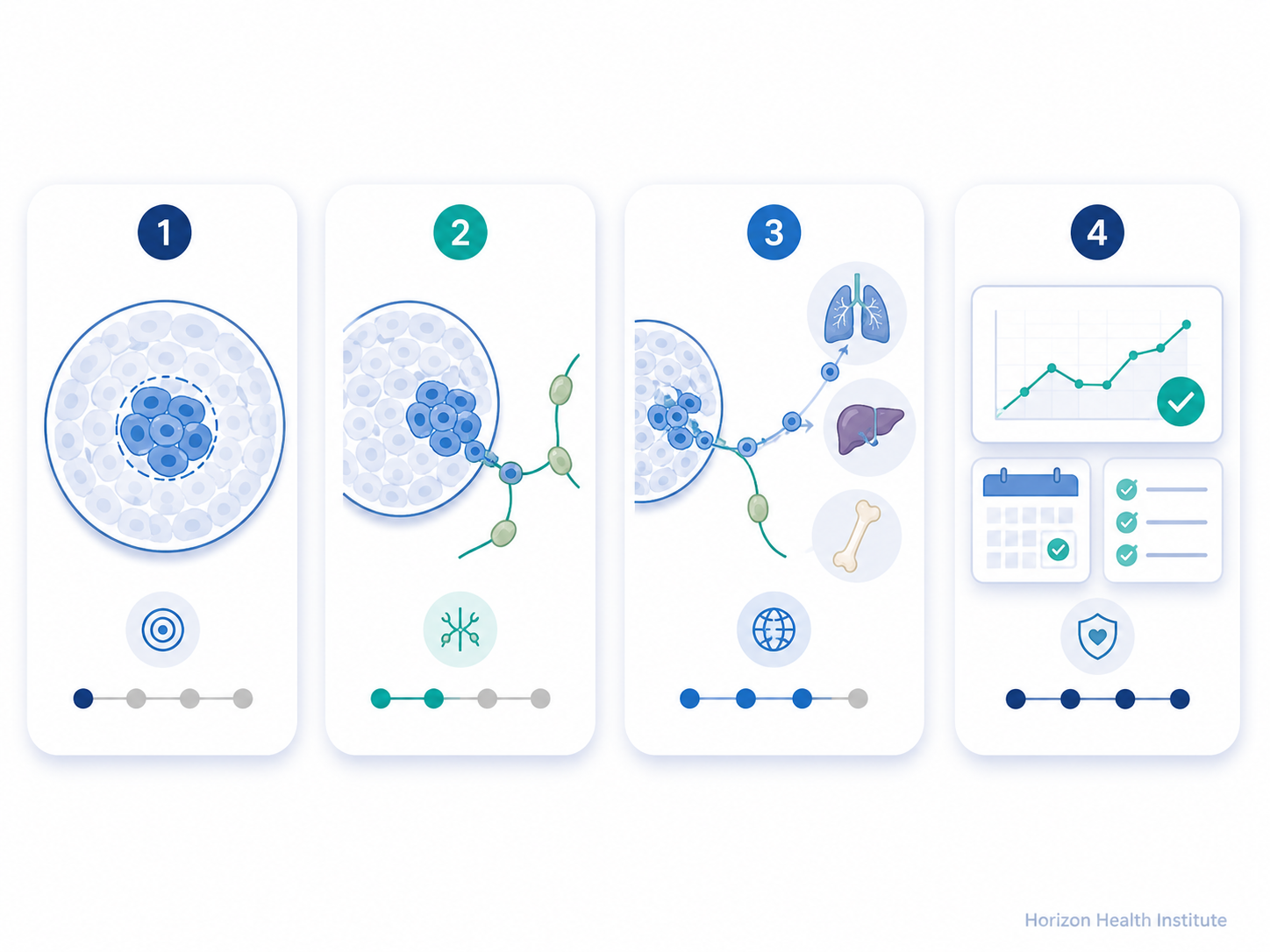
Stage is one of the most important factors in cancer survival. Many cancers are grouped into localized, regional, and distant stages for population statistics.
Localized cancer
The cancer is limited to the place where it started. Treatment may involve surgery, radiation, medication, or a combination of these approaches.
Regional cancer
The cancer has spread to nearby lymph nodes, tissues, or organs. Treatment often requires a more coordinated plan across oncology specialties.
Distant-stage cancer
The cancer has spread to distant organs or tissues. Treatment may focus on controlling cancer, improving survival, relieving symptoms, and preserving quality of life.
Unknown stage
Sometimes staging is incomplete or not available in a database. In clinical care, doctors usually need imaging, pathology, and laboratory information to clarify stage.
This is why early evaluation matters. Symptoms should not be ignored, and recommended screening tests can help detect certain cancers before they cause obvious problems.
The Role of Modern Medicine in Improving Cancer Outcomes
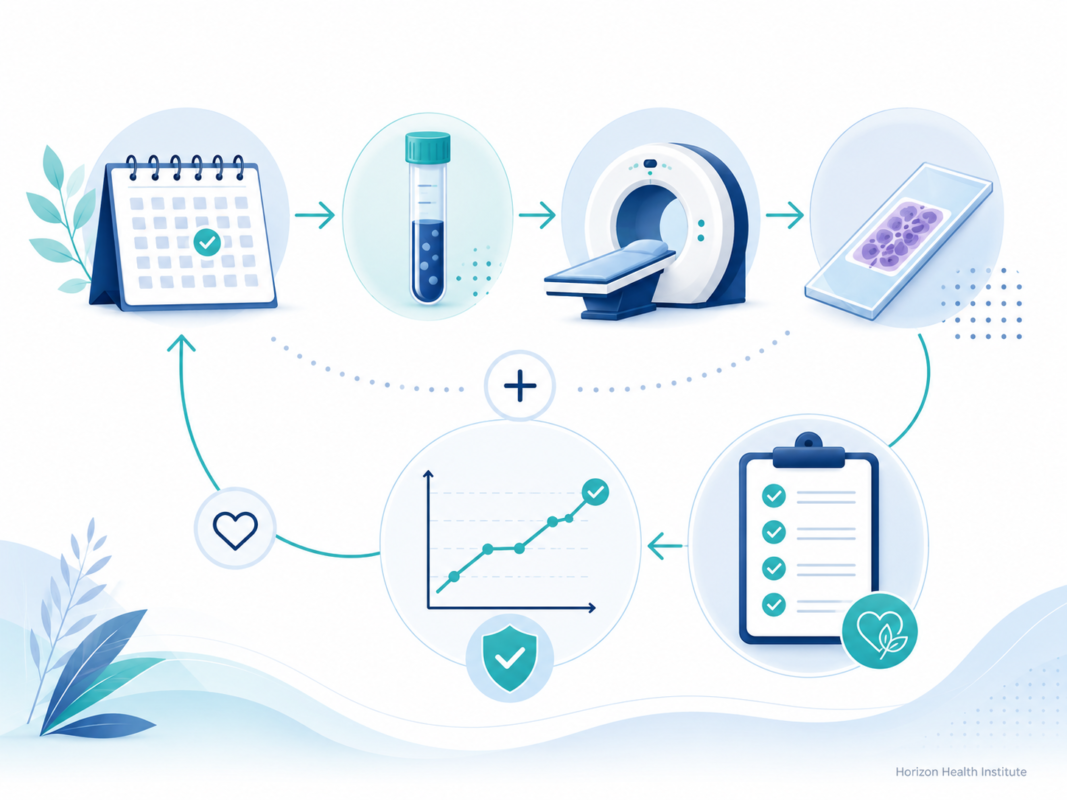
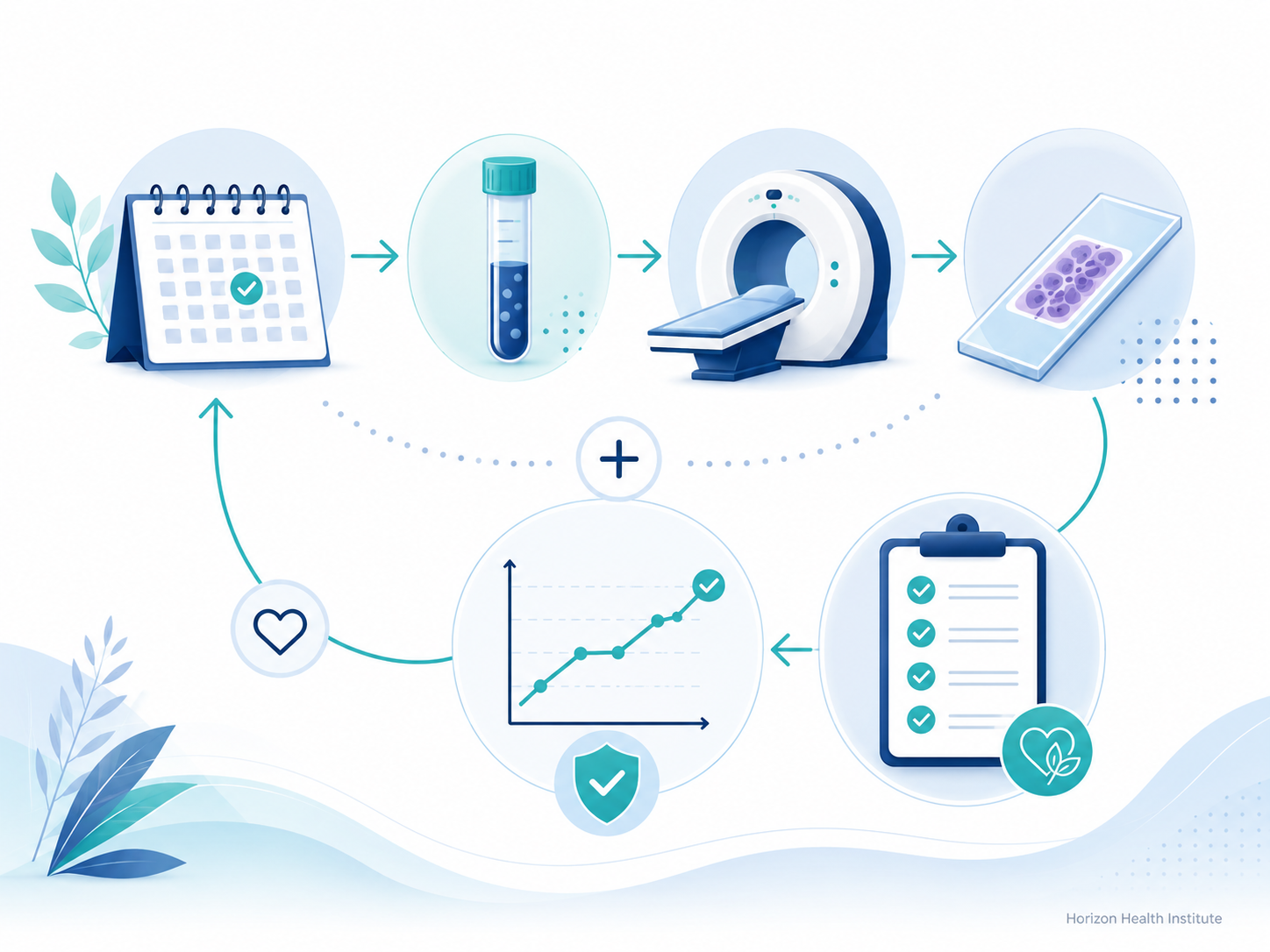
Cancer survival has improved over time for many cancer types, partly because medicine has become more precise. Today, cancer care is not based only on where a tumor starts. It also considers imaging findings, pathology, molecular features, genetic changes, immune markers, and the patient’s overall health.
Clinical evaluation
A careful medical history and physical exam remain important. Doctors look for symptoms, risk factors, family history, medication history, weight changes, pain patterns, bleeding, fatigue, infections, and other clues that may guide testing.
Imaging
Imaging tests such as ultrasound, mammography, CT, MRI, PET/CT, and X-ray can help locate tumors, evaluate spread, guide biopsies, and monitor response to treatment. The right imaging test depends on the cancer type and clinical question.
Biopsy and pathology
A biopsy is often needed to confirm a cancer diagnosis. A pathologist examines tissue under a microscope and may perform additional tests to identify tumor type, grade, margins, hormone receptors, or other features that affect treatment.
Biomarker testing
Biomarker testing can identify specific changes in cancer cells. These results may help doctors choose targeted therapy, immunotherapy, hormone therapy, or clinical trial options when appropriate.
Follow-up monitoring
After treatment, follow-up care may include physical exams, lab tests, imaging, symptom review, medication management, rehabilitation, survivorship care, and screening for recurrence or treatment-related side effects.
Modern oncology is increasingly personalized. The same cancer type can require different treatment plans depending on stage, pathology, biomarkers, patient goals, and treatment tolerance.
Common Reasons Survival Statistics May Not Match Today’s Care
Survival data are valuable, but they should be read with context. A statistic published today may be based on people diagnosed several years ago. Since cancer treatment can change quickly, current patients may have access to newer options that were not widely available during the survival data period.
- Newer treatments: Immunotherapy, targeted therapy, antibody-drug conjugates, and advanced radiation techniques may improve outcomes for selected patients.
- Earlier diagnosis: Better screening and awareness can shift some cancers toward earlier-stage detection.
- Improved imaging: More accurate imaging can help doctors stage cancer more precisely and choose better treatment plans.
- Biomarker-guided care: Molecular testing can identify treatment options that were not available in older survival datasets.
- Supportive care: Better management of side effects, nutrition, infections, blood counts, pain, and rehabilitation can help patients complete treatment safely.
Questions Patients Can Ask Their Oncology Team
Survival statistics are most useful when they lead to better conversations. A patient’s own oncology team can explain how population-level numbers apply to the specific diagnosis.
About diagnosis
- What type of cancer do I have?
- What is the stage?
- Has the cancer spread to lymph nodes or distant organs?
- Do I need additional imaging or biopsy review?
About tumor biology
- What does the pathology report show?
- What is the tumor grade?
- Are biomarker or genetic tests recommended?
- Could the results change my treatment options?
About treatment
- What are the treatment goals?
- Is treatment intended to cure, control, or relieve symptoms?
- What are the expected benefits and risks?
- Are clinical trials appropriate to consider?
About follow-up
- How will treatment response be monitored?
- How often will follow-up visits happen?
- What symptoms should be reported quickly?
- What survivorship care is recommended after treatment?

How to Read Cancer Survival Rates Responsibly
When reading survival statistics online, it helps to slow down and look carefully at what the number actually means. A survival rate may refer to all stages combined, one specific stage, one age group, one cancer subtype, or one treatment era.
Check what cancer type is being discussed
“Cancer” is not one disease. Survival rates for thyroid cancer, prostate cancer, breast cancer, melanoma, lung cancer, pancreatic cancer, brain tumors, leukemia, and lymphoma can be very different. Even within one cancer type, subtypes can behave differently.
Check whether the number is stage-specific
A survival rate for all stages combined may look very different from survival for localized disease or distant-stage disease. Stage-specific information is often more useful than a single overall number.
Check the data years
The time period matters. A statistic based on people diagnosed from 2016 to 2022 may not fully reflect treatments that became more common after that period.
Check the source
Reliable sources include the National Cancer Institute, SEER, CDC U.S. Cancer Statistics, American Cancer Society, NIH, FDA, WHO, and peer-reviewed medical journals. Be careful with websites that present survival rates without explaining the cancer type, stage, data source, or date range.
A good survival statistic should answer four questions: What cancer type? What stage? What time period? What source?
Why Early Detection Still Matters
Earlier detection does not guarantee a good outcome, and not every cancer has a recommended screening test. Still, for several major cancers, screening and timely evaluation can help find disease at a more treatable stage.
Screening recommendations vary by age, sex, risk factors, family history, smoking history, and previous test results. For example, U.S. guidelines commonly address screening for breast, cervical, colorectal, and lung cancer in specific groups. Some people may need earlier or more frequent screening because of family history, inherited risk, or previous abnormal findings.
Symptoms also matter. Unexplained weight loss, unusual bleeding, persistent cough, new lumps, ongoing pain, changes in bowel habits, difficulty swallowing, or severe fatigue should be evaluated by a qualified healthcare professional, especially if symptoms persist or worsen.
Key Takeaways
Survival rates are population estimates
They describe what happened to groups of people, not exactly what will happen to one individual.
Stage strongly affects outcomes
Cancers found before distant spread often have more treatment options and better survival patterns.
Modern testing can refine care
Imaging, pathology, biomarker testing, and molecular profiling can help guide treatment decisions.
Follow-up is part of cancer care
Monitoring after diagnosis or treatment helps assess response, manage side effects, and support long-term health.
Sources and References
- National Cancer Institute. SEER Cancer Stat Facts: Cancer of Any Site.
- National Cancer Institute. SEER Cancer Survival Statistics.
- Centers for Disease Control and Prevention. U.S. Cancer Statistics: Relative Cancer Survival.
- American Cancer Society. Cancer Facts & Figures 2026.
- National Institutes of Health and National Cancer Institute resources on cancer diagnosis, staging, and treatment.
This article is provided by Horizon Health Institute for general health education and should be used to support, not replace, conversations with qualified healthcare professionals.
As someone dealing with this personally, the cancer survival rates: what they mean, section was very helpful. I appreciated how the article addressed both the clinical side and the practical lifestyle adjustments. Keep up this kind of thorough health journalism — it genuinely helps patients like me.
This is one of the clearest explanations of cancer survival rates: what they mean, I have found. The specific numbers and thresholds mentioned are exactly what I needed to understand my lab results. Keep up this kind of thorough health journalism — it genuinely helps patients like me.
Thank you for covering cancer survival rates: what they mean, so thoroughly without being overly technical. I have tried following advice from several sources but this is the most consistent with what my specialist told me. Keep up this kind of thorough health journalism — it genuinely helps patients like me.
This breakdown of cancer survival rates: what they mean, is exactly what patients need before a specialist appointment. The practical tips made this immediately actionable, not just theoretical. This is going into my health folder that I bring to every doctor’s visit.
Thank you for covering cancer survival rates: what they mean, so thoroughly without being overly technical. I appreciated how the article addressed both the clinical side and the practical adjustments. Keep up this kind of thorough health journalism — it genuinely helps patients like me.
I shared this article on cancer survival rates: what they mean, with my doctor and they appreciated the level of detail. The practical tips made this immediately actionable, not just theoretical. Looking forward to reading more articles from this website.