
How to Prevent Cancer: Evidence-Based Steps to Lower Your Risk
Cancer prevention is not about one perfect habit. It is about building a realistic, evidence-based pattern of choices that helps reduce risk over time while supporting earlier detection when cancer is most treatable.
At Horizon Health Institute, we believe cancer education should be clear, practical, and grounded in modern medical evidence. While no lifestyle can completely eliminate cancer risk, research shows that many cancers are influenced by preventable or modifiable factors such as tobacco exposure, excess body weight, alcohol use, certain infections, ultraviolet radiation, and delayed screening.
The goal of cancer prevention is simple: reduce avoidable risk, detect cancer earlier when possible, and help people make informed decisions with their healthcare team.
Why Cancer Prevention Matters
Cancer develops when cells grow and divide in ways the body can no longer control. Some risks are not changeable, such as age, inherited genetic factors, or family history. But many important cancer risks are connected to daily exposures, infections, lifestyle patterns, and whether people receive recommended screening.
The World Health Organization estimates that about 30% to 50% of cancers can be prevented through evidence-based strategies. In the United States, prevention also includes organized screening programs, vaccination, tobacco control, safer sun habits, and earlier medical evaluation of concerning symptoms.
Sources: World Health Organization; Centers for Disease Control and Prevention; National Cancer Institute.
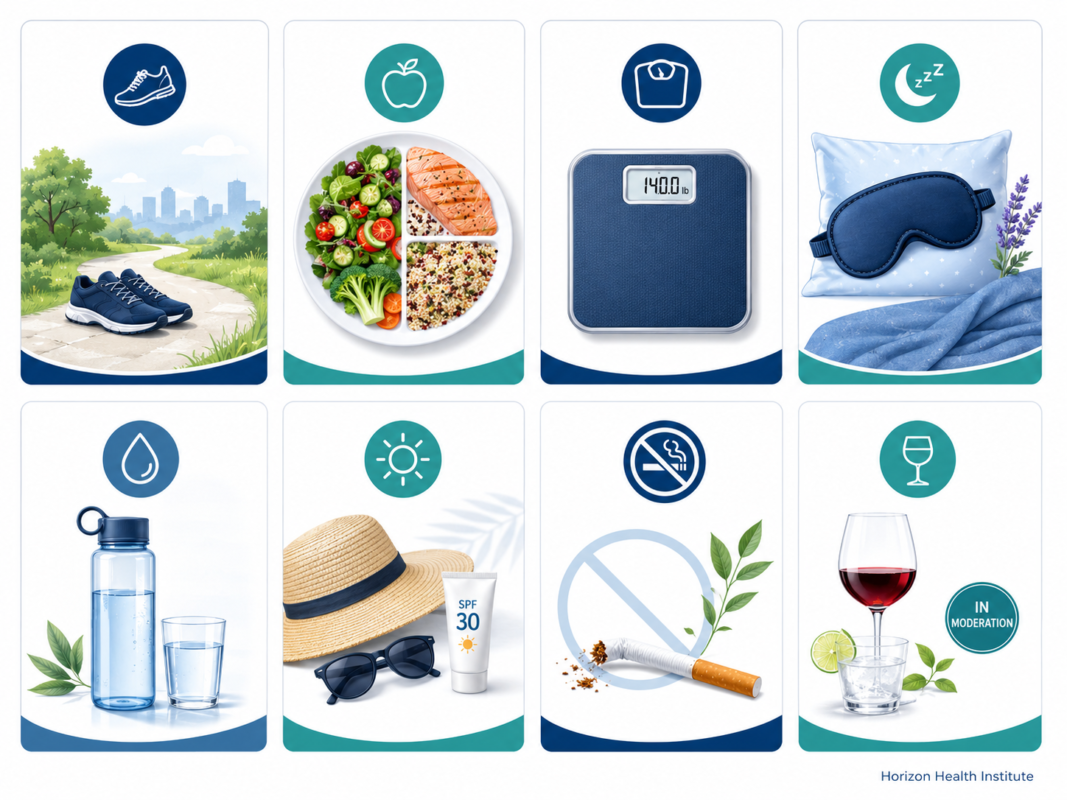
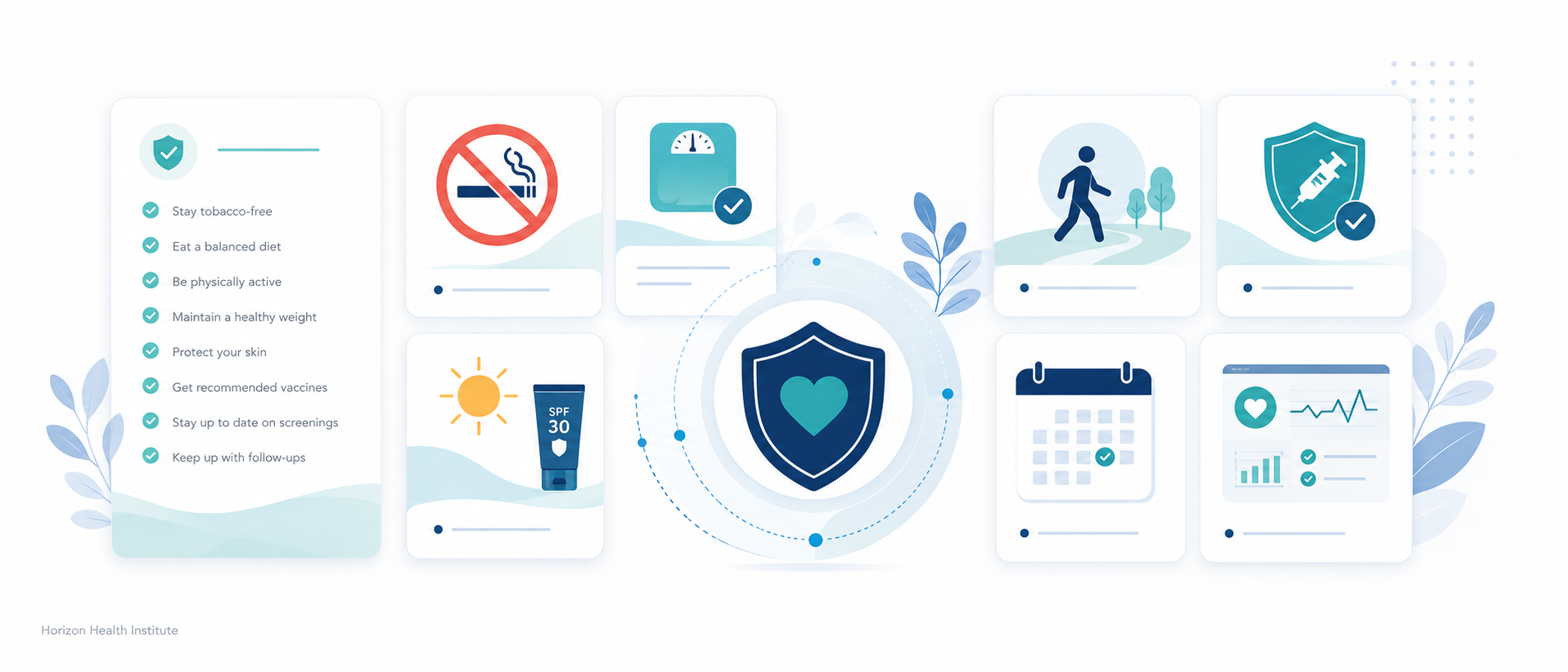
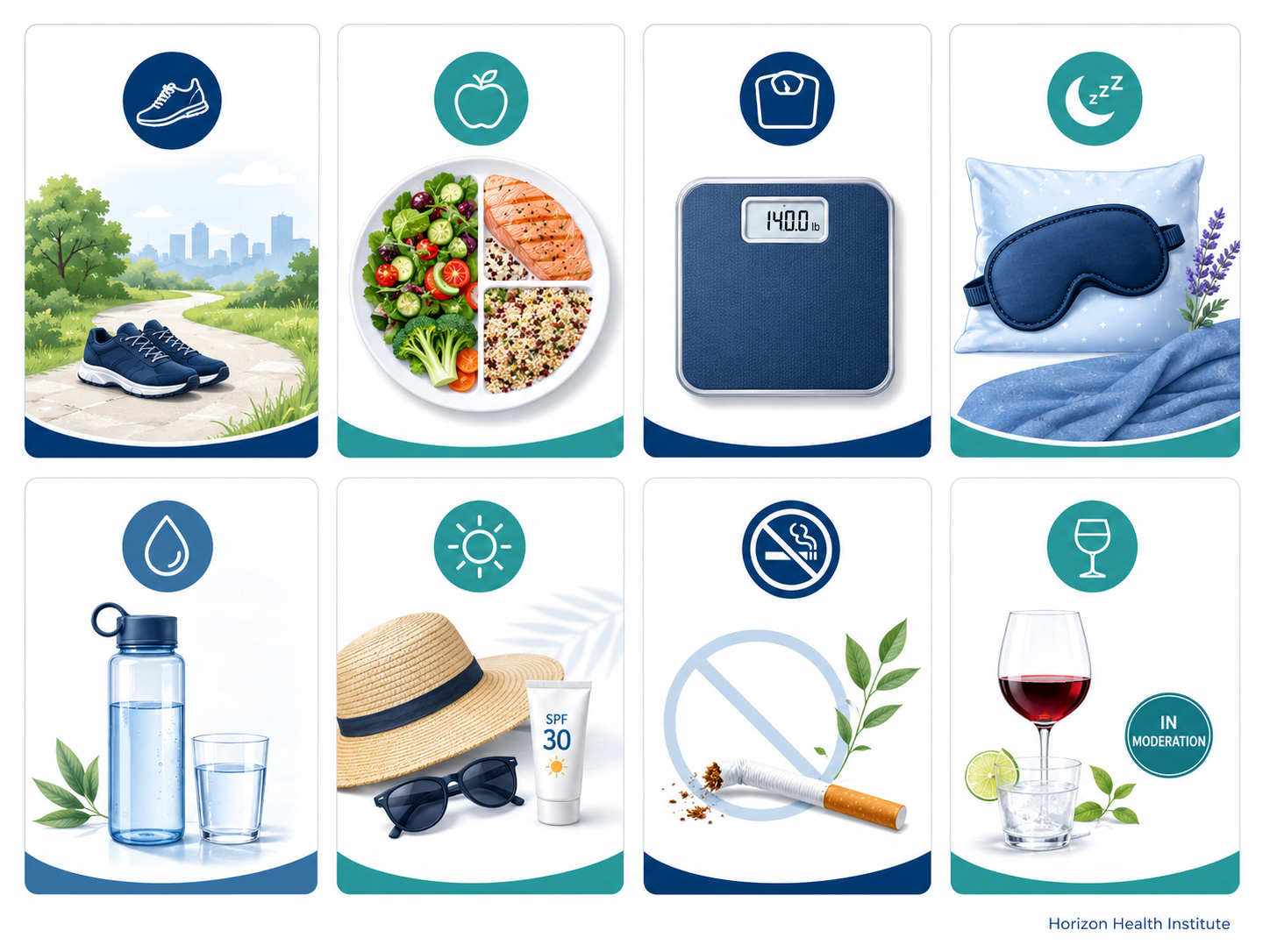
Avoid tobacco, limit alcohol, protect skin from UV radiation, and reduce exposure to known carcinogens when possible.
Maintain a healthy weight, stay physically active, eat a balanced diet, and protect sleep and metabolic health.
Keep up with vaccines, screening tests, clinical checkups, and follow-up monitoring when recommended.
1. Avoid Tobacco and Secondhand Smoke
Avoiding tobacco is one of the most powerful cancer prevention steps. Cigarette smoking is strongly linked to lung cancer and also increases the risk of many other cancers, including cancers of the mouth, throat, esophagus, bladder, kidney, pancreas, stomach, cervix, colon and rectum, and blood.
Secondhand smoke also increases health risks. For people who currently smoke, quitting at any age can improve health and lower future cancer risk. Modern prevention care may include counseling, nicotine replacement therapy, prescription medications, and structured quit programs.
2. Limit Alcohol Intake
Alcohol increases the risk of several cancers, including cancers of the mouth, throat, voice box, esophagus, liver, colon and rectum, and breast. The less alcohol a person drinks, the lower the alcohol-related cancer risk.
A practical prevention message is not to start drinking for health reasons. For adults who drink, reducing frequency and amount can be a meaningful risk-lowering step.
3. Maintain a Healthy Weight
Excess body weight is linked with a higher risk of multiple cancers. The CDC notes that overweight and obesity are associated with higher risk for 13 types of cancer, and these cancers make up about 40% of cancers diagnosed in the United States each year.
A healthy weight is not about extreme dieting. It is usually supported by sustainable routines: balanced meals, regular movement, better sleep, less sugary beverages, and consistent medical monitoring of blood pressure, blood sugar, cholesterol, and waist circumference when appropriate.
4. Stay Physically Active
Regular physical activity helps support weight control, insulin sensitivity, immune function, hormone regulation, and cardiovascular health. These factors can influence long-term cancer risk and overall health.
- Choose activities you can repeat consistently, such as brisk walking, cycling, swimming, resistance training, or active household tasks.
- Break up long sitting periods with short movement breaks during the day.
- Add strength training when possible to support muscle, metabolism, and healthy aging.
5. Build a Cancer-Prevention Eating Pattern
No single food can prevent cancer by itself. A prevention-focused eating pattern usually emphasizes vegetables, fruits, beans, lentils, whole grains, nuts, and other fiber-rich foods. It also limits highly processed foods, processed meats, excess added sugar, and frequent oversized portions.
The American Cancer Society recommends a healthy eating pattern that includes nutrient-rich foods in amounts that help achieve and maintain a healthy body weight.
6. Use Vaccines That Help Prevent Cancer-Related Infections
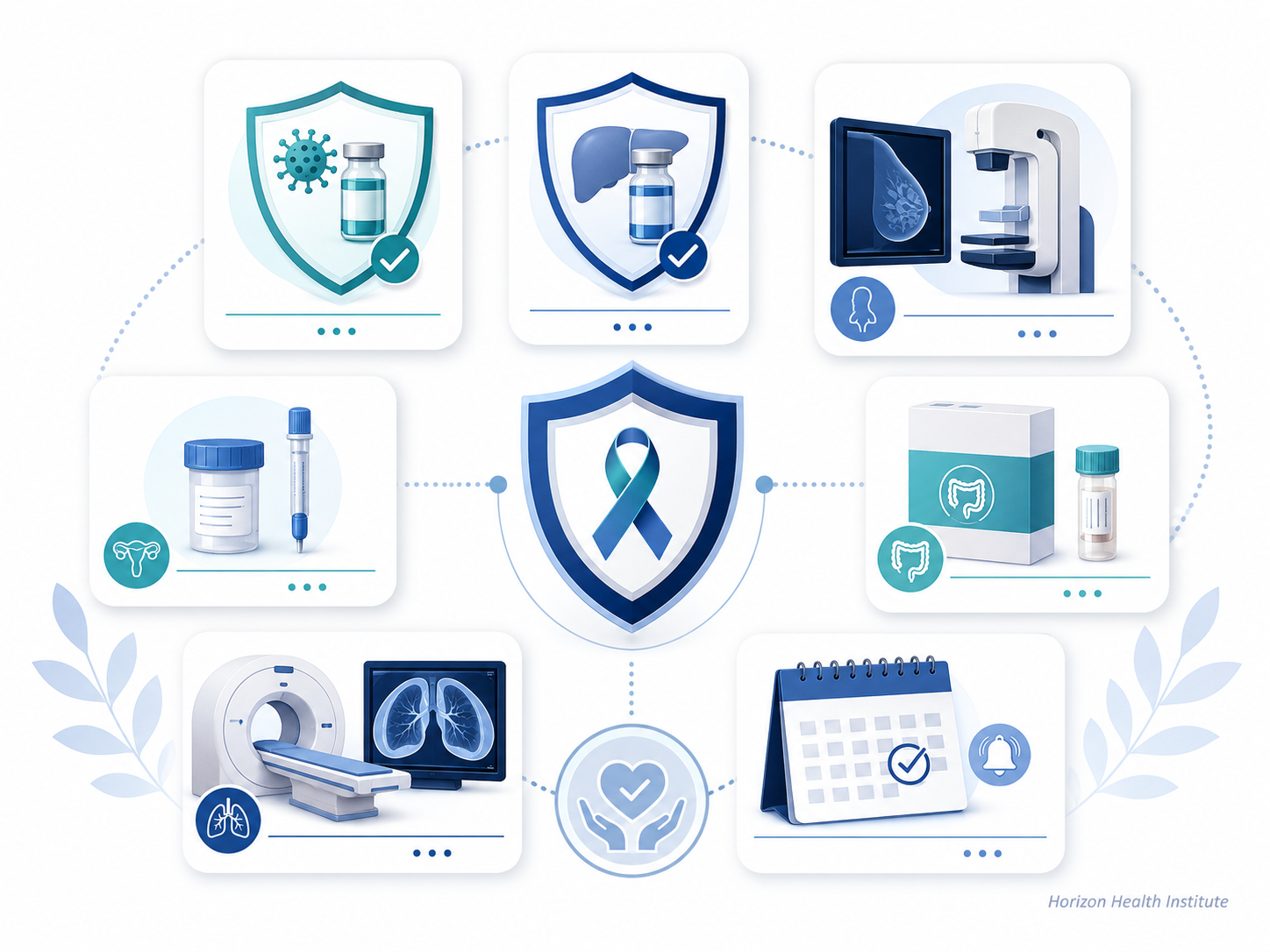
Some cancers are connected to infections. The human papillomavirus, or HPV, can cause several cancers, including cervical, anal, throat, penile, vaginal, and vulvar cancers. Hepatitis B infection can increase the risk of liver cancer.
Vaccination is one of the clearest examples of modern medicine supporting cancer prevention. HPV vaccination and hepatitis B vaccination can help reduce infection-related cancer risk when used according to medical recommendations.
7. Protect Your Skin From Ultraviolet Radiation
Ultraviolet radiation from the sun and indoor tanning devices can damage skin cells and increase the risk of skin cancer, including melanoma. Prevention is especially important because UV damage can build over time.
- Use broad-spectrum sunscreen when outdoors.
- Wear protective clothing, sunglasses, and a wide-brimmed hat.
- Seek shade during strong sunlight hours.
- Avoid indoor tanning beds.
- Watch for changing, bleeding, or unusual skin spots and discuss them with a healthcare professional.
8. Follow Recommended Cancer Screening
Screening means checking for cancer before symptoms appear. Screening does not prevent every cancer, but it can find certain cancers earlier, when treatment is more likely to work well. Some screening tests can also detect precancerous changes before they become cancer.
In the United States, the CDC supports screening for breast, cervical, colorectal, and lung cancers according to recommendations from the U.S. Preventive Services Task Force.
| Screening area | Why it matters | Common examples |
|---|---|---|
| Breast cancer | Screening can help find breast cancer before symptoms are noticeable. | Mammography based on age and risk level. |
| Cervical cancer | Screening can detect HPV-related cell changes before cancer develops. | Pap test, HPV test, or combined testing depending on age and guidance. |
| Colorectal cancer | Some tests can find polyps before they become cancer. | Colonoscopy, stool-based tests, and other approved screening methods. |
| Lung cancer | High-risk adults may benefit from early detection with imaging. | Low-dose CT scan for eligible people with a significant smoking history. |
| Skin cancer | Early evaluation of changing lesions may support earlier diagnosis. | Skin examination and dermoscopy when clinically appropriate. |
Sources: CDC Cancer Screening Tests; National Cancer Institute; American Cancer Society.
9. Know Environmental and Workplace Risks
Some cancer risks come from the environment or workplace. Examples may include radon exposure, asbestos, certain industrial chemicals, air pollution, and repeated unprotected exposure to radiation or carcinogenic substances.
Radon is an important cause of lung cancer in the United States, especially when combined with smoking. Home radon testing can be useful in certain regions, and mitigation may reduce exposure when levels are high.
10. Understand Family History and Genetic Risk
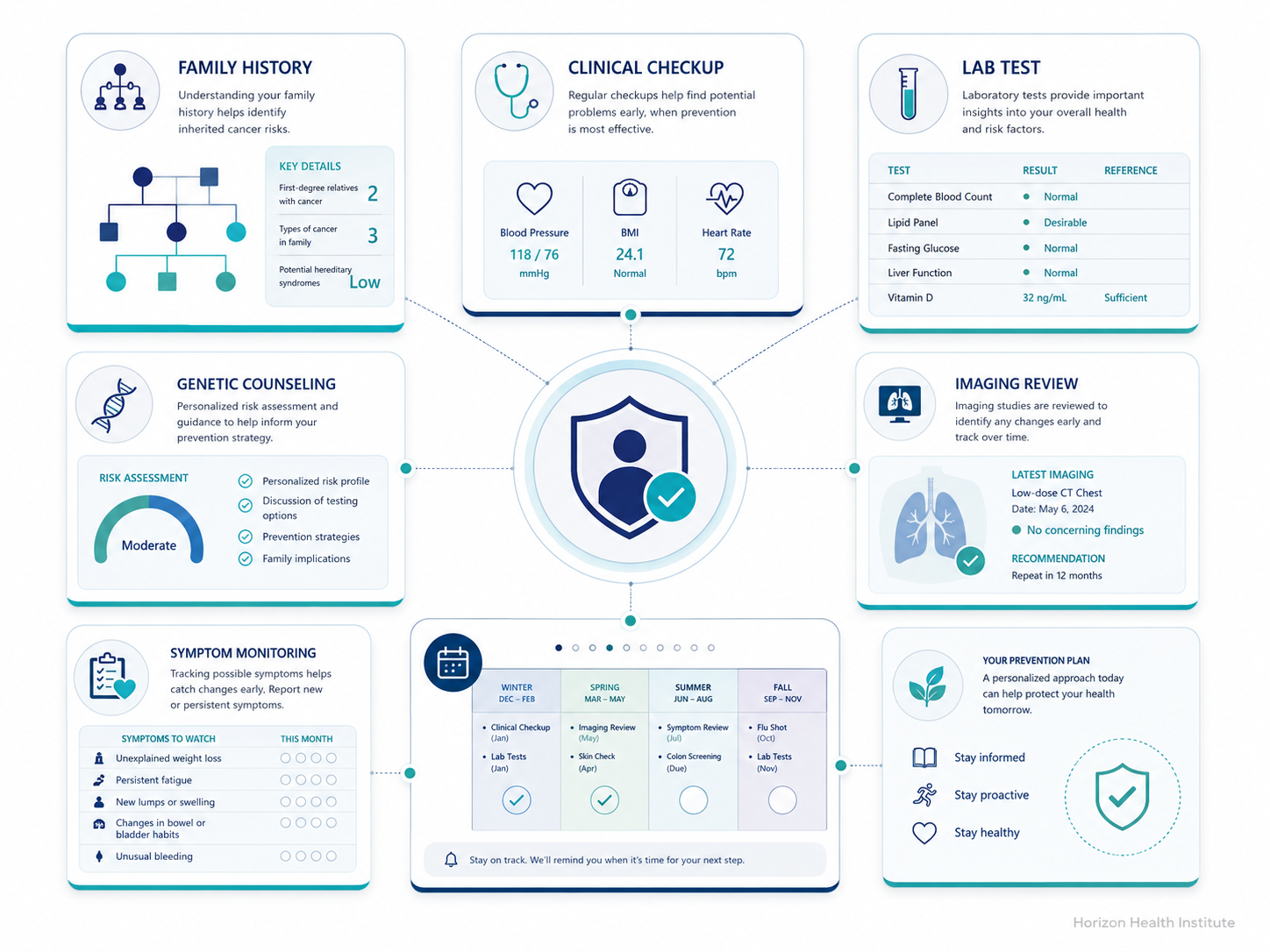
Most cancers are not caused by inherited gene changes alone, but family history can still be important. A pattern of cancer across close relatives, cancer at unusually young ages, or multiple related cancers in the same family may suggest a higher inherited risk.
Modern prevention care may include genetic counseling, personalized screening schedules, risk-reducing strategies, and closer follow-up for people with elevated risk.
11. Do Not Ignore Persistent Symptoms
Prevention is not only about lifestyle. It also means responding early when something does not feel right. Many symptoms are caused by non-cancer conditions, but persistent or unexplained changes deserve medical attention.
- Unexplained weight loss or ongoing fatigue.
- A lump, swelling, or thickened area that does not go away.
- Blood in stool, urine, or unusual bleeding.
- A persistent cough, hoarseness, or trouble swallowing.
- Changes in bowel or bladder habits.
- A mole or skin spot that changes in size, shape, color, or bleeding pattern.
A Practical Cancer Prevention Plan for Adults
Cancer prevention works best when it becomes part of routine healthcare. Instead of trying to change everything at once, start with the steps that have the strongest evidence and the highest personal relevance.
Review tobacco exposure, alcohol habits, activity level, sun protection, and whether you are due for any screening tests.
Schedule overdue preventive visits, update vaccinations if needed, and discuss family history with a healthcare professional.
Track weight, blood pressure, blood sugar risk, screening status, and any symptoms that need follow-up.
The Role of Modern Medicine in Cancer Prevention
Modern medicine supports cancer prevention in several ways. Clinical exams help evaluate symptoms and risk factors. Laboratory testing may identify infection-related risks, blood abnormalities, or metabolic problems. Imaging can support screening and diagnosis in selected situations. Pathology and biomarker testing guide care when abnormal tissue is found.
For people at higher risk, prevention may become more personalized. A clinician may recommend earlier screening, more frequent monitoring, genetic counseling, medication-based risk reduction in selected cases, or referral to a specialist.
Horizon Health Institute Perspective
Cancer prevention is not about fear. It is about informed action. A strong prevention plan combines healthy habits, recommended screening, vaccination, awareness of personal risk, and timely medical evaluation when symptoms persist.
Horizon Health Institute provides clear, evidence-based health education to help adults make more confident decisions about prevention, early detection, and long-term wellness.
References
Centers for Disease Control and Prevention: Cancer Prevention and Healthy Choices; CDC Cancer Screening Tests; CDC Lung Cancer Risk Factors; National Cancer Institute: Cancer Prevention Overview; American Cancer Society: Diet and Physical Activity Guideline for Cancer Prevention; World Health Organization: Preventing Cancer.
Came across this while researching how to prevent cancer: evidence-based steps for a family member. The article answered questions I didn’t even know I had until I started reading. Will definitely be coming back to this site for more health information.
I have been reading about how to prevent cancer: evidence-based steps for weeks and this is the most thorough guide I have found. I appreciated how the article addressed both the clinical side and the practical lifestyle adjustments. This is going into my health binder that I bring to every doctor’s visit.
Finally a resource that explains how to prevent cancer: evidence-based steps in plain language. I especially valued the explanation of why these recommendations exist, not just what they are. Exactly the kind of evidence-based information that is hard to find in one place.
Bookmarked this article on how to prevent cancer: evidence-based steps immediately — going to reference it regularly. It is refreshing to see an article that acknowledges individual variation rather than one-size-fits-all advice. This is going into my health folder that I bring to every doctor’s visit.
Really well-written article on how to prevent cancer: evidence-based steps. I especially valued the explanation of why these recommendations exist, not just what they are. I wish I had found this article earlier — would have saved a lot of confusion.
I never fully understood how to prevent cancer: evidence-based steps until I read this. What I liked most was that the article didn’t just say what to avoid — it also gave alternatives. This is going into my health folder that I bring to every doctor’s visit.