Cancer and Diet: How Healthy Eating Supports Cancer Prevention and Long-Term Wellness
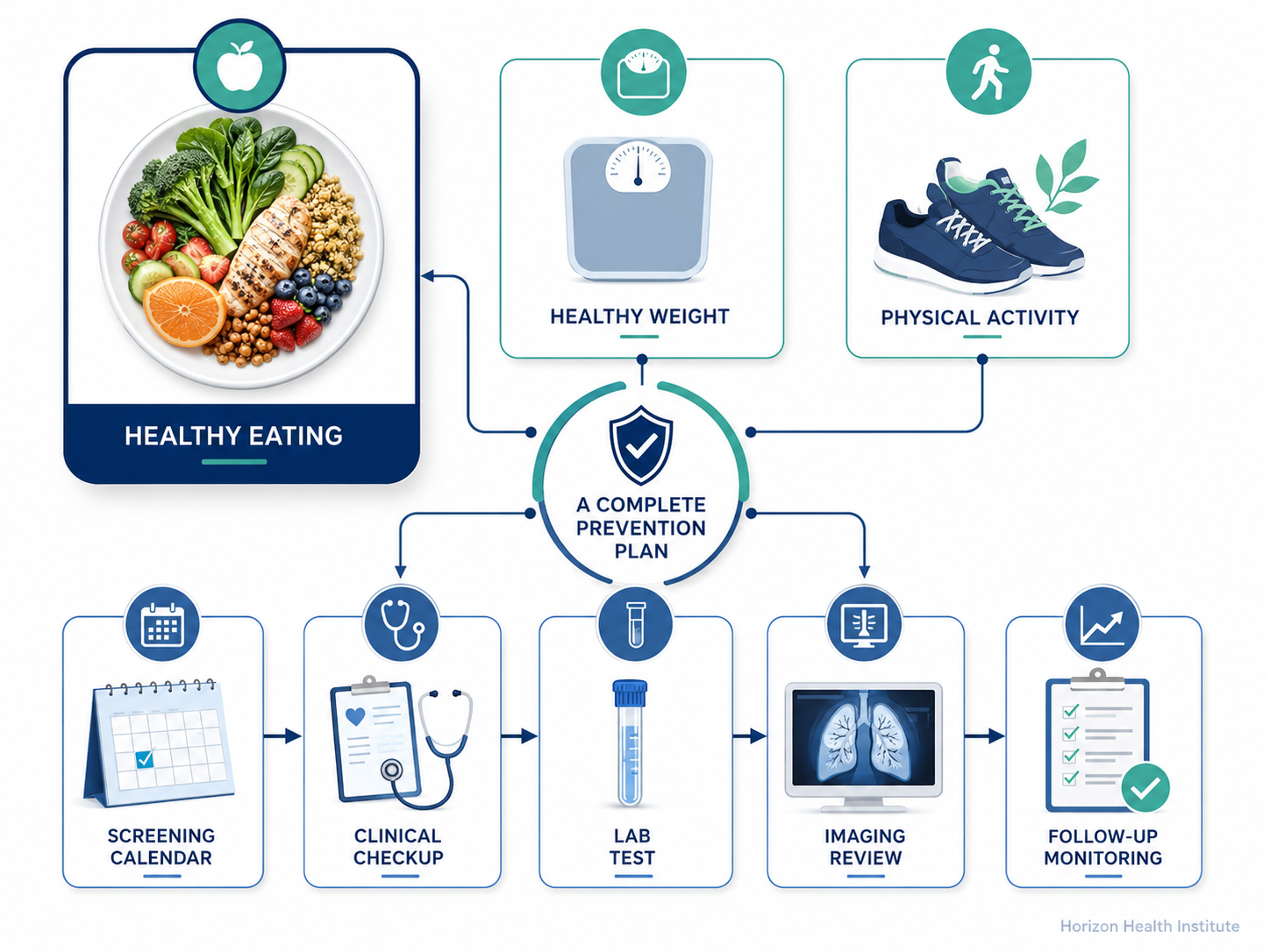
Food cannot guarantee that cancer will never happen. But a healthy eating pattern can help lower several cancer-related risks, support a healthy weight, reduce inflammation, improve metabolic health, and make preventive care easier to follow over time.
At Horizon Health Institute, we explain cancer prevention in a practical way: strong nutrition, regular physical activity, healthy weight, limited alcohol, evidence-based screening, and timely medical follow-up all work together.
Why Diet Matters in Cancer Prevention
Cancer develops through many factors, including genetics, age, hormones, infections, environmental exposures, tobacco, alcohol, body weight, and long-term lifestyle patterns. Diet is not the only factor, but it is one of the most important daily choices people can improve.
A healthy diet may support cancer prevention in several ways. It can help people maintain a healthier body weight, improve blood sugar and insulin regulation, support gut health, provide fiber and protective plant compounds, and reduce regular exposure to foods and drinks linked with higher cancer risk.
Diet can support lower risk
A prevention-focused eating pattern usually emphasizes vegetables, fruits, whole grains, beans, lentils, nuts, seeds, and healthy protein sources. These foods help provide fiber, vitamins, minerals, and plant compounds that support overall health.
Diet also supports medical care
Good nutrition can make it easier to maintain energy, manage weight, prepare for screening, recover from procedures, and follow long-term medical advice from clinicians.
Foods and Drinks Most Linked With Higher Cancer Risk
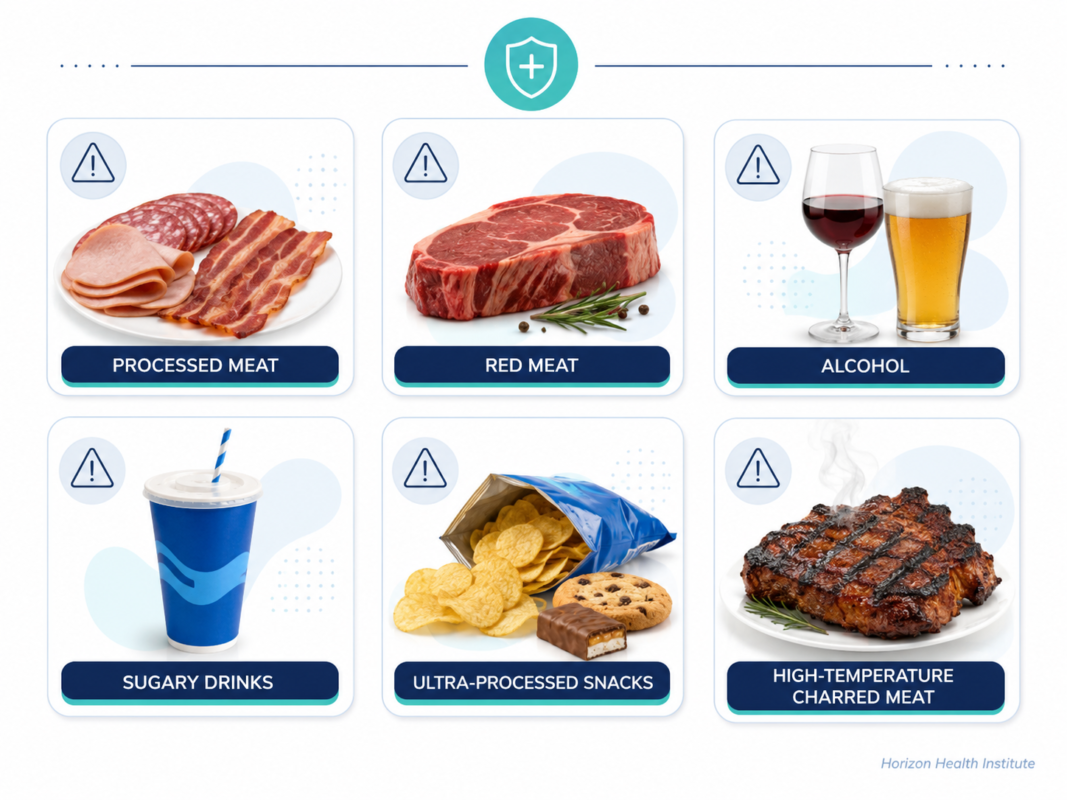
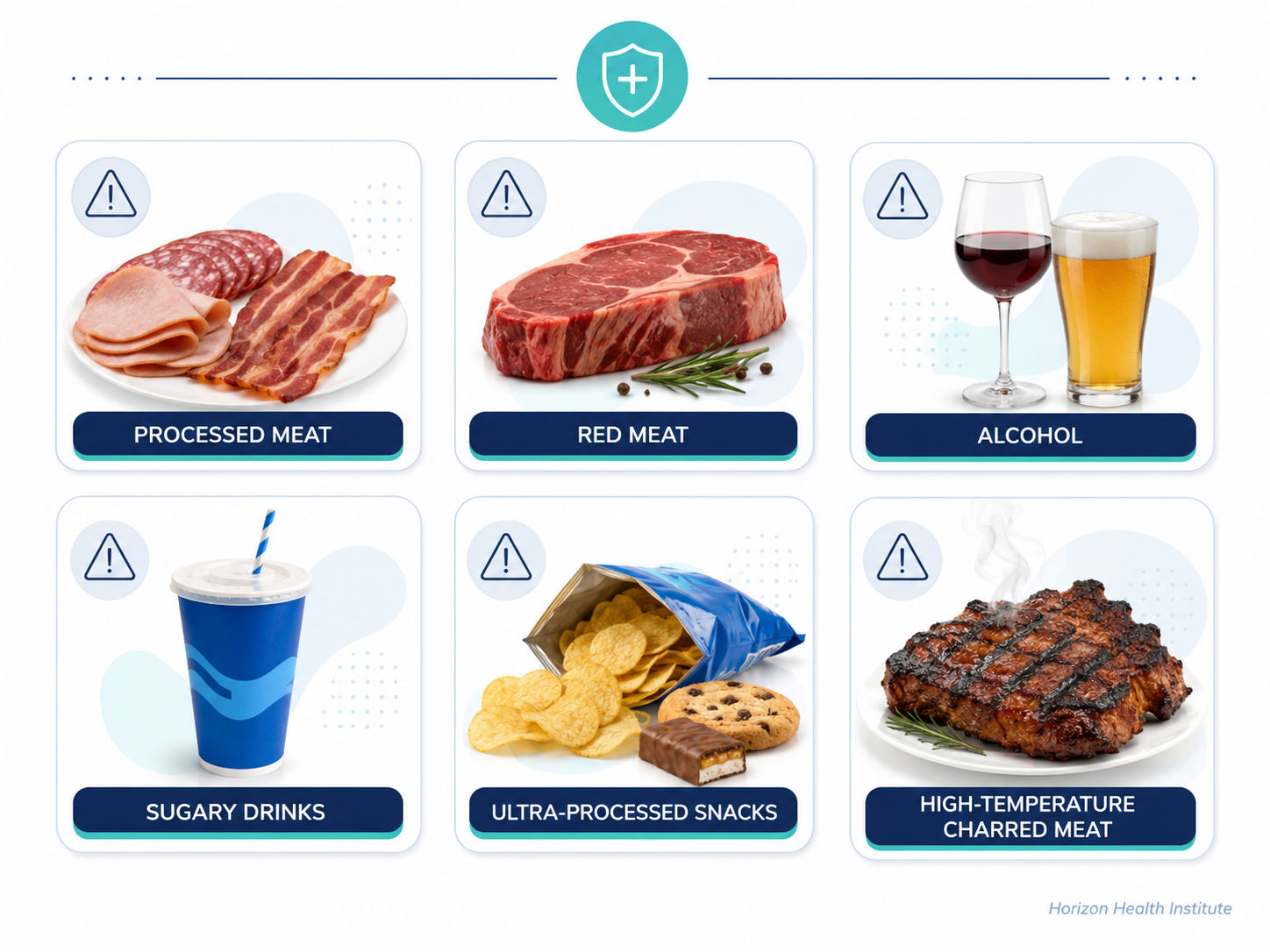
Nutrition research is complex because people eat patterns, not isolated nutrients. Still, several dietary factors have stronger evidence than others. The most consistent concerns include processed meat, frequent high intake of red meat, alcohol, excess body fat, and highly processed high-calorie diets that make weight control more difficult.
| Diet factor | Why it matters | Practical approach |
|---|---|---|
| Processed meat Examples: bacon, sausage, hot dogs, ham, deli meats |
Processed meat is classified by IARC as carcinogenic to humans, with the clearest link to colorectal cancer. | Limit strongly. Choose beans, fish, poultry, eggs, tofu, or minimally processed lean proteins more often. |
| Red meat Examples: beef, pork, lamb |
Red meat is classified by IARC as probably carcinogenic to humans, especially in relation to colorectal cancer. | Keep portions moderate and avoid making red meat the main protein every day. |
| Alcohol | Alcohol increases cancer risk. CDC notes that all alcoholic drinks can raise risk, and drinking less is better for health. | For cancer prevention, less is better. People who do not drink should not start for health reasons. |
| High-calorie ultra-processed foods | These foods can contribute to excess calorie intake, weight gain, and poorer diet quality. | Choose whole or minimally processed foods most of the time. Use the Nutrition Facts label to compare added sugars, sodium, saturated fat, and fiber. |
| Frequent charred or heavily grilled meats | High-temperature cooking can form compounds that raise concern in cancer research. | Use gentler cooking methods more often, avoid heavy charring, and pair meals with vegetables and whole grains. |
What to Eat More Often
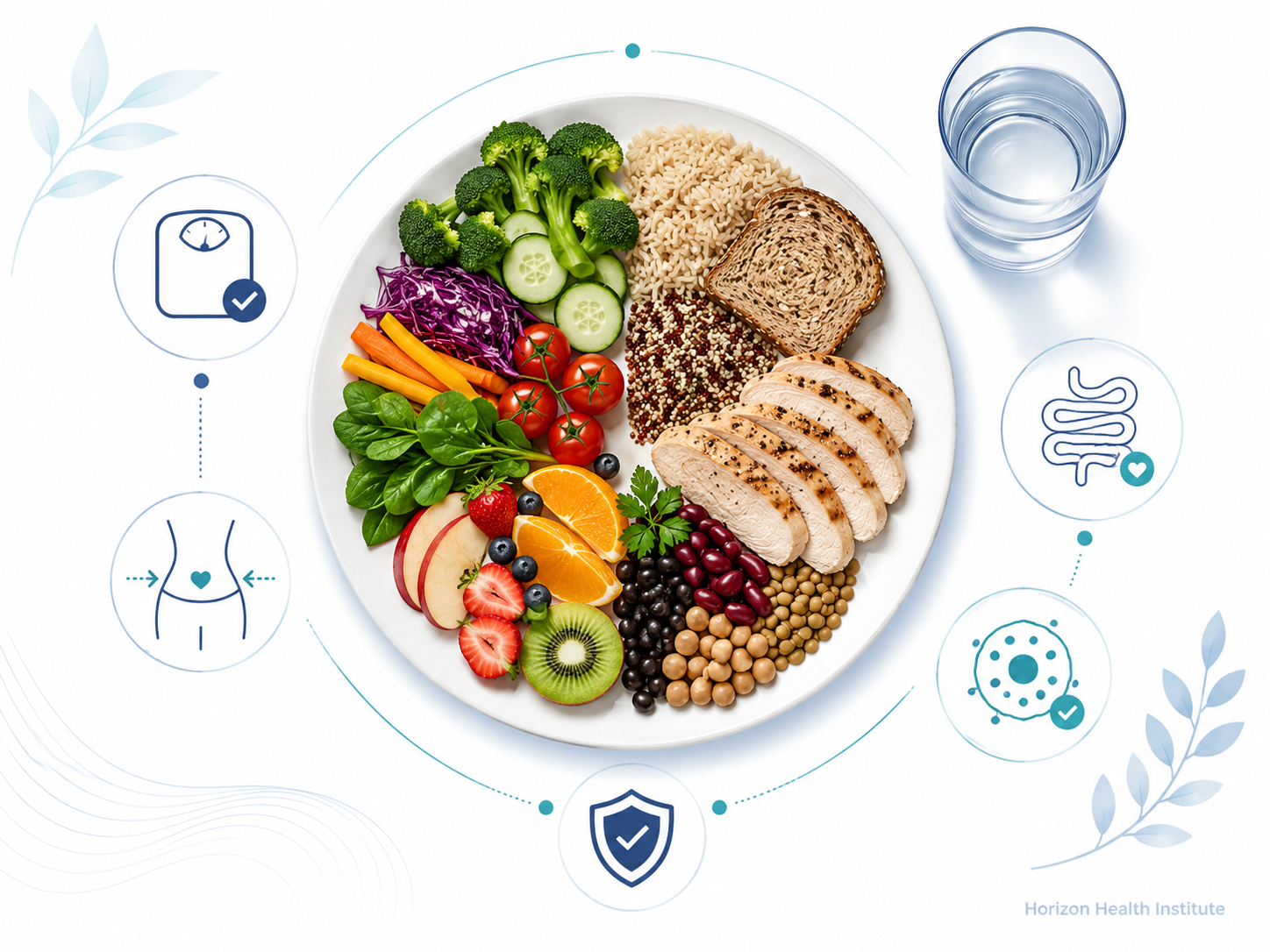
A cancer-prevention eating pattern does not need to be complicated. It should be colorful, fiber-rich, balanced, and sustainable. For many adults, the easiest starting point is to build meals around plant-forward foods and add healthy protein in reasonable portions.
Vegetables and fruits
Aim for variety. Dark leafy greens, cruciferous vegetables, berries, citrus, tomatoes, peppers, carrots, and other colorful foods provide fiber, vitamins, minerals, and natural plant compounds.
Whole grains
Oats, brown rice, whole wheat, barley, quinoa, and other whole grains can help increase fiber intake and support digestive and metabolic health.
Beans, lentils, nuts, and seeds
These foods provide fiber, plant protein, minerals, and healthy fats. They are useful replacements for processed meats in many meals.
Healthy protein choices
Fish, poultry, eggs, tofu, beans, lentils, yogurt, and other minimally processed protein sources can help build balanced meals without relying heavily on processed meats.
A simple prevention plate
- Half the plate: vegetables and fruit, with more vegetables most days.
- One quarter: whole grains or starchy vegetables such as brown rice, oats, quinoa, corn, potatoes, or sweet potatoes.
- One quarter: healthy protein such as fish, poultry, beans, lentils, tofu, eggs, or yogurt.
- Add: water, unsweetened tea, or other low-sugar drinks most of the time.
How to Use Food Labels for Smarter Cancer Prevention Choices
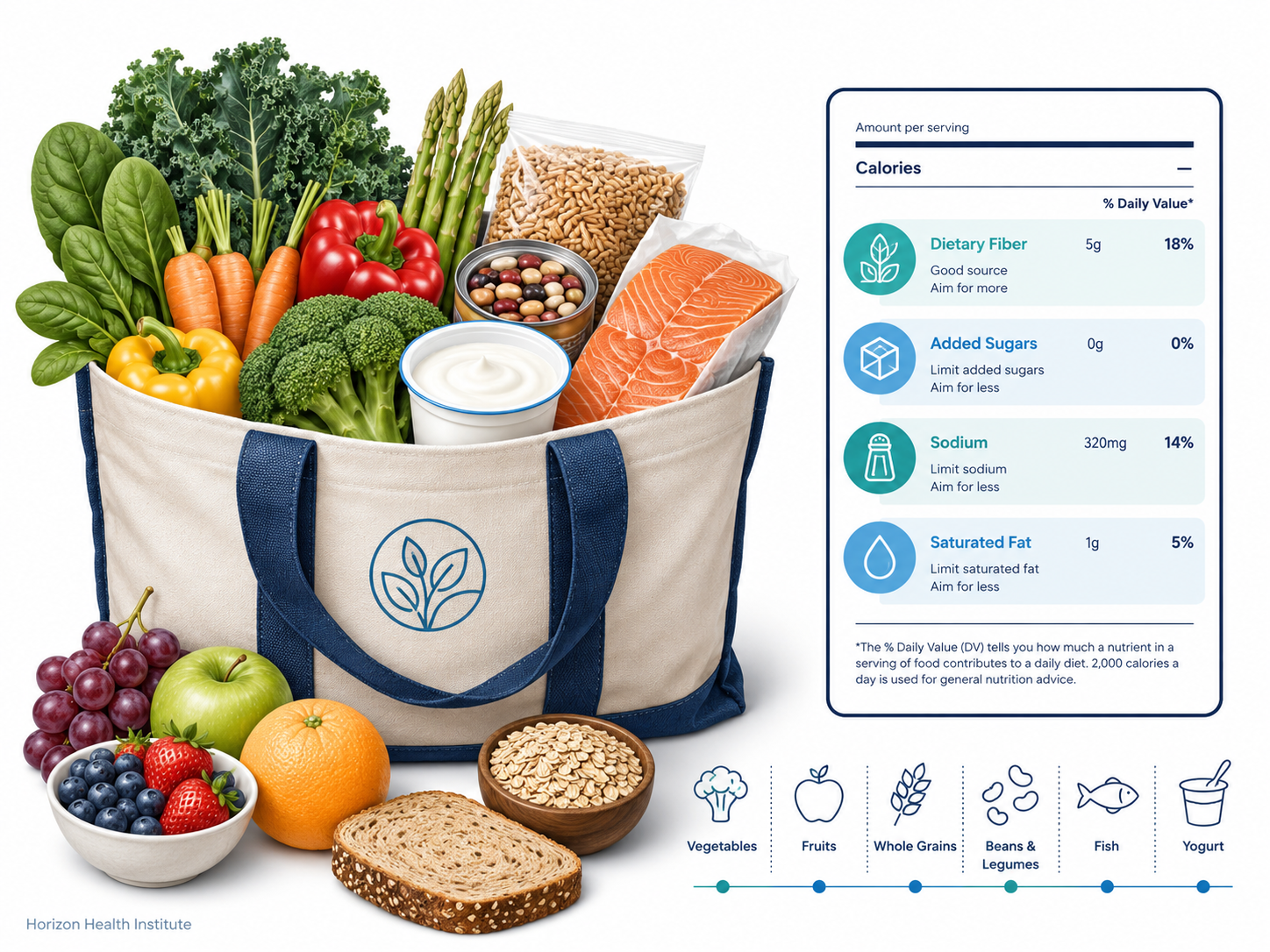
Food labels are not just for weight loss. They can help you compare products and choose options that support long-term health. The FDA recommends looking for foods that are higher in dietary fiber and lower in saturated fat, sodium, and added sugars.
Look for more of these
- Dietary fiber
- Vitamin D, calcium, iron, and potassium when relevant
- Whole-food ingredients such as oats, beans, nuts, seeds, and whole grains
- Protein sources with minimal processing
Limit these more often
- Added sugars
- High sodium
- Saturated fat
- Processed meats and highly processed snack foods
A Realistic 7-Day Pattern for Cancer-Conscious Eating
A healthy diet should be realistic enough to continue. Instead of strict rules, use a weekly pattern that makes healthier choices easier and reduces repeated exposure to risk-linked foods.
| Meal habit | Simple goal | Example |
|---|---|---|
| Breakfast | Start with fiber and protein. | Oatmeal with berries and nuts, or Greek yogurt with fruit and chia seeds. |
| Lunch | Build a balanced plate. | Brown rice bowl with vegetables, beans, chicken or tofu, and olive-oil-based dressing. |
| Dinner | Make vegetables visible. | Fish or lentils with roasted vegetables and quinoa, or vegetable soup with whole-grain bread. |
| Snacks | Choose nutrient-dense options. | Fruit, nuts, carrots with hummus, yogurt, or unsweetened tea. |
| Protein rotation | Reduce reliance on processed meat. | Use beans, lentils, fish, poultry, tofu, eggs, or yogurt through the week. |
| Drinks | Lower sugar and alcohol exposure. | Water, sparkling water without added sugar, unsweetened tea, or coffee without heavy sugar additions. |
Small upgrades that matter
Diet Is Important, But It Does Not Replace Screening
A healthy diet can support prevention, but it cannot replace cancer screening, clinical evaluation, or medical follow-up. Some cancers may develop even in people who eat well, exercise, and maintain a healthy weight. This is why modern cancer prevention combines lifestyle habits with evidence-based medical care.
Clinical checkups
A clinician can review personal risk factors such as age, family history, tobacco exposure, alcohol use, weight changes, digestive symptoms, and medication history.
Screening tests
Depending on age, sex, risk level, and medical history, screening may include colon cancer screening, mammography, cervical cancer screening, lung cancer screening for eligible adults, or other recommended tests.
Lab and metabolic monitoring
Blood sugar, cholesterol, liver markers, kidney function, and other lab results can help clinicians understand overall metabolic health and risk patterns.
Imaging and diagnostic follow-up
When symptoms or screening results need more evaluation, imaging such as ultrasound, CT, MRI, mammography, or other tests may help clinicians investigate further.
When to Talk With a Healthcare Professional
Nutrition changes are usually safe when they are balanced and gradual. However, some people should ask a healthcare professional or registered dietitian for personalized guidance, especially if they have cancer, are in treatment, have unintentional weight loss, have diabetes, kidney disease, liver disease, digestive disease, or difficulty eating enough.
Bottom Line: The Best Diet Is a Pattern You Can Maintain
There is no single “anti-cancer food” and no diet that can fully remove cancer risk. The strongest approach is a long-term pattern: more vegetables, fruits, whole grains, beans, lentils, nuts, seeds, and minimally processed proteins; less processed meat, alcohol, added sugar, and heavily processed high-calorie foods.
For adults in the United States, a cancer-conscious diet works best when combined with healthy weight management, regular physical activity, tobacco avoidance, vaccination when appropriate, recommended screening, and follow-up care. Horizon Health Institute encourages readers to see nutrition as one practical part of a broader prevention plan.
References
- Centers for Disease Control and Prevention. Healthy Choices for Cancer Prevention. CDC Cancer Prevention
- Centers for Disease Control and Prevention. Obesity and Cancer. CDC Obesity and Cancer
- Centers for Disease Control and Prevention. Alcohol and Cancer. CDC Alcohol and Cancer
- National Cancer Institute. Diet and Alcohol, Cancer Trends Progress Report. NCI Diet and Alcohol
- American Cancer Society. Guideline for Diet and Physical Activity for Cancer Prevention. ACS Nutrition and Physical Activity Guidelines
- World Health Organization / International Agency for Research on Cancer. Red Meat and Processed Meat. IARC Red Meat and Processed Meat
- U.S. Food and Drug Administration. How to Understand and Use the Nutrition Facts Label. FDA Nutrition Facts Label