

Antibiotics for UTI: What Patients Should Know
Antibiotics are the cornerstone of urinary tract infection (UTI) treatment — they are necessary for clearing the bacterial infection, resolving symptoms, and preventing complications. But not all antibiotics are equally appropriate for every UTI, not every antibiotic works against every organism, and the increasing problem of antibiotic resistance means that antibiotic selection for UTI has become more complex than it was even a decade ago. Understanding which antibiotics are commonly prescribed for UTIs, how they work, why course length matters, and what antibiotic resistance means in practice gives patients the information they need to use these medications effectively and safely.
Urinary tract infections are among the most common reasons for antibiotic prescriptions worldwide — accounting for roughly 15% of all antibiotic prescriptions in outpatient settings in the United States. This volume of use, combined with the ease with which UTIs can be over-diagnosed (positive urine cultures in the absence of symptoms are extremely common in older populations), makes UTI management one of the highest-impact areas for antibiotic stewardship — the effort to ensure that antibiotics are prescribed only when necessary, and that the right antibiotic is used at the right dose for the right duration.
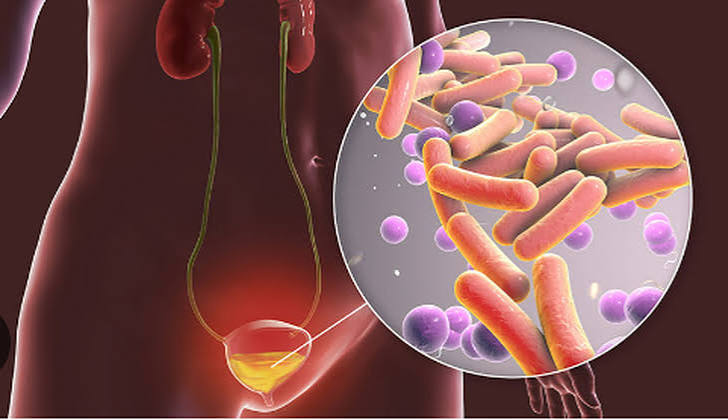
First-Line Antibiotics for Uncomplicated Bladder Infections
For uncomplicated lower UTIs (bladder infections) in otherwise healthy, non-pregnant women — the most common clinical scenario — three antibiotics are considered first-line by the Infectious Diseases Society of America (IDSA) and international guidelines: nitrofurantoin, trimethoprim-sulfamethoxazole (TMP-SMX), and fosfomycin. These agents are preferred because they are effective against E. coli (the cause of 70 to 85% of uncomplicated UTIs), achieve high concentrations in the urine, have relatively low rates of systemic side effects, and — when resistance rates in the local community are acceptable — produce excellent cure rates with short treatment courses.
Nitrofurantoin (Macrobid, Macrodantin) is a first-choice antibiotic for uncomplicated cystitis in premenopausal women. It is bactericidal — meaning it kills bacteria directly, rather than just inhibiting their growth — and achieves very high concentrations in the urine. The standard course is 5 to 7 days (for the modified-release Macrobid formulation, taken twice daily). Nitrofurantoin is not absorbed significantly into the bloodstream and therefore does not reach therapeutic levels in tissues or blood, which means it is not appropriate for kidney infections. Its use should also be avoided in patients with significantly reduced kidney function (eGFR below 30 mL/min/1.73m²) because inadequate urinary drug concentration reduces effectiveness and increases pulmonary side effect risk. In otherwise healthy patients, it is very well tolerated, with gastrointestinal upset (nausea, stomach discomfort) being the most common side effect and typically manageable by taking the medication with food.
Trimethoprim-sulfamethoxazole (Bactrim, Septra) was once the undisputed first-line antibiotic for uncomplicated UTI, and it remains effective where resistance rates are low. It is bactericidal, inexpensive, widely available, and has a short treatment course for uncomplicated cystitis (typically 3 days). However, resistance to TMP-SMX among E. coli isolates has risen substantially over the past two decades, and in many communities resistance rates now exceed 20% — the threshold at which guidelines recommend against empiric use without a culture. Before prescribing TMP-SMX empirically, most guidelines recommend checking local antibiogram data (community-specific resistance statistics) and the patient’s prior urine culture history. If your last UTI was caused by a TMP-SMX-resistant organism, assume resistance until proven otherwise.
Fosfomycin (Monurol) is a single-dose oral antibiotic — one 3-gram sachet dissolved in water — that has gained prominence in UTI management for its simplicity and its retained efficacy against many multi-drug-resistant organisms including ESBL-producing E. coli. A single dose is as effective as 7-day nitrofurantoin for uncomplicated cystitis in most women. Fosfomycin is not effective against all urinary pathogens (it lacks activity against Klebsiella and Pseudomonas), has lower efficacy in complicated UTIs and in men, and should not be used for kidney infections. Its main advantage is simplicity and low resistance rates — it has been used for decades in Europe and is increasingly adopted in the US.
Second-Line and Alternative Antibiotics
Fluoroquinolones (ciprofloxacin, levofloxacin) are highly effective against urinary uropathogens and achieve excellent concentrations in both urine and kidney tissue — making them particularly useful for kidney infections (pyelonephritis). However, the IDSA guidelines classify fluoroquinolones as alternative rather than first-line agents for uncomplicated cystitis, for two reasons. First, fluoroquinolone use for UTI — a low-risk infection — wastes the tissue-penetrating properties of these agents that make them uniquely valuable for more serious infections; overuse drives community-level resistance not just to fluoroquinolones but, through co-selection, to other antibiotic classes as well. Second, fluoroquinolones carry a small but real risk of serious side effects including tendinopathy (tendon inflammation and rupture, most commonly the Achilles tendon), peripheral neuropathy, and QT interval prolongation, making their risk-benefit ratio less favorable than nitrofurantoin or fosfomycin for an uncomplicated bladder infection. Fluoroquinolones are appropriate as first-line agents for pyelonephritis (where 7 days of ciprofloxacin is the standard outpatient regimen) and for complicated UTIs, and as a second-line option for uncomplicated cystitis when first-line agents cannot be used.
Beta-lactam antibiotics — including amoxicillin-clavulanate and oral cephalosporins such as cephalexin — are second-line options for uncomplicated cystitis when first-line agents are not appropriate (due to allergy, resistance, or contraindication). They are generally well tolerated and familiar to patients, but they have lower urinary tissue penetration than fluoroquinolones and are considered inferior for kidney infections. Amoxicillin alone (without clavulanate) is generally not recommended for UTI treatment because resistance rates among E. coli exceed 30 to 50% in most communities. Pivmecillinam, a pivaloyloxymethyl ester of mecillinam, is widely used for UTI in Europe and has excellent efficacy against gram-negative uropathogens with very low resistance rates, but it remains unavailable in the United States.
Antibiotics for Kidney Infections
Kidney infections (pyelonephritis) require antibiotics that not only achieve high urinary concentrations but also penetrate kidney tissue effectively. Nitrofurantoin and fosfomycin are excluded from pyelonephritis treatment because they do not achieve adequate tissue concentrations. Fluoroquinolones remain the preferred oral antibiotics for outpatient pyelonephritis treatment — ciprofloxacin 500 mg twice daily for 7 days or levofloxacin 750 mg once daily for 5 days are the standard regimens for mild to moderate pyelonephritis in otherwise healthy adults where fluoroquinolone resistance rates are below 10%. TMP-SMX (DS twice daily for 14 days) is an acceptable oral alternative for susceptible organisms, though the 14-day course is substantially longer than the fluoroquinolone regimen.
For patients who require hospitalization — those who are unable to take oral medications, pregnant, severely ill, or have resistant organisms — intravenous antibiotics are used until the patient is clinically improving and can transition to oral therapy. Inpatient IV antibiotics for pyelonephritis include ceftriaxone (an extended-spectrum cephalosporin with broad gram-negative coverage), piperacillin-tazobactam (a beta-lactam / beta-lactamase inhibitor combination with broad-spectrum coverage), and carbapenems (ertapenem or meropenem — reserved for highly resistant organisms such as ESBL producers). The principle of antibiotic stewardship applies here too: carbapenems are precious last-resort agents that should be used for documented resistant organisms, not as empiric broad-coverage choices for all hospitalized UTI patients.
Why Course Length Matters: Completing Your Prescription
One of the most common — and consequential — mistakes patients make with antibiotic therapy is stopping early once symptoms improve. The rationale for completing the full prescribed course is rooted in bacterial pharmacodynamics: when an antibiotic is started, it kills the most susceptible bacteria first, most rapidly. As the course continues, it targets bacteria that are somewhat more resistant and slower to die. Stopping the antibiotic early — even one or two days early — selects for the toughest survivors: bacteria with the highest natural tolerance for the antibiotic. These bacteria multiply in the days after the antibiotic is stopped, often re-establishing infection within one to two weeks with a population enriched for resistance.
This is not a hypothetical concern — it is a documented clinical pattern. Patients who stop their UTI antibiotics early frequently return with the same organism as the recurrent infection, but now showing resistance to the antibiotic that was previously effective. The solution is straightforward: complete every antibiotic course as prescribed, regardless of symptom resolution. If you experience significant side effects that prevent you from finishing the course, contact your provider — the solution is a different antibiotic, not a shorter course.
Conversely, over-treating with unnecessarily long courses also causes harm. The trend in UTI management over the past decade has been toward shorter, equally effective regimens — 3 days for uncomplicated cystitis with TMP-SMX, 5 to 7 days for nitrofurantoin, single-dose for fosfomycin, 7 days for pyelonephritis with ciprofloxacin. These shorter courses reduce antibiotic exposure, adverse effects, microbiome disruption, and selection for resistance without sacrificing efficacy. Following the prescribed duration — neither stopping early nor taking it longer than instructed “just in case” — is the correct approach.
Side Effects: What to Expect and What to Report
All antibiotics carry some risk of side effects, though the specific profile varies significantly by drug class. The most common side effects across antibiotic classes are gastrointestinal — nausea, stomach cramps, diarrhea — driven by disruption of the gastrointestinal microbiome and, in some cases, direct mucosal irritation. Taking antibiotics with food (unless contraindicated) significantly reduces GI side effects for most agents. Gastrointestinal upset is uncomfortable but not dangerous and typically resolves shortly after completing the course.
More significant side effects to be aware of include: with fluoroquinolones — tendon pain or swelling (especially in the Achilles tendon), muscle weakness, and unusual sensations in the arms or legs (possible early neuropathy) should prompt contact with a provider; with nitrofurantoin — a rare but serious pulmonary reaction (shortness of breath, fever) can occur, particularly with long-term prophylactic use, and any respiratory symptoms during or after a course of nitrofurantoin warrant medical attention; with any antibiotic — Clostridioides difficile (C. diff) colitis, manifesting as watery diarrhea (often profuse and foul-smelling), abdominal cramping, and fever during or up to several weeks after antibiotic use, should prompt immediate evaluation; severe allergic reactions (anaphylaxis) — throat tightness, widespread hives, difficulty breathing — require immediate emergency care.
Antibiotic-associated diarrhea (loose stools without the features of C. diff) is common and usually resolves after completing the course. Vaginal yeast infections following antibiotic use are extremely common in women because antibiotics disrupt the Lactobacillus-dominant vaginal flora — over-the-counter antifungal treatment (fluconazole or topical azoles) is effective and appropriate. Probiotic supplementation during antibiotic courses may modestly reduce the risk of diarrhea and vaginal dysbiosis, though the evidence is not definitive.
Antibiotic Resistance: What It Means for UTI Treatment
Antibiotic resistance is the ability of a bacterium to survive and multiply despite exposure to an antibiotic at concentrations that would normally inhibit or kill it. Resistance can be intrinsic — built into the bacterium’s biology from the start — or acquired through mutation or transfer of resistance genes from other bacteria. E. coli, the most common cause of UTI, has demonstrated remarkable genetic flexibility in acquiring resistance mechanisms against nearly every class of antibiotics used to treat it.
The most clinically important resistance mechanisms in UTI management currently are: ESBL (extended-spectrum beta-lactamase) production, which renders the bacterium resistant to most penicillins and cephalosporins; fluoroquinolone resistance, mediated by mutations in bacterial DNA gyrase and topoisomerase IV; and TMP-SMX resistance, mediated by mutations or gene transfer affecting drug targets. ESBL-producing E. coli and Klebsiella are increasingly common even in community-acquired UTIs, particularly in patients with recent antibiotic use, travel to high-prevalence regions (South and Southeast Asia, parts of Africa and Latin America), or healthcare contact. These organisms often require carbapenem antibiotics for effective treatment — an important reason why preserving carbapenem efficacy through stewardship matters.
Patients can contribute to antibiotic stewardship in several important ways: by not requesting antibiotics for non-bacterial illnesses (viral upper respiratory infections, for example); by completing prescribed antibiotic courses rather than saving leftover pills for future self-treatment; by never taking antibiotics prescribed for someone else; and by requesting a urine culture when a UTI recurs, so that antibiotic selection is guided by culture data rather than empiric guessing. These individual behaviors, aggregated across millions of patients, have a measurable effect on community-level resistance rates.
For more guidance on how UTIs are diagnosed before antibiotics are started, see the urine culture and UTI diagnosis guide on Horizon Health Guide. The recurrent UTIs article on this site covers prophylactic antibiotic strategies in detail. The IDSA UTI treatment guidelines provide the current evidence-based framework, and the CDC’s antibiotic stewardship resources for patients offer additional practical guidance on responsible antibiotic use.
Prophylactic Antibiotics: Preventing Recurrent UTIs
For women with recurrent UTIs — defined as three or more infections per year, or two within six months — prophylactic antibiotic regimens are among the most effective evidence-based prevention strategies available. Clinical trials consistently show that prophylactic antibiotics reduce UTI recurrence rates by 80 to 95% compared to no prophylaxis. There are two main approaches: continuous daily low-dose prophylaxis, and post-coital single-dose prophylaxis (for women whose UTIs are reliably triggered by sexual activity).
Antibiotics used for daily prophylaxis include nitrofurantoin (50 mg once nightly), trimethoprim-sulfamethoxazole (half a tablet once nightly), and cephalexin (250 mg once nightly). These low doses suppress bacterial colonization of the periurethral area and bladder without producing the high antibiotic concentrations needed to treat active infection — and because doses are low and exposure is continuous rather than pulsed, the selection pressure for resistance, though real, is lower than with recurrent treatment courses. Prophylaxis is typically continued for six months and then stopped to reassess whether recurrence risk has decreased; some women require longer courses, while others find that recurrence does not resume after prophylaxis is discontinued.
Post-coital prophylaxis — taking a single antibiotic dose within two hours of intercourse — is as effective as continuous daily prophylaxis for women with sex-associated recurrence, while using dramatically less total antibiotic. Nitrofurantoin (50 to 100 mg) or TMP-SMX (one half-strength tablet) are the most commonly prescribed post-coital agents. This strategy is appropriate only for women who can reliably identify sexual activity as the UTI trigger — if UTIs also occur unrelated to intercourse, continuous daily prophylaxis is more appropriate. The decision between these approaches should be individualized based on the patient’s recurrence pattern, lifestyle, antibiotic sensitivities, and preferences.
Sources: IDSA UTI Guidelines · CDC — UTI Antibiotic Stewardship · StatPearls — UTI Treatment
Special Antibiotic Considerations in Pregnancy
Antibiotic selection for UTI during pregnancy is constrained by fetal safety considerations that do not apply to non-pregnant patients. Several antibiotic classes that are effective against uropathogens are avoided or used with caution in pregnancy. Fluoroquinolones (ciprofloxacin, levofloxacin) are generally avoided throughout pregnancy due to concerns about fetal cartilage development based on animal studies, though human data have not confirmed this risk conclusively. Trimethoprim is avoided in the first trimester because it is a folate antagonist — it blocks dihydrofolate reductase, interfering with folate metabolism at the time of neural tube formation. TMP-SMX is also avoided in the third trimester and near delivery because sulfonamides can displace bilirubin from protein-binding sites in neonates, increasing the risk of neonatal hyperbilirubinemia. Tetracyclines are avoided throughout pregnancy due to effects on fetal bone and tooth development.
The antibiotics considered safe for UTI treatment in pregnancy are: nitrofurantoin (generally avoided in the third trimester and near term due to risk of hemolytic anemia in premature infants with immature glutathione instability), amoxicillin-clavulanate, cephalosporins (such as cephalexin, cefuroxime, or ceftriaxone for inpatient treatment), and fosfomycin. Most guidelines recommend cephalexin or amoxicillin-clavulanate as the preferred oral agents for uncomplicated cystitis in pregnancy when oral therapy is appropriate, with urine culture mandatory to confirm susceptibility. Kidney infections in pregnancy typically require hospitalization and IV antibiotics — most commonly ceftriaxone — due to the risk of preterm labor and rapid clinical deterioration. Close monitoring and a test-of-cure culture after completing treatment are standard of care for UTI in pregnancy.
Non-Antibiotic Approaches: Adjuncts and Alternatives
While antibiotics are the only proven treatment for bacterial UTI, several non-antibiotic strategies play a role in symptom management and prevention. Phenazopyridine (Pyridium, AZO) is a urinary analgesic — a dye that turns urine orange-red and has a topical anesthetic effect on the bladder and urethral lining. It does not treat the infection but significantly reduces burning and urgency for the one to two days it takes for antibiotics to suppress bacterial counts. Phenazopyridine is available over-the-counter in lower doses; prescription-strength preparations are also available. It should not be taken for more than two days (it can mask ongoing symptoms of inadequately treated infection), and patients should be warned about the urine discoloration to avoid alarm.
Ibuprofen has been studied as a potential sole therapy for uncomplicated UTI in women, with some European trials showing that ibuprofen alone resolved symptoms in approximately 50 to 70% of cases without antibiotics. However, roughly 25 to 30% of women treated with ibuprofen alone progressed to kidney infection — a significantly higher rate than with antibiotic treatment. This evidence does not support ibuprofen as a substitute for antibiotics in treating UTI, but does reinforce its value as a pain management adjunct while awaiting antibiotic effect. Ibuprofen reduces dysuria and lower abdominal pain and is appropriate for most patients with UTI who do not have contraindications to NSAIDs.
For prevention, cranberry products (standardized to contain proanthocyanidins, the active component) and D-mannose supplements have plausible mechanisms and modest clinical evidence supporting their role as adjuncts for UTI prevention in susceptible women. Neither is effective as a treatment for an active UTI, and neither should substitute for antibiotic prophylaxis in patients with frequent recurrence — but they represent reasonable, low-risk additions to the prevention toolkit for motivated patients seeking to reduce antibiotic exposure. Adequate hydration (at least 2 liters daily), regular voiding, and post-coital voiding remain the behavioral cornerstones of UTI prevention regardless of pharmacological approach.
When Antibiotics Don’t Seem to Be Working
If your UTI symptoms are not improving — or are worsening — after 48 hours of antibiotic treatment, several possibilities need to be considered. The antibiotic may not be covering the causative organism due to resistance — the most common reason for treatment failure in UTI. This is why a urine culture drawn before starting antibiotics is valuable: it allows your provider to review the sensitivity result and confirm whether the antibiotic you are taking is effective, then switch if needed. A second possibility is that the infection has ascended to the kidney despite initial presentation as a lower UTI, requiring a different (and usually longer) antibiotic course. Third, the diagnosis itself may need revisiting — conditions that can mimic UTI include interstitial cystitis, urethritis from sexually transmitted infections, vaginitis, and pelvic floor dysfunction, none of which respond to antibiotics.
Contact your provider promptly if: symptoms are not improving after 48 hours of antibiotics; symptoms worsen at any point during treatment; you develop new symptoms such as fever, back pain, or nausea suggesting kidney involvement; or you experience significant antibiotic side effects. Do not double up on doses to try to speed recovery — this does not increase effectiveness and does increase side effect risk. Do not take someone else’s antibiotics or leftover pills from a previous course — the antibiotic may not be appropriate for your current infection, the dose may be wrong, and self-treatment without culture data increases resistance risk. If your symptoms have recurred very quickly after completing a full course of treatment, request a repeat culture — this pattern raises concern for treatment failure or bacterial persistence and warrants evaluation.
I’ve been getting recurrent UTIs for about two years and kept taking Bactrim every time because that’s what I was initially prescribed. My last culture showed 100% Bactrim resistance — apparently my E. coli had become fully resistant. My doctor switched me to nitrofurantoin and it worked immediately. I had no idea that taking the same antibiotic repeatedly could cause this to happen. This article explains exactly how that resistance develops and I’ll be making sure my provider cultures me every time going forward.
I’m a retired pharmacist and I see how much confusion there is around UTI antibiotics. The point about fluoroquinolones being reserved for kidney infections and complicated UTIs is important — too many providers prescribe Cipro for simple bladder infections when nitrofurantoin or Macrobid would do the job just as well without wasting a more powerful drug. The section on prophylactic dosing is also accurate and underused. More patients should know this option exists.
Thank you for that perspective, Robert — your point about fluoroquinolone stewardship resonates strongly. The IDSA made this recommendation explicit years ago precisely because fluoroquinolone use for uncomplicated UTI was — and in many practices still is — disproportionate to what the clinical situation requires. Cipro’s tissue penetration properties are genuinely valuable for pyelonephritis, prostatitis, and complicated infections; using it for a 3-day bladder infection wastes that advantage and accelerates community-level resistance. We hope articles like this help both patients and providers make more targeted choices. Your comments from a pharmacist’s vantage point are especially valuable here!