
Colonoscopy preparation — the bowel cleansing process required before the procedure — is the most commonly cited reason adults delay or avoid colonoscopy. The preparation is widely perceived as worse than the procedure itself, and for some patients this perception is accurate: inadequate or uncomfortable preparation is both a real burden and a genuine clinical problem, since poor bowel preparation reduces polyp detection rates and may require repeat colonoscopy. However, bowel preparation has improved substantially over the past decade, with low-volume split-dose regimens and improved formulations that are meaningfully more tolerable than the older high-volume protocols. Understanding the preparation process, why each step matters, and how to minimise discomfort makes colonoscopy completion more likely and the procedure more effective.
This article covers everything an adult needs to know before a scheduled colonoscopy: the different preparation types currently available, the low-residue diet, the day-before and morning-of timeline, managing common preparation side effects, what to expect at the procedure itself, and the recovery period. Understanding the broader context of colon cancer screening — including why colonoscopy is recommended and what the alternatives are — is covered in the companion article on colon cancer screening: what adults should know. The stool-based tests that can be used instead of colonoscopy for initial screening are covered in the article on stool-based colon cancer screening tests.
Bowel Preparation Products: What You May Be Prescribed
Several approved bowel preparation products are in common use. Your endoscopist or gastroenterologist will prescribe a specific product; the choice is based on your medical history, kidney function, cardiac function, and tolerability profile. Understanding the categories helps you know what to expect:
PEG-based preparations (polyethylene glycol):
- GoLYTELY / NuLYTELY (4L PEG): The original large-volume PEG preparation. Still used and effective, but 4-litre volume is the primary tolerability issue. Taking it with chilled, flavoured sports drinks can improve tolerability. Split-dose (2L evening before, 2L morning of) is strongly preferred over the older single-day protocol.
- SUPREP (sodium sulfate / potassium sulfate / magnesium sulfate, 2L): A lower-volume sulfate-based preparation requiring additional clear fluid intake. Generally well-tolerated. Avoid in patients with renal impairment due to magnesium/sulfate load.
- MoviPrep (PEG + ascorbic acid, 2L): A 2-litre PEG preparation that uses ascorbic acid to reduce the total volume needed. Effective with good tolerability data. Split-dose is standard.
- PLENVU (PEG + ascorbic acid, 1L): A 1-litre preparation with additional fluid intake required. One of the lowest-volume prescribed preparations available. Split-dose protocol.
- Sutab / SUFLAVE (sodium sulfate tablets): Tablet-form preparations that replace the need to drink a liquid laxative solution — the tablets are swallowed with water. Particularly useful for patients who struggle with the taste or volume of liquid preparations. Require adequate hydration alongside.
Sodium phosphate preparations: Oral sodium phosphate (OsmoPrep) is available but used with caution due to risk of acute phosphate nephropathy (acute kidney injury from phosphate absorption). It is generally reserved for patients who cannot tolerate other preparations and is contraindicated in patients with kidney disease, heart failure, or significant electrolyte abnormalities. The FDA issued a black box warning on oral sodium phosphate bowel preps due to renal safety concerns.
The Low-Residue Diet: The Day Before Preparation
The day before your colonoscopy, you will be placed on a low-residue diet (sometimes called a low-fibre diet in preparation instructions). This step is important because high-fibre foods leave residue in the colon that is not fully cleared by the laxative preparation alone. Following the low-residue diet reduces the total residue the preparation needs to clear, improves preparation quality, and reduces the risk of inadequate preparation requiring repeat colonoscopy.
Foods allowed on the low-residue diet day: White bread, white rice, white pasta, eggs, lean chicken or fish (no red meat), low-fat dairy (yoghurt, cheese in small amounts), well-cooked vegetables without skins or seeds, peeled and cooked fruit or fruit juice without pulp. Avoid: whole grains, nuts, seeds, raw vegetables, high-fibre fruits (berries, apples with skin), red meat, fried foods, and anything with significant fibre content.
The clear liquid phase: Once you start your preparation (or from a designated time on the day before, as specified in your instructions), you transition to clear liquids only. Clear liquids include water, clear broth or bouillon, plain or fruit-flavoured gelatin (not red or purple), clear fruit juices without pulp (apple juice, white grape juice), sports drinks, and black coffee or tea without milk. Nothing red or purple — these can be mistaken for blood on colonoscopy. Nothing with solid content. This phase continues until your procedure.
The day before timing: Most modern colonoscopy preparation instructions schedule the first dose of laxative for the late afternoon or early evening of the day before the procedure (typically 5–6 pm). Bowel movements begin within 1–2 hours of the first dose and may continue for 2–4 hours. Staying near a bathroom during this period is essential. The evening phase typically clears most of the bowel, with the morning dose completing the preparation for the upper colon.
The Day of the Procedure: Morning Preparation and What to Expect
Morning preparation dose: For split-dose protocols, the second half of the preparation is taken on the morning of the procedure. Timing instructions vary — most protocols ask you to start the morning dose 4–6 hours before your procedure time, finishing at least 2–3 hours before. This timing is important: the 2–3 hour gap between completing the preparation and the procedure time is the safety margin for the anaesthesia team — it reduces the risk of aspiration under sedation. Do not adjust the morning dose timing without consulting the endoscopy unit.
Medications: Ask your prescribing clinician and the endoscopy unit specifically about your regular medications before the procedure day. General principles: blood thinners (warfarin, rivaroxaban, apixaban, clopidogrel) are typically held for several days before any polypectomy — your anticoagulant prescriber needs to advise on the specific bridging or holding protocol based on your clotting indication. Blood pressure medications are typically continued with a small sip of water on the morning of the procedure. Insulin and diabetes medications require specific adjustment to avoid hypoglycaemia during the fasting period — consult your diabetes management team. Iron supplements should be stopped at least 5–7 days before the procedure as iron turns stools black and can mimic blood on colonoscopy.
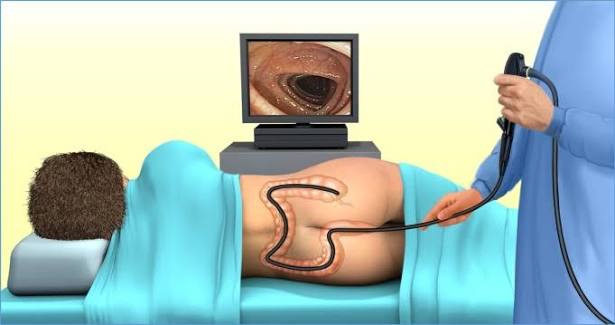
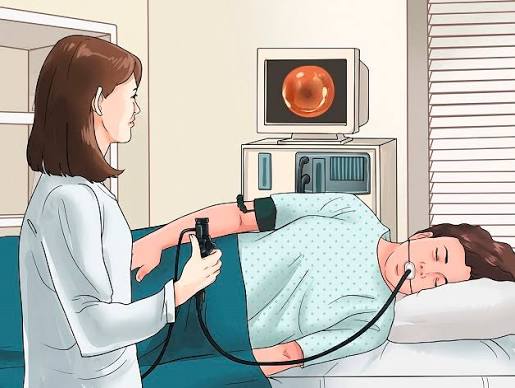
At the endoscopy unit: You will be asked to confirm your preparation quality (were your last stools clear or light yellow?), complete consent, and have a brief pre-procedure assessment. An IV cannula is placed for sedation administration. Sedation practice varies — in the US, most screening colonoscopies use moderate sedation (midazolam and fentanyl) or propofol (deeper sedation administered by an anaesthetist or CRNA); in the UK and Australia, some screening colonoscopies are performed with minimal or no sedation at the patient’s request. The endoscope is passed through the rectum and navigated to the caecum (the junction of the small and large intestine), and then slowly withdrawn while the mucosa is carefully inspected. Polyps found during withdrawal are biopsied or removed. The procedure typically takes 20–45 minutes depending on colon length, preparation quality, and any polyps encountered.
Managing Preparation Discomfort: Practical Tips
The most commonly reported preparation discomfort is nausea from the laxative solution, anal irritation from frequent watery stools, and the overall unpleasantness of spending an evening near the bathroom. Evidence-based strategies to reduce these:
- Chilling the solution: Chilled preparations are better tolerated than room-temperature ones. Keep the prepared laxative in the refrigerator and drink it cold. Some patients prefer to drink it through a straw to bypass more of the taste receptors on the tongue.
- Drinking pace: Most preparation instructions suggest drinking 240ml (8oz) every 15 minutes rather than faster — this rate optimises absorption and minimises nausea compared to faster consumption. Set a timer and pace yourself; gulping the solution increases nausea.
- Ginger tablets or ginger tea: Ginger has modest evidence for reducing nausea in general and is well-tolerated. Some patients find ginger chewables helpful during the preparation phase. The digestive comfort properties of ginger are also explored more broadly in the article on ginger and digestive comfort.
- Barrier cream for anal irritation: Applying petroleum jelly or zinc oxide cream to the perianal area before beginning the preparation and reapplying after each bowel movement substantially reduces the skin irritation from repeated wiping. Moist wipes are gentler than dry toilet paper during the preparation period. This is one of the most effective comfort measures and frequently not mentioned in standard preparation instructions.
- Warm environment and distraction: Keeping warm (the laxative can cause chills as fluid leaves the body) and having entertainment (streaming, reading) near the bathroom makes the preparation period more manageable.
After the Procedure: Recovery and Results
Recovery from a screening colonoscopy with moderate sedation typically takes 30–60 minutes in the recovery area. You will not be able to drive for the rest of the day — a companion to transport you home is required and the endoscopy unit will confirm this before the procedure. Most patients feel normal by the following morning, though some experience mild bloating or gas from air introduced during the procedure (this is normal and resolves within hours). A light meal is appropriate once you feel ready after the procedure.
Results for biopsied or removed polyps take 3–10 business days from the pathology laboratory. The endoscopist will typically tell you verbally what was found during the procedure (normal, polyps removed, or concerning findings requiring expedited follow-up), with the written pathology report arriving later. Keep the pathology report — it contains the information needed to determine your follow-up surveillance interval. Managing overall digestive health as part of ongoing preventive care, alongside appropriate screening, is addressed in the article on digestive health after age 60.
Special Populations: Preparation Adjustments for Specific Conditions
Standard preparation instructions are designed for average-risk adults without significant comorbidities. Several medical conditions require modified preparation protocols, and informing your endoscopist of your full medical history before the procedure is essential:
Chronic kidney disease (CKD): Patients with CKD are at elevated risk from preparations containing magnesium (SUPREP), phosphate (oral sodium phosphate, OsmoPrep), and, in severe CKD, from PEG preparations that require adequate renal clearance of absorbed electrolytes. PEG-electrolyte preparations are generally preferred for patients with CKD, with close monitoring of electrolytes. Sodium phosphate preparations are contraindicated in significant CKD. Your gastroenterologist should review your preparation choice against your most recent creatinine/eGFR.
Congestive heart failure (CHF) and fluid-restricted patients: Patients on strict fluid restriction require careful preparation selection to avoid fluid overload. Some low-volume preparations with additional fluid requirements may not be appropriate for severely fluid-restricted patients. Your cardiologist and gastroenterologist should coordinate on preparation choice. Sodium phosphate preparations are also contraindicated in heart failure due to electrolyte disturbance risk.
Diabetes: Fasting and the laxative preparation itself can cause significant blood glucose variability. Insulin doses typically need to be reduced (or eliminated for the evening before and morning of preparation), and oral hypoglycaemic agents are generally held on the day of the procedure. Specific adjustment protocols depend on the type of diabetes (Type 1 vs. Type 2), whether the patient uses insulin, and current baseline glycaemic control. Metformin is typically held on the day of the procedure and for 48 hours after if contrast dye is used for any co-occurring imaging. Consult your diabetes management team for a specific protocol before your preparation day, and check blood glucose regularly during the preparation period.
Inflammatory bowel disease (IBD): Patients with IBD (particularly those with active disease or prior stricturing) may tolerate preparation differently from non-IBD patients. Active colitis increases mucosal fragility and may affect preparation tolerability and the interpretation of findings. Patients with known strictures should have this discussed with their gastroenterologist before the preparation type is finalised, as certain high-volume preparations may be problematic with significant stricturing. IBD surveillance colonoscopies are performed on a scheduled programme and the preparation approach is typically well-established within the patient’s care team. The interaction between IBD management and broader digestive health — including supplements used alongside IBD treatment — is explored in the article on supplements for digestive health.
Patients with swallowing difficulties or cognitive impairment: Patients who have difficulty swallowing large volumes, or who have dementia or cognitive impairment affecting compliance with preparation instructions, present challenges for standard oral preparation protocols. Alternatives include nasogastric tube administration of PEG preparation (used in inpatient settings) or tablet-based preparations (Sutab) that reduce the volume of liquid required. These situations require individualised planning with the endoscopist and, where relevant, with a carer or family member who can support preparation completion.
The common thread across all special-population scenarios is early, proactive communication with your gastroenterology team. Identifying preparation constraints well before the procedure date allows for a tailored protocol rather than a day-before scramble to modify instructions. Sharing a complete medication list — including all supplements — with your endoscopist at booking is the simplest step to avoiding preparation problems. For adults managing multiple chronic conditions, the broader context of digestive health is covered in our guide to digestive health after age 60.
- 5–7 days before: Stop iron supplements; confirm medication instructions with prescriber (anticoagulants, insulin, blood pressure meds)
- Day before: Low-residue diet until your prep start time; then clear liquids only; start first prep dose at instructed time (usually 5–6pm)
- Morning of: Second prep dose at instructed time, finishing 2–3 hours before procedure; take allowed medications with a sip of water
- At the unit: Confirm your last stools were clear/yellow; IV placed; sedation given; procedure 20–45 min
- After: No driving all day; light meal when ready; await pathology in 3–10 days; keep your report for follow-up scheduling
Frequently Asked Questions
Contact the endoscopy unit before giving up — they may be able to advise on strategies (slower pace, ginger for nausea, taking a brief break) that help you complete it. Not finishing the preparation increases the risk of poor bowel visualisation and the need to repeat the procedure. If you truly cannot finish and the procedure proceeds, the endoscopist will document preparation quality and may recommend repeat colonoscopy within a shorter interval if the preparation is graded as poor. If nausea is the limiting factor and it is not yet the day of the procedure, calling the unit for advice allows them to potentially prescribe an anti-emetic or adjust your preparation protocol.
Do not make any changes to your anticoagulant or antiplatelet medications without specific guidance from the clinician who prescribes them — stopping these medications without guidance carries real risk of thrombosis or stroke. The standard approach is for the endoscopist to communicate with your prescribing cardiologist or haematologist about the procedural plan and anticoagulant management. For warfarin, this typically involves checking your INR and potentially stopping warfarin 5 days before the procedure if polypectomy is anticipated, with or without low-molecular-weight heparin bridging depending on your clotting indication. For direct oral anticoagulants (DOACs like apixaban, rivaroxaban, dabigatran), the holding period is typically 24–48 hours before the procedure, with advice to take the evening dose 24–48 hours prior and resume 24 hours after. Always follow your prescribing clinician’s specific advice.
Under moderate sedation (midazolam and fentanyl) or propofol, the colonoscopy procedure is typically comfortable and most patients have little or no memory of the procedure. The most commonly recalled sensations, when anything is recalled, are pressure and mild cramping during the scope’s passage around bends in the colon, particularly the splenic and hepatic flexures. Pain during a colonoscopy under sedation that is significant enough to interrupt the procedure is uncommon. Without sedation (as some patients in the UK elect), discomfort is real but manageable for most people and the procedure is typically completed; patient-controlled gas and water insufflation and experienced colonoscopists reduce discomfort in unsedated procedures.
The gold standard indicator is the appearance of your last bowel movements: if the final stools expelled are clear, light yellow, or light green (the colour of the preparation solution), the preparation is adequate. If your stools are still brown or have solid particles when it is time to stop the preparation, contact the endoscopy unit — you may need to continue the preparation longer or the procedure may need to be rescheduled. At the endoscopy unit, you will be asked to describe the quality of your last stools, and the endoscopist will document the preparation quality during the procedure using a validated scale (Boston Bowel Preparation Scale is commonly used).
You cannot complete the preparation solution; your final stools are still dark or solid by the morning of the procedure; you have signs of significant dehydration (extreme dizziness, inability to urinate, severe nausea); or you develop chest pain, shortness of breath, or other concerning symptoms during the preparation. Do not proceed to a colonoscopy with inadequate preparation without speaking with the unit first — a repeat procedure on a well-prepared bowel is safer and more effective than a procedure on a poorly prepared one.
- Johnson DA, Barkun AN, Cohen LB, et al. (2014). Optimizing adequacy of bowel cleansing for colonoscopy. Gastrointestinal Endoscopy, 80(4), 543–562.
- Hassan C, East J, Radaelli F, et al. (2019). Bowel preparation for colonoscopy: European Society of Gastrointestinal Endoscopy (ESGE) guideline. Endoscopy, 51(08), 775–794.
- Enestvedt BK, Fennerty MB, Eisen GM. (2011). Randomised clinical trial: MiraLAX vs. Golytely — a controlled study of efficacy and patient tolerability in bowel preparation for colonoscopy. Alimentary Pharmacology & Therapeutics, 33(1), 33–40.
- NHS. (2023). What happens before a colonoscopy. National Health Service. Available at: nhs.uk/conditions/colonoscopy
- ASGE Standards of Practice Committee. (2015). Bowel preparation before colonoscopy. Gastrointestinal Endoscopy, 81(4), 781–794.
- Radaelli F, Paggi S, Hassan C, et al. (2017). Split-dose preparation for colonoscopy: from recommendation to implementation. World Journal of Gastroenterology, 23(8), 1434–1443.
The section on managing the taste of the preparation solution was the part I wished I had read before my first colonoscopy. No one told me I could chill the solution or that sucking on lemon slices between sips helps so much with the salt taste. My first prep was genuinely miserable — I gagged through most of it and my gastroenterologist told me afterward that incomplete prep meant she had to shorten the exam and I would need to repeat the test sooner than normal. The second time I followed tips like the ones in your article and the experience was completely different. I actually completed the full volume without stopping. The mental reframe of thinking of it as medicine rather than a drink also helped more than I would have expected.
You raise a genuinely important point about preparation compliance affecting exam quality. Inadequate bowel preparation is one of the most common reasons for reduced adenoma detection rates — studies suggest that poor prep is associated with a 40–50% reduction in polyp detection compared to excellent prep, and significantly increases the need for a repeat procedure within a shorter interval (often 1 year instead of the standard follow-up interval). The tips that help most consistently in the literature and in patient experience are: splitting the preparation dose across two sessions (the evening before and early morning of the procedure) when scheduling allows, chilling the solution, using a straw positioned to bypass taste buds at the tip of the tongue, and flavouring with permitted additives like crystal light or gatorade powder. The split-dose approach in particular is associated with measurably better prep quality scores and patient tolerability, and most centres now recommend it as the default for afternoon procedures.
I want to add something that your article briefly touches on but that I think deserves more emphasis: the timing of stopping blood thinners before colonoscopy is genuinely important to get right and the specific guidance varies significantly by medication. I take apixaban for atrial fibrillation and my cardiologist and gastroenterologist had to coordinate on when I should stop and restart it. Stopping too early increases my stroke risk; stopping too late increases bleeding risk if a polyp needs to be removed. The answer was not simply ‘stop 48 hours before’ as some generic guides say — it was a specific protocol that accounted for my stroke risk score and the likelihood of needing a polypectomy based on my family history. Anyone on anticoagulants, aspirin for cardiovascular disease, or P2Y12 inhibitors like clopidogrel should contact both their cardiologist and gastroenterologist well in advance, not the day before.