
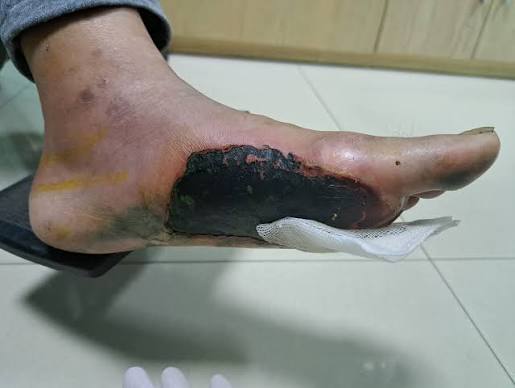
Why Foot Care Is Critical in Diabetes
Of all the areas where diabetes and foot health intersect, none carries higher stakes than the risk of diabetic foot ulcers and lower limb amputation. Diabetes is the leading cause of non-traumatic lower extremity amputations worldwide, accounting for more than 50% of all such procedures. The cascade from uncontrolled diabetes to amputation is predictable, often slow-moving, and — critically — largely preventable with appropriate monitoring and foot care. Understanding why the diabetic foot is uniquely vulnerable, what warning signs require immediate attention, and how to build effective daily foot care habits can make the difference between a minor foot problem and a life-changing amputation. Our guide on what is diabetes provides foundational context; this article focuses on the full picture of diabetic foot health.
The diabetic foot is vulnerable because of the convergence of three independent risk factors that each damage the foot by different mechanisms and that together create a uniquely dangerous environment:
- Peripheral neuropathy: Loss of protective sensation — the ability to feel pain, temperature, and pressure — means that foot injuries (cuts, blisters, burns, foreign body penetrations) go undetected and are not acted upon. A person without neuropathy would stop walking when a stone in their shoe causes a blister; a person with sensory neuropathy may walk for hours without noticing. Motor neuropathy causes weakness of the intrinsic foot muscles, leading to foot deformities (claw toes, hammer toes) that create abnormal pressure points on the plantar surface. Our guide on diabetes and nerve damage covers the neuropathy mechanisms in detail.
- Peripheral arterial disease (PAD): Diabetes accelerates atherosclerosis in the arteries supplying the legs and feet, reducing blood flow to the foot. When blood flow is compromised, small wounds that would heal rapidly in healthy tissue instead become chronic, poorly healing ulcers. PAD also reduces the ability to fight foot infections — the immune cells and antibiotics delivered via the bloodstream cannot reach ischemic (poorly perfused) tissue effectively.
- Impaired immune response to infection: Elevated blood glucose impairs white blood cell function, chemotaxis (the movement of immune cells to sites of infection), and the bactericidal capacity of neutrophils. Diabetic foot infections therefore spread more rapidly, respond more slowly to treatment, and are more likely to involve bone (osteomyelitis) than equivalent infections in people without diabetes.
The clinical cascade is unfortunately predictable: neuropathy allows a small wound to go undetected; PAD impairs healing; impaired immunity allows infection to take hold; the infection spreads to deeper tissues and potentially to bone; osteomyelitis and non-healing ulceration eventually necessitate amputation. Breaking any link in this chain — through neuropathy monitoring, PAD assessment, wound detection, or infection management — can interrupt the cascade and prevent the final outcome.
Daily Foot Care Practices for People With Diabetes
The foundation of diabetes and foot health management is consistent daily self-care. The following practices are recommended for all people with diabetes, and especially for those with peripheral neuropathy or peripheral arterial disease:
Daily Foot Inspection
Inspect both feet thoroughly every day — all surfaces including between the toes — looking for cuts, cracks, blisters, redness, swelling, discoloration, or any break in the skin. Use a mirror or ask a family member for help inspecting the plantar surface if flexibility or vision is limited. Many diabetic foot ulcers begin as small skin breaks or blisters that, if detected early, can be treated before they become serious wounds. For people with significant neuropathy, this daily inspection substitutes for the pain signals that would normally alert someone to a foot problem. Even a small blister or cut that would be trivial in a person with normal sensation requires prompt evaluation in someone with neuropathy and PAD.
Proper Washing and Moisturizing
Wash feet daily with lukewarm water (always test temperature with your elbow or thermometer — not your feet, which may not feel extremes of temperature accurately) and mild soap. Do not soak feet, as prolonged soaking can macerate skin and create entry points for infection. Dry feet thoroughly, particularly between the toes where moisture can promote fungal infection. Apply moisturizing lotion to the tops and bottoms of the feet to prevent dry, cracked skin — but not between the toes, where moisture accumulation promotes fungal overgrowth.
Nail Care
Trim toenails straight across, not rounded at the corners, to prevent ingrown toenails. File any sharp edges. If nails are thick, discolored, or difficult to trim, have them managed by a podiatrist rather than attempting aggressive trimming at home — a small cut to the nail bed from imprecise trimming can become a serious wound in diabetic tissue. Never cut calluses or corns with a razor or blade at home; have a podiatrist remove them professionally.
Appropriate Footwear
Footwear is one of the most important preventive factors in diabetic foot health. Shoes that are too tight, too narrow, or have seams or protrusions that press against the foot cause pressure injuries that a person with neuropathy cannot feel. Guidelines for diabetic footwear include: always wear well-fitting, closed-toe shoes with cushioned soles; avoid walking barefoot indoors or outdoors (even on seemingly safe surfaces — small pebbles, hot floors, and other hazards can cause injury without being felt); wear clean, dry, seamless or moisture-wicking socks; inspect the inside of shoes before putting them on for foreign objects, rough seams, or deformities; break in new shoes gradually over several days to identify pressure points before they cause blisters.
For people with significant neuropathy, foot deformities (Charcot foot, claw toes), or a history of ulceration, therapeutic footwear — custom-molded orthotics and diabetic shoes prescribed by a podiatrist — are essential. Medicare and most insurance plans cover therapeutic footwear for qualifying people with diabetes, and a podiatrist or certified pedorthist can provide the prescription and fitting.
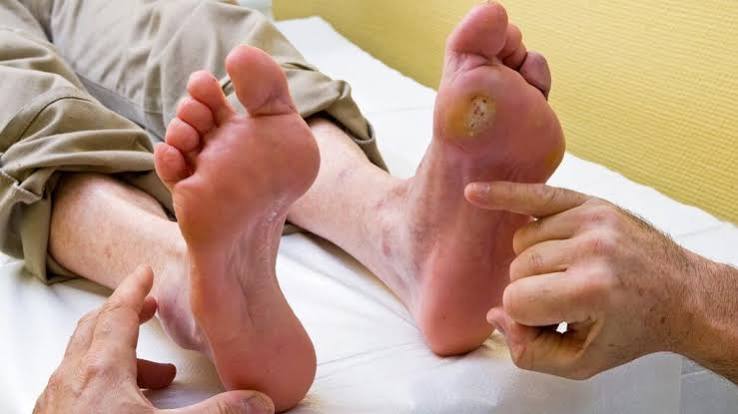
Recognizing and Responding to Foot Warning Signs
Certain findings require prompt medical evaluation — not a “wait and see” approach — in people with diabetes:
- Any open wound or ulcer: Even a small, seemingly superficial break in the skin requires professional evaluation within 24–48 hours in a person with diabetes and neuropathy or PAD. What appears minor can progress rapidly to a deep infection in the diabetic foot.
- Signs of infection: Redness spreading beyond the wound edge, warmth, purulent discharge, foul odor, red streaks tracking up the leg, or fever indicate a spreading infection requiring urgent evaluation and likely hospitalization and IV antibiotics.
- Sudden swelling, redness, and warmth of one foot without an obvious injury: This presentation — particularly if relatively painless — may indicate Charcot neuroarthropathy (Charcot foot), a devastating condition in which the bones and joints of the foot collapse due to repeated trauma in the setting of neuropathy. Charcot foot is a medical emergency requiring immediate immobilization in a total contact cast to prevent permanent foot deformity. It is frequently misdiagnosed as cellulitis or gout, and the delay in correct diagnosis and treatment results in catastrophic foot collapse. Anyone with diabetes and neuropathy who develops a red, hot, swollen foot should be evaluated urgently with weight-bearing X-rays and bone scan or MRI.
- Absent pulses or cold, pale, or cyanotic (bluish) foot: These signs suggest significant PAD with limb ischemia requiring urgent vascular evaluation and possibly revascularization.
- Non-healing wound after 2 weeks of appropriate care: A wound that is not showing clear improvement after two weeks of proper wound care and offloading requires re-evaluation — possible causes include inadequate offloading, hidden infection, osteomyelitis, or inadequate blood flow requiring vascular assessment and intervention.
Treatment of Diabetic Foot Ulcers
When a diabetic foot ulcer does develop, successful healing requires addressing all contributing factors simultaneously in a multidisciplinary approach:
- Offloading: Reducing or eliminating pressure on the ulcer is the most important treatment intervention. Total contact casting (TCC) — a specialized cast that distributes weight across the entire plantar surface — is the gold standard for offloading plantar neuropathic ulcers, healing approximately 90% of uncomplicated neuropathic ulcers within 6–8 weeks. Removable cast walkers are frequently used but achieve worse outcomes when patients remove them to sleep or bathe.
- Wound debridement: Removal of necrotic (dead) tissue, callus, and biofilm from the wound base stimulates the wound healing process. Sharp debridement performed by a trained wound care provider is the standard approach; enzymatic and autolytic debridement methods are adjuncts for wounds that cannot be sharply debrided.
- Infection management: Surface contamination of a foot wound does not require systemic antibiotics, but clinical infection (two or more signs of inflammation — warmth, redness, swelling, purulence, or pain) does. Antibiotic selection should target the likely organisms based on wound depth, chronicity, and local resistance patterns, with osteomyelitis (confirmed by bone biopsy and culture) requiring prolonged antibiotic treatment — sometimes 6 weeks or longer — or surgical debridement of infected bone.
- Vascular assessment and revascularization: For ulcers in the setting of PAD, angiography and revascularization (percutaneous angioplasty or surgical bypass) to restore adequate blood flow is often necessary for healing. An ulcer that cannot heal without adequate blood supply will not heal regardless of how good the local wound care is.
- Blood glucose optimization: Hyperglycemia impairs wound healing by suppressing immune function, reducing collagen synthesis, and impairing epithelialization. Tightening glycemic control is a critical component of wound healing management, even if it means intensifying insulin therapy temporarily. Our guide on diabetes and heart disease covers the systemic metabolic management that underpins wound healing capacity.
Peripheral Arterial Disease and the Diabetic Foot
While peripheral neuropathy is the most common cause of diabetic foot ulceration, peripheral arterial disease (PAD) is the most important determinant of whether a foot ulcer will heal — or progress to amputation. PAD results from atherosclerosis of the arteries supplying the legs and feet, and is two to four times more common in people with diabetes than in those without. Diabetes-related PAD tends to be more severe, affects smaller and more distal arteries (particularly the tibial and peroneal arteries below the knee), occurs at a younger age, and progresses more rapidly than PAD in non-diabetic individuals.
Assessment of peripheral circulation is an essential component of every diabetic foot evaluation. Clinical assessment includes palpation of pedal pulses (dorsalis pedis and posterior tibial arteries), noting the temperature and skin color of the feet, and asking about symptoms of claudication (calf pain with walking that relieves at rest — the classic symptom of PAD) or rest pain (severe ischemic pain at rest, indicating critical limb ischemia). Importantly, neuropathy can mask ischemic pain — meaning people with both neuropathy and severe PAD may have critical limb ischemia without pain, making pulse examination and non-invasive vascular testing essential rather than optional.
Non-invasive vascular testing includes the ankle-brachial index (ABI) — the ratio of ankle blood pressure to arm blood pressure. An ABI below 0.9 indicates PAD; below 0.4 indicates severe ischemia. However, in people with diabetes, arterial calcification (Monckeberg sclerosis) can produce falsely elevated ABI readings by making the arteries non-compressible. Toe-brachial index (TBI) — measuring blood pressure in the toe, where calcification is less common — is a more reliable test in people with diabetes. Any diabetic foot ulcer with suspected PAD should be referred for vascular surgery evaluation; revascularization (restoring blood flow via angioplasty or bypass surgery) is often necessary for successful ulcer healing. Our guide on diabetes and heart disease covers the shared atherosclerotic mechanisms that underlie both coronary artery disease and peripheral arterial disease in diabetes.
The Professional Care Team for Diabetic Foot Health
Comprehensive diabetic foot health requires a team of healthcare professionals, each contributing specialized expertise:
- Podiatrist: A doctor specializing in foot and ankle medicine and surgery. Podiatrists perform regular foot examinations, treat calluses and nail problems, prescribe therapeutic footwear and orthotics, perform debridement of foot ulcers, and perform surgical procedures on the diabetic foot. People with high-risk feet — neuropathy, PAD, foot deformities, or a history of ulceration — should see a podiatrist regularly (every 1–3 months), not just when problems arise.
- Vascular surgeon or interventional radiologist: For assessment and treatment of PAD, including angioplasty, stenting, and bypass surgery to restore blood flow to the ischemic foot.
- Wound care specialist: Specialized wound care nurses and physicians who manage complex diabetic foot ulcers using advanced wound care products (bioengineered skin substitutes, negative pressure wound therapy, hyperbaric oxygen, growth factor applications) alongside standard debridement and offloading.
- Infectious disease specialist: For complex diabetic foot infections, particularly those involving bone (osteomyelitis) or antibiotic-resistant organisms, an infectious disease specialist guides the antibiotic selection, duration, and monitoring.
- Orthopedic surgeon: For surgical management of Charcot neuroarthropathy, tendon lengthening procedures (to correct the equinus contracture that elevates forefoot pressure), or reconstruction of the foot after amputation of individual toes or rays.
- Endocrinologist / diabetes care team: Optimizing blood glucose control, managing cardiovascular risk factors (blood pressure, lipids, antiplatelet therapy), and coordinating overall diabetes management to create the metabolic environment in which the foot can heal. Our guide on diabetes and high blood pressure covers blood pressure management that is as important for foot healing as it is for cardiovascular risk reduction.
Dedicated diabetic foot clinics — where podiatrists, vascular surgeons, wound care specialists, and diabetes care providers work together in a coordinated multidisciplinary model — have demonstrated dramatically better outcomes than fragmented care across separate specialists. If available, referral to a dedicated diabetic foot clinic for high-risk feet or active ulcers is the preferred care model.
Risk Stratification: Who Needs the Most Intensive Foot Monitoring?
Not all people with diabetes have the same foot ulcer risk. The International Working Group on the Diabetic Foot (IWGDF) classification system stratifies risk based on the presence of neuropathy, PAD, foot deformities, and history of ulceration or amputation:
- Low risk (Category 0): No neuropathy, no PAD, no foot deformities, no prior ulcer. Annual foot examination sufficient. Education about foot care and appropriate footwear.
- Moderate risk (Category 1): Peripheral neuropathy alone, or PAD alone. Examination every 3–6 months. Education, appropriate footwear, and treatment of calluses and nail problems.
- High risk (Category 2): Peripheral neuropathy plus PAD, or neuropathy plus foot deformity. Examination every 1–3 months. Therapeutic footwear, close monitoring, and management of any foot problems without delay.
- Very high risk (Category 3): Prior foot ulceration, prior lower extremity amputation, or end-stage renal disease. Examination every 1–2 months. Intensive monitoring, therapeutic footwear, and immediate response to any foot change.
People in Categories 2 and 3 should be under the care of a podiatrist, not just their primary care physician, and should understand their elevated risk clearly. Research consistently shows that people who understand their foot ulcer risk and feel empowered to seek care promptly — rather than “watching” a wound for several weeks before seeking help — have dramatically better outcomes. A wound that is promptly evaluated and treated within 24–48 hours of discovery has a fundamentally better prognosis than one allowed to deteriorate over weeks. Our guide on diabetes and kidney health covers end-stage renal disease — a major risk factor for the highest-risk foot category — in the context of comprehensive diabetic complication monitoring.
What Good Blood Glucose Control Does for Your Feet
While local foot care, footwear, and professional podiatry visits are the immediate front line of diabetic foot health, optimal blood glucose control is the metabolic foundation that all other interventions build upon. Chronic hyperglycemia contributes to foot vulnerability through multiple mechanisms: it drives peripheral neuropathy progression, accelerates peripheral arterial disease, impairs neutrophil function and wound healing, and increases the risk and severity of infection. Each percentage point of HbA1c reduction reduces microvascular complication risk — including neuropathy progression — by approximately 25–40%.
People who have already developed foot ulcers benefit from aggressive glucose optimization during the healing period: lower blood glucose improves wound healing capacity, reduces infection risk, and shortens hospital stays. This often means temporary intensification of diabetes medication — adding or increasing insulin, adjusting oral agents — during the active wound healing phase, then calibrating back to the usual regimen once healing is complete. Our guide on diabetes and cholesterol covers the lipid management that, alongside glucose and blood pressure control, forms the comprehensive metabolic management that protects the diabetic foot from vascular disease.
Shoes, Socks, and Simple Habits: The Everyday Toolkit for Foot Protection
Beyond the medical framework of neuropathy monitoring, PAD assessment, and professional podiatry care, protecting the diabetic foot day-to-day comes down to a set of consistent habits that any person with diabetes can implement. Never walk barefoot — indoors or outdoors. Always check inside shoes before putting them on. Wear moisture-wicking socks with no tight elastic bands and no thick seams over the toes. Avoid hot water bottles, heating pads, or electric blankets on the feet — reduced sensation makes burn injuries a real risk. If you smoke, stopping is one of the most powerful interventions for preserving foot circulation, as smoking dramatically accelerates peripheral arterial disease. And perhaps most importantly: do not delay seeking care for any foot wound, no matter how small it appears. The diabetic foot that receives attention early heals. The one that is observed for “a few more days” is the foot that too often ends in amputation. Proactive, consistent attention to diabetes and foot health turns a high-risk situation into a manageable one. Our guide on diabetes and eye health covers the parallel vigilance that eye health requires in comprehensive diabetes care.
Sources: American Diabetes Association. “Retinopathy, Neuropathy, and Foot Care.” Diabetes Care 2024. | NIDDK — Diabetes Foot Problems. | American Podiatric Medical Association — Diabetic Wound Care. | Mayo Clinic — Diabetic Foot Care. | International Working Group on the Diabetic Foot (IWGDF). “IWGDF Guidelines on the Prevention and Management of Diabetic Foot Disease.” 2023.
Thank you for covering diabetes and foot health so thoroughly without being overly technical. I especially valued the explanation of why these recommendations exist, not just what they are. I wish I had found this article earlier — would have saved a lot of confusion.
This breakdown of diabetes and foot health is exactly what patients need before a specialist appointment. I especially valued the explanation of why these recommendations exist, not just what they are. Thank you for making complex medical information accessible without dumbing it down.
Really well-written article on diabetes and foot health. The specific numbers and thresholds mentioned are exactly what I needed to understand my results. This is going into my health folder that I bring to every doctor’s visit.