
Diabetes Medications and Kidney Protection
Diabetes medications and kidney protection are inseparable topics in modern nephrology: diabetic kidney disease (DKD) — also called diabetic nephropathy — is the single most common cause of kidney failure in the developed world, accounting for approximately 40% of new kidney failure cases requiring dialysis or transplantation. Every person with type 2 diabetes is at risk for kidney damage, and the progression of DKD to kidney failure can be dramatically slowed — or in early stages, potentially reversed — by selecting diabetes medications that have kidney-protective effects beyond their glucose-lowering action, by achieving excellent glucose control, and by aggressively managing the blood pressure and other cardiovascular risk factors that drive DKD progression. The landscape of diabetes medication for kidney protection has been transformed over the past decade by the advent of two major drug classes with proven kidney-protective effects independent of glucose lowering: SGLT2 inhibitors and GLP-1 receptor agonists. Understanding how these medications work, which diabetes medications require dose adjustment in CKD, and which to avoid as kidney function declines is essential knowledge for the millions of people living with both diabetes and kidney disease. This guide provides a comprehensive, clinically grounded overview of diabetes medications in the context of kidney protection — from the foundational RAAS blockade that remains the first-line kidney protection strategy, through the newer agents that are changing the standard of care in diabetic CKD.
Diabetic kidney disease begins at the glomerular level: chronic hyperglycemia causes glomerular hyperfiltration (increased single-nephron GFR as a compensatory response to the osmotic load of glucose), glomerular hypertrophy, and accumulation of advanced glycation end-products (AGEs) in the glomerular basement membrane, mesangium, and tubular structures. Over years to decades, these changes lead to glomerulosclerosis, reduced nephron number, and the transition from the early hyperfiltration phase (elevated GFR) to the progressive GFR decline phase of overt DKD. Proteinuria — initially microalbuminuria (30–299 mg/g albumin-to-creatinine ratio), then macroalbuminuria (above 300 mg/g) — is the earliest clinical sign of DKD and a powerful predictor of progression to kidney failure. All diabetes medications that reduce proteinuria — including RAAS blockers, SGLT2 inhibitors, and GLP-1 receptor agonists — slow this progression; the combination of all three classes now represents the most evidence-backed pharmacological approach to preventing DKD progression in people with type 2 diabetes. The broader overview of all kidney disease medications — including how diabetes medications fit alongside blood pressure agents, diuretics, and metabolic complication treatments in the full CKD medication regimen — is covered in the kidney disease medications overview guide.
SGLT2 Inhibitors: Transforming Diabetic Kidney Disease Management
Sodium-glucose cotransporter-2 (SGLT2) inhibitors — empagliflozin (Jardiance), dapagliflozin (Farxiga/Forxiga), canagliflozin (Invokana), and ertugliflozin (Steglatro) — have become the most important pharmacological advance in diabetic kidney disease management since the demonstration of ACE inhibitor and ARB benefit in the 1990s. The pivotal kidney outcome trials — CREDENCE (canagliflozin, 2019), DAPA-CKD (dapagliflozin, 2020), and EMPA-KIDNEY (empagliflozin, 2022) — demonstrated reductions of 30–40% in the composite endpoint of sustained GFR decline of 40% or more, kidney failure, or kidney-related death in people with DKD (and in non-diabetic CKD in DAPA-CKD and EMPA-KIDNEY) compared to placebo on top of maximum RAAS blockade. The mechanism of kidney protection with SGLT2 inhibitors is distinct from and additive to RAAS blockade: (1) SGLT2 inhibitors reduce glomerular hyperfiltration through tubuloglomerular feedback — by blocking sodium reabsorption in the proximal tubule, they increase sodium delivery to the macula densa, which triggers afferent arteriolar vasoconstriction and reduces intraglomerular pressure (the same mechanism by which they protect non-diabetic CKD, confirming that the kidney protection is not purely glucose-mediated); (2) SGLT2 inhibitors reduce proximal tubular oxygen consumption by blocking the energetically expensive SGLT2 cotransporter, potentially alleviating the chronic tubular hypoxia that is a driver of tubulointerstitial fibrosis in DKD; (3) SGLT2 inhibitors have anti-inflammatory effects in the kidney, reducing NF-κB-mediated inflammatory signaling and the resulting macrophage infiltration that accompanies DKD progression; (4) SGLT2 inhibitors reduce uric acid levels (by competing with urate reabsorption in the proximal tubule) and serum potassium (modestly, through tubular mechanisms), which are secondary benefits in DKD. KDIGO guidelines now recommend SGLT2 inhibitors for all people with type 2 diabetes and CKD at eGFR above 20 mL/min/1.73m² who can tolerate them — alongside maximum RAAS blockade — as standard of care rather than optional therapy. The glucose-lowering effect of SGLT2 inhibitors diminishes progressively as eGFR falls (because there is less filtered glucose to block in the proximal tubule), becoming minimal below eGFR 30; the kidney-protective effect persists independently and is the rationale for continuing SGLT2 inhibitors even when their glucose-lowering contribution is limited in advanced CKD. The authoritative evidence base for SGLT2 inhibitors in CKD is summarized in the NIDDK CKD management resource.
GLP-1 Receptor Agonists: Emerging Kidney Protection in Type 2 Diabetes
Glucagon-like peptide-1 receptor agonists (GLP-1 RAs) — semaglutide (Ozempic, Rybelsus, Wegovy), liraglutide (Victoza), dulaglutide (Trulicity), exenatide (Byetta, Bydureon), and tirzepatide (Mounjaro, which is a dual GIP/GLP-1 agonist) — are a second major class of newer diabetes medications with emerging evidence for kidney protection in DKD. The mechanism of kidney protection with GLP-1 RAs is not fully characterized but involves: (1) reduction of glomerular hyperfiltration through GLP-1 receptor signaling in afferent arteriolar tone (reducing intraglomerular pressure through a mechanism different from SGLT2 inhibitors); (2) systemic anti-inflammatory effects reducing renal inflammation; (3) substantial weight loss (particularly with semaglutide and tirzepatide), which reduces adipokine-mediated kidney inflammation, reduces obesity-related glomerular hyperfiltration, and reduces the cardiovascular risk that tracks closely with DKD progression; (4) blood pressure reduction (modest, typically 2–4 mmHg systolic) and LDL cholesterol reduction that contribute to kidney-protective cardiovascular benefit. The CREDENCE, LEADER, and SUSTAIN-6 trials suggested proteinuria reduction and eGFR slope benefits with GLP-1 RAs, and the FLOW trial (semaglutide vs. placebo in DKD, 2024) demonstrated a significant reduction in the primary composite kidney outcome with once-weekly semaglutide — establishing kidney protection as an independent benefit class alongside SGLT2 inhibitors. Both SGLT2 inhibitors and GLP-1 RAs are now recommended together with RAAS blockade in KDIGO’s 2024 DKD management algorithm — triple-class kidney protection representing the current standard of care. GLP-1 RAs do not require dose adjustment for declining eGFR (they are not renally eliminated), though nausea (the most common side effect) may be problematic in patients with CKD-associated nausea from uremia. GLP-1 RAs are contraindicated in type 1 diabetes and in patients with a personal or family history of medullary thyroid carcinoma or MEN2 syndrome. The kidney-protective evidence for GLP-1 RAs — and the practical considerations for their use in CKD — is covered in the authoritative KDIGO CKD management guidelines.
Metformin in CKD: When to Use and When to Stop
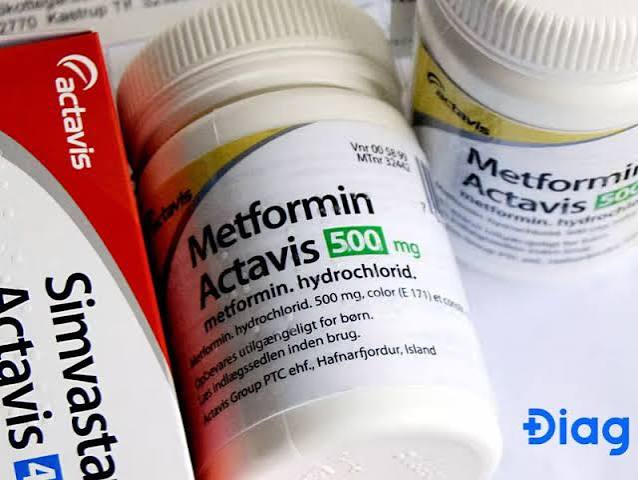
Metformin — the foundational first-line medication for type 2 diabetes — has specific safety considerations in CKD that every person with diabetes and kidney disease should understand. Metformin is renally excreted (not metabolized) and, in reduced kidney function, can accumulate and in rare cases cause lactic acidosis — the accumulation of lactic acid in the blood that is a potentially fatal metabolic emergency. The risk of metformin-associated lactic acidosis is not primarily from metformin itself (whose mitochondrial effects only modestly increase lactic acid production) but from the accumulation of metformin in severe kidney disease impairing tubular secretion of lactate or from situations where kidney function is acutely compromised (dehydration, contrast exposure, surgery) in patients on metformin. Current guidance: metformin is safe in CKD stages 1–3a (eGFR above 45), used with caution and monitoring in eGFR 30–45 (typically at reduced doses — metformin 500mg twice daily rather than 1000mg twice daily), and should be stopped when eGFR falls below 30. Metformin should also be held before any procedure using iodinated contrast (CT with contrast, coronary angiogram) and resumed 48 hours later once kidney function is confirmed stable — since contrast-induced nephropathy can transiently reduce eGFR below safe thresholds for metformin use. For most patients, the transition from metformin monotherapy to SGLT2 inhibitor plus metformin in early DKD, and then the gradual dose reduction of metformin as eGFR declines toward 30, is the appropriate clinical trajectory. Metformin’s cardiovascular benefit (demonstrated in the UKPDS trial) and its weight neutrality and low cost make it valuable to continue as long as safely possible in DKD. The medication safety considerations for kidney patients — including how to manage contrast exposure on metformin — are detailed in the medication safety for kidney patients guide.
Other Diabetes Medications in CKD: Adjustments and Precautions
Beyond SGLT2 inhibitors, GLP-1 RAs, and metformin, other diabetes medications require specific consideration in CKD. Sulfonylureas (glipizide, gliclazide, glyburide/glibenclamide) stimulate pancreatic insulin secretion and carry a significant hypoglycemia risk in CKD because (1) the kidneys are the primary site of insulin clearance — reduced insulin degradation in CKD means longer insulin action and greater hypoglycemia risk; (2) the active metabolites of some sulfonylureas (particularly glyburide) are renally cleared and accumulate in CKD, causing prolonged and severe hypoglycemia. Glipizide and gliclazide are preferred over glyburide in CKD because their metabolites are less active; glyburide should be avoided entirely in CKD stage 3 and beyond due to its prolonged hypoglycemia risk. Sulfonylureas generally require dose reduction and enhanced glucose monitoring in CKD. Insulin requires dose reduction in CKD because of the reduced renal insulin clearance described above; this is particularly important in advancing CKD, where insulin doses established at better kidney function may cause hypoglycemia without any other change in diet or activity. Patients with diabetes and CKD progressing through stages 4–5 often require insulin dose reduction guided by frequent glucose monitoring. DPP-4 inhibitors (sitagliptin, saxagliptin, alogliptin, linagliptin) are generally well tolerated in CKD but require dose reduction (except linagliptin, which is hepatically eliminated and does not require adjustment). Saxagliptin should be used with caution in heart failure. Pioglitazone (thiazolidinedione) can reduce proteinuria and has some evidence for kidney benefit in DKD, but causes fluid retention and is generally avoided in CKD complicated by heart failure or significant fluid overload — both common CKD comorbidities. The complete evidence framework for diabetes medication choices at each CKD stage — including the role of combination therapy (RAAS blocker + SGLT2 inhibitor + GLP-1 RA + finerenone) in modern DKD management — is covered by the StatPearls CKD treatment review. The blood pressure medications that are used alongside diabetes medications for kidney protection — especially ACE inhibitors, ARBs, and their monitoring requirements — are covered in the ACE inhibitors and ARBs for kidney health guide and the blood pressure medications and kidney protection guide. For the full CKD medication picture including diuretics, phosphate binders, and anemia management alongside diabetes treatments, the kidney disease medications overview guide provides the comprehensive framework for the entire pharmacological management of CKD.
Sources: NIDDK — Managing CKD · KDIGO CKD Guidelines · StatPearls — CKD
Finerenone: Adding Mineralocorticoid Blockade to DKD Treatment
Finerenone — a non-steroidal selective mineralocorticoid receptor antagonist (MRA) — has become the fourth pillar of diabetic kidney disease pharmacotherapy following the FIDELIO-DKD and FIGARO-DKD trials, which together demonstrated significant reductions in kidney failure risk, sustained GFR decline, cardiovascular events, and cardiovascular mortality in people with type 2 diabetes and CKD on top of maximum RAAS blockade. The mechanism of finerenone’s kidney protection is complementary to that of RAAS blockers and SGLT2 inhibitors: aldosterone — whose levels are often elevated in DKD despite ACE inhibitor or ARB therapy (a phenomenon called aldosterone breakthrough, where aldosterone levels normalized with RAAS blockade initially begin rising again over months to years) — drives fibrosis and inflammation in the kidney through MR activation in glomerular podocytes, mesangial cells, and tubular cells. Finerenone blocks MR signaling in these cells, reducing the profibrotic and pro-inflammatory cascade independently of blood pressure or angiotensin II effects. The FIDELIO-DKD trial showed a 18% reduction in the primary composite kidney endpoint (sustained 40% GFR decline, kidney failure, or kidney death) and a 13% reduction in cardiovascular events with finerenone compared to placebo in patients with type 2 DKD on maximum RAAS blockade; the FIGARO-DKD trial, enrolling patients with earlier stage DKD, showed cardiovascular event reduction and proteinuria reduction. The combined FIDELITY analysis of both trials confirmed the kidney and cardiovascular benefits across a broad DKD population. Finerenone’s selective MR binding — without the off-target androgen and progesterone receptor binding that causes spironolactone’s side effects (gynecomastia, sexual dysfunction) — and its lower hyperkalemia incidence compared to steroidal MRAs make it preferable to spironolactone in DKD. Current KDIGO guidance recommends considering finerenone in type 2 diabetes and CKD with eGFR above 25 and urine albumin-to-creatinine ratio above 30, with potassium monitoring at initiation and follow-up. The interaction between finerenone and SGLT2 inhibitors is being actively studied — the CONFIDENCE trial is examining whether finerenone plus dapagliflozin together provide additive or synergistic kidney and cardiovascular protection beyond either alone, which would support a four-drug DKD treatment regimen (ACE inhibitor/ARB + SGLT2 inhibitor + GLP-1 RA + finerenone) as the standard of care in high-risk DKD. The diuretics used alongside these agents to manage fluid overload in CKD — including how they interact with SGLT2 inhibitors and finerenone — are covered in the diuretics and kidney health guide.
Blood Glucose Targets in Diabetic Kidney Disease
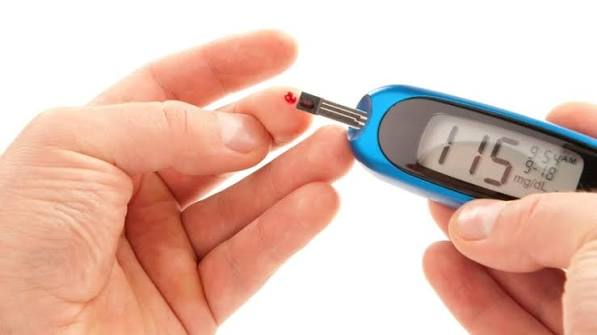
Blood glucose management — beyond the choice of specific kidney-protective medications — remains an essential component of DKD management. Chronic hyperglycemia drives glomerular hyperfiltration, AGE accumulation, oxidative stress, and the inflammatory cascade that underlies DKD pathology; excellent glucose control from the time of diabetes diagnosis is the most powerful long-term prevention strategy for DKD, as shown in the DCCT trial for type 1 diabetes (where tight glycemic control in the intensive therapy group reduced DKD risk by 39–54% over 6.5 years) and the UKPDS trial for type 2 diabetes. The blood glucose target in DKD is typically an HbA1c of 6.5–8% — the lower end of the range for patients with early DKD who can achieve it without hypoglycemia, and the upper end for patients with advanced CKD (stages 4–5) where hypoglycemia risk is high (from reduced renal insulin clearance and impaired renal gluconeogenesis that reduce the hypoglycemia recovery mechanisms). HbA1c measurement itself becomes less reliable in advanced CKD — the shortened red blood cell survival in CKD reduces the time over which glycated hemoglobin accumulates, causing HbA1c to underestimate actual glucose control; continuous glucose monitoring or fructosamine measurement may provide more accurate glucose assessment in advanced CKD. Hypoglycemia is a particularly serious concern in advanced CKD and dialysis patients: the kidney’s contribution to glucose homeostasis (renal gluconeogenesis accounts for approximately 20–25% of glucose production after an overnight fast) is lost in kidney failure, dramatically increasing hypoglycemia risk on insulin or sulfonylureas. Patients with diabetes and advanced CKD on insulin require more frequent glucose monitoring, lower insulin doses, and rapid dose adjustment protocols to manage the increasing insulin sensitivity that accompanies declining kidney function. The comprehensive approach to blood pressure management alongside glucose management in DKD — including the ACE inhibitor, ARB, and SGLT2 inhibitor regimen and its monitoring — is detailed in the ACE inhibitors and ARBs for kidney health guide and the blood pressure medications and kidney protection guide. The full National Kidney Foundation guidance on managing diabetes-related kidney disease — including lifestyle and dietary modifications alongside medications — is available at the NKF CKD patient information page.
The Modern DKD Treatment Algorithm: Combining All Four Pillars
The contemporary approach to diabetic kidney disease pharmacotherapy represents the most evidence-rich and rapidly evolving area of nephrology and diabetology. The four-pillar model — maximum-dose RAAS blockade (ACE inhibitor or ARB), SGLT2 inhibitor, GLP-1 receptor agonist, and finerenone — is now supported by the body of randomized trial evidence from CREDENCE, DAPA-CKD, EMPA-KIDNEY, FIDELIO-DKD, FIGARO-DKD, FLOW, and their analyses. KDIGO 2024 guidelines now reflect this evidence by recommending all four classes as standard of care for people with type 2 DKD who can tolerate them, rather than a stepwise approach where each class is added only after the previous one has failed. The rationale for simultaneous combination therapy is that each class acts on a different pathway of DKD progression: RAAS blockade reduces intraglomerular hypertension and angiotensin II-mediated fibrosis; SGLT2 inhibitors reduce glomerular hyperfiltration via tubuloglomerular feedback and reduce tubular hypoxia and inflammation; GLP-1 RAs reduce glomerular hyperfiltration via renal afferent hemodynamics and reduce systemic inflammation and adipokine-mediated kidney damage; finerenone blocks aldosterone-driven fibrosis and inflammation through MR blockade in glomerular and tubular cells. None of these mechanisms is redundant with another, and the combined benefit of all four classes — demonstrated in the sub-analyses of trials with two of the four classes in combination — is greater than any single class alone. The practical implementation of four-drug DKD pharmacotherapy requires careful attention to medication adherence (the regimen is complex and costly), hyperkalemia monitoring (RAAS blockade and finerenone together increase hyperkalemia risk — SGLT2 inhibitors provide some offsetting effect), volume status (SGLT2 inhibitors have a mild diuretic effect that may require loop diuretic dose adjustment), and cost (SGLT2 inhibitors, GLP-1 RAs, and finerenone remain expensive in many health systems, though generic SGLT2 inhibitors are emerging). For patients with diabetes and CKD who want to understand their kidney health metrics — including eGFR, urine albumin, creatinine, and HbA1c — in relation to their medication regimen, the kidney health numbers guide provides the accessible explanation of what each value means and what treatment decisions it guides. The kidney disease medications overview — including how DKD medications integrate with the broader treatment of CKD complications including anemia, metabolic acidosis, and hyperphosphatemia — is comprehensively covered in the kidney disease medications overview guide. The supplement safety considerations relevant to people with DKD on multiple medications — including which supplements interact with SGLT2 inhibitors or GLP-1 RAs — are detailed in the kidney patients supplement review guide.
Lifestyle Measures Alongside Diabetes Medications for Kidney Protection
Medication is the foundation of diabetic kidney disease management, but lifestyle interventions amplify the kidney-protective effect of the pharmacological regimen and address the underlying metabolic drivers of DKD that medications alone cannot fully reverse. Dietary protein restriction — targeting 0.8 g/kg/day of high-quality protein rather than the higher intakes common in Western diets — reduces the hyperfiltration burden on remaining nephrons and reduces proteinuria; very low protein diets (below 0.6 g/kg/day) may slow GFR decline in advanced CKD but require careful supervision by a renal dietitian to prevent protein malnutrition. Dietary sodium restriction — below 2,000 mg/day — reduces blood pressure, reduces the fluid overload that drives CKD progression, and augments the blood pressure-lowering and proteinuria-reducing effects of RAAS blockers and SGLT2 inhibitors. Weight management — achieving a BMI below 30, or weight loss of 5–10% of body weight in overweight individuals — reduces glomerular hyperfiltration driven by adipokine-mediated afferent arteriolar vasodilation, reduces proteinuria, and improves insulin sensitivity; GLP-1 receptor agonists (particularly semaglutide and tirzepatide) contribute substantially to weight loss and are the only diabetes medications that address obesity-related CKD as well as providing direct kidney protection. Exercise — 150 minutes per week of moderate aerobic activity — reduces insulin resistance, improves cardiovascular fitness, and modestly lowers blood pressure; it is safe in CKD when appropriate exercise testing and monitoring is in place for patients with advanced CKD or significant cardiovascular comorbidity. Smoking cessation is critical in DKD — nicotine causes renal vasoconstriction and independently accelerates GFR decline and proteinuria; people with DKD who smoke have substantially faster progression to kidney failure than non-smokers. The combination of the four-pillar pharmacological approach with dietary sodium and protein restriction, weight management, regular exercise, and smoking cessation represents the most comprehensive and evidence-based strategy for preserving kidney function in people with diabetic kidney disease — a strategy that can meaningfully delay or prevent the kidney failure that was once an almost inevitable consequence of long-standing type 2 diabetes with nephropathy. For the comprehensive medication safety framework covering all medications and supplements for kidney patients — including those with diabetes — the medication safety for kidney patients guide is the essential complementary resource.
I have type 2 diabetes and was recently told I now also have stage 3a CKD with microalbuminuria — my nephrologist started me on dapagliflozin on top of my existing metformin and lisinopril. I was confused because I thought dapagliflozin was a diabetes drug, not a kidney drug, so the explanation in this article of the tubuloglomerular feedback mechanism — how it reduces glomerular pressure independently of glucose lowering — is exactly what I needed to understand why I’m taking it even though my glucose was reasonably controlled. The finerenone section was new to me entirely. My nephrologist mentioned it but I wasn’t sure what it was — the explanation that aldosterone can ‘break through’ despite being on an ACE inhibitor and that finerenone blocks the remaining aldosterone-driven fibrosis really helped me understand why a fourth medication might be needed on top of everything else. The metformin section was also practically useful — I didn’t know I should hold it before a CT scan with contrast.
This is one of the most comprehensive and current patient-facing summaries of DKD pharmacotherapy I’ve encountered. The four-pillar framework (RAAS blockade + SGLT2 inhibitor + GLP-1 RA + finerenone) correctly reflects the post-FLOW and post-FIDELIO/FIGARO evidence base and represents what major nephrology and diabetology societies are now recommending as standard of care rather than stepwise escalation. The FLOW trial result deserves emphasis — the demonstration that semaglutide reduces kidney failure risk in DKD independently of its glucose and weight effects, confirmed by pre-specified analysis in patients also on SGLT2 inhibitors, established GLP-1 RAs as a genuine kidney-protective class rather than simply a cardiometabolic agent with kidney benefits as a secondary finding. The HbA1c limitation section in advanced CKD is important and frequently overlooked: I routinely encounter patients in stage 4–5 CKD whose glucose control appears excellent by HbA1c but whose continuous glucose monitoring shows significant postprandial hyperglycemia due to the HbA1c underestimation problem.
Roshan, the metformin-contrast interaction is one of the most practically important medication safety points for people with CKD and diabetes — the guidance is to hold metformin for 48 hours before and after any iodinated contrast procedure, and to confirm stable kidney function before resuming. Carrying a written list of your current medications (including metformin) to any imaging appointment makes it easier to flag this interaction with the radiology team. Dr. Krishnaswamy’s point on the FLOW trial is well taken — the pre-specified subgroup analysis showing kidney-protective benefit from semaglutide in patients who were already on an SGLT2 inhibitor is the critical evidence that GLP-1 RAs provide additive benefit beyond SGLT2 inhibitors, supporting the four-pillar model rather than a choice between the two classes. The HbA1c caveat in advanced CKD is a reminder that laboratory values must always be interpreted in clinical context — fructosamine or continuous glucose monitoring provides more accurate glucose assessment when HbA1c is unreliable due to altered red cell turnover in advanced CKD.