
ACE Inhibitors and ARBs for Kidney Health
ACE inhibitors and ARBs for kidney health represent the most important medication class in the management of chronic kidney disease (CKD), with evidence spanning four decades of randomized controlled trials confirming that they slow CKD progression, reduce proteinuria, and delay kidney failure in a broad range of CKD populations — from diabetic nephropathy to IgA nephropathy, hypertensive nephrosclerosis, focal segmental glomerulosclerosis, and polycystic kidney disease. Understanding how ACE inhibitors and ARBs work, why they are preferred over other antihypertensive agents in CKD with proteinuria, what monitoring they require, and when to expect and manage their common adverse effects is important knowledge for anyone with kidney disease taking one of these medications. This guide covers the mechanism, evidence base, practical use, and monitoring requirements of ACE inhibitors and ARBs in kidney disease in accessible detail — the kind of mechanistic understanding that helps people with CKD engage productively with their care team about medication decisions, side effects, and treatment adjustments.
The renin-angiotensin-aldosterone system (RAAS) is the hormonal cascade at the center of both blood pressure regulation and CKD progression. In the kidney, reduced perfusion or sodium delivery to the macula densa triggers renin release from juxtaglomerular cells; renin cleaves angiotensinogen (produced by the liver) to angiotensin I; angiotensin-converting enzyme (ACE, expressed primarily on pulmonary endothelial cells) cleaves angiotensin I to angiotensin II — the active hormone. Angiotensin II acts through two main receptor subtypes: the AT1 receptor mediates vasoconstriction (including selective efferent arteriolar constriction in the kidney, raising intraglomerular pressure), aldosterone release from the adrenal cortex (causing sodium and water retention), and inflammatory and profibrotic signaling in the kidney and cardiovascular system. The AT2 receptor mediates opposing effects — vasodilation and anti-inflammatory signaling. ACE inhibitors reduce angiotensin II formation by blocking ACE; ARBs block the AT1 receptor directly. Both reduce the pathological effects of angiotensin II on the kidney — the intraglomerular hypertension, the proteinuria, and the profibrotic signaling — and this is the mechanistic foundation of their kidney-protective benefits. Understanding this mechanism also explains why the combination of an ACE inhibitor and an ARB (dual RAAS blockade) is not recommended despite the theoretical appeal: both agents reduce AT1 receptor signaling, but the combination does not add benefit and substantially increases the risk of hyperkalemia and acute kidney injury, as confirmed by the ONTARGET trial. The broader context of blood pressure medication in CKD, including how ACE inhibitors and ARBs fit into the full antihypertensive regimen, is covered in the blood pressure medications and kidney protection guide.
The Evidence Base: Which Trials Proved These Medications Work
The evidence that ACE inhibitors and ARBs slow CKD progression was established in a series of landmark randomized controlled trials conducted from the 1990s through the 2000s that now form the evidentiary foundation for their universal guideline recommendation in proteinuric CKD. The MDRD (Modification of Diet in Renal Disease) trial showed that ramipril (an ACE inhibitor) slowed GFR decline in people with non-diabetic CKD and proteinuria, with greater benefit in those with higher proteinuria at baseline — the first evidence that blood pressure reduction alone did not explain the kidney-protective benefit, since ramipril-treated patients had better outcomes than those on other antihypertensives achieving equivalent blood pressure targets. The REIN (Ramipril Efficacy In Nephropathy) trial confirmed this in a larger non-diabetic proteinuric CKD population: ramipril reduced the rate of GFR decline by approximately 50% compared to conventional antihypertensive therapy and dramatically reduced the rate of progression to kidney failure, with benefit correlating directly with reduction in proteinuria — establishing that reducing proteinuria was a mechanistic target as much as a surrogate for the RAAS mechanism. The IDNT (Irbesartan Diabetic Nephropathy Trial) and RENAAL (Reduction of Endpoints in NIDDM with the Angiotensin II Antagonist Losartan) trials established the equivalent evidence for ARBs in diabetic nephropathy: irbesartan and losartan both significantly reduced the risk of doubling serum creatinine, end-stage renal disease, and death compared to other antihypertensives in type 2 diabetic nephropathy, independently of blood pressure reduction. The AASK (African American Study of Kidney Disease) trial showed ramipril to be superior to amlodipine and metoprolol in slowing CKD progression in African Americans with hypertensive nephropathy — a population with high CKD risk and historically inadequate antihypertensive management. These trials collectively established the class effect: any ACE inhibitor or ARB, at equivalent doses, provides kidney protection in proteinuric CKD, and the choice within each class is driven by tolerability (cough with ACE inhibitors), cost, and patient preference rather than differences in kidney-protective efficacy between individual agents. The NIDDK CKD management resource summarizes the evidence base for RAAS blockade in CKD in patient-accessible language. The full clinical evidence base is reviewed in the StatPearls CKD treatment review.
ACE Inhibitors vs. ARBs: Which to Choose and Why
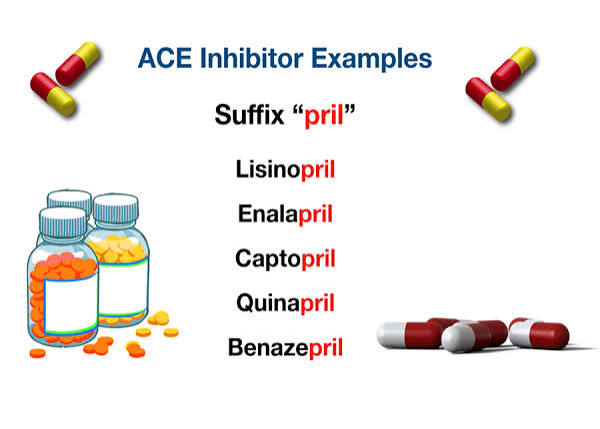
The choice between an ACE inhibitor and an ARB for kidney disease management is primarily driven by tolerability — specifically, the well-known ACE inhibitor side effect of dry cough, which occurs in approximately 10–15% of patients in Western populations and 30–40% of Asian patients due to bradykinin accumulation (ACE inhibitors also block the ACE-mediated degradation of bradykinin, allowing it to accumulate in the lung and stimulate cough receptors). ARBs block the AT1 receptor directly and do not affect bradykinin metabolism, so they do not cause ACE inhibitor cough. This makes ARBs the preferred choice for patients who develop cough on an ACE inhibitor, and in clinical practice ARBs are equally first-line with ACE inhibitors for proteinuric CKD in most guidelines, including the KDIGO 2024 CKD update. ACE inhibitors include: lisinopril (once daily, longest published renal evidence base), ramipril (once daily, used in major CKD trials), enalapril (twice daily, older agent), perindopril (once daily, used in cardiovascular trials), and quinapril, fosinopril, and others. ARBs include: losartan (once daily — used in the RENAAL trial), valsartan (once daily), irbesartan (once daily — used in the IDNT trial), olmesartan, candesartan, telmisartan (once daily, longest half-life), and azilsartan. Between ACE inhibitors and ARBs there is no proven difference in kidney-protective efficacy at equivalent RAAS blockade — the choice is made on cost (generic lisinopril and losartan are very inexpensive), tolerability (cough), once-daily dosing adherence convenience, and any particular comorbidity that favors one class (e.g., telmisartan has additional PPAR-γ activity that may offer modest glucose metabolism benefits in diabetic CKD). The ACE inhibitor unique side effect of angioedema — swelling of the face, lips, tongue, or throat, which is a rare (0.1–0.3% incidence) but potentially life-threatening adverse effect — is a contraindication to any further ACE inhibitor use; patients with ACE inhibitor angioedema should be switched to an ARB (which does not cause bradykinin-mediated angioedema through the same mechanism, though very rare ARB-associated angioedema has been reported). Both ACE inhibitors and ARBs are absolutely contraindicated in pregnancy due to teratogenicity (fetotoxicity — causing renal tubular dysgenesis, oligohydramnios, and neonatal renal failure) — women of childbearing age with CKD on RAAS blockade require reliable contraception and a medication change plan for any intended pregnancy. For the comprehensive overview of all kidney disease medications in context, the kidney disease medications overview guide provides the full picture of the treatment landscape.
Monitoring ACE Inhibitors and ARBs: What to Check and When
Monitoring after starting or adjusting ACE inhibitors and ARBs in CKD is essential to detect the two most important acute adverse effects: hyperkalemia and acute kidney injury. Both effects are dose-related and more common in advanced CKD, in patients with pre-existing hyperkalemia or borderline kidney function, and in patients on other drugs that affect potassium excretion or renal hemodynamics. The standard monitoring approach is: serum creatinine and potassium checked at baseline before starting the medication, and again at 1–2 weeks after initiation or dose increase. An acute rise in serum creatinine of up to 25–30% above baseline is expected and acceptable with ACE inhibitor or ARB initiation — this reflects the reduction in efferent arteriolar tone and the resulting decline in glomerular filtration pressure, which is the very mechanism that provides long-term kidney protection. A rise above 30% warrants investigation for underlying causes: bilateral renal artery stenosis (where glomerular filtration in both kidneys is dependent on angiotensin II-mediated efferent constriction), severe volume depletion (from concurrent diuretic use, illness, or inadequate hydration), or NSAIDs or other nephrotoxic medications blunting the autoregulatory response to RAAS blockade. Hyperkalemia — serum potassium above 5.5 mmol/L — is the most common adverse effect requiring clinical action in CKD patients on ACE inhibitors or ARBs; the risk increases with advancing CKD stage (as aldosterone-dependent potassium excretion is the remaining primary potassium elimination mechanism when GFR is reduced), concurrent use of potassium-sparing diuretics or supplements, and high dietary potassium intake. Mild hyperkalemia (5.5–6.0 mmol/L) may be managed with dietary potassium restriction and dose reduction before resorting to stopping RAAS blockade; potassium binders (patiromer, sodium zirconium cyclosilicate) are now available and allow many patients with hyperkalemia tendency to continue RAAS blockade safely. Severe hyperkalemia (above 6.0–6.5 mmol/L) or symptomatic hyperkalemia (cardiac arrhythmias, muscle weakness) requires urgent management. After the initial safety check, ongoing monitoring of creatinine and potassium in stable CKD patients on ACE inhibitors or ARBs is typically performed every 3–6 months (more frequently in advanced CKD or with any dose change or intercurrent illness). The practical guide to kidney health numbers and what laboratory values mean in the context of CKD treatment is available in the kidney health numbers guide on Horizon Health Guide. The authoritative KDIGO guidance on CKD evaluation and monitoring, including RAAS monitoring recommendations, is available at the KDIGO CKD guidelines page.
Practical Questions: Starting, Dose, and Sick-Day Management
People starting ACE inhibitors or ARBs for kidney disease frequently have practical questions about dosing, timing, and what to do when circumstances change — questions that may not be fully addressed in a brief clinical appointment. What dose should be used? For kidney protection, the evidence supports using the maximum tolerated dose rather than simply a blood pressure-target dose — the kidney-protective mechanisms of RAAS blockade are dose-dependent, and trials that showed the greatest proteinuria reduction and GFR preservation used higher doses of ACE inhibitors and ARBs. Titrating from a starting dose to a target dose over weeks (guided by blood pressure response and potassium monitoring) is standard practice. Morning or evening dosing? Once-daily ACE inhibitors and ARBs can be taken in the morning or evening — there is some evidence from ambulatory blood pressure studies that evening dosing provides better nocturnal blood pressure coverage, which is important in CKD since nocturnal hypertension is particularly prevalent and associated with faster kidney disease progression; however, morning dosing with better adherence (taking the medication with the morning routine) may be practically superior to evening dosing with poorer adherence, and timing should be discussed with the prescribing clinician. What to do when sick? The most important sick-day guidance for people on ACE inhibitors or ARBs is to temporarily discontinue the medication during any illness causing significant fluid loss — severe vomiting, diarrhea, fever with poor oral intake — and to restart once the illness resolves and fluid intake is restored. Continuing RAAS blockade during significant volume depletion dramatically increases the risk of acute kidney injury, since the kidney’s ability to autoregulate filtration during underperfusion depends on intact efferent arteriolar tone (which RAAS blockade has eliminated). This “sick day rule” should be discussed with every patient started on an ACE inhibitor or ARB, and people with CKD should know to hold their RAAS blocker and check in with their healthcare team if they develop significant illness with fluid losses. NSAID interactions: NSAIDs (ibuprofen, naproxen, diclofenac) should be avoided in people on ACE inhibitors or ARBs with CKD — NSAIDs reduce renal prostaglandin synthesis (reducing renal blood flow autoregulation) and block the sodium excretion that ACE inhibitors and ARBs depend on to achieve their hemodynamic effects, substantially increasing the risk of acute kidney injury when combined with RAAS blockade in CKD. The medication safety guide for kidney patients — including the NSAID and other nephrotoxic drug interactions relevant to people on RAAS blockade — is detailed in the NSAIDs and kidney risk guide and the medication safety for kidney patients guide. For the diabetes medication context — how ACE inhibitors and ARBs interact with SGLT2 inhibitors and other diabetes drugs in CKD — the diabetes medications and kidney protection guide provides the relevant clinical framework.
Sources: NIDDK — Managing CKD · KDIGO CKD Guidelines · StatPearls — CKD
ACE Inhibitors and ARBs Across CKD Stages: What Changes as Kidney Function Declines
The use of ACE inhibitors and ARBs across the spectrum of CKD — from early stage 2 to late stage 5 approaching kidney failure — involves important considerations that change as kidney function declines. In early CKD (stages 1–2, eGFR above 60), ACE inhibitors and ARBs are started and titrated to the target dose with standard monitoring; the expected creatinine rise is small and well tolerated, and hyperkalemia risk is low unless the patient is concurrently taking potassium supplements or potassium-sparing diuretics. In CKD stage 3 (eGFR 30–59), RAAS blockade is similarly well tolerated in most patients, though monitoring frequency increases and dietary potassium counseling becomes important. The greatest clinical uncertainty is in CKD stages 4–5 (eGFR below 30): historically, many nephrologists discontinued ACE inhibitors and ARBs as eGFR approached 15–20 mL/min/1.73m², citing concerns about acute kidney injury, hyperkalemia, and the perception that there was little residual kidney to protect. This practice is now contested by evidence: the STOP-ACEi trial (2022) found no significant benefit from stopping ACE inhibitors and ARBs in advanced CKD — participants who stopped their RAAS blocker did not have better kidney outcomes than those who continued, and some analyses suggested a trend toward faster progression to dialysis in the discontinuation group. Current guidance from KDIGO and most nephrology societies is to continue ACE inhibitors and ARBs in advanced CKD unless hyperkalemia is unmanageable or acute kidney injury supervenes, with potassium binders available as a tool to enable continued RAAS use when hyperkalemia tendency is the limiting factor. On dialysis, RAAS blockade may be continued for cardiovascular benefit and to manage residual urine output (preserving residual renal function on dialysis is associated with better outcomes, and RAAS blockade may support residual function), though the evidence base is less robust than in pre-dialysis CKD. The management of RAAS blockade through CKD stages — including the stop-or-continue decision in advanced CKD and the interactions between RAAS blockers and SGLT2 inhibitors, which are the other major kidney-protective agent in the current guideline landscape — is part of the broader treatment picture covered in the kidney disease medications overview guide.
ACE Inhibitors and ARBs in Specific CKD Causes
The evidence for ACE inhibitor and ARB use spans multiple CKD causes, and the degree of benefit varies with the degree of proteinuria and the underlying glomerular pathology. Diabetic nephropathy (diabetic kidney disease) is the indication with the strongest evidence base — the IDNT and RENAAL trials established ARB benefit (irbesartan and losartan respectively) in type 2 diabetic nephropathy with macroproteinuria (urine albumin above 300 mg/g), and multiple smaller trials have confirmed ACE inhibitor benefit from earlier stages of diabetic kidney disease including microalbuminuria. All major diabetes and nephrology guidelines recommend ACE inhibitor or ARB therapy for any person with diabetes and any degree of albuminuria (albumin-to-creatinine ratio above 30 mg/g), regardless of whether their blood pressure is above target, because the antiproteinuric benefit is independent of blood pressure. IgA nephropathy — the most common primary glomerulonephritis worldwide and a major cause of kidney failure in young adults — has been consistently managed with RAAS blockade as first-line treatment for proteinuria reduction; the TESTING trial and the recent approval of sparsentan (a dual endothelin-A/angiotensin receptor antagonist) represent advances beyond standard ARB therapy, but ACE inhibitors and ARBs remain the foundational therapy for all IgA nephropathy patients with proteinuria above 0.5 g/day. Focal segmental glomerulosclerosis (FSGS) — often associated with heavy proteinuria and rapid CKD progression — benefits from RAAS blockade for proteinuria reduction as supportive therapy alongside disease-specific immunosuppression where indicated. Hypertensive nephrosclerosis — CKD attributed to longstanding hypertension — is addressed by all antihypertensives that lower blood pressure, but the AASK trial evidence specifically supports ACE inhibitor benefit (ramipril superior to amlodipine in slowing GFR decline) in African American patients with hypertensive CKD, and RAAS blockade is the preferred antihypertensive class for any CKD with significant proteinuria regardless of cause. Autosomal dominant polycystic kidney disease (ADPKD) — managed primarily with tolvaptan for disease modification and RAAS blockade for hypertension — benefits from ACE inhibitor or ARB therapy primarily through blood pressure control since ADPKD kidneys lose cysts rather than glomeruli as the primary mechanism of functional decline, but hypertension management with RAAS blockade is still recommended as first-line. For people with CKD from any of these causes, the antiproteinuric benefit of RAAS blockade — measured as a reduction in the urine albumin-to-creatinine ratio — is the clinical signal that the medication is working, and response to RAAS blockade (greater than 30–50% proteinuria reduction at maximum tolerated dose) is a favorable prognostic indicator for slower CKD progression. The National Kidney Foundation’s CKD patient education provides additional context on how different causes of CKD respond to standard treatments.
What to Expect When Starting an ACE Inhibitor or ARB
Starting an ACE inhibitor or ARB for kidney disease often feels counterintuitive: the first blood test after starting the medication usually shows a small rise in creatinine (the expected hemodynamic effect that signals the medication is working) and may show a modest rise in potassium. Both changes, within the acceptable ranges described above, are signs that the RAAS is being effectively blocked — not signs of harm. Patients who are prepared for this expected change are less likely to stop their medication prematurely when they see a higher creatinine result on their repeat blood test, and continuity of RAAS blockade is essential to realize the long-term kidney-protective benefit. Blood pressure may also drop modestly when starting an ACE inhibitor or ARB — particularly the first dose — and taking the medication in the evening and rising slowly from bed can help manage this. Symptoms of excessive blood pressure reduction (lightheadedness on standing, fainting, extreme fatigue) should be reported to the prescribing clinician, since the dose or concurrent diuretic may need adjustment. Some patients notice an improvement in energy and well-being as blood pressure comes under control on an ACE inhibitor or ARB — reduced cardiovascular strain and better organ perfusion can improve functional status even when people don’t realize their blood pressure had been affecting them. The key message is that ACE inhibitors and ARBs are the most evidence-backed kidney-protective medications available for people with CKD and proteinuria — tolerating the expected initial changes in blood test results and accepting a small blood pressure drop are worthwhile investments in the decades-long kidney protection that consistent RAAS blockade provides. For the diuretic medications that are commonly added alongside ACE inhibitors and ARBs to manage blood pressure and fluid in CKD — and their specific kidney interactions and risks — the diuretics and kidney health guide provides the complementary clinical information.
I have IgA nephropathy diagnosed three years ago by kidney biopsy, currently on losartan 100mg once daily. My proteinuria came down from 2.1 g/day at diagnosis to 0.6 g/day on full-dose losartan — a reduction my nephrologist described as a very good response. This article gave me the best explanation I’ve found of why the expected creatinine rise when starting an ARB is actually a sign the drug is working — when I started losartan my creatinine went from 1.1 to 1.35 mg/dL in the first two weeks and I was alarmed until my nephrologist explained it. The trial names were new to me — I hadn’t known about the REIN and AASK trials establishing that ramipril specifically was better than other antihypertensives in non-diabetic CKD. The sick-day rule about holding ARBs during vomiting or diarrhea is something I’m going to discuss with my nephrologist at my next visit — I wasn’t aware of this.
An excellent and comprehensive patient education resource on RAAS pharmacology in CKD. The section on ACE inhibitors versus ARBs at the mechanistic level — bradykinin accumulation as the driver of ACE inhibitor cough, and why ARBs avoid this — is explained correctly and at a level of depth that genuinely helps patients understand why the medication change is not arbitrary. The STOP-ACEi trial discussion is appropriately nuanced: the trial’s primary outcome was eGFR slope at 3 years and showed no significant difference between continuing and stopping RAAS blockade in advanced CKD, but the confidence interval included clinically relevant differences in both directions, and the secondary outcomes were numerically in favor of continuing. The current guideline position to continue RAAS blockade in advanced CKD unless there is a specific contraindication (unmanageable hyperkalemia, acute kidney injury) is evidence-consistent. The pregnancy contraindication section is important — ACE inhibitor and ARB fetotoxicity is often under-communicated to younger women with CKD at the time of medication initiation.
Thomas, the proteinuria reduction from 2.1 to 0.6 g/day on losartan is an excellent treatment response — a greater than 50% reduction in proteinuria on RAAS blockade is exactly the kind of response associated with significantly slower CKD progression in the IgA nephropathy trials. The sick-day rule is indeed important for all ARB and ACE inhibitor users to know: holding the medication during any illness with significant vomiting, diarrhea, or fever and poor fluid intake, and resuming once recovered, is standard guidance that prevents acute kidney injury events that would otherwise be preventable. Dr. Montanari’s point on the STOP-ACEi trial interpretation is well made — the uncertainty in that trial’s results is actually the most clinically honest message: we don’t have definitive evidence that stopping RAAS blockade in advanced CKD benefits the kidney, and interim evidence from the trial’s secondary outcomes and from mechanistic reasoning favors continuing in the absence of a clear contraindication.