
Digestive medications are among the most widely used pharmaceutical products in the world, yet most adults have only a partial picture of how the different classes work, when each is appropriate, and what risks come with long-term use. From the antacid you keep in the bedside drawer to the prescription proton pump inhibitor your doctor has been renewing for three years, understanding what each drug is actually doing — and what it is not doing — helps you make better decisions about your gut health. This overview maps the major categories, explains their mechanisms in plain terms, and highlights the safety considerations that apply to adults across all life stages.
The articles that follow in this series go deeper into individual classes: antacids, proton pump inhibitors, H2 receptor blockers, and laxatives. If you are already managing a condition like GERD, IBS, or a liver condition, pairing this overview with guidance on healthy habits for liver and digestive health will give you a more complete picture of symptom management across both lifestyle and medication approaches.
What Are Digestive Medications?
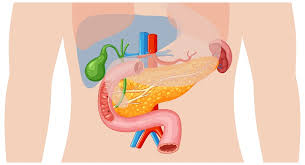
The term digestive medications refers to any pharmaceutical product — prescription or over-the-counter — that targets a symptom or condition arising within the gastrointestinal tract. This includes everything from the esophagus and stomach through the small intestine, large intestine, liver, gallbladder, and pancreas. Because each of these organs has distinct physiology, the drug classes that work on one section of the gut may have no effect on another.
The GI tract is one of the body’s most pharmacologically active systems. It produces hormones, maintains a complex microbial ecosystem, regulates fluid and electrolyte balance, and coordinates muscular contractions across metres of tube-like tissue. Digestive medications interact with all of these functions — which is partly why so many different classes exist, and partly why the side effects of these drugs are often as complex as the conditions they treat.
When selecting a digestive medication, the key questions are: what is the underlying mechanism of the symptom, does this drug address that mechanism or merely suppress the sensation, and is there a lower-risk option that achieves the same therapeutic goal? These questions matter more than most people realise, particularly because several common digestive medications are potent enough to cause nutritional deficiencies, alter the gut microbiome, or mask warning signs of more serious disease when used indiscriminately over months or years.
Antacids — Immediate Relief for Heartburn and Acid Indigestion
Antacids are the oldest and most widely used class of digestive medications for acid-related symptoms. They work by chemically neutralising stomach acid — a direct, rapid reaction rather than a drug-receptor interaction. Common active ingredients include calcium carbonate, magnesium hydroxide, aluminium hydroxide, and sodium bicarbonate. Because they act instantly on acid already present in the stomach, antacids provide faster symptom relief than any other acid-management drug class. However, that relief is short-lived: typically 20 to 60 minutes, compared with several hours for H2 blockers or up to 24 hours for proton pump inhibitors.
Antacids are appropriate for occasional, meal-related heartburn or indigestion that occurs less than twice per week. They are not appropriate as the primary management tool for chronic GERD or erosive esophagitis, because they do not reduce acid production — they simply mop up acid after it is secreted. Frequent antacid use in someone with chronic acid reflux is a sign that a more durable intervention is needed.
The choice of antacid formulation matters more than most people realise. Calcium carbonate antacids (such as Tums) can cause acid rebound — a temporary increase in acid secretion after the neutralising effect wears off. Aluminium-containing formulations are constipating; magnesium-containing ones are laxative; many commercial products combine both to balance these effects. Sodium bicarbonate antacids carry a significant sodium load and should be avoided by people managing hypertension or heart failure. A full breakdown of antacid types, correct dosing, and drug interactions is covered in the dedicated article on antacids for adults.
H2 Receptor Blockers — Moderate Acid Suppression
H2 receptor blockers — also called H2 antagonists or H2 blockers — reduce stomach acid production by blocking histamine H2 receptors on the acid-secreting parietal cells of the stomach lining. Common examples include famotidine (Pepcid), cimetidine (Tagamet), and ranitidine (Zantac — though ranitidine has been widely withdrawn following contamination concerns). H2 blockers are more potent and longer-acting than antacids, typically providing 6 to 12 hours of acid suppression.
They are best suited for people who experience predictable heartburn in specific situations — such as after large meals, after alcohol, or when lying down — and who need reliable cover for a known trigger. Taking an H2 blocker 30 to 60 minutes before a meal or bedtime is a practical strategy for situational acid control that does not require daily prescription-strength medication.
H2 blockers are generally well tolerated and have a lower side-effect profile than PPIs for short-term use. However, they demonstrate a phenomenon called tachyphylaxis — a reduction in effectiveness with continuous daily use over 2 to 6 weeks as the body upregulates acid secretion to compensate. This makes them less suitable than PPIs for ongoing daily acid suppression. Their pharmacology, when to prefer them over PPIs, and key drug interactions are covered in detail in the article on H2 blockers for acid reflux.
Proton Pump Inhibitors — The Strongest Acid Suppression
Proton pump inhibitors (PPIs) are the most potent acid-suppressing digestive medications available. They work by irreversibly inhibiting the hydrogen-potassium ATPase enzyme — the proton pump — in stomach parietal cells. This shuts down acid secretion at the source rather than blocking receptor-mediated signalling or neutralising secreted acid. A single dose of omeprazole, esomeprazole, lansoprazole, or pantoprazole can suppress acid production by 90 to 98% for 24 hours or more.
PPIs are the standard of care for erosive esophagitis, moderate-to-severe GERD, gastric and duodenal ulcers, and H. pylori eradication protocols. They are also used as gastroprotection for people taking long-term NSAIDs, and in Zollinger-Ellison syndrome, a condition of extreme acid hypersecretion. Their effectiveness in these contexts is well established and clinically significant — PPIs genuinely change outcomes in people with acid-related mucosal damage.
The concern with PPIs is not their short-term use, but the widespread and indefinite prescribing that has developed since their original approval in the late 1980s. PPIs affect more than just acid secretion: they alter gastric pH enough to affect nutrient absorption (magnesium, vitamin B12, iron, calcium), shift the gut microbiome toward profiles associated with Clostridioides difficile infection, and may have effects on kidney and cardiovascular function that are still being characterised. The benefits clearly outweigh risks in appropriate indications, but PPIs are frequently continued long-term in patients whose original indication has resolved. If you are taking a PPI and have not reviewed whether you still need it in the past 12 months, that conversation with your prescriber is overdue. For a complete pharmacological and safety review, see the article on proton pump inhibitors: benefits and safety.

Laxatives — Types and Appropriate Use
Laxatives are digestive medications used to treat constipation and facilitate bowel movements. They are among the most diverse drug classes in gastroenterology — not a single agent but a family of drugs that work through entirely different mechanisms, with substantially different speed of action, appropriate use cases, and risk profiles.
The main laxative subtypes include:
- Osmotic laxatives (lactulose, polyethylene glycol, magnesium salts) — draw water into the bowel lumen to soften stool and stimulate peristalsis. They are generally well tolerated and can be used for extended periods under medical supervision.
- Stimulant laxatives (bisacodyl, senna) — stimulate the nerve plexus of the colon wall to increase peristaltic contractions. Fast-acting but associated with cramping; not appropriate for daily use.
- Bulk-forming laxatives (psyllium husk, methylcellulose) — increase stool bulk by absorbing water; the safest class for long-term use but requires adequate fluid intake to avoid intestinal obstruction.
- Stool softeners (docusate) — allow water and fat to penetrate hard stools; evidence for clinical effectiveness is modest but they are very safe.
- Lubricant laxatives (liquid paraffin, mineral oil) — coat the stool to ease passage; limited to short-term use due to malabsorption risks with fat-soluble vitamins.
Laxative choice should be matched to the type of constipation — whether it is primarily slow colonic transit, pelvic floor dysfunction, or hard dry stool — rather than simply selecting the most aggressive option. Chronic stimulant laxative use has historically been associated with reduced bowel muscle tone, though modern evidence on this is more nuanced. A full guide to laxative types, dosing, and appropriate use durations is available in the article on laxatives: types and safe use.
Anti-Diarrheal Medications
Anti-diarrheal medications slow intestinal motility, reduce fluid secretion into the gut lumen, or both. The most widely used OTC anti-diarrheal is loperamide (Imodium), an opioid receptor agonist that acts on mu-opioid receptors in the gut wall without crossing the blood-brain barrier at normal doses. Loperamide reduces the frequency and urgency of loose stools by slowing intestinal transit and increasing water and electrolyte reabsorption from the bowel.
Bismuth subsalicylate (Pepto-Bismol) has anti-diarrheal, antacid, and mild antimicrobial properties, and is particularly useful for travellers’ diarrhoea because it reduces the bacterial load contributing to symptoms while also managing nausea.
The key safety principle with anti-diarrheal medications is knowing when not to use them. Diarrhoea accompanied by high fever, blood in the stool, or severe abdominal pain should not be treated with loperamide until an infectious or inflammatory cause has been excluded — particularly Clostridioides difficile, Salmonella, or Shigella infections, where slowing intestinal transit can worsen the illness by preventing the body from expelling the pathogen. Loperamide is also contraindicated in children under two years old and should be used with caution in inflammatory bowel disease during active flares.
For chronic or recurrent diarrhoea, anti-diarrheal medications are management tools rather than treatments. Identifying whether the underlying cause is IBS-diarrhoea predominant, microscopic colitis, bile acid malabsorption, or food intolerance determines what the appropriate longer-term intervention should be.
Prokinetics — Supporting Gut Motility
Prokinetic agents enhance the forward movement of contents through the gastrointestinal tract by increasing the tone and coordination of gastrointestinal smooth muscle contractions. They achieve this by blocking dopamine receptors (metoclopramide, domperidone) or stimulating motilin receptors (erythromycin at sub-antibiotic doses) in the gut wall. The resulting effect is faster gastric emptying and more coordinated peristalsis throughout the small intestine.
Prokinetics are primarily used in gastroparesis (delayed gastric emptying, most commonly seen in people with long-standing diabetes or following certain viral infections), in functional dyspepsia with postprandial fullness as a predominant symptom, and as short-term adjunctive treatment for gastro-oesophageal reflux that is worsened by slow gastric emptying.
Metoclopramide is associated with tardive dyskinesia — an involuntary movement disorder — with prolonged use, which has led to restrictions on its use in many countries. Domperidone carries cardiac risks at higher doses due to QT prolongation. These safety profiles mean prokinetics are predominantly prescription drugs used under medical supervision rather than OTC options, and they should not be a first choice for non-specific digestive symptoms without a confirmed motility diagnosis.
Antiemetics — Managing Nausea and Vomiting
Antiemetic digestive medications target the neurological pathways that trigger nausea and vomiting. The vomiting centre in the medulla oblongata receives input from four main sources: the chemoreceptor trigger zone (CTZ), the vestibular system, the vagus nerve (gut signals), and higher cortical centres. Different antiemetics block different inputs to this centre, which is why the right drug depends heavily on the cause of the nausea.
- Antihistamines (cyclizine, dimenhydrinate, promethazine) — block H1 receptors in the vestibular pathway; best for motion sickness and inner ear-related nausea.
- Dopamine antagonists (metoclopramide, domperidone, prochlorperazine) — block dopamine at the CTZ and gut; useful for chemotherapy-induced and post-operative nausea, and nausea associated with migraines.
- Serotonin antagonists (ondansetron, granisetron) — block 5-HT3 receptors in the gut and CTZ; highly effective for chemotherapy-induced and post-surgical nausea; primarily prescription drugs.
- NK1 receptor antagonists (aprepitant) — block substance P receptors; used for delayed chemotherapy-induced nausea; prescription only.
For mild nausea from motion sickness, pregnancy, or a stomach bug, OTC antihistamine antiemetics are generally safe and effective. Ondansetron, though increasingly available OTC in some countries, is a potent drug originally developed for chemotherapy patients, and its casual use for minor nausea is beyond its licensed indications. People with cardiac arrhythmia history should discuss any antiemetic use with a pharmacist given the QT-prolongation risks associated with several agents in this class.
Antispasmodics — Targeting Intestinal Cramping
Antispasmodic medications reduce involuntary smooth muscle contractions in the gastrointestinal tract, targeting the cramping pain that characterises irritable bowel syndrome, diverticular disease, and other functional bowel conditions. They divide broadly into two subgroups: anticholinergics (hyoscine butylbromide/Buscopan, dicycloverine) and direct smooth muscle relaxants (mebeverine, alverine).
Anticholinergic antispasmodics block the muscarinic receptors on smooth muscle, reducing the neural drive to contract. They also affect other muscarinic systems — salivary glands (causing dry mouth), bladder muscle (urinary retention in susceptible individuals), and eye muscles (blurred vision) — which limits their tolerability in some patients and makes them inappropriate for people with glaucoma, urinary retention, or severe constipation.
Direct smooth muscle relaxants (mebeverine is the most commonly prescribed) act directly on the muscle fibres without the systemic anticholinergic effects, giving them a better tolerability profile for most patients with IBS. They are not effective for all presentations of IBS — those with diarrhoea-predominant symptoms may respond better to loperamide or low-dose tricyclic antidepressants than to antispasmodics.
It is worth noting that gut-directed hypnotherapy and certain dietary interventions (low-FODMAP diet, soluble fibre increase) have evidence bases comparable to antispasmodics for IBS symptom management, and are often recommended first or alongside medication rather than as alternatives that patients resort to when drugs fail.
Safe Use Principles for Digestive Medications
Regardless of which class of digestive medication you are using, several principles apply universally to adult use:
Match the drug to the mechanism, not the symptom. Nausea can arise from motion sickness, gastric dysmotility, excess acid, infections, pregnancy, or medication side effects. An antacid will not help nausea from motion sickness; an antihistamine antiemetic will not help heartburn. Treating the symptom without understanding its source wastes money, delays appropriate treatment, and occasionally worsens the underlying condition.
Use the minimum effective dose for the minimum necessary duration. This applies particularly to PPIs, stimulant laxatives, anti-diarrheal agents, and anticholinergic antispasmodics — all of which carry more risk with extended use. The NHS guidelines on appropriate prescribing explicitly recommend regular deprescribing reviews for PPIs, noting that many patients continue them indefinitely without reassessment of ongoing need.
Check for interactions before adding a digestive medication to an existing medication list. Antacids reduce the absorption of dozens of drugs including fluoroquinolone antibiotics, thyroid medications, bisphosphonates, and some antifungals. PPIs reduce the activation of clopidogrel, a widely used antiplatelet drug. Bismuth subsalicylate carries aspirin-equivalent salicylate and interacts with anticoagulants and methotrexate. The NHS medicines information pages and your pharmacist are the most accessible first checks for specific interactions.
Do not use digestive medications to suppress symptoms that warrant investigation. Unintentional weight loss with a new digestive symptom, blood in the stool, persistent vomiting, or new-onset dysphagia (difficulty swallowing) are not appropriate candidates for self-medication. These symptoms warrant clinical assessment even if you have had functional digestive symptoms in the past.
Drug Interactions and Special Populations
Digestive medications are not pharmacologically inert, and treating them as such leads to underappreciated interactions and risks. Several deserve specific emphasis for adults over 60 and those on complex medication regimens:
Antacids and thyroid medications: Calcium and aluminium-containing antacids significantly reduce the absorption of levothyroxine. Patients on thyroid replacement therapy should not take antacids within four hours of their thyroid dose — a gap that is easy to forget when heartburn strikes at breakfast, when levothyroxine is typically taken.
PPIs and clopidogrel: Several PPIs — particularly omeprazole and esomeprazole — inhibit CYP2C19, the enzyme that converts clopidogrel to its active form. The clinical significance of this interaction is debated, but current guidance from the FDA and several cardiac societies recommends using pantoprazole or famotidine as alternatives for gastroprotection in patients on clopidogrel when acid suppression is genuinely needed.
Laxatives and electrolytes in older adults: Osmotic and stimulant laxatives can cause significant electrolyte shifts — hyponatraemia, hypokalaemia, and dehydration — in older adults with reduced renal reserve. These effects may not produce obvious symptoms until they are serious, which is why chronic laxative use in elderly patients should always be monitored with periodic electrolyte checks.
Anti-diarrheal medications and antibiotics: When diarrhoea is caused by C. difficile — often following antibiotic treatment — loperamide is contraindicated because it allows toxin to remain in contact with the colon wall longer, potentially worsening the colitis. Antibiotic-associated diarrhoea requires stool testing before treatment decisions are made. Resources from the CDC on C. difficile explain the specific risks involved.
For any digestive medication being added to a regimen that includes anticoagulants, immunosuppressants, antiepileptics, or HIV medications, a pharmacist review is not optional — it is a safety step that takes minutes and can prevent serious adverse events. The MedlinePlus drug information library provides accessible interaction data as a starting point.
When OTC Digestive Medications Are Not Enough
Most people successfully manage occasional digestive symptoms with OTC medications and lifestyle adjustments. The challenge arises when symptoms are recurrent, escalating, or atypical — patterns that suggest the OTC approach is covering rather than resolving the problem. Several transitions from self-management to medical assessment are worth recognising explicitly.
Chronic acid reflux symptoms — heartburn or regurgitation occurring more than twice per week for more than four weeks — warrants evaluation rather than dose escalation. Not all esophageal symptoms are acid-related: eosinophilic esophagitis, bile reflux, and esophageal motility disorders produce similar symptoms and do not respond to acid suppression. An endoscopy assessment distinguishes these conditions.
Persistent constipation unresponsive to dietary changes and osmotic laxatives after six weeks warrants assessment to exclude structural causes, pelvic floor dysfunction, thyroid disease, or medication side effects. The Mayo Clinic guidelines on constipation outline when investigation is warranted based on symptom duration and accompanying features.
Digestive symptoms accompanied by systemic features — fatigue, weight loss, joint pain, skin changes, night sweats — may reflect inflammatory bowel disease, coeliac disease, or a systemic condition with gastrointestinal manifestations. These conditions require specific diagnostic workup and cannot be managed with digestive medications alone.
The lifestyle foundations that reduce the need for digestive medications in the first place are covered in detail in the article on healthy habits for liver and digestive health — a parallel read that often reduces medication requirement by addressing root causes rather than symptoms.
- Blood in the stool (bright red or dark/tarry) at any age
- Unintentional weight loss of more than 4–5 kg alongside digestive symptoms
- New difficulty or pain on swallowing (dysphagia)
- Persistent vomiting lasting more than 48 hours, or vomiting blood
- Abdominal pain severe enough to wake you from sleep
- Heartburn that has not improved after 4 weeks of correct PPI use
- Any new digestive symptom in a person over 55 with no prior history
Frequently Asked Questions
Antacids neutralise stomach acid that has already been secreted — they work within minutes but last only 20 to 60 minutes. Proton pump inhibitors prevent acid secretion before it occurs by blocking the proton pump in stomach cells, providing 24-hour acid suppression but taking 1 to 4 days to reach full effect. Antacids are appropriate for occasional heartburn; PPIs are prescribed for chronic acid-related conditions such as GERD or peptic ulcers.
Yes, but with a timing consideration. Taking an antacid within two hours of a PPI dose may reduce the PPI’s bioavailability, since PPIs need a slightly acidic gastric environment for optimal absorption and conversion to their active form. If you need breakthrough relief while on a PPI, wait at least two hours after the PPI dose before taking an antacid, or discuss adding an H2 blocker for bedtime coverage with your prescriber.
This varies significantly by class. Bulk-forming laxatives (psyllium), antacids used as-needed, and H2 blockers for short-term GERD management have excellent long-term safety profiles. Stimulant laxatives, PPIs beyond 8 weeks in the absence of an ongoing indication, loperamide used daily for chronic diarrhoea without a clear diagnosis, and anticholinergic antispasmodics in older adults all warrant periodic reassessment. Long-term use of any digestive medication should be reviewed with your GP or pharmacist at least annually.
Calcium carbonate antacids are generally considered safe in pregnancy and are commonly recommended for gestational heartburn. Domperidone and metoclopramide are used for nausea in pregnancy under medical supervision in many countries, although not first-line. PPIs are sometimes prescribed in pregnancy for severe or erosive reflux after risk-benefit discussion. Bismuth subsalicylate, misoprostol, and stimulant laxatives such as senna are generally avoided. Always consult your midwife or obstetrician before starting any digestive medication during pregnancy.
Yes — several classes do. PPIs reduce absorption of magnesium, vitamin B12, iron, and calcium, particularly with long-term use; monitoring of these levels is recommended in patients on PPIs for longer than 12 months. Aluminium-containing antacids can bind dietary phosphate and reduce its absorption. Chronic use of stimulant or osmotic laxatives may lead to electrolyte imbalances, particularly hypokalaemia. Liquid paraffin and mineral oil laxatives impair absorption of fat-soluble vitamins (A, D, E, K).
Prescription status reflects the balance of therapeutic benefit, risk of harm if misused, and the need for diagnostic context before treatment. PPIs were originally prescription-only because their potency is capable of masking gastric cancer symptoms; they were subsequently reclassified OTC in many countries for short-term use at lower doses after extensive safety data accumulation. Prokinetics like metoclopramide remain prescription-only due to tardive dyskinesia risk. OTC reclassification requires evidence that patients can safely self-select and self-dose without a diagnostic workup — a bar that many GI drugs cannot yet meet.
Several classes have meaningful microbiome effects. PPIs, by raising gastric pH, allow more bacteria to survive transit through the stomach and reach the small intestine — altering the upper GI microbiome and increasing C. difficile risk in hospitalised patients. Antibiotics used for H. pylori eradication cause significant temporary microbiome disruption. Laxatives shift the microbiome indirectly by changing stool transit time and consistency. Bismuth compounds have antimicrobial properties. The clinical significance of these microbiome shifts for most outpatients is modest compared with the therapeutic benefit of the medication, but it reinforces the principle of using digestive medications only when genuinely indicated.
You are using OTC digestive medications more than twice per week for longer than four weeks without improvement, you notice unexplained weight loss or blood in the stool, or your symptoms have changed character recently — particularly in adults over 55. These patterns suggest the need for clinical assessment rather than a medication change. Your GP can arrange a review and referral if needed.
- NHS. (2023). Medicines A to Z: Antacids, PPIs, laxatives, and antiemetics. National Health Service (UK). Available at: nhs.uk/medicines
- FDA. (2022). Drug Safety Communications: Over-the-counter digestive medications. U.S. Food and Drug Administration. Available at: fda.gov/drugs
- MedlinePlus. (2024). Drug information: Gastrointestinal agents. U.S. National Library of Medicine. Available at: medlineplus.gov
- CDC. (2023). Clostridioides difficile (C. diff): Information for patients and clinicians. Centers for Disease Control and Prevention. Available at: cdc.gov/cdiff
- Mayo Clinic. (2024). Constipation: Diagnosis and treatment. Mayo Foundation for Medical Education and Research. Available at: mayoclinic.org
- Freedberg DE, Kim LS, Yang YX. (2017). The risks and benefits of long-term use of proton pump inhibitors: expert review and best practice advice from the American Gastroenterological Association. Gastroenterology, 152(4), 706–715.
- Moayyedi P, Eikelboom JW, Bosch J, et al. (2019). Safety of proton pump inhibitors based on a large, multi-year, randomized trial of patients receiving rivaroxaban or aspirin. Gastroenterology, 157(3), 682–691.
The section on proton pump inhibitors was the most useful part for me personally. I’ve been on omeprazole for about four years — originally for gastritis — and my GP has been renewing the prescription without ever suggesting we review whether I still need it. I had no idea that long-term use was associated with B12 and magnesium deficiency until I read this. I had bloodwork last year that showed borderline low B12 and I put it down to diet, but now I wonder if the omeprazole is a contributing factor. I’ve made an appointment to discuss stepping down the dose or trying a drug holiday. The point about PPIs masking gastric cancer symptoms was genuinely alarming — I don’t think my GP ever mentioned that when the prescription was first written. I understand the original prescribing decision was correct for acute gastritis, but the default renewal without reassessment seems like a gap in the system that’s worth raising directly.
Your instinct about the B12 connection is worth pursuing with your GP. The mechanism is well-established: gastric acid is required to cleave vitamin B12 from food proteins in the stomach, allowing it to bind to intrinsic factor for absorption in the terminal ileum. When PPIs suppress acid production by 90–98%, this cleavage step is impaired, and dietary B12 from meat, fish, and dairy becomes significantly less bioavailable. Interestingly, crystalline B12 in supplements does not require acid-mediated cleavage and is absorbed through a different mechanism, which is why people on long-term PPIs are sometimes advised to take a B12 supplement rather than rely on dietary sources alone. The magnesium issue is separate and less well understood mechanistically — current evidence suggests PPIs reduce active magnesium transport in the small intestine rather than impair cleavage as with B12. Hypomagnesaemia from PPIs tends to be a late-onset effect, sometimes not appearing until several years of continuous use, which is why it can be attributed to other causes when it finally shows up in bloodwork. Requesting magnesium alongside B12 in your next panel is a reasonable step given your history. The PPI-gastric cancer masking concern is a real consideration: PPIs suppress the symptoms (heartburn, epigastric pain) that would otherwise prompt earlier endoscopic investigation in a patient who had developed early gastric malignancy. This is why gastroenterology guidelines in several countries recommend that long-term PPI users over 55 should have undergone at least one endoscopy to establish a baseline before indefinite prescribing continues.
The antispasmodics section cleared up something I’d been confused about for years. I was given mebeverine for IBS about two years ago and it helps somewhat with the cramping, but I’ve always wondered why it doesn’t help the bloating or the urgency aspect at all. The explanation here makes complete sense — mebeverine relaxes smooth muscle, so it addresses the cramping component of IBS, but bloating is related to gas production and fermentation in the gut (a microbiome and dietary issue) and urgency in IBS-D is driven by different receptor pathways that aren’t affected by antispasmodics. The low-FODMAP diet mention is worth acting on — I’d heard of it but assumed it was primarily for people with food allergies rather than IBS broadly. The fact that it has a comparable evidence base to medications for symptom management is new to me. It would be helpful to have a longer article specifically on dietary approaches for IBS alongside the pharmacological ones covered here.