
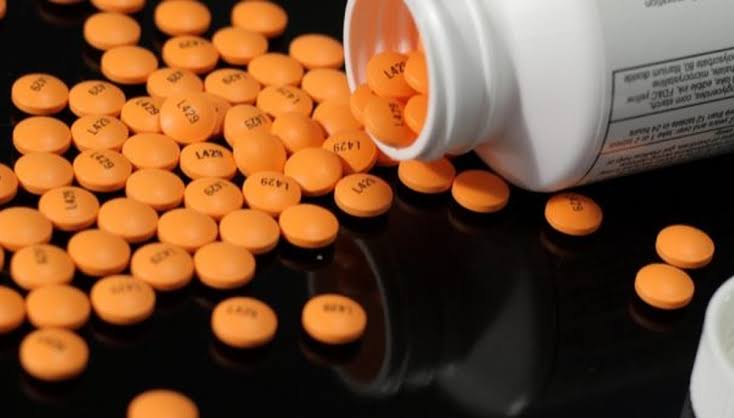
Proton pump inhibitors — commonly known as PPIs — are the most powerful acid-suppressing medications available to adults. Originally developed for severe acid-related conditions in the late 1980s, they have become among the most prescribed drugs in the world, widely used for everything from serious erosive esophagitis to mild, infrequent heartburn that would previously have been managed with antacids or dietary adjustment. This broad reach has generated an important conversation about when PPIs provide genuine clinical benefit, what risks accumulate with long-term use, and how to determine whether you still need a prescription that may have been written years ago.
For context on how proton pump inhibitors sit within the wider landscape of digestive medications, the overview article on digestive medications for adults maps all eight drug classes side by side. For a comparison with the class immediately below PPIs in potency, the article on H2 blockers for acid reflux explains when that lower-intensity option is more appropriate. If antacids are your usual first response to heartburn, the guide on antacids for adults addresses the differences in mechanism and safe use.
How Proton Pump Inhibitors Work
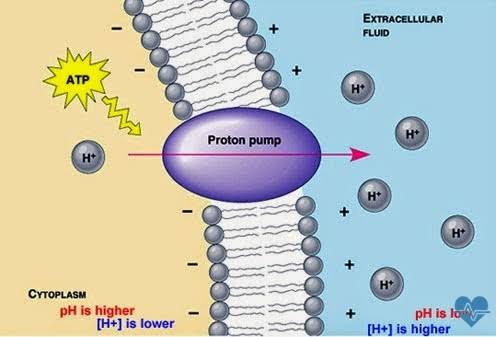
Proton pump inhibitors work by irreversibly blocking the hydrogen-potassium ATPase enzyme — the proton pump — located on the luminal surface of parietal cells in the stomach lining. This enzyme is the final common step in gastric acid secretion, regardless of what stimulus triggered the secretion: food, histamine, gastrin, or acetylcholine all ultimately drive acid production through this pump. By blocking the pump itself rather than a specific receptor upstream, PPIs reduce acid output from essentially all stimulatory pathways simultaneously.
PPIs are prodrugs — they are pharmacologically inactive when absorbed and must be converted to their active form in the acidic environment of the secretory canaliculi within parietal cells. This conversion requires gastric acid, which is why PPIs work best when taken 30 to 60 minutes before the first meal of the day: the meal stimulates acid secretion, the acid environment activates the PPI, and the activated drug then inhibits the pumps as they become active. Taking a PPI on an empty stomach without a subsequent meal reduces its effectiveness substantially.
Because PPIs irreversibly bind the proton pump, acid suppression is not reversed when the drug clears from the bloodstream. Normal acid production only resumes as new proton pump proteins are synthesised, which takes approximately 18 to 36 hours. This means that even a missed dose does not immediately restore full acid output — steady-state acid suppression develops over 3 to 5 days of once-daily dosing, and full effect after stopping a PPI takes a similar period to reverse.
Approved Indications: When PPIs Are Clinically Justified
PPIs have strong evidence for efficacy in a specific set of conditions. Understanding these indications helps patients and prescribers assess whether ongoing use is genuinely appropriate:
- Erosive esophagitis and moderate-to-severe GERD: PPIs are the standard of care for GERD causing measurable esophageal mucosal damage. They heal erosive esophagitis in 80–90% of patients within 8 weeks — substantially better than H2 blockers — and prevent recurrence in maintenance therapy.
- Peptic ulcer disease (gastric and duodenal ulcers): PPIs accelerate ulcer healing and, in combination with antibiotics, are part of H. pylori eradication protocols that achieve cure in over 85% of H. pylori-positive ulcers.
- NSAID-induced gastropathy prevention: In patients who cannot stop NSAIDs (non-steroidal anti-inflammatory drugs) due to cardiovascular or musculoskeletal necessity, PPIs are standard gastroprotection. The combination of an NSAID and a PPI approximately halves the risk of ulcer complications compared with the NSAID alone.
- Zollinger-Ellison syndrome: A rare condition of excessive gastrin secretion causing severe acid hypersecretion and multiple peptic ulcers. PPIs are the definitive long-term medical treatment.
- Non-variceal upper GI bleeding: High-dose intravenous PPIs reduce rebleeding rates and the need for surgery in patients with peptic ulcer haemorrhage.
- Barrett’s esophagus surveillance management: Ongoing PPI use is typically part of surveillance management for patients with Barrett’s esophagus, where acid suppression reduces progression risk.
The Individual PPIs: Are They Interchangeable?
Six proton pump inhibitors are widely available: omeprazole, esomeprazole, lansoprazole, pantoprazole, rabeprazole, and dexlansoprazole. At standard recommended doses, all six provide clinically equivalent acid suppression for most indications. The differences between them are modest and primarily relevant in specific contexts:
Omeprazole is the original PPI, most widely studied, available OTC in many countries at 20 mg, and the most commonly used. It is metabolised primarily by CYP2C19, which is the source of its significant interaction with clopidogrel.
Esomeprazole is the S-enantiomer of omeprazole — it is chemically a component of omeprazole repackaged as a separate drug. At equivalent doses it provides marginally more consistent acid suppression due to slower CYP2C19 metabolism, though this difference is clinically relevant only in rapid metabolisers.
Pantoprazole has the weakest CYP2C19 interaction profile of the available PPIs and is frequently preferred for patients on clopidogrel. It is also the only IV-formulation PPI widely available in many hospital formularies.
Lansoprazole and rabeprazole are essentially interchangeable with omeprazole for most indications. Rabeprazole is less dependent on CYP2C19 for its metabolism, making it slightly less susceptible to the genetic variation that produces ultra-rapid versus poor CYP2C19 metabolisers.
Dexlansoprazole uses a dual delayed-release formulation that produces two peaks in plasma concentration — useful for patients with nocturnal acid breakthrough who need cover both after breakfast and at bedtime. It is the most expensive option and rarely necessary as a first choice.
For most patients with standard GERD or ulcer management needs, generic omeprazole is as effective as any branded alternative at a fraction of the cost.
Long-Term Safety: What the Evidence Shows
PPIs are among the most thoroughly studied drugs in gastroenterology. The accumulation of observational data over three decades has produced a detailed picture of their long-term safety profile. The following effects have sufficient evidence to warrant awareness and monitoring:
Hypomagnesaemia (low magnesium): Long-term PPI use reduces active magnesium transport in the small intestine, and sustained low magnesium can cause muscle cramps, fatigue, cardiac arrhythmias, and impaired parathyroid function. This effect typically appears after more than 12 months of continuous use. The FDA issued a Drug Safety Communication in 2011 recommending magnesium monitoring for long-term PPI users, and routine magnesium checking at least annually is now standard in most guidelines for PPI maintenance patients.
Vitamin B12 deficiency: Gastric acid is required to release B12 from food proteins. Long-term PPI use impairs this step, though crystalline B12 in supplements remains unaffected. Clinically significant B12 deficiency from PPIs is most likely to emerge after 2 or more years of continuous use, in older adults with already borderline B12 levels, or in strict vegetarians and vegans whose dietary B12 sources are limited. Periodic B12 testing and supplement use in high-risk long-term PPI patients is recommended.
Fracture risk: Multiple large epidemiological studies have found modest increases in hip, wrist, and vertebral fracture risk with long-term PPI use, attributed to reduced calcium absorption in the less acidic gastric environment and to magnesium’s role in bone metabolism. The absolute risk increase is small, but it is clinically meaningful in patients who already have osteopenia or osteoporosis. The FDA added a fracture warning to PPI labels in 2010.
C. difficile infection: By reducing gastric acid, PPIs allow more C. difficile spores to survive passage through the stomach and establish infection in the colon. The association is clearest in hospitalised patients receiving antibiotics concurrently — a context where PPI prescribing is common and C. diff risk is already elevated. The effect is less pronounced in community-dwelling patients not on antibiotics, but remains a consideration when prescribing PPIs in high-risk populations.
Kidney disease associations: Several large observational studies have found associations between PPI use and increased risk of chronic kidney disease (CKD), acute interstitial nephritis, and, in some analyses, end-stage renal disease. Whether these associations reflect direct nephrotoxicity from PPIs or confounding by shared comorbidities remains debated. Currently, the evidence supports periodic kidney function monitoring in long-term PPI users, particularly in older adults.
Gut microbiome alterations: PPIs shift the composition of the gut microbiome toward profiles associated with dysbiosis, increasing the relative abundance of oral-type bacteria (which colonise the upper GI tract when acid is suppressed) and reducing the diversity of the colonic microbiome. The long-term clinical significance of PPI-induced microbiome changes is still under investigation, but the pattern resembles that seen with antibiotic use — less severe but potentially additive in patients on both.
What the evidence does not support is avoiding clinically necessary PPI therapy out of concern for these risks. For a patient with erosive esophagitis or a healing peptic ulcer, the benefits of acid suppression substantially outweigh the relatively small absolute risks associated with appropriately monitored use. The concern is with unnecessary long-term use in patients whose original indication has resolved.
Rebound Acid Hypersecretion: The Stopping Challenge
Stopping PPIs after several weeks or months of use commonly triggers rebound acid hypersecretion — a temporary increase in acid production above the pre-treatment baseline. The mechanism is straightforward: the sustained acid suppression from PPIs stimulates compensatory hypergastrinaemia (elevated gastrin levels), which drives hypertrophy of parietal cells. When the PPI is stopped, this expanded population of acid-secreting cells produces more acid than before, causing heartburn and dyspepsia that patients often interpret as evidence they still need the PPI — when it is actually a temporary withdrawal effect.
Rebound hypersecretion typically peaks at 2 to 4 weeks after PPI cessation and resolves within 4 to 8 weeks. Strategies to manage it include step-down dosing (halving the dose before stopping entirely), switching to an H2 blocker during the transition period, using antacids for symptomatic relief, and being aware that the symptoms will likely worsen before they improve. The Mayo Clinic guidance on GERD management includes specific step-down protocols for patients attempting to deprescribe PPIs after long-term use.
Drug Interactions
The most clinically significant PPI drug interaction is with clopidogrel — a widely used antiplatelet drug taken by patients following coronary stents or acute coronary syndromes. Omeprazole and esomeprazole inhibit CYP2C19, reducing the conversion of clopidogrel to its active metabolite. Several studies found higher rates of major cardiac events in patients on omeprazole-clopidogrel combinations compared with clopidogrel alone. The current clinical recommendation is to use pantoprazole or famotidine (an H2 blocker) when gastroprotection is needed in patients on clopidogrel, as these have less effect on CYP2C19 activity.
Other interactions include: reduced absorption of pH-dependent drugs (itraconazole, atazanavir, rilpivirine), potential reduction in methotrexate clearance at high doses, and altered digoxin levels. The broader interaction picture for PPIs is discussed in the digestive medications overview. The lifestyle practices that reduce the overall burden of acid-related symptoms and therefore reduce PPI reliance are addressed in the article on healthy habits for liver and digestive health. Stress reduction, which independently reduces acid secretion through neural modulation, is covered in the article on stress management for gut health.
PPI Use in Pregnancy
Heartburn is common in pregnancy, and GERD can be severe enough in some women to require pharmacological management. Among the PPIs, omeprazole is the most studied in pregnancy. Multiple large cohort studies have not found an association between omeprazole use and increased risk of major congenital malformations, and it is generally considered the PPI of choice when pharmacological acid suppression is needed in pregnancy after antacids have proven inadequate. Most prescribers prefer to use the minimum effective dose for the shortest necessary duration. Omeprazole is excreted in breast milk to a small degree; most authorities consider this unlikely to cause harm at standard maternal doses, but a pharmacist review is appropriate for breastfeeding mothers.
- Is the original indication still active, or has the ulcer or esophagitis healed?
- Has my magnesium been checked in the last 12 months?
- Have my B12 and kidney function been checked recently?
- Have I had an endoscopy in the last few years if I am over 55?
- Could I manage with an H2 blocker or on-demand antacid therapy instead?
- Is my PPI interacting with any other medication I take, particularly clopidogrel?
- Has anyone reviewed this prescription in the last 12 months with a view to deprescribing?
Choosing Between a PPI and an H2 Blocker
One of the most practically useful questions in acid management is when to use a proton pump inhibitor versus an H2 blocker. The answer depends on the frequency and severity of symptoms, the underlying diagnosis, and whether prevention or acute relief is the primary goal.
PPIs are the better choice when: symptoms occur daily or near-daily, there is confirmed mucosal damage (erosive esophagitis, peptic ulcer), the indication requires sustained high-level acid suppression (H. pylori eradication, Zollinger-Ellison syndrome), or NSAID gastroprotection is needed. In these settings, H2 blockers provide insufficient and progressively diminishing acid suppression due to tachyphylaxis.
H2 blockers are the better choice when: symptoms are situational and predictable (before a heavy meal or before lying down), the goal is preventing heartburn from an anticipated trigger rather than managing ongoing chronic acid damage, or when a PPI would represent overtreatment for infrequent symptoms. H2 blockers also have a lower long-term safety concern burden than PPIs for most side-effect categories, and they do not cause the rebound hypersecretion that PPIs produce on cessation.
For patients managing heartburn that falls between occasional OTC-antacid territory and daily PPI territory, an H2 blocker used on-demand or before known triggers is a proportionate and evidence-based middle ground. The dedicated article on H2 blockers for acid reflux provides a full comparison of the available agents, dosing protocols, and appropriate use duration.
Frequently Asked Questions
Yes — omeprazole and lansoprazole are available OTC in many countries at 20 mg doses, licensed for short-term self-management of frequent heartburn (more than twice per week) for up to 2 weeks without a prescription. OTC PPIs are formulated and labelled for short-term use only. If symptoms persist beyond 2 weeks of OTC PPI use, or if you need OTC PPIs repeatedly, medical assessment is warranted rather than continued self-prescribing.
PPIs should be taken 30 to 60 minutes before the first meal of the day. Proton pumps are most active when stimulated by eating, and PPIs need to be circulating in the bloodstream during active acid secretion to bind the newly synthesised pumps. Taking a PPI on an empty stomach without eating subsequently reduces its effectiveness by 30–40%. If you are prescribed twice-daily dosing, the second dose should be taken 30 to 60 minutes before the evening meal, not at bedtime.
Abrupt cessation after several months of daily PPI use typically causes rebound acid hypersecretion — a temporary worsening of heartburn that can feel worse than before treatment began. This is a pharmacological withdrawal effect, not a sign that you still need the PPI. A step-down approach — halving the dose for 2 weeks before stopping, or switching to an H2 blocker temporarily — reduces the severity of rebound. Discuss any PPI cessation plan with your GP or pharmacist rather than stopping suddenly.
At standard doses for common indications (GERD, peptic ulcers), the PPIs are clinically equivalent. The differences are modest: esomeprazole and rabeprazole provide marginally more consistent acid suppression in people who metabolise PPIs rapidly through CYP2C19, and pantoprazole is preferred when co-prescribed with clopidogrel due to its lower CYP2C19 inhibition. For most patients, generic omeprazole 20 mg is as effective as any branded alternative.
If you have a clear ongoing indication — active Barrett’s esophagus surveillance, ongoing NSAID use you cannot stop, a confirmed history of recurrent peptic ulceration — the long-term benefits of PPI therapy outweigh the risks when appropriately monitored. The concern is with patients whose original indication has resolved but who continue PPIs indefinitely through prescription inertia. The monitoring measures (annual magnesium, B12, kidney function) and periodic reassessment of whether the indication is still active are the appropriate response to long-term risk rather than stopping a clinically beneficial medication.
Weight gain is not a direct pharmacological effect of PPIs. Some patients may experience improved appetite when heartburn is well-controlled — eating more comfortably can lead to increased caloric intake. The gut microbiome changes associated with long-term PPI use may theoretically contribute to metabolic effects, but no large study has established a causal relationship between PPI use and weight gain. If you are concerned about weight changes while on a PPI, reviewing your overall dietary pattern and physical activity is more likely to identify the cause than modifying your acid medication.
H. pylori eradication therapy always includes a PPI alongside two antibiotics (typically clarithromycin plus amoxicillin or metronidazole — triple therapy) or with bismuth in quadruple therapy. The PPI raises gastric pH, which both enhances antibiotic stability in the gastric environment and increases H. pylori’s replication rate (making it more susceptible to the antibiotics). PPIs are not anti-H. pylori agents themselves — removing the PPI from the regimen significantly reduces eradication rates. After successful eradication, ongoing PPI therapy is only necessary if the underlying condition (ulcer, GERD) would have independently required it.
You have been on a PPI for more than 12 months without a review of whether you still need it, you have noticed muscle cramps, fatigue, or irregular heartbeat which may indicate hypomagnesaemia, your heartburn is not improving despite daily PPI use, or you are taking a PPI alongside clopidogrel without having discussed the interaction with your prescriber. Long-term PPI use is safe with appropriate monitoring — but appropriate monitoring requires a conversation with your healthcare team.
- FDA. (2011). Drug Safety Communication: Low magnesium levels associated with proton pump inhibitor use. U.S. Food and Drug Administration. Available at: fda.gov
- Mayo Clinic. (2024). GERD: symptoms and causes. Mayo Foundation for Medical Education and Research. Available at: mayoclinic.org
- NHS. (2023). Proton pump inhibitors. National Health Service (UK). Available at: nhs.uk/medicines/omeprazole
- Freedberg DE, Kim LS, Yang YX. (2017). The risks and benefits of long-term use of proton pump inhibitors: expert review and best practice advice from the American Gastroenterological Association. Gastroenterology, 152(4), 706–715.
- Vaezi MF, Yang YX, Howden CW. (2017). Complications of proton pump inhibitor therapy. Gastroenterology, 153(1), 35–48.
- Moayyedi P, Eikelboom JW, Bosch J, et al. (2019). Safety of proton pump inhibitors based on a large, multi-year, randomized trial. Gastroenterology, 157(3), 682–691.
- Heidelbaugh JJ, Kim AH, Chang R, Walker PC. (2012). Overutilization of proton-pump inhibitors: what the clinician needs to know. Therapeutic Advances in Gastroenterology, 5(4), 219–232.
The section on rebound acid hypersecretion finally explains what happened to me three years ago when I tried to stop omeprazole. I’d been on it for two years for GERD and my symptoms had improved, so I stopped it cold turkey. The following two weeks were genuinely worse than any heartburn I’d experienced before starting the medication — I assumed this proved I needed the drug permanently and restarted it at double the dose. Now I understand it was a withdrawal effect rather than evidence of underlying disease. At the time I had no idea this rebound phenomenon existed and my GP didn’t mention it. I’m going to request a formal deprescribing review, including the step-down protocol you described, because I’d like to know whether I actually need a daily PPI at this point or whether I’ve been maintaining a drug dependence that I could safely exit with the right approach. The annual monitoring checks for magnesium and kidney function are also new to me — I’ve had neither in the four years I’ve been on this drug.
Requesting a formal deprescribing review is the right approach, and the step-down protocol is widely recommended in gastroenterology guidelines precisely because cold-turkey cessation reliably produces the rebound you experienced. The standard protocol most gastroenterologists recommend is: continue the PPI at current dose for two weeks, then step down to half the dose (so 20 mg omeprazole from 40 mg, for example) for another two to four weeks, then either step down to every-other-day dosing or switch to an on-demand H2 blocker taken before meals or anticipated triggers. Throughout the step-down period, having antacids available for breakthrough symptoms is helpful — the key is recognising that worsening heartburn during the taper is expected and does not automatically mean the medication needs to be restarted. The point at which you should genuinely reconsider stopping is if you have confirmed Barrett’s esophagus, ongoing erosive esophagitis documented by endoscopy, or a clear recurrence of ulcer disease — because in those conditions acid suppression is still genuinely disease-modifying rather than just symptom-managing. For straightforward GERD without documented mucosal damage that was originally treated empirically, a well-managed step-down is almost always worth attempting. The monitoring gaps you describe — no magnesium or kidney function check in four years of PPI use — are unfortunately common. Annual monitoring should be the standard of care for anyone on long-term PPIs, and it is worth specifically requesting these checks at your next GP appointment rather than waiting for them to be initiated automatically.
The comparison of the six individual PPIs is something I’ve been looking for for a long time. I’m on clopidogrel following a stent procedure two years ago and my cardiologist added omeprazole as gastroprotection. I recently read something online about an interaction between omeprazole and clopidogrel and asked my cardiologist about it, who didn’t seem particularly concerned. But after reading this article I’d like to ask specifically about switching to pantoprazole. The explanation of why pantoprazole is preferred — lower CYP2C19 inhibition, less impact on clopidogrel activation — is exactly the kind of mechanistic detail I needed to have an informed conversation with my doctor rather than just raising a vague concern I read online. I also didn’t know that famotidine (an H2 blocker) is actually an alternative that avoids the interaction entirely. Given that I’m on clopidogrel for a serious cardiac indication, optimising the interaction profile of my gastroprotection seems worth discussing in detail.