
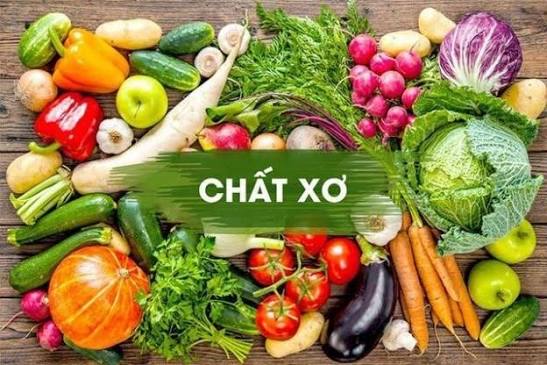
Among dietary strategies for lowering LDL cholesterol, increasing soluble fiber intake has one of the strongest evidence bases — comparable in the consistency of its research support to reducing saturated fat, and with the additional benefit that fiber’s mechanism is largely independent of fat intake, meaning the two strategies compound each other when combined.
The critical qualifier is that not all dietary fiber lowers cholesterol. Insoluble fiber — the kind in wheat bran, vegetable skins, and whole grain cereals — is excellent for digestive health and regularity but does not directly reduce LDL. The fiber that matters for the cholesterol-lowering effect is specifically soluble fiber (also called viscous fiber): the type that dissolves in water, forms a gel in the digestive tract, and physically interacts with bile acids in ways that draw cholesterol out of the blood.
This article explains the mechanism by which soluble fiber lowers LDL, identifies the specific fiber types with the most evidence, quantifies the expected reduction, and translates this into practical food and supplement choices.
How Dietary Fiber Lowers Cholesterol — The Mechanism
To understand how fiber and cholesterol are connected, it helps to understand one of the liver’s most important but underappreciated functions: the production and recycling of bile acids.
Bile acids are molecules synthesized by the liver from cholesterol — approximately 500 to 600 milligrams of hepatic cholesterol is converted to bile acids each day. These bile acids are secreted into the small intestine, where they act as emulsifiers that make dietary fat digestible and absorbable. After completing this role, bile acids are normally reabsorbed in the terminal ileum and returned to the liver via the portal circulation — a recycling loop called enterohepatic circulation. Approximately 95 percent of secreted bile acids are reabsorbed and recycled; only about 5 percent are lost in feces each day.
Soluble fiber disrupts this recycling loop. When soluble fiber enters the small intestine, it absorbs water and forms a viscous gel that physically traps bile acids, preventing them from reaching the absorptive cells of the terminal ileum. The bile acids, bound to the fiber gel, are swept into the colon and excreted in feces rather than returning to the liver.
The liver, receiving less bile acid back through enterohepatic circulation, must respond by synthesizing new bile acids — and the only substrate it can use is cholesterol. The liver draws down its intracellular cholesterol pool to produce more bile acids. This depletion of hepatic cholesterol triggers a compensatory response: the liver upregulates SREBP-2 (the same transcription factor suppressed by saturated fat, but now working in the beneficial direction), which increases expression of LDL receptors on hepatocyte surfaces. With more LDL receptors, the liver clears circulating LDL from the blood more efficiently — and LDL concentration falls.
This is the same mechanism used by bile acid sequestrant drugs (cholestyramine, colestipol, colesevelam), which bind bile acids in the gut and prevent their reabsorption. These medications produce larger LDL reductions (15 to 30 percent) than dietary fiber (5 to 10 percent) because they are taken in large doses specifically to saturate the bile acid binding capacity of the digestive tract. Fiber produces more modest effects through the same fundamental mechanism.
A secondary mechanism contributes to the cholesterol-lowering effect: gut bacteria in the colon ferment soluble fiber, producing short-chain fatty acids (SCFAs) — primarily butyrate, propionate, and acetate. Propionate, in particular, may inhibit HMG-CoA reductase (the same enzyme targeted by statin drugs), reducing hepatic cholesterol synthesis.
Soluble vs. Insoluble Fiber — Only One Type Lowers LDL
One of the most common misunderstandings is that “eating more fiber” lowers cholesterol. In reality, the cholesterol-lowering effect belongs specifically to soluble (viscous) fiber — not all high-fiber foods are high in soluble fiber.
Soluble fiber dissolves in water and forms a viscous gel in the digestive tract. This gel physically traps bile acids, slows gastric emptying (extending satiety), and modulates postprandial blood glucose. High-soluble-fiber foods include oats, barley, legumes, apples, pears, citrus fruits, psyllium, and avocados.
Insoluble fiber does not dissolve in water. It does not form a gel, does not bind bile acids, and does not lower LDL directly. It adds bulk to stool, speeds transit through the colon, and supports digestive health — but it is not a meaningful cholesterol-lowering intervention. High-insoluble-fiber foods include wheat bran, most whole grain cereals, vegetable skins, and many root vegetables.
Even within soluble fiber, viscosity matters. A fiber’s ability to lower cholesterol correlates with how thick a gel it forms in the gut. Beta-glucan from oats forms a very thick, highly viscous gel — which is why it has the strongest evidence base for LDL reduction. Processing also affects viscosity: highly processed or ground oat products reduce the chain length and gel-forming capacity of beta-glucan, reducing their cholesterol-lowering effectiveness compared to steel-cut or traditional rolled oats.
The FDA’s approved health claims for fiber and cholesterol specifically cover oat beta-glucan (3 grams per day) and psyllium husk fiber (7 grams per day) — the two soluble fibers with the most rigorous clinical trial evidence for cardiovascular risk reduction.
Beta-Glucan — The Best-Studied Cholesterol-Lowering Fiber
Beta-glucan is a soluble polysaccharide found primarily in oats and barley. It is the most extensively studied dietary fiber for cholesterol reduction and the source of the FDA’s health claim linking whole oat consumption to reduced coronary heart disease risk.
A 2016 Cochrane systematic review of 58 randomized controlled trials found that consuming 3 grams of oat beta-glucan per day reduced LDL cholesterol by approximately 0.25 mmol/L (roughly 10 mg/dL) compared to control diets. A 2014 meta-analysis found that 3.5 grams per day of beta-glucan reduced LDL by approximately 5 percent. These reductions are consistent across populations and age groups.
Oats: One cup of cooked rolled oatmeal provides approximately 2 grams of beta-glucan. To reach the 3-gram threshold, eating 1.5 cups of cooked oatmeal covers the requirement. Oat bran is more concentrated: one-half cup of dry oat bran provides approximately 3 grams of beta-glucan and can be stirred into yogurt, smoothies, or eaten as a hot cereal.
Barley: Frequently overlooked as a beta-glucan source despite being richer in beta-glucan per serving than oats. One cup of cooked hulled barley provides approximately 2.5 to 3 grams of beta-glucan. Barley works well as a rice substitute in grain bowls, as a base for soups and stews, or in salads.
A note on processing: steel-cut oats retain more of the intact beta-glucan polymer chains than quick oats or instant oatmeal, forming a thicker gel and providing somewhat greater cholesterol-lowering effect. For cholesterol management specifically, steel-cut or traditional rolled oats are preferable to highly processed instant varieties.
Other Soluble Fibers That Lower Cholesterol
Psyllium husk is the primary fiber ingredient in Metamucil and similar fiber supplements. Meta-analyses find that 10 to 12 grams of psyllium per day reduces LDL by approximately 5 to 10 percent — among the largest effects of any single fiber source. The FDA approved a health claim for psyllium at 7 grams per day. Psyllium should be consumed with meals, as bile is released in response to meal fat content — maximizing bile acid binding.
Pectin is a highly viscous soluble fiber found in the flesh and peel of fruits, particularly apples, pears, and citrus. Controlled trials using 15 grams of pectin per day have shown LDL reductions of approximately 7 percent. One medium apple with skin provides approximately 1 to 1.5 grams of pectin; a medium pear provides a similar amount.
Legume fiber from beans, lentils, and chickpeas is a major contributor to soluble fiber intake. One-half cup of cooked lentils provides approximately 2 to 3 grams of soluble fiber. Larger cohort studies consistently show that daily legume consumption is associated with lower LDL cholesterol — an effect attributed to both the soluble fiber content and the displacement of saturated-fat-rich protein sources.
Avocado provides approximately 2.5 grams of soluble fiber per half avocado along with oleic acid (monounsaturated fat), making it doubly relevant for cholesterol management.
Ground flaxseed provides approximately 1 gram of soluble fiber per tablespoon along with omega-3 alpha-linolenic acid (ALA). Whole flaxseeds pass through largely undigested; ground flaxseed is needed to release the fiber and fatty acids.
How Much Fiber Do You Need to Lower LDL?
The evidence threshold: Most clinical trials demonstrating meaningful LDL reduction use 10 to 15 grams or more of soluble fiber per day. At lower amounts, the effect is present but small; at 10 to 20 grams per day, reductions of 5 to 15 percent in LDL are realistic.
The typical gap: The average American adult consumes approximately 15 grams of total dietary fiber per day — well below the AHA’s recommendation of 25 to 30 grams per day, and only about 5 to 7 grams of that total is soluble fiber. Closing this gap — from 5 to 7 grams to 10 to 15 grams of soluble fiber — is where most of the cholesterol benefit from dietary fiber modification comes from.
The Portfolio Diet benchmark: The Portfolio Diet includes 20 grams per day of viscous soluble fiber as one of four dietary components. In a 4-week randomized controlled trial, the complete Portfolio Diet reduced LDL by approximately 30 percent — comparable to a low-dose statin. The fiber component accounts for roughly one-third of this effect.
A practical day of eating that reaches 10 to 15 grams of soluble fiber:
- Breakfast: 1.5 cups cooked oatmeal (2–3g beta-glucan) + 1 medium apple (1.5g pectin) = ~4–5g
- Lunch: 3/4 cup cooked lentils or beans (2g) + salad with avocado (1.5g) = ~3.5g
- Dinner: barley or sweet potato as starch (1.5–2g) + cooked Brussels sprouts or broccoli (1g) = ~2.5–3g
- Snack: pear (1.5g) or psyllium supplement (4–5g) = 1.5–5g
Total: approximately 11 to 16 grams of soluble fiber — within the clinically relevant range.
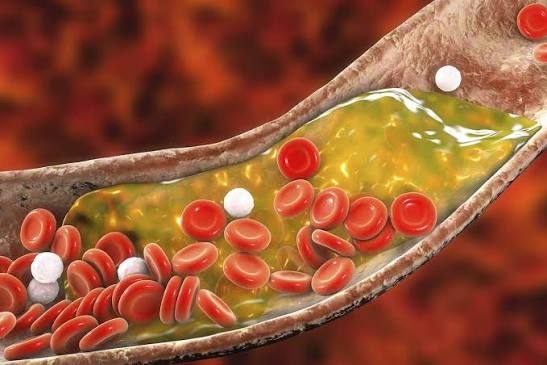
Top Foods for Fiber and Cholesterol
The following foods provide the most soluble fiber per serving and are the most practical additions to a cholesterol-lowering dietary pattern. Oats, barley, and legumes are far more potent on a per-serving basis than most fruits and vegetables — making them the priority additions for LDL reduction specifically.
| Food | Serving | Soluble Fiber |
|---|---|---|
| Psyllium husk | 1 tablespoon (~5g) | ~4.5g |
| Barley (cooked) | 1 cup | ~2.5–3g beta-glucan |
| Oat bran (cooked) | 1/2 cup | ~2.2g beta-glucan |
| Lentils (cooked) | 1/2 cup | ~2–3g |
| Oatmeal (cooked) | 1 cup | ~2g beta-glucan |
| Avocado | 1/2 | ~2.5g |
| Black beans (cooked) | 1/2 cup | ~2g |
| Chickpeas (cooked) | 1/2 cup | ~1.5g |
| Pear (with skin) | 1 medium | ~1.5g pectin |
| Apple (with skin) | 1 medium | ~1.5g pectin |
| Brussels sprouts | 1/2 cup cooked | ~1.5g |
| Sweet potato | 1 medium cooked | ~1.8g |
| Ground flaxseed | 2 tablespoons | ~1g |
Fiber Supplements vs. Food Sources
For people who find it difficult to reach 10 to 15 grams of soluble fiber through diet alone, fiber supplements are a legitimate and evidence-based complement.
Psyllium husk supplements (Metamucil and store-brand equivalents) are the best-studied supplement option. One tablespoon of psyllium husk powder provides approximately 4.5 to 5 grams of soluble fiber. Taking one tablespoon before breakfast and one before dinner — both with a full glass of water (at least 8 ounces) — adds approximately 10 grams of soluble fiber and is associated with meaningful LDL reduction in multiple trials. Psyllium must be taken with substantial water to allow the fiber to form its gel safely before reaching the stomach.
Food sources vs. supplements: Supplements provide the fiber efficiently, but food sources provide fiber plus phytochemicals, micronutrients, satiety, and glycemic benefits not replicated by supplements. Food sources also displace other foods from the diet — eating oatmeal for breakfast instead of processed cereal removes refined carbohydrates and added sugar simultaneously. Both approaches are valid; food sources are preferable when achievable.
Starting gradually: Increasing fiber intake rapidly causes bloating, gas, and gastrointestinal discomfort for many people as the gut microbiome adjusts to increased fermentable substrate. A more comfortable approach: increase fiber by approximately 5 grams per week over 3 to 4 weeks while increasing water intake proportionally.
Fiber, Cholesterol, and Overall Cardiovascular Risk
The LDL-lowering effect of soluble fiber is well-established, but fiber’s cardiovascular benefits extend beyond cholesterol modification, making it valuable for multiple reasons simultaneously.
Blood pressure: Meta-analyses show that high fiber intake is associated with modest reductions in systolic blood pressure — approximately 1 to 3 mmHg in normotensive individuals and more in people with existing hypertension, through improved vascular function and reduced systemic inflammation.
Inflammation: High dietary fiber intake is consistently associated with lower levels of C-reactive protein (CRP). The SCFA production from fiber fermentation, particularly butyrate, has anti-inflammatory effects on the gut epithelium and may reduce systemic inflammatory signaling.
Glycemic control: Soluble fiber slows gastric emptying and blunts postprandial blood glucose and insulin surges. This reduces the metabolic burden on the pancreas, improves insulin sensitivity over time, and reduces the risk of type 2 diabetes — an independent cardiovascular risk factor. People with insulin resistance or prediabetes particularly benefit from high soluble fiber intake.
Weight management: High-fiber foods are generally more satiating than low-fiber alternatives at equivalent calories. Over time, higher dietary fiber intake is associated with lower body weight and lower waist circumference — both of which independently reduce cardiovascular risk.
For more on the dietary approach that integrates fiber most effectively, see our guide to foods that help lower cholesterol. For context on how diet interacts with other causes of high LDL, see causes of high cholesterol. For the dietary fat side of the cholesterol equation, see saturated fat and cholesterol. For understanding what your LDL number means, see LDL vs HDL cholesterol and what is cholesterol.
Sources
US Food and Drug Administration — Oatmeal and Heart Disease Health Claim (fda.gov) | American Heart Association — Dietary Fiber (heart.org) | National Heart, Lung, and Blood Institute — Heart-Healthy Eating (nhlbi.nih.gov) | Ho HVT et al. (Cochrane Review: Oat beta-glucan and LDL). BJCP 2016 | Whitehead A et al. Meta-analysis: beta-glucan effects on LDL. AJCN 2014 | Jenkins DJ et al. The Portfolio Diet. JAMA 2003;290:502–10
Resistant Starch — A Fourth Fiber Type Worth Understanding
Beyond soluble and insoluble fiber, a third category of fermentable carbohydrate affects the cholesterol-lowering picture: resistant starch. Resistant starch is a type of starch that is not digested in the small intestine — it passes to the large intestine, where gut bacteria ferment it in a manner similar to soluble fiber, producing short-chain fatty acids including propionate and butyrate.
Resistant starch does not bind bile acids as efficiently as beta-glucan or psyllium, so its direct effect on LDL via bile acid sequestration is smaller. However, the SCFA production from resistant starch fermentation — particularly propionate — may inhibit hepatic cholesterol synthesis and provide a modest secondary LDL-lowering effect. A meta-analysis of randomized controlled trials found that resistant starch consumption reduced total cholesterol and LDL modestly, with effects in the range of 3 to 5 mg/dL — smaller than the effect of equivalent amounts of beta-glucan or psyllium, but additive when combined with other fiber types.
Resistant starch is naturally present in several familiar foods and forms preferentially under specific conditions:
- Cooked and cooled potatoes: Hot cooked potatoes contain mostly digestible starch; cooling them in the refrigerator for several hours converts some digestible starch to resistant starch (RS3 type). Cold potato salad is more resistant-starch-rich than hot mashed potatoes. Reheating somewhat reduces but does not eliminate the RS3 formed on cooling.
- Cooked and cooled rice: The same cooling-conversion applies to rice — refrigerated cooked rice has more resistant starch than freshly cooked rice.
- Unripe (green) bananas: Starch in unripe bananas is primarily resistant; it converts to digestible sugar as the banana ripens. Green or slightly underripe bananas are a significant natural source of resistant starch.
- Legumes: Lentils, chickpeas, and beans contain naturally occurring resistant starch alongside their soluble fiber content — contributing to their cholesterol-lowering effect from multiple fiber mechanisms simultaneously.
- Raw oats: Uncooked rolled oats contain more resistant starch than cooked oats; overnight oats soaked in cold liquid retain this resistant starch while also developing some of the beta-glucan gel that forms in cold liquid.
Incorporating resistant starch sources does not require significant dietary effort — it primarily means planning to include cooled cooked starches, unripe bananas, and daily legumes. The cholesterol-lowering contribution of resistant starch is modest but meaningful when added to the larger framework of soluble fiber intake.
Reading Food Labels for Fiber — What the Numbers Mean
The Nutrition Facts label in the United States provides total dietary fiber per serving but does not, in most cases, distinguish between soluble and insoluble fiber. This creates a practical gap for people specifically trying to increase soluble fiber for cholesterol management: a food can be labeled as high in fiber while containing predominantly insoluble fiber.
The total fiber line: On the Nutrition Facts label, “Dietary Fiber” is listed as grams per serving. This total includes both soluble and insoluble fiber without distinction. The daily value used on labels is 28 grams of total dietary fiber per day (based on a 2,000-calorie diet). A food is considered “high in fiber” if it provides 5 grams or more per serving (20% of the daily value) and a “good source of fiber” if it provides 2.5 to 4.9 grams per serving.
How to find soluble fiber on labels: Some manufacturers voluntarily list “Soluble Fiber” as a sub-item under Dietary Fiber. When this appears, it directly tells you the amount of cholesterol-relevant fiber. When it doesn’t appear — which is common — you need to use the food’s identity and category as a proxy. Oats, barley, legumes, apples, and psyllium-containing products are reliable soluble fiber sources; wheat bran cereals and whole grain bread are predominantly insoluble fiber.
Health claims as a shortcut: Products that carry an FDA-approved health claim for fiber and heart disease (oats, barley, psyllium) must contain a minimum threshold of the relevant soluble fiber per serving. Seeing the heart disease health claim on an oat- or psyllium-based product is a reliable signal that the product provides meaningful soluble fiber — not just total fiber from insoluble sources.
Practical check when comparing products: If two high-fiber cereals have similar total fiber per serving but one is oat-based and one is wheat bran-based, the oat-based product provides far more cholesterol-relevant soluble fiber. Total fiber grams are not interchangeable between fiber types for the purpose of LDL management.
As someone dealing with this personally, the fiber and cholesterol: how soluble fiber section was very helpful. The section on managing this condition day-to-day was especially useful for meal planning. I wish I had found this article when I was first diagnosed — would have saved a lot of confusion.
Really well-written article on fiber and cholesterol: how soluble fiber. The section on managing this condition day-to-day was especially useful for meal planning. Forwarding this to others in my support group who are dealing with similar issues.
As someone dealing with this personally, the fiber and cholesterol: how soluble fiber section was very helpful. I appreciated how the article addressed both the clinical side and the practical lifestyle adjustments. Appreciate the effort that went into researching and writing this — it shows.
I never fully understood fiber and cholesterol: how soluble fiber until I read this. The connection between lifestyle choices and long-term outcomes is explained clearly here. This is going into my health folder that I bring to every doctor’s visit.
This is one of the clearest explanations of fiber and cholesterol: how soluble fiber I have found. What I liked most was that the article didn’t just say what to avoid — it also gave alternatives. Looking forward to reading more articles from this website.
I never fully understood fiber and cholesterol: how soluble fiber until I read this. I appreciate that the article is careful about distinguishing between what is known and what is still being researched. This is going into my health folder that I bring to every doctor’s visit.