
Living kidney donation is one of the most meaningful medical acts one person can offer another — giving a healthy kidney to someone in kidney failure so they can live without dialysis, or bypass the years of waiting for a deceased donor organ. Yet many people who might consider donating do not know the basics: whether it is safe, what the evaluation involves, what surgery and recovery look like, what the long-term health implications are, and how to start the conversation. This guide covers all of these questions honestly and completely, from the perspective of someone considering whether to donate. For information about receiving a transplant — the recipient’s side of the process — see the kidney transplant guide and the transplant evaluation guide.
Is Living Kidney Donation Safe? What the Research Shows
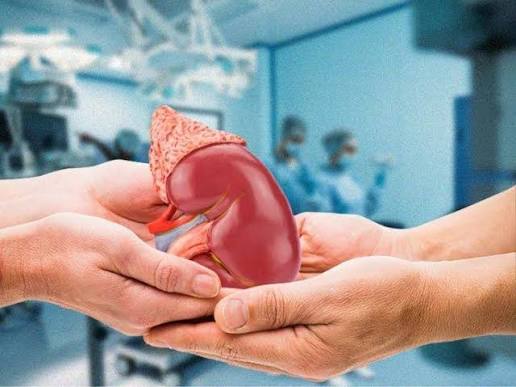
The safety of living kidney donation is supported by decades of research, and the consensus of the evidence is that carefully evaluated and selected living donors can donate with low surgical risk and a life expectancy that is similar to — or even slightly better than — matched controls in the general population who did not donate. However, it is important to present an honest picture: donation is not without any risk, and donors do accept a small but real lifetime increase in the risk of chronic kidney disease and end-stage kidney disease compared to a matched non-donor population. Understanding both the reassuring and the nuanced aspects of the safety evidence is essential for an informed donation decision. Short-term surgical safety: kidney donation surgery — performed laparoscopically (minimally invasive) at most centers — carries the risks of any general anesthetic procedure: bleeding, infection, blood clots, anesthetic complications, and rare surgical injuries. The mortality risk of living donor nephrectomy is approximately 3 in 10,000 (0.03%) — low but not zero — and is highest for older donors and those with underlying health conditions. Serious surgical complications requiring reoperation or prolonged hospitalization occur in approximately 1–2% of donors. Most donors are discharged within 2–3 days and return to normal activities within 2–4 weeks. Kidney function after donation: immediately after donation, the remaining kidney undergoes compensatory hypertrophy — it enlarges and increases its filtration rate — so that within weeks to months, the donor’s total GFR typically recovers to approximately 70–75% of pre-donation baseline. This means donors permanently have about 30% less kidney function than before donation, though for most healthy donors this level of function is entirely adequate for a normal life and does not cause any symptoms or health problems. Long-term kidney health risk: the most important long-term risk of donation is an approximately 0.3–0.5% lifetime risk of developing kidney failure (compared to 0.03% in matched healthy non-donors) — a meaningful relative increase (approximately 10–15 fold relative risk) but still a very small absolute risk. The majority of donors will never develop kidney failure; those at highest risk are those who develop post-donation diabetes, hypertension, or obesity, which is why long-term annual monitoring and healthy lifestyle maintenance are emphasized in post-donation care. Blood pressure and proteinuria: blood pressure rises modestly in some donors after donation, and a small proportion develop proteinuria (protein in the urine, a sign of kidney stress); both are manageable with appropriate follow-up and medication. Life expectancy: major studies — including those comparing living donors to matched non-donors who would have met donation criteria — show similar or slightly better life expectancy in donors, which likely reflects the “healthy volunteer effect” (donors are selected for excellent health) and the rigorous ongoing medical follow-up they receive post-donation. The NIDDK living donation safety summary is at the NIDDK kidney transplant page.
The Living Donor Evaluation: What Potential Donors Go Through
Before being approved to donate, potential living donors undergo a comprehensive independent medical and psychosocial evaluation — performed by a team that is independent from the recipient’s transplant team, to ensure the donor’s interests are protected without any pressure or conflict of interest from the recipient’s care. This evaluation is entirely voluntary, confidential, and can be stopped at any time; the donor can withdraw at any point without it affecting the recipient’s care. Medical evaluation: the donor evaluation includes blood and urine tests (kidney function, creatinine, GFR estimation, urinalysis, complete blood count, metabolic panel, lipid panel, blood typing, HLA tissue typing), kidney imaging (CT scan of the abdomen to assess kidney anatomy, vascular supply, and identify any anomalies that would affect surgical planning), cardiovascular assessment (ECG, blood pressure, sometimes echocardiogram), cancer screening, and infectious disease serologies (Hep B, Hep C, HIV, CMV). Specific exclusion criteria for donation include: GFR below the program’s threshold (typically 80–90% of the predicted GFR for age), significant proteinuria, evidence of kidney disease, uncontrolled hypertension, diabetes, obesity above the program’s BMI threshold (typically >35), active cancer, and certain other conditions that increase the donor’s long-term risk. Compatibility testing: blood type must be compatible (or an ABO-incompatible paired exchange arranged), and a crossmatch is performed against the specific recipient to confirm no preformed donor-specific antibodies. Psychosocial evaluation: the donor must demonstrate that the decision is truly voluntary — free from financial coercion, undue pressure, or a misunderstanding of the risks — and that they have realistic expectations about surgery, recovery, and long-term implications. Living donors receive an independent donor advocate (a social worker or patient advocate who represents only the donor’s interests) at every major transplant center. Who can donate: most healthy adults between 18 and approximately 70 years of age who meet the medical criteria are potential candidates; there is no strict upper age limit at most centers, though older donors are evaluated more carefully for cardiovascular and surgical risk. Potential donors do not need to be biologically related to the recipient — spouses, friends, coworkers, or even altruistic strangers (non-directed donors who donate without a specific recipient) are accepted at most programs. The NKF’s comprehensive living donation resources are at the NKF living donation page.
Living Donor Surgery and Recovery: What to Expect
The donor nephrectomy (kidney removal surgery) is typically performed laparoscopically at most experienced transplant centers — a minimally invasive technique using 3–4 small incisions (each 1–2 cm) through which the surgeon inserts a camera and specialized instruments to dissect, clip the blood vessels and ureter, and remove the kidney. The left kidney is preferred in most cases because its renal vein is longer, making surgical connections easier in the recipient. Surgery takes approximately 2–4 hours under general anesthesia. In the hospital: most donors spend 2–3 days in the hospital after surgery. Pain is typically moderate and well-controlled with oral pain medications within 24 hours; IV pain medications are used in the immediate post-operative period. Most donors are walking within 24 hours of surgery, eating normal food by day 2, and able to manage independently before discharge. A urinary catheter is placed during surgery and removed on day 1 or 2. Recovery at home: most donors need 2–4 weeks off work for desk jobs; return to physical labor, lifting, or strenuous activity takes 4–6 weeks. Common experiences in the first weeks include mild incision soreness, fatigue (more than expected, which surprises some donors), and occasional shoulder-tip pain (from residual gas used during laparoscopy irritating the diaphragm). Most donors feel essentially back to normal within 4–6 weeks. Long-term follow-up: living donors are committed to lifelong annual follow-up — blood pressure monitoring, kidney function tests (creatinine, eGFR), and urine protein testing — at minimum once per year for life. This monitoring catches early signs of hypertension or proteinuria that can be treated before progressing. UNOS requires transplant centers to track donor outcomes for at least 2 years post-donation and encourages centers to maintain contact longer; most programs make annual follow-up a condition of approval. Financial considerations: the recipient’s insurance covers the cost of the donor evaluation, surgery, and immediate follow-up care. However, some donors face lost wages during recovery, travel costs, and out-of-pocket expenses for extended follow-up care that may not be covered. The National Living Donor Assistance Center (NLDAC) provides financial assistance for eligible donors. Directed and non-directed donation: most living donors give directly to a specific recipient (typically a family member or friend). Non-directed donors — who donate without a specific recipient in mind — are matched through the national kidney paired donation registry; their kidney typically initiates a chain of transplants benefiting multiple incompatible pairs. Non-directed donation is one of the most impactful individual contributions to the organ shortage. The KDIGO guidelines on living donation practice are at the KDIGO CKD guidelines page. For people navigating the full range of kidney failure treatment decisions, the kidney failure treatment options guide provides context on how living donation fits into the broader decision framework, and the questions to ask guide helps both donors and recipients prepare for conversations with the transplant team. The StatPearls kidney transplant reference is at the StatPearls nephrology page.
Sources: NIDDK Kidney Transplant · KDIGO CKD Guidelines · NKF Living Donation · StatPearls: Nephrology
How to Start the Conversation About Donating a Kidney
For many people who are considering living donation, one of the biggest challenges is not the medical process but the interpersonal one — knowing how to bring up the subject, whether with a family member who needs a kidney, a friend, or in the context of non-directed donation. The conversation dynamics are different depending on the relationship and the circumstances, and understanding what to say (and what to avoid) helps potential donors navigate these discussions constructively. If you know someone who needs a kidney: sometimes people learn through family communication or social media that a friend or family member is on the transplant waitlist or approaching kidney failure, and they want to explore donation but aren’t sure how to bring it up without creating pressure or obligating the recipient to feel they must accept. The most respectful approach is typically a direct but low-pressure offer: “I’ve been thinking about it and I’d like to get evaluated as a potential donor for you — only if you’re open to that, and I completely understand if you’re not.” Framing it as wanting to be evaluated (rather than promising to donate) removes the pressure for either party, since evaluation may find that the person is not medically suitable. The recipient may feel complicated emotions about accepting a living donation — guilt, fear for the donor’s wellbeing, or concern about the burden placed on a relationship. Acknowledging these feelings openly and reassuring the recipient that you have made the decision for yourself is important. If you don’t know someone personally who needs a kidney: non-directed (altruistic) donation — donating a kidney to a stranger through the national paired exchange registry — is accepted at most transplant centers. Potential non-directed donors can contact any transplant center’s living donor coordinator to inquire; they will go through the same comprehensive evaluation as directed donors. Non-directed kidneys are often used to initiate chains of paired exchanges that benefit multiple incompatible pairs — one non-directed donor can enable 5–10 or more transplants through a chain. The Kidney Paired Donation registry: for directed donors who are not compatible with their intended recipient (due to blood type or positive crossmatch), the National Kidney Registry and UNOS’s KPD program match the pair with another incompatible pair for a simultaneous exchange. Entering the paired exchange registry does not mean losing contact with the recipient — in a two-way exchange, each pair’s donor donates to the other pair’s recipient simultaneously, so the intended recipient still receives a kidney (from the other pair’s donor) through the exchange. In some chains, the original intended recipient may receive a kidney from a donor at a geographically distant center, which requires careful coordination but is performed safely at experienced programs. Emotional preparation for donors: some potential donors experience anxiety about the evaluation process, surgery, or the possibility of not being approved (which, while disappointing, means the evaluation protected the donor’s health). Others experience unexpected emotional weight in the post-donation period — the experience of major surgery, the recovery period, and watching the recipient recover are all significant experiences. Most living donor programs offer pre- and post-donation psychological support, and many centers offer peer support matching donors with previous donors who are willing to share their experience. The emotional experience of living donation is richly individual — most donors describe profound satisfaction and a strengthened sense of purpose, though the weeks around surgery can also be challenging physically and emotionally.
Living Donor Outcomes: Long-Term Health and Quality of Life After Donation
The long-term experience of living kidney donors — in terms of health, quality of life, and the personal meaning of having donated — is overwhelmingly positive in the research literature and in donors’ own accounts. Understanding what long-term life after donation looks like helps potential donors make a fully informed decision. Physical health: the vast majority of living donors return to full normal health within 4–8 weeks of surgery and have no physical limitations from donation in their day-to-day life. Donors can perform the same physical activities as before donation — including vigorous exercise, competitive sports, and physical labor — after full recovery. The single living kidney adapts to take over the function of both, and most donors have no awareness in everyday life that they are living with one kidney. Donors are advised to stay well-hydrated (adequate fluid intake to support the remaining kidney’s workload), maintain a healthy body weight (obesity accelerates kidney aging), avoid NSAIDs and other nephrotoxic medications when alternatives exist, and attend their annual follow-up visits for blood pressure, kidney function, and urine protein monitoring. A small proportion of donors — particularly those who develop post-donation diabetes, obesity, or hypertension — may eventually develop declining kidney function years to decades after donation; this is why lifelong monitoring and healthy lifestyle maintenance are emphasized. Pregnancy after donation: women who donate a kidney can become pregnant and carry healthy pregnancies after donation; the risk of preeclampsia (pregnancy-induced hypertension) is modestly higher in prior donors than in non-donor controls, so obstetric care for post-donor pregnancies should include appropriate monitoring. Living donor programs ask women of reproductive age who are considering donation to discuss family planning intentions as part of the evaluation. Quality of life research: studies consistently show that the vast majority of living donors — typically 85–95% in survey data — report that they would make the same decision again if given the choice. Donors commonly describe the experience as among the most meaningful things they have ever done; many report a strengthened sense of purpose, deeper relationship with the recipient (when they know the recipient), and increased perspective on their own health. The psychological benefits of altruistic action — the sense of having given something irreplaceable to someone in need — appear to be lasting. A small minority of donors experience regret, typically in the context of surgical complications, recipient graft failure (the donated kidney stopping working), or relationship breakdown with the recipient; these outcomes highlight the importance of thorough psychological preparation and realistic expectations. Insurance and financial implications: donors should understand that having been a living donor does not make them uninsurable — federal law (NOTA) prohibits discrimination against living organ donors in life, health, and disability insurance, and many states have additional protections. Post-donation annual follow-up care is typically covered by the recipient’s insurance or transplant center funds for the first 2 years; long-term annual monitoring is the donor’s own insurance responsibility. The KDIGO guidelines note the importance of sustained long-term follow-up for donor health at the KDIGO CKD guidelines page. The complete decision-making framework for kidney failure treatment — including how living donation affects the recipient’s options — is at the kidney failure treatment options guide.
Common Questions About Living Kidney Donation
Several common questions arise consistently among people considering living kidney donation. Can I donate if I am older than 60? Age alone does not disqualify a donor; many centers accept donors into their 60s and some into their 70s, evaluating each person’s individual health status, surgical risk, and remaining kidney function carefully. Older donors are evaluated more stringently for cardiovascular fitness. Can I donate if I have high blood pressure? Well-controlled hypertension on medication is a relative contraindication — many programs will accept donors with mild, well-controlled hypertension on one or two medications who have no evidence of hypertensive kidney damage (normal GFR, no proteinuria), but the criteria vary by program. Uncontrolled or poorly controlled hypertension is a contraindication. Can I donate if I am overweight? BMI limits vary by program, but most centers have upper BMI thresholds of approximately 35–40 beyond which donation is not recommended because obesity significantly increases surgical complications and long-term kidney disease risk in the remaining kidney. Donors with BMI 30–35 are typically evaluated individually. Will I need to change my diet after donating? No specific dietary restrictions are required after donation for most donors; the remaining kidney adapts and handles a normal diet. Staying well-hydrated, limiting excess protein intake above normal recommendations, avoiding NSAIDs, and maintaining healthy weight and blood pressure are the main lifestyle recommendations. Can I participate in contact sports after donation? Most programs advise against high-impact contact sports that risk direct trauma to the remaining kidney (tackle football, martial arts, ice hockey with checking) because injury to the only remaining kidney would be catastrophic. Non-contact sports and vigorous exercise are encouraged. What if my recipient’s transplant fails? If the transplanted kidney eventually fails — which occurs in a proportion of cases over decades — the donor is not medically responsible for the recipient’s subsequent need for dialysis or retransplant. The donation was a gift; the recipient’s future medical needs are independent of the donor. However, this is an emotionally difficult situation, particularly for directed donors who have a close relationship with the recipient. Anticipating this possibility as part of the psychological preparation for donation is wise. The comprehensive clinical guidance on living donation is available through the NKF at the NKF living donation page.
My brother has been on the transplant waitlist for over two years and I’ve been thinking about getting tested as a potential donor but I was afraid it would be risky for me. This article addressed my main fear — the safety question — in a very balanced way. The honest explanation that the absolute lifetime risk of kidney failure is still very low (0.3-0.5%) while being honest that it’s higher than non-donors helped me understand the actual scale of the risk rather than just being told ‘it’s safe.’ I think I’m ready to contact the transplant center and ask about starting the evaluation.
I donated a kidney to my wife five years ago and I want to add a perspective that this article captures well — the experience afterward. I did have some post-surgery fatigue that surprised me in the first 10 days (I expected to bounce back faster), but by week three I felt normal and by week six I was back to running. Five years later I have one annual appointment, one blood test, and I live completely normally. My wife’s transplant is still functioning. The section about the emotional experience is accurate too — I genuinely do consider it one of the best decisions I’ve ever made.
Rachel, taking the step to contact the transplant center for information is exactly right — contacting them doesn’t commit you to anything, and the evaluation process is designed to give you all the information you need to make the decision that’s right for you. You can withdraw at any point. The fact that you’re doing this research carefully before moving forward reflects exactly the kind of thoughtful approach that serves both donors and recipients well. Mark, thank you for sharing your experience — the combination of honest reassurance about the recovery timeline and the long-term normalcy of life post-donation is exactly what many people considering donation need to hear from someone who has been through it. Five years out with a functioning transplant for your wife is a wonderful outcome.