
The kidney transplant evaluation is a comprehensive medical and psychosocial assessment that determines whether a patient with kidney failure is a suitable candidate for transplant and, if so, what preparation is needed before listing. Many patients arrive at the transplant center with some anxiety — wondering whether they will “pass” the evaluation, what tests will be done, and how long the process takes. This guide explains exactly what the transplant evaluation involves: who orders it, what medical tests are performed and why, what the psychosocial assessment covers, how the transplant team makes the listing decision, and what happens between the evaluation and receiving a kidney. For an overview of kidney transplant generally — how it works, living vs deceased donors, immunosuppression, and outcomes — see the kidney transplant simple guide.
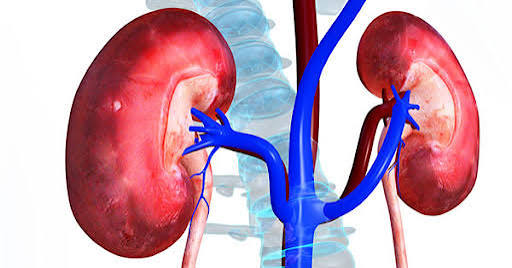
How to Get a Transplant Evaluation: Referral and the First Appointment
A kidney transplant evaluation begins with a referral — typically from the patient’s nephrologist — to a designated kidney transplant center. In the United States, transplant centers are certified and regulated by UNOS (United Network for Organ Sharing) and must meet specific volume and outcome requirements to maintain their certification; patients can be referred to any transplant center that serves their geographic region, and some patients seek evaluations at multiple centers to compare programs. The referral can happen at any time from CKD stage 4 (eGFR 15–29 mL/min) onward — the key guideline is that patients should be evaluated and listed before their eGFR drops to 6 mL/min (the UNOS threshold at which waitlist time begins accumulating for deceased donor organs), because building waitlist time early is valuable. For patients with a living donor already identified, the evaluation can (and should) begin even earlier. Patients can also self-refer to a transplant center — they do not need to wait for their nephrologist to bring it up; if a patient’s nephrologist has not mentioned transplant and the patient wants to explore it, calling the transplant center directly to request an evaluation appointment is entirely appropriate. At the first appointment, a transplant coordinator (a specialized nurse or physician assistant who coordinates the entire evaluation process) meets with the patient and family to explain the evaluation process, review medical records, collect a detailed history, and outline what tests will be needed. This first visit is also an opportunity for patients to ask questions about the program’s outcomes, wait times, living donor process, and what being listed involves. The evaluation process typically spans 2–6 months for the full workup, though urgent cases can be expedited. The NIDDK’s overview of the transplant process is at the NIDDK kidney transplant page.
Medical Tests in the Transplant Evaluation: What Is Checked and Why
The medical component of the transplant evaluation is extensive — covering essentially every organ system — because surgery under general anesthesia and lifelong immunosuppression carry significant risks for patients with underlying conditions, and identifying and managing those conditions before transplant is essential to achieving good outcomes. Cardiovascular evaluation is the most extensive and important component of the medical evaluation, because cardiovascular disease is the leading cause of death after kidney transplant and because CKD is itself a major cardiovascular risk factor. Standard cardiac workup includes electrocardiogram, echocardiogram (to assess heart function, valve status, and pulmonary pressure), and typically a stress test (exercise stress test or pharmacologic stress test with nuclear imaging) to screen for coronary artery disease. Patients with significant findings — left ventricular dysfunction, valvular disease, or inducible ischemia on stress testing — are referred to cardiology for further evaluation and treatment (coronary angiography, revascularization, valve repair) before transplant. Cancer screening is required because immunosuppression post-transplant will suppress immune surveillance and can allow occult malignancies to grow; all standard age-appropriate cancer screenings (colonoscopy, mammography, Pap smear, PSA, low-dose CT chest for smokers) are performed, and any suspicious findings are investigated and resolved before listing. Patients with prior cancer history must have documentation of adequate disease-free survival (typically 2–5 years depending on cancer type). Infectious disease evaluation includes serologies for hepatitis B, hepatitis C, HIV, CMV, EBV, varicella, and HTLV to establish baseline immune status; patients with active hepatitis C are now treated with direct-acting antivirals (DAA) and can typically be listed after achieving sustained virologic response; patients with HIV on stable antiretroviral therapy are increasingly accepted at many programs. Immunological testing determines blood type, HLA tissue type (which influences how donor organs are matched to the patient), and panel reactive antibody (PRA) level — the percentage of potential donors to whom the patient already has preformed antibodies, from prior blood transfusions, pregnancies, or previous transplants. Highly sensitized patients (PRA >80%) face longer waiting times because fewer compatible donors exist; desensitization protocols (plasmapheresis, IVIG, rituximab) can reduce antibody levels in some patients. Additional tests may include pulmonary function tests, kidney imaging (to look at native kidney size in polycystic disease), abdominal imaging (to assess for vascular anatomy anomalies that affect surgical planning), dental evaluation (active dental infections pose an infection risk under immunosuppression), and colonoscopy (standard pre-transplant screening). Most centers also require specific vaccinations to be completed or updated before transplant (pneumococcal, influenza, hepatitis B if not immune), because live vaccines cannot be given after transplantation due to immunosuppression. Blood tests throughout the evaluation include comprehensive metabolic panel, CBC, coagulation panel, lipid panel, hemoglobin A1c, and a 24-hour urine collection to document current kidney function.
The Psychosocial Evaluation: Medication Adherence, Support, and Readiness
The psychosocial component of the transplant evaluation is as important as the medical component, because a kidney transplant requires a lifelong commitment to immunosuppression adherence, follow-up care, and self-management — and patients who lack the psychosocial supports to maintain this commitment have substantially worse outcomes. The psychosocial evaluation is conducted by a social worker and/or psychiatrist and covers several key domains. Medication adherence history: the evaluator reviews whether the patient has a history of adherence to current medications (particularly dialysis attendance and CKD medications), asking about patterns of missed doses, skipped dialysis sessions, or non-attendance at medical appointments. A history of poor adherence is not an automatic disqualification but requires a clear understanding of the barriers (cost, side effects, lack of understanding, life circumstances) and a credible plan for overcoming them post-transplant. Social support: patients must have sufficient social support to manage the intensive early post-transplant period — someone to drive to and from surgery and clinic visits (typically several times per week in the first month), help with medications and monitoring, and recognize warning signs requiring urgent contact with the transplant team. Living alone does not preclude transplant but requires a clear plan for support. Financial and insurance assessment: transplant immunosuppression medications — primarily tacrolimus and mycophenolate — cost thousands of dollars per month; insurance coverage (Medicare, private insurance, or Medicaid) must cover these medications for the lifetime of the transplant. The social worker reviews insurance status and, for patients with coverage gaps, connects them with pharmaceutical assistance programs and social services. Substance use evaluation: current tobacco use, alcohol use, and illicit substance use are evaluated; many programs require smoking cessation (or a substantial reduction and commitment to cessation) before listing, because smoking significantly increases post-transplant cardiovascular risk and graft failure; active alcohol dependence or illicit drug use requires documented sobriety (typically 6 months) before listing. Psychiatric evaluation: active, untreated major depression, anxiety, or other psychiatric conditions do not preclude transplant but must be identified and treated before listing; well-controlled psychiatric conditions on appropriate therapy are not contraindications. Understanding and informed consent: the patient must demonstrate a realistic understanding of what transplant involves — the surgery, recovery, lifelong medications, follow-up requirements, risks of rejection and infection, and the possibility that the kidney may eventually fail — in order to give meaningful informed consent. The NKF has patient resources on the transplant evaluation process at the NKF transplant evaluation page.
The Listing Decision: What Happens After the Evaluation Is Complete
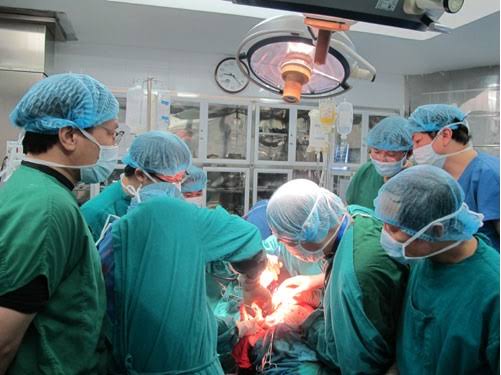
After all medical, immunological, and psychosocial evaluation components are complete — a process that typically takes several months and multiple visits — the transplant team meets as a multidisciplinary listing committee to review the case and make a listing decision. The committee typically includes transplant nephrologists, transplant surgeons, a transplant coordinator, a social worker, a pharmacist, and often a cardiologist and infectious disease specialist. Three possible outcomes: the patient is listed as an active transplant candidate (placed on the UNOS waiting list for a deceased donor organ and/or cleared to proceed with a living donor evaluation); the patient is listed as “inactive” or “hold” pending resolution of a specific issue (such as completing cancer treatment, reaching adequate disease-free survival, addressing a cardiac finding, completing substance use treatment, or resolving a psychosocial barrier); or the patient is determined not to be a transplant candidate (typically due to an absolute contraindication such as active cancer, active infection, or medically prohibitive surgical risk). Patients who are placed on hold for a specific issue are typically given a clear plan and timeline for what is required to achieve active listing — this is not a permanent rejection but a deferred listing pending resolution of a specific barrier. Being listed — what happens next: once listed as an active candidate, the patient accumulates waiting time on the UNOS national deceased donor waiting list from the date their eGFR first reached 20 mL/min or the date of active listing (whichever is earlier, with documentation). The patient continues regular medical care with their nephrologist, returns to the transplant center for periodic re-evaluation (typically annually, or more often if health status changes), and must keep the transplant center informed of any significant health changes (new diagnoses, hospitalizations, cancer, infections) that could affect their active status. Living donor evaluation proceeds in parallel: if a living donor has been identified, their evaluation (described fully in the living donor guide) begins concurrently with or shortly after the recipient’s evaluation, and if both are cleared, a transplant date is scheduled — often bypassing the deceased donor waitlist entirely. The KDIGO CKD evaluation guidelines include guidance on transplant candidacy assessment at the KDIGO guidelines page. For patients preparing to ask their nephrologist about transplant evaluation, the questions to ask guide provides a structured list of the most important topics to cover.
Sources: NIDDK Kidney Transplant · KDIGO CKD Guidelines · NKF Transplant Evaluation · StatPearls: Nephrology
How Long Does the Transplant Evaluation Take? Timeline and What Can Slow It Down
The transplant evaluation timeline varies considerably depending on the complexity of the patient’s medical situation, the volume and efficiency of the transplant center, and how quickly required tests and specialist consultations can be completed. For patients with straightforward medical histories, the evaluation can be completed in 2–4 months; for patients with significant cardiac disease requiring additional cardiology workup and possible coronary intervention, history of prior cancer requiring specialist clearance, complex immunological profiles, or psychosocial issues requiring structured plans, the process may take 6–12 months or longer. Understanding the typical timeline — and what can slow it down — helps patients plan realistically and know when to follow up proactively. Typical evaluation timeline: the first appointment with the transplant coordinator and a general history/review usually occurs 2–4 weeks after the referral. Lab work, imaging, and standard tests are typically ordered at the first visit and completed within 1–2 months. Cardiology consultation and stress testing is scheduled after initial workup results are reviewed, typically 1–3 months into the process. Cancer screening and infectious disease clearances are completed concurrently. Dental evaluation (required at most centers) can sometimes be a bottleneck if the patient needs dental work done before clearance. The psychosocial evaluation and social worker review typically occurs 1–3 months into the process. Common delays and how to address them: the most common sources of evaluation delay are incomplete records (transplant centers require records from all treating physicians, specialists, and hospitals; patients can help by keeping a comprehensive medical record themselves and facilitating records requests), outstanding specialist clearances (cardiologists or oncologists may take several weeks to complete their consultations), insurance authorization issues (prior authorization for some tests may take weeks), required dental work or vaccinations that must be completed before listing, and lifestyle modifications (weight loss required by BMI criteria, substance use treatment, or smoking cessation). Patients can proactively reduce delays by completing standard age-appropriate cancer screenings before the evaluation begins (so there is no waiting for scheduling), keeping a comprehensive list of all medications and their doses, bringing records of prior surgeries, hospitalizations, and specialist evaluations, and being forthcoming about any psychosocial issues so the social worker can help develop plans early rather than having them surface as surprises. Patients should also designate a single family member or close friend as their evaluation support person — someone who attends key appointments, understands the requirements, and can help coordinate logistics.
Crossmatch Testing and the Final Steps Before Transplant Surgery
Even after a patient is actively listed for transplant, additional testing occurs at the time a donor organ becomes available or when a living donor transplant is scheduled, to confirm compatibility and safety for that specific donor-recipient pair. The most important of these is the crossmatch test. A crossmatch is performed by mixing the recipient’s serum (containing any antibodies) with cells from the specific donor to determine whether the recipient has preformed antibodies that would react against the specific donor’s HLA antigens; a positive crossmatch (meaning the recipient’s antibodies attack the donor cells) is a contraindication to transplant from that specific donor, because proceeding would cause immediate (hyperacute) rejection. A negative crossmatch confirms compatibility and is required before surgery can proceed. For deceased donor transplants, the crossmatch is performed urgently — within hours of organ availability — because the organ must be transplanted within its viability window; for living donor transplants, the crossmatch can be performed in advance, allowing more leisurely scheduling. For patients who are highly sensitized (high PRA), crossmatch testing is performed against a large panel of donors to identify the specific HLA antigens to which the patient is sensitized; the transplant can only proceed with a donor who lacks those specific antigens, significantly narrowing the compatible donor pool. In some cases, desensitization protocols — plasmapheresis to remove antibodies, intravenous immunoglobulin to reduce re-synthesis, and rituximab (anti-B cell therapy) to reduce antibody production — are used to lower antibody levels to the point where a previously crossmatch-positive transplant becomes feasible; these protocols are resource-intensive and not universally available. Kidney Paired Donation (KPD) is a valuable program for patients with living donors who are incompatible with their intended recipient: the incompatible pair is entered into a matching algorithm with other incompatible pairs, and chains of simultaneous exchanges are organized so that each recipient receives a compatible kidney from a different pair’s donor. KPD programs have significantly expanded access to living donor transplant for patients with incompatible donors or highly sensitized patients. The transplant coordinator guides patients through all of these additional steps as they approach surgery. For all patients, understanding the evaluation process is an important foundation for the conversations described in the questions to ask guide, and the broader treatment context is covered in the kidney failure treatment options guide. The StatPearls nephrology reference provides detailed clinical information at the StatPearls resource.
What to Expect During the Waiting Period on the Transplant List
Being placed on the active transplant waiting list is a significant milestone, but for patients awaiting a deceased donor kidney, the waiting period can be one of the most psychologically challenging phases of the transplant journey. Understanding what the wait involves, how to stay prepared, and what happens when an organ becomes available can significantly reduce anxiety during this period. Maintaining active status: staying on the active waiting list requires ongoing medical care and regular re-evaluation at the transplant center, typically annually or whenever health status changes. If significant new medical issues arise — a new cancer diagnosis, a major cardiovascular event, active infection, or other conditions that temporarily or permanently alter transplant eligibility — the patient may be moved to inactive status or removed from the list until those issues are resolved or determined to be permanent contraindications. Patients must report any hospitalizations, new diagnoses, or significant health changes to the transplant center promptly. Keeping contact information current: when a compatible deceased donor organ becomes available, the transplant center will call the patient directly — within minutes to hours — and the patient must be reachable at all times and prepared to come to the hospital immediately. This means keeping a fully charged phone accessible, informing the transplant center of any phone number or address changes, and having a plan for reaching the hospital quickly at any hour. A missed call means the organ goes to the next compatible candidate on the list. Many patients keep a pre-packed hospital bag ready and have transportation arrangements made in advance. Staying physically prepared for surgery: patients on the waiting list should continue all prescribed medications, maintain the best possible control of blood pressure and blood sugar, avoid tobacco, minimize alcohol consumption, and maintain the most active lifestyle their condition permits. Weight changes that push BMI above the center’s threshold (if obesity BMI limits are part of the listing criteria) can result in temporary inactivation. Any planned elective surgery or procedure should be discussed with the transplant coordinator first, as some procedures can affect listing status or require a waiting period. Coping with the wait: waiting months to years for a kidney is emotionally taxing, and the uncertainty and lack of control are among the hardest aspects. Support groups — the National Kidney Foundation, AAKP (American Association of Kidney Patients), and many dialysis centers facilitate peer support groups — provide community with others who understand the experience. The transplant social worker remains a resource throughout the waiting period; patients should not hesitate to reach out when the psychological burden of waiting becomes difficult. The kidney transplant guide covers what to expect from the surgery and recovery once a kidney becomes available.
Patients who are pursuing living donor transplant alongside their waitlist position should be aware that the living donor evaluation runs on its own parallel timeline — covered in the living kidney donation guide — and that a successful living donor evaluation can result in a transplant date being scheduled months or even years before a deceased donor organ would become available. Actively working to identify and evaluate a living donor — whether a family member, friend, or altruistic stranger — is one of the most impactful steps any transplant candidate can take during the waiting period. The KDIGO guidelines on kidney failure and transplant referral timing are at the KDIGO CKD management guidelines.
I had my first transplant evaluation appointment last month and came away overwhelmed by the number of tests they mentioned. This article broke down each component in a way that made the whole process much less daunting. The cardiac workup section was especially useful — I have some existing coronary artery disease and wasn’t sure if that would disqualify me. Understanding that it’s a relative contraindication that can often be addressed (rather than an automatic disqualification) gave me real hope.
The section on being highly sensitized (high PRA) was exactly what I needed to read. I had a previous transplant that failed and I’ve been told my PRA is very high, making it hard to find a compatible donor. I didn’t know desensitization protocols existed or that kidney paired donation could help people in my situation. I’m going to ask the transplant coordinator about whether I’m a candidate for those options. This article gave me a starting point for a conversation I didn’t know was possible.
Helen, coronary artery disease that can be identified and treated before transplant is one of the most common ‘correctable’ issues in transplant evaluations, and many patients with significant cardiac history go on to successful transplants after cardiology clearance. The key is getting the cardiac workup done thoroughly and addressing any revascularization needs before proceeding. Antonio, both desensitization and kidney paired donation are real options for highly sensitized patients — and the field has advanced significantly in the last decade. Not every center offers both, so it’s worth asking specifically whether you’ve been assessed for each. Some centers are much more aggressive about pursuing these pathways than others, and even a second-opinion evaluation at a high-volume center may open up options you haven’t been offered.