

Walking after meals for blood sugar support is one of the most effective and accessible strategies for managing post-meal glucose spikes. A short walk taken within 30 minutes of finishing a meal can lower postprandial blood sugar by 20–30 mg/dL. The effect requires no special equipment, no gym membership, and only 10–15 minutes of effort.
This guide explains why post-meal walking works, how long and fast to walk, the best timing, and how to fit it into a realistic daily schedule — whether you have diabetes, prediabetes, or want to prevent blood sugar problems.
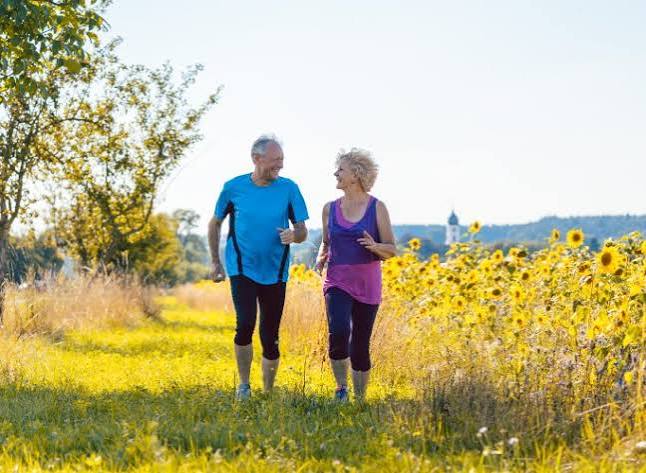
Why Post-Meal Walking Lowers Blood Sugar
The blood sugar rise that follows a meal — postprandial hyperglycemia — is one of the strongest predictors of long-term diabetes complications. It drives more cardiovascular damage than fasting glucose alone. Reducing post-meal spikes is a primary target of diabetes management.
How Muscle Contraction Clears Glucose From Blood
Walking contracts the large leg muscles — quadriceps, hamstrings, calves, and glutes. Contracting muscles absorb glucose from the bloodstream to fuel their activity. This process occurs through GLUT4 transporters that activate without insulin during exercise. The result: blood glucose is cleared faster during and after walking than it would be at rest.
The effect is largest when glucose is already rising — which is exactly what happens 30–90 minutes after a meal. Walking during this post-meal window intercepts the glucose spike before it peaks. Sitting through this same window allows glucose to rise unchecked until insulin brings it down — a process that takes 2–3 hours and leaves a large spike in between. Our blood sugar and exercise guide covers the mechanisms by which exercise lowers blood glucose across different activity types.
Post-Meal Walking vs. Pre-Meal Walking
Timing matters more than most people realize. A 2022 study published in Sports Medicine compared three groups: adults who walked before meals, adults who walked after meals, and sedentary controls. The post-meal walking group reduced postprandial glucose by 28% more than the pre-meal walking group — even though total walk duration was identical.
Pre-meal walking produces a general blood sugar benefit from exercise. But it happens before glucose is rising. Post-meal walking intercepts the rise at its source. The timing difference produces a meaningfully larger glucose-lowering effect for the same effort. Our how much exercise helps blood sugar guide covers the timing evidence for exercise and its post-meal glucose impact.
How Long to Walk After Each Meal
Research consistently shows that 10–15 minutes of post-meal walking produces meaningful blood sugar benefit. Longer walks produce greater benefit — but the dose-response curve flattens after 20–30 minutes.
The 10-Minute Walk — Minimum Effective Dose
A 10-minute walk taken within 30 minutes of a meal lowers post-meal glucose by an average of 22 mg/dL compared to sitting. This is a clinically meaningful reduction — equivalent to roughly one-third of the glucose-lowering effect of a common diabetes medication. Ten minutes is achievable after every meal, even on busy days. It requires no change of clothes and can be done indoors or outdoors.
The 15-Minute Walk — Optimal for Blood Sugar
A 15-minute walk after each of three daily meals accumulates 45 minutes of daily physical activity. This meets the ADA’s weekly physical activity recommendation (150 minutes per week) in just over three days. More importantly, it intercepts three separate post-meal glucose spikes per day — the three largest daily glucose rises for most adults with diabetes or prediabetes. Studies show 15-minute post-meal walks reduce total daily blood glucose area under the curve by 12–18% compared to a single 45-minute walk taken once per day. Three short walks beat one long walk for blood sugar — because they address three separate meal spikes instead of one.
Longer Walks — Additional Cardiovascular Benefit
When time allows, a 20–30 minute post-meal walk adds cardiovascular benefit beyond blood sugar lowering. Heart rate rises into a light aerobic range. Sustained aerobic activity improves insulin sensitivity for 24–48 hours after the session ends. Adults with diabetes who take a 30-minute post-dinner walk three to four evenings per week consistently show improved next-morning fasting glucose — a benefit that persists into the following day from the prior evening’s walk. Our heart-healthy exercise for people with diabetes guide covers how post-meal walking integrates into a complete aerobic and cardiovascular exercise program.
Walking Speed — How Fast Should You Walk?
Walking pace affects blood sugar lowering, but moderate pace beats both slow and very fast walking for post-meal glucose management.
Brisk Walking — The Target Pace
Brisk walking — approximately 3–4 mph, producing light breathing effort and a comfortable conversation — produces optimal post-meal glucose lowering. At this pace, large leg muscles contract frequently enough to maintain active glucose uptake from the bloodstream. Brisk walking also reaches a light aerobic zone (50–65% of maximum heart rate) that sustains the glucose-lowering effect for up to 1–2 hours after the walk ends.
Slow Walking Is Still Beneficial
Adults who cannot walk briskly — due to joint pain, fatigue, or fitness level — still receive meaningful blood sugar benefit from slow walking. A 15-minute slow walk (2 mph) after a meal reduces postprandial glucose by approximately 14 mg/dL. This is smaller than the brisk-walking benefit, but still clinically useful and far better than sitting. Start at a pace that is comfortable and sustainable. Speed improves with consistency over weeks. Our beginner exercise plan for blood sugar guide covers how to gradually build walking pace and duration over an 8-week starter program.
When to Walk — Timing After Meals
The timing of a post-meal walk relative to eating significantly affects blood sugar benefit. Starting too late misses most of the glucose spike window.
Start Within 30 Minutes of Finishing the Meal
Post-meal glucose typically begins rising 15–30 minutes after a meal begins. It peaks 45–90 minutes after the meal ends, depending on carbohydrate content and digestive rate. Walking should begin before the glucose spike peaks — ideally within 30 minutes of finishing the meal.
Adults who wait 60–90 minutes after eating before walking miss most of the spike window. The glucose has already risen and begun falling before the walk starts. The walk still provides exercise benefit, but it no longer intercepts the post-meal spike at its peak. Our exercise and hypoglycemia prevention guide covers the timing relationship between meals, glucose, and exercise.
High-Carbohydrate Meals Require Earlier Timing
Meals high in refined carbohydrates (white bread, pasta, rice, sugary beverages) produce faster and larger glucose spikes than mixed meals with protein, fat, and fiber. After a high-carbohydrate meal, starting a walk within 15–20 minutes of finishing produces greater glucose benefit than waiting 30 minutes. The faster the expected spike, the more important immediate post-meal movement becomes. Our blood sugar log and tracking guide covers how to track post-meal glucose response to different meals and identify which meals produce the largest spikes requiring prompt walking intervention.
Practical Strategies for Daily Post-Meal Walks
The main barrier to post-meal walking is not motivation — it is habit and scheduling. These practical strategies make post-meal walking a consistent part of daily life.
The 10-Minute After-Lunch Walk
Lunch is the most accessible meal for a post-meal walk. Most adults have at least a 30-minute lunch break. Spend the first 20 minutes eating slowly. Use the last 10 minutes for a short walk. Walk around the building, the parking lot, or a nearby block. Return feeling energized rather than post-lunch tired. Post-lunch drowsiness is largely driven by the blood sugar spike and subsequent crash that follows a meal taken sitting down. Post-meal walking prevents the crash by flattening the spike.
The Evening Walk After Dinner
Dinner is the largest meal for most adults — and therefore produces the largest post-meal glucose spike. An evening walk 15–30 minutes after dinner addresses the biggest daily glucose challenge. It also reduces post-dinner sedentary time, which is one of the strongest predictors of poor overnight glucose control. Adults who substitute 15–20 minutes of post-dinner walking for 15–20 minutes of post-dinner television consistently show lower next-morning fasting glucose in glucose monitoring studies. Our sedentary breaks and blood sugar control guide covers how reducing prolonged evening sitting complements post-meal walking for overnight glucose management.
Indoor Walking Options for Bad Weather
Post-meal walking requires no specific environment. On days when outdoor walking is impractical — rain, extreme heat, air quality issues — indoor options maintain the glucose benefit. Walk inside a large retail store, a shopping mall, or an indoor corridor. March in place in the living room. Pace while on a phone call. Walk up and down stairs. The key requirement is leg muscle activation within 30 minutes of the meal — the surface and setting are secondary. Our safe exercise with diabetes guide covers exercise options for adults with diabetes across weather conditions and physical limitations.
Post-Meal Walking With Diabetes Medications
Adults taking certain diabetes medications should be aware of how post-meal walking interacts with their medication timing and dose.
Insulin Users — Post-Meal Walking and Hypoglycemia Risk
Adults using rapid-acting insulin with meals face a specific risk. Post-meal rapid insulin lowers blood sugar starting 15–30 minutes after injection. Post-meal walking also lowers blood sugar starting immediately. These two effects can compound. Blood glucose may fall further and faster than expected — potentially below 70 mg/dL (hypoglycemia). Adults using mealtime insulin who begin post-meal walking should check glucose before the walk and carry a fast-acting carbohydrate (glucose tablets, juice) during the walk. After 1–2 weeks of post-meal walking, discuss a potential mealtime insulin dose reduction with the prescribing physician if post-walk hypoglycemia occurs consistently. Our exercise and hypoglycemia prevention guide covers the hypoglycemia prevention protocol for adults on insulin who exercise after meals.
Sulfonylureas — Similar Compounding Risk
Adults taking sulfonylurea medications (glipizide, glimepiride, glyburide) face similar compounding risk. Sulfonylureas stimulate insulin release after meals. Combined with post-meal walking, this can produce unexpected glucose falls. Carry glucose tablets during post-meal walks. Report consistent post-walk glucose below 80 mg/dL to a prescribing physician — a dose reduction may be appropriate. The medication safety checklist for adults exercising with diabetes medications is in our diabetes medication safety guide. The comprehensive doctor visit preparation guide that helps adults discuss exercise-driven medication adjustments is in our doctor visit checklist for diabetes guide. The ADA’s physical activity and medication resources cover how post-meal exercise timing interacts with common diabetes medications. The NIDDK’s diabetes management overview integrates physical activity including post-meal walking into the comprehensive diabetes management framework. The strength training program that builds on post-meal walking for additional blood sugar benefit is in our strength training for Type 2 diabetes guide. The stretching routine that complements post-meal walking as part of a complete daily movement practice is in our stretching and mobility for diabetes guide.
Post-Meal Walking for Prediabetes and Prevention
Post-meal walking is not only for adults with diagnosed diabetes. It is one of the most powerful tools for preventing prediabetes from progressing to Type 2 diabetes — and for preventing prediabetes from developing in the first place.
How Post-Meal Walking Affects Insulin Resistance
Insulin resistance — the condition where cells respond poorly to insulin’s glucose-clearing signal — develops gradually over years. It is driven by chronic post-meal glucose spikes that force the pancreas to produce progressively more insulin to achieve the same glucose-clearing effect. Each large post-meal spike adds to cumulative insulin resistance over time.
Post-meal walking interrupts this cycle. By clearing glucose through muscle contraction rather than insulin, it reduces the insulin demand of each meal. Lower insulin demand over months and years reduces the cumulative burden on the pancreas and slows the progression of insulin resistance. Adults who add 10-minute post-meal walks after each of three daily meals for 12 weeks show measurable improvements in insulin sensitivity markers — even without changes to diet or body weight. Our blood sugar and exercise guide covers the insulin sensitivity mechanisms of regular post-meal movement for adults with and without diabetes.
Post-Meal Walking in the Diabetes Prevention Program Framework
The landmark Diabetes Prevention Program trial found that 150 minutes of moderate physical activity per week reduced diabetes progression from prediabetes by 58% — a larger effect than the diabetes medication metformin alone. Three 15-minute post-meal walks per day achieves this 150-minute weekly target in just under 3.5 days. Adults with prediabetes who establish a consistent post-meal walking habit can reach the DPP physical activity target using only meal-time walks — without any additional formal exercise sessions. Our beginner exercise plan for blood sugar guide covers the complete 8-week activity build-up for adults with prediabetes starting from a sedentary baseline.
Tracking Your Post-Meal Blood Sugar Response
Tracking post-meal glucose with and without walking reveals the personal magnitude of the walking benefit — and helps identify which meals produce the largest spikes requiring the most prompt walking response.
The Simple Two-Check Protocol
Adults using a glucometer or continuous glucose monitor (CGM) can measure post-meal walking benefit with a simple protocol. On a day without post-meal walking, check glucose 60 minutes after finishing the meal. Record the result. On the following day with an identical meal, take a 15-minute brisk walk within 30 minutes of finishing — then check glucose at the same 60-minute mark. Compare the two readings. The difference is the direct blood sugar benefit of the walk for that specific meal type.
Most adults with Type 2 diabetes who run this comparison see a 15–35 mg/dL difference in their 60-minute post-meal glucose reading. The comparison is motivating — it transforms post-meal walking from abstract advice into a personally verified glucose-lowering tool. Our blood sugar log and tracking guide covers the glucose tracking format that supports systematic meal-by-meal comparison.
Using a CGM to Observe Spike Patterns in Real Time
Adults using a continuous glucose monitor can watch post-meal glucose patterns in real time — and see the effect of walking immediately on the trend line. A CGM typically shows a rising trend 20–30 minutes after a meal, with the peak 45–90 minutes post-meal. Starting a walk when the CGM shows glucose rising rapidly — a rising arrow on most CGM displays — intercepts the spike before it peaks. Adults who use CGM data to time their post-meal walks achieve lower peak post-meal glucose than those who use fixed time intervals alone. The A1C testing and CGM context for monitoring longer-term glucose trends is in our A1C testing schedule guide. The CDC’s physical activity and diabetes guidance covers post-meal activity recommendations within the broader diabetes physical activity framework. The NIDDK’s diabetes management overview integrates post-meal walking with diet, medication, and monitoring in the complete diabetes management approach.
Building the Post-Meal Walking Habit
Consistency matters more than duration for post-meal walking. A 10-minute walk after every meal is more beneficial than a 45-minute walk three times per week — because it addresses glucose spikes at every meal, not just on workout days.
Using a Meal-Walk Trigger
Habit formation research shows that behaviors attached to existing routines are far more likely to persist than standalone new habits. Post-meal walking benefits from this principle naturally — the meal itself is the trigger. “After I finish dinner, I walk for 10 minutes” is a complete habit cue without requiring a separate motivation or reminder. Adults who frame their post-meal walk as the natural ending to the meal — rather than an optional add-on they must decide to do — report higher consistency at 3 and 6 months than those who schedule walking as a separate daily event.
Gradual Progression — Starting With One Meal
Adults starting post-meal walking do not need to walk after all three meals from day one. Begin with the meal where walking is most feasible — typically dinner or lunch. Walk for 10 minutes after that meal consistently for two weeks. Then add a second meal-walk. Then a third. This gradual addition maintains high success rates and prevents early burnout from overcommitment. Three consistent 10-minute walks per day is more valuable than three attempted 20-minute walks that get skipped due to time pressure. Our sedentary breaks and blood sugar control guide covers how post-meal walking integrates with anti-sedentary strategies throughout the full day. The how much exercise helps blood sugar data showing that multiple short bouts beat single long sessions is in our how much exercise helps blood sugar guide. The stretching routine that adds a 5-minute mobility component at the end of a post-meal walk is in our stretching and mobility for diabetes guide. The strength training program that adds resistance exercise as a complement to daily post-meal walking is in our strength training for Type 2 diabetes guide. The ADA’s physical activity resources cover post-meal walking within the complete ADA physical activity recommendation framework for adults with diabetes.
Special Situations — Adapting Post-Meal Walking
Walking After Meals With Joint Pain or Mobility Limitations
Adults with arthritis, knee pain, or hip pain may find sustained brisk walking uncomfortable. The blood sugar benefit of post-meal walking does not require a specific gait. It requires leg muscle contraction. Adults with joint pain can substitute: seated leg raises (contracting quadriceps while seated), standing in place with weight shifts, slow indoor walking with frequent rest stops, or water walking in a pool. Any activity that contracts the large leg muscles after a meal produces glucose benefit — the specific form is secondary to consistency. Even 10 minutes of slow indoor pacing produces meaningful post-meal glucose reduction compared to sitting completely still.
Walking After Large Holiday or Restaurant Meals
Holiday meals and restaurant portions are typically 40–60% larger than everyday meals. They produce larger and longer glucose spikes. After a large restaurant meal, extend the post-meal walk to 20–25 minutes. Begin the walk within 20 minutes of finishing — large meals take longer to digest, meaning the glucose rise is sustained over a longer window. A longer walk captures more of the extended spike period. Adults who routinely walk after large holiday meals show 30–40% lower post-meal glucose peaks than those who sit after the same meal. The glucose pattern for large versus small meals and the role of timing and quantity in spike magnitude is in our blood sugar log guide. The heart-healthy exercise framework that contextualizes post-meal walking within a complete weekly cardiovascular activity plan is in our heart-healthy exercise for people with diabetes guide. The annual diabetes care checklist that includes physical activity goal review — including post-meal walking frequency — alongside A1C and medication targets is in our annual diabetes care checklist.
Sources: American Diabetes Association Standards of Care in Diabetes 2024; Buffey AJ et al. The Acute Effects of Interrupting Prolonged Sitting Time in Adults With Type 2 Diabetes. Sports Medicine 2022; Reynolds AN et al. Advice to Walk After Meals Is More Effective for Lowering Postprandial Glycaemia. Diabetologia 2016; CDC Physical Activity and Diabetes Guidance 2024.
This breakdown of walking after meals for blood sugar is exactly what patients need before a specialist appointment. What I liked most was that the article didn’t just say what to avoid — it also gave alternatives. Keep up this kind of thorough health journalism — it genuinely helps patients like me.
Thank you for covering walking after meals for blood sugar so thoroughly without being overly technical. The practical tips made this immediately actionable, not just theoretical. Appreciate the effort that went into researching and writing this — it shows.
This breakdown of walking after meals for blood sugar is exactly what patients need before a specialist appointment. This is the kind of evidence-based writing that actually changes how people approach their health. Keep up this kind of thorough health journalism — it genuinely helps patients like me.