
Studies show that adults with diabetes who arrive at appointments with prepared questions and complete records cover significantly more of the recommended care components than those who show up empty-handed. But many diabetes visits still miss important screenings — not because providers are careless, but because time is short and conversations follow what the patient brings to them. A complete doctor visit checklist for diabetes changes that: when you know what should happen at every visit, what gets tested annually, and what numbers you’re working toward, nothing important slips through. This guide covers everything — what to bring, what gets measured at every visit, what the annual screenings are and why they matter, and the questions worth asking every time.
How Often Should People With Diabetes See Their Doctor?
Routine Visit Frequency
Visit frequency in diabetes care is individualized, but the general framework from the ADA Standards of Care 2024 is clear. Adults with Type 2 diabetes who are newly diagnosed or haven’t yet reached their goals should see their provider every one to three months until things are stable. Once goals are met and maintained, visits every three to six months are appropriate for most people. A comprehensive annual review — covering the full set of screenings — should happen once a year no matter how well-controlled diabetes is.
The right frequency is whatever keeps you engaged and informed. Some people need more frequent short visits during medication adjustments; others maintain stable control well with quarterly check-ins. What matters is that each visit has a purpose: tracking current control, reviewing medications, and making sure annual screenings haven’t been skipped.
Who Makes Up the Diabetes Care Team?
Diabetes management usually involves more than one provider. Most adults with Type 2 diabetes have a primary care physician coordinating their care, with referrals to specialists as needed. An endocrinologist handles more complex cases, Type 1 diabetes, or situations where control has been difficult to achieve. A certified diabetes care and education specialist (CDCES) provides diabetes-specific education and practical self-management support. A registered dietitian nutritionist (RDN) works on dietary planning and carbohydrate management. An ophthalmologist or optometrist does the annual dilated eye exam. A podiatrist sees adults with significant peripheral neuropathy or persistent foot problems. Your pharmacist can review medication interactions and help with cost management. And your dentist matters, too — gum disease is more common in adults with diabetes and can affect blood glucose control.
What to Bring to Every Diabetes Appointment
Documents and Records
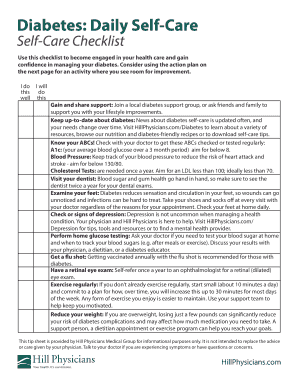
Arriving prepared makes every limited appointment minute count. The most important thing to bring is a current medication list — every prescription, over-the-counter medication, vitamin, and supplement, with the doses and how often you take each. Review it for accuracy before each visit; discrepancies between what you report and what the chart shows are surprisingly common and can cause management errors. Bring your glucose monitoring log: the last two weeks of fingerstick readings, or a downloaded report from your CGM app showing time-in-range data and glucose trends. If you monitor blood pressure at home, bring that log. Write your questions down before the visit — questions on paper are far more likely to get asked than questions in your head. Also note any new or changing symptoms since your last visit: unusual fatigue, increased thirst, vision changes, foot numbness, or any wounds that have been slow to heal. The blood sugar log templates guide covers the most useful formats for organizing and presenting glucose monitoring data before an appointment. Our medication list template for diabetes care guide provides the structured format that captures every field the care team needs.
Devices to Bring
If your meter stores readings, bring it — many can be downloaded at the office for a summary report. If you use a CGM, bring your phone with the app (or your reader device) and ask whether the office can generate an ambulatory glucose profile (AGP) report. The AGP is the most useful CGM summary format: it shows your average glucose, time-in-range percentages, and overnight patterns at a glance. Bringing your home blood pressure monitor once a year lets the care team compare your readings against their equipment — worth doing, since home monitors can drift over time. Our best blood glucose monitors guide covers which meters offer the best data download and report features for care team sharing. The continuous glucose monitors guide covers CGM systems and the AGP report format that provides the most clinically useful data for care team appointments.
Tests Done at Every Diabetes Visit
Every standard diabetes care visit should include four measurements regardless of how recently they were last checked: A1c, blood pressure, weight, and a medication review. These four make up the core of ongoing diabetes management.
A1c — The Core Metric of Glucose Control
Hemoglobin A1c (A1c) reflects your average blood glucose over the past two to three months, measured as a percentage. The ADA’s general target for most adults with diabetes is an A1c below 7%, which corresponds to an estimated average glucose of about 154 mg/dL. Individual targets vary: a slightly higher target of 7.5–8.5% may be right for older adults with multiple health conditions, significant hypoglycemia history, or limited life expectancy. A lower target below 6.5% may work for younger adults with Type 2 diabetes who can reach it safely. If you don’t know your current A1c and your personal target, those are the two most important questions to ask at your next visit. Testing frequency: every three months when not at goal, every six months once you’re stably there.
Blood Pressure
Blood pressure gets measured at every diabetes visit because hypertension is both common in adults with diabetes and a major driver of cardiovascular disease and kidney damage. The ADA recommends a target of less than 130/80 mmHg for most adults with diabetes. If your blood pressure stays above that despite medication, there’s a conversation to have about either lifestyle changes — sodium reduction, weight loss, physical activity, limiting alcohol — or medication adjustments. The systolic number (the top one) matters most; readings consistently above 130 warrant discussion even when the diastolic is normal.
Weight and BMI
Weight is tracked at every visit because changes affect diabetes management in meaningful ways. In Type 2 diabetes, even a 5–10% reduction in body weight can significantly improve A1c, blood pressure, and lipid levels — especially for people who have had diabetes for fewer than 10 years. Weight gain can also reflect fluid retention, which is relevant for some medications like thiazolidinediones and insulin. Intentional weight loss should be acknowledged. Unintentional weight loss — losing weight without trying — warrants investigation.
Current Medications Review
Every visit should include a full medication review — not just the diabetes drugs. This confirms adherence, catches changes made by other providers, identifies new interactions from any supplements or OTC products, and creates a chance to talk about side effects affecting adherence. Bring your complete medication list to every appointment and update it after any prescription changes.
Annual Screenings — Tests Needed Once a Year (or More)
Several screenings should be completed at least once per year for all adults with diabetes. These target the complications that develop silently — often without any symptoms until they’ve progressed significantly.
Kidney Function — eGFR and UACR
Diabetic kidney disease affects approximately one in three adults with diabetes and is one of the leading causes of kidney failure in the United States. (NIDDK, 2023) Two tests together assess kidney health. eGFR (estimated glomerular filtration rate) is a blood test that measures how efficiently the kidneys are filtering waste. An eGFR above 60 is generally in the normal-to-mildly-reduced range; 30–60 indicates moderate reduction; below 30 indicates severely reduced kidney function. UACR (urine albumin-to-creatinine ratio) is a urine test that detects small amounts of protein leaking into the urine — an early warning sign of kidney damage that often precedes any eGFR decline. A UACR below 30 is normal; 30–300 indicates early kidney damage; above 300 indicates more significant damage. The ADA recommends annual testing for both in all adults with diabetes. If either is abnormal, protective medications — ACE inhibitors or ARBs for the kidneys, and SGLT-2 inhibitors which have demonstrated kidney-protective benefits in clinical trials — should be part of the conversation.
Lipid Panel (Cholesterol)
Adults with diabetes face substantially higher cardiovascular risk than the general population. The ADA recommends that most adults with diabetes aged 40–75 with additional cardiovascular risk factors receive high-intensity statin therapy. The LDL cholesterol target for most adults with diabetes is below 100 mg/dL; for those with existing cardiovascular disease, below 70 mg/dL. Get a lipid panel at diagnosis, annually if not at goal, and every one to two years once targets are stably met. If you’re unsure whether you’re on statin therapy or what your LDL target is, those are worth clarifying at your next visit.
Dilated Eye Exam — Retinopathy Screening
Diabetic retinopathy — damage to the retina’s blood vessels caused by chronically elevated blood glucose — affects approximately one in three adults with diabetes and is the leading cause of new blindness in US adults aged 20–74. (NEI/NIH, 2024) Here’s what makes it dangerous: early-stage diabetic retinopathy has no symptoms. Significant retinal damage can be present and progressing before any vision change is noticed — which means the only way to catch it early is with a dilated eye exam. The ADA recommends a comprehensive dilated eye exam at the time of Type 2 diabetes diagnosis and annually after that. Adults with well-controlled diabetes and no retinopathy may extend to every two years under their eye doctor’s guidance. This exam requires a separate appointment with an ophthalmologist or optometrist — it’s not done at the diabetes office.
Comprehensive Foot Exam
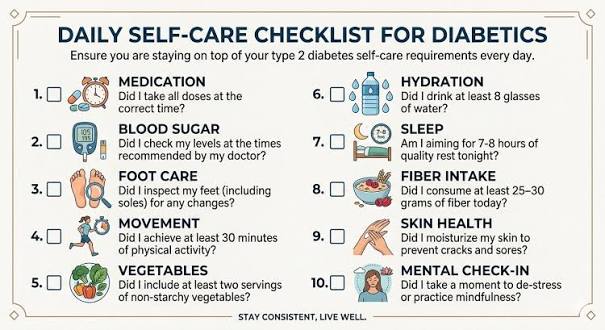
Peripheral neuropathy — nerve damage from chronically high glucose — affects roughly half of adults with long-standing diabetes and significantly dulls foot sensation. Wounds that would be immediately painful for someone without neuropathy can go unnoticed for days or weeks, progressing to infection. Proper foot care and annual exams have been shown to reduce diabetes-related amputation rates by 45–85%. (ADA, 2024) The annual exam checks sensation with a monofilament probe, assesses foot pulses, inspects skin and nails, and identifies structural issues that create pressure points. Between visits: inspect your feet daily — including the bottoms and between the toes — and report any new wound or skin break that doesn’t start healing within 24 hours. Don’t wait for the next appointment.
Thyroid Function (TSH)
Thyroid dysfunction is more common in adults with diabetes than in the general population and can affect blood glucose, weight, energy, and cholesterol — all things that interact with diabetes management. The ADA recommends TSH testing at diagnosis for adults with Type 1 diabetes and symptom-based testing for Type 2. Many diabetes care providers test TSH annually even without symptoms, since thyroid conditions are easy to miss and easy to treat once identified.
Vaccinations — What People With Diabetes Need
Adults with diabetes are more vulnerable to serious complications from several vaccine-preventable infections. Vaccination status should be reviewed at the annual diabetes visit. The annual flu shot matters: influenza worsens glycemic control and increases risk of diabetes-related hospitalization, and annual vaccination reduces that hospitalization risk by approximately 50%. (CDC, 2023) Updated COVID-19 boosters are recommended per current CDC guidance — adults with diabetes are at elevated risk for severe COVID illness. Pneumococcal vaccines protect against a serious infection that carries high complication risk for people with diabetes; the specific vaccine series depends on age and vaccination history. Hepatitis B vaccine is recommended for unvaccinated adults with diabetes aged 59 and under. Keep Tdap current (booster every 10 years). If you’re 50 or older, the shingles vaccine is recommended — shingles complications tend to be more severe in people with immune system effects from diabetes.
Questions to Ask at Every Diabetes Visit
Written questions get asked. Unwritten ones often don’t. Here are the ones worth bringing to every visit:
“What is my current A1c, and has it changed since my last visit?” This is the primary measure of glucose control over time. Knowing the number and the trend tells you whether the current approach is working.
“What are my blood pressure and cholesterol numbers, and am I at my targets?” Many adults with diabetes don’t know their specific BP and LDL targets. Knowing them — and knowing whether current readings meet them — is essential for managing cardiovascular risk.
“Are my kidney function tests normal? Has anything changed in my eGFR or UACR?” Early kidney disease is silent. This question ensures the tests are being run and that any changes get addressed. Our questions to ask about Type 2 diabetes guide provides a comprehensive list of the clinical questions most worth preparing before each appointment. Our long-term diabetes care plan guide covers how appointment data accumulates into the multi-year picture that guides comprehensive diabetes management decisions over time. The living well with diabetes guide covers how regular appointment preparation fits within the sustainable daily self-management approach that integrates monitoring, medication, and lifestyle as one connected system. The ADA’s blood sugar monitoring guidance covers target glucose ranges and monitoring frequency recommendations that directly inform what your glucose log should capture before each visit. The NIDDK’s diabetes management overview provides the authoritative framework for comprehensive diabetes self-care, including all the monitoring tasks that a visit checklist supports. The CDC’s diabetes management resources cover the full spectrum of diabetes self-management tools and guidelines recommended for adults with Type 1 and Type 2 diabetes.
“Am I due for any annual screenings?” Specifically: dilated eye exam, comprehensive foot exam, and any overdue vaccinations.
“Are there any medication changes I should consider?” Newer agents — particularly SGLT-2 inhibitors and GLP-1 receptor agonists — offer cardiovascular and kidney protection beyond glucose lowering. Adults who haven’t discussed whether these are appropriate for their situation should raise the question.
“What symptoms should prompt me to call before my next scheduled visit?” A clear threshold for between-visit contact prevents both unnecessary calls and delays in seeking care for something important.
Between-Visit Monitoring — Keeping Your Checklist Current
Home Glucose Monitoring
Glucose monitoring between visits generates the data that makes care visits meaningful. Testing frequency and timing depend on medications and goals — discuss specifics with your care team. Pre-meal and post-meal readings at different times of day build a more complete picture than testing at the same time every day. If you use a CGM, the AGP report provides the clearest summary for your care team: average glucose, time-in-range, variability, and overnight patterns. Bring at least two weeks of data to each appointment in whatever format your care team prefers.
Home Blood Pressure Monitoring
The ADA recommends home blood pressure monitoring for all adults with diabetes and hypertension. Morning readings — before medications and before physical activity — give the most consistent baseline for tracking trends. If your morning readings consistently run above 130/80 despite medication, that’s worth a call to the care team before the next scheduled visit. Record readings by date and time and bring the log.
Foot Self-Inspection
Daily foot inspection is the most important between-visit monitoring practice for adults with diabetes who have any degree of peripheral neuropathy. Use a mirror to see the bottoms of your feet. Look for sores, blisters, cuts, calluses, color changes, or areas of unexpected warmth. Any wound or skin break that doesn’t start healing within 24 hours should be reported immediately — not at the next scheduled appointment. Catching a wound before it becomes infected is one of the most effective preventive actions within anyone’s reach.
Frequently Asked Questions
What should I bring to a diabetes doctor appointment?
Bring a current medication list — every prescription, OTC medication, vitamin, and supplement with their doses. Bring your glucose monitoring log covering at least the last two weeks, whether that’s a paper log or a downloaded report from your meter or CGM app. If you track blood pressure at home, bring that record. Most importantly, bring a written list of questions prepared before the visit. Questions on paper get asked; questions in your head often don’t make it into the conversation before time runs out.
How often should people with diabetes see their doctor?
Adults with diabetes who aren’t yet at their goals should see their provider every one to three months until things are stable. Once A1c and other targets are consistently met, visits every three to six months are typical. An annual comprehensive review covering all recommended screenings should happen once a year regardless of how well-controlled diabetes is. The right schedule depends on your individual situation — ask your care team what makes sense for where you are in your management.
What A1c level is considered good diabetes control?
The ADA recommends an A1c below 7% for most adults with diabetes, which corresponds to an estimated average glucose of about 154 mg/dL. Individual targets are adjusted based on age, other health conditions, hypoglycemia risk, and personal goals. A slightly higher target may be appropriate for older adults or those with complex medical situations. A lower target may work for younger adults with Type 2 diabetes who can reach it safely. The target is a personalized decision — not a universal cutoff — made with your care team.
What is the recommended blood pressure goal for people with diabetes?
The ADA recommends a blood pressure target of less than 130/80 mmHg for most adults with diabetes. Both systolic and diastolic numbers matter, but the systolic (top number) is more strongly associated with cardiovascular and kidney risk. If blood pressure is above target, both lifestyle approaches and medication options are available — the right strategy depends on your starting point and overall health picture, and is worth discussing directly with your care team.
When should people with diabetes get a dilated eye exam?
Adults with Type 2 diabetes should have a comprehensive dilated eye exam at the time of diagnosis, and annually after that. Diabetic retinopathy — the most common diabetes-related eye complication — causes no symptoms in its early stages, so annual exams are the only way to catch and treat it before significant damage occurs. With consistently well-controlled diabetes and no retinopathy found on multiple consecutive exams, the interval may extend to every two years under your eye doctor’s guidance. The exam is done by an ophthalmologist or optometrist, not at the diabetes office.
Showing up prepared to a diabetes appointment is one of the most effective things you can do for your long-term health. The screenings and metrics on this checklist exist because the complications of diabetes — kidney disease, cardiovascular disease, vision loss, neuropathy — develop slowly, silently, and preventably when caught early. A medication list, a glucose log, and a few written questions turn a 15-minute appointment into a genuine assessment of your health trajectory. Bring this list to your next visit, mark off what’s been done, and ask about what hasn’t. That’s how good diabetes management actually happens.
Sources: ADA Standards of Care in Diabetes 2024 (Sections 6, 10, 12); CDC National Diabetes Statistics Report 2023; NIDDK Diabetic Kidney Disease Overview 2023; National Eye Institute Diabetic Retinopathy 2024; CDC Adult Immunization Schedule 2024; Mayo Clinic Diabetes Management 2024.
Thank you for covering doctor visit checklist for diabetes so thoroughly without being overly technical. I appreciate that the article is careful about distinguishing between what is known and what is still being researched. Thank you for making complex medical information accessible without dumbing it down.
This breakdown of doctor visit checklist for diabetes is exactly what patients need before a specialist appointment. I appreciate that the article is careful about distinguishing between what is known and what is still being researched. Shared this with three friends who are dealing with related issues. Very useful resource.
Finally a resource that explains doctor visit checklist for diabetes in plain language. I have tried following advice from several sources but this is most consistent with what my specialist told me. Keep up this kind of thorough health journalism — it genuinely helps patients like me.