

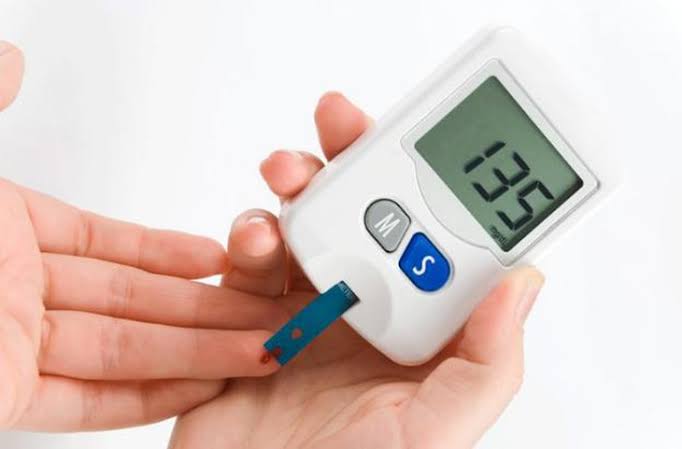
A Type 2 diabetes diagnosis is the beginning of a lifelong management conversation — and the questions to ask about Type 2 diabetes in those first appointments shape the care you receive for years afterward. Most people leave the diagnostic appointment without clear answers to the questions that matter most: what’s the A1c target, which medications and why, what complications to screen for, and when does this become a specialist’s job. This guide organizes the questions that should be asked at diagnosis and at every follow-up, along with what a complete answer looks like — so you can tell when your provider has given you enough information to act on.
Understanding the Diagnosis
What Does My A1c Mean — and What Should It Be?
Your A1c is the foundation of Type 2 diabetes management. It measures your average blood glucose over the past two to three months and is reported as a percentage. Type 2 diabetes is diagnosed when A1c reaches 6.5% or higher on two separate tests. Once diagnosed, the A1c is also the primary indicator of how well the condition is being controlled over time.
The ADA Standards of Care 2024 recommend an A1c below 7% for most non-pregnant adults with Type 2 diabetes. However, the target is individualized: younger, healthier adults at lower risk of hypoglycemia may be appropriate for a more stringent target of below 6.5%, while older adults with significant comorbidities may be managed at 7.5–8%. Your first question should be: “What is my current A1c, and what is my target?” The ADA recommends testing at least twice yearly for adults at goal, and quarterly for those not at goal or after medication changes.
What Caused This — and Could I Have Prevented It?
Type 2 diabetes develops when the body’s cells become resistant to insulin and the pancreas can no longer produce enough to compensate. This process develops over years, and multiple factors contribute: excess body weight (particularly abdominal fat), physical inactivity, a diet high in refined carbohydrates and ultra-processed foods, a family history of Type 2 diabetes, older age, and certain ethnic backgrounds. Genetics and environment interact — the same genetic risk factors produce very different outcomes depending on lifestyle exposures.
The more useful framing after diagnosis is not “could I have prevented this” — which is rarely productive — but “what does understanding the cause tell us about the management plan?” Ask your provider: “What does my history tell you about what type of intervention is most likely to work for me?” The answer should guide the treatment plan toward the most evidence-supported approach for your specific profile.
Treatment Plan and Medications
What Medications Will I Need, and Why?
For most adults newly diagnosed with Type 2 diabetes, the ADA Standards of Care 2024 recommend starting with metformin alongside lifestyle intervention as the first-line pharmacological approach, unless there is a specific contraindication. Metformin works by reducing glucose production in the liver and improving insulin sensitivity. It is inexpensive, generic, well-tolerated, and has a decades-long safety record. The most common side effects — nausea and gastrointestinal upset — are typically managed by starting at a lower dose and taking it with food.
When metformin alone is insufficient, additional medications are added. GLP-1 receptor agonists (such as semaglutide, liraglutide, and dulaglutide) have demonstrated significant A1c reduction, substantial weight loss, and cardiovascular risk reduction — and are now preferred second-line agents for adults with Type 2 diabetes and established cardiovascular disease, chronic kidney disease, or heart failure. SGLT-2 inhibitors (such as empagliflozin, dapagliflozin, and canagliflozin) have demonstrated kidney-protective and cardiovascular-protective effects in high-risk patients. Insulin is sometimes started when A1c is very high (often above 10–11%) or when other medications are not achieving adequate control — and starting insulin does not indicate disease uniquely severe. Ask your provider: “Why this medication specifically? What side effects should I watch for?”
Do I Need to Start Medication Right Away?
The ADA’s current position is that most adults with newly diagnosed Type 2 diabetes should start medication — typically metformin — at diagnosis, alongside lifestyle intervention, rather than waiting to see how lifestyle changes alone perform. Early pharmacological treatment reduces A1c faster and reduces complication risk. Some adults with A1c very close to the diagnostic threshold (6.5–7%) may have a brief period of lifestyle-only intervention, but this is a clinical judgment call, not the default approach.
Ask your provider: “Is there a reason I should start medication now rather than waiting to try lifestyle changes first? And if I do start medication, how will we know if I can eventually reduce or discontinue it?” These are legitimate questions — and providers who take them seriously will give you specific answers about the criteria for future medication adjustments.
Blood Sugar Monitoring
How Often Should I Check My Blood Sugar at Home?
The answer depends significantly on which medications you’re taking. Adults managed on lifestyle alone or on metformin — which does not cause hypoglycemia — typically do not need to check blood sugar multiple times per day. The ADA Standards of Care 2024 note that the clinical benefit of frequent self-monitoring is less clear for adults with Type 2 diabetes who are not using insulin, compared to those on insulin therapy.
For adults on insulin, self-monitoring is essential for dose adjustment and hypoglycemia management. Continuous glucose monitoring (CGM) is increasingly recommended for adults with Type 2 diabetes using insulin — providing real-time glucose data, trend arrows, and alerts that finger-stick testing cannot replicate. Ask your provider: “Given my current medications, how often should I be checking my blood sugar at home? And is continuous glucose monitoring something I should consider?”
What Blood Sugar Levels Are Too High or Too Low?
The ADA targets for home glucose monitoring are: fasting glucose 80–130 mg/dL and post-meal glucose below 180 mg/dL (measured two hours after the start of a meal). These are guidance ranges, not hard thresholds — occasional readings outside these ranges are expected and do not require emergency action.
Hypoglycemia is defined as glucose below 70 mg/dL, with levels below 54 mg/dL considered clinically significant. If you are on insulin or a sulfonylurea, ask your provider: “What should I do if my blood sugar drops below 70? What should I keep on hand?” The standard response to mild hypoglycemia is the 15-15 rule: consume 15 grams of fast-acting carbohydrate, wait 15 minutes, then recheck.
Complication Screening
What Complications Should I Be Screened For?
The complications of Type 2 diabetes fall into two categories: microvascular (affecting small blood vessels — the eyes, kidneys, and nerves) and macrovascular (affecting large blood vessels — the heart, brain, and peripheral arteries). The ADA Standards of Care 2024 establish a specific screening schedule for each.
Diabetic retinopathy is screened with a dilated eye exam at diagnosis and then annually — or every two to three years if results are consistently normal. Retinopathy affects approximately one in three adults with diabetes and is a leading cause of preventable blindness. Diabetic nephropathy is screened with a urine albumin-to-creatinine ratio and eGFR, both done at diagnosis and annually thereafter. Early kidney disease is manageable with medications like SGLT-2 inhibitors and ACE inhibitors. Peripheral neuropathy is screened with an annual foot exam assessing sensation, pulses, and skin integrity. At diagnosis, a comprehensive lipid panel and blood pressure measurement should also be done.
How Soon Do Complications Develop?
The key determinant of complication development is the duration and degree of glucose elevation. Microvascular complications typically develop after years of sustained A1c above goal — which is why early, consistent management matters far more than any single intervention. However, some adults who have had undetected Type 2 diabetes for years before diagnosis may already have early-stage complications at the time of diagnosis — which is one reason screening at diagnosis is important.
Ask your provider: “Based on my current A1c and how long I may have had elevated glucose, are there early signs of any complications I should be aware of?” For adults who were symptomatic for a period before diagnosis, the answer may include early retinopathy or early kidney changes that should be monitored closely.
Lifestyle and Self-Management
What Lifestyle Changes Are Most Important for Type 2 Diabetes?
Lifestyle intervention is not optional in Type 2 diabetes management — it is a core component of the treatment plan alongside medication. The most evidence-supported targets from ADA 2024 include: weight loss of at least 5–10% of body weight for overweight or obese adults, at least 150 minutes of moderate-intensity aerobic physical activity per week, and resistance training at least two days per week. Sleep quality and stress management are increasingly recognized as important metabolic factors — poor sleep and chronic stress are associated with elevated cortisol, which impairs insulin sensitivity.
Dietary recommendations focus on reducing refined carbohydrate intake, eliminating sugary beverages, increasing fiber from vegetables, legumes, and whole grains, and limiting ultra-processed foods. No single diet pattern is mandated — Mediterranean, low-carbohydrate, DASH, and plant-based approaches all have supporting evidence. Ask your provider for a referral to a registered dietitian or a certified diabetes care and education specialist.
Can Type 2 Diabetes Be Reversed or Put Into Remission?
Type 2 diabetes remission — defined as A1c below 6.5% without glucose-lowering medication for at least three months — is achievable for a meaningful subset of adults, particularly those recently diagnosed who can achieve significant weight loss. The landmark DiRECT trial (2018) demonstrated that an intensive low-calorie dietary intervention achieved remission in approximately 46% of participants at one year and 36% at two years. Bariatric surgery produces the highest rates of remission — approximately 50–75% at five years for eligible patients.
Ask your provider: “Is diabetes remission a realistic goal for me? What would that require?” Not every patient is a candidate — older adults with long-standing diabetes and significant beta cell loss are less likely to achieve remission through lifestyle change alone. But the question is worth raising, because many providers do not raise it proactively.
When Would I Need to See a Specialist?
Most adults with Type 2 diabetes are managed effectively in primary care throughout the course of their disease. An endocrinologist is appropriate when A1c remains above goal despite multiple medication classes, when starting or optimizing insulin therapy, during pregnancy, or when the clinical picture is complex. An ophthalmologist or optometrist performs the annual dilated eye exam. A nephrologist should be consulted when eGFR falls below 30 mL/min/1.73 m² or when kidney disease is progressing despite treatment. A cardiologist is appropriate for adults with established cardiovascular disease.
A certified diabetes care and education specialist (CDCES) provides structured diabetes self-management education — covering blood glucose monitoring, medication administration, dietary strategies, physical activity, hypoglycemia management, and problem-solving. The ADA recommends CDCES services at diagnosis, annually, when complicating factors arise, and during care transitions. Ask your provider: “Can you refer me to a diabetes education program or a certified diabetes care and education specialist?”
Our doctor visit checklist for diabetes provides the complete preparation framework for these appointments. Our questions to ask about prediabetes covers the earlier stage, when intervention has the highest leverage. Our long-term diabetes care plan outlines the monitoring and treatment framework for sustained management. Our living well with diabetes guide covers the practical self-management approach for day-to-day life.
The CDC’s diabetes statistics report provides the prevalence data behind the scope of Type 2 diabetes in the US. The NIDDK’s Type 2 diabetes overview covers the clinical mechanisms, risk factors, and treatment fundamentals. The ADA Standards of Care 2024 provide the current evidence-based clinical guidance for A1c targets, medications, screening, and specialist referral.
What to Ask at Every Follow-Up
The questions to ask about Type 2 diabetes don’t end at diagnosis — they recur at every follow-up visit. The most important recurring questions: Is my A1c where it needs to be? If not, the conversation should cover why — has the lifestyle intervention been insufficient, has the medication become less effective, or has something changed that requires adjustment? Are my kidneys and eyes being screened on schedule? Annual urine albumin, eGFR, and dilated eye exam should appear in your chart. If you haven’t had one in over a year, ask for an order. Are there newer medications that might work better for me? The Type 2 diabetes medication landscape has changed significantly — adults on older regimens may benefit from a review. Am I developing any early signs of complications? Ask specifically about kidney function changes and foot exam findings.
Frequently Asked Questions
What A1c level is dangerous for Type 2 diabetes?
The ADA recommends an A1c below 7% for most adults with Type 2 diabetes. A1c levels consistently above 8–9% are associated with significantly elevated complication risk over time. Very high A1c (above 10%) at diagnosis or during poorly controlled periods may require temporary insulin use for rapid glucose lowering. Risk accumulates with degree and duration of A1c elevation — which is why consistent management toward the individualized target matters more than any single result.
What is the first medication given for Type 2 diabetes?
For most adults, the ADA Standards of Care 2024 recommend starting with metformin alongside lifestyle intervention, unless there is a contraindication (primarily significant kidney disease). Metformin reduces glucose production in the liver and improves insulin sensitivity, has a strong safety record, is inexpensive in generic form, and does not cause weight gain or hypoglycemia. When metformin alone is insufficient, or when specific cardiovascular or kidney conditions are present, GLP-1 receptor agonists and SGLT-2 inhibitors are added.
Can Type 2 diabetes be reversed?
Type 2 diabetes remission (A1c below 6.5% without medication for at least three months) is achievable for some adults, particularly those recently diagnosed with significant obesity who can achieve and maintain substantial weight loss. The DiRECT trial demonstrated approximately 46% remission at one year with intensive dietary intervention. Bariatric surgery produces higher remission rates (50–75% at five years) for eligible patients. For adults with long-standing diabetes and significant beta cell loss, remission through lifestyle change alone is less likely — the conversation with your provider should include an honest assessment of your specific candidacy.
How often should I check my blood sugar?
Frequency depends on your medication regimen. Adults on insulin typically need to check blood sugar at least once or more per day. Adults on metformin or lifestyle-only management may not need frequent home monitoring — the ADA notes that the benefit of frequent self-monitoring is less established for non-insulin users. Continuous glucose monitoring is increasingly available and recommended for adults with Type 2 diabetes using insulin. Ask your provider what frequency makes clinical sense for your specific situation.
What are the most important lifestyle changes for Type 2 diabetes?
The most evidence-supported targets are: achieving at least 5–10% body weight loss for overweight or obese adults, completing 150 minutes of moderate-intensity aerobic activity per week plus resistance training at least twice weekly, and reducing intake of refined carbohydrates and ultra-processed foods. Sleep quality and stress management also affect glucose levels. No single dietary pattern is mandated — the one that you can sustain over years is the right one for you.
The questions to ask about Type 2 diabetes at diagnosis and at every follow-up are not about challenging your provider’s judgment — they are about ensuring you have the specific, actionable information you need to participate in your own care. A care plan has targets, a monitoring schedule, a medication rationale, and a follow-up date. Ask until you have all four.
Understanding Your Diabetes Care Visits — What to Bring and What to Track
Knowing which questions to ask about Type 2 diabetes is only half the preparation. The other half is arriving at the appointment with the information your provider needs to give you specific, useful answers. Adults who bring concrete data — recent glucose logs, a list of current medications with doses, a record of any symptoms — consistently get more actionable appointments than those who rely on memory alone.
Bring a written list of your questions. It sounds basic, but providers report that most patients with written questions cover them all, while those without a list often leave the most important question unasked. Organize your list before the visit and hand it to your provider at the start of the appointment so they can pace the conversation accordingly. Prioritize: if you only have time for three questions, which three matter most?
Bring your glucose log or CGM data. If you’re monitoring blood sugar at home, the data from the week or two before the appointment is far more useful to your provider than a verbal summary of “it’s been pretty good.” A log showing fasting glucose consistently in the 140–160 mg/dL range, post-meal spikes above 200, or frequent readings below 70 gives the provider concrete information to act on — adjust the medication, adjust the timing, or identify a pattern worth investigating. Most CGM apps allow exporting a summary report; print or screenshot it before the visit.
Bring a complete and current medication list. Include the name, dose, and timing for every prescription medication, over-the-counter medication, vitamin, and supplement. Drug interactions and duplications are more common than most patients expect — and a complete medication list is the only way to catch them. If your Type 2 diabetes medications were prescribed by multiple providers (primary care, endocrinologist, urgent care), the list may not be current in any single provider’s system.
Track your symptoms between visits. Type 2 diabetes produces a range of symptoms that can be difficult to describe accurately from memory: fatigue at specific times of day (which may correlate with glucose fluctuations), tingling or numbness in feet or hands (early neuropathy), blurred vision (correlates with glucose variability), or frequent infections. A brief note when symptoms occur — what happened, when, how long it lasted — gives your provider something specific to evaluate rather than a vague report. Tracking for even two weeks before an appointment can reveal patterns that wouldn’t otherwise be visible.
Ask for a copy of your labs. After every blood draw, request a printed or portal copy of the results. Review the reference ranges — which appear on most lab reports — and note any values outside the normal range. If your A1c, eGFR, or urine albumin has changed since the last test, the trend matters as much as the current value. Keeping a personal file of your lab results over time gives you a record your provider’s system may not organize as clearly.
Sources: Centers for Disease Control and Prevention (2023); National Institute of Diabetes and Digestive and Kidney Diseases (2023); American Diabetes Association Standards of Care 2024; Lean et al., The Lancet 2018 (DiRECT trial); Mayo Clinic (2024).
Bookmarked this article on questions to ask about type 2 immediately — going to reference it regularly. The section on managing this condition day-to-day was especially useful for planning. I wish I had found this article earlier — would have saved a lot of confusion.
I never fully understood questions to ask about type 2 until I read this. The section on managing this condition day-to-day was especially useful for planning. This is exactly why I prefer this website over generic health platforms.
I have been reading about questions to ask about type 2 for weeks and this is the most thorough guide I found. This is the kind of evidence-based writing that actually changes how people approach their health. Shared this with three friends who are dealing with related issues. Very useful resource.