
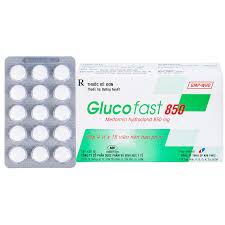
Managing diabetes typically involves more than one medication — and for most adults with Type 2 diabetes, the full medication list includes glucose-lowering drugs, blood pressure medications, a statin for cardiovascular risk reduction, and often additional agents for kidney protection, weight management, or other conditions. The average adult with Type 2 diabetes takes four to five prescription medications, and many take more. In this environment, medication errors — taking the wrong dose, missing a drug interaction, continuing a discontinued medication, or failing to disclose a supplement at a prescribing visit — are a meaningful safety concern. A structured medication list template for diabetes care is not a bureaucratic requirement; it is a safety tool that reduces the probability of avoidable medication errors and makes every care encounter more efficient and more accurate. This guide covers what a diabetes medication list should include, how to keep it current as regimens change, how to use it at care visits and emergency encounters, and the specific medication categories that most adults with diabetes need to track.

What a Diabetes Medication List Template Must Include
The Essential Fields — Medication Name, Dose, and Frequency
The minimum information for any medication entry is the full medication name (both brand and generic when known), the dose in milligrams or units, and the frequency of administration — how many times per day, at what times, and whether timing relative to meals matters. For insulin-dependent adults, the insulin section requires additional detail: the type of insulin (basal, rapid-acting, mixed), the units per dose, and the injection or device used. Metformin, for example, might be listed as “Metformin (Glucophage) 1000mg, twice daily with meals — morning and evening.” This level of detail is necessary because a provider seeing the patient for the first time — an emergency room physician, a covering provider, a specialist — cannot make safe prescribing decisions with only the drug name. Dose and timing determine both efficacy and interaction risk. For adults who have had medication dose changes over time — which is common in diabetes as management targets are adjusted — the medication list should always reflect the current dose, not the initial dose or a dose from a prior visit summary. Outdated dose information on a list that is otherwise current is a common source of prescribing errors at specialist visits where the primary diabetes record is not accessible. Our doctor visit checklist for diabetes covers how a current medication list integrates into comprehensive appointment preparation and is the most important document to bring to every care visit.
Prescriber, Pharmacy, and Start Date — Context That Prevents Errors
Beyond the medication itself, a complete medication list entry includes the prescribing clinician’s name, the pharmacy dispensing the medication, and — where known — the date the medication was started. The prescriber field matters when a specialist needs to contact the prescribing clinician before making a related change, or when an urgent care provider needs to understand who is managing the diabetes regimen before adding a medication that might interact. The pharmacy field allows a provider to quickly pull a dispensing history that provides the most accurate record of what the patient has actually been taking — useful when the patient’s own list may have gaps or the medication names are unclear. The start date — even a rough month and year — provides context for whether a medication is newly initiated (and therefore possibly responsible for recent changes in symptoms or glucose patterns) or long-established (and therefore unlikely to explain a recent change). For adults whose diabetes regimen has evolved over years with multiple medication additions, discontinuations, and dose adjustments, the start date field also helps distinguish active medications from discontinued ones — a confusion that creates errors when old lists are presented at new encounters without clearly marking what is no longer being taken. Our blood sugar log templates guide covers the glucose monitoring record that complements the medication list — together forming the core self-management documentation that care teams most need to review at every visit. The best blood glucose monitors guide covering the monitoring equipment that generates the glucose data documented alongside the medication regimen is in our best blood glucose monitors guide. The questions to ask about Type 2 diabetes guide covering medication-specific questions — why a medication was prescribed, what its target is, what side effects to watch for, and when it should be adjusted — is in our questions to ask about Type 2 diabetes guide. The long-term diabetes care plan guide covering how the medication regimen evolves over the multi-year course of diabetes management — adding cardiovascular protection, adjusting for kidney function changes, incorporating newer agents — is in our long-term diabetes care plan guide. The annual care checklist that includes medication list review and reconciliation as a standard annual diabetes management task — including identifying any discontinued medications still on the list and medications that may need adjustment — is in our annual diabetes care checklist. The living well with diabetes guide covering how structured self-management tools including the medication list reduce the administrative burden of managing a complex chronic condition is in our living well with diabetes guide. The supplement safety guide covering how and why supplements are documented on the medication list — and why full disclosure to prescribers is essential for safety — is in our supplement safety for people with diabetes guide. The FDA’s medication error reporting data identifies the types of errors most commonly responsible for preventable adverse events — many of which are addressable through accurate, complete medication documentation. The ADA’s medication treatment guidance covers the evidence base for the medication categories most commonly used in diabetes care and why specific agents are recommended for adults with diabetes and cardiovascular or kidney disease. The NIDDK’s insulin and diabetes medicines overview provides a practical guide to the medications most commonly prescribed for Type 1 and Type 2 diabetes, supporting the informed self-management that an accurate medication list enables.
Medication Categories to Include in a Diabetes Medication List
Glucose-Lowering Medications — The Core of the Diabetes Regimen
The glucose-lowering medication section of a diabetes medication list typically includes one or more agents from the major drug classes used in Type 2 diabetes management. Metformin — the most widely prescribed first-line medication for Type 2 diabetes — is often the foundation of the regimen. Its dose, frequency, and whether it is taken with meals (recommended to reduce gastrointestinal side effects) should be documented. For adults on second-line agents, the medication list should capture the drug class along with the specific medication: SGLT-2 inhibitors (empagliflozin, dapagliflozin, canagliflozin), GLP-1 receptor agonists (semaglutide, liraglutide, dulaglutide — including whether they are oral or injectable and the injection frequency), DPP-4 inhibitors (sitagliptin, saxagliptin), sulfonylureas (glipizide, glimepiride, glyburide), and thiazolidinediones (pioglitazone). For adults on insulin — whether Type 1 or insulin-requiring Type 2 — the insulin section is the most complex and requires the most detail: basal insulin (insulin glargine, insulin detemir, insulin degludec) with the current dose in units and the injection timing; rapid-acting insulin (insulin lispro, insulin aspart, insulin glulisine) with the current dose range, the carbohydrate ratio used to calculate bolus doses, and the correction factor. Insulin regimens change more frequently than oral medications — dose adjustments at home based on glucose patterns are common for adults on basal-bolus regimens — and the medication list must be updated with each regimen change rather than reflecting a historical dose that is no longer being used.
Cardiovascular and Kidney-Protective Medications
Adults with diabetes are at significantly elevated cardiovascular risk, and the standard of care for most adults with Type 2 diabetes includes blood pressure management and lipid-lowering therapy alongside glucose management. The medication list must capture these agents — not because they are “diabetes medications” in a narrow sense, but because they are part of the complete therapeutic regimen that every care provider needs to know about. ACE inhibitors and ARBs — lisinopril, ramipril, losartan, candesartan — are recommended for adults with diabetes and hypertension, and are additionally recommended for adults with diabetes and kidney disease (diabetic nephropathy) regardless of blood pressure levels, because they provide specific kidney-protective effects independent of blood pressure reduction. The medication list entry should note the dose and frequency, and the reason for use (“blood pressure and kidney protection”) — because some adults are prescribed these agents at sub-therapeutic blood pressure doses specifically for kidney protection, which might otherwise appear to be an inappropriately low dose. Statins — atorvastatin, rosuvastatin, simvastatin — are recommended for most adults with diabetes over 40 with additional cardiovascular risk factors, based on evidence that statin therapy significantly reduces cardiovascular event risk independent of baseline LDL cholesterol. Documenting the statin dose and whether it is the high-intensity version (atorvastatin 40–80mg, rosuvastatin 20–40mg) versus moderate-intensity helps any consulting provider assess whether the current regimen meets guideline intensity recommendations. Aspirin — 75–100mg daily — remains recommended for secondary prevention (adults with diabetes who have already had a cardiovascular event) and is the subject of ongoing guideline discussion for primary prevention. Its presence or absence on the medication list — along with the indication — provides important context for prescribers making anticoagulation decisions during procedures or acute illness. The long-term diabetes care plan guide covers how cardiovascular and kidney protection targets evolve over the multi-year course of diabetes management — including how medication additions and adjustments are driven by changing risk profiles. Our long-term diabetes care plan guide provides the comprehensive framework for how the medication regimen evolves with disease progression and complication risk.
Supplements — The Most Commonly Omitted Category
Supplements — vitamins, minerals, herbal products, and over-the-counter health products — are the most commonly omitted category on medication lists, and their omission is responsible for a disproportionate share of the medication interaction concerns that affect adults with diabetes. The reasons supplements are omitted are understandable: they are purchased without a prescription, they are not covered by insurance, they feel like health products rather than “real” medications, and many adults assume that natural products are inherently safe and therefore not relevant to their prescription regimen. None of these assumptions are correct from a clinical safety perspective. Supplements that are commonly used by adults with diabetes and that can affect either glucose levels or medication safety include: berberine (clinically significant glucose-lowering effect — can potentiate metformin or insulin and cause hypoglycemia if doses are not accounted for), cinnamon (mild glucose-lowering effect, variable quality and dose), chromium (influences insulin sensitivity), magnesium (important for insulin signaling; deficiency is common in adults with Type 2 diabetes), vitamin D (associated with metabolic health; supplementation often recommended), and omega-3 fatty acids (cardiovascular risk reduction; high doses can affect bleeding risk, relevant for adults on aspirin or anticoagulants). Herbal products including St. John’s Wort — widely used for mood support — significantly affect the metabolism of many medications through CYP enzyme induction; adults taking St. John’s Wort alongside diabetes medications may have altered drug levels without being aware of the interaction. Recording every supplement on the medication list — with dose, frequency, and brand where known — provides prescribers with the complete picture needed to identify interaction concerns before they become clinical problems. Our supplement safety for people with diabetes guide covers why full supplement disclosure to the care team is essential and the specific interaction concerns most relevant to adults managing diabetes. The fiber supplements and blood sugar guide covers a specific supplement category with meaningful glucose effect that belongs on the medication list when being used — our fiber supplements and blood sugar guide covers how fiber supplementation affects the glucose readings documented alongside the medication list. The berberine and blood sugar guide covering one of the most pharmacologically active supplements used by adults with diabetes — with clinically significant glucose-lowering effects that require disclosure at every care encounter — is in our berberine and blood sugar guide.
Keeping the Medication List Current
When and How to Update — The Medication Reconciliation Practice
A medication list is only as useful as it is current, and a medication list that reflects a prior regimen rather than the current one is not merely unhelpful — it actively misleads care providers who rely on it. The practice of keeping a medication list current is called medication reconciliation, and it requires updating the list after every change to the regimen: a new prescription, a discontinued medication, a dose change, or the addition of a new supplement. For adults with diabetes whose medication regimen is adjusted frequently — as is common in the years following diagnosis when treatment targets are being established — medication reconciliation may be required several times per year. Practical approaches to keeping the list current include: updating the list at every pharmacy pickup (when the dispensed medication label can be compared to the list for accuracy); taking the list to every appointment and asking the care team to note any changes before leaving; setting a quarterly reminder to compare the list to the current pharmacy medication records; and using a shared notes document or app that is accessible from a phone so updates can be made immediately when changes are communicated verbally at a visit rather than reconstructed later from memory. For adults managing insulin with frequent dose adjustments, a separate running insulin dose log — noting each dose change with the date it was made — can complement the static medication list to provide the full adjustment history rather than only the current dose. The doctor visit checklist guide covers medication list review as a standard pre-appointment task and how to use the medication list as the basis for the medication reconciliation conversation that should occur at every diabetes care visit. Our doctor visit checklist for diabetes covers how to prepare and use the medication list at every type of care encounter. The questions to ask about Type 2 diabetes — including the questions most directly generated by the medication list, such as “What is the target for this medication?” and “When should we consider adjusting this dose?” — are in our questions to ask about Type 2 diabetes guide. The annual care checklist covering formal medication reconciliation as a standard annual diabetes management task is in our annual diabetes care checklist. The blood sugar log templates guide covering the glucose monitoring record that complements the medication list — together constituting the core self-management documentation for every care visit — is in our blood sugar log templates guide.
Using the Medication List in Emergency Situations
One of the most critical uses of a medication list — and the one most likely to have an immediate safety impact — is at emergency care encounters where the patient’s primary medical record is not accessible. Adults with diabetes who are seen in an emergency room for any reason, or who are seen by a provider unfamiliar with their diabetes management, face a prescribing environment where the care team is making medication decisions without their usual records. The medication list — stored in a wallet card format, photographed on a phone, or available in a phone’s health record — allows the emergency provider to know immediately what medications and doses the patient is taking, which significantly affects decisions about drug administration (avoiding medications that interact with existing prescriptions), fluid management (relevant for adults on SGLT-2 inhibitors, which should be held in acute illness), insulin management (avoiding both under- and over-treatment during illness when glucose regulation changes), and anesthesia preparation (if surgery is indicated). Adults who have been hospitalized and then discharged must review their medication list carefully after discharge, because hospitalization frequently involves temporary medication holds — insulin is often adjusted, metformin is typically held before contrast imaging, some blood pressure medications are adjusted during acute illness — and the post-discharge reconciliation must confirm which changes are permanent and which were temporary, and update the list accordingly. The living well with diabetes guide covering how structured self-management tools including the medication list reduce the cognitive burden of managing a complex chronic condition across multiple care settings is in our living well with diabetes guide. The continuous glucose monitors guide — covering monitoring technology that provides additional safety data alongside the medication record during illness and acute care events — is in our continuous glucose monitors guide.
Medication Side Effects — What to Document and When to Report
An often-underused function of a medication list is as a reference for the expected and unexpected side effects of each medication in the regimen — and as the framework for deciding when a symptom warrants contacting the care team. Common side effects of diabetes medications that adults should be aware of and document when they occur include: metformin-associated gastrointestinal symptoms (nausea, diarrhea, stomach upset — common at initiation, usually improve over several weeks, and rarely occur with the extended-release formulation); SGLT-2 inhibitor-associated genital yeast infections and urinary tract infections (more common in women); GLP-1 receptor agonist-associated nausea and reduced appetite (usually most prominent in the first weeks of therapy and dose escalation); sulfonylurea-associated hypoglycemia (particularly in older adults or those with irregular meal timing — one of the most important side effects to recognize and document when it occurs). Adding a brief notes field to each medication entry — “started 2020, mild GI symptoms initially resolved” or “GLP-1 — nausea for first 3 weeks of each dose escalation” — creates a side effect history that helps explain past medication changes and informs decisions about future agents in the same class. For adults who have tried and discontinued medications due to side effects, noting the discontinued medications and the reason for discontinuation provides important context that prevents re-prescribing agents that were previously not tolerated. This adverse effect history is especially relevant when seeing a new provider or a specialist who does not have the full medication history. The how to review blood sugar supplements guide — covering the framework for evaluating any glucose-management intervention, including how to assess side effects and decide when to discontinue — is in our how to review blood sugar supplements guide. The diabetes apps guide covering digital tools that include medication reminders, side effect logs, and care team communication features — which complement a paper or digital medication list — is in our diabetes apps guide. The questions to ask about prediabetes guide covering medication decisions at the prediabetes stage — including when medication may be recommended and what questions to ask before starting — is in our questions to ask about prediabetes guide. The building healthy habits guide covering the lifestyle practices that reduce medication burden over time — particularly for adults with Type 2 diabetes where improved glucose control through diet, activity, and weight management can allow dose reductions — is in our building healthy habits with diabetes guide.
Sources: ADA Standards of Care in Diabetes 2024 — Pharmacologic Approaches to Glycemic Treatment; NIDDK Insulin and Diabetes Medicines Overview 2024; FDA Medication Error Reports 2024; Budnitz DS et al. Emergency hospitalizations for adverse drug events in older Americans. NEJM 2011; Pippins JR et al. Classifying and predicting errors of inpatient medication reconciliation. Journal of General Internal Medicine 2008.
I shared this article on medication list template for diabetes care with my doctor and they appreciated the level of detail. I appreciate that the article is careful about distinguishing between what is known and what is still being researched. Exactly the kind of evidence-based information that is hard to find in one place.
I never fully understood medication list template for diabetes care until I read this. The section on managing this condition day-to-day was especially useful for planning. Will definitely be coming back to this site for more health information.
Came across this while researching medication list template for diabetes care for a family member. The article answered questions I didn’t even know I had until I started reading. This is exactly why I prefer this website over generic health platforms.