
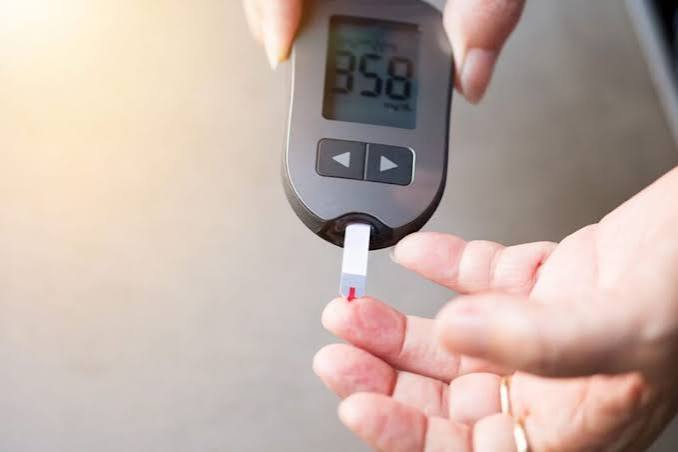
The blood sugar supplement market generates billions of dollars annually — a scale that creates enormous financial incentives to market products ahead of evidence. Adults with diabetes and prediabetes are primary marketing targets: conditions that are chronic, challenging to manage perfectly, and where any promise of improvement is appealing. The result is a supplement landscape where some products have genuinely strong clinical evidence, some have weak but plausible evidence, and many have essentially no human evidence whatsoever — and all are marketed with similar confidence and similar claims. Developing the ability to distinguish these categories does not require a medical degree. It requires a consistent set of questions applied to any supplement before purchase, and knowledge of where to find independent evidence assessments that are not financially connected to supplement sales. This guide provides that framework — five questions to ask about any blood sugar supplement, the red flags that signal weak evidence packaged as strong evidence, and the independent resources to consult before deciding.
The Evidence Pyramid — Why Research Type Matters
From Strongest to Weakest — Understanding Evidence Quality
Not all research is equally trustworthy for predicting whether a supplement will benefit you. The evidence pyramid ranks study types from most to least reliable for human health decisions. At the top sit meta-analyses and systematic reviews — studies that combine and analyze the results of multiple randomized controlled trials, providing the most statistically reliable estimate of an effect across populations and study designs. Below them sit individual randomized controlled trials (RCTs) — studies that randomly assign participants to supplement or placebo and compare outcomes, controlling for selection bias and placebo effects. These are the gold standard for supplement efficacy evidence. Further down sit cohort studies and observational research — studies that observe populations without random assignment, which can establish association but cannot prove causation (healthy people who eat more omega-3 might have better blood sugar for many reasons unrelated to omega-3). Near the bottom sit animal studies — valuable for mechanism research but frequently misleading for predicting human effects, because rodent metabolic physiology differs from human physiology in ways that routinely produce failed translation to clinical trials. At the very bottom sit expert opinion, testimonials, case reports, and anecdotes — the types most commonly featured in supplement marketing, and the least reliable for predicting individual benefit. Understanding this pyramid lets you evaluate any supplement claim by asking: what type of evidence is this? A supplement claim citing “studies show” without specifying whether those studies are rodent experiments or meta-analyses of human trials is using deliberately imprecise language to make weak evidence sound strong.
What the Marketing Typically Shows — and What It Omits
Blood sugar supplement marketing typically highlights the most favorable individual studies, omits unfavorable or conflicting studies, cherry-picks the highest-effect results from a heterogeneous trial literature, presents mechanistic or animal evidence as if it were equivalent to human clinical trial evidence, and reports relative risk reductions rather than absolute effect sizes (which makes modest effects sound more impressive). The supplement that “reduces blood sugar by 40%” in a single study may have reduced it by 5 mg/dL in absolute terms — meaningless for clinical glucose management — while the marketing omits the four other trials showing no effect and one trial showing harm. Reading the marketing claim alongside the actual study abstract (available free through PubMed for most clinical research) reveals these omissions quickly. If the marketing cites no specific study — only general phrases like “clinically proven” or “backed by science” — there is no published peer-reviewed evidence to examine. If the marketing cites a study but does not link to it, that is a warning sign. If the cited study is conducted by the same company selling the supplement, it requires independent replication before the finding should be trusted. Our supplements for blood sugar overview guide covers the evidence ratings for the most commonly marketed blood sugar supplements — providing the context that advertising omits.
The 5-Question Framework for Any Blood Sugar Supplement
Question 1 — What Type of Evidence Exists?
The first question is the most fundamental: has this supplement been tested in human randomized controlled trials, and have those trials been replicated by independent researchers? Berberine has been tested in dozens of randomized trials across multiple countries and research groups — replication by independent investigators is critical because it filters out results that were artifacts of a specific laboratory, population, or methodology. Psyllium fiber has similarly large, replicated, multi-group trial evidence. Cinnamon has a more conflicted trial literature — multiple trials with mixed results, some positive and some showing no effect — which is informative about the likely modest or inconsistent effect size. A supplement that has been tested only in one or two small trials, or only in trials conducted by the manufacturer, has a much weaker evidence base regardless of how strongly positive those trials were. Replication by independent researchers is the quality filter that the most important supplements pass and poorly evidenced supplements do not.
Question 2 — What Dose Was Used in Trials, and Does the Product Match?
Positive clinical trials of a supplement use specific doses. If a supplement has evidence at 1,500 mg daily (as berberine does) and the product being evaluated contains 200 mg per capsule with a recommended dose of one capsule daily, the product does not deliver the dose that produced trial results. This dose gap between evidence and product is common in the supplement market — a product can use the name of a well-evidenced supplement but deliver a fraction of the evidence dose, trading on the supplement’s reputation while providing inadequate amounts to replicate the clinical evidence. Always compare the product’s recommended daily dose against the dose range used in the clinical trials that support the supplement’s claims. If the doses do not match — and the product dose is substantially lower — the clinical trial evidence does not apply to that product as used. Our berberine and blood sugar guide, our fiber supplements guide, our chromium guide, our magnesium guide, and our cinnamon guide all specify the dose ranges used in positive clinical trials — providing the reference point for evaluating whether any given product delivers the evidence dose.
Question 3 — Which Population Was Studied, and Are You in It?
A supplement showing benefits in adults with poorly controlled Type 2 diabetes (HbA1c above 9%) may show no benefit in adults with well-controlled diabetes or prediabetes. A supplement studied exclusively in Asian populations may have different effects in non-Asian populations due to differences in baseline gut microbiome composition, dietary patterns, or genetic variation in drug metabolism. Most blood sugar supplement trials have been conducted in China — which is appropriate given the high diabetes prevalence and active research infrastructure there — but direct applicability to Western populations with different dietary baselines and microbiome profiles should not be assumed. Looking at whether the study population resembles your own situation — similar diabetes status, similar medication context, similar baseline glucose levels — helps assess whether positive trial results are likely to translate to individual benefit. This is not a reason to dismiss evidence from different populations, but it is a reason to hold appropriate uncertainty about effect size in your specific context.
Questions 4 and 5 — What Are the Risks, and What Do Independent Sources Say?
Question 4: what are the documented safety risks, and do any apply to your specific medication list and health conditions? Every supplement with real clinical effects also has real safety considerations — the supplement safety framework covered in detail in our supplement safety for people with diabetes guide provides the structure for this evaluation. Question 5 is the independent verification step: check the supplement in a non-commercial evidence source that has no financial relationship with supplement sales. The three most reliable independent sources for blood sugar supplement evidence are: the National Center for Complementary and Integrative Health (NCCIH) — which publishes evidence summaries for commonly used supplements; the NIH Office of Dietary Supplements (ODS) — which provides fact sheets covering the clinical trial literature, dietary recommendations, and safety information; and ConsumerLab — a subscription-based independent testing service that evaluates product quality and evidence, with some free content. All three sources assess evidence without financial incentives from supplement manufacturers and report evidence comprehensively — including unfavorable trials and safety concerns that marketing omits. Our vitamin D and diabetes risk guide covers a supplement where the epidemiological evidence is impressive but the supplementation trial evidence is more nuanced — an example where independent review reveals important distinctions that marketing obscures. The probiotics guide — covering a supplement category where product quality varies enormously and independent testing reveals substantial label inaccuracy — is in our probiotics and blood sugar guide. The doctor visit checklist covering the care team review step — the human expert layer on top of the 5-question framework — is in our doctor visit checklist for diabetes guide. The annual diabetes care checklist that includes supplement review as part of the comprehensive annual assessment is in our annual diabetes care checklist. The building healthy habits guide — covering the evidence-based lifestyle interventions that outperform any supplement for glucose management, reducing the stakes of individual supplement decisions — is in our building healthy habits with diabetes guide. The NCCIH’s diabetes and dietary supplements evidence guide provides the comprehensive independent supplement evidence assessment that is the ideal starting point for any blood sugar supplement review. The NIH ODS complete list of supplement fact sheets covers dosing, evidence, safety, and interactions for individual vitamins, minerals, and botanical supplements — the most detailed non-commercial reference available. The PubMed free research database provides access to most published clinical trial abstracts — allowing any adult to read the primary evidence behind supplement claims rather than relying on marketing summaries.
Red Flags in Blood Sugar Supplement Marketing
Language Patterns That Signal Weak Evidence
Certain language patterns in supplement marketing are reliable signals of weak underlying evidence packaged to sound stronger. “Ancient wisdom” or “used for thousands of years” — historical use in traditional medicine predates evidence evaluation and does not establish efficacy or safety by modern standards. Many plants used in traditional medicine have been found inactive, ineffective, or harmful when studied with controlled trials; others have been validated. History is not the evidence. “Clinically proven” or “scientifically studied” without citing specific peer-reviewed publications in named journals — these phrases are legally usable with almost no evidentiary threshold and are common in marketing for supplements with no meaningful human trial data. “Doctors recommend” or “as seen on TV” — endorsement by a single physician, or media appearance, does not constitute clinical evidence. “No side effects” or “completely natural and safe” — no supplement with biological activity in the body is side-effect free for all users, and natural does not mean safe (arsenic, cyanide, and many hepatotoxic plants are natural). Any supplement marketed with “no side effects” is either pharmacologically inactive or not fully disclosing its safety profile. “Guaranteed to lower blood sugar” — no supplement can legally guarantee a pharmaceutical effect in disease treatment, and any such claim on a supplement label should trigger skepticism about the product’s regulatory compliance and marketing honesty overall. Recognizing these language patterns takes approximately 30 seconds per product and filters out most of the most poorly evidenced supplements without any research.
The Proprietary Blend Red Flag
Many blood sugar supplements list a “proprietary blend” — a mixture of several ingredients at a total undisclosed amount per ingredient. The marketing features the blend’s total weight and lists impressive ingredients, while the actual amount of any individual ingredient is hidden behind the proprietary blend designation. This matters because, as established in Question 2 of the framework, the dose of each ingredient must match trial evidence doses to produce the clinical effects attributed to that ingredient. A proprietary blend containing berberine, chromium, cinnamon, and magnesium in a total of 500 mg per serving could contain 50 mg of each — far below the effective clinical dose of any of them — while marketing each ingredient’s individual research as evidence for the product. Proprietary blends are legal, common, and a near-universal indicator that the product cannot deliver the dose evidence of any individual ingredient. Products with transparent ingredient labeling — showing the exact amount of each ingredient per serving — allow comparison against trial doses. Choose transparent labeling products over proprietary blends when evaluating blood sugar supplements.
Applying the Framework — Three Examples
Berberine — High Evidence, Real Safety Considerations
Applying the 5-question framework to berberine: Q1 — multiple meta-analyses of randomized controlled trials in humans, replicated independently across research groups in multiple countries. Strong evidence type. Q2 — 500 mg three times daily (1,500 mg total per day) is the evidence dose; products delivering less than this amount will not replicate trial results. Q3 — primarily adults with Type 2 diabetes in East Asian populations; some evidence in other populations, but with less trial diversity. Q4 — significant CYP3A4 drug interaction risk with statins and many other medications; additive hypoglycemia risk with insulin and sulfonylureas; contraindicated in pregnancy. Requires care team disclosure and pharmacist review if on any of these medications. Q5 — NCCIH rates berberine as having promising but preliminary evidence; NIH ODS and major diabetes organizations note the drug interaction risks consistently. Verdict: berberine has the strongest replicated glucose evidence of any common blood sugar supplement, but the interaction risks require care team review before use. The berberine and blood sugar guide covers the complete evidence and interaction profile in our berberine and blood sugar guide.
Cinnamon — Mixed Evidence, Ceylon Safety Distinction
Applying the framework to cinnamon: Q1 — multiple randomized controlled trials, but results are mixed — some show significant glucose reduction, others show no effect. The evidence is less consistent than berberine’s, suggesting either a weaker effect or significant responder heterogeneity. Q2 — 1–6 grams daily in the positive trials; most commercial cinnamon products suggest 500 mg (0.5 grams) per capsule at 1–2 capsules daily — substantially below the higher-end evidence doses. Q3 — evidence in adults with Type 2 diabetes and prediabetes, with inconsistent results across populations. Q4 — Cassia cinnamon (the common grocery store variety, used in most supplements) contains coumarin, a compound with liver toxicity potential at high doses with long-term use. Ceylon cinnamon has virtually no coumarin and is the safe form for long-term supplementation above 1–2 grams daily. The Ceylon-Cassia distinction is the most important safety consideration and is frequently omitted from cinnamon supplement marketing. Q5 — NCCIH notes the inconsistent trial evidence and the Cassia liver toxicity concern. Verdict: cinnamon has plausible but inconsistent evidence; Ceylon form is the safe long-term choice; verify form before purchasing. The cinnamon and blood sugar guide is in our cinnamon and blood sugar guide.
A Poorly-Evidenced Supplement — How the Framework Filters It
Many marketed blood sugar supplements have essentially no human randomized trial evidence — only rodent studies, in-vitro cell culture research, or single small uncontrolled human trials. Applying the framework: Q1 — only animal or in-vitro evidence. This fails the first question entirely; in-vitro evidence does not predict human clinical effects, and the history of supplements that showed great results in cells and rodents but failed in human trials is extensive. Q2 — no human trial dose has been established because no human trials exist. Q3 — no human population has been studied. Q4 — safety profile unknown in humans because no human trials have been conducted. Q5 — NCCIH and NIH ODS do not include the supplement in their evidence reviews, or explicitly note the absence of adequate human evidence. Verdict: no basis for supplementation. The 5-question framework reaches this conclusion in under two minutes of research, without requiring medical training — and without spending money on a product that cannot be expected to produce the marketed benefits. The supplement safety guide covering the regulatory gap that allows these products to market without evidence is in our supplement safety for people with diabetes guide. The fiber supplements guide — covering a supplement with strong, replicated, mechanistically clear evidence at a lower cost and lower risk profile than most marketed blood sugar supplements — is in our fiber supplements and blood sugar guide. The magnesium guide covering the mineral supplement where individual deficiency testing determines who benefits — the evidence-guided approach to supplementation — is in our magnesium and blood sugar guide. The vitamin D guide covering a supplement where epidemiological evidence is impressive but supplementation trial evidence distinguishes who actually benefits — the analysis approach the framework teaches — is in our vitamin D and diabetes risk guide. The probiotics guide covering a supplement where product quality varies enormously and independent testing reveals label inaccuracy — the category where Q2 dose verification matters most — is in our probiotics and blood sugar guide. The annual care checklist that includes a systematic supplement review using this framework as part of comprehensive annual diabetes management is in our annual diabetes care checklist. The doctor visit checklist covering the care team disclosure step — the human expert layer on top of the 5-question self-evaluation — is in our doctor visit checklist for diabetes guide. The building healthy habits guide — covering the lifestyle intervention evidence that far exceeds any supplement for glucose management, providing context for what supplements can and cannot realistically accomplish — is in our building healthy habits with diabetes guide. The NCCIH diabetes and dietary supplements guide — the independent non-commercial starting point for any blood sugar supplement research — provides the baseline evidence and safety assessment the 5-question framework draws on. The NIH ODS complete supplement fact sheets provide detailed evidence reviews for individual vitamins, minerals, and botanicals — the reference library for Q1 and Q4 in the framework. The PubMed clinical research database provides direct access to published clinical trial evidence — the primary source that bypasses marketing summaries entirely.
Making the Framework a Habit
The 5-question framework takes less than 10 minutes per supplement when used consistently. The habit worth building is: before purchasing any new blood sugar supplement — regardless of how confidently it is marketed, how many testimonials it features, or how much a trusted person recommends it — spend those 10 minutes checking the five questions. The first check (evidence type) eliminates the majority of poorly evidenced supplements immediately. The second check (dose match) eliminates most of the rest. The final three questions protect against the specific safety and population-fit issues that remain after the evidence and dose pass. Adults who build this evaluation habit before supplementing — rather than after — avoid the most common patterns of supplement harm and wasted expenditure in diabetes management. The 10 minutes invested in evaluation before purchase is far less than the time and cost of managing an adverse interaction, and far more productive than relying on marketing language designed to bypass critical evaluation entirely.
Sources: Blendon RJ et al. Americans’ views on the use and regulation of dietary supplements. Archives of Internal Medicine 2001; Asher GN, Corbett AH, Hawke RL. Common herbal dietary supplement-drug interactions. American Family Physician 2017; NCCIH Diabetes and Dietary Supplements Evidence Guide 2024; NIH ODS Supplement Fact Sheets 2024; FDA Dietary Supplements Guidance 2024; ADA Standards of Care in Diabetes 2024.
This breakdown of how to review blood sugar supplements is exactly what patients need before a specialist appointment. I appreciate that the article is careful about distinguishing between what is known and what is still being researched. Keep up this kind of thorough health journalism — it genuinely helps patients like me.
Thank you for covering how to review blood sugar supplements so thoroughly without being overly technical. The article answered questions I didn’t even know I had until I started reading. Looking forward to reading more articles from this website.
Thank you for covering how to review blood sugar supplements so thoroughly without being overly technical. The practical tips made this immediately actionable, not just theoretical. This is exactly why I prefer this website over generic health platforms.