

Vitamin D deficiency is not a niche concern in diabetes management — it is among the most common nutritional deficiencies in adults with Type 2 diabetes, with prevalence estimates of 60–80% in diabetic populations depending on geography, skin pigmentation, and lifestyle factors. The epidemiological evidence consistently shows that lower vitamin D levels are associated with higher diabetes risk, worse glycemic control, and greater insulin resistance. The biological mechanisms connecting vitamin D to glucose regulation are well-characterized: vitamin D receptors expressed in pancreatic beta cells directly regulate insulin secretion gene expression, vitamin D modulates calcium signaling pathways required for insulin release, and vitamin D’s immune-modulating effects reduce the inflammatory processes that drive both Type 1 and Type 2 diabetes progression. Whether correcting vitamin D deficiency through supplementation translates into clinically meaningful glucose improvement is a question where the evidence is real but more nuanced than the strong epidemiological associations suggest. This guide covers the biology, the evidence for supplementation, the appropriate testing approach, and the practical framework for adults with diabetes evaluating their vitamin D status.
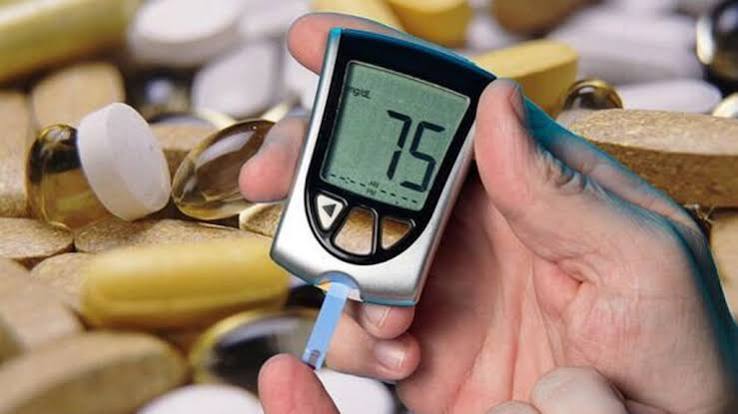
How Vitamin D Affects Insulin and Blood Sugar
Vitamin D Receptors in Pancreatic Beta Cells
Pancreatic beta cells — the cells that produce and secrete insulin — express vitamin D receptors (VDRs) on their surface and in their nucleus. When activated vitamin D (calcitriol) binds to these VDRs, it triggers transcription of several genes involved in insulin synthesis, processing, and secretion. This direct gene-regulatory role means that beta cell function is partly dependent on adequate vitamin D status — not as a drug-like pharmacological effect but as a nutritional requirement for normal beta cell gene expression. Adults with severe vitamin D deficiency have impaired insulin secretion response to glucose challenge — their beta cells produce less insulin per unit of glucose stimulation than vitamin D-replete adults. This impaired first-phase insulin secretion — the rapid burst of insulin that prevents the initial glucose spike after a meal — is a key early defect in Type 2 diabetes progression, and vitamin D deficiency appears to accelerate this defect. Correcting vitamin D deficiency in adults with early beta cell impairment may partially restore this first-phase insulin response, contributing to better post-meal glucose management.
Calcium Signaling and Insulin Secretion
Vitamin D also affects insulin secretion through calcium — not directly but through its role in maintaining normal blood calcium levels and cellular calcium transport. Insulin secretion from beta cells is triggered by a calcium influx mechanism: when glucose enters the beta cell and ATP rises, voltage-gated calcium channels open, calcium floods in, and this calcium influx triggers insulin granule release. Vitamin D deficiency impairs calcium homeostasis — chronically low calcium availability disrupts the calcium influx mechanism in beta cells, reducing insulin secretion independent of the VDR-mediated gene regulatory mechanism. This calcium pathway is why vitamin D deficiency impairs insulin secretion through two concurrent mechanisms — the gene regulation pathway and the calcium signaling pathway — making the combined impairment more than either mechanism alone would produce. The calcium connection also explains why vitamin D and calcium co-supplementation shows stronger effects on insulin secretion in some trials than vitamin D alone — the mineral and vitamin are physiologically interrelated in this pathway.
Insulin Resistance Effects — Beyond Secretion
Beyond beta cell insulin secretion, vitamin D also influences insulin sensitivity in peripheral tissues — the effectiveness with which muscle and fat cells respond to insulin signaling. Vitamin D receptor activation in skeletal muscle improves the expression of GLUT4 glucose transporters — the same transporter proteins whose translocation to the cell surface allows glucose to enter muscle cells. Vitamin D deficiency reduces GLUT4 expression in muscle, contributing to peripheral insulin resistance independent of the secretion impairment. Additionally, vitamin D’s anti-inflammatory effects reduce the systemic inflammatory cytokines — particularly TNF-alpha and IL-6 — that directly impair insulin receptor signaling. Adults with Type 2 diabetes who are vitamin D deficient therefore face a threefold glucose management impairment: reduced insulin secretion (from beta cell VDR and calcium pathway defects), reduced peripheral insulin sensitivity (from impaired GLUT4 expression), and worsened inflammatory insulin resistance (from loss of vitamin D’s anti-inflammatory effects). Correcting deficiency addresses all three pathways simultaneously. Our supplements for blood sugar overview guide contextualizes vitamin D within the full supplement landscape — comparing its evidence profile with the more directly glucose-focused supplements like berberine and fiber.
Clinical Trial Evidence — Supplementation and Glucose Outcomes
The Epidemiological Evidence — Strong and Consistent
The observational evidence linking low vitamin D status to high diabetes risk is among the most replicated findings in nutritional epidemiology. A 2007 meta-analysis in Diabetes Care found that adults with the highest vitamin D levels had a 43% lower risk of developing Type 2 diabetes compared to those with the lowest levels. Multiple prospective cohort studies have confirmed this inverse relationship — low vitamin D predicts future diabetes development across populations, adjusted for confounders including obesity, physical activity, and diet. These associations are biologically plausible given the mechanisms described above. However, association does not establish causation — lower vitamin D levels may be partly a consequence of poor metabolic health rather than the cause of diabetes risk. Obese adults have lower vitamin D bioavailability because vitamin D is fat-soluble and sequestered in adipose tissue; sedentary adults have lower sun exposure; metabolically unhealthy adults may have dietary patterns lower in vitamin D-containing foods. Teasing apart cause and effect requires randomized controlled trials of supplementation — which have produced more nuanced results than the epidemiology suggests.
Supplementation Trial Evidence — Benefit in Deficiency, Not in Sufficiency
Randomized controlled trials of vitamin D supplementation for glucose outcomes show a consistent pattern: benefits appear primarily in adults who are deficient at baseline (25-hydroxyvitamin D below 20 ng/mL), while adults who are already vitamin D sufficient show minimal additional glucose benefit from supplementation. The VITAL-D substudy — part of the large VITAL trial — found no significant effect of vitamin D3 supplementation (2000 IU daily) on diabetes incidence over 5 years in adults who were predominantly vitamin D sufficient at baseline. The D-Health trial — 60,000 IU monthly vitamin D3 supplementation in older adults in Australia over 3 years — similarly found no significant reduction in diabetes incidence. In contrast, trials specifically enrolling vitamin D-deficient adults have found meaningful improvements: a 2017 study in Nutrients found that correcting vitamin D deficiency in adults with Type 2 diabetes and low baseline vitamin D levels improved fasting glucose and insulin sensitivity compared to placebo. The conclusion from this pattern of evidence is important for practical supplementation decisions: vitamin D supplementation appears to correct a deficiency-driven impairment in glucose regulation but does not provide additional benefit beyond that correction. Testing vitamin D status before supplementing — rather than supplementing universally — determines who is likely to benefit. Our annual diabetes care checklist covers 25-hydroxyvitamin D testing as part of the annual laboratory panel recommended for adults with diabetes. The berberine guide covering the supplement with the strongest replicated glucose reduction evidence for adults regardless of baseline deficiency — a different profile than vitamin D’s deficiency-correction mechanism — is in our berberine and blood sugar guide. The magnesium guide covering the mineral deficiency most common in adults with long-standing diabetes — often co-deficient with vitamin D — is in our magnesium and blood sugar guide. The supplement safety guide covering the dose limits and toxicity risk for fat-soluble vitamin supplementation — particularly important for vitamin D, which accumulates in fat tissue — is in our supplement safety for people with diabetes guide. The chromium guide covering insulin signaling amplification through chromodulin — another mineral mechanism relevant to insulin resistance beyond secretion — is in our chromium and blood sugar guide. The probiotics guide covering the gut microbiome pathways that intersect with vitamin D’s anti-inflammatory effects on insulin resistance is in our probiotics and blood sugar guide. The building healthy habits guide covering dietary vitamin D sources — fatty fish, egg yolks, fortified dairy — alongside sun exposure habits as the food-first approach to vitamin D status is in our building healthy habits with diabetes guide. The guide on reviewing blood sugar supplement claims — covering the epidemiological-versus-trial-evidence distinction that applies directly to vitamin D’s evidence profile — is in our guide to reviewing blood sugar supplements safely. The NIH Office of Dietary Supplements vitamin D health professional fact sheet provides authoritative evidence on vitamin D requirements, blood level interpretation, supplementation dosing, and toxicity risk across health conditions. The ADA’s vitamins and supplements guidance covers the evidence criteria applied to vitamin D in diabetes management, including the testing recommendation. The NIDDK’s diabetes management overview integrates vitamin D status assessment within the comprehensive nutritional approach to diabetes care.
Testing Vitamin D Status — The Essential First Step
Which Test to Order and What Levels Mean
The standard clinical test for vitamin D status is the serum 25-hydroxyvitamin D (25-OH vitamin D) test — also written as 25(OH)D. This test measures the circulating storage form of vitamin D that reflects overall vitamin D status from all sources (sun, food, supplements). It should not be confused with the 1,25-dihydroxyvitamin D (calcitriol) test — the active hormone form — which fluctuates with calcium metabolism and does not accurately reflect overall vitamin D stores. The 25-OH vitamin D test is widely available and included in many routine laboratory panels for adults with diabetes. Interpreting the result: levels below 20 ng/mL (50 nmol/L) are generally classified as deficient, representing a clear nutritional gap requiring supplementation. Levels between 20–29 ng/mL are classified as insufficient by many endocrinology and nutrition organizations — adequate to prevent severe deficiency diseases but potentially suboptimal for insulin secretion and immune function. Levels of 30–60 ng/mL are considered optimal by most guidelines for adults with or at risk of diabetes. Levels above 100 ng/mL (250 nmol/L) may indicate toxicity risk, particularly with supplemental vitamin D intake. Most adults with Type 2 diabetes who have not specifically supplemented vitamin D fall below 30 ng/mL — and a substantial proportion fall below 20 ng/mL — making baseline testing before supplementation both clinically appropriate and practically informative.
Testing Frequency and Follow-Up
Adults who begin vitamin D supplementation to correct deficiency should retest 25-OH vitamin D 3 months after starting supplementation — sufficient time for levels to stabilize at new steady state. This follow-up test confirms that the supplementation dose is achieving adequate repletion (raising levels into the 30–60 ng/mL range) and that levels are not being driven excessively high by the supplement dose. Once target levels are achieved, annual retesting is appropriate for most adults — vitamin D status can shift with seasonal sun exposure changes, changes in dietary intake, or changes in body weight (which affects vitamin D sequestration in adipose tissue). Annual retesting is included in the recommended laboratory panel for adults with diabetes in our annual diabetes care checklist. Adults who are obese may require higher supplemental doses to achieve the same serum 25-OH D level as lean adults — because vitamin D is sequestered in adipose tissue and less available to tissues at a given serum level — another reason why testing guides supplementation rather than a standard population dose.
Vitamin D Dosing — Repletion Versus Maintenance
Standard Repletion Doses for Deficiency
For adults with confirmed deficiency (25-OH vitamin D below 20 ng/mL), a repletion dose of 2,000–4,000 IU of vitamin D3 (cholecalciferol) daily for 8–12 weeks is commonly recommended by endocrinology guidelines. Some practitioners use higher repletion doses (50,000 IU vitamin D2 or D3 weekly for 8 weeks) for rapid correction, but this should only occur under medical supervision with follow-up testing. After repletion, a maintenance dose of 1,000–2,000 IU daily typically maintains adequate levels for most non-obese adults with reasonable sun exposure. Adults living in northern latitudes (above 35°N) during winter months, adults with deeply pigmented skin (which requires longer sun exposure to produce the same vitamin D), adults who consistently avoid sun exposure or who are housebound, and adults who are obese typically require higher maintenance doses — often 2,000–3,000 IU daily — to maintain target serum levels. The appropriate maintenance dose is best determined by the follow-up 25-OH vitamin D test rather than a universal recommendation, since individual variation in vitamin D metabolism, absorption, and sequestration is substantial. Vitamin D3 (cholecalciferol) is more effective at raising serum 25-OH vitamin D levels than vitamin D2 (ergocalciferol) for equivalent doses — vitamin D3 is the preferred supplement form for deficiency correction.
Vitamin D Toxicity — The Fat-Soluble Safety Consideration
Vitamin D is fat-soluble — unlike water-soluble vitamins, it accumulates in adipose tissue and liver and is not excreted efficiently when intake exceeds need. This makes vitamin D toxicity a real risk with prolonged high-dose supplementation — a risk that does not exist for most water-soluble supplements like magnesium (which is renally excreted). Vitamin D toxicity (hypervitaminosis D) produces hypercalcemia — elevated blood calcium — which causes symptoms including nausea, vomiting, weakness, frequent urination, kidney stones, and in severe cases cardiac arrhythmia and kidney damage. Toxicity from vitamin D supplementation requires sustained high doses — the tolerable upper intake level established by the Institute of Medicine is 4,000 IU per day for adults — but adults who take very high doses (10,000+ IU daily) without testing can develop toxicity, particularly if they have impaired kidney function or hyperparathyroidism. Adults taking calcium supplements alongside high-dose vitamin D face additional hypercalcemia risk and should inform their physician. The safe approach: test first, use a dose appropriate for the level found, retest at 3 months to confirm levels, and maintain a dose that keeps levels in the 30–60 ng/mL range without exceeding 80–100 ng/mL. The supplement safety guide covering fat-soluble vitamin toxicity alongside other supplement safety considerations for adults with diabetes is in our supplement safety for people with diabetes guide.
Sun Exposure Versus Supplementation — The Practical Reality
Why Sun Is the Most Efficient Vitamin D Source
The human body is designed to produce vitamin D through sun exposure — specifically UVB radiation triggering the conversion of 7-dehydrocholesterol in the skin to previtamin D3, which is then converted to vitamin D3 in the liver. This cutaneous synthesis is efficient, self-regulating (the body does not overproduce vitamin D from sun exposure — excess previtamin D3 is degraded by UV exposure itself), and does not carry the toxicity risk of supplementation. Fifteen to thirty minutes of midday sun exposure on arms and legs (without sunscreen) is sufficient to produce 10,000–20,000 IU of vitamin D3 in light-skinned adults — substantially more than any oral supplement dose. The limitations are significant: this UV production does not occur at sun angles below 35°N during winter months (October through March in most of the United States and Europe), is dramatically reduced through glass windows and sunscreen, is reduced by darker skin pigmentation, and is impractical for adults who work indoors or who face sun exposure health risks (melanoma history, photosensitivity conditions, taking photosensitizing medications). For adults in tropical and subtropical climates with consistent outdoor time — particularly in Southeast Asia and equatorial regions — sun exposure may be sufficient to maintain vitamin D status without supplementation. Testing determines whether it actually is. Our building healthy habits with diabetes guide covers outdoor physical activity habits that simultaneously produce vitamin D through sun exposure and improve blood sugar through exercise — making outdoor walking the highest dual-benefit activity for vitamin D-deficient adults managing diabetes.
Vitamin D and Type 1 Diabetes — The Immune Connection
Vitamin D’s Role in Autoimmune Regulation
Type 1 diabetes is an autoimmune disease in which the immune system destroys insulin-producing beta cells through T-cell-mediated attack. Vitamin D plays an established role in immune regulation — particularly in modulating the balance between inflammatory Th1/Th17 immune responses and regulatory T-cell (Treg) activity that prevents autoimmunity. Vitamin D deficiency shifts this balance toward pro-inflammatory, autoimmune-permissive immune states. The epidemiological evidence linking vitamin D deficiency in early life to Type 1 diabetes risk is consistent and geographically striking: Type 1 diabetes incidence increases dramatically at higher latitudes with lower sun exposure and lower population vitamin D levels — Finland has the highest Type 1 diabetes incidence in the world, while populations near the equator have among the lowest. A landmark 2001 study in The Lancet found that infant vitamin D supplementation (2,000 IU daily in the first year of life) was associated with a 78% reduction in Type 1 diabetes risk at age 30 in a Finnish cohort — one of the most dramatic risk-reduction associations in nutritional epidemiology. For adults already diagnosed with Type 1 diabetes, vitamin D’s immune-modulating effects may slow residual beta cell loss and improve glucose regulation through the same VDR-mediated pathways as in Type 2 diabetes. Adults with Type 1 diabetes who test deficient should correct deficiency through supplementation — the evidence for benefit is strong enough to recommend testing and repletion even though supplementation cannot reverse established autoimmunity.
Vitamin D Alongside Other Supplements — Synergies and Interactions
Vitamin D and Magnesium — A Critical Co-Dependency
Magnesium is an essential cofactor for the enzymes that convert vitamin D from its storage form (25-OH vitamin D) to its active form (1,25-dihydroxyvitamin D, calcitriol). Adults who are magnesium deficient — which is extremely common in adults with Type 2 diabetes — cannot efficiently activate vitamin D even when serum 25-OH vitamin D levels appear adequate. This creates a situation where vitamin D supplementation may produce less than expected benefit if concurrent magnesium deficiency is not also addressed. Adults who supplement both vitamin D and magnesium simultaneously may see better clinical outcomes than those supplementing either alone — not through a pharmacological interaction but through the nutritional co-dependency of the activation pathway. Testing magnesium status alongside vitamin D status — or simply ensuring adequate dietary magnesium intake from whole food sources — before concluding that vitamin D supplementation is not working is an important consideration. The magnesium and blood sugar guide covering magnesium assessment, dietary sources, and supplementation — the companion mineral to vitamin D in this activation pathway — is in our magnesium and blood sugar guide. The doctor visit checklist covering how to raise both vitamin D and magnesium status assessment in a single care team visit — the efficient testing approach for adults addressing multiple nutritional gaps — is in our doctor visit checklist for diabetes guide. The fiber supplements guide covering dietary sources that provide both prebiotic fiber and mineral-rich nutrients including magnesium alongside the fiber’s direct glucose benefit is in our fiber supplements and blood sugar guide. The cinnamon guide — covering a supplement mechanism entirely different from vitamin D’s hormonal and immune pathways — is in our cinnamon and blood sugar guide. The how to review blood sugar supplements guide — with the epidemiological-versus-clinical-trial distinction framework that applies directly to understanding vitamin D’s evidence profile — is in our guide to reviewing blood sugar supplements safely. The chromium guide covering the trace mineral with insulin receptor amplification mechanism that acts synergistically with vitamin D’s insulin secretion support — addressing both secretion and signaling simultaneously — is in our chromium and blood sugar guide.
Sources: Pittas AG et al. Vitamin D and risk of type 2 diabetes: a systematic review. Diabetes Care 2007; Pittas AG et al. Vitamin D supplementation and prevention of type 2 diabetes. New England Journal of Medicine 2019 (D-HEALTH); Roth CL et al. Effects of vitamin D supplementation on metabolic syndrome outcomes. Nutrients 2017; NIH ODS Vitamin D Fact Sheet 2024; ADA Standards of Care in Diabetes 2024; NIDDK Diabetes Management Overview 2024.
This breakdown of vitamin d and diabetes risk is exactly what patients need before a specialist appointment. What I liked most was that the article didn’t just say what to avoid — it also gave alternatives. Shared this with three friends who are dealing with related issues. Very useful resource.
Really well-written article on vitamin d and diabetes risk. The specific numbers and thresholds mentioned are exactly what I needed to understand my results. Thank you for making complex medical information accessible without dumbing it down.
Came across this while researching vitamin d and diabetes risk for a family member. The specific numbers and thresholds mentioned are exactly what I needed to understand my results. This is going into my health folder that I bring to every doctor’s visit.