
Pancreatic Cancer Back Pain: Why It Happens and What It Feels Like
Pancreatic cancer back pain is one of the most clinically important and most frequently misdiagnosed symptoms in oncology. It is present in approximately 70–80% of patients at the time of diagnosis and is often the primary symptom — and sometimes the only symptom — for patients with tumors in the body or tail of the pancreas. Because it mimics common musculoskeletal back pain, it is routinely attributed to lumbar disc disease, muscle strain, or kidney problems for months before the correct diagnosis is established, contributing to the advanced stage at which most pancreatic cancer is diagnosed.
Understanding the specific characteristics that distinguish pancreatic cancer-related back pain from musculoskeletal causes is essential both for clinicians evaluating unexplained back pain in older patients and for patients trying to determine whether their symptoms warrant further investigation beyond standard back pain treatment.
Why Pancreatic Cancer Causes Back Pain: The Celiac Plexus
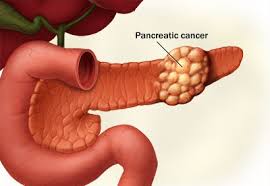
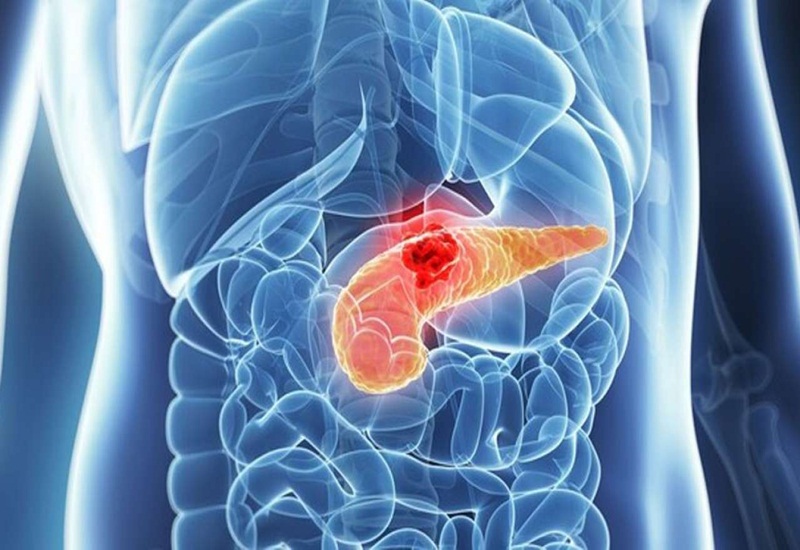
The anatomical explanation for pancreatic cancer-related back pain is the invasion of the celiac nerve plexus — the dense network of sympathetic ganglia that transmit pain signals from the upper abdominal organs (stomach, liver, pancreas, small intestine, kidneys) to the spinal cord and brain. The celiac plexus is located at approximately the T12–L1 vertebral level, immediately posterior to the pancreatic body, directly anterior to the aorta, and between the origins of the celiac trunk and superior mesenteric artery.
This anatomical relationship — the celiac plexus sitting directly behind the body of the pancreas — means that tumors arising in the pancreatic body or tail have direct access to the plexus as they grow posteriorly. When the tumor invades or compresses the celiac ganglion, it triggers sustained activation of the sympathetic pain fibers, producing the characteristic constant, deep, boring pain that radiates to the mid-back and flanks. Because the celiac plexus is retroperitoneal and carries visceral rather than somatic pain signals, the pain does not follow a dermatomal pattern (unlike spinal nerve root compression from a disc herniation) and does not change dramatically with specific spinal movements.
Additional mechanisms that can contribute to back pain in pancreatic cancer include:
- Direct retroperitoneal invasion of perineural fat and fascial planes
- Involvement of retroperitoneal lymph nodes (which can compress adjacent structures)
- Vertebral metastasis in advanced disease (direct bone involvement causes more localized, point-tender spinal pain)
- Peritoneal carcinomatosis causing diffuse abdominal discomfort with back referral
Location and Character of Pancreatic Cancer Back Pain
Pancreatic cancer-related back pain has a characteristic location and quality that, once recognized, is clinically distinctive:
- Location: Upper lumbar and low thoracic region — roughly the area between the shoulder blades and the waistline, most often at the level of T10–L1. May be bilateral (both sides of the back) or, particularly early in disease, unilateral toward the left (for body/tail tumors) or right (for head tumors with retroperitoneal extension). Often radiates from the epigastrium (upper center abdomen) to the mid-back simultaneously, so patients describe it as both abdominal and back pain.
- Quality: Dull, deep, boring ache — visceral pain quality rather than sharp or burning. Some patients describe it as a constant pressure or tightness across the mid-back. Often described as the pain “going through” from front to back.
- Severity: Initially mild and easily dismissed; progressively worsens over weeks to months to become severe and debilitating if untreated. Pain that was a “2 or 3 out of 10” initially may progress to “7 or 8 out of 10” within 2–3 months.
- Timing: Constant — present throughout the day and often worse at night when patients try to sleep.
The “Worse When Lying Flat” Pattern
One of the most clinically distinctive features of pancreatic cancer-related back pain is that it is characteristically worsened by lying flat (supine) and improved by leaning forward or adopting a fetal position. This positional pattern reflects the retroperitoneal anatomy:
When a person lies on their back, the spine extends and the retroperitoneal contents — including the pancreatic tumor and the celiac plexus it is invading — are compressed between the spine posteriorly and the abdominal organs anteriorly. This compression increases pressure on the celiac plexus and intensifies pain. When the person leans forward or sits up with the spine in flexion, the retroperitoneal space is opened and pressure on the plexus is reduced.
The practical consequence is severe nighttime pain. Patients with advanced pancreatic cancer often report that they cannot sleep lying flat and must either sleep sitting upright in a recliner, adopt a side-lying fetal position with the knees drawn up toward the chest, or use multiple pillows to maintain a semi-reclined position. This sleep disruption significantly worsens quality of life and contributes to fatigue and exhaustion.
This pattern — back pain that is specifically worse at night when lying flat — is highly suspicious for a retroperitoneal visceral cause and should prompt urgent evaluation in any patient over 50, particularly if accompanied by weight loss, new diabetes, or other systemic symptoms of pancreatic cancer symptoms.
How Pancreatic Cancer Back Pain Differs from Musculoskeletal Pain
Musculoskeletal back pain is one of the most common conditions in the general adult population, affecting approximately 80% of people at some point in their lives. This means that virtually every person presenting with back pain — including those who ultimately have pancreatic cancer — will initially be assessed and treated as if they have musculoskeletal disease. Understanding the key distinguishing features is critical for recognizing when further evaluation is needed:
- Relationship to activity: Musculoskeletal pain is typically worsened by specific activities (bending, lifting, twisting, prolonged sitting or standing) and improved by rest or changing position. Pancreatic cancer back pain is relatively constant regardless of activity level and is not reliably improved by rest; it is worse at night when lying flat rather than better with rest.
- Radiculopathy: Lumbar disc herniation and spinal stenosis characteristically cause sciatica — pain radiating from the back down the leg along a dermatomal pattern, often accompanied by numbness, tingling, or weakness in the affected limb. Pancreatic cancer back pain stays in the back and does not radiate down the leg.
- Response to NSAIDs: Most musculoskeletal back pain responds at least partially to anti-inflammatory medications (ibuprofen, naproxen, diclofenac). Pancreatic cancer back pain responds minimally or not at all to standard analgesics and typically requires opioid analgesia.
- Duration and trajectory: Most mechanical back pain follows an episodic course with periods of improvement between flares. Pancreatic cancer pain is progressive — continuously worsening over weeks to months without any period of significant spontaneous improvement.
- Systemic symptoms: Musculoskeletal back pain occurs in isolation without accompanying weight loss, anorexia, jaundice, or new diabetes. The presence of any significant systemic symptom alongside back pain should immediately raise concern for a visceral cause.
Back Pain With Body/Tail Tumors vs. Head Tumors
The location of the tumor within the pancreas significantly determines whether back pain or jaundice is the primary presenting symptom:
Body and tail tumors (35–40% of pancreatic cancers): These tumors grow in close proximity to the celiac plexus from the outset. Back pain is almost invariably present and is frequently the dominant and earliest symptom. The absence of biliary obstruction means there is no jaundice to alert the patient or clinician to a pancreatic source. Patients with body/tail tumors are typically diagnosed at more advanced stages than head-of-pancreas tumors precisely because their only early symptoms — back pain and weight loss — are non-specific and commonly attributed to benign causes.
Head tumors (60–65% of pancreatic cancers): These tumors are more likely to cause biliary obstruction and jaundice early, which typically drives earlier evaluation. Back pain may also be present in head-of-pancreas tumors when retroperitoneal extension involves the celiac plexus, but it tends to occur later in the disease course than jaundice in this group.
What Other Symptoms Accompany Pancreatic Cancer Back Pain?
Pancreatic cancer-related back pain rarely occurs in complete isolation. The symptom cluster that should significantly raise clinical suspicion includes:
- Significant unintentional weight loss (often 5–15 kg over weeks to months)
- Loss of appetite or early satiety
- New-onset diabetes or worsening glycemic control (in approximately 50% of patients)
- Steatorrhea — greasy, foul-smelling, floating stools from pancreatic enzyme insufficiency
- Jaundice, dark urine, or pale stools (if the biliary system is involved)
- Fatigue disproportionate to activity level
- Nausea or early satiety from gastric or duodenal compression
- New-onset deep vein thrombosis or pulmonary embolism (from cancer-associated hypercoagulability)
The combination of persistent mid-back pain with even one of the above systemic symptoms — particularly weight loss or new-onset diabetes in a person over 50 — should prompt CT imaging of the abdomen with pancreatic protocol rather than extended empirical musculoskeletal treatment.
Pain Management: From Analgesics to Celiac Plexus Neurolysis
Pain management is one of the most important aspects of quality-of-life care for patients with pancreatic cancer. The World Health Organization analgesic ladder provides a framework for escalating analgesia:
Step 1 — Mild pain: Non-opioid analgesics (acetaminophen, NSAIDs). Often insufficient as the sole agent for pancreatic cancer pain, given the celiac plexus-mediated visceral pain mechanism. NSAIDs also carry risks (gastric ulceration, renal impairment) in the context of poor nutritional status.
Step 2 — Moderate pain: Weak opioids (codeine, tramadol) in combination with non-opioid agents. Tramadol provides both opioid analgesia and some noradrenergic effect that may benefit the neuropathic component of celiac plexus pain.
Step 3 — Severe pain: Strong opioids (oxycodone, morphine, hydromorphone, fentanyl). Fentanyl patches provide stable, continuous analgesia without peaks and troughs — particularly valuable for constant visceral pain. Regular dosing (not PRN/as-needed) is essential for adequate pain control.
Adjuvant agents: Gabapentin or pregabalin for the neuropathic component of celiac plexus invasion. Dexamethasone (corticosteroid) for short-term relief of inflammatory pain and to improve appetite.
Celiac Plexus Neurolysis: The Most Effective Interventional Option
For patients with significant pancreatic cancer-related pain — particularly from celiac plexus invasion — celiac plexus neurolysis (CPN) is one of the most effective and underutilized pain interventions available. CPN involves injecting a neurolytic agent (most commonly absolute alcohol) directly into the celiac ganglion to permanently interrupt pain signal transmission from the celiac plexus to the brain.
How it is performed: The preferred approach is EUS-guided CPN — endoscopic ultrasound guidance allows direct real-time visualization of the celiac ganglion and precise needle placement, with less risk of retroperitoneal vascular injury than CT-guided approaches. An important practical advantage is that EUS-CPN can be performed at the same time as EUS-guided fine needle aspiration (EUS-FNA) for tumor tissue diagnosis — combining diagnostic and pain management procedures in a single session.
Efficacy: Multiple randomized controlled trials have demonstrated that EUS-guided CPN significantly reduces pain scores and opioid requirements in patients with unresectable pancreatic cancer compared to medical management alone. Pain relief is achieved in approximately 70–90% of patients, and the effect can be sustained for weeks to months before needing to be repeated.
Benefits beyond pain: Reducing opioid requirements improves quality of life by reducing opioid-related side effects (constipation, sedation, nausea, cognitive impairment), which can themselves significantly impair function and well-being in patients with pancreatic cancer. Patients receiving adequate pain control also tolerate chemotherapy better and may have improved nutritional intake as pain is reduced.
Patients who have not been offered or discussed CPN with their oncology team should specifically ask about this option. It is appropriate for most patients with unresectable or locally advanced pancreatic cancer who have significant abdominal or back pain. For a comprehensive overview of diagnosis and treatment pathways, see our guide to pancreatic cancer diagnosis.
Frequently Asked Questions
How soon after developing back pain would I typically be diagnosed with pancreatic cancer?
The median time from onset of back pain to pancreatic cancer diagnosis varies substantially, but studies suggest that patients with body/tail tumors experience symptoms for approximately 3–6 months before diagnosis on average. In some cases, the interval is longer — when back pain is attributed to musculoskeletal causes and treated without imaging, the correct diagnosis may be delayed by 6–12 months or more. Faster diagnosis is associated with clinician awareness of the visceral pain pattern and earlier ordering of CT imaging.
Can the back pain from pancreatic cancer be cured with surgery?
In the ~20% of patients who undergo successful surgical resection (Whipple procedure or distal pancreatectomy), removal of the tumor relieves celiac plexus compression and typically significantly reduces or eliminates the pain. For patients with locally advanced or metastatic disease not amenable to surgery, the pain can be well-controlled with the combination of analgesics and celiac plexus neurolysis, but it is not cured in the same way. Effective chemotherapy that reduces tumor burden can also reduce celiac plexus pressure and improve pain.
Is pancreatic cancer back pain different from kidney pain?
Kidney-related flank pain (from kidney stones, pyelonephritis, or renal tumors) is typically more lateral — felt in the flank between the lower ribs and the iliac crest — and kidney stone pain is classically colicky (severe, cramping, episodic) rather than constant. Kidney infections cause fever, dysuria, and costovertebral angle tenderness on examination. Pancreatic cancer back pain is more central (mid-line or bilateral low-thoracic back) and constant rather than colicky. CT imaging with contrast readily distinguishes kidney pathology from pancreatic cancer.
Sources
- Wyse JM, et al. Randomized clinical trial: EUS-guided celiac plexus neurolysis vs medical management for pain in pancreatic cancer. Clin Gastroenterol Hepatol. 2011;9(7):597–604.
- American Cancer Society. Signs and Symptoms of Pancreatic Cancer.
- National Cancer Institute. Pancreatic Cancer Treatment (PDQ).
- Pancreatic Cancer Action Network. Pain Management for Pancreatic Cancer.
- Suleyman E et al. Interventional pain management in pancreatic cancer. J Pain Res. 2019;12:2901–2910.
When to Seek Urgent Evaluation for Back Pain
Back pain is extremely common and the vast majority of cases are benign musculoskeletal in origin. However, certain red flags should prompt urgent evaluation beyond standard back pain treatment, including CT imaging of the abdomen and pelvis:
- Age over 50 with new-onset back pain, particularly if there is no prior history of back problems and no clear precipitating event (fall, heavy lifting, acute injury)
- Unintentional weight loss accompanying back pain, even if mild (loss of 5% or more of body weight)
- New-onset diabetes or worsening glycemic control in association with back pain
- Pain that is worse at night and when lying flat, with relief by sitting up or leaning forward — a classic visceral pain pattern
- Progressive, non-remitting pain that does not improve with rest, physical therapy, or anti-inflammatory medications over 2–4 weeks
- Back pain in a current or former smoker over age 50 (smoking is the strongest modifiable risk factor for pancreatic cancer, with a relative risk of approximately 2)
- Family history of pancreatic cancer, particularly in a first-degree relative
- Jaundice, dark urine, or pale stools at any point alongside back pain — suggests biliary involvement
When these red flags are present, seeking a diagnosis of “musculoskeletal back pain” should not be considered a final answer without appropriate imaging. Ask your physician specifically whether a CT scan of the abdomen and pelvis — with pancreatic protocol contrast enhancement — is indicated given your symptom pattern and risk factors.
Radiation Therapy and Chemotherapy for Pain Control
In patients with locally advanced pancreatic cancer (Stage III, tumor encasing major vessels but no distant metastasis), systemic chemotherapy is the primary treatment. When chemotherapy reduces the tumor’s size and local invasiveness, it can secondarily reduce celiac plexus compression and improve back and abdominal pain. Chemotherapy regimens used for locally advanced PDAC — most commonly FOLFIRINOX (5-fluorouracil, leucovorin, irinotecan, oxaliplatin) or gemcitabine plus nab-paclitaxel — are the same regimens used for metastatic disease and may provide both tumor control and pain improvement.
Stereotactic body radiation therapy (SBRT) delivers high-dose, precisely targeted radiation to the pancreatic tumor in a small number of fractions (typically 3–5 treatments). In locally advanced PDAC, SBRT is used to achieve local disease control and reduce the risk of local progression. A secondary benefit of SBRT can be pain reduction: by shrinking or stabilizing the tumor, SBRT can reduce the degree of celiac plexus invasion and pressure. SBRT is typically delivered after an initial period of chemotherapy (induction chemo followed by SBRT) in centers with expertise in this approach.
Living With Pancreatic Cancer Pain: Practical Strategies
For patients managing ongoing pancreatic cancer-related back pain, several practical strategies complement medical and interventional treatments:
- Positioning: Using a recliner or adjustable bed to maintain a semi-upright sleeping position, or using a wedge pillow to elevate the upper body during sleep. Side-lying in a fetal position (knees to chest) can also reduce retroperitoneal pressure and improve sleep.
- Consistent analgesic dosing: Around-the-clock dosing (not PRN/as-needed) is more effective for constant visceral pain than waiting until pain becomes severe to take medication. Establishing a regular dosing schedule with breakthrough doses available for escalations is standard practice in palliative pain management.
- Heat: Local heat (heating pad, warm pack) applied to the mid-back may provide temporary adjunctive relief. Cold therapy is less effective for visceral pain than for musculoskeletal conditions.
- Palliative care consultation: Palliative care teams specialize in symptom management including complex cancer-related pain. Their involvement alongside oncology management is associated with better pain control, improved quality of life, and reduced emergency department visits for uncontrolled pain. Palliative care is appropriate at any stage of pancreatic cancer, not only at end of life.
- Nutritional support: Adequate nutrition is critical for maintaining functional status and tolerating both chemotherapy and procedures. Pancreatic enzyme replacement therapy (PERT) — with oral pancrelipase supplements taken with meals — addresses exocrine insufficiency and reduces steatorrhea, improving caloric absorption and reducing weight loss.
For patients and families navigating a new diagnosis, our overview of pancreatic cancer covering the full spectrum of diagnosis, staging, and treatment may provide helpful context alongside the symptom-specific information in this article.
Effective pain management is not an afterthought in pancreatic cancer care — it is a central component of treatment that affects chemotherapy tolerability, nutritional intake, functional status, quality of life, and the ability to pursue and complete evidence-based antitumor treatments. Patients who are in severe, uncontrolled pain have worse outcomes across all of these dimensions than those with well-managed symptoms.
Came across this while researching pancreatic cancer back pain: causes, location, for a family member. What I liked most was that the article didn’t just say what to avoid — it also gave alternatives. Thank you for making complex medical information accessible without dumbing it down.
My cardiologist recommended I look into pancreatic cancer back pain: causes, location, and this article covered it perfectly. What I liked most was that the article didn’t just say what to avoid — it also gave alternatives. Looking forward to reading more articles from this website.
I have been reading about pancreatic cancer back pain: causes, location, for weeks and this is the most thorough guide I have found. I have tried following advice from several sources but this is the most consistent with what my specialist told me. Looking forward to reading more articles from this website.
Bookmarked this article on pancreatic cancer back pain: causes, location, immediately — going to reference it regularly. The article answered questions I didn’t even know I had until I started reading. Forwarding this to others in my support group who are dealing with similar issues.
Came across this while researching pancreatic cancer back pain: causes, location, for a family member. It is refreshing to see an article that acknowledges individual variation rather than one-size-fits-all advice. This is going into my health folder that I bring to every doctor’s visit.
Really well-written article on pancreatic cancer back pain: causes, location,. I especially valued the explanation of why these recommendations exist, not just what they are. This gave me real confidence going into my next specialist appointment.