
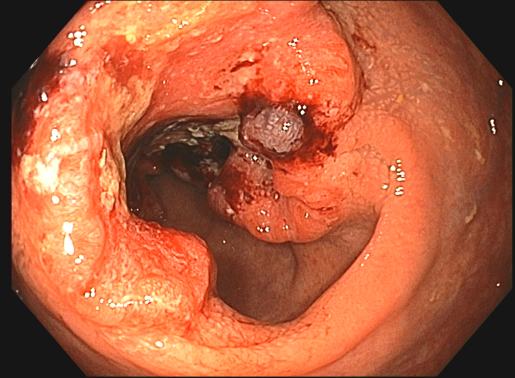
Stool tests for colon cancer require no preparation, no sedation, no day off work, no driver. A sample is collected at home, in private, and either mailed to a lab or dropped off at a clinic. For many people, a stool test is the most realistic path to colorectal cancer screening — the test they will actually do, as opposed to the colonoscopy they have been postponing for three years.
The limitation is real and worth stating upfront: stool tests do not prevent cancer. Colonoscopy prevents cancer by finding and removing polyps before they turn malignant. Stool tests detect cancer — or signs that cancer may be present — and then require a follow-up colonoscopy to confirm the finding. They are detection tools, not prevention tools.
That limitation does not make them ineffective. Used correctly — with annual FIT or Cologuard every one to three years, and prompt colonoscopy follow-up when positive — stool tests save lives. Any stool test used as intended is vastly better than no screening at all.
How Stool Tests for Colon Cancer Work
Colorectal cancers and large precancerous polyps share a property that makes stool testing possible: they bleed. Not always visibly — the blood is often microscopic — but consistently enough that a sensitive test can detect it even when the stool looks completely normal.
FIT and gFOBT exploit this directly. They detect blood in the stool sample — hemoglobin in the case of FIT, heme in the case of gFOBT. The logic is straightforward: if blood is present in a stool sample from an average-risk adult with no obvious explanation, something in the digestive tract is bleeding. Colorectal cancer and large polyps are among the most important possibilities to exclude.
Cologuard adds a second detection layer: stool DNA. Colorectal cancers shed cells into the stool as they grow, and those cells carry distinctive molecular markers — specific gene mutations and abnormal methylation patterns that are characteristic of colorectal cancer. Cologuard tests for both blood and these DNA signals simultaneously.
This also explains why stool tests have real but imperfect sensitivity. Not every cancer bleeds with every bowel movement. A single sample may miss a bleeding episode that occurred on a different day. Most small polyps never bleed at all. The sensitivity figures reflect the probability that a cancer, if present, is actively shedding enough signal on the day the sample was collected.
FIT — The Annual At-Home Blood Test
FIT stands for fecal immunochemical test. It detects human hemoglobin in stool using antibodies specific to human globin protein — which is why, unlike the older gFOBT, FIT requires no dietary restrictions. Red meat, vitamin C, and aspirin do not interfere with the FIT antibody.
Sensitivity for colorectal cancer is approximately 79% per round — meaning roughly 1 in 5 colorectal cancers present at the time of testing will not be detected by a single FIT. Sensitivity for advanced adenomas is approximately 24–33%. FIT does not effectively detect small polyps and does not prevent cancer.
How to do FIT at home:
- Complete a regular bowel movement
- Use the collection probe or brush to take a small sample from the surface of the stool (not from the toilet water)
- Apply the sample to the test card or place the probe in the vial per the kit instructions
- Seal the sample and mail it to the lab or drop it off within the timeframe specified (typically 24 hours)
The most important thing about FIT is the word “annual.” A single FIT test has 79% sensitivity per round — lower than colonoscopy. Missing even one year leaves a full 12-month gap with zero protection. The cumulative benefit of FIT comes from testing every single year, consistently. Five consecutive annual FITs provide meaningfully higher cumulative cancer detection than a single round.
Cost is typically $20 to $50. FIT is covered as a preventive screening test by most commercial insurance plans and by Medicare Part B for eligible patients beginning at age 45.
gFOBT — The Older Option
The guaiac fecal occult blood test uses a chemical reaction: a guaiac-coated card reacts with heme — the iron-containing component of hemoglobin — in the presence of hydrogen peroxide. Because heme is not human-specific, the test reacts with blood from any animal, including red meat in the diet.
This is why gFOBT requires three days of dietary restriction before and during testing: no red meat, no raw broccoli or cauliflower, no large doses of vitamin C, and no NSAIDs including aspirin. Patients collect three samples from three separate bowel movements and apply them to guaiac cards for lab submission.
Sensitivity for colorectal cancer is approximately 60–80% across multiple rounds. gFOBT has been largely superseded by FIT in most US clinical settings because FIT is simpler, requires no dietary restriction, and performs comparably or better. A positive gFOBT requires a diagnostic colonoscopy.
Cologuard — The Stool DNA Test
Cologuard is a multitarget stool DNA test that combines FIT-style hemoglobin detection with a panel of DNA biomarkers shed into stool by colorectal cancers and some advanced polyps. The specific markers include KRAS gene mutations and methylation of the BMP3 and NDRG4 genes — patterns characteristic of colorectal neoplasia that normal colon cells do not carry.
How Cologuard collection works:
- A large collection kit is mailed to the patient’s home
- The patient places the collection container over the toilet seat and makes a complete bowel movement into it
- A preservative solution is added and the kit is sealed
- The sealed kit is shipped via a pre-paid FedEx or UPS label the same day it is collected
Sensitivity for colorectal cancer is approximately 92% — higher than FIT. Sensitivity for advanced adenomas is approximately 42% — also higher than FIT. The trade-off is specificity: Cologuard has a false positive rate of approximately 13%, meaning about 1 in 8 people without colorectal cancer or advanced adenomas will receive a positive result and require a colonoscopy.
Cologuard is done every one to three years. Medicare covers it every three years; private insurance coverage varies. Cost is approximately $600 to $700 per test. A positive Cologuard result requires a diagnostic colonoscopy.
Comparison — Which Stool Test Is Right for You?
For average-risk adults who decline colonoscopy or face barriers to accessing it, the choice between stool tests comes down to two trade-offs: how often you want to test, and how you weigh cancer detection sensitivity against false positive risk.
FIT is the right choice for people who want the simplest, cheapest, and least burdensome annual option. A kit takes five minutes, costs $20–50, and requires nothing but a brief stool sample. The non-negotiable requirement is annual commitment — it must be done every year without exception.
Cologuard is appropriate for patients who prefer to test less frequently than annually, or who want higher per-test cancer sensitivity. Its 92% CRC sensitivity means fewer cancers are missed per round compared to FIT’s 79%. The cost (~$600–700) and higher false positive rate (13%) mean more follow-up colonoscopies in people who don’t have cancer.
gFOBT is rarely preferred today given the dietary restrictions and comparable or lower performance. It remains acceptable if FIT is unavailable.
One population for whom stool tests are not adequate: high-risk patients. Those with Lynch syndrome, familial adenomatous polyposis, inflammatory bowel disease, prior colorectal cancer, or colorectal cancer in a first-degree relative require colonoscopy. Stool tests do not provide sufficient sensitivity for the polyp types and risk patterns in these patients.
What a Positive Result Actually Means
A positive stool test is not a cancer diagnosis. It means the test detected blood, abnormal DNA, or both — in the stool sample. The causes of a positive stool test include many conditions that are not cancer:
- Colorectal cancer (the most important cause to exclude)
- Large or bleeding adenomatous polyps
- Hemorrhoids or anal fissures
- Gastric ulcers or upper gastrointestinal bleeding
- Inflammatory bowel disease or diverticular disease
- Red meat or NSAIDs (for gFOBT)
The correct response to any positive stool test is always the same: a diagnostic colonoscopy, within three to six months of the positive result. Not a repeat stool test. Not a different stool test. A colonoscopy, which provides direct visualization of the entire colon and can confirm, treat, or exclude any finding.
This is where the follow-up gap becomes critical. Studies consistently find that 20–50% of patients with a positive FIT result do not receive a follow-up colonoscopy within six months. A positive signal that is not followed up is clinically worthless. The potential cure that screening was meant to enable never happens.
One billing note: the colonoscopy following a positive stool test is classified as a “diagnostic colonoscopy,” not a “screening colonoscopy.” Screening colonoscopies are covered without cost-sharing under the ACA for most plans; diagnostic colonoscopies may carry deductibles and copays. Verifying insurance coverage before the procedure is worth the phone call.
The Most Common Mistake — Treating It as a Pass/Fail Test
The most consequential misunderstanding about stool tests is assuming that a negative result provides ongoing protection.
A negative FIT today means the test did not detect blood or abnormal DNA in today’s sample. It does not mean the colon is free of polyps. It does not mean the result will be negative again next year. It means the signal, if any cancer or bleeding source is present, was below the detection threshold on the day the sample was collected.
FIT must be done every year. Cologuard must be done every one to three years. Without exception. Missing a year means unscreened status for that year. Two missed years approximately doubles the window during which an emerging cancer grows undetected.
Many patients complete a first stool test, receive a negative result, and don’t repeat it the following year. This is the most common failure mode in stool test screening programs. The cumulative cancer detection of annual FIT over five to ten years approaches colonoscopy-level effectiveness for established colorectal cancer — but only with strict annual participation, every year.
Frequently Asked Questions
Can a stool test replace colonoscopy?
For average-risk adults who decline colonoscopy, stool tests are a guideline-accepted alternative. They are not equivalent. Colonoscopy prevents cancer by removing polyps; stool tests detect it after it develops. For high-risk patients — Lynch syndrome, FAP, IBD, prior CRC, or first-degree family history — colonoscopy is required and stool tests are not adequate substitutes. For average-risk adults, stool testing used correctly is meaningfully protective.
What if I have hemorrhoids — will FIT always be positive?
Not necessarily — many hemorrhoids don’t bleed enough to consistently trigger a positive FIT. But if FIT is positive in a patient with known hemorrhoids, the hemorrhoids cannot be assumed to be the explanation. A diagnostic colonoscopy is still required to exclude colorectal cancer. The hemorrhoids may be the source, but only colonoscopy can confirm that.
Sources: Lee JK et al., Ann Intern Med 2014 (FIT accuracy); Imperiale TF et al., NEJM 2014 (Cologuard); Rex DK et al., Gastroenterology 2017 (USMSTF guidelines); USPSTF Colorectal Cancer Screening 2021.
Comparing Stool Tests to Colonoscopy
The most common question patients ask when offered a stool-based colorectal cancer screening test is: “Is this as good as a colonoscopy?” The honest answer is that stool tests and colonoscopy serve different roles, and neither is universally “better” — the best test is the one the patient will actually complete.
Colonoscopy is the most sensitive single test for colorectal cancer and advanced adenomas (~95% sensitivity for polyps ≥10mm). It also enables simultaneous polypectomy — detected polyps can be removed at the same procedure, making colonoscopy both diagnostic and therapeutic. However, it requires bowel preparation (a laxative preparation the day before), sedation, a half-day commitment, and carries a small risk of complications including bleeding (~0.3%) and perforation (~0.05%). It is recommended every 10 years for average-risk individuals with normal findings.
FIT (fecal immunochemical test) is non-invasive, requires no bowel preparation, and can be completed at home in minutes. Its sensitivity per single test for colorectal cancer is approximately 79–80%, with much lower sensitivity for advanced adenomas (~24%). Annual FIT, if consistently performed and all positive tests followed up with colonoscopy, achieves population-level cancer mortality reduction comparable to colonoscopy-based screening. The critical caveat is the “if consistently performed” — stool tests require annual commitment over decades, and positive tests MUST be followed with colonoscopy promptly.
Cologuard (stool DNA + FIT combined) has higher sensitivity for colorectal cancer (~92%) than FIT alone, but also higher specificity-related false positive rate (~13% vs. ~5% for FIT). A positive Cologuard requires colonoscopy; unlike FIT, Cologuard is not recommended annually but rather every 1–3 years per guidelines. For a comprehensive comparison of all available colorectal cancer screening options including stool tests and endoscopic approaches, see our guide to colorectal cancer screening.
For patients choosing between stool tests and colonoscopy, the USPSTF, ACS, and ACG all endorse stool-based testing as a valid screening strategy for average-risk individuals. The key is follow-through: a positive stool test with no follow-up colonoscopy is worse than no screening at all, because it falsely reassures the patient. For information about the colonoscopy procedure that is required after a positive stool test, see our guide to colonoscopy. For information about the symptoms that may indicate colon cancer, see our article on colon cancer symptoms.
Key Resources
- American Cancer Society — Colorectal Cancer Screening Recommendations
- USPSTF — Colorectal Cancer Screening Recommendation
- American College of Gastroenterology — Colorectal Cancer Screening
Lifestyle Factors and Colorectal Cancer Risk
Beyond screening, understanding the modifiable lifestyle factors that influence colorectal cancer risk provides patients with actionable prevention strategies that complement regular colonoscopy or stool-based testing programs. Colorectal cancer is one of the cancers most strongly linked to modifiable risk factors, and the evidence for several preventive behaviors is substantial enough to have influenced clinical guidelines.
Diet: A diet high in red and processed meat is one of the most consistently documented dietary risk factors for colorectal cancer. The International Agency for Research on Cancer (IARC) classifies processed meat (bacon, sausage, hot dogs, deli meats) as a Group 1 carcinogen for colorectal cancer, and red meat as a Group 2A probable carcinogen. The mechanism involves N-nitroso compounds, heme iron, and heterocyclic amines formed during high-temperature cooking. Conversely, diets high in dietary fiber — particularly from whole grains, legumes, fruits, and vegetables — are associated with reduced colorectal cancer risk, likely through effects on fecal transit time, gut microbiome composition, and fermentation of fiber to short-chain fatty acids (SCFAs) that promote colonocyte health.
Physical activity: Regular physical activity is associated with a 20–25% reduction in colorectal cancer risk in prospective cohort studies. The protective effect appears strongest for colon cancer compared to rectal cancer, and for vigorous activity compared to light activity. Physical activity may reduce colorectal cancer risk through effects on insulin resistance, inflammatory markers, prostaglandin synthesis, and bowel transit time. The ACS recommends at least 150–300 minutes of moderate-intensity activity or 75–150 minutes of vigorous activity per week for cancer prevention.
Body weight: Obesity — particularly central adiposity — is a significant colorectal cancer risk factor. Adipose tissue produces inflammatory cytokines and increases circulating insulin and insulin-like growth factor 1 (IGF-1), which promote colonic epithelial proliferation. Weight loss in overweight individuals is associated with reduced colorectal cancer risk, though the magnitude of risk reduction depends on the degree and duration of weight loss.
Alcohol: Alcohol consumption is associated with increased colorectal cancer risk in a dose-dependent manner. The ACS classifies alcohol as a Group 1 carcinogen for colorectal cancer; even moderate drinking (1–2 drinks/day) is associated with a measurable increase in risk. The mechanism involves acetaldehyde (a toxic alcohol metabolite), folate depletion (alcohol impairs folate absorption and metabolism), and oxidative stress.
Aspirin and NSAIDs: Regular aspirin use has been shown to reduce colorectal cancer incidence and mortality in observational studies and several randomized trials. The protective effect of aspirin on colorectal cancer is attributed to inhibition of cyclooxygenase-2 (COX-2), which mediates prostaglandin E2 synthesis — a key driver of colorectal tumor proliferation. However, USPSTF does not recommend aspirin specifically for colorectal cancer prevention because of the bleeding risk, and the decision to use aspirin should be based on the individual’s cardiovascular risk-benefit profile in consultation with their physician.
Talking to Your Doctor: Questions to Ask
When discussing colorectal cancer prevention, screening, or symptoms with your healthcare provider, being prepared with specific questions helps ensure that you get the information you need to make informed decisions. The following questions are relevant to most scenarios involving colorectal health.
About screening: What colorectal cancer screening test do you recommend for me, and why? Am I at average risk or higher risk? If higher risk, what earlier or more frequent screening schedule should I follow? My father/mother/sibling had colorectal cancer — how does that change my screening timeline?
About test results: My FIT/Cologuard/stool test came back positive — what exactly does this mean, and how quickly do I need a follow-up colonoscopy? My colonoscopy found a polyp — what type was it, what size, and what does this mean for my surveillance schedule? My biopsy showed CIN or dysplasia — what grade, and what is the recommended next step?
About symptoms: I’ve noticed rectal bleeding/blood in stool/bowel habit changes for the past few weeks — should I have a colonoscopy? I am 38 years old and have these symptoms — do my age and lack of risk factors affect whether I need a colonoscopy? My symptoms resolve and then return — is this pattern significant?
About prevention: Are there dietary or lifestyle changes that would meaningfully reduce my colorectal cancer risk? Should I take aspirin for colorectal cancer prevention given my personal risk profile? I have a family history of Lynch syndrome — should I have genetic counseling or germline testing?
Effective communication with your healthcare provider is one of the most important factors in colorectal cancer prevention and early detection. Do not minimize or normalize symptoms — describe them accurately, including when they started, their frequency, whether they are changing, and any associated symptoms. The brief time investment in a productive clinical conversation is vastly outweighed by the benefit of catching a colorectal cancer at an early, curable stage rather than a late, advanced one.
Colorectal cancer remains the second leading cause of cancer death in the United States when men and women are combined, accounting for approximately 52,550 deaths per year (ACS 2023 estimates). Despite these numbers, it is also one of the most preventable and treatable cancers when caught early. Stage I colorectal cancer has a 5-year relative survival rate of approximately 90%; Stage IV drops to approximately 14%. This dramatic survival gradient — from highly curable to largely incurable — underscores why screening, surveillance, and prompt evaluation of symptoms collectively represent the most impactful set of actions any individual can take to reduce their colorectal cancer risk. The tools available today — from FIT stool testing to colonoscopy to Cologuard to the Shield blood test — give patients and clinicians more options than ever to find and prevent colorectal cancer before it becomes life-threatening. Using them at the right time, and following through when results are abnormal, is the single most important factor determining individual outcomes.
Finally a resource that explains stool test for colon cancer: fit, in plain language. I appreciated how the article addressed both the clinical side and the practical lifestyle adjustments. Forwarding this to others in my support group who are dealing with similar issues.
I shared this article on stool test for colon cancer: fit, with my doctor and they appreciated the level of detail. The practical tips at the end made this immediately actionable, not just theoretical. I wish I had found this article when I was first diagnosed — would have saved a lot of confusion.
My cardiologist recommended I look into stool test for colon cancer: fit, and this article covered it perfectly. What I liked most was that the article didn’t just say what to avoid — it also gave alternatives. Looking forward to reading more articles from this website.
Came across this while researching stool test for colon cancer: fit, for a family member. This is the kind of evidence-based writing that actually changes how people approach their health. Keep up this kind of thorough health journalism — it genuinely helps patients like me.
Came across this while researching stool test for colon cancer: fit, for a family member. This is the kind of evidence-based writing that actually changes how people approach their health. Shared this with three friends who are dealing with related issues. Very useful resource.
Thank you for covering stool test for colon cancer: fit, so thoroughly without being overly technical. The connection between lifestyle choices and long-term outcomes is explained clearly here. Thank you for making complex medical information accessible without dumbing it down.