
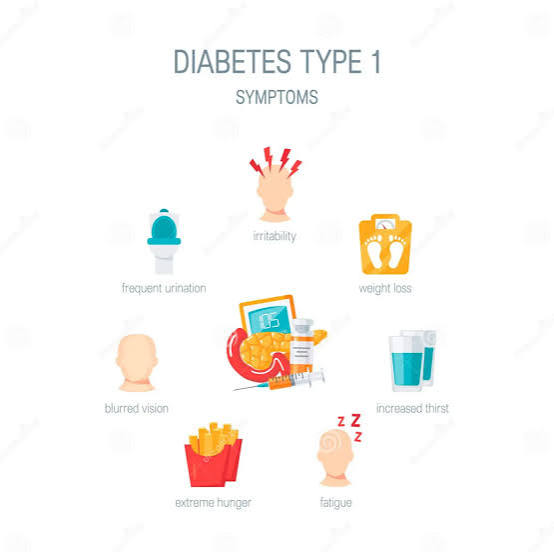
Symptoms of Type 1 Diabetes in Adults and Children
The symptoms of type 1 diabetes differ from those of Type 2 in a fundamental and clinically important way: they typically appear suddenly and progress rapidly, over days to weeks, rather than developing gradually over months or years. Where Type 2 diabetes whispers, Type 1 announces itself — often loudly and urgently. Understanding this distinction matters because the two conditions require fundamentally different immediate responses: Type 2 diabetes, with its slow onset, usually allows time for routine medical evaluation and gradual treatment initiation; Type 1 diabetes, particularly when presenting in diabetic ketoacidosis (DKA), can be life-threatening within hours and requires emergency evaluation and treatment. The same cluster of symptoms — profound thirst, frequent urination, rapid weight loss, and severe fatigue — that might warrant a scheduled doctor’s appointment over the next week when developing gradually over months in a middle-aged adult may require same-day emergency evaluation when appearing acutely over days in a child, teenager, or young adult.
What Causes the Symptoms of Type 1 Diabetes
Type 1 diabetes is an autoimmune condition in which the body’s immune system mistakenly attacks and destroys the insulin-producing beta cells of the pancreas. Unlike insulin resistance in Type 2 diabetes — where cells are present but respond poorly to insulin — in Type 1 diabetes, the beta cells are progressively destroyed until the pancreas can produce little or no insulin at all.
Without insulin, glucose cannot enter cells for energy. Blood glucose rises steadily as glucose accumulates in the bloodstream with no mechanism to drive it into tissues. At the same time, cells throughout the body are starved of fuel and begin sending hunger and distress signals despite the abundance of circulating glucose. The body, interpreting this cellular energy deficit as starvation, activates fat breakdown (lipolysis) to generate alternative fuel. The breakdown of fat produces ketone bodies as a byproduct, which the brain and muscles can use for energy in the short term but which accumulate in the blood and urine when produced in excess — a state called diabetic ketoacidosis (DKA) that is simultaneously the body’s attempt to survive without insulin and a life-threatening medical emergency.
The speed at which this progression unfolds depends on how much beta cell mass remains when the autoimmune process began. Children and adolescents, who typically have lower total beta cell mass than adults and may be diagnosed at an earlier stage of the autoimmune process, often develop severe symptoms rapidly. Adults who develop Type 1 diabetes (including a variant called LADA — latent autoimmune diabetes of adults) may retain more residual beta cell function initially, producing a more gradual onset that can resemble Type 2 diabetes and lead to diagnostic misclassification. For a thorough explanation of how the body normally uses insulin to regulate glucose, see our guide on how the body controls blood sugar.
Extreme Thirst and Frequent Urination
As in Type 2 diabetes, extreme thirst and frequent urination are among the most prominent and early symptoms of type 1 diabetes. The mechanism is identical: as blood glucose rises above the renal threshold for glucose reabsorption (approximately 180 mg/dL), glucose spills into the urine, dragging water with it through osmotic diuresis. The resulting cellular dehydration triggers intense thirst that is not relieved by normal water intake.
In Type 1 diabetes, however, these symptoms often reach extremes that exceed what is typically seen in early Type 2 diabetes. Because insulin deficiency in Type 1 is often absolute rather than partial, blood glucose can rise to 400, 500, or even higher mg/dL within days to weeks of symptom onset, producing correspondingly severe osmotic symptoms. Children may wake multiple times per night to urinate, wet the bed despite having been fully toilet-trained, or drink from taps and faucets in addition to normal beverages in an attempt to satisfy their thirst.
In adults, these symptoms may initially be attributed to urinary tract infection, prostate problems, or medication effects before the degree of thirst and urinary frequency prompts glucose testing. The distinguishing feature in Type 1 diabetes is typically the severity and acute onset of these symptoms — developing over days rather than the months-long gradual escalation typical of Type 2 — and their rapid worsening if not treated.
Rapid and Unexplained Weight Loss
Weight loss is one of the most distinctive symptoms of type 1 diabetes and one of the features that most clearly differentiates it from Type 1 onset from early Type 2. While Type 2 diabetes in its early stages often involves weight gain (driven by insulin resistance, compensatory hyperinsulinemia, and increased hunger), Type 1 diabetes produces rapid, dramatic weight loss that can be startling in its speed — five to fifteen pounds or more over one to three weeks in some cases.
The mechanism is multifactorial. In the absence of insulin, glucose cannot enter fat or muscle cells, meaning that even though the person is consuming food and producing blood glucose from it, virtually none of that glucose reaches cells for storage or use as energy. In response to this perceived starvation state, the body activates three catabolic processes simultaneously: gluconeogenesis (converting amino acids from muscle protein into glucose), lipolysis (breaking down fat stores into fatty acids and glycerol), and ketogenesis (converting fatty acids into ketone bodies for fuel). The combined effect is rapid breakdown of both muscle mass and fat stores, producing visible and rapid weight loss even while the person is eating normally or even more than usual.
The simultaneous increase in hunger — polyphagia, the third member of the classic triad alongside polydipsia and polyuria — further confuses the clinical picture: here is a person who is losing weight rapidly despite eating normally or even excessively. This paradox of weight loss despite adequate or increased food intake is a highly specific marker of insulin deficiency and should prompt immediate blood glucose testing and medical evaluation regardless of age. Understanding what diabetes is and the specific mechanism by which Type 1 differs from Type 2 helps explain why this weight loss pattern is so characteristic.
Profound Fatigue and Weakness
The fatigue of Type 1 diabetes at onset is typically more severe than the fatigue of early Type 2 diabetes — reflecting the more complete nature of cellular energy deficiency when insulin is absent rather than simply ineffective. People describe it as a total exhaustion that prevents normal daily activities, a heaviness that makes even walking short distances feel effortful, and a mental fog that impairs concentration and decision-making beyond what normal tiredness produces.
This severe fatigue results directly from the inability of cells to access glucose for energy. Muscle cells, which normally depend on insulin-mediated glucose uptake for fuel during activity, are completely dependent on fatty acids and ketone bodies as alternative fuels when insulin is absent — a less efficient fuel source that produces fatigue and reduced exercise tolerance even at rest. Brain function is similarly affected: while the brain can use ketone bodies for fuel when glucose is unavailable, the transition to ketone-based metabolism is not seamless, and the combination of high blood glucose, cellular energy deficit, and rising ketones produces the characteristic cognitive dulling and fatigue of early DKA.
Children at onset of Type 1 diabetes may be described by parents as unusually lethargic, unwilling to play, or seeming ill in a nonspecific way. They may fall asleep unusually early, seem difficult to wake in the morning, or lose interest in activities they previously enjoyed. This behavioral change, combined with the thirst and urinary symptoms, is often what finally prompts parents to bring a child for medical evaluation. In adults, the fatigue may be severe enough to cause significant work and functional impairment within days of symptom onset.
- Extreme thirst (polydipsia): Intense, unrelenting thirst not resolved by drinking; dry mouth constantly
- Frequent urination (polyuria): Very large urine volumes; nighttime bedwetting (children); multiple overnight trips (adults)
- Rapid weight loss: Five to fifteen or more pounds over days to weeks, despite normal or increased food intake
- Profound fatigue: Total exhaustion preventing normal activity; difficulty getting out of bed
- Increased hunger (polyphagia): Persistent, strong hunger even after eating; hunger alongside weight loss
- Blurry vision: Osmotic lens changes causing fluctuating focus
- Fruity breath odor: Sweet, acetone-like breath — a warning sign of diabetic ketoacidosis
- Nausea and vomiting: Particularly common in DKA; may progress to abdominal pain
- Deep, rapid breathing: Kussmaul respirations in DKA — the body’s attempt to compensate for acidosis
- Confusion or altered consciousness: Advanced DKA; requires immediate emergency care
Diabetic Ketoacidosis: The Most Dangerous Presentation
Diabetic ketoacidosis is both a complication of undiagnosed or untreated Type 1 diabetes and, in many cases, the presentation that finally brings the diagnosis to light. It occurs when insulin deficiency is severe enough that the body’s fat breakdown produces ketones faster than they can be cleared, causing them to accumulate in the blood and urine and producing a life-threatening metabolic acidosis. DKA is present in approximately 30 to 40 percent of new Type 1 diabetes diagnoses in children and a significant percentage of adult diagnoses as well.
The symptoms of DKA develop in a predictable progression. First come the classic symptoms of hyperglycemia — extreme thirst, frequent urination, weight loss, fatigue — over days to weeks. As ketones accumulate, nausea and vomiting begin, accompanied by abdominal pain that can be severe enough to mimic appendicitis or other acute abdominal emergencies. The breath takes on a distinctive sweet, fruity, or acetone-like smell from the volatile ketone acetone being exhaled through the lungs. Breathing becomes rapid and deep — a pattern called Kussmaul respiration — as the respiratory system compensates for metabolic acidosis by expelling carbon dioxide. As the condition worsens, confusion, disorientation, and decreased level of consciousness develop, ultimately progressing to coma if untreated.
DKA is a medical emergency requiring immediate hospital treatment with intravenous fluids, insulin infusion, and electrolyte replacement. It carries a mortality rate of less than 1 percent when treated promptly in experienced centers but can be fatal when unrecognized or treated inadequately. Any combination of the above symptoms — particularly fruity breath, vomiting, rapid breathing, or altered mental status alongside extreme thirst and urination — warrants immediate emergency evaluation without delay. Do not wait for a scheduled appointment.
Type 1 Diabetes in Adults: The LADA Presentation
While Type 1 diabetes is most commonly discussed in the context of children and young adults, it can develop at any age — and in adults over 30, it often presents in a slower, more insidious form called LADA (latent autoimmune diabetes of adults). LADA accounts for approximately 5 to 10 percent of all adult diabetes diagnoses and is frequently misclassified as Type 2 diabetes because its onset is more gradual than classic childhood Type 1.
In LADA, the autoimmune destruction of beta cells proceeds more slowly than in childhood Type 1, typically taking months to years to eliminate enough beta cell mass to produce insulin deficiency severe enough to require insulin therapy. During this phase, the person may initially respond to oral diabetes medications as if they have Type 2 diabetes — because residual insulin production is still providing some metabolic control. However, they tend to be leaner than typical Type 2 patients, have fewer metabolic risk factors, and progressively fail oral medications as beta cell loss continues.
The symptoms of LADA at initial presentation overlap substantially with those of Type 2 diabetes: gradual onset of thirst, urination, fatigue, and blurry vision in an adult who may appear to have the risk factors for Type 2. Distinguishing features include younger age at diagnosis (typically 35-55 rather than 55+), absence of obesity or metabolic syndrome, and more rapid failure of oral medications than typical Type 2. Blood tests for autoantibodies (particularly anti-GAD antibodies) and C-peptide (a marker of remaining insulin production) can distinguish LADA from Type 2 and are indicated when the clinical picture is ambiguous. For a complete comparison of the two conditions, see our guide on the differences between Type 1 and Type 2 diabetes.
Symptoms in Children vs. Adults
While the core symptoms of type 1 diabetes are the same at all ages, their expression and the barriers to recognition differ significantly between children and adults. In children, symptom onset is often more rapid and severe, and certain symptoms have age-specific presentations that parents and teachers should recognize:
Bedwetting (enuresis) — One of the most practically important signs in toilet-trained children. A child who has been reliably dry at night beginning to wet the bed again, particularly if accompanied by daytime urinary frequency and thirst, warrants immediate blood glucose testing. This regression is often distressing to both parents and child and is sometimes attributed to emotional stress or sleep issues before the underlying metabolic cause is identified.
Behavioral changes — Children at onset of Type 1 diabetes frequently show behavioral changes before the diagnosis is apparent: unusual irritability, difficulty concentrating at school, withdrawal from social activities, or a general “not acting like themselves” quality. These changes reflect the cognitive and energy effects of hyperglycemia and cellular energy deficiency and are often noticed by parents before the physical symptoms are prominent enough to prompt medical evaluation.
Abdominal pain and vomiting — In children presenting in DKA, nausea, vomiting, and abdominal pain are common and can be severe enough to suggest appendicitis or gastroenteritis. Emergency evaluation for abdominal symptoms in children should always include blood glucose testing to rule out DKA, particularly when thirst or urinary changes have been noted.
In adults, the presentation of Type 1 (or LADA) tends to be more gradual, and the symptoms are more easily attributed to common adult complaints of stress, poor sleep, or aging. Adults are also more likely to be misdiagnosed with Type 2 diabetes, leading to treatment with oral medications that cannot address the underlying insulin deficiency. The key clinical clue that an adult may have Type 1 rather than Type 2 is a constellation of risk factors atypical for Type 2: normal or below-average weight, absence of metabolic syndrome, younger age, and relatively rapid progression despite oral medication.
Distinguishing Type 1 from Type 2 Symptoms
While the core symptoms — thirst, urination, fatigue, blurry vision — overlap substantially between Type 1 and Type 2, several features help clinically distinguish the two:
- Speed of onset: Days to weeks in Type 1 vs. months to years in typical Type 2
- Weight change: Rapid weight loss in Type 1 vs. typical weight gain in early Type 2
- Severity: Extreme blood glucose values (often 300-500+ mg/dL) in Type 1 vs. more moderate elevation in early Type 2
- Ketones: Positive urine or blood ketones in Type 1 vs. typically absent in Type 2 (except in illness or very high glucose)
- Age and body habitus: Often younger and leaner in Type 1, though LADA in adults complicates this
- DKA: Common presenting complication of Type 1; very rare in Type 2 (except in specific circumstances)
No clinical feature reliably distinguishes the two in all cases, which is why autoantibody testing and C-peptide measurement are important tools when the diagnosis is ambiguous. Treatment decisions — particularly the urgency of starting insulin — depend critically on the distinction, making accurate classification one of the most important aspects of initial diabetes evaluation. Understanding the complete picture of early signs of high blood sugar helps contextualize symptoms across both conditions and informs when testing is urgently needed vs. appropriate as a scheduled evaluation. For a comprehensive overview of risk factors that determine who is most likely to develop each type, see our guide on diabetes risk factors.
When to Seek Medical Evaluation
If Type 1 diabetes is suspected — particularly in a child, teenager, or young adult with sudden onset of extreme thirst, frequent urination, weight loss, and fatigue — the appropriate response depends on the severity of symptoms.
Seek emergency care immediately if the person has any of the following DKA warning signs: fruity or acetone-smelling breath; nausea, vomiting, or abdominal pain; rapid or unusually deep breathing; confusion, disorientation, or difficulty staying awake; or any loss of consciousness. These symptoms indicate DKA in progress and require emergency hospital treatment — not a call to a primary care office or urgent care visit.
Seek same-day medical evaluation (emergency room or urgent care with blood glucose testing capability) if the onset of classic symptoms — extreme thirst, frequent urination, weight loss, fatigue — has been rapid (days to two weeks) without any of the immediate emergency signs. A blood glucose test and urine ketone check can quickly determine whether DKA is present or developing and whether same-day insulin initiation is needed.
For adult presentations where symptoms are more gradual and Type 1 vs. Type 2 is uncertain, scheduling a medical appointment within one to two weeks for glucose testing and antibody testing is appropriate — while watching carefully for any acceleration of symptoms that would warrant earlier evaluation. The A1C test, fasting glucose, autoantibody panel, and C-peptide measurement together provide a complete diagnostic picture that distinguishes the type of diabetes and informs treatment planning. For people who receive any diabetes diagnosis, understanding how to monitor blood sugar at home is an essential skill — our guide on home blood sugar monitoring covers the practical aspects of glucose meter use and result interpretation. Understanding prediabetes in the context of Type 1 risk is also valuable, as the autoimmune process that causes Type 1 may be detected through screening before clinical symptoms appear in some cases.
The Honeymoon Phase After Type 1 Diabetes Diagnosis
Many people diagnosed with Type 1 diabetes experience a phenomenon known as the honeymoon phase — a period of weeks to months following diagnosis and insulin initiation during which blood sugar control seems to improve dramatically, insulin requirements drop, and the condition appears to be partially remitting. This can lead to confusion about whether the diagnosis was correct, and in some cases to premature reduction of insulin doses with dangerous consequences.
The honeymoon phase occurs because insulin treatment reduces the metabolic stress on the remaining beta cells, allowing them to temporarily resume some insulin production. The pancreas is not recovering — the autoimmune destruction is continuing — but the remaining beta cells, relieved of the extreme demand created by total insulin deficiency, can compensate partially for a period. Over months to a year or two, as the autoimmune process eliminates the remaining beta cells, the honeymoon ends and insulin requirements increase again. Understanding this phase helps both patients and caregivers avoid the mistake of concluding that the diagnosis was wrong or that insulin is no longer needed.
Living With Type 1 Diabetes After the Acute Symptoms Resolve
Once Type 1 diabetes is diagnosed and treatment is initiated — insulin therapy, glucose monitoring, dietary adjustment, and diabetes education — the dramatic acute symptoms of extreme thirst, weight loss, and fatigue typically resolve within days to weeks as blood sugar is brought under control. The rapid weight loss reverses as cells regain the ability to absorb glucose; the thirst and urinary frequency subside as osmotic diuresis stops; and energy levels improve substantially as cellular fuel deficiency is corrected.
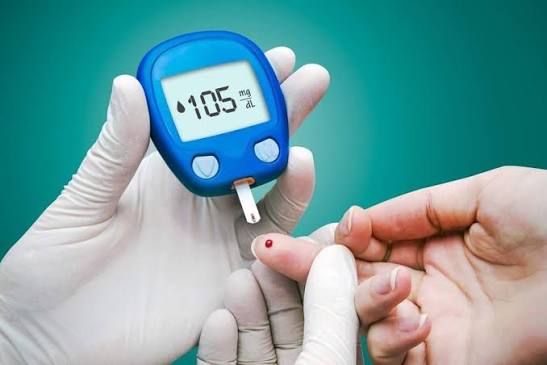
What remains is a lifelong condition requiring daily management. Blood sugar monitoring — either through fingerstick testing or continuous glucose monitors (CGMs) that track glucose in real time — becomes part of daily life. Insulin dosing must be adjusted for meals, exercise, illness, stress, and dozens of other factors that affect blood glucose. The goal of this ongoing management is to keep blood glucose as close to normal as safely possible, minimizing the risk of long-term complications while avoiding dangerous hypoglycemia. Modern tools — including advanced CGMs and insulin pump systems that can partially automate insulin delivery — have made this management far more precise and less burdensome than it was even a decade ago, substantially improving the quality of life and long-term outcomes for people with Type 1 diabetes.
Sources: American Diabetes Association. Standards of Medical Care in Diabetes — 2024. Diabetes Care. 2024;47(Suppl 1):S20–S42. • Dabelea D, et al. Prevalence of Type 1 and Type 2 Diabetes Among Children and Adolescents. JAMA. 2014;311(17):1778–1786. • Skyler JS, et al. Differentiation of Diabetes by Pathophysiology, Natural History, and Prognosis. Diabetes. 2017;66(2):241–255.
I have been reading about symptoms of type 1 diabetes in for weeks and this is the most thorough guide I found. The connection between lifestyle choices and long-term outcomes is explained clearly here. Forwarding this to others in my support group who are dealing with similar issues.
Came across this while researching symptoms of type 1 diabetes in for a family member. The practical tips made this immediately actionable, not just theoretical. This is exactly why I prefer this website over generic health platforms.
Finally a resource that explains symptoms of type 1 diabetes in in plain language. I have tried following advice from several sources but this is most consistent with what my specialist told me. Shared this with three friends who are dealing with related issues. Very useful resource.