

Early Signs of High Blood Sugar in Adults
The early signs of high blood sugar are among the most commonly overlooked signals the body sends — subtle enough to dismiss as stress, aging, or dehydration, yet specific enough that recognizing them can mean the difference between early intervention and years of undetected damage. Hyperglycemia — the medical term for elevated blood glucose — often develops gradually, producing symptoms that are easy to rationalize away long before blood sugar reaches the levels that trigger a formal diabetes diagnosis. By the time most people with Type 2 diabetes receive their diagnosis, they have had elevated blood sugar for an average of seven to ten years, during which time silent complications were already developing in their blood vessels, nerves, and kidneys. Understanding the early warning signs — what they feel like, why they happen, and what they mean — is the first step in breaking this pattern of delayed recognition.
Why Early Signs of High Blood Sugar Are Easily Missed
The symptoms of mildly elevated blood sugar are nonspecific — they overlap with many common, benign conditions. Feeling thirstier than usual can be attributed to hot weather or salty food. Needing to urinate more often might be blamed on drinking more coffee. Unusual fatigue is explained away by a bad night’s sleep or a stressful week at work. Mild blurry vision is assumed to be eye strain from screen time. Each symptom, taken individually, has a plausible and reassuring explanation that deflects concern.
This is precisely what makes hyperglycemia so insidious in its early stages. It does not typically announce itself dramatically. It whispers, through symptoms that are real but easily explained away, for months or years before either a routine blood test or a more serious symptom forces the issue. The goal of this guide is to make those whispers recognizable — so that people who experience a cluster of these symptoms, particularly alongside known risk factors, have the knowledge to seek testing rather than continuing to rationalize them.
To fully understand why these symptoms occur, it helps to first understand what blood sugar is and how the body normally keeps it within a healthy range. When that regulatory system begins to fail — through insulin resistance, declining beta cell function, or both — blood glucose rises above the range the body was designed to handle, and the symptoms described below begin to emerge.
Increased Thirst: The First Signal
Persistent, unusual thirst — medically termed polydipsia — is one of the earliest and most classic early signs of high blood sugar. It feels different from ordinary thirst: drinking water provides only temporary relief before the sensation returns, and the dryness in the mouth and throat feels constant rather than situational.
The mechanism is direct. When blood glucose rises above approximately 180 mg/dL — the threshold at which the kidneys can no longer fully reabsorb glucose and begin allowing it to spill into the urine — the kidneys draw water from the body’s tissues to dilute and flush the excess glucose. This process, called osmotic diuresis, creates a state of cellular dehydration: cells throughout the body lose water as the osmotic gradient created by high blood sugar pulls fluid toward the bloodstream and eventually into the urine. The hypothalamus in the brain detects this intracellular dehydration through osmoreceptors and triggers the sensation of thirst to prompt fluid intake to compensate.
The problem is that as long as blood sugar remains elevated, the osmotic loss of fluid continues regardless of how much water is consumed. Drinking more leads to more urine production, which leads to more fluid loss, which perpetuates the thirst — a cycle that will not resolve until blood sugar itself is brought down. Someone whose blood sugar runs consistently above 200 mg/dL may find themselves drinking four to six liters of water per day and still feeling thirsty, while simultaneously producing enormous volumes of urine.
Increased thirst is one of the earliest detectable signs of high blood sugar and often precedes other symptoms. If you find yourself consistently drinking more than usual and feeling thirsty even shortly after drinking, and this is not explained by obvious heat, exercise, or dietary salt, it warrants attention — particularly if accompanied by any of the other signs described below.
Frequent Urination: The Kidneys Under Pressure
Frequent urination — polyuria — accompanies polydipsia as the second half of the classic early symptom pair. The mechanism is the same osmotic diuresis described above: glucose filtering into the urine carries water with it, increasing urine production significantly. A person with well-controlled blood sugar typically produces one to two liters of urine per day; someone with poorly controlled high blood sugar may produce three to five liters or more.
The characteristic pattern of diabetes-related frequent urination includes not only daytime frequency but also nocturia — waking two or more times during the night to urinate. This nighttime disruption is often the symptom that prompts people to seek medical attention, because it disrupts sleep and is more difficult to rationalize. The same pathophysiology produces urgency — a sudden, compelling need to urinate that can be difficult to delay — and a sense that the bladder never fully empties even after urinating.
Early in the development of high blood sugar, frequent urination may be intermittent — more pronounced on days when blood sugar is higher and less obvious on days when it is more controlled. As blood sugar rises and remains consistently elevated, the symptom becomes constant. Noticing that you are making significantly more trips to the bathroom than usual — especially overnight — is a meaningful early signal worth taking seriously, particularly alongside increased thirst.
Unusual Fatigue and Energy Crashes
Fatigue is among the most common complaints in general medicine, and most fatigue has ordinary causes: poor sleep, overwork, stress, or physical illness. But there is a specific pattern of fatigue associated with high blood sugar that has a distinct quality: it tends to be particularly severe after meals (especially carbohydrate-heavy meals), it is accompanied by a foggy, heavy feeling rather than the sleepiness of normal tiredness, and it is disproportionate to the amount of physical or mental activity that preceded it.
The mechanism operates on two levels. First, when cells are insulin-resistant — unable to efficiently absorb glucose despite its abundance in the blood — they are literally starved of their primary fuel even while blood glucose levels are high. The paradox of cellular energy deficiency in the midst of blood glucose excess creates profound, cellular-level fatigue that no amount of rest fully resolves. Second, the large insulin surges that the pancreas releases to compensate for insulin resistance cause blood glucose to swing — first rising sharply after eating, then potentially dropping as the excess insulin drives glucose into cells, creating reactive hypoglycemia that produces profound post-meal energy crashes.
People with early high blood sugar often describe feeling energetic before meals, sluggish and foggy for one to two hours afterward, and needing a rest or nap in the early afternoon. This pattern — particularly when it occurs after meals with significant carbohydrate content — is a meaningful signal of impaired glucose regulation. It reflects the metabolic instability that characterizes the early stages of insulin resistance even before blood sugar has risen into the diagnostic range for diabetes. Understanding blood sugar after meals and what a healthy post-meal response looks like helps contextualize whether these energy patterns are metabolically significant.
Blurry Vision: Fluid Shifts in the Eye
Unexplained blurry vision — particularly vision that fluctuates throughout the day or seems worse at certain times — is a meaningful early sign of high blood sugar that is frequently attributed to eyestrain, aging, or the need for new glasses. While all of those explanations may be valid, blurry vision that appears alongside other high blood sugar symptoms deserves specific evaluation.
The mechanism is straightforward and reversible in the early stages: elevated blood glucose causes osmotic fluid shifts in the lens of the eye, changing its shape and focal length in ways that blur vision. The lens, like other tissues, is susceptible to the osmotic effects of high blood sugar — it swells slightly when glucose draws fluid into or out of it, altering its refractive properties. This explains why vision changes associated with early high blood sugar often fluctuate with blood glucose levels — blurrier when blood sugar is high, clearer when it comes down. People who receive new glasses or contact lenses while having undiagnosed high blood sugar sometimes find that their vision seems to change again shortly after — because their blood sugar fluctuations were the actual cause of their changing focus, not a static refractive error.
The reassuring aspect of early high blood sugar-related blurry vision is that it typically resolves when blood sugar is brought under control — the osmotic changes are reversible. The concerning aspect is that persistent high blood sugar over years leads to a very different and far more serious form of eye involvement — diabetic retinopathy — in which the blood vessels of the retina are permanently damaged. This is why early recognition matters so profoundly: catching high blood sugar before this progression occurs preserves vision that cannot be recovered later.
- Increased thirst (polydipsia): Persistent dryness and thirst not relieved by drinking water normally
- Frequent urination (polyuria): More trips to the bathroom, especially at night; large volumes of pale urine
- Unusual fatigue: Heavy, foggy energy crashes — especially after meals — disproportionate to activity level
- Blurry vision: Fluctuating focus that changes through the day; vision that seems different than usual
- Headaches: Recurrent headaches, particularly in the morning or after meals
- Increased hunger: Feeling hungry shortly after eating, or not feeling satisfied by meals
- Dry mouth and skin: Persistent dry mouth even when drinking adequately; dry, itchy skin
- Difficulty concentrating: Brain fog, poor focus, and memory lapses — sometimes called “diabetes brain”
Headaches and Difficulty Concentrating
Recurrent headaches — particularly upon waking, after meals, or in the mid-afternoon — are an often-overlooked early sign of blood sugar dysregulation. The brain is uniquely dependent on glucose for fuel and has essentially no capacity to store it, making it highly sensitive to the osmotic and metabolic changes that accompany blood sugar fluctuations. When blood sugar rises above normal after a meal and then falls steeply as insulin (or counter-regulatory responses) drives it back down, the rapid change in brain glucose availability can produce headaches, particularly at the front of the head, that coincide with the post-meal period.
Difficulty concentrating — sometimes colloquially called “brain fog” or, in diabetes contexts, “diabetes brain” — is a closely related symptom. People describe it as an inability to focus, difficulty finding words, short-term memory lapses, and a general sense that their mental processing is slower than usual. Research has shown measurable cognitive impairment in people with consistently elevated blood sugar even in the prediabetes range, attributed to the same mechanisms that cause fatigue: cellular energy deficiency in brain cells, osmotic disruption of neural function, and the low-grade inflammatory state associated with insulin resistance.
The pattern of cognitive symptoms associated with early high blood sugar tends to worsen after high-carbohydrate meals and improve somewhat after eating protein and fat. People who notice that their mental clarity fluctuates significantly with what they eat — clearer after a protein-rich breakfast, foggier after a large bowl of pasta at lunch — may be experiencing blood sugar-related cognitive effects worth investigating. For a comprehensive explanation of why blood sugar matters for long-term health, including its effects on brain function and cognitive risk, see our detailed guide.
Increased Hunger Despite Eating
Polyphagia — increased hunger — is the third member of the classic triad of diabetes symptoms (alongside polydipsia and polyuria). It seems counterintuitive: if blood glucose is high, why would someone feel hungry? The explanation lies again in cellular energy deprivation. When cells cannot efficiently absorb glucose due to insulin resistance or inadequate insulin production, they signal to the brain that they need fuel — triggering hunger — even though blood glucose levels are elevated. The body is, in a sense, unable to access the food it already has.
In the early stages of blood sugar elevation, this manifests as a specific type of hunger: an inability to feel satisfied after meals, a return of hunger sooner than expected after eating, or a persistent sense of not having eaten enough even after a full meal. People sometimes describe eating a complete dinner and feeling hungry again within an hour or two — not because they ate too little calorically, but because the glucose from that meal is accumulating in their bloodstream rather than reaching the cells that need it.
This hunger pattern can contribute to overeating and weight gain, which in turn worsens the insulin resistance driving the problem — one of the reinforcing cycles that drives Type 2 diabetes progression. Breaking the cycle requires addressing the underlying blood sugar dysregulation, not simply eating more. Understanding insulin resistance helps explain why this apparent hunger despite elevated blood sugar occurs and why it is a meaningful metabolic signal rather than simple appetite variation.
Dry Mouth, Skin Changes, and Itching
The same osmotic dehydration that produces thirst and frequent urination also dries out the mucous membranes of the mouth and throat, producing a persistent dry mouth that is not fully relieved by drinking water. This dryness can worsen mouth odor, increase cavity risk (because saliva normally neutralizes oral bacteria), and cause discomfort that people often attribute to medications, snoring, or mouth breathing rather than to blood sugar.
Skin changes are common in the early stages of high blood sugar, driven by the combination of dehydration (which reduces skin elasticity and moisture), reduced circulation to the skin’s small blood vessels (which impairs skin barrier function and healing), and the direct effects of elevated glucose on skin proteins. Dry, itchy skin — particularly on the legs, elbows, and scalp — that does not respond well to moisturizers may reflect an underlying glucose problem. Acanthosis nigricans — dark, velvety patches of skin that appear in body folds such as the neck, armpits, and groin — is a specific sign of insulin resistance and is sometimes the first visible indicator that metabolic changes are occurring, even before blood sugar testing shows abnormal results.
Frequent skin infections — particularly fungal infections such as thrush (oral or vaginal candidiasis) and tinea (athlete’s foot, jock itch) — are another skin-related early sign. The high glucose environment of elevated blood sugar is ideal for yeast and fungal growth, and the immune impairment associated with hyperglycemia makes clearing these infections more difficult. Recurrent or unusually persistent fungal infections, particularly in people with other early signs described in this guide, should prompt blood sugar testing.
Slow Wound Healing and Recurring Infections
One of the more specific and concerning early signs of chronically elevated blood sugar is a pattern of wounds — cuts, scrapes, bruises — that take longer to heal than expected, along with a tendency to develop infections more easily or take longer to recover from them. This reflects the dual impact of high blood sugar on immune function and circulation.
Elevated glucose directly impairs the function of neutrophils — the white blood cells that form the first line of defense against bacterial and fungal invaders. When blood sugar is consistently elevated, neutrophils lose approximately 30 to 50 percent of their ability to recognize, pursue, and destroy pathogens, leaving the body more vulnerable to infections and slower to respond when they occur. At the same time, the small blood vessels that supply the skin and peripheral tissues are affected by the same glycation and oxidative damage described in our guide on why blood sugar matters for long-term health — reducing the delivery of oxygen, nutrients, and immune cells to wound sites.
The result is that people with early-stage high blood sugar may notice that minor injuries — a paper cut, a small blister, an insect bite — take two to three times longer to heal than they did previously, or that they develop secondary infections from wounds that would previously have healed without issue. This pattern, particularly when combined with other early signs, is a strong signal that blood sugar evaluation is warranted.
Tingling or Numbness in Hands and Feet
Tingling, numbness, or a burning sensation — particularly in the feet and lower legs, though sometimes in the hands — is a sign that elevated blood sugar has been present long enough to begin affecting the peripheral nerves. This symptom, which represents early peripheral neuropathy, is more characteristic of sustained rather than briefly elevated blood sugar, and its presence suggests that blood glucose has been above normal for months to years.
The development of nerve symptoms early in the blood sugar elevation timeline is a sobering reminder of how long the process of damage can proceed before it is detected. Many people diagnosed with Type 2 diabetes already have detectable peripheral neuropathy at the time of diagnosis — meaning their blood sugar was elevated long enough before diagnosis to have caused measurable nerve damage. Early tingling or numbness in the feet, particularly if it is worse at night, follows a stocking-glove distribution (affecting the feet and lower legs symmetrically), or is accompanied by hypersensitivity to touch, warrants prompt medical evaluation including blood glucose testing.
Who Should Pay Most Attention to These Signs
While the early signs of high blood sugar are relevant to any adult, certain groups have elevated risk and should be particularly vigilant about recognizing and acting on these symptoms:
- Adults over 45, for whom both insulin sensitivity and beta cell function naturally decline with age, increasing the threshold at which blood sugar begins to rise
- People with a family history of Type 2 diabetes, whose genetic risk may amplify the impact of any lifestyle factors that worsen insulin sensitivity
- Those who are overweight — particularly with excess abdominal fat, the most metabolically active fat distribution in terms of insulin resistance risk
- People who are physically inactive, since muscle insulin sensitivity depends heavily on regular exercise to maintain GLUT4 transporter activity
- People from higher-risk ethnic backgrounds — including Black, Hispanic, Native American, and Asian American adults — who develop blood sugar dysregulation at lower body weights and sometimes at younger ages than the general population
- Women with a history of gestational diabetes, who retain significantly elevated lifetime risk of Type 2 diabetes after pregnancy
- Anyone who has previously been told they have prediabetes and has not been retested recently — prediabetes progresses silently, and the same early signs described here may represent worsening of an already-known condition
If you fall into one or more of these groups and are experiencing two or more of the symptoms described in this guide, discussing blood sugar testing with your healthcare provider is appropriate — regardless of whether your symptoms are severe enough to seem “worth mentioning.” Early detection through routine testing prevents the years of undetected damage that make diabetes management so much harder once it is eventually diagnosed. For a comprehensive overview of all the diabetes risk factors that inform how urgently testing is warranted, see our dedicated guide.
Getting Tested: What the Numbers Mean
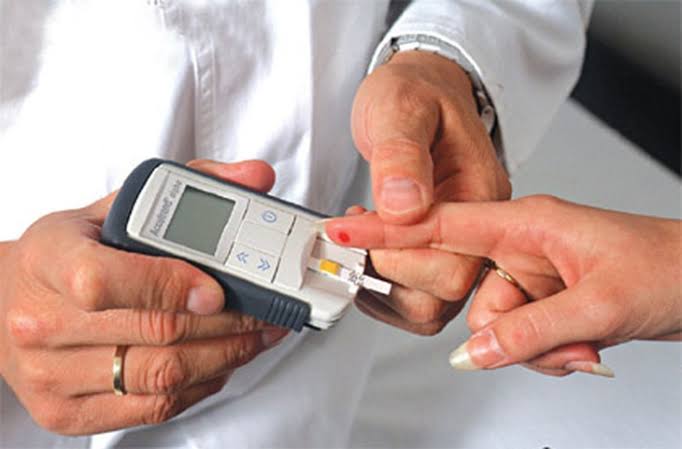
If you recognize early signs of high blood sugar in yourself, the appropriate next step is a blood glucose test — ideally a fasting plasma glucose test (taken after at least eight hours without eating) and an A1C test (which reflects average blood glucose over the prior two to three months). Together, these tests provide a complete picture of glucose status and whether blood sugar is in the normal, prediabetes, or diabetes range.
Normal fasting blood glucose is below 100 mg/dL; prediabetes is 100 to 125 mg/dL; diabetes is 126 mg/dL or above on two separate occasions. A normal A1C is below 5.7%; prediabetes is 5.7 to 6.4%; diabetes is 6.5% or above. For a full explanation of what these ranges mean and how to interpret your results, see our guides on what is blood sugar and the A1C test.
If your results fall in the prediabetes range, the good news is substantial: prediabetes is highly reversible with lifestyle intervention, and the symptoms described in this guide typically improve or resolve when blood sugar is brought back under control. If your results show diabetes, early treatment — before complications have progressed — significantly improves long-term outcomes. Either way, recognizing the early signs and seeking testing is the critical first step. The years of silent damage that characterize undetected high blood sugar do not have to be part of your story. For practical guidance on monitoring blood sugar at home between clinical tests, see our guide on home blood sugar monitoring.
Sources: American Diabetes Association. Standards of Medical Care in Diabetes — 2024. Diabetes Care. 2024;47(Suppl 1):S20–S42. • National Institute of Diabetes and Digestive and Kidney Diseases. Symptoms and Causes of Diabetes. NIDDK; 2023. • Centers for Disease Control and Prevention. National Diabetes Prevention Program. CDC; 2023.
Finally a resource that explains early signs of high blood sugar in plain language. I appreciate that the article is careful about distinguishing between what is known and what is still being researched. This is going into my health folder that I bring to every doctor’s visit.
Came across this while researching early signs of high blood sugar for a family member. The specific numbers and thresholds mentioned are exactly what I needed to understand my results. This gave me real confidence going into my next specialist appointment.
As someone dealing with this personally, the early signs of high blood sugar section was very helpful. The practical tips made this immediately actionable, not just theoretical. Forwarding this to others in my support group who are dealing with similar issues.