
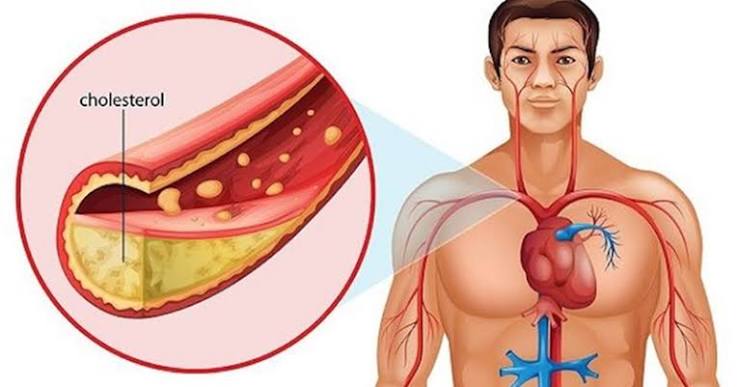
Of all the dietary fats that influence cardiovascular risk, artificial trans fat stands apart as the single most harmful — not because of the magnitude of its effect on LDL alone, but because of what it does simultaneously to LDL and HDL together. Saturated fat raises LDL; unsaturated fat lowers it. Trans fat raises LDL and lowers HDL at the same time, worsening both sides of the most important cholesterol ratio in cardiovascular risk assessment.
This double effect on the lipid profile made trans fat and heart health a defining research area of the 1990s and 2000s, and the resulting evidence base drove one of the most consequential public health nutrition interventions of modern times: the US FDA’s removal of partially hydrogenated oils from the food supply, effectively eliminating artificial trans fat from most American food products by 2018.
Understanding trans fat matters even now, despite its near-elimination from the US food supply, for several reasons: trace amounts remain in some products due to a labeling loophole; a significant portion of the global food supply still contains trans fat at harmful levels; and understanding the mechanism helps explain how dietary fats interact with the lipid system and why the FDA action was such an important health intervention.
What Is Trans Fat?
Trans fatty acids are a category of unsaturated fatty acids — fatty acids that have at least one double bond between carbon atoms in their chain. The distinction between trans fat and the naturally occurring unsaturated fats in olive oil, nuts, and fish lies in the geometric configuration of that double bond.
In naturally occurring unsaturated fatty acids, the hydrogen atoms flanking the double bond are on the same side of the carbon chain — the “cis” configuration. This causes a bend or kink in the molecule, which is why unsaturated fats are liquid at room temperature: the kinks prevent tight packing. In trans fatty acids, the hydrogen atoms are on opposite sides of the double bond — the “trans” configuration. This produces a straighter molecular geometry, more similar to saturated fat, which is why trans fats are semi-solid at room temperature and why they were so attractive to food manufacturers as a replacement for solid animal fats.
There are two distinct categories of trans fat with very different cardiovascular implications:
Artificial (industrial) trans fat, also called industrial trans fatty acids (iTFA), is created through partial hydrogenation — a process in which liquid vegetable oils are exposed to hydrogen gas under pressure in the presence of a catalyst. This process converts liquid oil into a semi-solid fat with a longer shelf life and more desirable texture for commercial baking and frying. The resulting partially hydrogenated oils (PHOs) were extensively used in commercial food production from the 1950s through the early 2000s. Artificial trans fat is the cardiovascular-harmful form.
Natural (ruminant) trans fat, also called ruminant trans fatty acids (rTFA), is produced naturally during the digestive process of ruminant animals (cattle, sheep, goats) through bacterial biohydrogenation in the rumen. These trans fatty acids — primarily vaccenic acid (18:1 trans-11) and conjugated linoleic acid (CLA) — are found in small amounts in beef, lamb, and dairy products. The evidence on ruminant trans fat is fundamentally different from industrial trans fat: natural rTFA does not appear to carry the same cardiovascular harm and may have neutral to modestly beneficial effects.
The concern with trans fat and heart health is almost entirely about the artificial, industrial form.
Trans Fat and Heart Health — Why It’s More Dangerous Than Saturated Fat
The cardiovascular effects of artificial trans fat are more severe than those of saturated fat, gram for gram, because trans fat damages the lipid profile from two directions simultaneously.
Effect on LDL: Like saturated fat, artificial trans fat raises LDL cholesterol. The mechanism is similar — suppression of LDL receptor expression in hepatocytes — though the molecular details of how trans fatty acids achieve this are somewhat different from saturated fatty acids at the membrane level.
Effect on HDL: Unlike saturated fat (which may slightly raise HDL), artificial trans fat lowers HDL cholesterol. The precise mechanism involves disruption of reverse cholesterol transport — the process by which HDL particles carry cholesterol from peripheral tissues back to the liver for excretion. When HDL is lowered, this reverse transport pathway becomes less efficient, allowing cholesterol to accumulate in arterial walls.
The combined effect on the LDL:HDL ratio — the single best lipid-based predictor of cardiovascular risk — is dramatically worse than what either saturated fat or unsaturated fat produces. Replacing 2 percent of total calories from carbohydrates with trans fat raises LDL:HDL ratio more than any equivalent substitution with saturated fat.
Beyond the lipid profile, artificial trans fat exerts additional cardiovascular harm:
Lp(a) elevation: Lp(a) (lipoprotein-a) is an atherogenic lipoprotein particle whose levels are largely genetically determined and relatively resistant to dietary change — except that trans fat is one of the few dietary factors known to raise Lp(a) concentration. Elevated Lp(a) is an independent cardiovascular risk factor, particularly for aortic stenosis and thrombotic events.
Systemic inflammation: Artificial trans fat raises markers of systemic inflammation, including CRP (C-reactive protein) and IL-6, which are associated with endothelial dysfunction and plaque instability. This inflammatory effect compounds cardiovascular risk beyond the lipid effects.
Endothelial dysfunction: Trans fatty acids impair normal endothelial function — the ability of blood vessel walls to dilate appropriately in response to blood flow — independently of their effects on cholesterol.
The epidemiological evidence on trans fat and heart health is among the most striking in nutritional research. The Nurses’ Health Study, which followed over 80,000 women, found that each 2 percent increase in energy from trans fat was associated with a 23 percent higher risk of coronary heart disease. A Harvard analysis concluded that replacing 2 percent of calories from trans fat with unsaturated fat was associated with approximately a 53 percent reduction in coronary heart disease risk — far larger than equivalent reductions in saturated fat.
The History of Trans Fat in the Food Supply
The rise and fall of artificial trans fat in the American diet spans seven decades and represents one of the clearest examples of how food industry practices, regulatory action, and evolving nutritional science interact.
The rise (1950s–1990s): Partially hydrogenated oils were originally promoted as a healthier alternative to saturated animal fats — a well-intentioned but ultimately mistaken recommendation, since the evidence on trans fat’s cardiovascular harm was not yet established. PHOs were cheaper than animal fats, had longer shelf lives, were resistant to oxidation, and provided the desired semi-solid texture for margarines, shortenings, and commercial baked goods without requiring refrigeration. They were used extensively in crackers, cookies, cakes, pastries, pie crusts, fried foods, microwave popcorn, coffee creamers, and fast food frying oils. By the 1990s, average American consumption of artificial trans fat was estimated at 4 to 5 grams per day.
The reckoning (1990s–2000s): Starting in the late 1980s and through the 1990s, research accumulated showing that artificial trans fat raised LDL, lowered HDL, and was independently associated with increased coronary heart disease risk. A 1994 analysis estimated that trans fat consumption was responsible for approximately 30,000 coronary heart disease deaths per year in the United States. In 2003, the FDA mandated that trans fat content must be listed on Nutrition Facts labels, effective January 2006. This labeling requirement immediately drove voluntary reformulation by many food manufacturers, who reformulated products to avoid a prominent “2g trans fat” disclosure.
The ban (2013–2018): In 2013, after reviewing accumulated evidence, the FDA issued a preliminary determination that partially hydrogenated oils were no longer generally recognized as safe (GRAS) for use in food. In 2018, the FDA finalized the removal of GRAS status from PHOs, requiring manufacturers to stop adding PHOs to food products by June 18, 2018. The result: US dietary trans fat intake declined from an estimated 4 to 5 grams per day in the late 1990s to well below 1 gram per day by the early 2020s.
Where Trans Fat Still Exists — The Label Loophole
Despite the FDA’s effective ban on PHOs, two important caveats apply to the claim that “trans fat is gone from the US food supply.”
The 0.5g rounding loophole: FDA regulations allow a food product to declare “0g Trans Fat” on its Nutrition Facts label if the amount of trans fat per serving is less than 0.5 grams. A product can legally state “0g trans fat” on the package while containing 0.4 grams per serving — which, across multiple servings per day, adds up to a meaningful intake.
The ingredient list rule: The only reliable way to identify whether a food contains trans fat is to read the ingredient list — not the Nutrition Facts label. If the ingredient list includes “partially hydrogenated” followed by any oil name (soybean oil, vegetable oil, cottonseed oil, etc.), the product contains artificial trans fat regardless of what the label says.
Foods where traces of trans fat from PHOs may still appear: some stick margarines and vegetable shortenings; certain commercial baked goods (cookies, crackers, cakes, pastries); some imported packaged foods; some coffee creamers; commercially prepared frostings and icings.
The global picture: For readers who travel internationally or purchase imported food products, the concern is much greater. The World Health Organization estimates that artificial trans fat still causes approximately 500,000 premature deaths per year globally from cardiovascular disease. Many countries in South Asia, Southeast Asia, Latin America, and North Africa have significant trans fat content in their food supplies. The WHO’s REPLACE initiative — a framework to remove trans fat from the global food supply — has accelerated progress, but elimination remains incomplete globally.
Natural Trans Fat — Is It the Same Risk?
A common source of confusion is whether the small amounts of trans fat naturally present in beef, dairy, and lamb carry the same cardiovascular risk as artificial trans fat from PHOs. The answer, based on current evidence, is no.
Vaccenic acid (18:1 trans-11), the primary trans fatty acid in ruminant fat, has a distinct molecular structure from the artificial trans fatty acids (primarily elaidic acid, 18:1 trans-9) that predominate in partially hydrogenated oils. In controlled feeding studies, vaccenic acid does not raise LDL:HDL ratio in the same manner as elaidic acid, and may be partially converted by the body to CLA, which has anti-inflammatory properties in some research contexts.
CLA (conjugated linoleic acid) is another ruminant trans fatty acid. Some human studies have shown CLA may support lean body mass and have modest anti-inflammatory effects. The evidence is not definitive, and the mechanisms differ fundamentally from the lipid effects of artificial trans fat.
Important caveat: this distinction does not mean that full-fat dairy or fatty red meat are “safe” from a cardiovascular standpoint — those foods still contain saturated fat, which raises LDL through the receptor suppression mechanism. The point is specifically that the trans fat found in ruminant foods is not the same danger as the trans fat from PHOs, and avoiding full-fat dairy or beef on the basis of their natural trans fat content alone is not supported by the evidence.
How to Identify and Avoid Trans Fat
For people in the US, the practical risk of significant trans fat exposure is much lower than it was 20 years ago — but it is not zero. The following steps identify remaining areas of risk.
Read ingredient lists, not just Nutrition Facts labels. If you see “partially hydrogenated” before any oil name, the product contains artificial trans fat regardless of what the front of the package says.
Priority food categories to check:
- Stick margarine and vegetable shortening: Most historically concentrated sources. Look for “non-hydrogenated” versions or use liquid oils. Better alternatives: extra-virgin olive oil, canola oil, or butter (saturated fat but not artificial trans fat).
- Packaged baked goods: Cookies, crackers, cakes, and pastries from smaller manufacturers or store brands are more likely to still use PHOs than major national brands.
- Commercial frostings and icings: Often contain partially hydrogenated oils for stability.
- Non-dairy creamers: Many use partially hydrogenated oils. Check both label and ingredient list.
- Imported snack foods: Products manufactured outside the US or Canada are not subject to the 2018 FDA ruling. Read ingredient lists carefully.
At restaurants: Most US fast food chains and major restaurant chains eliminated PHO-based frying oils after 2018. Smaller independent restaurants and international food service establishments may still use partially hydrogenated oils. Asking about frying oil composition gives the most accurate information.
Trans Fat, Heart Disease, and the Global Picture
The elimination of artificial trans fat from the US food supply is one of the most significant — and underappreciated — public health nutrition victories of the past 25 years. Modeling studies estimated that the FDA’s trans fat action had the potential to prevent approximately 20,000 heart attacks and 7,000 deaths from coronary heart disease per year in the United States.
Globally, the picture is more concerning. The WHO’s data indicate that dozens of countries with a combined population of over 850 million still do not have best-practice policies on trans fat elimination. The regions with highest trans fat exposure include South Asia, parts of Southeast Asia, Egypt and North Africa, and parts of Latin America, where partially hydrogenated vegetable oils remain a cheap, widely used cooking fat and food ingredient.
The WHO’s REPLACE framework consists of six action components: Review dietary sources of trans fat; Promote replacement of iTFA with healthier fats; Legislate or regulate to eliminate iTFA; Assess and monitor trans fat content in foods; Create public awareness; Enforce compliance. Progress has been uneven, but the framework has accelerated policy action in dozens of countries.
Trans Fat vs. Saturated Fat — Understanding the Difference
Both trans fat and saturated fat raise LDL cholesterol and are associated with increased cardiovascular risk. But their profiles differ in ways that matter practically.
Trans fat is more harmful per gram than saturated fat for cardiovascular disease risk, based on the comparative magnitude of effect on the LDL:HDL ratio. The epidemiological evidence supports this: the CHD risk reduction associated with replacing trans fat with unsaturated fat is larger than the risk reduction from replacing an equivalent caloric amount of saturated fat.
In the US, artificial trans fat has been largely eliminated from the food supply through regulatory action. Saturated fat remains widely present in the American diet — in red meat, full-fat dairy, butter, coconut oil, and processed foods. For most Americans today, saturated fat is the more practically relevant dietary target for reducing LDL-driven cardiovascular risk. Understanding both fats — and minimizing both in favor of unsaturated fats — provides the most comprehensive dietary approach to heart health. See our article on saturated fat and cholesterol for details on that dietary fat’s mechanism and dietary sources.
For understanding what your LDL and HDL numbers mean, see LDL vs HDL cholesterol. For other dietary factors that affect cholesterol, see causes of high cholesterol, foods that help lower cholesterol, and what is cholesterol.
Sources
US Food and Drug Administration — Trans Fat (fda.gov) | World Health Organization — REPLACE Trans Fat (who.int) | American Heart Association — Dietary Fats (heart.org) | Mozaffarian D et al. Trans Fatty Acids and Cardiovascular Disease. NEJM 2006;354:1601–13 | Willett WC et al. Intake of trans fatty acids and risk of coronary heart disease. Lancet 1993;341:581–5
Trans Fat’s Effect Beyond Cholesterol — Triglycerides and Small Dense LDL
The most studied cardiovascular effects of artificial trans fat are on LDL and HDL cholesterol, but the harm extends to other aspects of the lipid system that matter clinically.
Triglycerides: In some — though not all — controlled feeding studies, artificial trans fat raises fasting triglyceride levels compared to unsaturated fat at equivalent caloric intake. Elevated triglycerides are an independent cardiovascular risk factor, particularly in the context of low HDL (the lipid pattern characteristic of metabolic syndrome). The combination of raised triglycerides and lowered HDL that trans fat can produce represents the most atherogenic common lipid pattern — more strongly predictive of cardiovascular events than elevated LDL alone in some population studies.
LDL particle size and density: Not all LDL particles are equally atherogenic. Small, dense LDL particles (pattern B) penetrate the arterial wall more readily and are more susceptible to oxidation than larger, buoyant LDL particles (pattern A). Trans fat promotes a shift toward the smaller, denser LDL subtype — meaning that even when total LDL concentration is comparable, trans fat-associated LDL may be more harmful than LDL raised by other dietary factors. This effect on LDL particle quality compounds the effect on LDL quantity.
Postprandial lipemia: The impact of trans fat on blood lipids is not limited to fasting measurements. Research suggests that trans fat consumption raises postprandial (after-meal) triglyceride-rich lipoprotein levels more than equivalent amounts of saturated fat or unsaturated fat. Postprandial lipid surges are independently associated with endothelial dysfunction and cardiovascular risk — particularly relevant because most people spend the majority of their waking hours in a postprandial state rather than a fasted state.
These additional effects — on triglycerides, LDL particle size, and postprandial lipids — supplement the well-documented effects on fasting LDL and HDL and help explain why the epidemiological risk reduction from eliminating trans fat is so large relative to the absolute quantities consumed.
What the FDA Trans Fat Ban Means for Public Health — Measurable Outcomes
The US FDA’s removal of partially hydrogenated oils from the food supply is now old enough to examine in retrospect. The outcomes, while difficult to isolate precisely from other simultaneous trends in diet and lifestyle, have been broadly consistent with what the epidemiological evidence predicted.
Population studies examining trans fat biomarkers — including measures of trans fat in red blood cells and in adipose tissue, which reflect longer-term dietary exposure — showed significant declines in the US population over the 2000s and 2010s. A National Health and Nutrition Examination Survey (NHANES) analysis found that plasma trans fat levels in US adults declined substantially between 2000 and 2014, with further reductions expected after the 2018 final rule took effect.
The contribution to overall cardiovascular mortality trends is harder to quantify precisely because multiple factors influence heart disease rates simultaneously — smoking rates, statin prescribing, hypertension management, and other dietary trends. However, simulation models developed by Harvard researchers estimated that eliminating trans fat from the US food supply could prevent 72,000 to 228,000 coronary heart disease events per year, depending on modeling assumptions. These are population-level projections, not confirmed outcomes, but they are consistent with the magnitude of effect predicted by the Nurses’ Health Study risk relationship.
Perhaps the most important legacy of the trans fat story for public health policy is what it demonstrates about the relationship between nutritional science, food industry practice, and regulatory action. The cycle — from initial research identifying harm, to voluntary label-driven reformulation, to mandatory regulatory elimination — played out over approximately 25 years (1993 to 2018). That timeline reflects both the pace of evidence accumulation and the resistance of food manufacturers to reformulation without regulatory compulsion. The trans fat case is now frequently cited in public health discussions about other potentially harmful food additives as a model for how evidence-based regulation can reduce population-level cardiovascular risk.
I have been reading about trans fat and heart health: the for weeks and this is the most thorough guide I have found. The connection between diet, lifestyle, and long-term outcomes is explained clearly here. Exactly the kind of evidence-based information that is hard to find in one place.
I have been reading about trans fat and heart health: the for weeks and this is the most thorough guide I have found. What I liked most was that the article didn’t just say what to avoid — it also gave alternatives. Thank you for making complex medical information accessible without dumbing it down.
Really well-written article on trans fat and heart health: the. The specific numbers and thresholds mentioned are exactly what I needed to understand my lab results. This gave me real confidence going into my next specialist appointment.
I have been reading about trans fat and heart health: the for weeks and this is the most thorough guide I found. The specific numbers and thresholds mentioned are exactly what I needed to understand my results. Thank you for making complex medical information accessible without dumbing it down.
Thank you for covering trans fat and heart health: the so thoroughly without being overly technical. The specific numbers and thresholds mentioned are exactly what I needed to understand my results. Shared this with three friends who are dealing with related issues. Very useful resource.
I have been reading about trans fat and heart health: the for weeks and this is the most thorough guide I found. It is refreshing to see an article that acknowledges individual variation rather than one-size-fits-all advice. Exactly the kind of evidence-based information that is hard to find in one place.