
The relationship between weight management and liver health is one of the most direct and clinically actionable in hepatology: excess body weight — particularly visceral adiposity (fat stored around the abdominal organs) — is the single largest modifiable risk factor for non-alcoholic fatty liver disease (NAFLD), and intentional weight loss is the intervention with the most robust evidence for reversing it. The dose-response relationship between weight loss percentage and NAFLD improvement is well-characterised: a 3–5% weight reduction produces measurable reduction in hepatic steatosis; 7–10% produces resolution of steatohepatitis in many patients; and ≥10% is associated with fibrosis regression even in patients with advanced liver disease.
- Gradual weight loss (0.5–1 kg per week) through combined dietary and exercise intervention is more effective for liver health than rapid weight loss, which can transiently worsen liver inflammation through increased free fatty acid mobilisation
- Visceral fat (abdominal fat around the organs) is far more metabolically harmful to the liver than subcutaneous fat — waist circumference reduction, not just scale weight, is the most liver-relevant weight management target
- The Mediterranean dietary pattern is the most evidence-based dietary approach for NAFLD-related weight management, producing liver fat reduction beyond what its caloric restriction alone explains
- Weight maintenance after loss is the most challenging and most important phase — NAFLD relapse with weight regain is well-documented; strategies for sustainable maintenance are as important as the initial weight loss approach
- For people with BMI >40 or those who have not achieved sufficient liver health improvement through lifestyle change alone, bariatric surgery produces the largest and most durable liver fat reductions of any available intervention
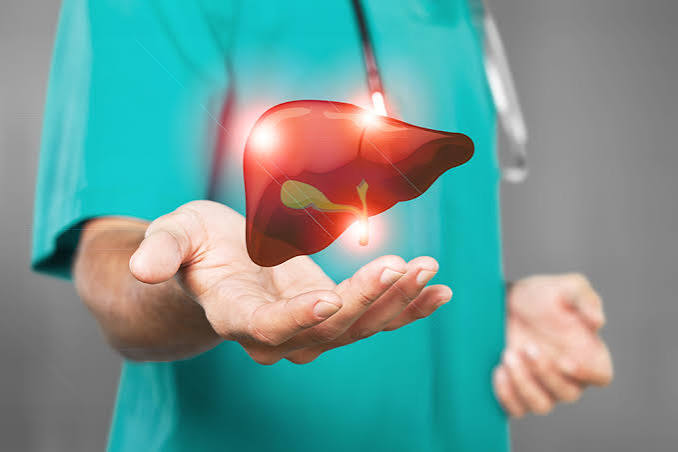
Why Excess Weight Damages the Liver
The liver is the primary metabolic organ — it processes everything absorbed from the gut, regulates glucose and lipid metabolism, and is directly exposed to the portal blood supply from adipose tissue. Excess weight — particularly visceral adiposity — harms the liver through several distinct mechanisms that collectively drive the NAFLD disease spectrum from simple steatosis through steatohepatitis to fibrosis and cirrhosis.
Free fatty acid overflow: Visceral adipose tissue (VAT) — the fat deposits around the abdominal organs — releases free fatty acids (FFAs) directly into the portal circulation, which flows directly to the liver before reaching the systemic circulation. In people with excess visceral fat, this FFA delivery to the liver exceeds its oxidative capacity, leading to ectopic fat storage (triglyceride accumulation in hepatocytes) — the fundamental lesion of NAFLD steatosis.
Insulin resistance: Excess adiposity, particularly VAT, releases pro-inflammatory cytokines (TNF-α, IL-6, resistin) that impair insulin signalling in muscle, liver, and adipose tissue. Hepatic insulin resistance drives increased de novo lipogenesis (the liver converts excess glucose and fructose into fat) and impaired fat export from the liver, compounding hepatic fat accumulation.
Gut-liver axis disruption: Excess weight is associated with gut microbiome dysbiosis (reduced diversity, altered bacterial composition) and increased intestinal permeability (“leaky gut”). Bacterial endotoxins (lipopolysaccharide, LPS) that translocate from the gut lumen into portal blood in increased quantities activate hepatic Kupffer cells (liver macrophages) through toll-like receptor signalling, driving the hepatic inflammation that converts steatosis to steatohepatitis (NASH). Weight loss restores gut microbiome diversity and reduces intestinal permeability, reducing this gut-liver inflammatory axis. For the evidence on gut microbiome and digestive health, see our article on IBS diet: a practical guide.
Adipokine imbalance: Adipose tissue secretes regulatory hormones (adipokines) that directly affect liver metabolism. Adiponectin — which is hepatoprotective and anti-inflammatory — is paradoxically reduced in obesity; leptin — which at high levels drives hepatic stellate cell activation and fibrosis — is elevated. Weight loss restores adiponectin levels and reduces leptin, directly improving the hormonal environment for liver health.
The Weight Loss Dose-Response for Liver Health
The relationship between percentage weight loss and NAFLD improvement is among the most robustly characterised dose-response relationships in lifestyle medicine, derived from multiple large RCTs and cohort studies:
3–5% weight reduction: Produces measurable reduction in hepatic steatosis grade on imaging, improvement in liver enzyme levels (ALT, AST), and improved insulin sensitivity. This is the minimum threshold for liver benefit and is achievable for most people with moderate dietary changes and exercise initiation over 3–6 months.
5–7% weight reduction: Associated with significant reductions in liver fat content (measured by MR spectroscopy), normalisation of elevated liver enzymes in many patients, and improved hepatic inflammatory activity (reduced NASH Activity Score). This degree of weight loss represents a meaningful liver health improvement that may be detectable on repeat imaging.
7–10% weight reduction: Associated with NASH resolution (histological resolution of steatohepatitis) in approximately 50–60% of patients in the landmark Vilar-Gomez et al. 2015 cohort study. This is the target typically cited in NAFLD clinical guidelines as the minimum for meaningful disease regression in patients with active inflammation.
≥10% weight reduction: Associated with fibrosis regression (reduction in liver scar tissue) in a significant proportion of patients, including those with established fibrosis (F2–F3). A 2021 meta-analysis published in Gastroenterology found that ≥10% weight loss was associated with fibrosis improvement in approximately 45% of NAFLD patients — a finding that establishes weight management as a credible intervention even in advanced liver disease where fibrosis reversal was previously thought to be rare with lifestyle change alone.
Rate of Weight Loss: Why Gradual Matters for Liver Health
A critical and counter-intuitive aspect of weight management for liver health is that the rate of weight loss matters — rapid weight loss is not better for the liver and can be temporarily harmful. Very low calorie diets (VLCDs) producing rapid weight loss (>1.5 kg/week) dramatically increase free fatty acid mobilisation from adipose tissue, overwhelming hepatic oxidative capacity and transiently increasing hepatic fat content and inflammatory activity before improvement begins. Studies of rapid weight loss programmes have shown transient worsening of liver histology within the first 2–4 weeks before sustained improvement occurs at 8–12 weeks.
The optimal rate of weight loss for NAFLD management is 0.5–1.0 kg per week — achievable through a moderate caloric deficit of 500–750 kcal/day below maintenance. This rate allows adipose tissue to release FFAs at a rate the liver can oxidise without accumulation, produces steady rather than volatile improvements in liver function markers, and is far more sustainable than aggressive restriction. For the dietary approach to achieving this caloric deficit with maximum liver health benefit, see our article on fatty liver meal planning.
Visceral Fat Versus Total Weight: The More Important Target
Body weight and BMI are imperfect proxies for liver health risk because they do not distinguish between visceral fat (VAT — the metabolically harmful fat around abdominal organs) and subcutaneous fat (SAT — fat under the skin, which is metabolically less active and less directly harmful to the liver). Two people at the same BMI can have dramatically different hepatic fat and liver health outcomes based on their fat distribution. This is why:
- Waist circumference is a better liver risk marker than BMI: Waist circumference >94 cm (men) or >80 cm (women) indicates excess visceral fat even when BMI is in the “normal” range. Waist-to-height ratio >0.5 is an accessible proxy for visceral adiposity that correlates strongly with liver fat content
- Metabolically obese normal weight (MONW): Some individuals with normal BMI have excess visceral fat and elevated liver fat — the “thin fat” or TOFI (thin outside, fat inside) phenotype. These individuals benefit from the same exercise and dietary interventions as overweight patients with NAFLD, even without scale weight change as the primary target
- Exercise-specific visceral fat reduction: Aerobic exercise is particularly effective at reducing visceral fat relative to subcutaneous fat — the thermodynamic response to exercise preferentially mobilises VAT over SAT. This makes exercise a targeted intervention for the fat type most relevant to liver health, independent of total weight change. For the evidence on exercise and liver health specifically, see our article on exercise and fatty liver health
Dietary Approaches for Weight Loss and Liver Health
Multiple dietary patterns have been studied specifically for NAFLD-related weight loss. The key finding is that several different macronutrient compositions produce similar weight loss outcomes, but dietary pattern quality (not just caloric deficit) has independent effects on liver health beyond what weight loss alone explains:
Mediterranean diet: The most evidence-based dietary pattern for NAFLD. Multiple RCTs show Mediterranean diet produces greater liver fat reduction than calorie-equivalent low-fat diets, even at the same weight loss — suggesting specific components (olive oil polyphenols, omega-3 from fish, high vegetable polyphenols) have direct hepatoprotective effects beyond caloric restriction. The PREDIMED-Plus study, the largest Mediterranean diet intervention trial, showed significant NAFLD improvement and metabolic risk reduction.
Low-carbohydrate diets: Reduce hepatic de novo lipogenesis directly by limiting carbohydrate substrate — studies show rapid liver fat reduction (within 2 weeks) on low-carbohydrate diets even before significant weight loss occurs, supporting a dietary mechanism beyond caloric deficit. However, long-term adherence is challenging and the liver fat reduction from low-carbohydrate diets narrows over time as the diet becomes less restricted.
Fructose reduction as a priority: Regardless of macronutrient distribution or overall caloric approach, reducing dietary fructose specifically reduces hepatic de novo lipogenesis more than equivalent reductions in other sugars. Added fructose (from sucrose, HFCS, agave, and fruit juice concentrates) is preferentially metabolised by the liver into triglycerides — targeting these specifically produces liver fat reduction disproportionate to overall caloric reduction. For the evidence on fructose and NAFLD, see our article on fatty liver meal planning.
Weight Maintenance: The Most Difficult and Most Important Phase
The most clinically significant challenge in weight management for liver health is not the initial weight loss but maintaining it over years. NAFLD relapse with weight regain is well-documented: multiple cohort studies show that patients who achieve significant liver health improvement through weight loss experience progressive return toward baseline hepatic steatosis and enzyme elevation within 1–2 years if weight is regained. The liver’s hepatic fat content tracks closely with body weight over time, making weight maintenance as important as initial loss for long-term liver health outcomes.
Evidence-based weight maintenance strategies:
- Sustained physical activity: Consistent evidence shows that people who maintain weight loss long-term exercise more than those who regain — physical activity is the strongest predictor of weight maintenance. 200–300 minutes per week of moderate activity (more than the 150-minute weight loss recommendation) is associated with better long-term weight maintenance in most follow-up studies
- Dietary pattern rather than restrictive dieting: Maintenance diets that permit a wide variety of foods within a quality framework (Mediterranean-style eating) are sustained more effectively than restrictive protocols (very low calorie, single-macronutrient exclusion) that produce rebound eating
- Self-monitoring: Regular self-weighing (daily or weekly) and periodic dietary tracking are consistently associated with better weight maintenance — they provide early detection of weight creep before it becomes a full relapse
- Sleep and stress management: Both sleep deprivation and chronic stress increase cortisol, promote visceral fat accumulation, and disrupt appetite regulation hormones (ghrelin, leptin) — addressing these factors supports weight maintenance independent of dietary and exercise factors. For the evidence on sleep and digestive and liver health, see our article on sleep and digestive health
Bariatric Surgery and Liver Health
For patients with severe obesity (BMI ≥40, or ≥35 with obesity-related comorbidities including NAFLD/NASH) who have not achieved sufficient liver health improvement through lifestyle change, bariatric surgery produces the largest and most durable liver fat reductions of any available intervention. Multiple long-term follow-up studies (5–10 years post-surgery) show histological resolution of NASH and fibrosis regression in the majority of patients following bariatric surgery, with liver health improvements tracking the dramatic and sustained weight loss these procedures produce.
Roux-en-Y gastric bypass and sleeve gastrectomy both produce significant liver health improvements, with gastric bypass showing a small additional advantage in some studies, potentially due to the additional hormonal effects (GLP-1 increase, bile acid redistribution) beyond weight loss alone. Pre-operative liver health is relevant to surgical risk — patients with advanced cirrhosis may have contraindications to bariatric surgery, and pre-operative liver assessment including FibroScan is standard practice in most bariatric programmes.
Frequently Asked Questions
Q: Can I reverse fatty liver disease through weight loss alone?
A: Yes — for most patients in the steatosis and early NASH stages, sustained weight loss of 7–10% of body weight through combined dietary and lifestyle change is sufficient to produce histologically confirmed NASH resolution in approximately 50–60% of cases. For patients with established fibrosis (F1–F2), 10%+ weight loss is associated with fibrosis improvement in approximately 30–45% of cases. Complete reversal is most achievable when lifestyle change is initiated early — steatosis (simple fat accumulation without inflammation) reverses most readily, while established fibrosis and cirrhosis are less reversible. The key message is that meaningful liver health improvement is achievable through weight management at every stage of the NAFLD spectrum, including stages previously considered irreversible.
Q: How do I know if my weight loss is improving my liver health?
A: The most accessible monitoring tool is liver function tests (LFTs) — specifically ALT and AST — which your GP can order. In NAFLD patients with elevated liver enzymes at baseline, successful lifestyle intervention typically produces progressive normalisation of ALT over 8–24 weeks. Liver ultrasound can detect improvement in hepatic echogenicity (the bright, echogenic appearance of a fatty liver becoming more normal) at approximately 10% liver fat reduction, though sensitivity is limited. FibroScan (liver stiffness measurement by transient elastography) is the most sensitive non-invasive tool for tracking fibrosis change and is increasingly available in secondary care. Track waist circumference alongside body weight — waist reduction is a more direct indicator of visceral fat loss than scale weight alone.
Q: Does intermittent fasting improve liver health?
A: Time-restricted eating (TRE) and intermittent fasting (IF) have emerging evidence for NAFLD improvement. A 2021 RCT published in Nature Metabolism found that 12 weeks of time-restricted eating (eating within an 8-hour window) produced significant reductions in liver fat content and liver enzymes in NAFLD patients, independent of total caloric restriction. The proposed mechanisms include reduced insulin signalling duration (fasting periods reduce insulin levels, allowing hepatic fatty acid oxidation to proceed), circadian rhythm optimisation of liver metabolism (the liver has metabolic clock genes that are disrupted by constant eating), and gut microbiome effects of extended daily fasting periods. However, TRE should not be used as an excuse for poor dietary quality during the eating window — the best outcomes combine quality dietary choices with the timing intervention.
Q: What role does insulin resistance play in fatty liver and weight management?
A: Insulin resistance is both a cause and consequence of NAFLD, creating a pathological cycle that weight management must address to produce lasting liver health improvement. Excess visceral fat causes insulin resistance; insulin resistance drives hepatic de novo lipogenesis and impairs fat export from the liver; increased hepatic fat worsens systemic insulin resistance; which promotes further adiposity. Breaking this cycle requires simultaneous reduction in visceral fat (weight management), improvement in insulin sensitivity (exercise), and reduced dietary insulin burden (reduced refined carbohydrates, particularly fructose). Metformin and GLP-1 receptor agonists (semaglutide, liraglutide) improve insulin sensitivity and produce significant liver fat reduction as a secondary benefit, and are increasingly used adjunctively with lifestyle change in NAFLD patients with T2D or significant metabolic syndrome — discuss these options with your hepatologist or endocrinologist.
Q: Is weight loss safe for everyone with NAFLD, including those with cirrhosis?
A: For most NAFLD patients without cirrhosis, gradual weight loss at 0.5–1 kg/week is safe and beneficial. For patients with compensated cirrhosis (Child-Pugh A), moderate weight loss under hepatological supervision is generally appropriate and beneficial. For patients with decompensated cirrhosis (Child-Pugh B or C — portal hypertension, ascites, varices, encephalopathy), standard weight loss programmes are not appropriate; the primary concern shifts to managing the complications of liver failure, and nutritional assessment by a specialist hepatology dietitian is required. Malnutrition is common in advanced cirrhosis despite normal or elevated body weight (sarcopenic obesity), and caloric restriction in this context can worsen muscle wasting and outcomes. Always discuss weight management intentions with your hepatologist before initiating a weight loss programme if you have diagnosed cirrhosis.
Q: How does GLP-1 medication (semaglutide) affect liver health?
A: GLP-1 receptor agonists — most prominently semaglutide (Ozempic, Wegovy) and liraglutide (Victoza, Saxenda) — produce substantial liver health improvements beyond what their weight loss effect alone explains. Clinical trials of semaglutide in NASH patients (the NASH-D trial) found histological resolution of steatohepatitis and fibrosis improvement at rates significantly higher than weight-loss-matched controls, suggesting direct hepatic GLP-1 receptor effects. GLP-1 receptors are expressed in hepatocytes and appear to directly reduce de novo lipogenesis and hepatic inflammation. As these medications become more widely available, they are increasingly positioned as adjunctive to (not replacement for) lifestyle change in NAFLD management — the liver health benefits of GLP-1 therapy plus lifestyle change are additive. Discuss with your hepatologist or endocrinologist whether GLP-1 therapy is appropriate for your specific NAFLD stage and metabolic profile.
This article is for educational purposes only and does not constitute medical advice. Always consult a qualified healthcare provider for personalised dietary and medical guidance for liver conditions.
- Vilar-Gomez E, et al. “Weight Loss Through Lifestyle Modification Significantly Reduces Features of Nonalcoholic Steatohepatitis.” Gastroenterology. 2015;149(2):367-378.
- Promrat K, et al. “Randomized controlled trial testing the effects of weight loss on nonalcoholic steatohepatitis.” Hepatology. 2010;51(1):121-129.
- European Association for the Study of the Liver. “EASL Clinical Practice Guidelines on the management of metabolic dysfunction-associated steatotic liver disease.” Journal of Hepatology. 2024;81(3):492-542.
- Musso G, et al. “Meta-analysis: natural history of non-alcoholic fatty liver disease (NAFLD) and diagnostic accuracy of non-invasive tests for liver disease severity.” Annals of Medicine. 2011;43(8):617-649.
- Newsome PN, et al. “A Placebo-Controlled Trial of Subcutaneous Semaglutide in Nonalcoholic Steatohepatitis.” New England Journal of Medicine. 2021;384(12):1113-1124.
- Cusi K, et al. “Long-Term Pioglitazone Treatment for Patients With Nonalcoholic Steatohepatitis and Prediabetes or Type 2 Diabetes Mellitus.” Annals of Internal Medicine. 2016;165(5):305-315.
- Lassailly G, et al. “Bariatric Surgery Reduces Features of Nonalcoholic Steatohepatitis in Morbidly Obese Patients.” Gastroenterology. 2015;149(2):379-388.
- Marchesini G, et al. “EASL–EASD–EASO Clinical Practice Guidelines for the management of non-alcoholic fatty liver disease.” Journal of Hepatology. 2016;64(6):1388-1402.
- Sanyal AJ, et al. “Nonalcoholic steatohepatitis: Association of insulin resistance and mitochondrial abnormalities.” Gastroenterology. 2001;120(5):1183-1192.
- Wing RR, Phelan S. “Long-term weight loss maintenance.” American Journal of Clinical Nutrition. 2005;82(1 Suppl):222S-225S.
The dose-response table for weight loss percentage and liver improvement is exactly the kind of specific information I needed. My hepatologist told me to ‘lose weight’ for my NAFLD but couldn’t give me a specific target beyond the general recommendation. Understanding that 3-5% produces measurable steatosis reduction, 7-10% is the threshold for NASH resolution in most patients, and 10%+ can produce fibrosis regression gives me a concrete framework. At my current weight, 7% is 8.4 kg — a specific target I can track rather than an open-ended goal. The clarification that gradual loss at 0.5-1 kg/week is better than rapid loss for liver health is also important since I was considering a very low calorie approach.
The specific targets you’ve identified are appropriate. The one important qualification is that these thresholds are population-level averages from cohort studies — individual responses vary, and some patients achieve NASH resolution at smaller weight losses (5-6%) while others require more. The 7% target is where most guidelines set the recommendation because it’s the weight loss at which a majority of patients with active NASH show histological improvement, but it’s a median effect, not a threshold. The practical implication for monitoring: getting repeat liver function tests at 3-month intervals during the weight loss period allows you to track the enzyme response, which is a practical real-time indicator of liver response before imaging confirmation is available. For the very low calorie approach you mentioned avoiding: the concern is specifically for the first 2-4 weeks of very rapid loss (>1.5 kg/week) where free fatty acid mobilisation can transiently worsen liver histology — after that transition period, the trend is consistently toward improvement. The standard 0.5-1 kg/week from a 500-750 kcal deficit avoids this transition effect entirely and is more sustainable.
The visceral fat versus BMI distinction is something I wish had been explained to me earlier. I had blood tests suggesting liver issues and my BMI is technically normal, so I assumed weight wasn’t a factor and couldn’t understand the connection. The ‘thin outside, fat inside’ phenotype description explains this exactly — normal BMI but excess visceral fat visible in abdominal imaging, causing exactly the kind of liver fat accumulation the article describes. The waist circumference measurement as a better liver risk marker than BMI is immediately actionable — I measured 86cm, which is above the 80cm threshold mentioned. The article’s recommendation that exercise specifically reduces visceral fat relative to subcutaneous fat makes exercise feel more targeted for my specific situation.