
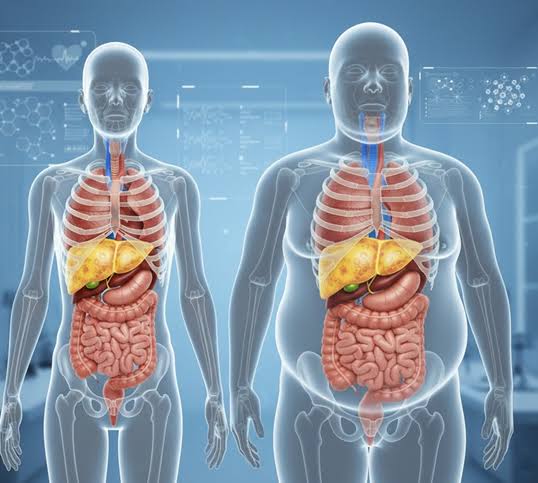
The evidence for exercise and fatty liver health is exceptionally strong: regular physical activity reduces hepatic fat content, improves liver enzyme levels, reduces liver stiffness (a marker of fibrosis), and improves insulin sensitivity — all the key parameters in non-alcoholic fatty liver disease (NAFLD) management. What makes the exercise-liver relationship particularly compelling is that these benefits occur even without weight loss: multiple studies have demonstrated that exercise improves liver fat content and liver function markers independently of changes in body weight or BMI, suggesting direct hepatic metabolic effects beyond what can be explained by caloric deficit alone.
- Both aerobic exercise and resistance training reduce liver fat and improve liver enzyme levels (ALT, AST) — aerobic exercise primarily through increased fatty acid oxidation; resistance training through improved insulin sensitivity and muscle glucose uptake
- Exercise improves liver fat content without requiring weight loss — making it an effective intervention even when weight is stable or loss is minimal
- High-intensity interval training (HIIT) produces comparable or superior liver fat reduction to continuous moderate-intensity exercise in fewer total exercise minutes — making it a time-efficient option for people with schedule constraints
- The combination of aerobic exercise plus resistance training produces greater liver fat reduction than either type alone — if time allows only one type, aerobic exercise has the stronger single-modality evidence for liver fat specifically
- Exercise is most effective as part of a comprehensive lifestyle approach — combined with dietary changes (Mediterranean diet pattern, reduced fructose) and weight management, it produces NAFLD reversal rates significantly higher than exercise alone
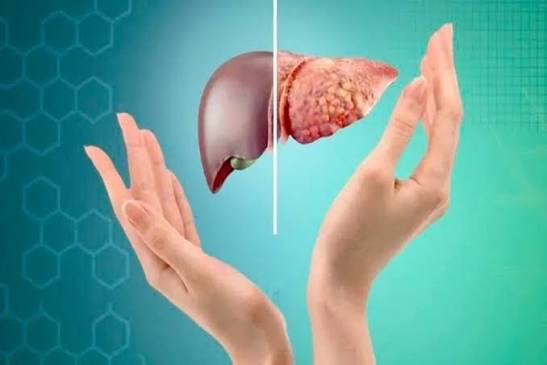
Why Exercise Is Central to NAFLD Management
Non-alcoholic fatty liver disease (NAFLD) — now more often termed metabolic-associated fatty liver disease (MAFLD) — affects approximately 25% of the global adult population and is closely linked to insulin resistance, type 2 diabetes, obesity, and metabolic syndrome. Exercise is one of the three cornerstones of NAFLD management alongside dietary intervention and weight management, and has a unique role: it is the only intervention with evidence for directly reducing hepatic fat content independent of caloric restriction or weight loss.
The direct liver-fat-reducing effect of exercise occurs through several mechanisms. During aerobic exercise, fatty acid oxidation in skeletal muscle increases dramatically — muscles preferentially burn fat as fuel during sustained moderate exercise, reducing circulating free fatty acids that would otherwise be taken up by the liver and stored as triglycerides. Exercise also reduces de novo lipogenesis (DNL) in the liver — the process of converting excess carbohydrates (especially fructose) into fat — by improving hepatic insulin signalling and reducing the insulin resistance that drives excess DNL. Additionally, exercise reduces visceral adipose tissue (fat around the abdominal organs), which is the primary source of the free fatty acids that drive hepatic fat accumulation. For the dietary component of fatty liver management, see our article on fatty liver meal planning.
Aerobic Exercise and Liver Fat
Aerobic exercise has the most extensive evidence base for liver fat reduction in NAFLD. Multiple systematic reviews and meta-analyses of randomised controlled trials have consistently found that aerobic exercise interventions of 8–12 weeks’ duration reduce liver fat content as measured by MR spectroscopy (the gold standard for quantifying hepatic fat) or liver ultrasound.
A 2017 meta-analysis by Romero-Gómez et al. published in the Journal of Hepatology analysed 21 RCTs of exercise interventions in NAFLD patients and found that aerobic exercise produced significant reductions in liver fat content, ALT (alanine aminotransferase — the primary liver enzyme marker of hepatocyte damage), and AST (aspartate aminotransferase) across studies, with the effect size correlating with exercise volume (minutes per week). Critically, improvements in liver enzymes and estimated liver fat were observed even in studies where body weight did not significantly change, confirming the weight-independent hepatic effect.
The minimum effective dose for aerobic exercise in NAFLD management, based on current evidence, is approximately 150 minutes per week of moderate-intensity exercise — equivalent to 30 minutes, 5 days per week, at a pace that produces moderate breathlessness. Exercise intensities corresponding to 40–60% of VO₂max (moderate intensity) and 60–75% VO₂max (vigorous intensity) both produce hepatic fat reduction, with higher intensity producing comparable outcomes in fewer total minutes.
Resistance Training and Liver Fat
Resistance training (weight training, bodyweight exercises, resistance band work) was initially less studied for liver fat than aerobic exercise, but a growing body of evidence confirms significant independent benefits. The mechanisms differ from aerobic exercise: resistance training does not produce the same immediate fatty acid oxidation effect as sustained aerobic work, but it increases skeletal muscle mass and thereby increases basal metabolic rate, improves insulin sensitivity by increasing the volume of glucose-storing muscle tissue, reduces visceral adiposity over time, and directly improves hepatic insulin signalling through myokine secretion (muscle-derived cytokines that signal to the liver).
A 2021 meta-analysis published in Sports Medicine analysed 14 RCTs of resistance training in NAFLD patients and found significant reductions in liver fat content, ALT, AST, body weight, and BMI compared to sedentary controls. The resistance training protocols producing the largest effects used 3 sessions per week with 8–12 exercises per session at moderate to high intensity (60–80% of one-repetition maximum), similar to standard resistance training guidelines. Importantly, resistance training produced liver fat reductions in patients who could not tolerate aerobic exercise due to orthopaedic limitations or cardiovascular contraindications, broadening the population for whom exercise-based NAFLD treatment is feasible.
HIIT and Liver Fat: Time-Efficient Alternative
High-intensity interval training (HIIT) — alternating periods of near-maximal effort with active recovery — has emerged as an evidence-based alternative to continuous moderate-intensity aerobic exercise for NAFLD management, with the advantage of producing comparable metabolic effects in significantly less total exercise time.
A 2017 RCT by Hallsworth et al. published in Gut compared 12 weeks of HIIT versus continuous moderate-intensity exercise in NAFLD patients and found equivalent reductions in liver fat content, liver enzymes, insulin resistance, and cardiorespiratory fitness between the two groups. A subsequent meta-analysis of HIIT versus continuous exercise in NAFLD (2021) confirmed that HIIT produced at least equivalent liver fat reduction in approximately 60–70% of the total weekly exercise time, making it a practical choice for people with schedule constraints.
Practical HIIT approaches for NAFLD management: cycling intervals (20 seconds hard / 40 seconds recovery, 10–12 rounds, 3–4 times per week); brisk walking intervals (2 minutes fast / 1 minute recovery for 20 total minutes); or any cardio modality where intensity can be varied. HIIT should not be introduced immediately in sedentary NAFLD patients with significant cardiovascular risk — a 4–6 week base-building period with moderate continuous exercise is appropriate before adding intervals.
Combined Aerobic and Resistance Training
Studies comparing aerobic exercise alone, resistance training alone, and combined aerobic + resistance training in NAFLD patients consistently find that combined training produces the greatest improvements across multiple liver health parameters. A 2019 RCT published in Hepatology assigned NAFLD patients to aerobic exercise, resistance training, or combined training for 12 weeks. The combined training group showed the greatest reductions in liver fat, ALT, and insulin resistance, while also producing the largest improvements in body composition and cardiorespiratory fitness.
For people who can commit to 4–5 exercise sessions per week, the optimal NAFLD exercise programme combines 2–3 aerobic sessions (30–45 minutes each at moderate-to-vigorous intensity) with 2 resistance training sessions (full-body, 45–60 minutes each). For people with more limited time, 3 sessions per week alternating aerobic and resistance exercises, or HIIT protocols that combine cardiovascular and resistance elements, produce meaningful liver health benefits from fewer weekly hours.
Exercise, Weight Loss, and Liver Fat
While exercise produces direct liver fat reduction independently of weight loss, the combination of exercise with dietary change and intentional weight management produces substantially greater NAFLD reversal than either alone. The relationship is additive: weight loss from dietary restriction reduces liver fat through reduced caloric substrate for hepatic de novo lipogenesis; exercise reduces liver fat through increased fatty acid oxidation and improved insulin sensitivity; and the combination of both removes more hepatic fat than either intervention at the same total effort.
A 5–7% reduction in body weight from combined dietary and exercise intervention is the threshold most consistently associated with significant reduction in hepatic steatosis (liver fat grade). A 10% weight reduction is associated with resolution of steatohepatitis (the inflammatory stage of NAFLD) in many patients. However, for patients who cannot achieve significant weight loss, exercise alone still produces meaningful liver fat and enzyme improvements — the weight-independent benefits make it a high-value intervention regardless of weight loss outcome. For the dietary component of NAFLD management, see our article on fatty liver meal planning and for weight management specifically, see our article on weight management and liver health.
Exercise for NASH and Advanced Fibrosis
For patients with non-alcoholic steatohepatitis (NASH) — the progressive inflammatory stage of NAFLD — and hepatic fibrosis, the exercise evidence remains positive but requires more caution. Multiple studies show that exercise reduces hepatic inflammation markers (liver stiffness by FibroScan, inflammatory cytokines) in NASH patients. However, patients with advanced fibrosis (F3-F4 on the METAVIR scale) or cirrhosis have reduced exercise capacity due to hepatic dysfunction, muscle wasting, and fatigue, and exercise programming should be supervised by a hepatologist or exercise physiologist with NAFLD expertise in these cases.
For early and intermediate NAFLD (steatosis and early NASH), standard exercise recommendations apply. For advanced disease, the principle remains that any exercise is better than none — even low-intensity walking several times per week produces measurable benefits in liver function markers in patients with significant fibrosis — but the programme intensity and progression should be matched to the patient’s current capacity and monitored with regular liver function tests.
Sedentary Time and Liver Fat
An important but underappreciated aspect of the exercise-liver relationship is the independent negative effect of prolonged sedentary time on liver fat — distinct from insufficient exercise. People who exercise regularly but also spend extended periods sitting (8+ hours per day) have worse liver health outcomes than people with the same exercise volume who also interrupt sitting time with regular movement breaks. Studies using accelerometry to measure both exercise and sedentary time show that prolonged uninterrupted sitting elevates hepatic fat synthesis through continuous insulin signalling in the absence of muscle glucose uptake — even after accounting for daily exercise volume.
The practical implication: reducing sedentary time by interrupting sitting with 2–5 minute movement breaks every 30–60 minutes (standing, walking, light activity) provides hepatic metabolic benefits that complement but do not fully substitute for structured exercise sessions. For people with desk-based jobs, this sitting-break pattern combined with regular exercise sessions represents the most complete approach to exercise-based NAFLD management. For evidence on sitting and digestive health more broadly, see our article on exercise and digestive health.
Frequently Asked Questions
Q: How long does exercise take to reduce liver fat in NAFLD?
A: MR spectroscopy studies measuring liver fat before and after exercise interventions show measurable reductions beginning at 4 weeks, with statistically significant changes typically appearing at 8–12 weeks in most study protocols. The speed of response depends on baseline liver fat content (higher starting liver fat shows faster absolute reduction), exercise volume (more minutes per week = faster response), and the presence or absence of concurrent dietary change. Liver enzyme improvements (ALT, AST) often appear earlier than imaging-confirmed fat reduction — normalisation of elevated liver enzymes within 4–8 weeks of regular exercise initiation is common, and is a practical early marker of liver health response to track with your GP before liver imaging results are available.
Q: Can I exercise with elevated liver enzymes?
A: Mildly to moderately elevated liver enzymes (ALT and AST up to 3–5 times the upper limit of normal) from NAFLD are not a contraindication to exercise — in fact, exercise is one of the primary interventions recommended to lower them. Very strenuous exercise (marathon running, extreme HIIT) can transiently elevate liver enzymes for 24–72 hours after the session through muscle breakdown (rhabdomyolysis) — this is not a liver disease concern but can confuse liver function test interpretation if bloods are taken immediately post-exercise. For NAFLD monitoring, ensure liver function tests are taken at rest, at least 48–72 hours after any vigorous exercise session. If liver enzymes are markedly elevated (>10 times upper limit of normal) or accompanied by symptoms (jaundice, right upper quadrant pain, fatigue), consult your hepatologist before beginning an exercise programme.
Q: Is swimming good for fatty liver disease?
A: Swimming is an excellent exercise choice for NAFLD patients, particularly those with musculoskeletal limitations (knee or hip arthritis, obesity-related joint pain) that make weight-bearing exercise painful or risky. Swimming provides sustained cardiovascular exercise with low joint impact, engages large muscle groups that contribute to fatty acid oxidation, and has no specific contraindications for NAFLD patients at any disease stage. The main practical consideration is accessibility — not everyone has convenient pool access. For those who do, swimming 30–45 minutes 3–5 times per week at moderate-to-vigorous effort produces liver fat reduction equivalent to comparable land-based aerobic exercise.
Q: Does alcohol-related fatty liver disease also benefit from exercise?
A: Alcoholic liver disease (ALD) is a distinct condition from NAFLD with different pathophysiology, though both involve hepatic fat accumulation. The primary treatment for ALD is alcohol cessation — without this, no other intervention meaningfully reverses the condition. In patients who have achieved alcohol abstinence, exercise has been studied in ALD and shows benefits for liver fat reduction, liver function markers, and muscle mass restoration (alcohol causes significant muscle wasting that impairs metabolic recovery). The exercise recommendations for abstinent ALD are similar to those for NAFLD, with the addition that sarcopenia (muscle wasting) often means resistance training is particularly important to rebuild muscle protein alongside aerobic exercise. Always discuss exercise initiation in ALD with your hepatologist, as advanced ALD (alcoholic cirrhosis) requires specialised assessment of exercise capacity and contraindications.
Q: What is the minimum amount of exercise that helps fatty liver?
A: Even below the 150 minutes per week guideline threshold, any exercise produces directional benefits for liver health — the dose-response relationship between exercise volume and liver fat reduction is continuous, not threshold-based. Studies show that 75 minutes per week of vigorous exercise produces similar liver fat reduction to 150 minutes of moderate exercise (intensity compensates for volume). For completely sedentary patients starting from zero, even 3 × 20-minute moderate walks per week (60 minutes total) produces measurable liver enzyme improvements within 8–12 weeks. The key practical principle is that starting with any sustainable amount and gradually building toward 150+ minutes per week over 8–12 weeks is more effective than attempting the target immediately and abandoning the programme due to over-exertion or injury.
Q: How does exercise compare to medication for NAFLD?
A: As of 2026, there are no FDA- or EMA-approved pharmacological treatments specifically indicated for NAFLD/MAFLD — several drugs are in late-stage trials (resmetirom was approved in the US in 2024 for NASH with moderate to advanced fibrosis) but drug options for the majority of NAFLD patients remain limited. Exercise and dietary lifestyle change are therefore the primary evidence-based treatments for NAFLD, not adjuncts to medication. The liver fat reductions achievable with consistent exercise (3–7% absolute reduction in hepatic fat content over 12 weeks) are clinically significant and produce downstream improvements in insulin resistance, liver enzymes, and reduced progression risk. In comparison, the emerging pharmacological options produce comparable or larger liver fat reductions but carry side effect profiles, costs, and access limitations. For most NAFLD patients, maximising exercise and dietary lifestyle change remains the most available, lowest-risk, and broadest-benefit treatment strategy currently available.
Q: Does exercise help with liver pain in NAFLD?
A: Liver pain in NAFLD — typically felt as a dull ache or sense of fullness in the right upper abdomen — is caused by hepatic capsule distension (the fibrous covering of the liver stretching as liver volume increases with fat accumulation and inflammation). As exercise reduces liver fat content and hepatic volume over 8–12 weeks, capsule distension decreases and liver discomfort often reduces or resolves. Exercise does not directly address the pain acutely — immediately post-exercise, transient liver blood flow changes may temporarily worsen discomfort in some patients. If exercise consistently worsens right upper quadrant pain, or if pain is severe, sharp, or accompanied by fever or jaundice, this warrants medical evaluation rather than exercise modification.
Starting from sedentary or low-activity baseline:
- Weeks 1–3 (foundation): 3 × 20-minute brisk walks per week. Focus on establishing the habit. Heart rate at conversational pace.
- Weeks 4–6 (build): 4 × 25-minute walks + 1 × 30-minute resistance session (bodyweight squats, lunges, push-ups, resistance bands). Add 5 minutes to each walk.
- Weeks 7–9 (moderate): 3 × 30-minute moderate cardio + 2 × resistance sessions. Introduce 2–3 interval segments per cardio session (30 seconds faster pace, 90 seconds recovery). Total: ~150 minutes/week.
- Weeks 10–12 (consolidate): 3 × 35-minute cardio (some HIIT intervals) + 2 × resistance. Establish this as the sustainable pattern. Get liver function tests retested to assess response.
Reassess with your hepatologist at 12 weeks with updated liver function tests and, if available, repeat liver ultrasound or FibroScan to quantify response.
This article is for educational purposes only and does not constitute medical advice. Always consult a qualified healthcare provider before starting an exercise programme if you have been diagnosed with NAFLD or any liver condition.
- Romero-Gómez M, et al. “Treatment of NAFLD with diet, physical activity and exercise.” Journal of Hepatology. 2017;67(4):829-846.
- Hallsworth K, et al. “Resistance exercise reduces liver fat and its mediators in non-alcoholic fatty liver disease independent of weight loss.” Gut. 2011;60(9):1278-1283.
- Keating SE, et al. “Effect of aerobic exercise training dose on liver fat and visceral adiposity.” Journal of Hepatology. 2015;63(1):174-182.
- Bacchi E, et al. “Both resistance training and aerobic training reduce hepatic fat content in type 2 diabetic subjects with nonalcoholic fatty liver disease.” Hepatology. 2013;58(4):1287-1295.
- Hashida R, et al. “Aerobic vs resistance exercise in non-alcoholic fatty liver disease: A systematic review.” Journal of Hepatology. 2017;66(1):142-152.
- Zelber-Sagi S, et al. “Exercise and physical activity in NAFLD: from mouse to man.” Liver International. 2017;37(7):974-985.
- Orci LA, et al. “Effect of aerobic training on non-alcoholic fatty liver disease.” British Journal of Sports Medicine. 2016;50(8):502-509.
- European Association for the Study of the Liver. “EASL Clinical Practice Guidelines on the Management of Hepatic Encephalopathy.” Journal of Hepatology. 2022;77(3):807-855.
- Vilar-Gomez E, et al. “Weight Loss Through Lifestyle Modification Significantly Reduces Features of Nonalcoholic Steatohepatitis.” Gastroenterology. 2015;149(2):367-378.
- Golabi P, et al. “Effectiveness of Exercise in Hepatic Fat Mobilization in Non-alcoholic Fatty Liver Disease.” World Journal of Gastroenterology. 2016;22(27):6318-6327.
The finding that exercise reduces liver fat independently of weight loss is genuinely important information for me. I was diagnosed with NAFLD last year and my hepatologist told me to lose weight and exercise, but the weight loss has been slow and I was starting to feel like the exercise wasn’t doing anything useful without visible weight change. Understanding that exercise directly reduces hepatic fat through fatty acid oxidation and improved insulin signalling — as a separate mechanism from caloric deficit — changes how I think about it. The liver enzyme improvement timeline is also useful: I now know to check my ALT and AST at 8-12 weeks of consistent exercise rather than waiting for imaging confirmation.
The weight-independent liver fat effect is one of the more clinically useful messages in hepatology lifestyle medicine, partly because so many patients with NAFLD experience slow weight loss and interpret this as evidence that their lifestyle changes are not working. The mechanism is worth understanding: skeletal muscle is the primary site of fatty acid oxidation during aerobic exercise, and this process draws free fatty acids from circulation rather than from adipose tissue directly. The liver continuously monitors circulating free fatty acid levels and adjusts uptake accordingly — when exercise reduces circulating FFAs through muscle oxidation, the liver takes up less fat regardless of whether total body weight has changed. The ALT/AST response is a useful early marker precisely because it reflects hepatocellular stress (the liver enzymes leak from cells when they are stressed by fat accumulation) — as exercise reduces hepatic fat content, liver cell stress decreases and the enzyme levels normalise. For monitoring progress when imaging is not available, a GP-ordered liver function test every 8-12 weeks is a reasonable approach, with the expectation of incremental improvement in ALT as the exercise programme is established.
The section on sedentary time as a separate risk factor from insufficient exercise is something I had not considered before. I exercise 4 times a week, but I also have a desk job where I sit for 8+ hours per day. The explanation that prolonged uninterrupted sitting maintains continuous insulin signalling that drives hepatic fat synthesis — even in the context of regular exercise — means my exercise habit alone might not be fully offsetting the desk hours. The practical recommendation to break sitting every 30-60 minutes with 2-5 minutes of movement is easy to implement with a timer, and the distinction from structured exercise sessions clarifies that both matter independently.