
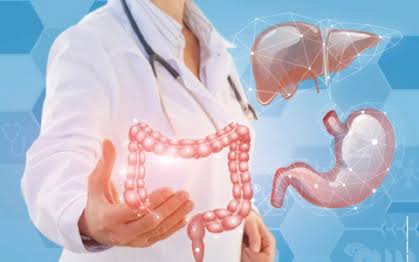
The relationship between exercise and digestive health is more direct and mechanistically well-understood than most people realise. Physical activity accelerates intestinal transit, reduces the risk of colorectal cancer, improves gut microbiome diversity, strengthens the gut barrier, and modulates the gut-brain axis — and these effects occur across a wide range of exercise types and intensities, from gentle walking to vigorous aerobic training. The challenge is understanding which forms of exercise help digestion, at what intensity and timing, and which high-intensity patterns can temporarily worsen symptoms in people with IBS, GERD, or inflammatory bowel conditions.
- Moderate aerobic exercise (brisk walking, cycling, swimming) 150+ minutes per week is the most well-evidenced form of physical activity for gut health — it accelerates transit, supports microbiome diversity, and reduces colorectal cancer risk
- Exercise improves gut microbiome diversity independently of diet — studies show physically active people have higher microbial diversity than sedentary people even when dietary fibre intake is equivalent
- High-intensity exercise (>70% VO₂max) temporarily increases intestinal permeability and can trigger GI symptoms (nausea, diarrhoea, cramping) in some people — timing meals 2–3 hours before vigorous sessions reduces this risk
- Resistance training and yoga both have independent evidence for gut health benefits: resistance training improves gut transit via core strengthening; yoga specifically reduces IBS symptom scores and stress-induced gut symptoms
- Exercise timing relative to meals matters: gentle activity (walking) after meals benefits digestion; vigorous exercise immediately after eating worsens GI symptoms
How Exercise Affects Digestion: The Core Mechanisms
Physical activity influences digestive health through four distinct physiological mechanisms, each supported by independent research evidence. Understanding these mechanisms helps explain why different types of exercise have different effects on digestive symptoms and gut health outcomes.
Accelerated intestinal transit: Exercise increases colonic contractile activity through a combination of mechanical stimulation (movement and core engagement physically agitate the colon), autonomic nervous system effects (sympathetic stimulation during exercise increases propulsive colonic motility), and hormonal signals (exercise increases plasma motilin and peptide YY, both of which stimulate gut motility). Studies comparing colonic transit times in active versus sedentary adults consistently show 30–50% faster transit in physically active individuals. This accelerated transit is the primary mechanism behind exercise’s effectiveness for chronic constipation, and explains why the first-line recommendation for constipation management includes regular physical activity alongside dietary fibre increase. For the dietary component of constipation management, see our article on constipation diet: what to eat and limit.
Gut microbiome diversity: Multiple studies — including controlled interventions where sedentary individuals were assigned exercise programmes — show that physical activity increases gut microbial species diversity and specifically increases populations of beneficial short-chain fatty acid (SCFA)-producing bacteria including Faecalibacterium prausnitzii, Akkermansia muciniphila, and Bifidobacterium species. Critically, this effect appears independent of diet — athletes have more diverse gut microbiomes than sedentary controls even when dietary fibre intake is equated, suggesting a direct exercise-microbiome relationship mediated by metabolic and immune signalling.
Gut barrier integrity: Moderate-intensity exercise strengthens intestinal barrier function by upregulating tight junction proteins (occludin, claudin-1, ZO-1) that seal the spaces between intestinal epithelial cells. A stronger gut barrier reduces intestinal permeability — the “leaky gut” phenomenon associated with systemic inflammation, food sensitivity, and inflammatory bowel disease exacerbations. However, this effect is dose-dependent and can reverse at very high exercise intensities, where intestinal ischaemia (reduced blood flow to the gut during maximal exertion) temporarily disrupts tight junction integrity.
Gut-brain axis modulation: Exercise reduces cortisol and activates the parasympathetic nervous system in recovery, both of which benefit gut motility and gut barrier function. The gut-brain axis — the bidirectional communication network between the enteric nervous system and the central nervous system — is directly modulated by exercise-induced changes in stress hormones, gut microbiome composition, and vagal tone. This mechanism explains why regular exercise consistently improves IBS symptom scores independently of its motility effects.
Exercise and Constipation
Constipation is the digestive condition with the most direct and well-established exercise-exercise response relationship. The evidence for exercise as a treatment for functional constipation is strong enough that multiple clinical guidelines include regular physical activity as a first-line intervention alongside dietary fibre and fluid intake.
A 2019 systematic review published in the Scandinavian Journal of Gastroenterology analysed 14 randomised controlled trials and found that exercise interventions significantly increased defecation frequency, reduced stool transit time, and improved constipation symptom scores across multiple exercise modalities. The most effective interventions combined aerobic exercise (brisk walking or cycling 3–5 times per week) with core strengthening exercises that directly massage and compress the colon.
Practical exercise recommendations for constipation: 30 minutes of brisk walking 5 days per week is the minimum effective dose; swimming and cycling are equally effective; yoga has additional evidence specifically for constipation through both motility effects and stress reduction; and gentle abdominal massage following the path of the colon (start at the lower right abdomen, circle up and across to the left, then down) for 5–10 minutes daily has clinical trial support as an adjunct to other constipation management strategies.
Exercise, IBS, and Inflammatory Bowel Conditions
For IBS, exercise has a complex and important relationship. Regular moderate exercise is consistently associated with improved IBS symptom scores across multiple studies, operating through stress-cortisol reduction, gut microbiome improvements, and gut motility normalisation. A 2015 randomised controlled trial in the American Journal of Gastroenterology found that 12 weeks of supervised moderate exercise (30–60 minutes at 40–60% VO₂max, 3–5 times per week) significantly reduced IBS symptom severity scores and improved quality of life compared to a sedentary control group.
However, high-intensity exercise can worsen IBS symptoms acutely — vigorous running, cycling at near-maximal intensity, and high-intensity interval training (HIIT) can trigger diarrhoea, cramping, and urgency in IBS-D (diarrhoea-predominant) patients through a combination of accelerated transit and transient gut barrier disruption. This does not mean IBS patients should avoid vigorous exercise; it means intensity should be built gradually, and high-intensity sessions should be timed away from meals (minimum 2–3 hours after eating) and avoided during active symptom flares.
Yoga deserves specific mention for IBS. Multiple RCTs have shown yoga to be as effective as or superior to general exercise for IBS symptom reduction, operating through both the physical gut-stimulating effects of specific poses and the parasympathetic nervous system activation of the practice. For the full IBS dietary and lifestyle framework, see our article on IBS diet: a practical guide.
For inflammatory bowel disease (Crohn’s disease and ulcerative colitis), the evidence is more nuanced. Moderate exercise during remission is generally beneficial and may reduce relapse frequency — a meta-analysis of exercise interventions in IBD found significant improvements in quality of life, fatigue, and psychological wellbeing. Exercise during active flares should be guided by symptoms and medical advice, as the inflammatory load of a flare combined with exercise-induced gut stress may worsen symptoms.
Exercise and Acid Reflux (GERD)
Exercise has a more nuanced relationship with GERD than with motility disorders. The nature of the exercise matters significantly:
Beneficial for GERD: Moderate-intensity aerobic exercise, particularly when performed at appropriate timing relative to meals, supports GERD management through weight management (excess adipose tissue increases intra-abdominal pressure and LOS relaxation), improved gastric motility (moderate exercise accelerates gastric emptying, reducing the volume available to reflux), and stress reduction (lower cortisol reduces gastric acid hypersecretion). Studies show that physically active individuals have lower rates of GERD symptoms than sedentary controls, even after controlling for body weight.
Exercise that worsens GERD: High-impact activities (running, jumping, CrossFit-style exercises) increase intra-abdominal pressure during movement, which transiently overcomes LOS pressure and forces acid upward. Exercises requiring a prone or inverted position (certain yoga poses, burpees, forward bends) similarly force gastric contents toward the oesophagus. Weight training with heavy loads increases intra-abdominal pressure during the Valsalva manoeuvre (breath-holding under load). The practical approach is to avoid high-impact exercise within 2 hours of meals, choose lower-impact cardio (swimming, cycling) if running consistently triggers reflux, and modify yoga or weightlifting exercises that require specific positions during symptomatic periods. For the full acid reflux dietary framework, see our article on acid reflux diet: foods to eat and avoid.
Exercise and Gut Microbiome Diversity
The independent effect of exercise on gut microbiome composition is one of the more compelling recent findings in gut health research. Multiple well-controlled studies have established that physically active individuals have measurably higher gut microbial species diversity than sedentary controls, and that this difference persists after controlling for dietary fibre intake — indicating an exercise-specific effect separate from the fibre-microbiome relationship.
A landmark 2018 study published in Gut (Clarke et al.) compared the gut microbiomes of professional rugby players to sedentary controls matched for body mass index. The athletes had significantly higher diversity and, notably, higher proportions of Akkermansia muciniphila — a species associated with lean body composition and reduced metabolic disease risk — regardless of diet. Subsequent intervention studies in previously sedentary individuals showed that 6 weeks of aerobic exercise training produced measurable increases in gut microbial diversity and butyrate-producing bacterial populations that returned partially toward baseline values when exercise was discontinued, suggesting the microbiome effect is maintained by ongoing activity rather than being permanent.
The proposed mechanisms for the exercise-microbiome relationship include: exercise-induced changes in intestinal transit (faster transit alters the fermentation environment in the colon); exercise-mediated immune modulation (physical activity reduces systemic inflammatory cytokines that negatively affect gut microbiome composition); exercise-stimulated increases in bile acid secretion (bile acids shape gut microbiome composition); and exercise-induced changes in gut motility hormones and peptides that directly affect bacterial growth conditions.
Practical Exercise Recommendations for Digestive Health
Minimum effective dose: 150 minutes per week of moderate-intensity aerobic exercise (brisk walking, cycling, swimming) is the WHO-recommended minimum associated with gut health benefits. This can be distributed as 30 minutes per day, 5 days per week, or in larger blocks with rest days. Consistency over months is more important than intensity — a year of regular moderate exercise produces larger microbiome and motility benefits than a few weeks of very intense training.
Best exercise types for general digestive health:
- Brisk walking: Most accessible; effective for constipation, IBS, and gut microbiome diversity; post-meal walks specifically benefit gastric emptying (see our article on walking after meals and digestion)
- Swimming: Excellent for GERD patients — horizontal position is not sustained (unlike flat yoga poses), and the impact of water resistance on abdominal muscles directly stimulates gut motility
- Cycling: Effective aerobic exercise with lower impact than running; the upright or forward-leaning position and rhythmic core engagement benefit gut motility
- Yoga: Strongest evidence specifically for IBS and functional gut disorders; certain poses (twists, forward folds, child’s pose) directly stimulate the colon; stress reduction component independent of motility benefit
- Resistance training: Core strengthening directly benefits gut motility; muscle mass maintenance supports metabolic health relevant to liver function; 2–3 sessions per week complement aerobic exercise
Timing and meal considerations: For general digestive benefit, exercise 2–3 hours after meals — this allows gastric emptying to be well-advanced before exercise. Gentle walking can be performed 15–30 minutes after eating with benefit; vigorous exercise should wait 2 hours. Morning exercise on an empty stomach (or with only a small pre-workout snack) avoids the meal-timing issue entirely and is a practical approach for people with busy schedules. Hydration before and during exercise is important for gut health — dehydration slows intestinal transit and worsens constipation, directly counteracting exercise’s motility benefits.
When Exercise Triggers GI Symptoms
A significant minority of people experience GI symptoms during or after exercise — particularly endurance athletes and anyone doing high-intensity training. The most common symptoms are:
- Runner’s diarrhoea: Loose stools or urgency triggered by running or high-impact exercise; caused by accelerated colonic transit from mechanical jarring and increased propulsive motility; managed by avoiding high-fibre foods and large meals 2–3 hours before exercise, ensuring adequate hydration, and experimenting with lower-impact cardio alternatives
- Exercise-induced nausea: Most common during high-intensity intervals or prolonged endurance exercise; caused by reduced splanchnic blood flow (blood redirected from gut to muscles during intense exercise) and delayed gastric emptying at high intensities; managed by reducing pre-exercise meal timing and intensity, and ensuring pre-exercise nutrition is easy to digest (low-fat, low-fibre)
- Exercise-induced GERD: Acid reflux during or after high-impact or high-pressure exercises; managed as described in the GERD section above
- IBS flare after exercise: In IBS-D patients, high-intensity exercise can trigger symptom flares; reducing intensity and avoiding exercise during active flares prevents this pattern
Frequently Asked Questions
Q: How quickly does exercise improve digestive symptoms?
A: Transit time improvements from exercise can occur relatively quickly — studies show measurable acceleration in colonic transit after as few as 2–4 weeks of regular moderate exercise in previously sedentary individuals. IBS symptom improvements typically require 4–8 weeks of consistent exercise before significant reductions in severity scores are measurable. Gut microbiome diversity changes require the longest timeline — most studies show meaningful composition changes after 6–12 weeks of regular training. The key word in all cases is “regular” — sporadic exercise does not produce the same sustained gut health benefits as consistent weekly activity maintained over months.
Q: Is yoga better than cardio for IBS?
A: The research suggests yoga may have specific advantages for IBS over general aerobic exercise, though both are beneficial. A 2015 RCT comparing yoga to walking in IBS patients found comparable improvements in IBS symptom scores, but yoga showed additional benefits in psychological measures (anxiety reduction, quality of life) that were larger than the walking group. The parasympathetic activation component of yoga practice appears to specifically address the stress-gut-brain axis dysregulation that characterises many IBS cases — particularly IBS-D and mixed-type IBS where psychological stress is a major symptom driver. Practically, the best approach is to combine both: regular walking or moderate aerobic exercise for transit and microbiome benefits, plus 2–3 weekly yoga sessions for the stress-gut-brain axis component.
Q: Can exercise replace medication for constipation?
A: For mild to moderate functional constipation (no organic cause), exercise combined with dietary fibre increase and adequate hydration is often as effective as laxative medication and is preferred by gastroenterology guidelines as first-line management before pharmacological treatment. Multiple RCTs have demonstrated that exercise programmes producing 30+ minutes of moderate activity 3–5 days per week significantly improve defecation frequency and reduce constipation symptom scores without medication. For chronic or severe constipation, or constipation caused by medications (opioids, certain antidepressants) or organic causes (hypothyroidism, colorectal structural issues), exercise supports but does not replace medical management. Always consult your healthcare provider before stopping prescribed laxatives.
Q: Does exercise affect gut microbiome composition in older adults?
A: Yes — and the effect may be particularly important in older adults, for whom gut microbiome diversity naturally declines with age. A study published in Gut (2019) comparing gut microbiome composition in physically active older adults (>60 years) to sedentary age-matched controls found that active older adults maintained gut microbial diversity profiles similar to much younger adults, while sedentary older adults showed the typical age-associated decline. Intervention studies in older adults show that exercise training programmes can partially restore microbiome diversity. Resistance training appears especially relevant for older adults — beyond its microbiome effects, muscle maintenance in older age has broad metabolic benefits that indirectly support gut and liver health through improved insulin sensitivity and reduced visceral adiposity.
Q: What exercises should I avoid if I have a hiatal hernia?
A: A hiatal hernia (where part of the stomach protrudes through the diaphragm) is a structural cause of GERD that makes intra-abdominal pressure management especially important during exercise. Exercises to avoid or modify: heavy weightlifting with the Valsalva manoeuvre (breath-holding under maximal load) generates extreme intra-abdominal pressure; high-impact exercises (running, jumping) generate repetitive pressure spikes; exercises requiring prolonged inversion or forward bending (certain yoga inversions, toe-touch exercises) mechanically force gastric contents toward the oesophagus. Preferred exercise alternatives: swimming, walking, stationary cycling, and resistance training with lighter loads and controlled breathing (exhale on exertion) are generally well-tolerated. Core strengthening (with breathing focus rather than abdominal compression) can actually support hiatal hernia management by improving diaphragmatic tone. Always discuss exercise choices with your gastroenterologist or surgeon if you have a diagnosed hiatal hernia.
Q: Does exercise benefit gut health if I don’t change my diet?
A: Yes — the gut microbiome and motility benefits of exercise appear to operate through pathways distinct from dietary fibre intake. Studies that have equated dietary fibre between active and sedentary groups and between pre- and post-exercise conditions still demonstrate exercise-specific gut microbiome changes, suggesting the effect is not mediated entirely by diet. That said, diet and exercise have additive and synergistic effects on gut health — a high-fibre diet combined with regular exercise produces larger microbiome diversity improvements than either alone. The practical implication is that exercise is a meaningful gut health intervention even for people who cannot or do not change their diet, while also being complementary to dietary changes for people who do both.
Q: How does exercise help with digestive health after weight loss surgery?
A: After bariatric surgery (gastric sleeve, gastric bypass, or adjustable gastric band), exercise plays multiple roles in digestive health outcomes. In the immediate post-operative period (first 4–6 weeks), gentle walking is typically recommended to prevent blood clots and support gastric emptying without stressing the surgical anastomosis. As recovery progresses, exercise supports: lean muscle mass preservation (the caloric restriction post-surgery creates muscle loss risk); continued weight loss and maintenance (reducing visceral adiposity, which benefits both gut and liver health); and gut microbiome diversity restoration (bariatric surgery dramatically alters gut microbiome composition, and exercise accelerates the beneficial microbiome changes that follow weight loss). Post-bariatric exercise should be guided by the surgical team, with gradual progression from walking to moderate aerobic exercise over the first 3–6 months.
If you are currently sedentary, begin with this gradual progression:
- Week 1–2: 20-minute brisk walks 3 times per week + 10-minute gentle yoga or stretching session twice weekly. Focus on consistency, not intensity.
- Week 3–4: Extend walks to 30 minutes; add one additional day. Begin 15–20 minutes of gentle resistance exercises (bodyweight squats, lunges, modified planks) twice weekly.
- Week 5+: Progress toward 150 minutes per week of moderate cardio at your own pace. Add yoga or swimming for variety and IBS symptom management. Maintain resistance training for core strength and metabolic health.
Expect 4–6 weeks before noticeable digestive symptom improvements, and 8–12 weeks before measurable microbiome changes. The investment compounds over time — consistent exercise over years produces gut health benefits that short-term bursts of activity cannot match.
This article is for educational purposes only and does not constitute medical advice. Always consult a qualified healthcare provider before starting a new exercise programme.
- Monda V, et al. “Exercise Modifies the Gut Microbiota with Positive Health Effects.” Oxidative Medicine and Cellular Longevity. 2017;2017:3831972.
- Clarke SF, et al. “Exercise and associated dietary extremes impact on gut microbial diversity.” Gut. 2014;63(12):1913-1920.
- Codella R, et al. “Exercise has the guts: How physical activity may positively modulate gut microbiota in chronic and immune-based diseases.” Digestive and Liver Disease. 2018;50(4):331-341.
- Johannesson E, et al. “Physical activity improves symptoms in irritable bowel syndrome.” American Journal of Gastroenterology. 2011;106(5):915-922.
- Villoria A, et al. “Physical activity and intestinal gas clearance in patients with bloating.” American Journal of Gastroenterology. 2006;101(11):2552-2557.
- Lustyk MKB, et al. “Relationships among physical activity, symptoms, and quality of life in women with irritable bowel syndrome.” Digestive Diseases and Sciences. 2001;46(9):1987-1993.
- Peters HP, et al. “Gastrointestinal symptoms in long-distance runners, cyclists, and triathletes.” European Journal of Gastroenterology and Hepatology. 1999;11(11):1219-1223.
- Vuori I. “Dose-response of physical activity and low back pain, osteoarthritis, and osteoporosis.” Medicine and Science in Sports and Exercise. 2001;33(6 Suppl):S551-S586.
- De Schryver AM, et al. “Effects of regular physical activity on defecation pattern in middle-aged patients complaining of chronic constipation.” Scandinavian Journal of Gastroenterology. 2005;40(4):422-429.
- Bonfiglio F, et al. “Physical activity and irritable bowel syndrome: a systematic review and meta-analysis.” European Journal of Gastroenterology and Hepatology. 2021;33(10):1254-1261.
The distinction between exercise types and their gut effects is something I hadn’t seen clearly laid out before. I’ve been doing HIIT classes exclusively for fitness and wondering why my IBS symptoms seemed to worsen on heavy training weeks. The explanation that high-intensity exercise above 70% VO2max temporarily increases intestinal permeability — the opposite of what moderate exercise does — explains this pattern directly. The 2-3 hour gap between meals and vigorous exercise as the management approach is also practical information I can actually use. Shifting one HIIT session per week to a 30-minute swim and adding a yoga class should help based on what this article describes.
The HIIT and IBS relationship is one of the more clinically useful points in this area. The mechanism is worth understanding: at high intensities, the sympathetic nervous system diverts blood flow away from the splanchnic circulation (gut) toward working muscles. This splanchnic ischaemia — reduced gut blood flow — creates two problems simultaneously: it temporarily disrupts tight junction proteins (increasing intestinal permeability) and it activates stress-response pathways that accelerate colonic transit through a different mechanism than normal exercise. For IBS-D patients specifically, this combination of increased permeability plus accelerated transit can trigger a symptom flare during or immediately after very intense sessions. The good news is that the effect is intensity-dependent: the same person can typically tolerate moderate aerobic exercise (brisk walking, easy cycling at conversational pace) without triggering this pattern. Building intensity gradually over 8–12 weeks allows the gut to adapt — the increased intestinal permeability response to high-intensity exercise appears to reduce with training as gut blood flow efficiency improves.
The finding that exercise improves gut microbiome diversity independently of diet is more significant than it first sounds. I’ve been interpreting microbiome research as essentially a dietary story — eat more fibre, get a better microbiome. Learning that athletes have higher microbial diversity than sedentary people even when fibre intake is equated means there’s a separate exercise-specific mechanism at work. The 6-week timeline before measurable composition changes occur is also useful framing — it sets realistic expectations for when to assess whether the exercise is making a difference rather than giving up after 2 weeks when nothing has obviously changed.